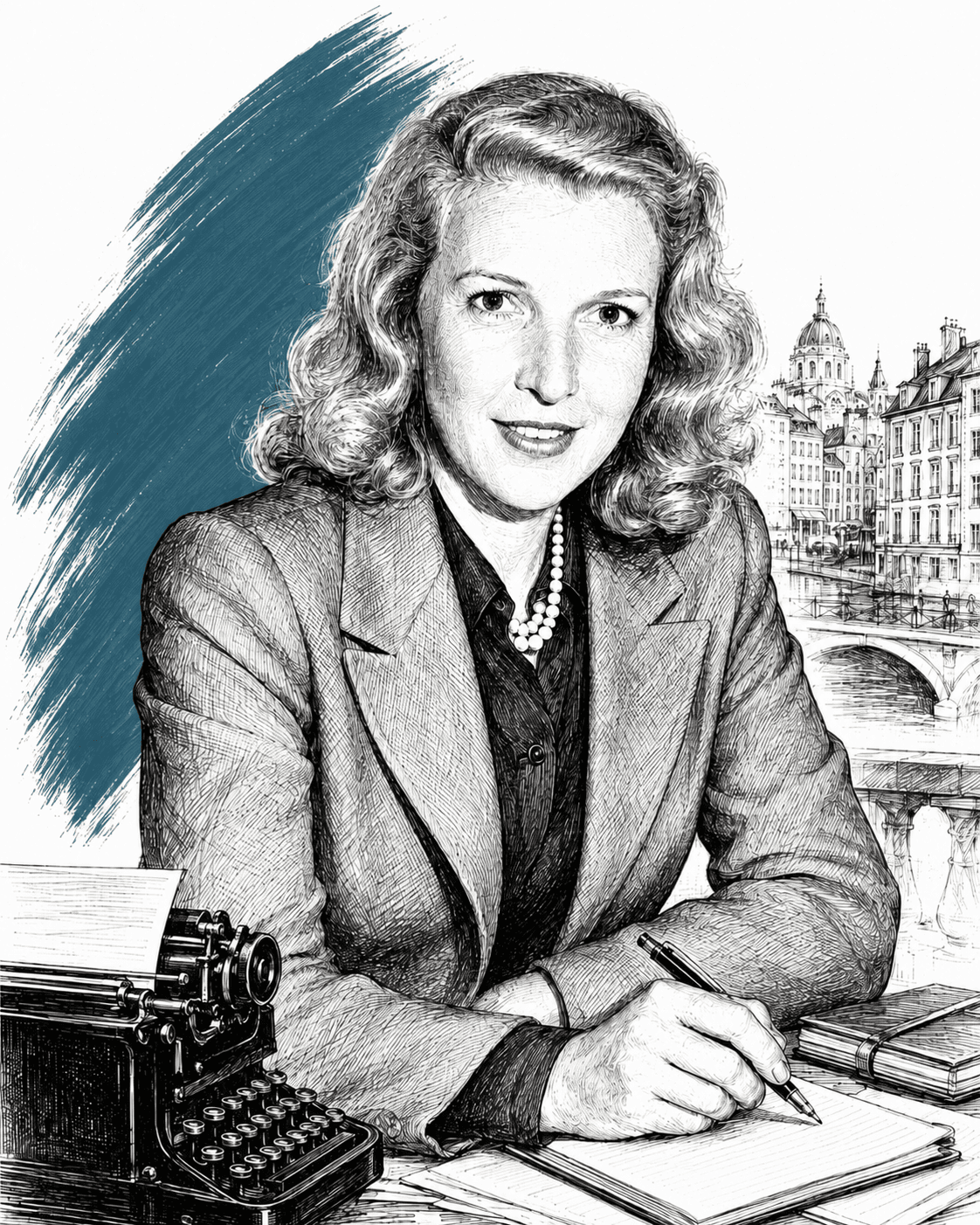

The Face of War
The reporting she could file, beside the novel she wrote from what she could not.
Read our take
Prague in the months after Munich, written by a correspondent who had just been there and could not report the half of it.
An American journalist arrives in Prague in the autumn of 1938, after the Munich Agreement has handed the Sudetenland to Germany and before the rest of the country follows. She finds refugees with nowhere legal to go and a government that cannot protect them, and she tries, within the limits of what a foreign correspondent can actually do, to help. Gellhorn had been in Czechoslovakia herself that year. The novel is what she did with the part of it that would not fit in a dispatch.
The book covers a single week in Prague in October 1938. Chamberlain has just come home promising peace for our time, the Sudetenland is Germany's, and refugees who had fled Austria, Germany and the Sudeten districts to what was the last democracy in central Europe are being served with expulsion orders giving them days to leave. There is nowhere for them to go. The novel's American correspondent, Mary Douglas, has a passport, a press card and a return ticket, and she spends the week discovering exactly how little those are worth to anyone but her.
Gellhorn was in Czechoslovakia that year and the novel is close enough to what she saw that she called it autobiographical. The pressure it puts on itself is the gap between reporting a catastrophe and being able to stop any part of it, which is a question she spent the following sixty years not resolving. It is generally taken to be her strongest fiction, and the University of Chicago Press keeps it in print with an afterword by Caroline Moorehead.
Mary Douglas arrives in Prague to file on the aftermath of Munich and finds a city administering its own dismantling. The refugees she meets are stateless by paperwork rather than by war: protected one month, illegal the next, and given a handful of days to be somewhere else. Among them is Rita, a young German woman whose situation tightens through the week as the deadline runs down and the Gestapo's reach extends into a country that has not yet been invaded.
Around that thread the novel follows what a correspondent can and cannot do — the interviews, the appeals to officials, the attempt to get a document into the right hands, the private favours that fall outside what a reporter is supposed to attempt. Mary can leave at any time and everyone she is writing about knows it. The book's subject is that asymmetry, and it declines to soften it.
Near the end of the novel, the documents Mary carries out of Prague preserve testimony without carrying their writers to safety. Anne Boyd Rioux's reading draws attention to that uneasy achievement: the refugees continue to trust an account of what happened, even when its bearer doubts what publishing it can accomplish. Paper therefore has opposed powers. Official decisions restrict movement, while a few pages of testimony try to cross the same boundaries. The novel gives witness a responsibility, but does not mistake recording a life for saving it.
The map scene discussed by Rioux turns an ordinary image of travel into an examination of exclusion. Refugees gather around possible destinations, but the question is which country will admit them, not where they would enjoy going. The act of looking cannot create a route. That suspended possibility also gives the symbolic platform illustration its force: departures may continue while escape remains unavailable. By bringing the reader close to particular people searching together, Gellhorn makes geographical abstraction answerable to the lives that borders constrain.
Most accounts of the agreement are diplomatic. This one is about the people it stranded, written within two years of it happening.
Mary Douglas is an American journalist in a city she cannot help, which is the most honest self-portrait Gellhorn ever attempted.
Published in 1940, when nobody yet knew how any of it ended.
1938
Gellhorn reports from Czechoslovakia in the months after the Munich Agreement; the novel is set over a single week in Prague that October, among refugees given days to leave and nowhere legal to go.
1940
The novel is published, before anyone yet knew how the war would end.
2011
The University of Chicago Press reissues the novel with a foreword by Caroline Moorehead.
The reporting she could file, beside the novel she wrote from what she could not.
Read our takeMartha Gellhorn. The novel was published in 1940.
An American journalist arrives in Prague in the autumn of 1938, after the Munich Agreement has handed the Sudetenland to Germany, and finds refugees with nowhere legal to go and a government that cannot protect them.
Yes. It draws directly on Gellhorn's own reporting from Prague around the Munich crisis of 1938.
Over a single week in Prague in October 1938, just after Chamberlain returned from Munich promising peace.
A political novel of the refugee crisis on the eve of the Second World War — fiction built from firsthand witness.
Explore authors with a similar voice, perspective, and influence.
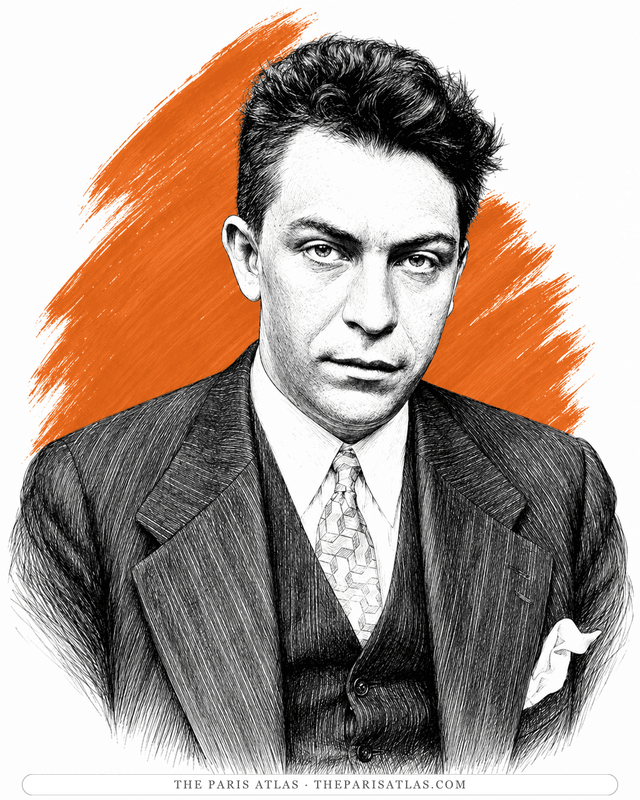
The other great journalist of the Spanish Civil War, reporting the same conflict with the same refusal to flatter the side he preferred.
View author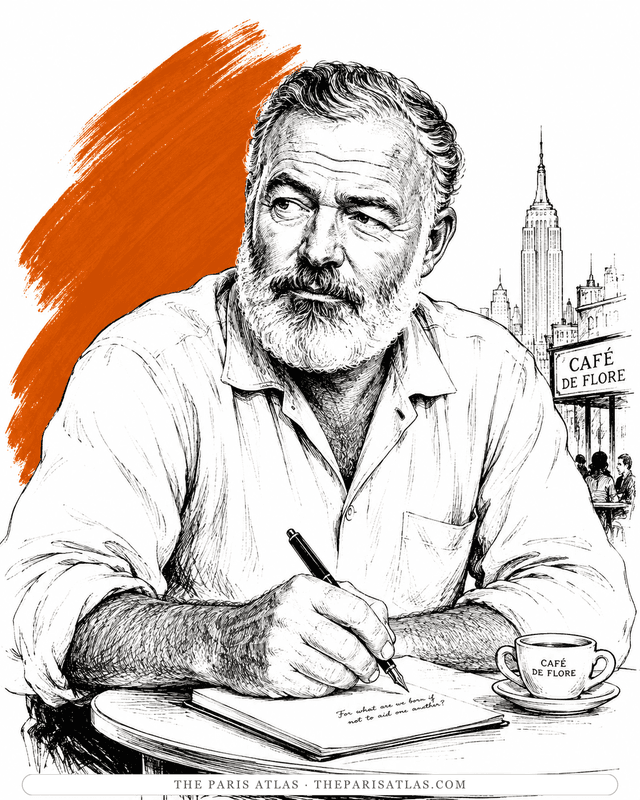
They covered Spain together and he dedicated a novel to her. Read them side by side for how differently the same war lands in fiction and in dispatch.
View author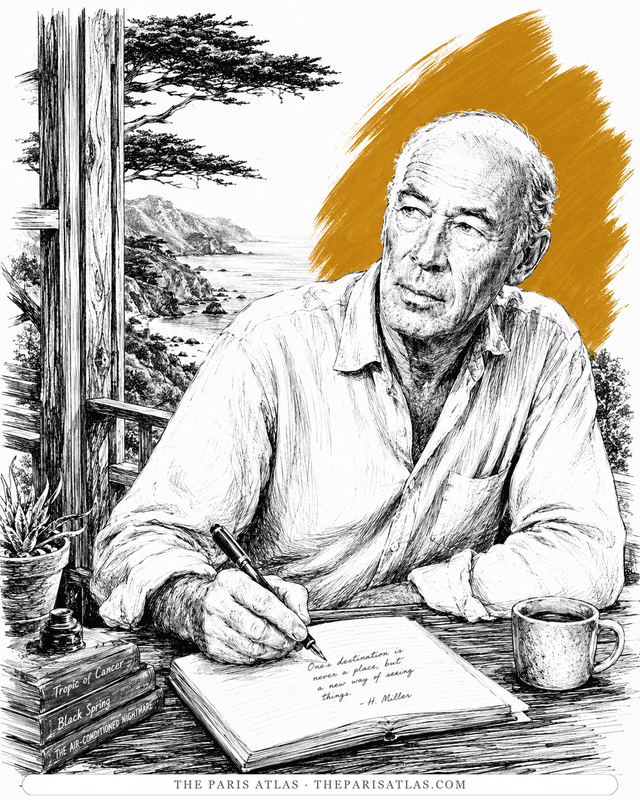
The Brooklyn dropout who arrived in Paris broke at thirty-eight and wrote the exuberant, banned books that ended American censorship.
View authorThe sources below include the primary text, editions, scholarship, archival materials, and other records that informed this page. They document A Stricken Field, its publication, and its place in literary history.


Attributed critical reading with quoted primary passages; not a newly collated complete edition.

Christie's first-edition record verifies the original 1940 publisher.
Used to place A Stricken Field within Martha Gellhorn's published work and verify its bibliographic context.
Used for independent biographical, archival, or historical context surrounding Martha Gellhorn's career and the period in which A Stricken Field appeared.
Used to cross-check authorship, chronology, and the work's place in Martha Gellhorn's wider catalogue.
Used to verify Martha Gellhorn's bibliography and place A Stricken Field within the broader chronology of Martha Gellhorn's career.
Documents the dated edition or contemporary reception included in the timeline.
The primary text is the baseline reference for every book page. Additional references document publication history, interpretation, and historical context where that evidence is available.
 Explore more resources