


The Wine of Astonishment
The novel she made out of the winter fighting and what she found at Dachau — reissued forty years later under a colder title.
- 1948
About Martha Gellhorn
The story, briefly
Spoiler-freeGellhorn's war novel, published in 1948 and drawn from what she had seen herself: the winter fighting in Europe and, at the end of it, a camp days after its liberation. She reissued it in 1989 as Point of No Return, which is the title most readers now meet it under. She regarded it as her best fiction, and it is the book where the reporting and the novelist finally do the same work.
The story, in more detail
The novel follows an American company through the winter fighting of the Battle of the Bulge and on into Germany, and it settles on two men: Lieutenant Colonel John Smithers, who commands, and Jacob Levy, his driver, a young Jewish soldier from St Louis who has spent the war keeping his head down and thinking mostly about a girl and a car. The war is rendered at the level of cold, mud, orders and boredom rather than strategy. Then the company reaches Dachau, days after the camp is opened, and Levy walks into it.
Everything the book has established about him gives way there, and the last movement is about what a man does with knowledge he cannot put down. Gellhorn reached Dachau herself a week after the American soldiers found it, and she wrote in the afterword that she had first heard the camps described during the Spanish Civil War and had not believed the scale of it. She wanted to call the novel Point of No Return, after the moment a pilot can no longer turn back; her editor at Scribner's thought it too bleak and it went out as The Wine of Astonishment. It was a New York Times bestseller, she restored her title in the 1989 reissue, and she considered it her best book.
What's inside
Jacob Levy drives for Colonel Smithers through the Ardennes in the winter of 1944 and across Germany in the spring. He is twenty-something, unheroic, privately preoccupied with a woman in Luxembourg and with the car he intends to own after the war, and the novel spends a long time on the ordinary texture of a soldier's months — the vehicles, the billets, the officers' quarrels, the deadening cold.
That accumulation is the setup. When the company arrives at Dachau, the novel's register changes and does not change back, and the remainder follows Levy through what the camp does to a man who had been managing the war by not looking at it directly.
Themes and analysis
Smithers and the magazine
Smithers cannot use the magazine as an escape because the surrounding forest keeps returning to his mind. The bright photographs promise somewhere unlike the cold farmhouse, yet their insect-eating plants hardly offer an innocent version of nature. His imagined conversation with Gaylord reveals the worries he cannot set aside. The narration then moves to Hammer, for whom the same pause in fighting means warmth, drink and a chance to play. That change of viewpoint makes waiting uneven: what feels like a welcome break to one man becomes an intolerable burden of responsibility to another.
Levy’s supply march
The supply march narrows attention to what a tired body can carry and the next step it can take. Levy perceives the men around him as a shape ahead and a strained noise behind, so the column first reaches the reader through fragments rather than a commanding overview. The account of misplaced supplies, failed radios and frightened horses widens that view without making the movement orderly. Dawn brings clearer sight of ruined trees, not reassurance. Reaching the forward positions is an achievement, but the passage ends with exposure to the enemy rather than relief.
Why we recommend it
The best of her fiction
Her own judgement, and broadly the critical one. If The Face of War is the essential Gellhorn, this is the essential Gellhorn novel.
Written from what she saw
She covered the winter campaign and entered Dachau. The novel is not researched; it is remembered.
Find it under either title
Point of No Return is the same book, and usually the easier of the two to get hold of.
What this book explores
Timeline
1944–1945
Gellhorn covers the winter fighting and enters Dachau days after its liberation — the campaign and the camp the novel is built from.
1948
Scribner's publishes it as The Wine of Astonishment — her editor thought her chosen title, Point of No Return, too bleak — and it becomes a New York Times bestseller.
1989
She restores her original title, reissuing the novel she considered her best as Point of No Return.
Book editions
Hardcover
- Hardcover
- Charles Scribner's Sons
- 1948
Paperback
- Paperback
- 1989
Reader reviews
Readers may also like

A Stricken Field
Her earlier attempt at the same manoeuvre — reporting turned into a novel when the dispatch would not hold it.
Read our takeThe Wine of Astonishment: frequently asked questions
Who wrote The Wine of Astonishment?
Martha Gellhorn. The novel was published in 1948, and reissued in 1989 under the title most readers now meet it by, Point of No Return.
What is The Wine of Astonishment about?
An American company through the winter fighting in Europe — the Battle of the Bulge and on into Germany — ending at a concentration camp days after its liberation.
Is it based on what Gellhorn saw?
Yes. It is drawn from her own frontline reporting of the winter fighting, and from a camp she reached days after it was liberated.
Did Gellhorn consider it her best book?
She regarded it as her best fiction.
What is the book's other title?
Point of No Return — the name under which she reissued it in 1989.
If you like Martha Gellhorn
Explore authors with a similar voice, perspective, and influence.
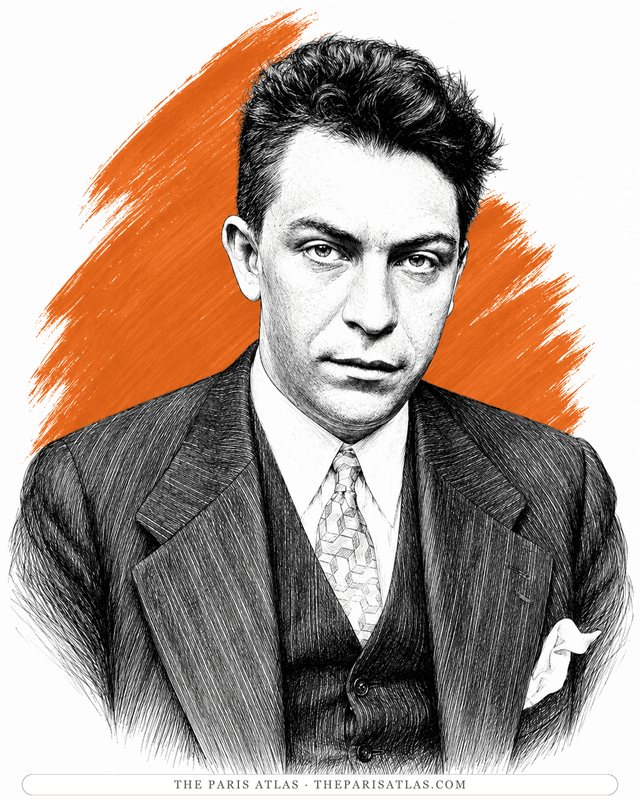
Manuel Chaves Nogales
The other great journalist of the Spanish Civil War, reporting the same conflict with the same refusal to flatter the side he preferred.
View author
Ernest Hemingway
They covered Spain together and he dedicated a novel to her. Read them side by side for how differently the same war lands in fiction and in dispatch.
View author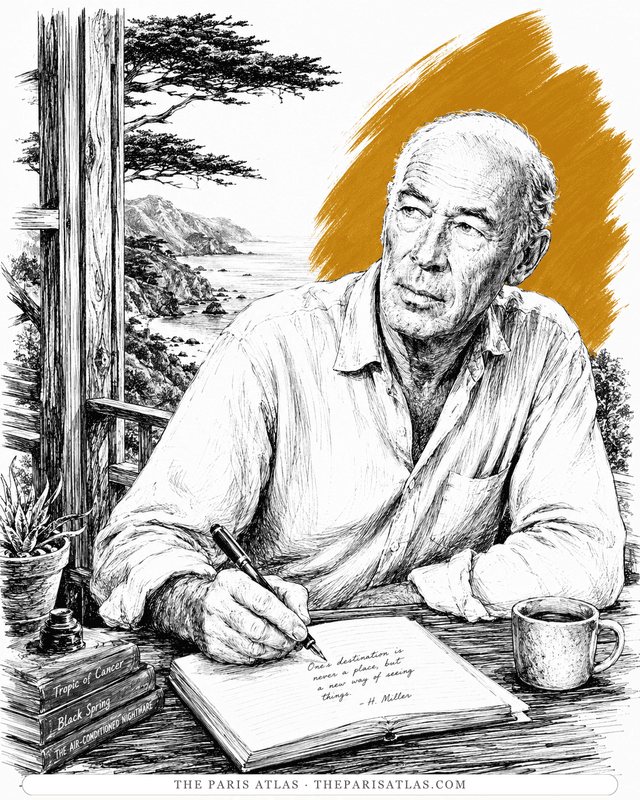
Henry Miller
The Brooklyn dropout who arrived in Paris broke at thirty-eight and wrote the exuberant, banned books that ended American censorship.
View author
References
References
The sources below include the primary text, editions, scholarship, archival materials, and other records that informed this page. They document The Wine of Astonishment, its publication, and its place in literary history.


1Martha Gellhorn: A Life
BiographyCaroline Moorehead, 2003Used forBiographical evidence used to verify chronology, relationships, and historical context connected to The Wine of Astonishment.
2Martha Gellhorn — War Correspondent and Writer | Blue Plaques
WebsiteEnglish HeritageUsed forUsed for independent biographical context on Gellhorn’s war reporting and fiction.
3Martha Gellhorn | Historic Missourians
WebsiteThe State Historical Society of MissouriUsed forThe State Historical Society of Missouri profile was used to cross-check Gellhorn’s wartime chronology and career.
4Ernest Hemingway Collection — Martha Gellhorn (Hemingway) | EH@JFK, John F. Kennedy Presidential Library
WebsiteJohn F. Kennedy Presidential Library and MuseumUsed forThe JFK Library collection page supplies archival context for Gellhorn’s reporting years and papers.
5Point of No Return, A Novel — authorized Google Play Books preview
WebsiteGoogle Play BooksUsed forAuthorized preview under the title Point of No Return. Locators are the reader’s displayed page numbers, not print pagination. Selected passages and surrounding context read; no full-novel reading, first-edition collation or verified date for this preview edition is claimed.
i
Why these sources are here
The primary text is the baseline reference for every book page. Additional references document publication history, interpretation, and historical context where that evidence is available.
 Explore more resources