
The Face of War
The same decades from the other side — what the wars looked like when she was between them.
Read our take
A travel book organised entirely around the trips that went wrong, and the funniest thing she ever wrote.
Gellhorn's account of her worst journeys — China in 1941, the Caribbean, Africa, Russia — told with the flat comic timing of someone who has been genuinely miserable and taken notes. The 'Another' of the title is Hemingway, who appears throughout as her Unwilling Companion and is never named. Written in 1978, more than thirty years after the marriage ended, it is the closest she came to writing about him at length, and she does it without once conceding the subject.
Five journeys, chosen for being awful. She goes into the Chinese interior during the Sino-Japanese war by sampan and on horseback; she spends a week in Moscow among dissidents; she sits out long days in a disused water tank at Eilat on the Red Sea among the hippies who had settled there; and there are the African and Caribbean legs. The complaints are specific and repeated — the beds, the absence of anything that could be called a bathroom, food and water she could not risk, and local people who were unable to help her or saw no reason to.
The comedy comes from the flatness of the telling. She does not build the misery into anecdote or draw a lesson from it, and the effect of a professional describing genuine wretchedness without self-pity is funnier than a joke would be. The China section is also the one place she wrote at length about the marriage: Hemingway travels with her as U.C., the Unwilling Companion, named nowhere in the book. He complains, she keeps going, and the reader is left to work out how much of the account is a settled score.
The beach at Kastelli turns failed escape into a reason to write. In “Credentials,” Gellhorn first exposes the picturesque village she invented from a map, then places her exhausted body among the rubbish that contradicts it. The joke depends on admitting her part in the disappointment, not simply blaming an unlucky destination. Her decision to make a book of such experiences is followed by a search through letters and diaries. That sequence gives the opening a second purpose: it shows a narrator turning imperfect memory into a project, rather than claiming that experience automatically produces wisdom.
The jug dialogue, reproduced by Alyson Foster, makes uncertainty a matter of timing. U.C. answers a question about contents with a name and a claim of prestige; Gellhorn repeats the practical question he has avoided. Each short reply delays the information the reader is waiting for. When the contents are finally named, the assurance that the snakes are dead supplies a comic qualification that does little to answer her concern. The exchange lets companionship emerge through resistance and teasing, without making this brief scene stand for the whole marriage.
Calling Hemingway the Unwilling Companion and declining to name him for an entire book is a sustained piece of comic restraint.
Organised around journeys that failed, which turns out to be a far better structure than journeys that succeeded.
Written at seventy, with nothing left to prove and no editor's war to file for.
1941
Gellhorn travels into wartime China by sampan and on horseback with Hemingway — the 'Unwilling Companion,' named nowhere in the book — the journey that sits at the center of the memoir.
1978
More than thirty years after the marriage ended, she publishes the account of her worst journeys, the closest she came to writing about Hemingway at length.
2001
Tarcher reissues the travel memoir with a foreword by Bill Buford.
The same decades from the other side — what the wars looked like when she was between them.
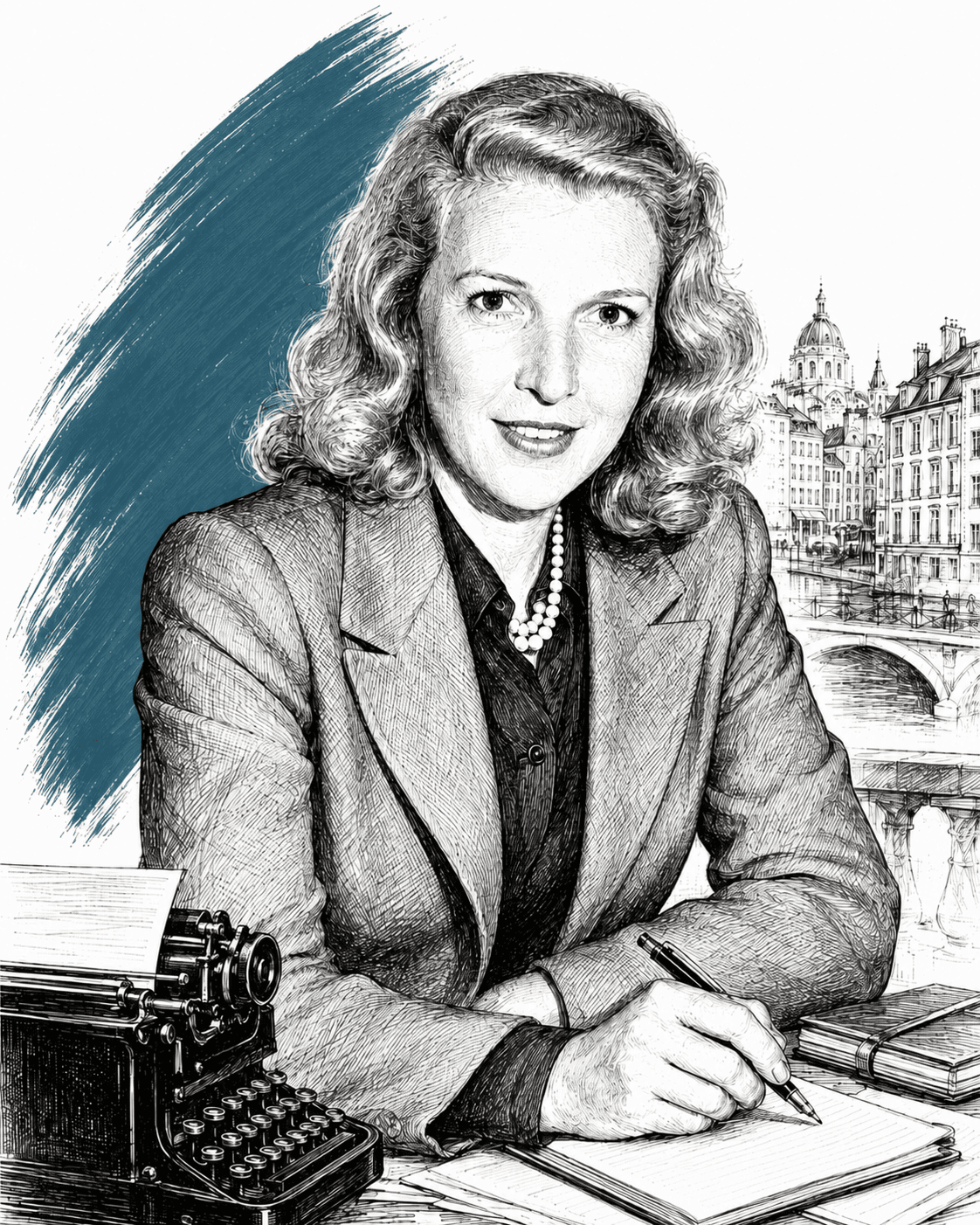
Read our takeMartha Gellhorn. This travel memoir was published in 1978.
Her worst journeys — China in 1941, the Caribbean, Africa, Russia — chosen for being awful, and told with the flat comic timing of someone who has been genuinely miserable and taken notes.
Ernest Hemingway, her husband at the time, who appears throughout as her "Unwilling Companion" and is never named.
Yes — it is her comic masterpiece, travel writing built entirely from disasters, delivered deadpan.
Yes. She was his third wife, and their grueling 1941 trip into wartime China sits at the center of the book.
Explore authors with a similar voice, perspective, and influence.
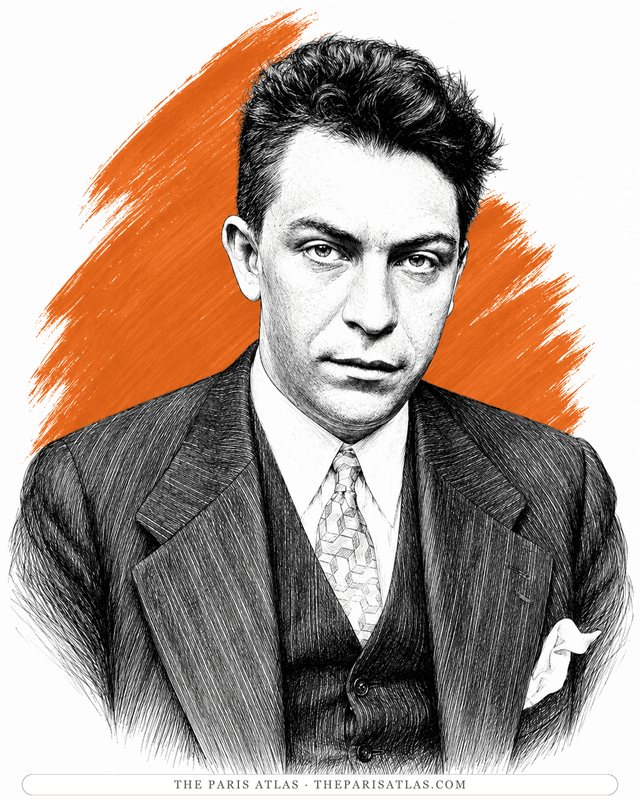
The other great journalist of the Spanish Civil War, reporting the same conflict with the same refusal to flatter the side he preferred.
View author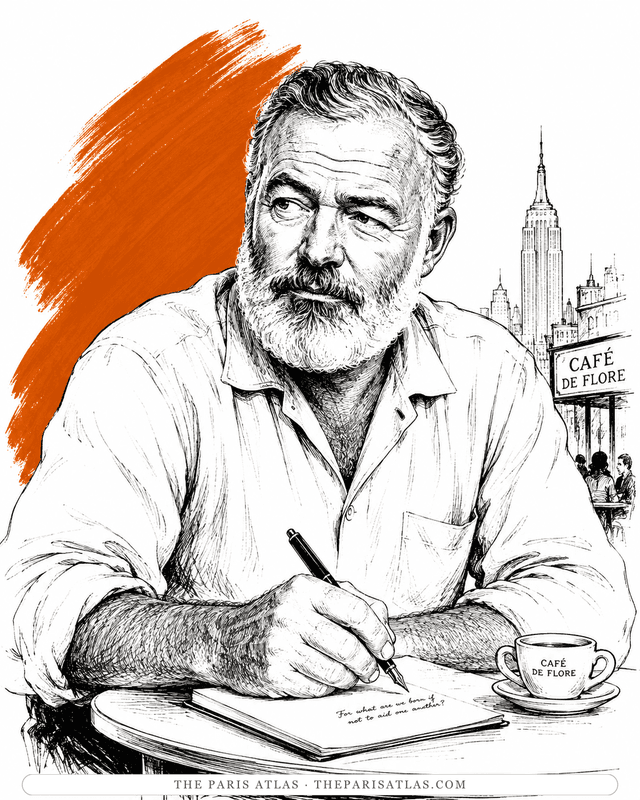
They covered Spain together and he dedicated a novel to her. Read them side by side for how differently the same war lands in fiction and in dispatch.
View author
The Brooklyn dropout who arrived in Paris broke at thirty-eight and wrote the exuberant, banned books that ended American censorship.
View authorThe sources below include the primary text, editions, scholarship, archival materials, and other records that informed this page. They document Travels with Myself and Another, its publication, and its place in literary history.


The 1978 bibliographic record verifies the book's original publisher and publication year.

Used to place Travels with Myself and Another within Martha Gellhorn's published work and verify its bibliographic context.
Used for independent biographical, archival, or historical context surrounding Martha Gellhorn's career and the period in which Travels with Myself and Another appeared.
Used to cross-check authorship, chronology, and the work's place in Martha Gellhorn's wider catalogue.
Used to verify Martha Gellhorn's bibliography and place Travels with Myself and Another within the broader chronology of Martha Gellhorn's career.
Web source consulted for documented facts and historical context presented on the Travels with Myself and Another page.
Complete opening chapter read in the public preview, with the preface and front matter kept distinct; not a complete-book reading.
Used for the short primary dialogue reproduced in the article. No full-chapter reading, exact print pagination or independent reconstruction of the marriage is claimed.
The primary text is the baseline reference for every book page. Additional references document publication history, interpretation, and historical context where that evidence is available.
 Explore more resources