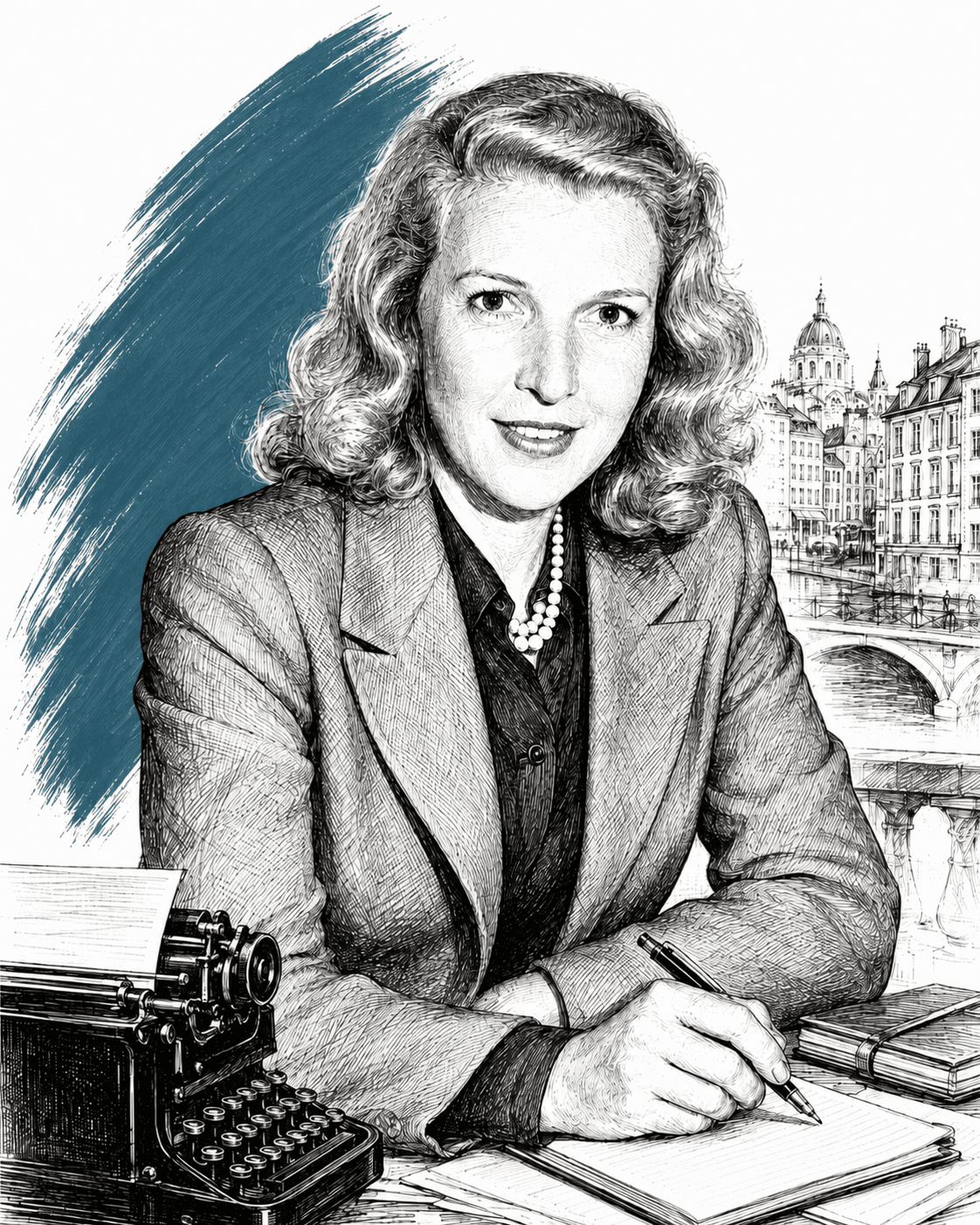


Love Goes to Press
Two war correspondents wrote a farce about two war correspondents. A hit in London in 1946, it closed on Broadway after four performances.
- 1995
About Martha Gellhorn
The story, briefly
Spoiler-freeA three-act comedy set at a press camp on the Italian front, written with Virginia Cowles, whom Gellhorn had met covering the Spanish Civil War. Its heroines are two women correspondents who keep scooping the men around them and cannot get their working lives and their love lives to agree. It opened at the Embassy Theatre in London in June 1946 and did well; the Broadway production the following January closed after four performances. The two of them wrote it as a lark, and it is the only play either published.
The story, in more detail
Gellhorn and Cowles had spent the war outmanoeuvring male colleagues and military press officers, and the play is that experience turned into farce. The setting is a correspondents' camp on the Italian front, the heroines file better copy than the men around them, and the plot turns on whether either of them will give any of it up for a man. Neither author had written for the stage before.
London took it and New York did not. The Embassy Theatre run in June 1946 was well received and transferred; the Broadway production the following January closed after four performances and poor notices. The play then went out of print for close to fifty years, and it exists as a readable text because Sandra Whipple Spanier edited it for Bison Books in 1995 — which is why it is dated 1995 rather than 1946, following the rule set out on the drama genre page.
Themes and analysis
The correspondents at work
Hank's compressed telephone dictation makes reporting audible as a specialized kind of work. Amy Stoller's glossary explains the improvised shorthand used to save money on cables and sometimes to evade censorship. The scene can be read as a reminder that a story does not travel directly from witness to reader: it passes through costs, conventions and institutional controls. Against that background, Annabelle and Jane's pursuit of scoops is more than competitive swagger. Getting a story means finding a route through a system that does not automatically welcome them.
On to the next story
Annabelle explains that she and Joe concealed their marriage so their editors would not doubt their competitive zeal. Sandra Spanier draws attention to this joke in her commentary on the play. Marriage, normally imagined as an ending to romantic comedy, becomes something the correspondents must keep from interfering with their work. The joke also prevents professional ambition from being treated as Annabelle's temporary eccentricity. Her relationship with Joe belongs inside the rivalry between newspapers, and affection cannot simply cancel the demand to remain a reporter in her own right.
Why we recommend it
Written by the people it satirises
Gellhorn and Cowles had both spent the war getting past male colleagues and military censors. The jokes come from the inside.
The lightest thing she published
Nothing else in her work is trying this hard to entertain, which makes it useful for measuring the rest.
Recovered by a scholar
Spanier's Bison edition is why the play is readable at all; the text had been out of print for decades.
What this book explores
Timeline
1946
The comedy, written with Virginia Cowles, opens at London's Embassy Theatre in June, is well received, and transfers.
1947
The Broadway production closes after four performances in January.
1995
Out of print for close to fifty years, the play appears in book form for the first time, edited by Sandra Whipple Spanier for Bison Books.
Book editions
Paperback
- Paperback
- University of Nebraska Press
- 1995
Reader reviews
Readers may also like

Love Goes to Press: frequently asked questions
Who wrote Love Goes to Press?
Martha Gellhorn, with Virginia Cowles, whom she had met covering the Spanish Civil War. It is a stage play.
What is Love Goes to Press about?
A three-act comedy set at a press camp on the Italian front, whose heroines are two women war correspondents who keep scooping the men around them and can't reconcile their working lives with their love lives.
Is it based on real experience?
Yes. Gellhorn and Cowles had spent the war outmanoeuvring male colleagues and military press officers, and the play turns that experience into comedy.
Who was Virginia Cowles?
An American war correspondent Gellhorn met covering the Spanish Civil War, and her co-author on the play.
What kind of work is it?
A three-act stage comedy — a rare venture into drama for both women, drawn straight from their war years.
If you like Martha Gellhorn
Explore authors with a similar voice, perspective, and influence.
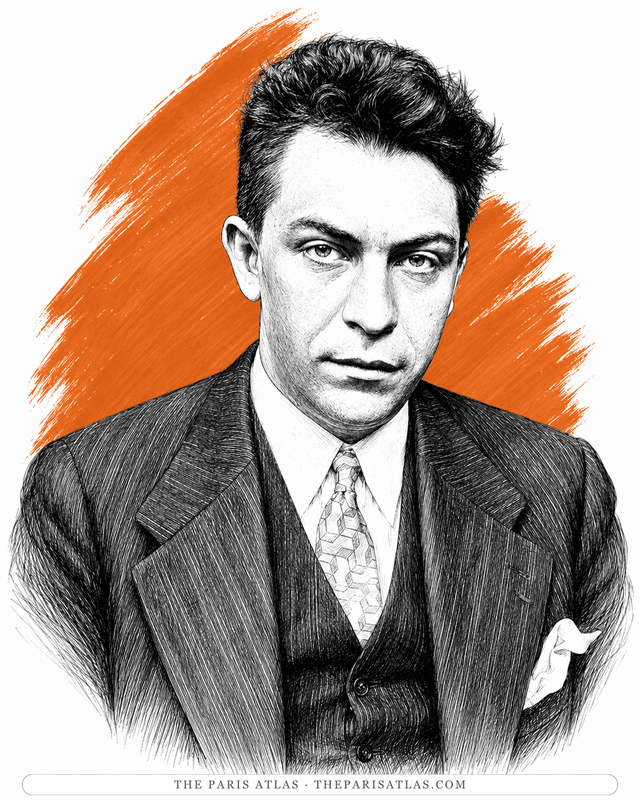
Manuel Chaves Nogales
The other great journalist of the Spanish Civil War, reporting the same conflict with the same refusal to flatter the side he preferred.
View author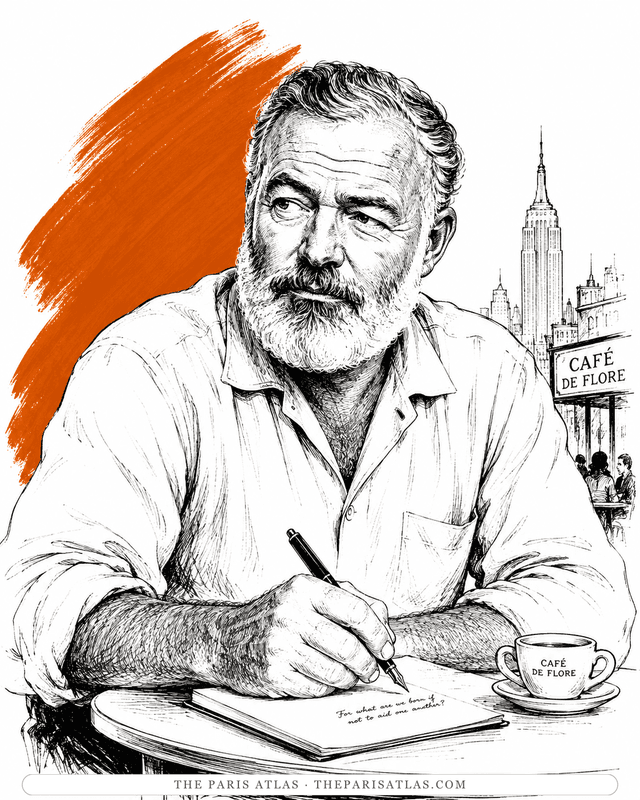
Ernest Hemingway
They covered Spain together and he dedicated a novel to her. Read them side by side for how differently the same war lands in fiction and in dispatch.
View author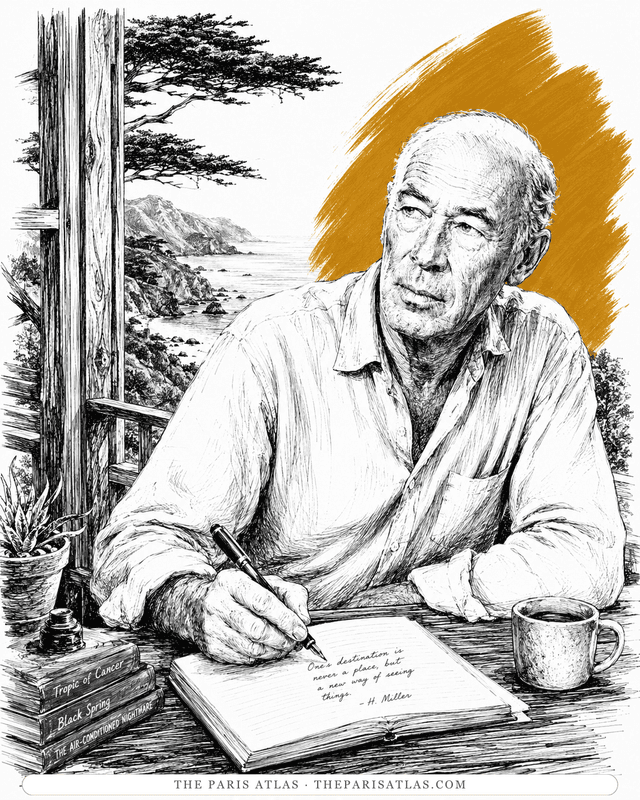
Henry Miller
The Brooklyn dropout who arrived in Paris broke at thirty-eight and wrote the exuberant, banned books that ended American censorship.
View author
References
References
The sources below include the primary text, editions, scholarship, archival materials, and other records that informed this page. They document Love Goes to Press, its publication, and its place in literary history.

1Love Goes to Press
NovelMartha Gellhorn, 1995Used forThe primary text represented by this page, used for descriptions of the work’s contents and for any quoted passages shown here.
2Martha Gellhorn: A Life
BiographyCaroline Moorehead, 2003Used forUsed to verify Love Goes to Press's bibliographic context and its place within Martha Gellhorn's published work.
3Martha Gellhorn — War Correspondent and Writer | Blue Plaques
WebsiteEnglish HeritageUsed forUsed for independent archival, institutional, or historical context surrounding Martha Gellhorn and Love Goes to Press.
4Ernest Hemingway Collection — Martha Gellhorn (Hemingway) | EH@JFK, John F. Kennedy Presidential Library
WebsiteJohn F. Kennedy Presidential Library and MuseumUsed forUsed to cross-check chronology, publication history, and the circumstances in which Love Goes to Press appeared.
5Martha Gellhorn | Historic Missourians
WebsiteThe State Historical Society of MissouriUsed forUsed for an additional scholarly or biographical perspective on Love Goes to Press and Martha Gellhorn's wider career.
6Love Goes to Press: Mint Theater Company Program
WebsiteMint Theater Company, 2012Used forSandra Spanier's commentary and Amy Stoller's glossary, PDF pp. 4–5, support the attributed readings of reporting and professional rivalry.
i
Why these sources are here
The primary text is the baseline reference for every book page. Additional references document publication history, interpretation, and historical context where that evidence is available.
 Explore more resources