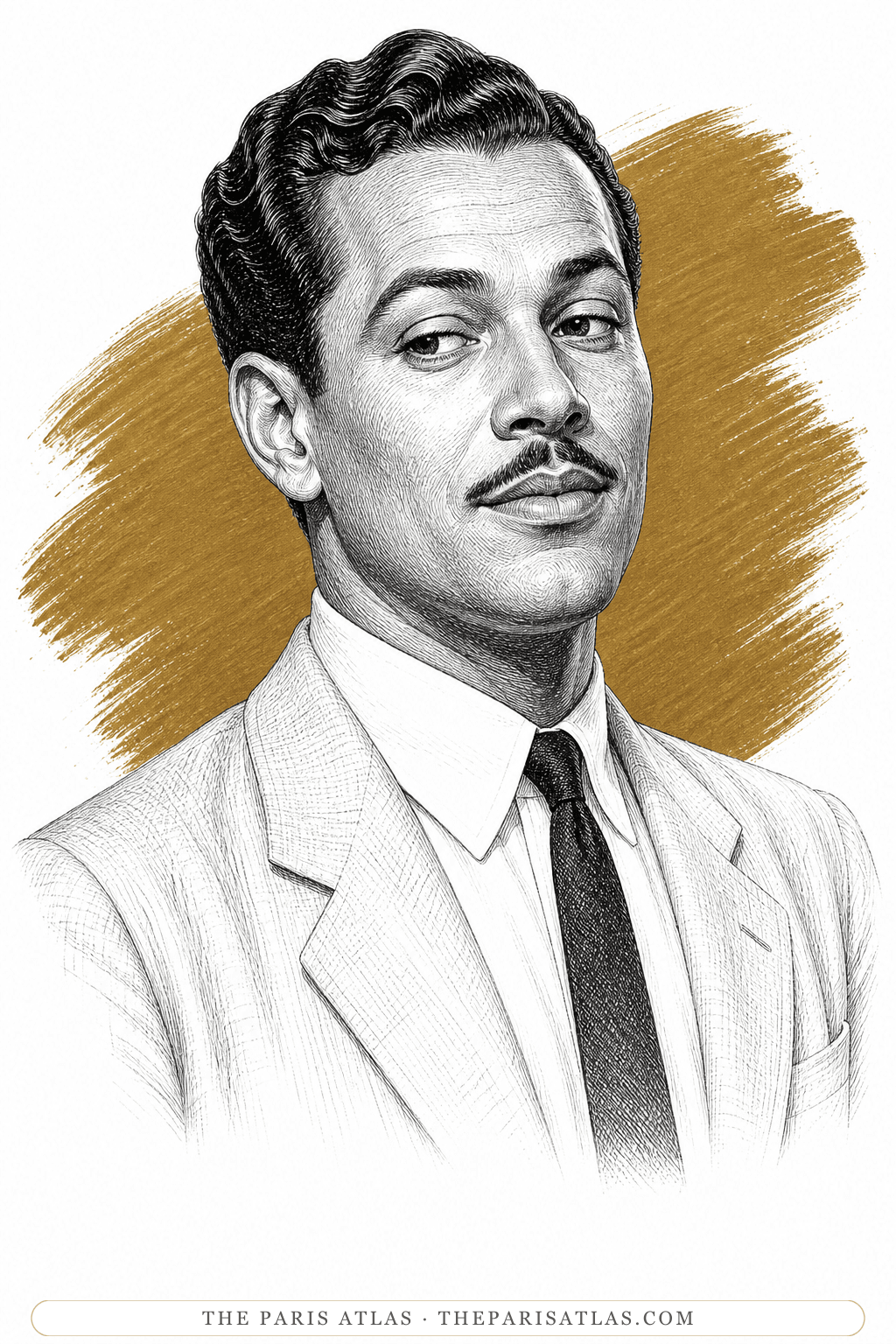
Lucien Pinelli
An incomer from Guadeloupe who married the Mayor's daughter. He is the man who tells the island about Liana and the schoolteacher.
The book

At a glance
- The Mayor's son-in-law, and the source of the gossip about Liana and Pierre
- Guadeloupe
- Geneviève, the Mayor's daughter
- Supervising his father-in-law's salt ponds
- By Pierre Vauclain, publicly, before any of this began
Who they are in the book
Spoiler-freeLucien Pinelli came to Saint Boniface from Guadeloupe, from a fine old family by all accounts, and married the Mayor's daughter Geneviève. He never took her home. The crossing is three weeks by sailing schooner and there are German submarines in the Caribbean, and in any case his father-in-law can give him a position, the Mayor's house is a very fine house, and Pinelli is a larger figure here than he ever was at home.
He supervises the Mayor's salt ponds, which is not difficult work, and becomes one of the biggest and most authoritative talkers on the island. The one man who is not impressed, or will not pretend to be, is the schoolteacher Vauclain, who once called him a dangerous fool in front of everyone. Pinelli has not forgotten it.
How Lucien Pinelli Is Portrayed
- Married inThe marriage to the Mayor's daughter was one of the events of that year, and the island noted that the bridegroom had the rather odd name of Pinelli. He is shrewd about what the connection is worth and has no intention of going back to Guadeloupe, where he counted for less.
- What he says about FrancePinelli tells Saint Boniface that what ruined France was the Jews. Who knows, people say. He has visited Europe and lived on a big, important island, which is enough to make him worth hearing. Gellhorn then makes an unexpected point about how the talk survived: nobody on the island understood it or had any views about it, and it would have died at once if the new schoolmaster had not gone white with anger, raised his voice for the first time in public, and called Pinelli a dangerous fool.
- Weeks of whisperingHe works on Vauclain and Liana for weeks and is genuinely surprised that the island will not take it up. Saint Boniface had already decided Vauclain was a model man, and having decided, it was not able to change its mind.
- Saying it out loudIn the café he finally says it where Pierre can hear. Pierre stares at him, paralysed, not believing it; Pinelli laughs; and then Pierre knocks him down and keeps going, while Pinelli backs away still talking, trying to hold on to his prestige in front of the room.
- How the island cleans it upHis father-in-law handles it. Pinelli will apologise publicly, and then he and Geneviève will go to Guadeloupe, since Marc could hardly be expected to pass him in town every day. The Mayor explains the local rules with some relish: the women may gossip as much as they like and the men may gossip too, but nobody gets drunk in a café and makes accusations.
If you like Liana


If you like Martha Gellhorn
Explore authors with a similar voice, perspective, and influence.
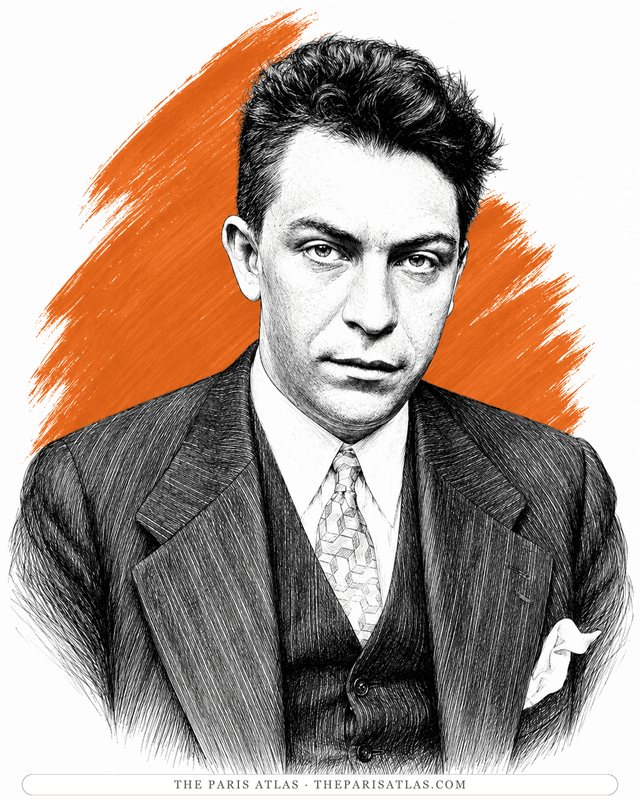
Manuel Chaves Nogales
The other great journalist of the Spanish Civil War, reporting the same conflict with the same refusal to flatter the side he preferred.
View author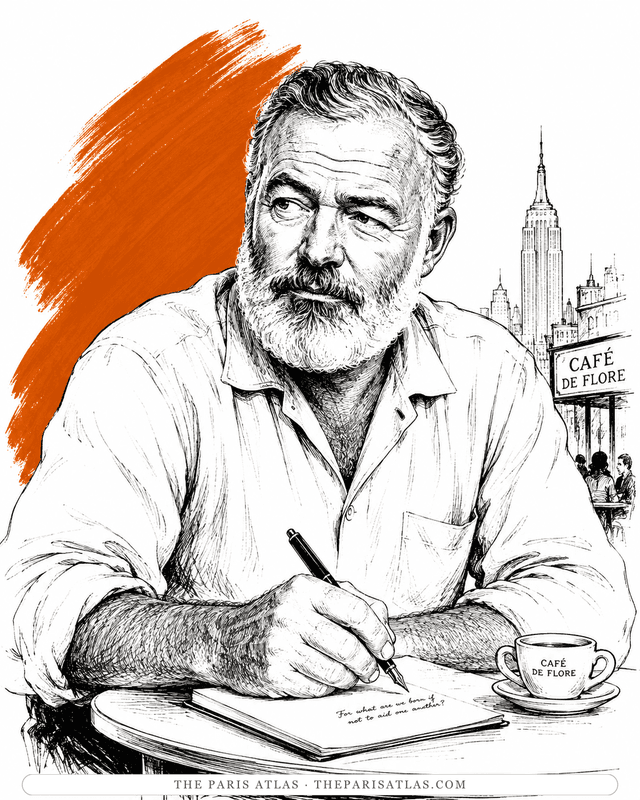
Ernest Hemingway
They covered Spain together and he dedicated a novel to her. Read them side by side for how differently the same war lands in fiction and in dispatch.
View author
Henry Miller
The Brooklyn dropout who arrived in Paris broke at thirty-eight and wrote the exuberant, banned books that ended American censorship.
View author