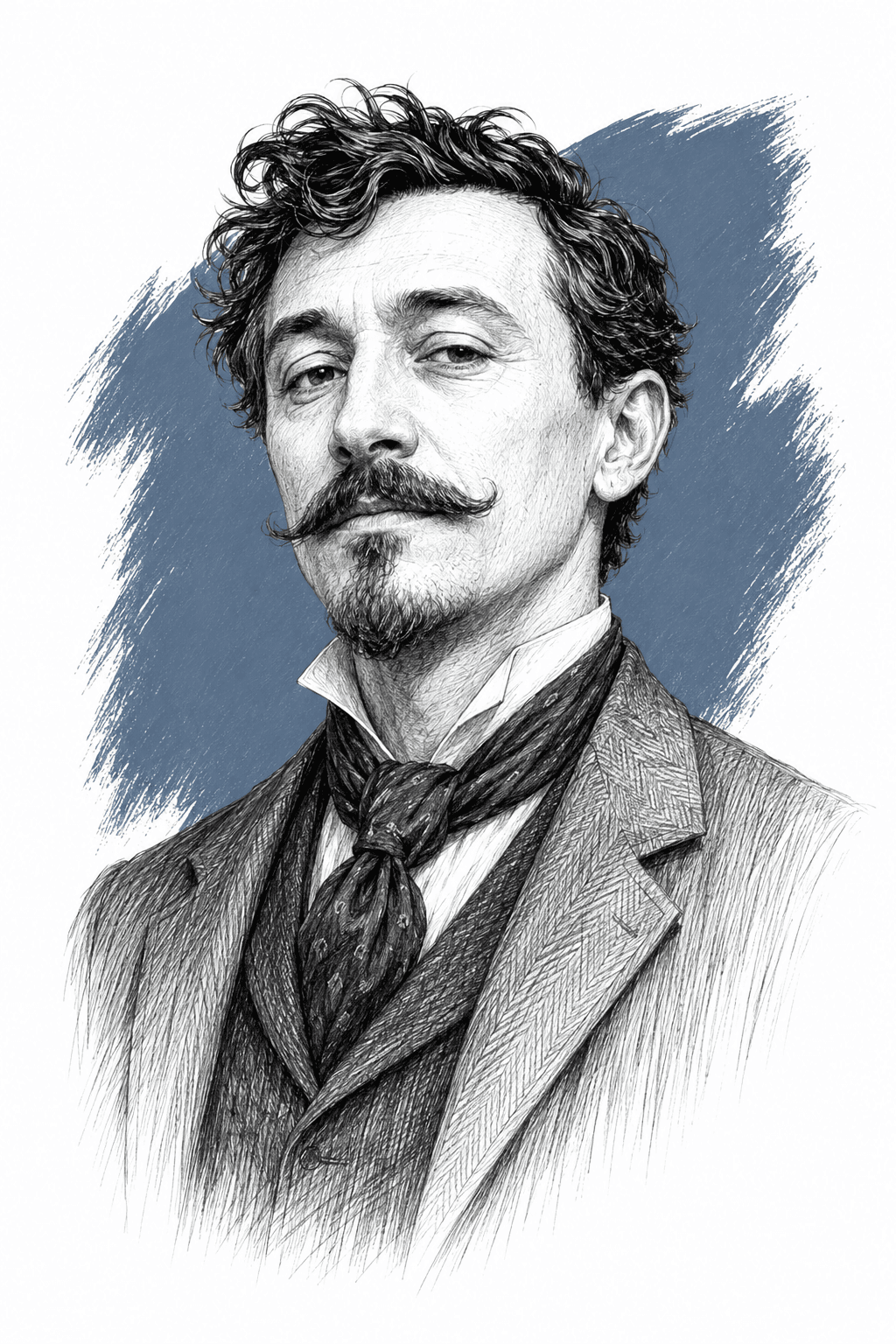
Pierre Vauclain
The schoolteacher, posted from occupied Paris to a French island with no part in the war. Marc pays him to give Liana lessons.
To be of some use in a war he is nowhere near. Everything he does on the island is measured against the France he left under occupation, and the measurement never comes out in his favour.
The book

At a glance
- The island schoolteacher, and Liana's tutor
- Paris, under German occupation; he came out directly from the army
- The French Ministry of Colonies, replacing a schoolmaster of thirty years' standing
- Fifteen hundred francs a month by Marc Royer — more than his teaching salary
- More than a year before the lessons begin
Who they are in the book
Spoiler-freePierre Vauclain is the schoolmaster on Saint Boniface, sent out by the French Ministry of Colonies to replace a man who had died of old age after thirty years in the islands. He arrived young, straight from the army and from occupied Paris, in the year France fell. Saint Boniface is strategically worthless and produces no raw materials, so nobody in France troubles it and the war reaches it as radio news and rumour.
The island watched him for a while and then gave up, because he did nothing worth repeating. The men found that faintly contemptible and the women found it condescending. Then Marc Royer — friendless, and married to a woman with nothing to do — offers him fifteen hundred francs a month, more than his teaching salary, to come up to the house in the afternoons and teach her.
The first thing Pierre notices about the arrangement is the name. What a fool Marc Royer was, he thinks: imagine changing a beautiful name like Liana for a little dumpy name like Julie.
How Pierre Vauclain Is Portrayed
- Posted here by the MinistryHe did not choose Saint Boniface and he is not exiled to it. The colonial service simply sends a schoolteacher when the last one dies, and changes the two gendarmes every three years or so. He arrived from the army and from occupied Paris, and the island filed him alongside the torpedoed sailors as good material for talk.
- Nothing to gossip aboutHe made one scene in his first year, when Pinelli started saying that the Jews had ruined France and Pierre went white with anger, raised his voice for the first time since arriving, and called him a dangerous fool in public. Since Pinelli had married the Mayor's daughter this was recklessly indiscreet, and the island whispered about it for a fortnight. After that he gave them nothing at all — he kept to the school and to his own house, and to be that virtuous, Saint Boniface decided, was almost like not being a man.
- His scruple about the jobBefore he begins he is uneasy in a way Marc never considers. He tells himself he has no right to make fumbling experiments with a woman's mind, and that this is nothing like coaching a child who has missed school through illness or a slow one who cannot keep up with the class.
- What the lessons turned intoHe begins by asking her what she would think amusing to do, which is not a question anyone in that house has put to her about anything. What they settle on is Twenty Thousand Leagues under the Sea, read aloud, and the sea itself. He turns up in faded khaki shorts and an old tennis shirt with a child's knapsack on his back, carrying candy and cider and sponge cakes from town, two diving masks he made himself, and a spear. She packs sandwiches, whole tomatoes, hard-boiled eggs and her bathing suit in a knapsack like his, and they walk six miles to fish off a reef.
- The night in the caféLucien Pinelli says something about Liana in front of the room. Pierre stares at him, unable to believe it, and then Pinelli laughs. Pierre hits him as hard as he knows how, and hears himself repeating a sentence in a voice he has never heard before: “Learn not to talk about ladies.” The word he insists on is the one the island refuses her.
- What he was taught to do insteadHe explains himself to Marc during an evening of talk about France. He had wanted to kill the German soldiers he passed in the street, and instead he reasoned, because reasoning is what he was trained to do. “We learn it in the lycée. We believe very much in reason. We think very highly of the controlling, orderly brain. We are probably quite wrong.”
The lessons become an affair, and Pierre decides to leave the island for the war anyway. The decision is not the hard part. Telling her is, and Gellhorn is merciless about how he manages it: he arranges the boat, says goodbye to Marc, and postpones the only conversation that matters, rehearsing sentences and finding them unsayable. He would like, he admits to himself, to fall asleep for two weeks and wake up far away with the comfortable male conviction that Liana was beginning to understand and getting over it.
He sails at night. From the water he looks back for a light in her house and there is none, and it hurts him that she has not marked his going. He has reassured himself that Marc will look after her. He is wrong, and the novel does not let him find out.
If you like Liana


If you like Martha Gellhorn
Explore authors with a similar voice, perspective, and influence.
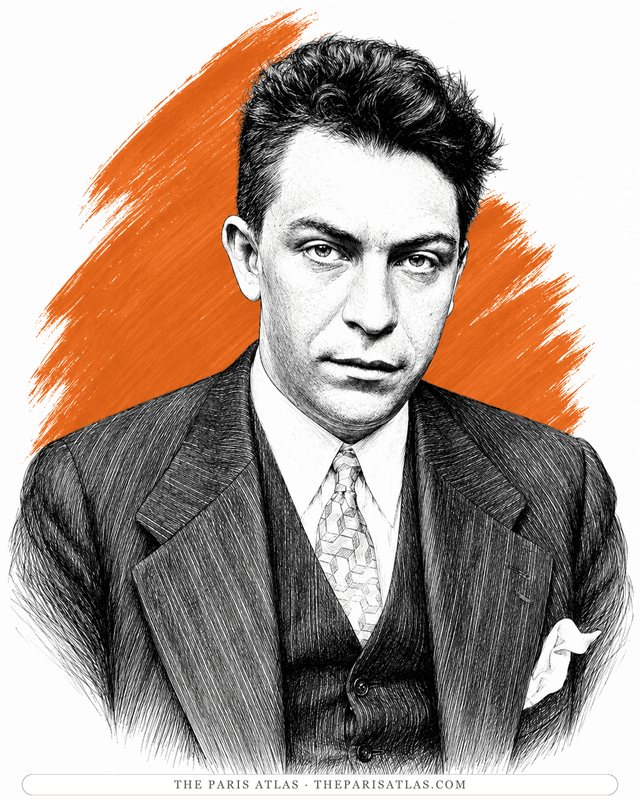
Manuel Chaves Nogales
The other great journalist of the Spanish Civil War, reporting the same conflict with the same refusal to flatter the side he preferred.
View author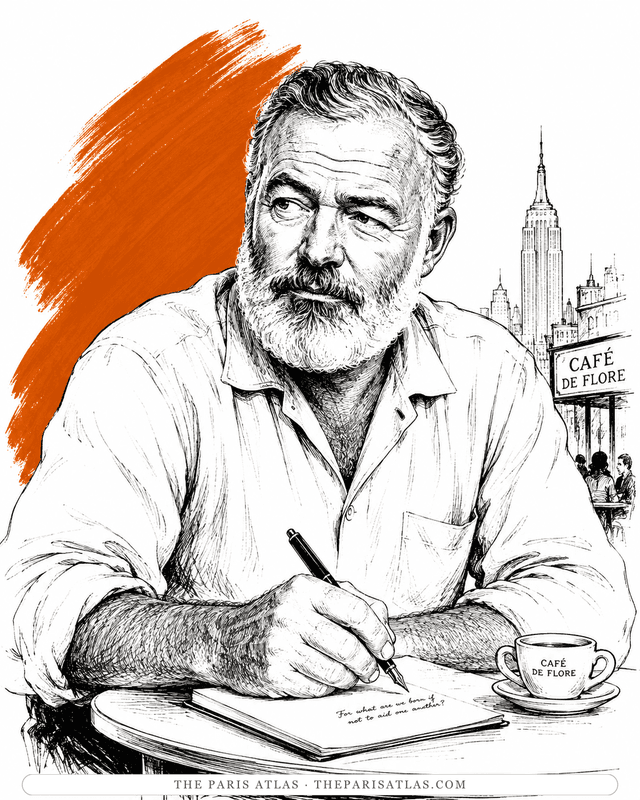
Ernest Hemingway
They covered Spain together and he dedicated a novel to her. Read them side by side for how differently the same war lands in fiction and in dispatch.
View author
Henry Miller
The Brooklyn dropout who arrived in Paris broke at thirty-eight and wrote the exuberant, banned books that ended American censorship.
View author