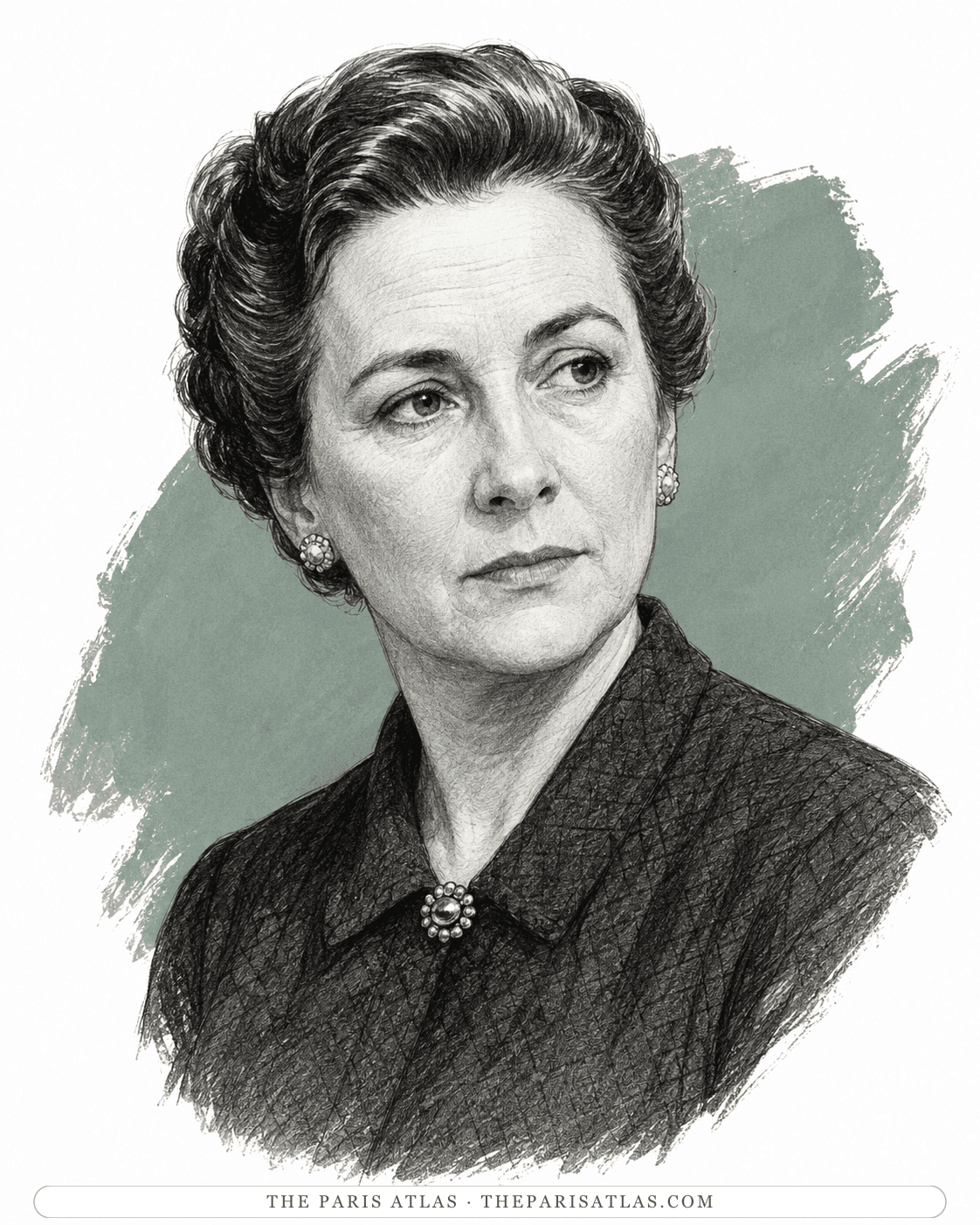
Aunt Ellen
David's paternal aunt, who helped raise him after his mother died and distrusted his father's attempt to be a drinking companion rather than a parent.
For someone to say out loud what is happening to the boy. She opens the worst fight in the book with it: "I thought that someone ought to tell you what you're doing to your son."
The book

At a glance
- David's paternal aunt, in the childhood chapter only
- "My father and his unmarried sister and myself" — after David's mother died
- A great deal, and goes to the movies often. David remembers none of the titles
- Nothing she did; blamed by David simply for being the one who said it
- By the time David is grown and his father is about to remarry
Who they are in the book
Spoiler-freeEllen is David's aunt, his father's unmarried older sister. She helped raise David after his mother died and lived in the house with them throughout his childhood. She appears only in the chapter of memories near the start of the novel, and she is dead before the events in Paris begin.
She and David's father fought constantly, and David came to believe their long battle had everything to do with his dead mother. As a boy he was frightened of her. As a teenager he hated her, and he says he cannot really explain why.
She is right about almost everything and it does her no good at all. Nobody in the house wants to hear it, and David and his father close ranks against her, which suits both of them better than facing each other.
How Aunt Ellen Is Portrayed
- How David remembers herA little older than his father and a little darker, always over-dressed and over made-up, with a face and figure beginning to harden and too much jewellery "clanging and banging in the light." She is generally holding a book or a bag of dangerous-looking knitting needles. David admits he cannot remember a single thing she read or a single thing she knitted.
- At partiesShe watched his father move through the room refilling drinks and flirting, "as though she were afraid he would do something awful," and flirted with the men herself in a way David describes as strange and nerve-wracking. Her mouth was redder than any blood and her voice went on "like a razor blade on glass." He was a small boy at the time, and she frightened him.
- The fight on the stairsDavid, thirteen, listens from his bed while she asks his drunk father, "Do you really think that you're the kind of man he ought to be when he grows up?" His father answers that all he wants is for David to grow up to be a man, and that he does not mean a Sunday school teacher. Her reply ends the argument and the chapter: "A man is not the same thing as a bull. Good-night."
- The thing she says that landsIn the same fight she tells his father not to imagine the boy does not know about his women. David is quite clear that she was factually wrong — he had never thought about them at all. He is equally clear about the effect: "But from that evening, I thought about them all the time. I could scarcely ever face a woman without wondering whether or not my father had… been 'interfering' with her."
She dies offstage, years before the events in Paris, and the novel does not say how.
If you like Giovanni's Room


If you like James Baldwin
Explore authors with a similar voice, perspective, and influence.
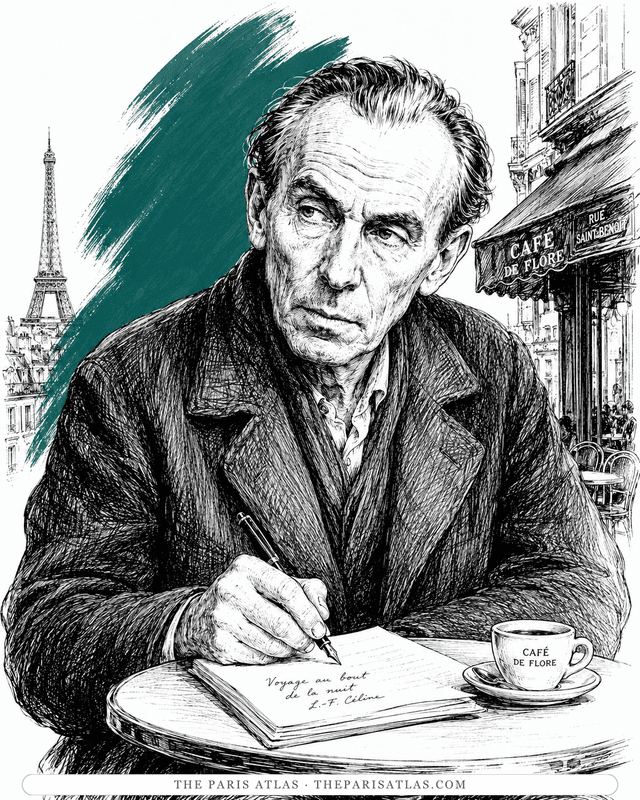
Louis-Ferdinand Céline
The doctor of the Paris slums who wrote the century's blackest, funniest novel — and changed the sound of French prose.
View author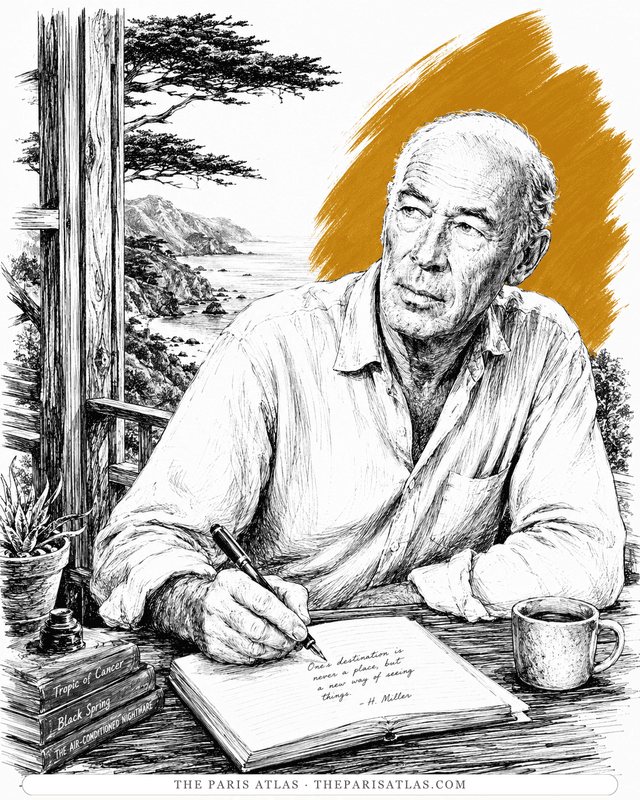
Henry Miller
The Brooklyn dropout who arrived in Paris broke at thirty-eight and wrote the exuberant, banned books that ended American censorship.
View author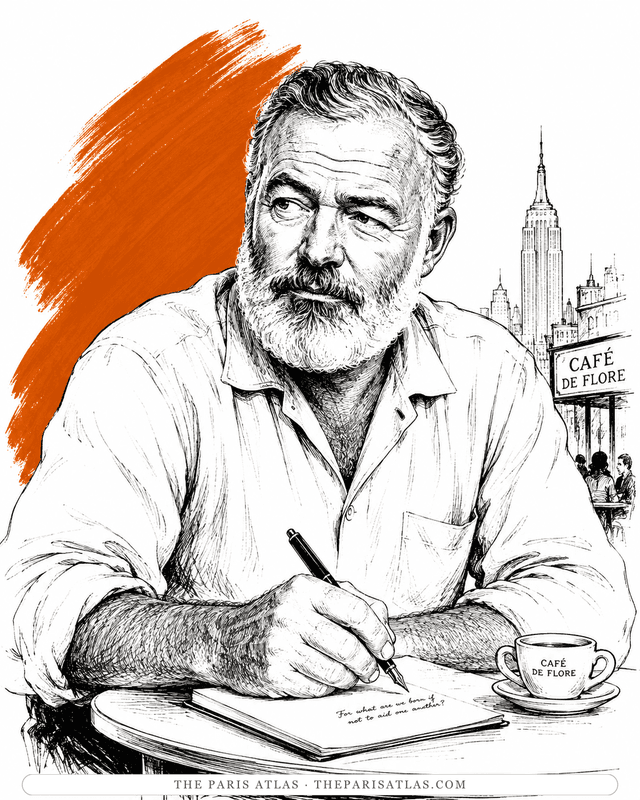
Ernest Hemingway
Author of The Sun Also Rises and A Moveable Feast; his pared-down style, developed in 1920s Paris, became the most imitated in American prose.
View author