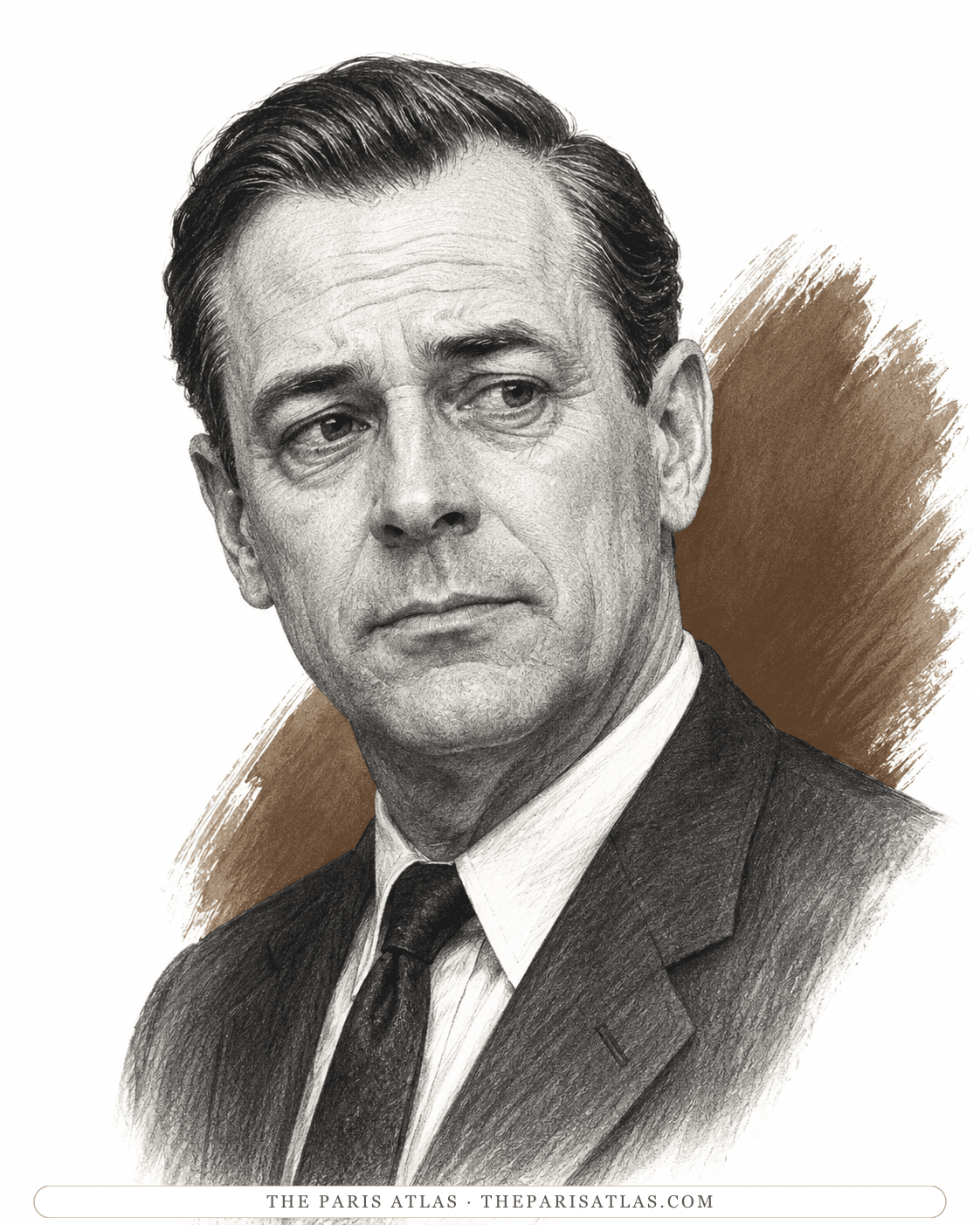
David's father
Mostly offstage in America, sending money and asking his son to come home, marry and become recognisable. Neither man can speak honestly to the other.
For David to come home and turn out recognisable. He states the first half in every letter, and shouted the second half at his sister on the stairs one night: "all I want for David is that he grow up to be a man."
The book

At a glance
- David's father — offstage in America, present through memory and letters
- Connecticut, with David's stepmother. Earlier in San Francisco, Seattle, Brooklyn and New York
- When David was five
- Money in his account belonging to David, and is slow to send it
- The one question that would explain his son's absence
Who they are in the book
Spoiler-freeDavid's father is never given a first name. He raised David in Brooklyn and New York after David's mother died, with the help of his unmarried sister Ellen, and by the time the novel opens he has remarried and moved to Connecticut. He appears in David's memories of childhood, and then in letters.
He is not a cruel man and the book does not treat him as one. He is affectionate, baffled, and frightened of his son, and the damage he does is done by wanting the wrong thing: he wants to be liked rather than obeyed, and he wants his son to be a particular kind of man without ever being able to say what he means by it.
He controls the money David lives on in Paris, and withholds it, hoping that being broke will bring him home.
How David's father Is Portrayed
- How David remembers himIn a grey sleeveless sweater with his tie loosened, sandy hair falling forward over a square, ruddy face, reading a newspaper he holds up between himself and his son. He was quick to laugh and slow to anger, which David says made the anger more impressive when it came, "seeming to leap from some unsuspected crevice like a fire which will bring the whole house down."
- Buddies, not father and sonAfter a bad patch in David's teens the two of them settle into a tone David cannot stand. "We were not like father and son, my father sometimes proudly said, we were like buddies." David's response is one of the clearest sentences in the book about what he actually wanted: "I did not want to be his buddy, I wanted to be his son."
- The hospitalAfter David crashes a car while drunk, his father stands over the bed looking very old and tells him he is going to be all right. Then he begins asking to be forgiven for something neither of them can name: "You're all I've got. Be careful." And, a moment later, "Your aunt Ellen says it's my fault. She says I never raised you right… I did the best I could." David starts crying and cannot stop.
- The lettersThey arrive at the American Express office in Paris, addressed to "Dear Butch," full of jokes that are really pleas — that David is as American as pork and beans, that he is pushing thirty, that he should let his old man in on the secret. David reads the letter accurately, including the question underneath it that his father cannot risk asking: is it a woman, bring her home, I don't care who she is.
If you like Giovanni's Room


If you like James Baldwin
Explore authors with a similar voice, perspective, and influence.

Louis-Ferdinand Céline
The doctor of the Paris slums who wrote the century's blackest, funniest novel — and changed the sound of French prose.
View author
Henry Miller
The Brooklyn dropout who arrived in Paris broke at thirty-eight and wrote the exuberant, banned books that ended American censorship.
View author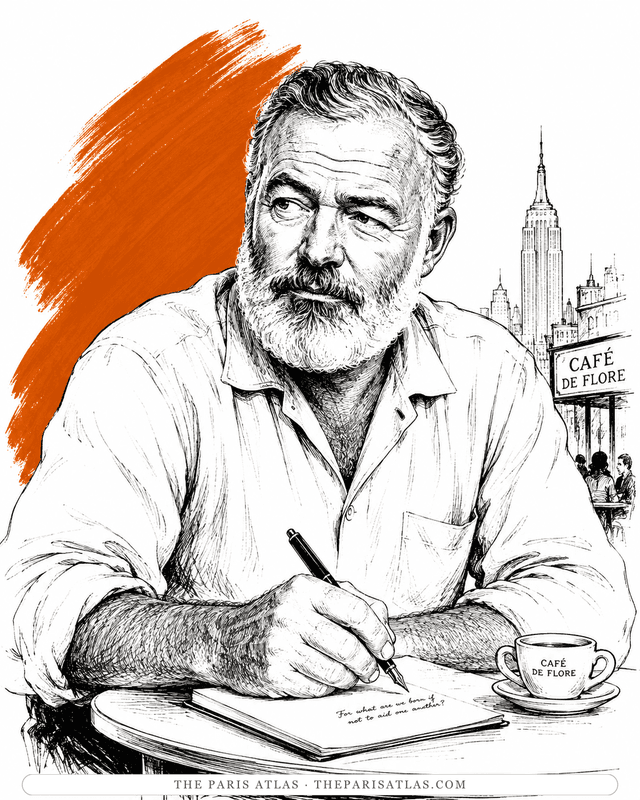
Ernest Hemingway
Author of The Sun Also Rises and A Moveable Feast; his pared-down style, developed in 1920s Paris, became the most imitated in American prose.
View author