
Setting of the story
Giovanni's Room
Where David met Hella — in a bar here, drinking and watching. The quarter's spire closes the street he lives on, and he calls it the most magnificent in Paris.
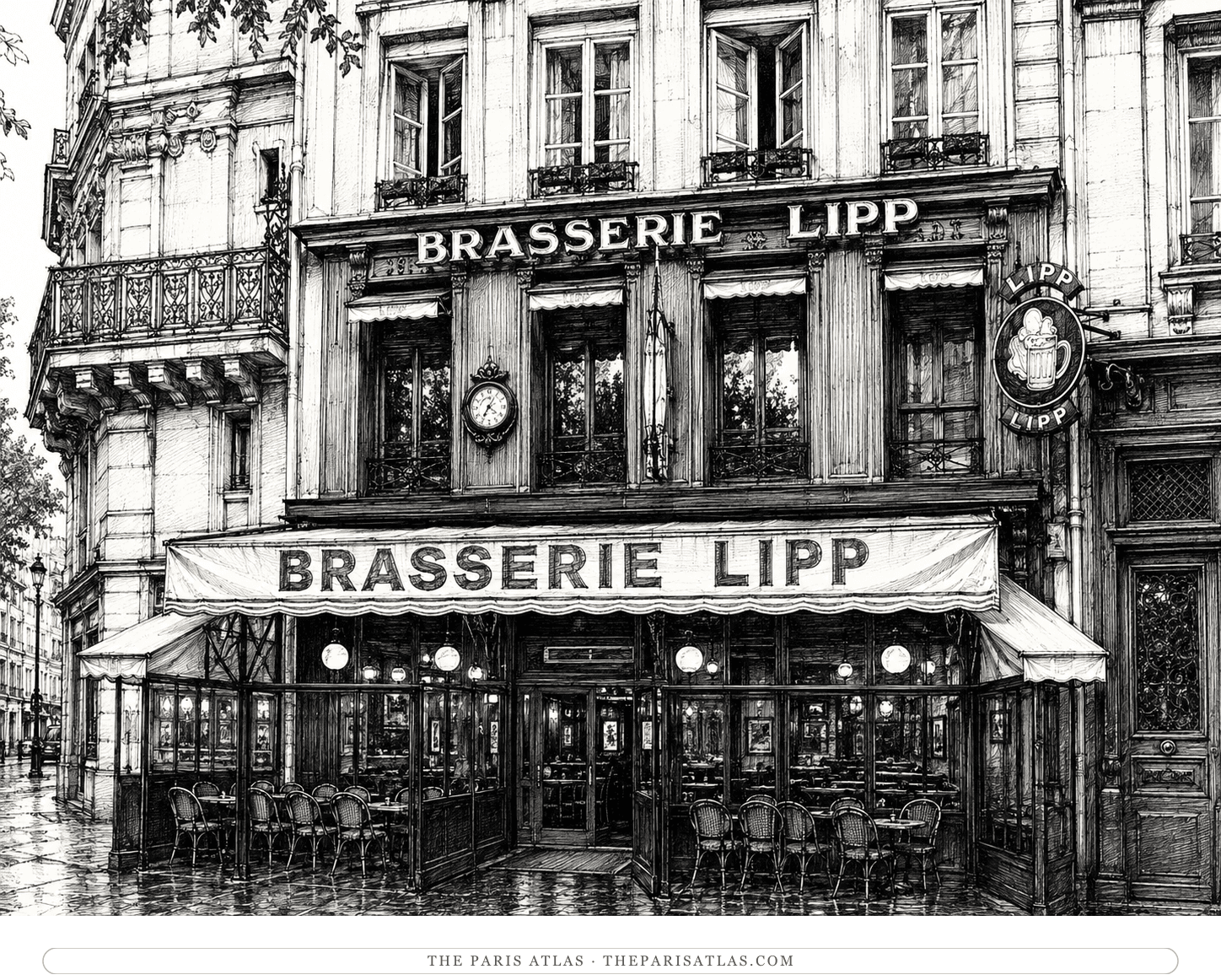
The Left Bank quarter around the abbey church, where the cafés doubled as offices and the bars above and below them ran the other half of post-war Paris.
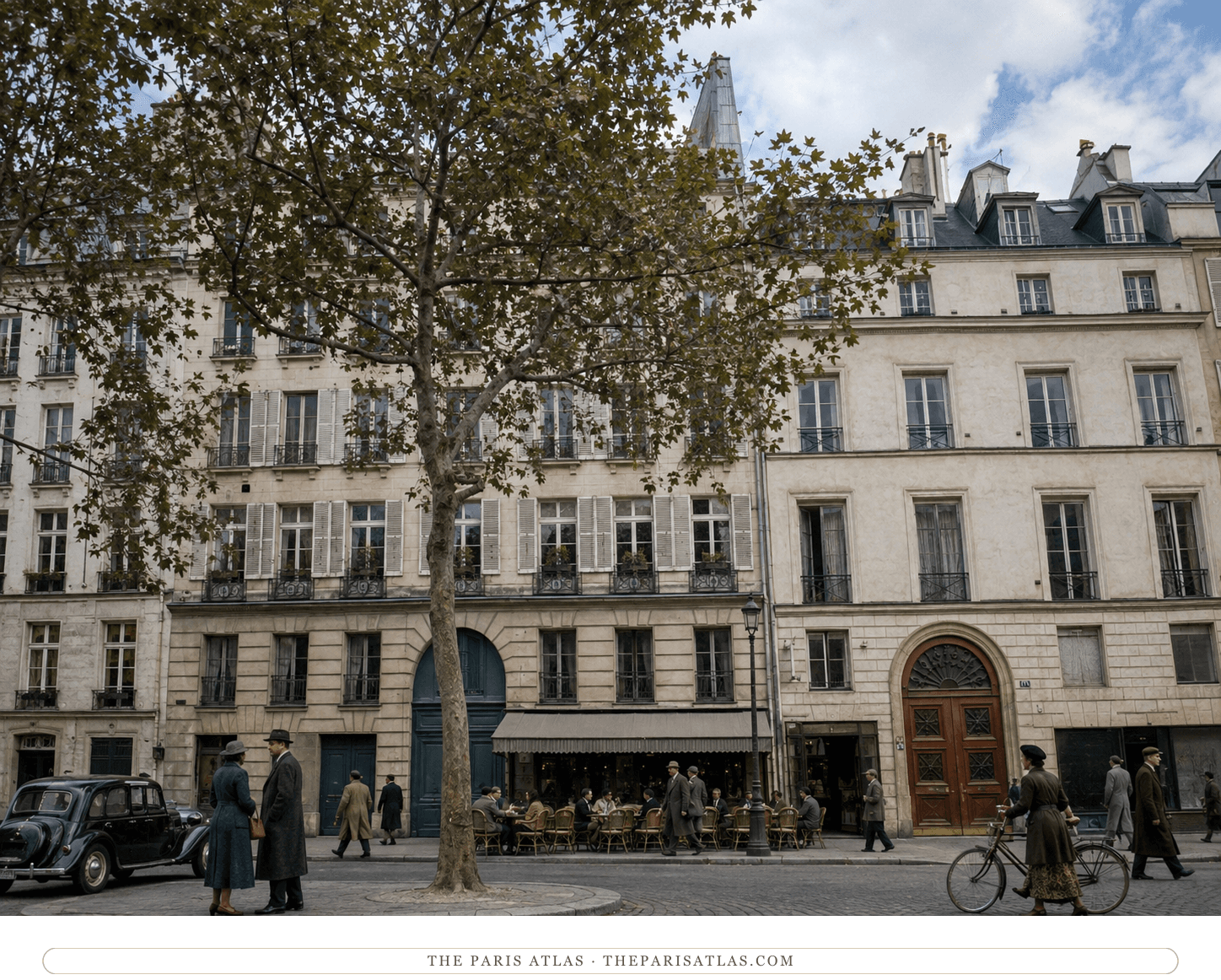
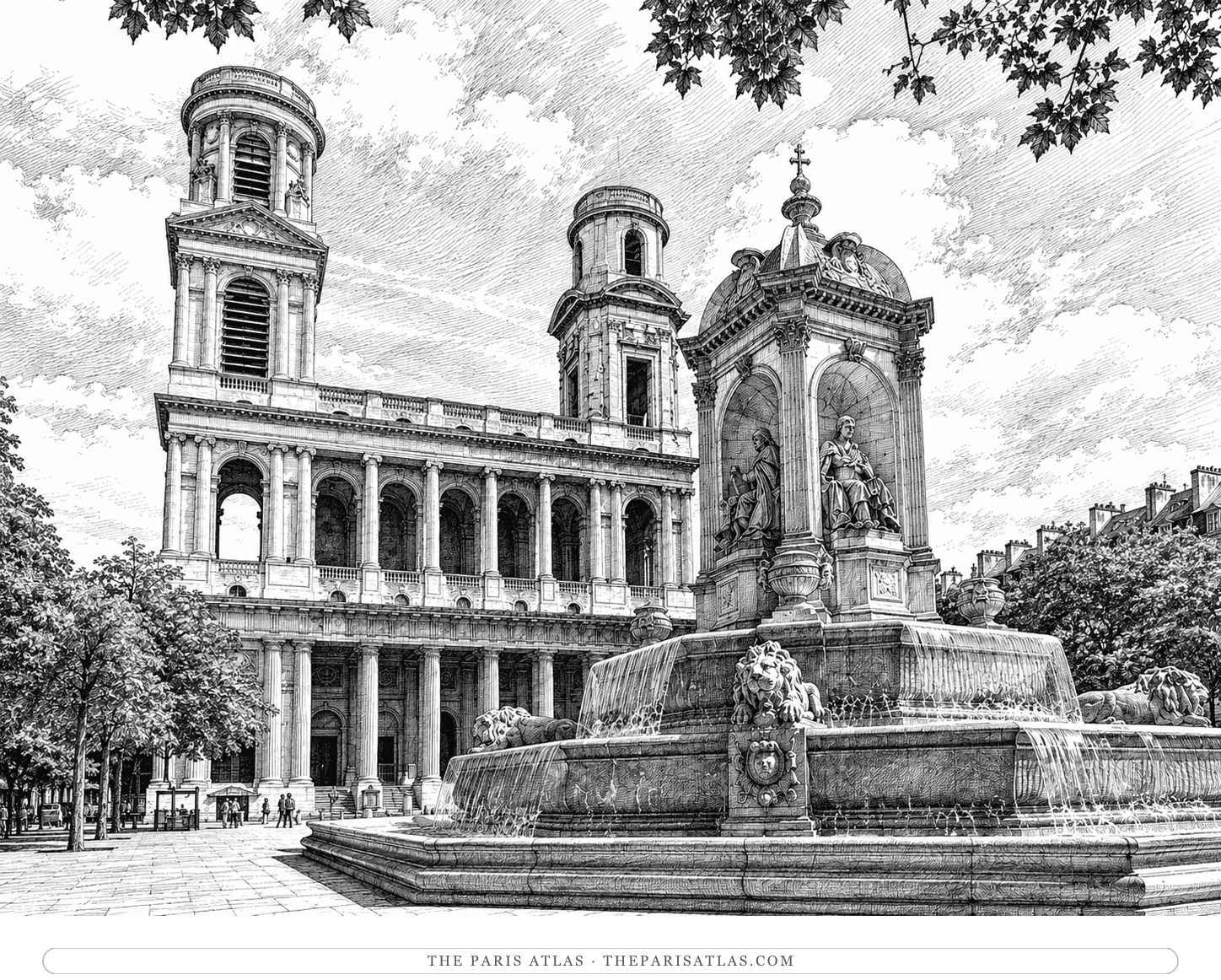
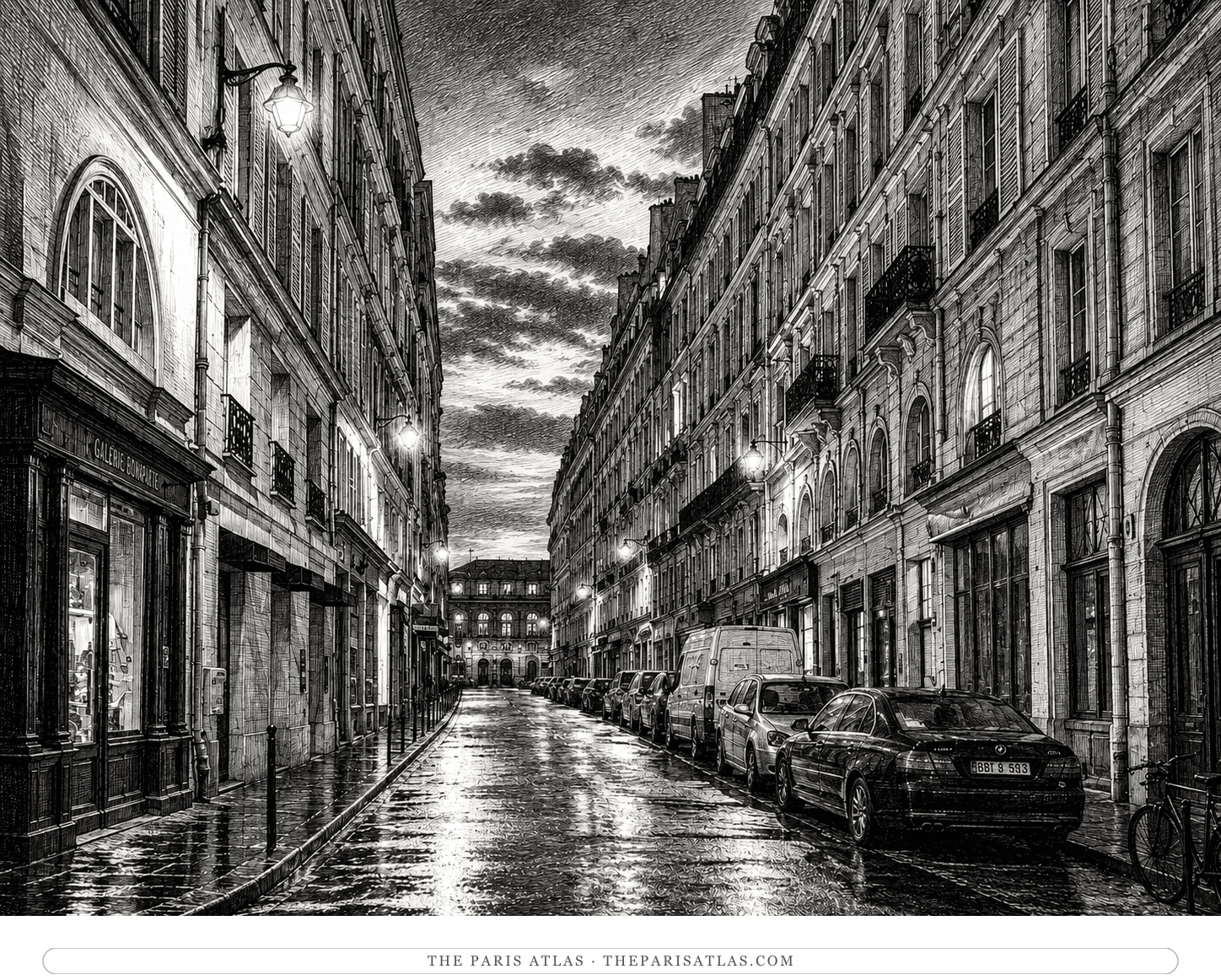
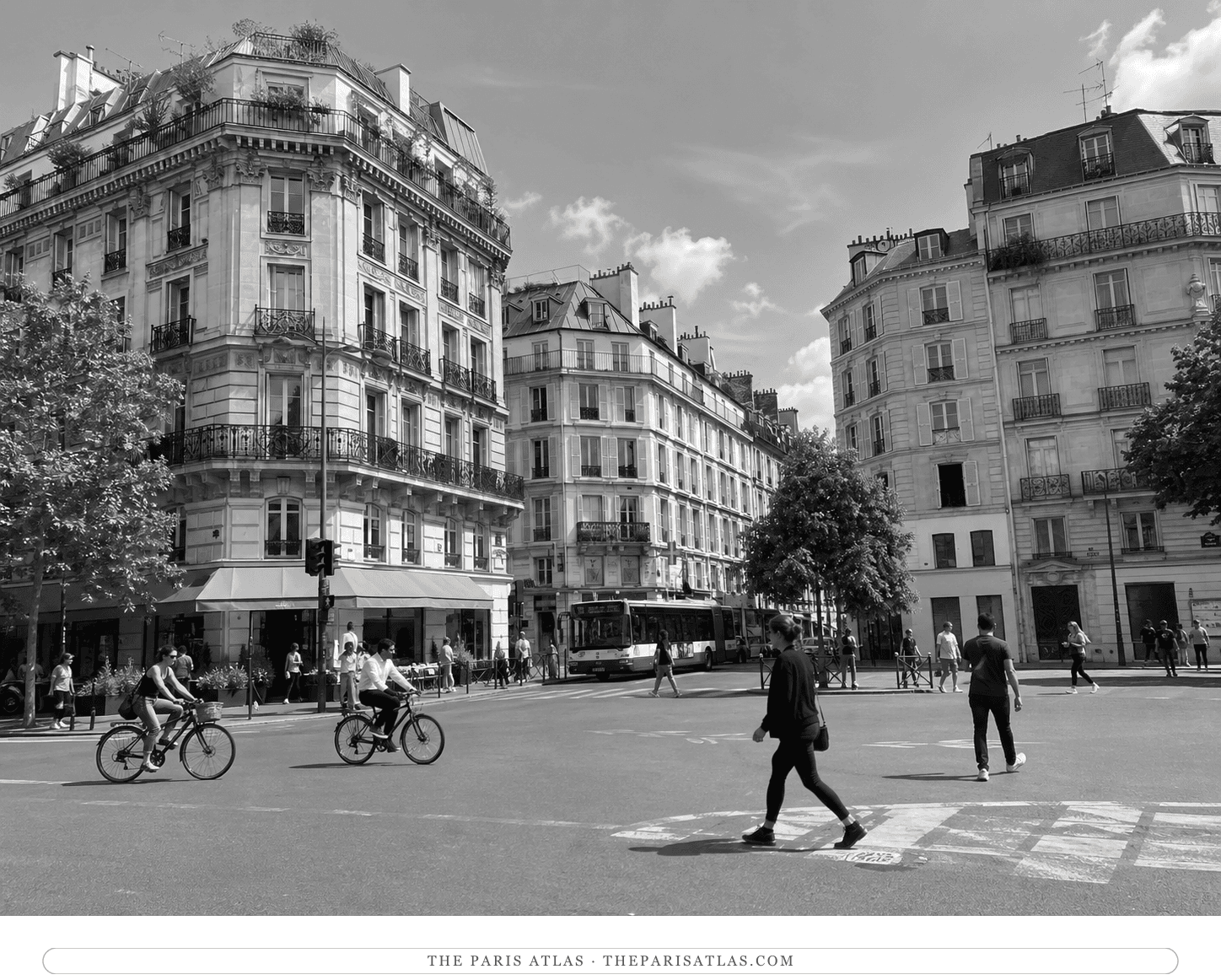
Saint-Germain-des-Prés is a few hundred metres of boulevard and the streets running off it, and for about forty years it was the most concentrated literary address in Europe. The abbey church at its centre is the oldest in Paris. Everything the quarter is famous for happened within five minutes' walk of it.
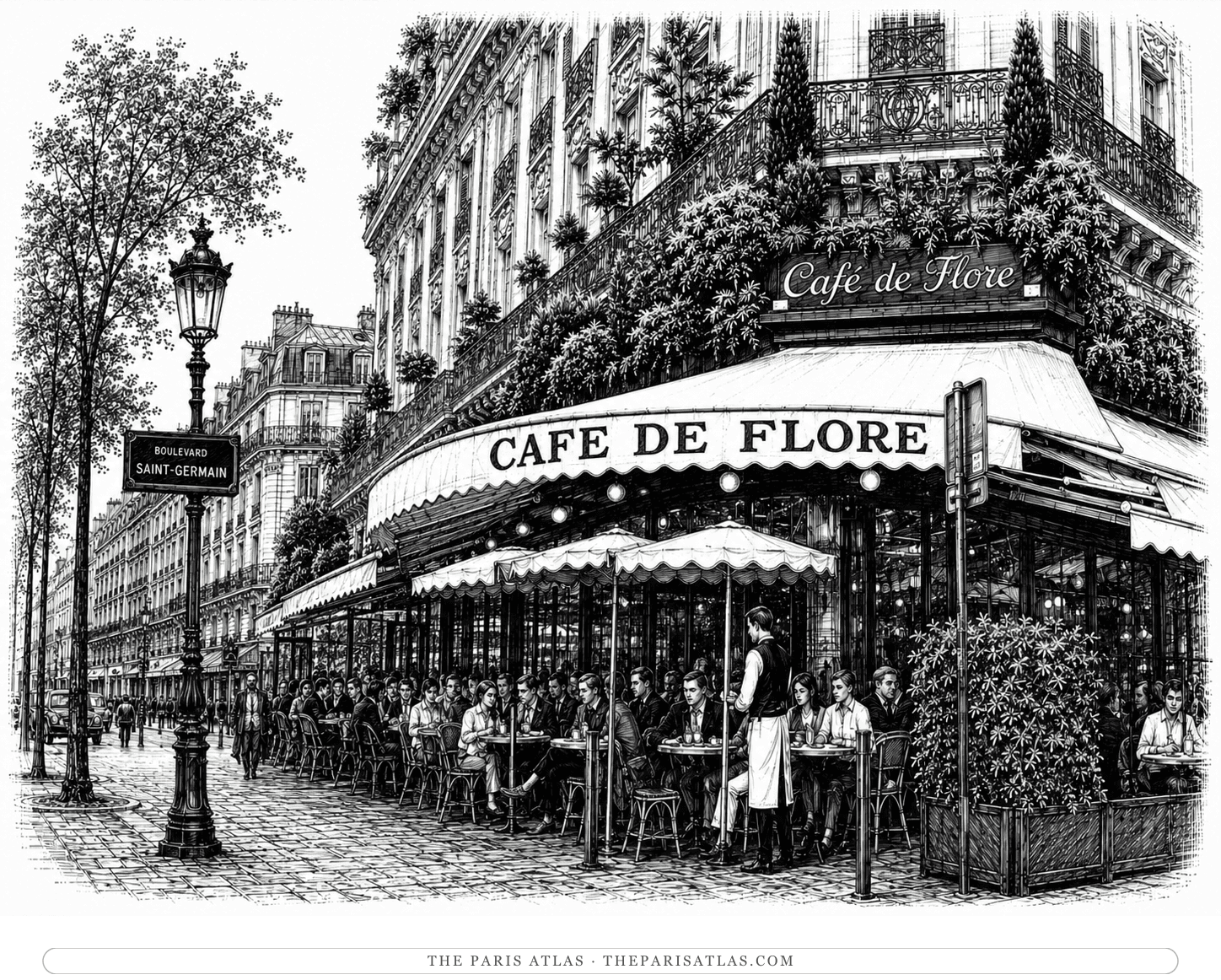
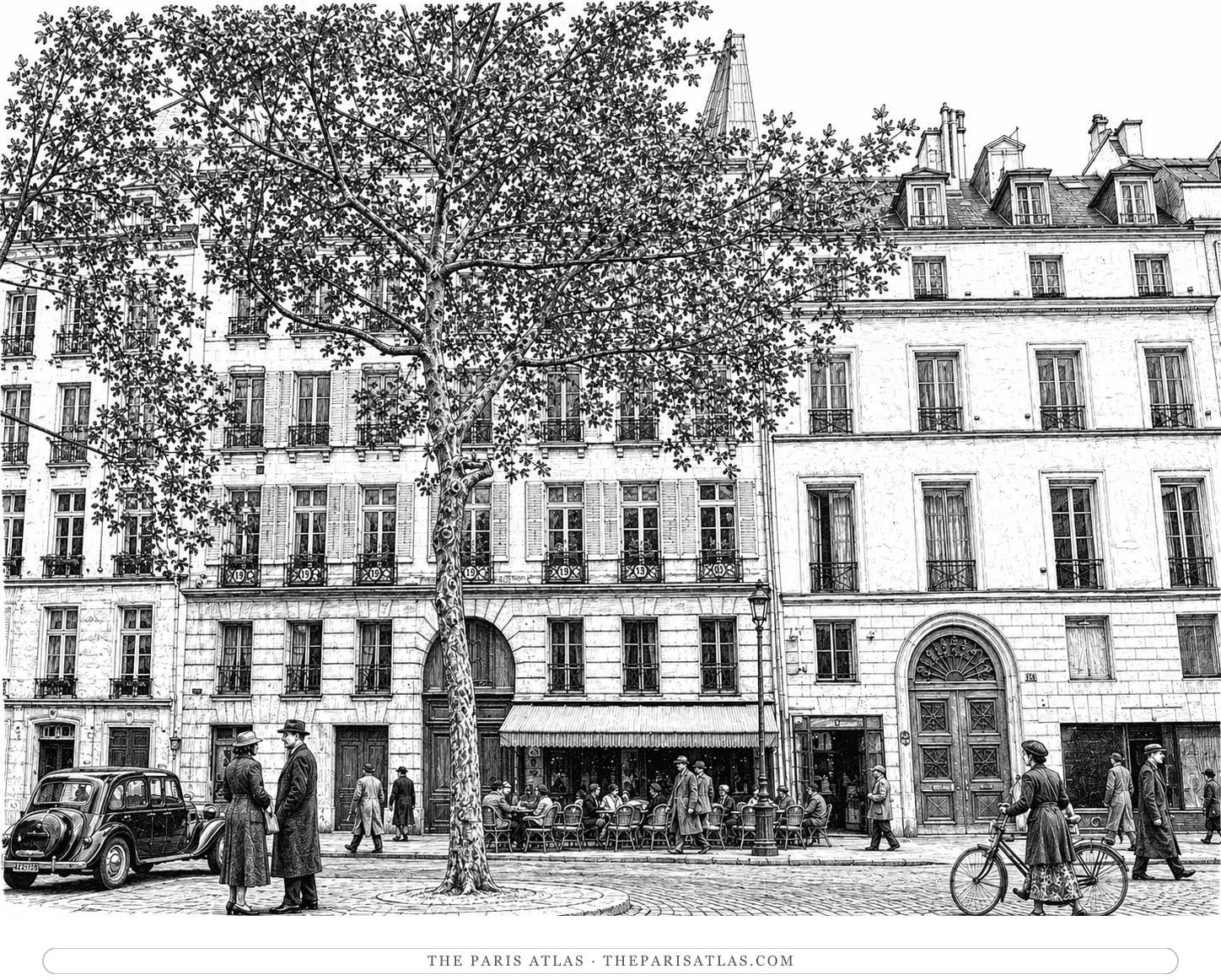
The reason was economic before it was cultural. Rooms here were cold and cheap, cafés were warm and stayed open, and a writer without a stove could work all day at a table for the price of one coffee. Guillaume Apollinaire ran a magazine out of the Café de Flore from 1913, treating the ground floor as an editorial office with waiter service. Thirty years later Jean-Paul Sartre and Simone de Beauvoir wrote through the Occupation at the Flore's upstairs tables for exactly the same reason: the café had heating and their flats did not.[1]
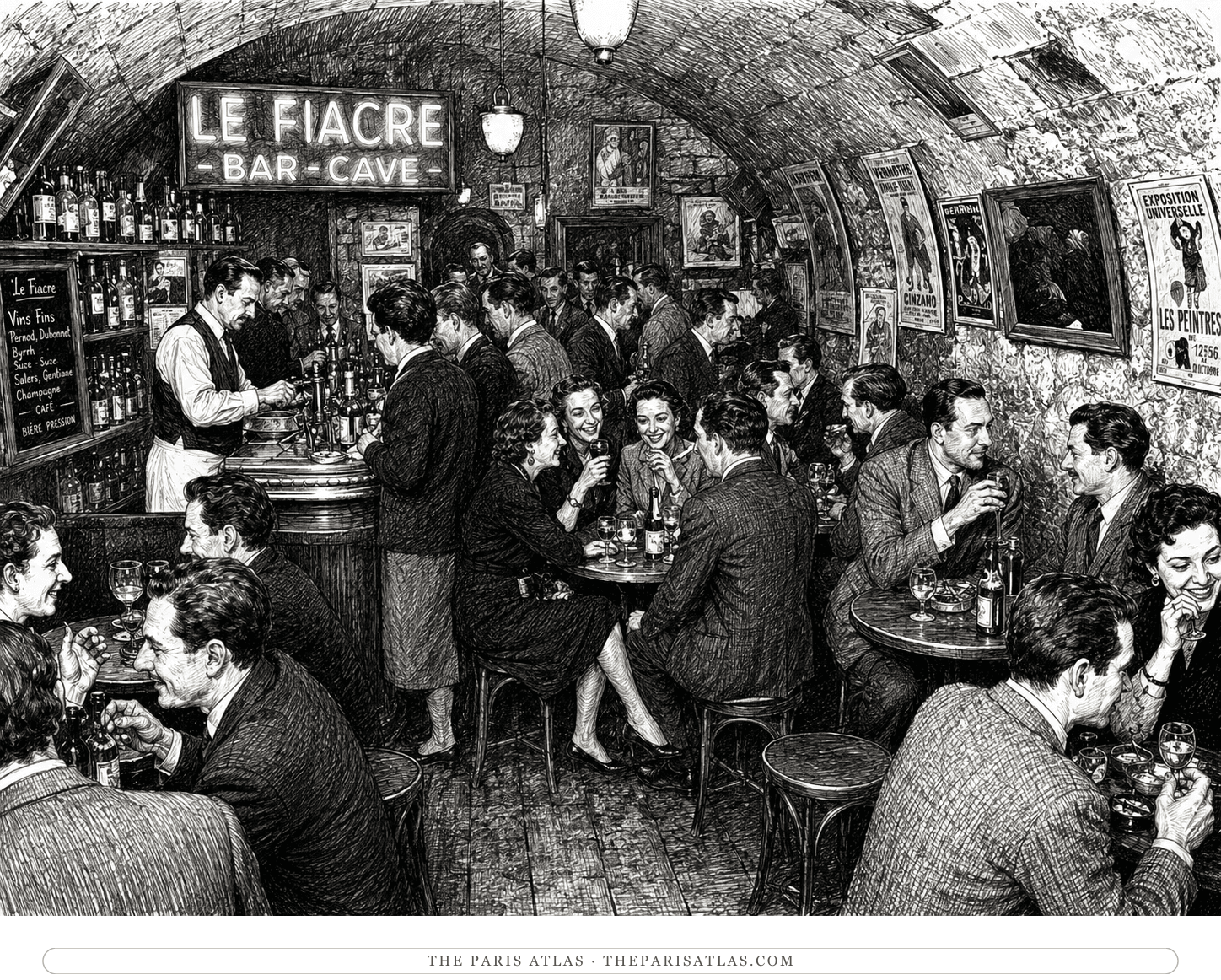
By the late 1940s the quarter had a second life running alongside the famous one. Homosexual Paris was here, and it was not particularly hidden. The historian Georges Sideris lists the Flore itself with La Reine Blanche, the Royal Saint-Germain and the Pergola as the cafés where men were openly visible. A few streets south, Le Fiacre on the rue du Cherche-Midi ran a smart restaurant upstairs so that the bar downstairs would be left alone by the police. The arrangement worked for about a decade.[2]
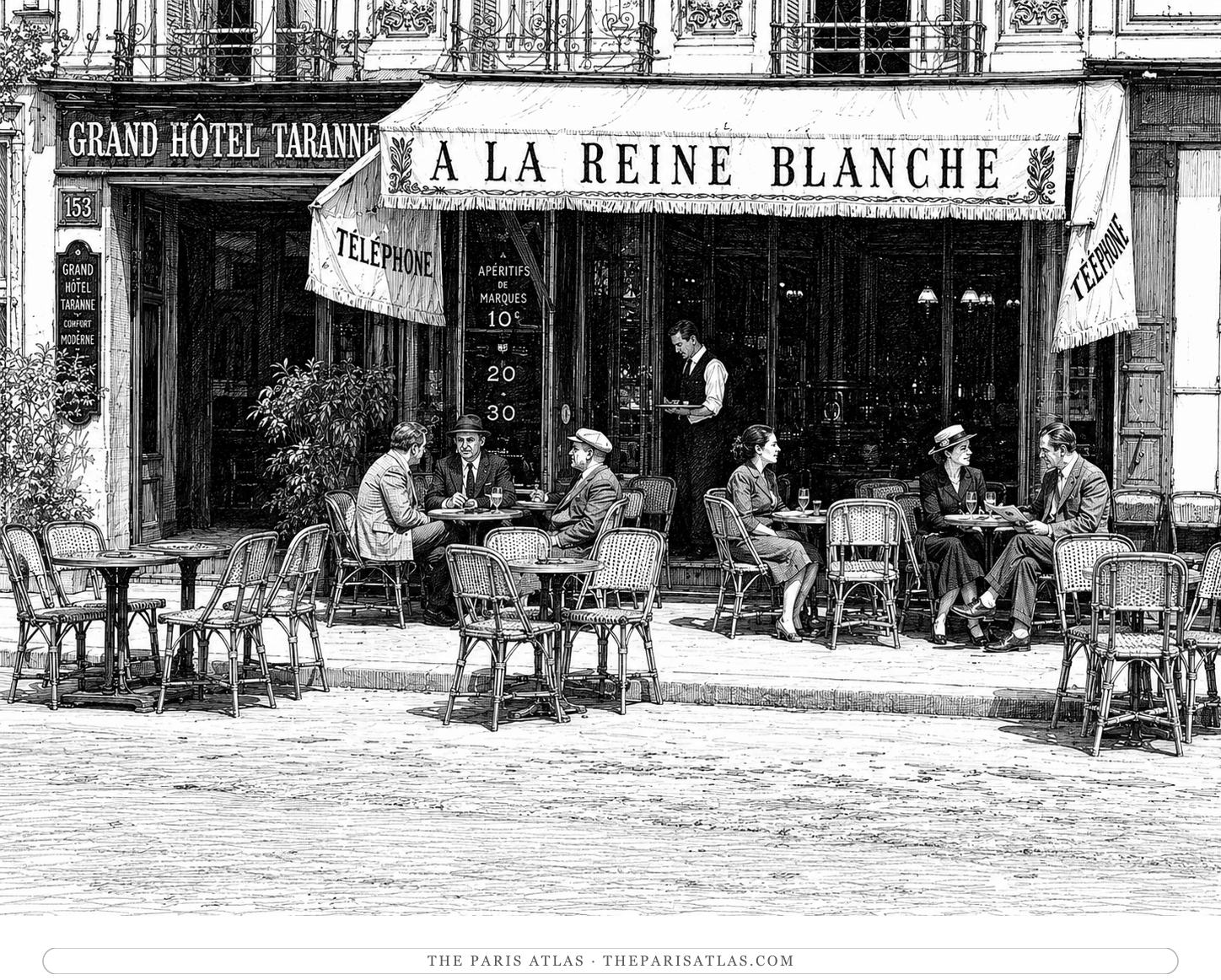
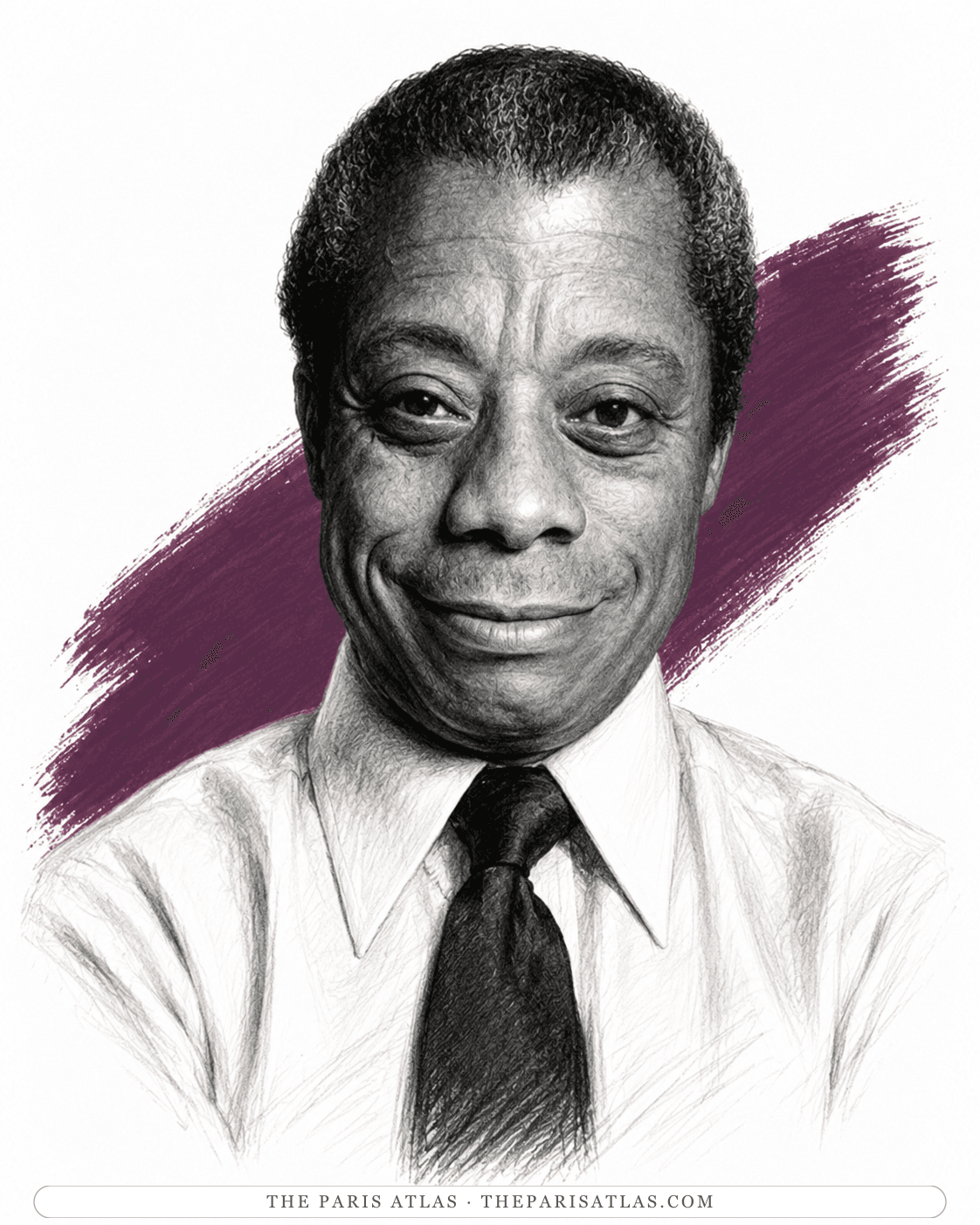
James Baldwin arrived in November 1948 with forty dollars and no French, and this is the quarter he landed in. He drank at La Reine Blanche, across the boulevard from the Flore, among a crowd of writers and runaways who between them kept him fed. He met Lucien Happersberger there in 1949. Giovanni's Room, published seven years later, is dedicated to Happersberger, and although Baldwin invents its bar and gives it no address, the two rooms usually named as its models are both within a few minutes of this church.[1]
The quarter is also in the novel by name, twice, and both times it is doing work. David meets Hella here — that was how I met her, in a bar in St. Germain des Pres, she was drinking and watching, and that was why I liked her — which makes this the address where the engagement that the book destroys begins. Baldwin spells it St. Germain des Pres throughout.[3]
The second mention is the spire. Standing at the end of a long curving street, David sees the trees of the boulevard, straw chairs piled high in front of the cafés, and the great stone spire of the abbey, which he and Hella believed the most magnificent in Paris. It is the church the quarter is named for, the oldest in the city, and it stands at one end of the street while the bars David actually uses stand at the other.
The quarter's post-war reputation is usually told as existentialism, jazz cellars and Juliette Gréco, and all of that is true. What the account tends to leave out is that the same square kilometre was also where a criminalised social world could operate in daylight, because it had enough money and enough celebrity passing through it to make the prefecture cautious. The two histories are the same history. They used the same tables.[4]
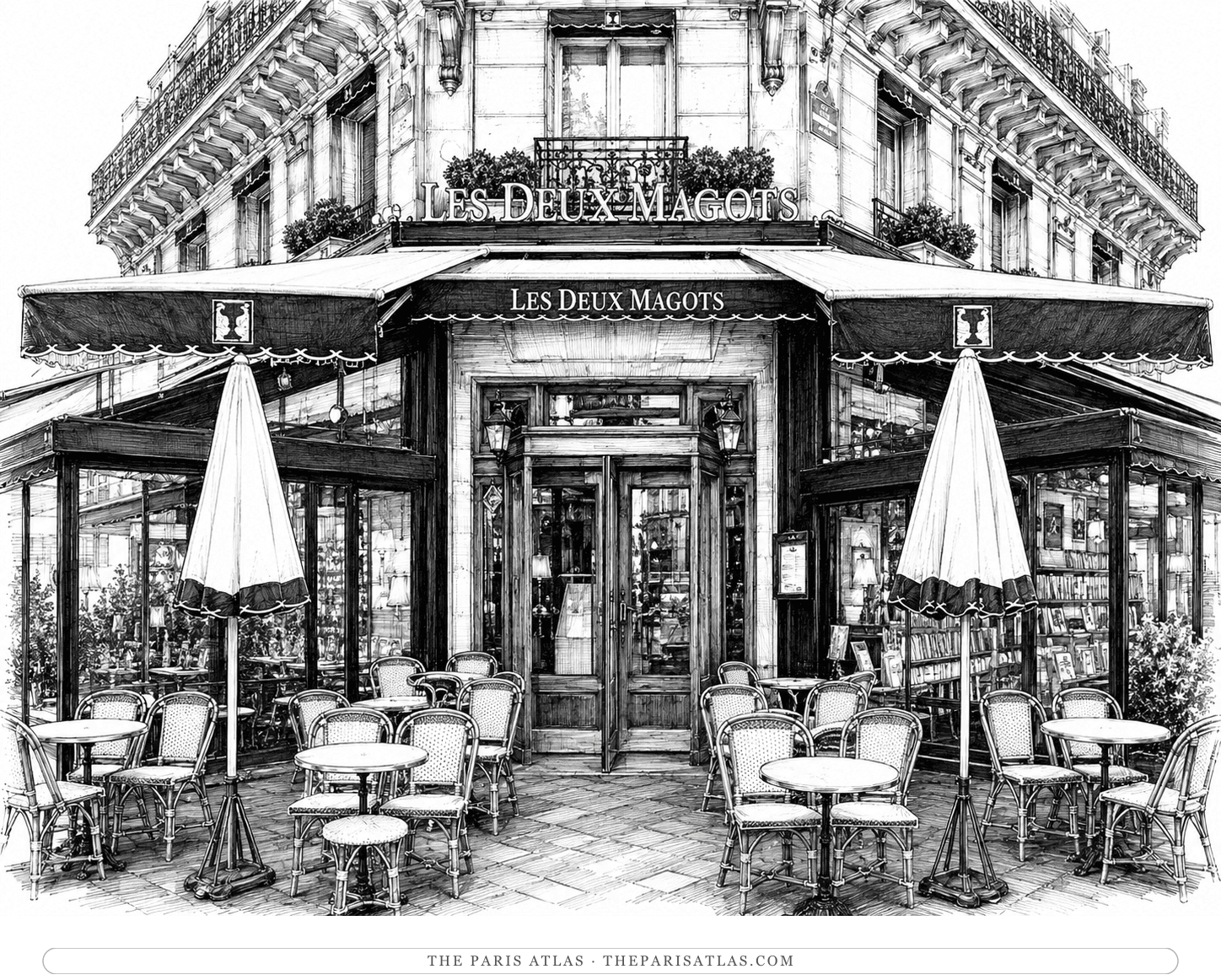
It did not last, and it did not survive its own success. Rents rose through the 1960s, the cheap rooms went, the fashion houses came, and the cafés turned into monuments to what they had been. The Flore founded a literary prize. The Deux Magots founded one earlier. Both are excellent places to pay a great deal for a coffee and look at the chair where somebody sat.[1]
The other life left too, and it left in stages: to the rue Sainte-Anne near the Opéra in the 1970s, to Les Halles in the 1980s, and finally to Le Marais, where it still is. Nothing on these streets records that it was ever here. The plaques are for the philosophers.
Guillaume Apollinaire runs Les Soirées de Paris from the ground floor of the Café de Flore.
Sartre and Beauvoir write through the Occupation at the Flore's upstairs tables, because the café is heated.
James Baldwin arrives in Paris and falls in with the crowd at La Reine Blanche.
Baldwin meets Lucien Happersberger, to whom Giovanni's Room is dedicated.
The quarter is the centre of homosexual Paris: La Reine Blanche, Le Fiacre, the Flore.
That world moves out in stages — to the rue Sainte-Anne, then Les Halles, then Le Marais.
Setting of the story
Where David met Hella — in a bar here, drinking and watching. The quarter's spire closes the street he lives on, and he calls it the most magnificent in Paris.
Frequented by
The quarter Baldwin landed in when he reached Paris in November 1948, and the one he drank in for years afterwards. La Reine Blanche, where he met Lucien Happersberger, and Le Fiacre, the other bar named as a model for Guillaume's, are both a few minutes from the abbey church.
Visited by · 1965
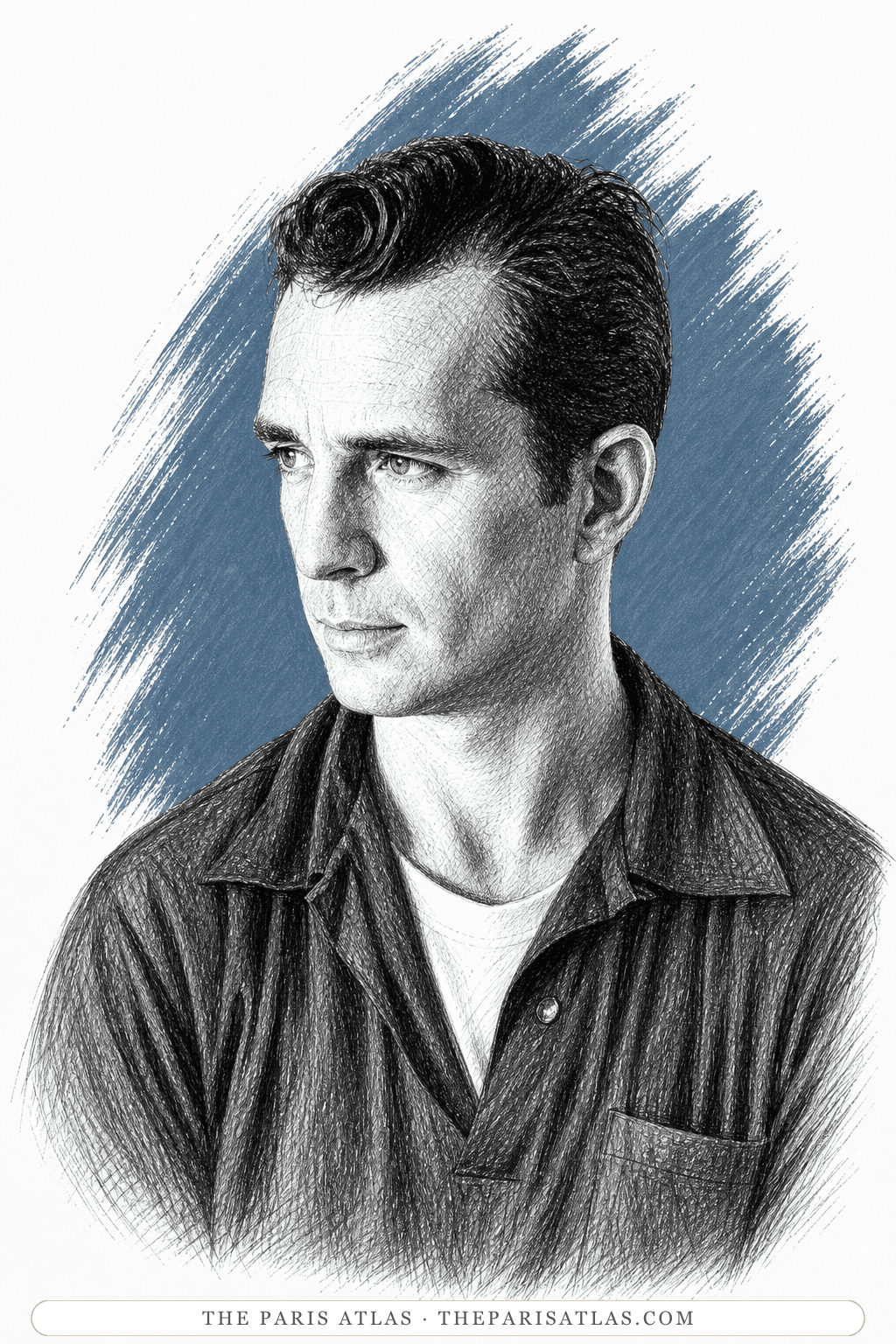
Kerouac visited the quarter and heard Mozart's Requiem in the Church of Saint-Germain-des-Prés, an experience he considered as a possible moment of satori.

During the eight months he spent in Europe from September 1955, Baker's quartet played the modern-jazz cellars of the quarter — the Club Saint-Germain and Le Tabou — alongside the concert dates and the Barclay recording sessions.

The City of Paris named a small public square after the poet in the Saint-Germain-des-Prés quarter: the place Mahmoud Darwich, a raised triangle on the quai Malaquais opposite numbers 3 to 7, in the 6th arrondissement. It carried his name as an esplanade from 29 March 2010 and became a place by municipal deliberation of 16 and 17 May 2011. The city's official street register glosses him in a line as a committed poet and a representative of Palestinian identity throughout the world. Darwish had lived in Paris, off and on, for about ten years from the mid-1980s.
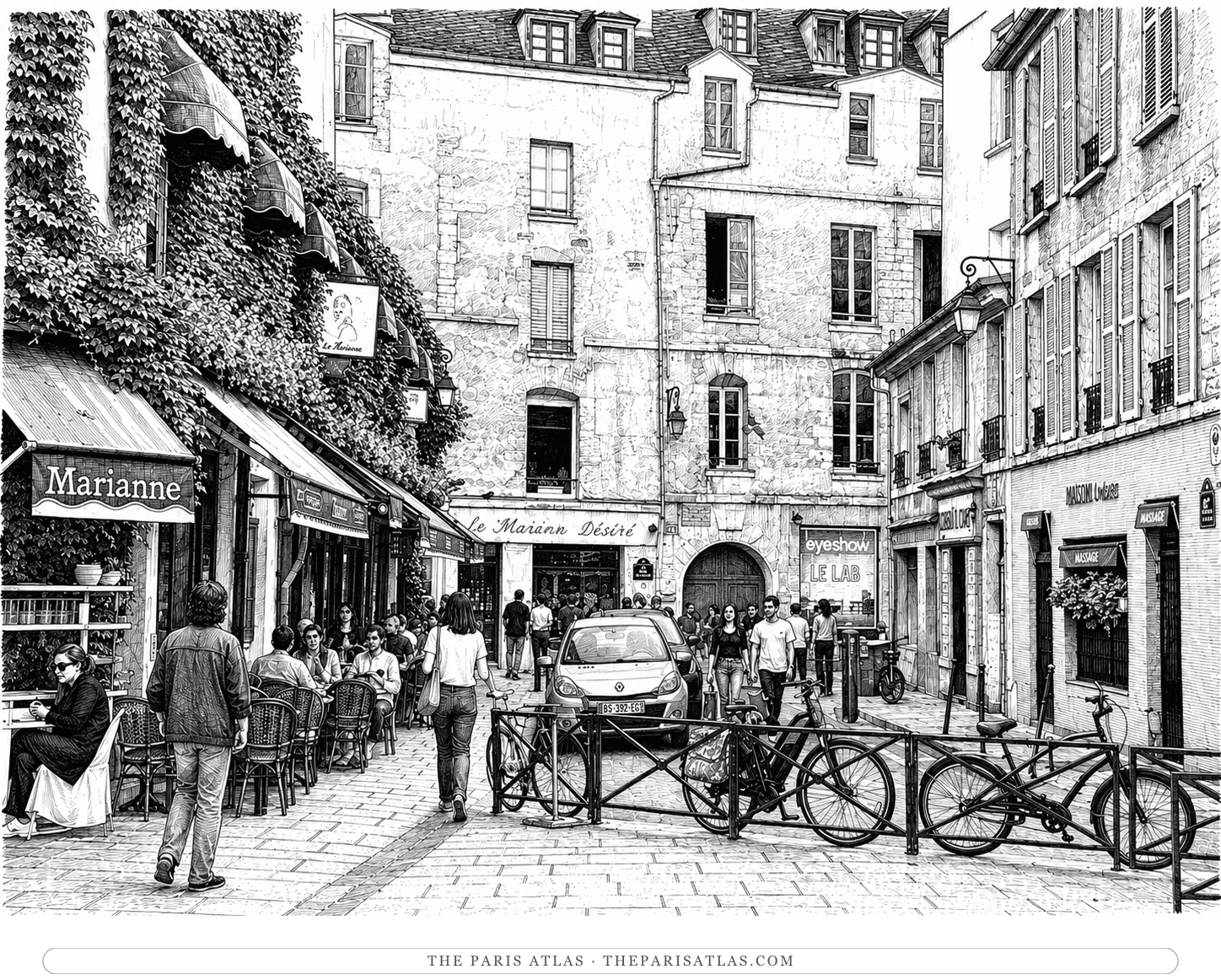 The historic original · Aristocratic quarter 1600s; gay quarter since the 1990sLe MaraisGay Paris was in Saint-Germain in Baldwin's years, moved to the rue Sainte-Anne in the 1970s and Les Halles in the 1980s, and has been in the Marais since the 1990s. Baldwin never knew it here.See the historic original
14 places in the Atlas sit here.
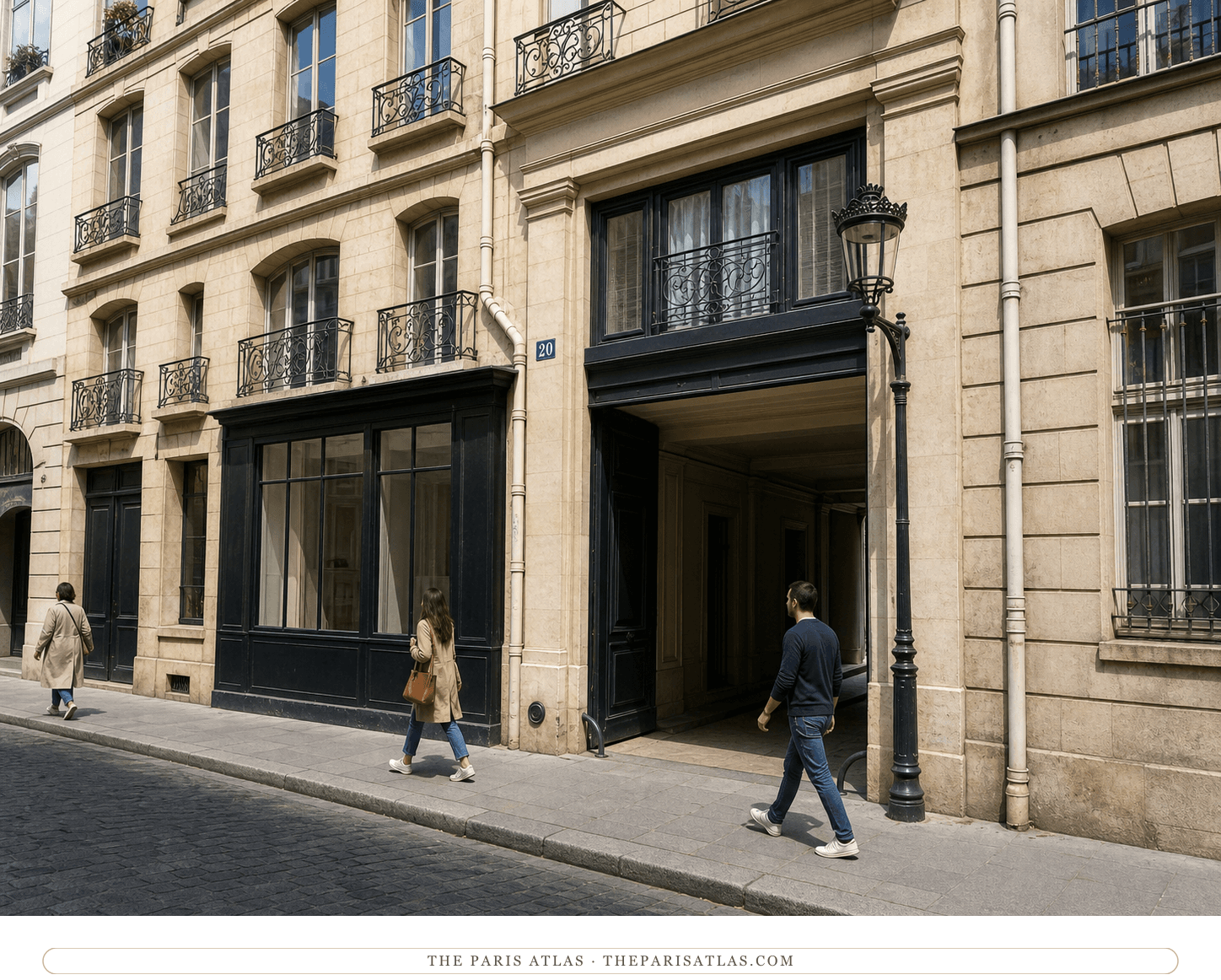
The courtyard pavilion where Natalie Clifford Barney held her Friday salon for sixty years, and the small Doric temple in its garden.
Visit the place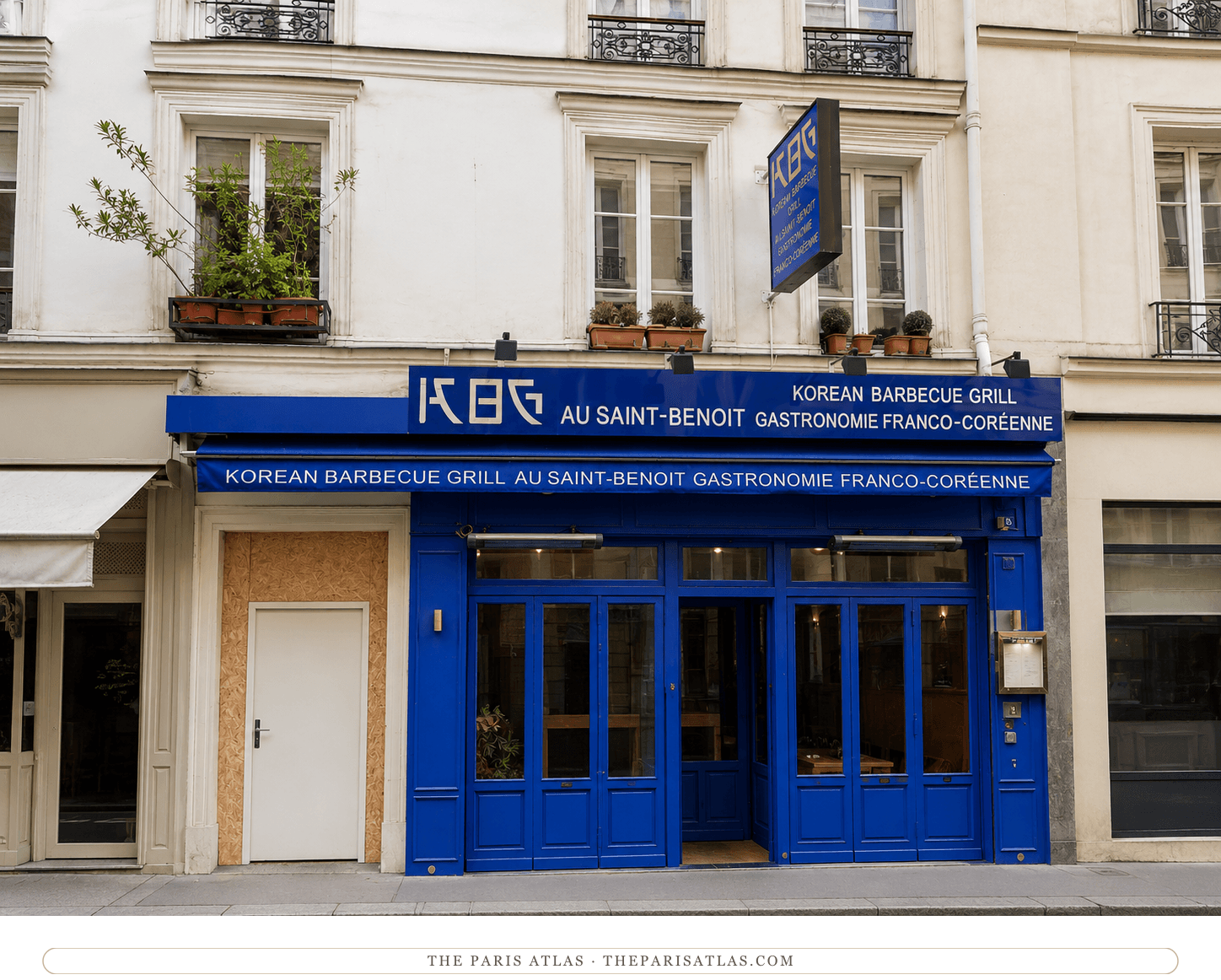
The Saint-Germain address where the City of Paris places James Baldwin as a likely resident in the early 1950s, around the publication of Go Tell It on the Mountain.
Visit the place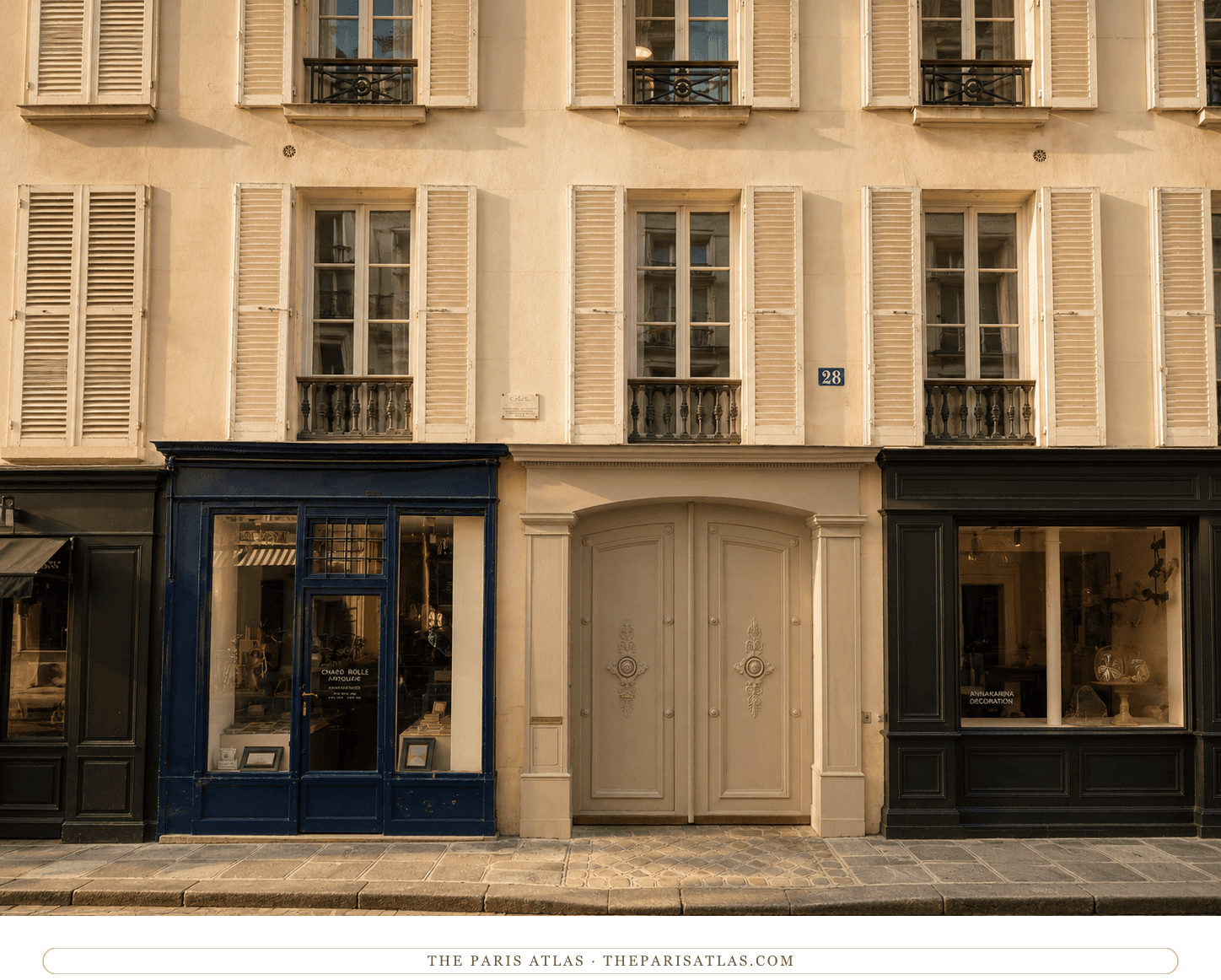
Colette's first marital home in Paris, a third-floor apartment she took with her husband Willy in 1893.
Visit the place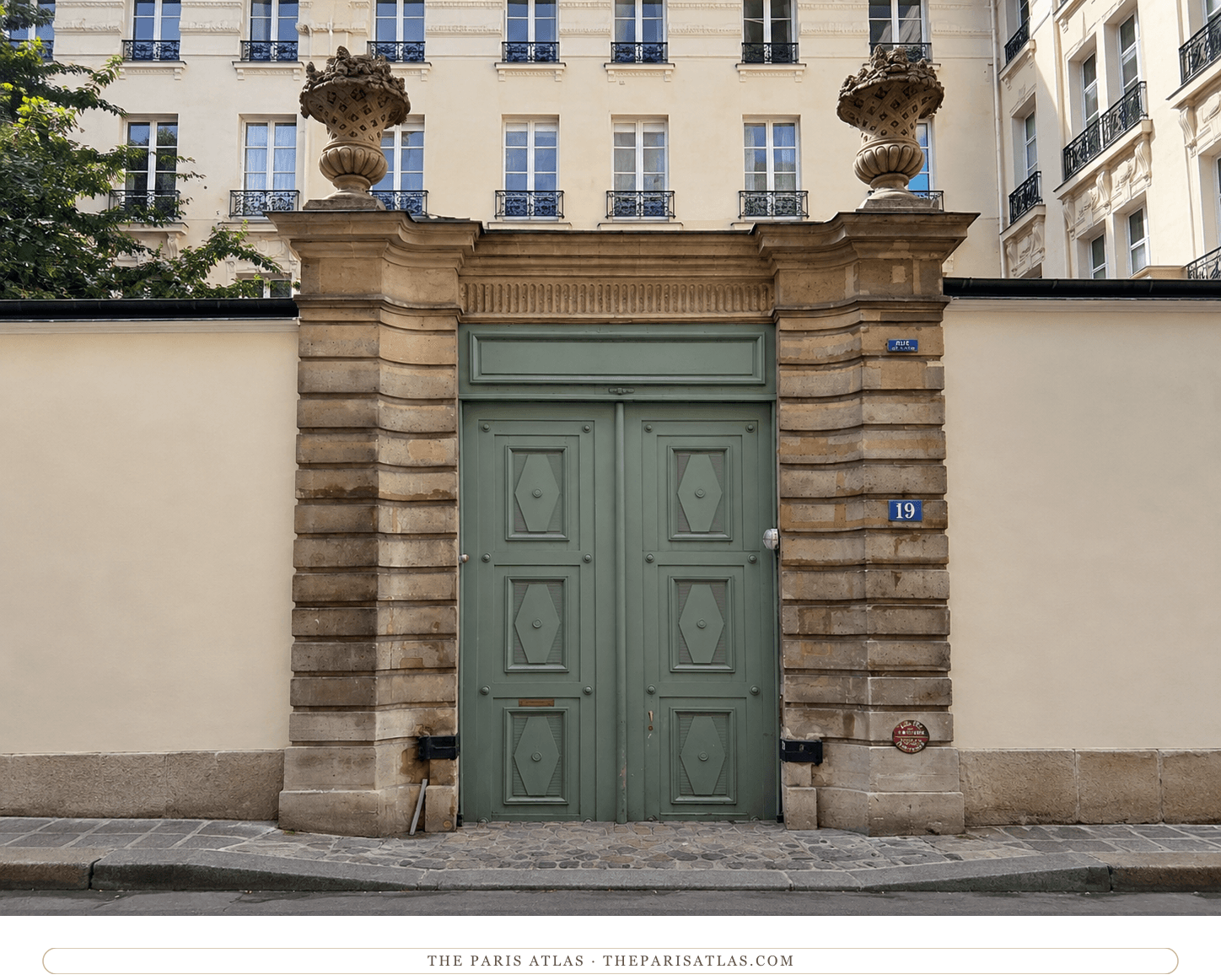
The Paris town house of Harry and Caresse Crosby, and the address of the Black Sun Press, which published D. H. Lawrence, James Joyce, Hemingway and Hart Crane in editions made to be beautiful rather than to sell.
Visit the place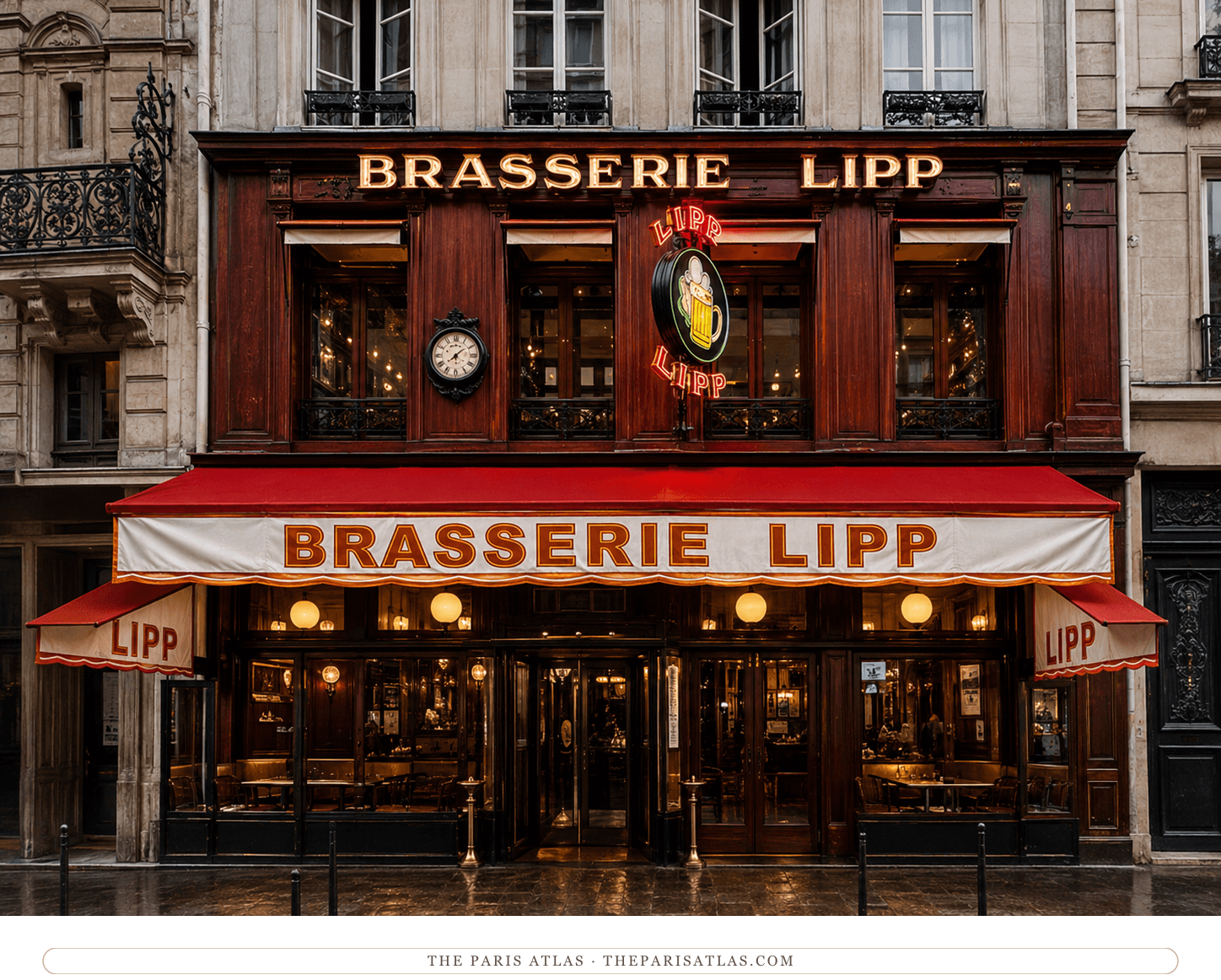
Beer, potato salad, and choucroute after a day's work. Ernest Hemingway considered it one of the best places in Paris.
Visit the place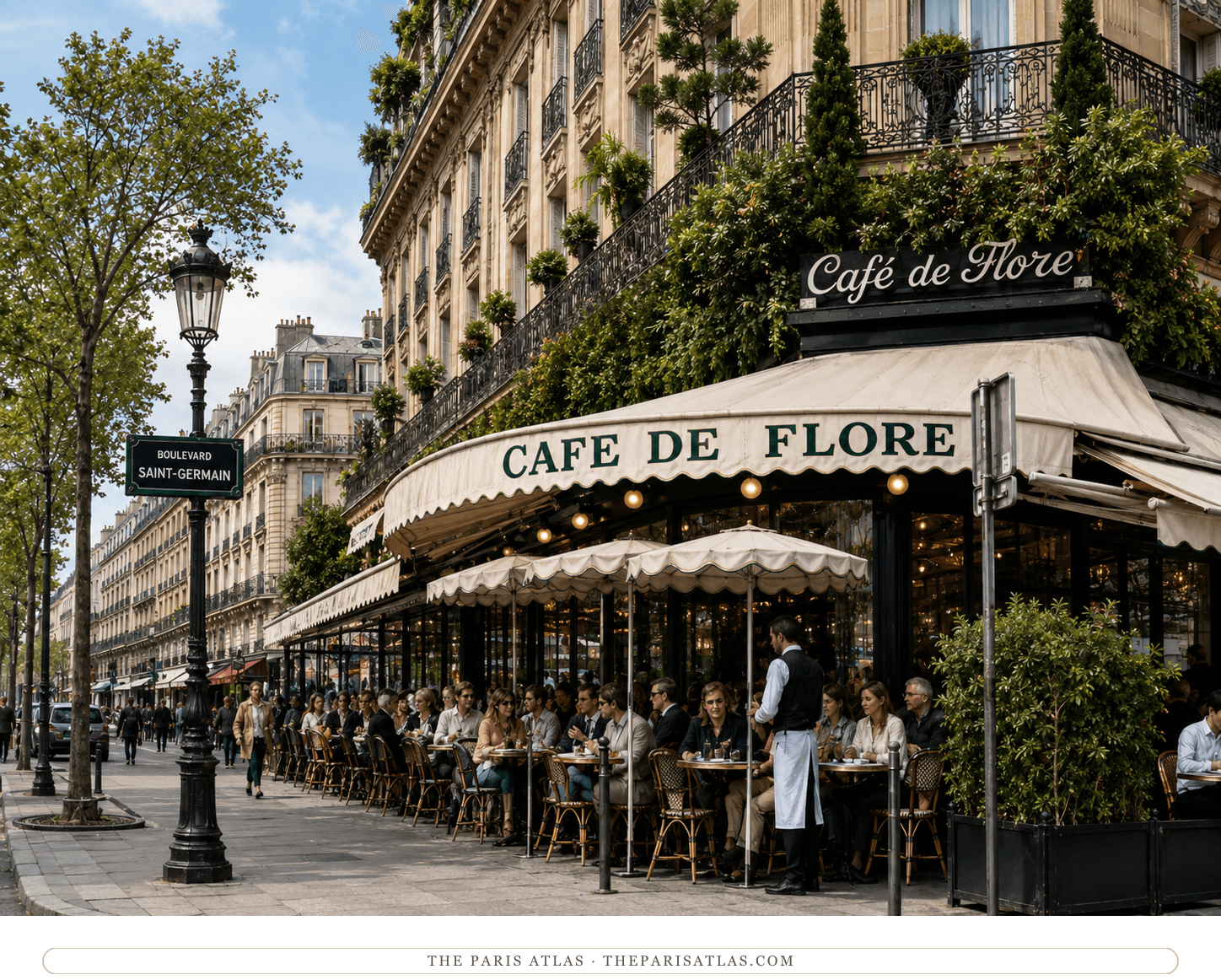
A few doors from Les Deux Magots and part of the same Left Bank circuit. Later became more associated with Jean-Paul Sartre and Simone de Beauvoir.
Visit the place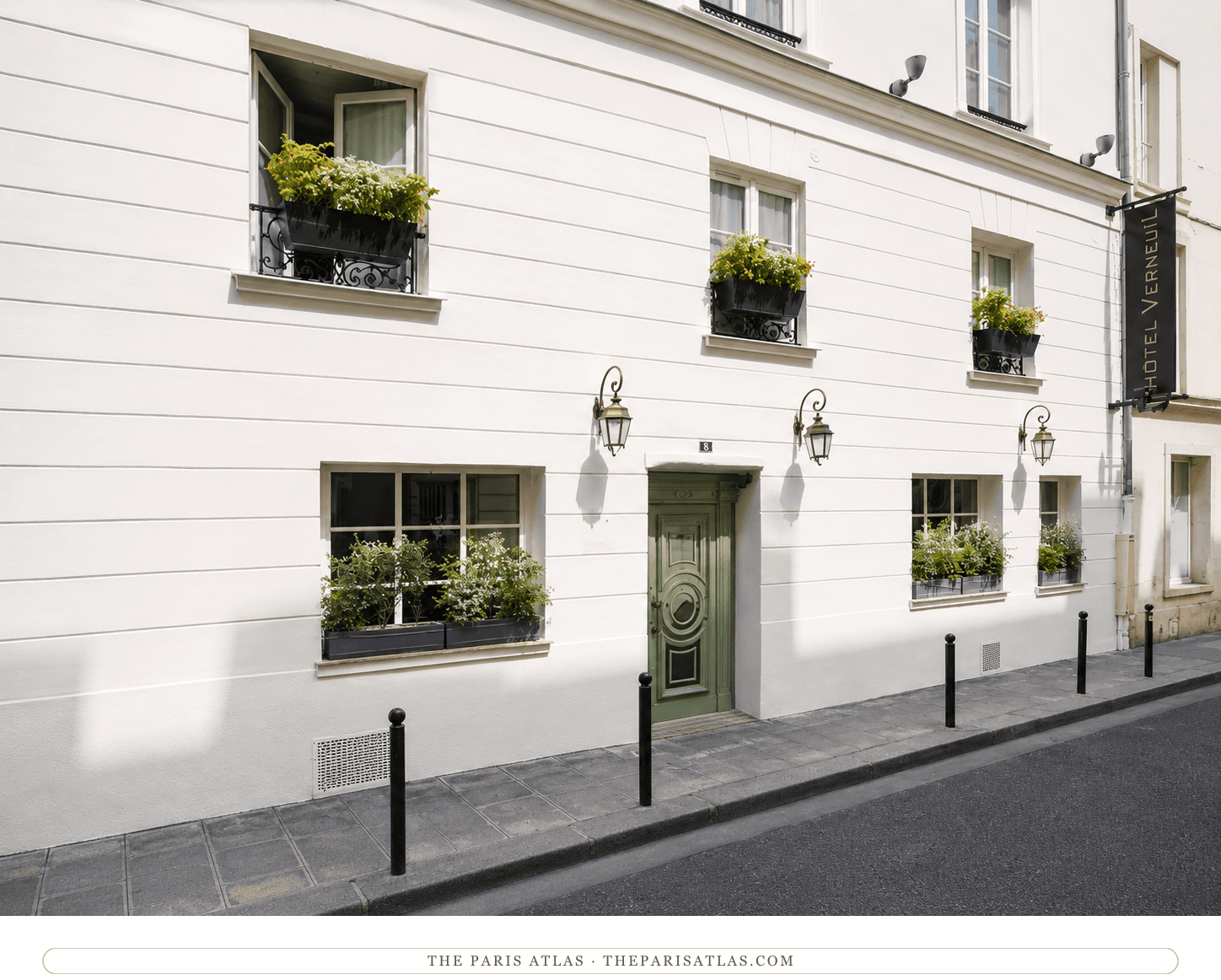
The Left Bank hotel where James Baldwin settled after arriving in Paris in November 1948, and where his first published essays were written.
Visit the place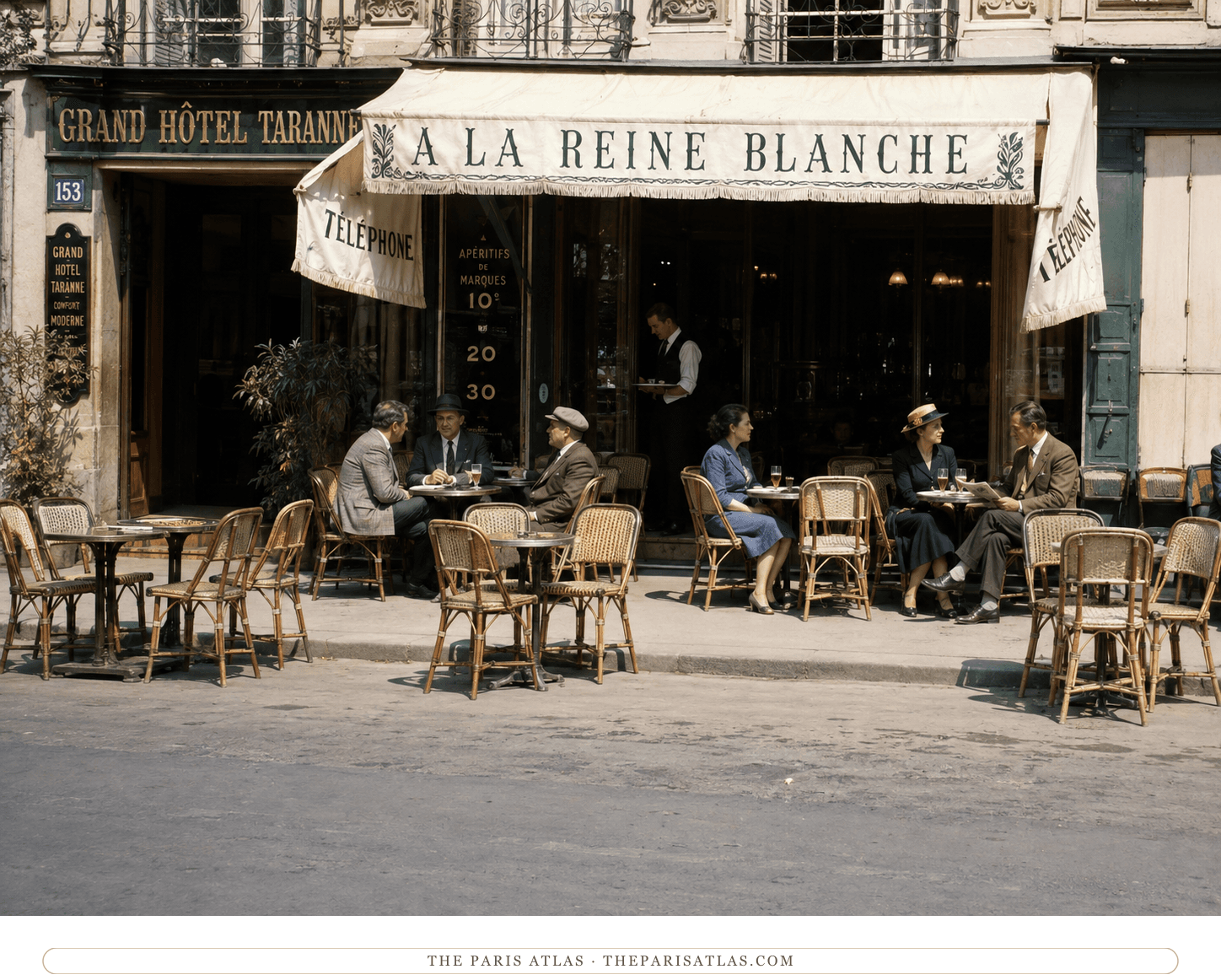
The cheap bar across the boulevard from the Café de Flore where James Baldwin drank through his first Paris years, and where he met Lucien Happersberger in 1949.
Visit the place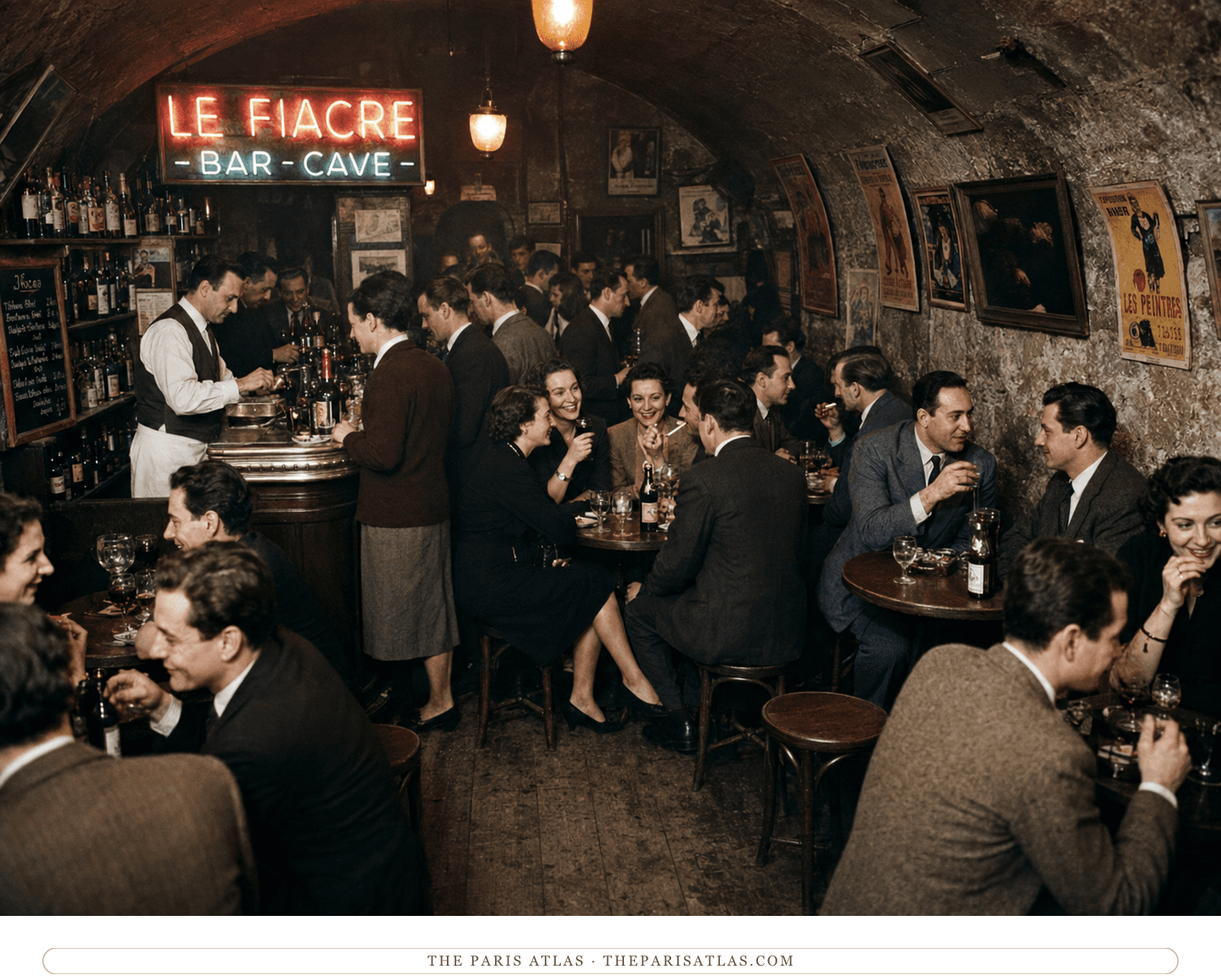
The restaurant-above, bar-below house on the rue du Cherche-Midi that became the centre of gay Paris in the 1950s, and one of two bars named as models for Guillaume's bar in Giovanni's Room.
Visit the place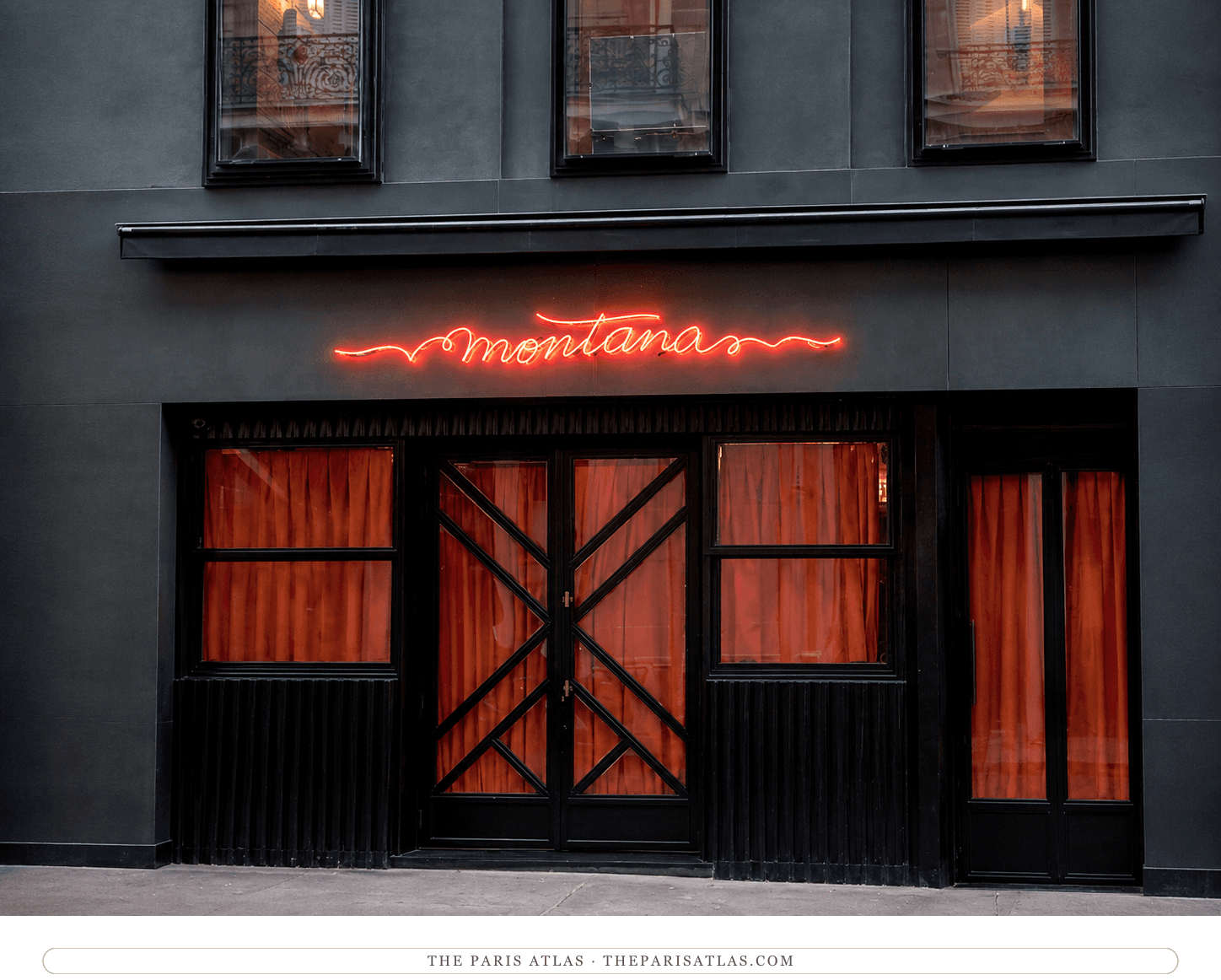
A Saint-Germain bar of the postwar years, steps from the Café de Flore, that the City of Paris counts among the gay clubs James Baldwin frequented.
Visit the place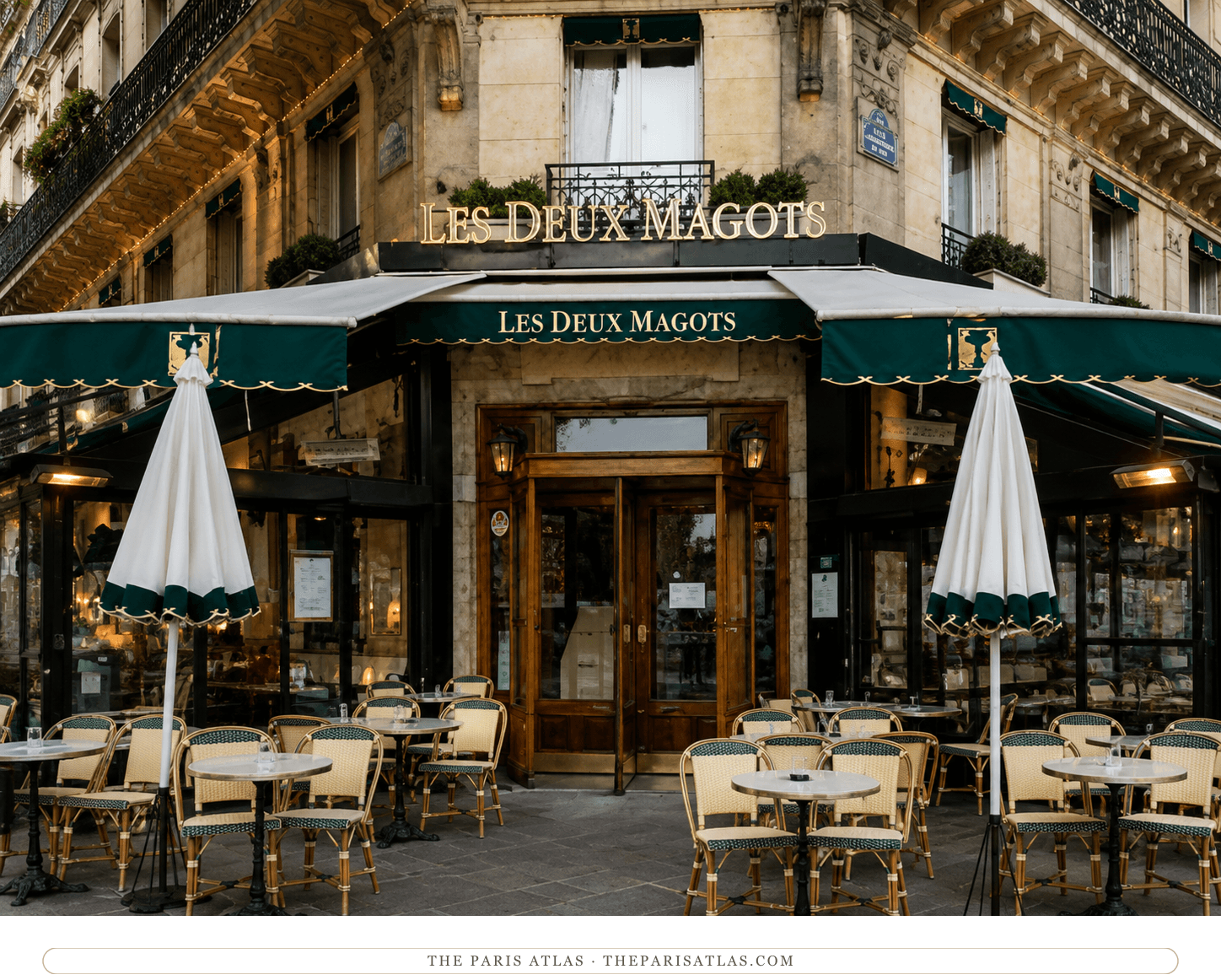
The famous literary terrace where the expat crowd gathered. Ernest Hemingway came here, though he preferred La Closerie for actual work.
Visit the place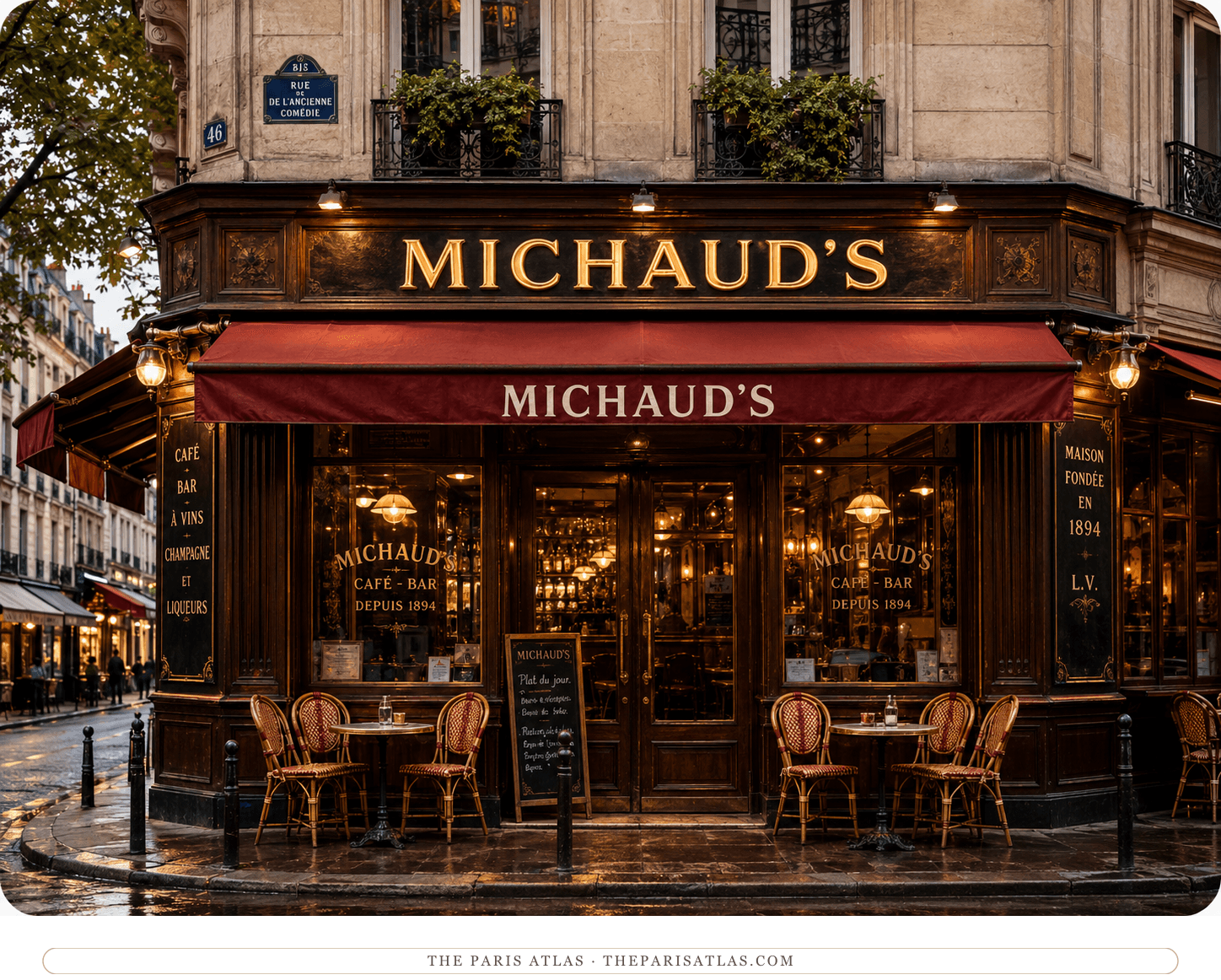
The smart restaurant of the quarter — where the hungry Hemingways watched the Joyce family dine, and where F. Scott Fitzgerald asked the question answered in 'A Matter of Measurements.'
Visit the place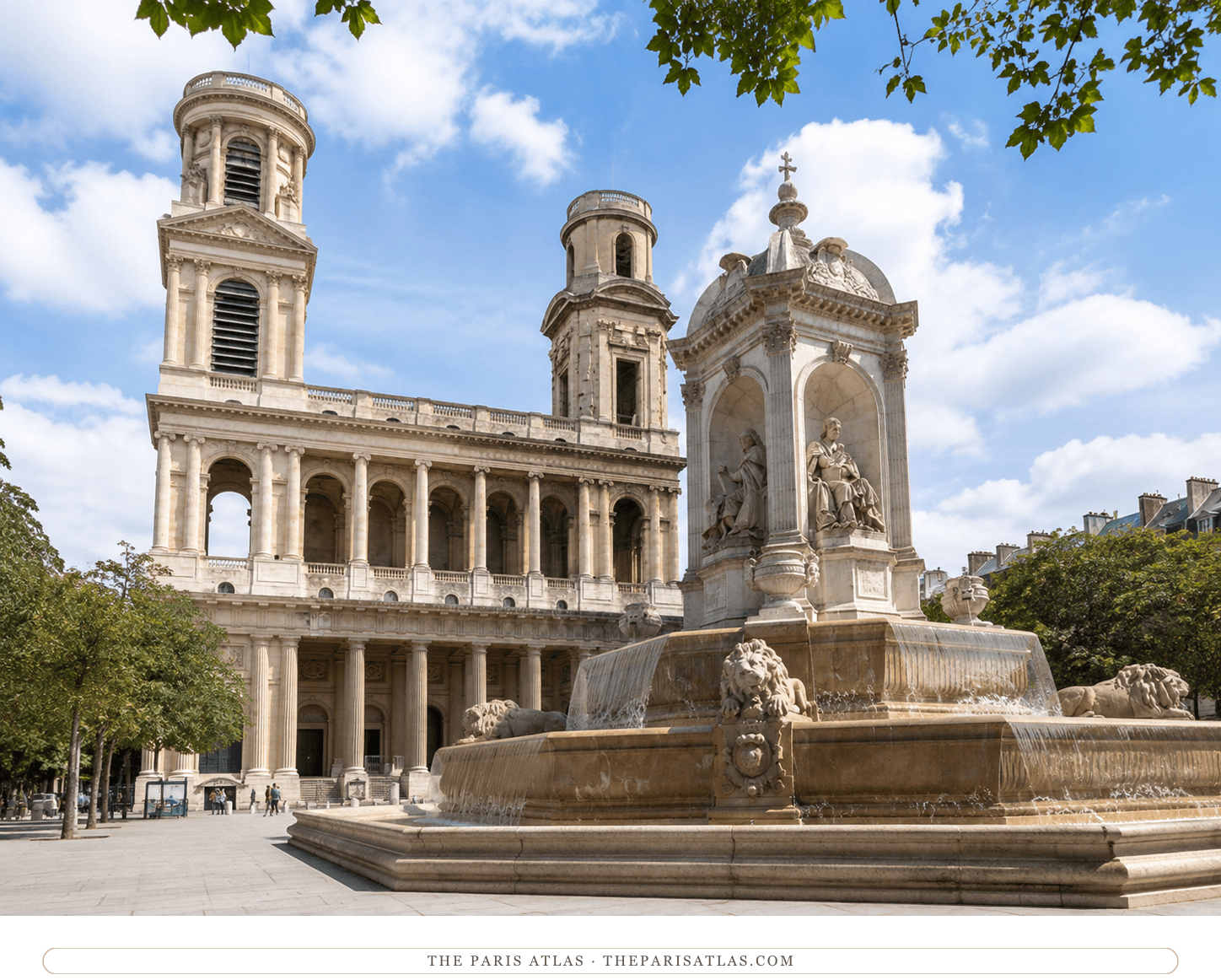
The quiet square between Saint-Germain and the Luxembourg — the fountain, the pigeons, the towered church, and a stillness three generations of writers noticed.
Visit the place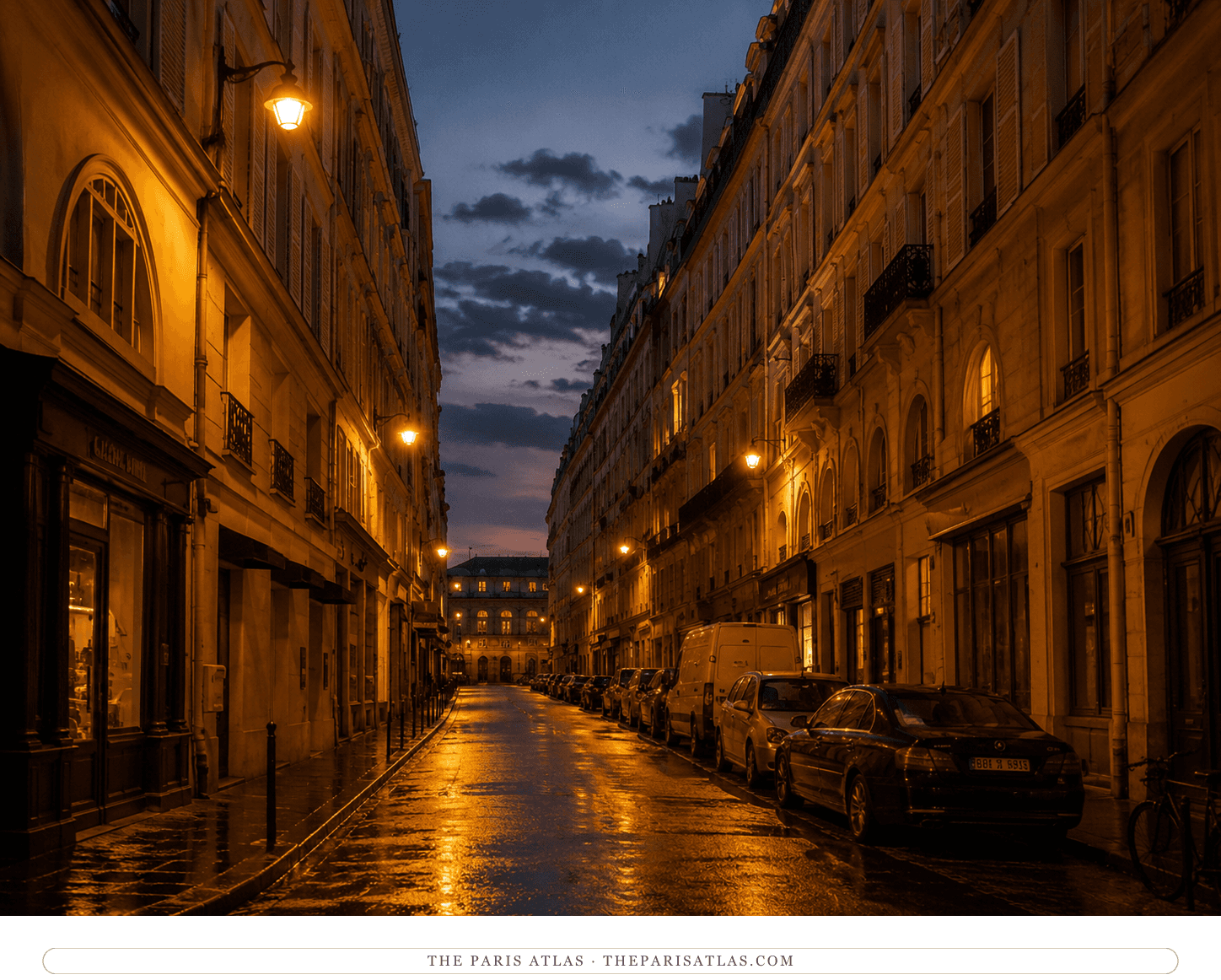
The street that stitches the Left Bank together — river to Beaux-Arts to Saint-Germain to Saint-Sulpice — and the nightly walk Henry Miller could not stop remembering.
Visit the placeThe famous literary terrace where the expat crowd gathered. Ernest Hemingway came here, though he preferred La Closerie for actual work.
Visit the placeThe Saint-Germain address where the City of Paris places James Baldwin as a likely resident in the early 1950s, around the publication of Go Tell It on the Mountain.
Visit the placeA Saint-Germain bar of the postwar years, steps from the Café de Flore, that the City of Paris counts among the gay clubs James Baldwin frequented.
Visit the place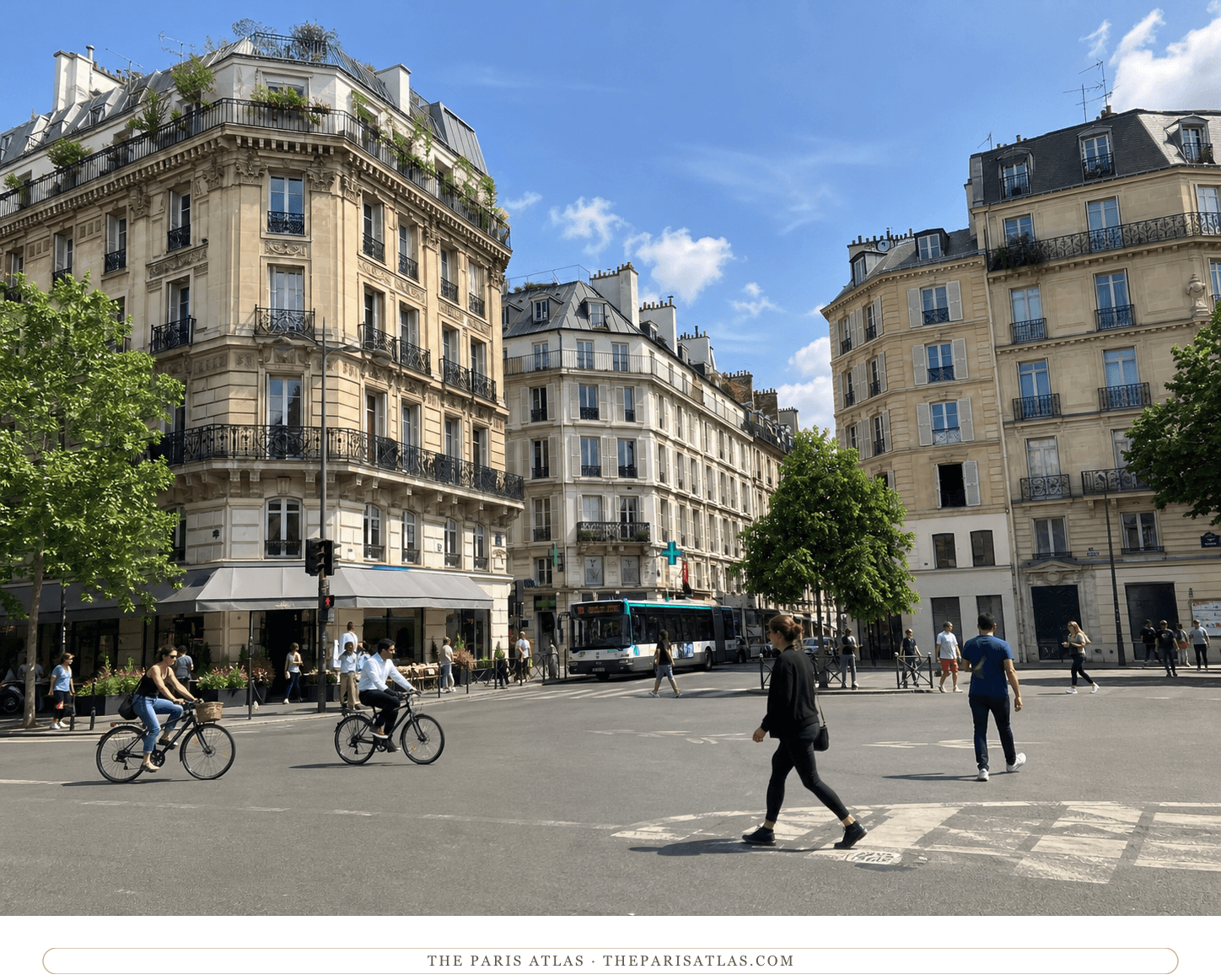
A small square in Saint-Germain-des-Prés, renamed in 2000 for Jean-Paul Sartre and Simone de Beauvoir together — a few steps from the Café de Flore and Les Deux Magots, where they worked.
Visit the placeThe sources below include histories, archival materials, scholarly research, and official records that informed this page. They document Saint-Germain-des-Prés, the people connected to it, and its place in Paris.


Published analysis and historical context used in preparing the Saint-Germain-des-Prés page.
Catalogue scholarship used to verify attribution, provenance, chronology, and interpretive context for Saint-Germain-des-Prés.
Published analysis and historical context used in preparing the Saint-Germain-des-Prés page.
These references provide the documented foundation for this page's history and context. Claim-level citations remain attached to the specific claims they support.
 Explore more resources
Newsletter
The cafés, studios, and walk-up flats where the work was made — one story from the map in every letter.