The Paris AtlasCharting the artists, works, and places worth returning to.

Bar · Saint-Germain-des-Prés · 6e arrondissement

Le Fiacre (4 rue du Cherche-Midi)

Permanently closed

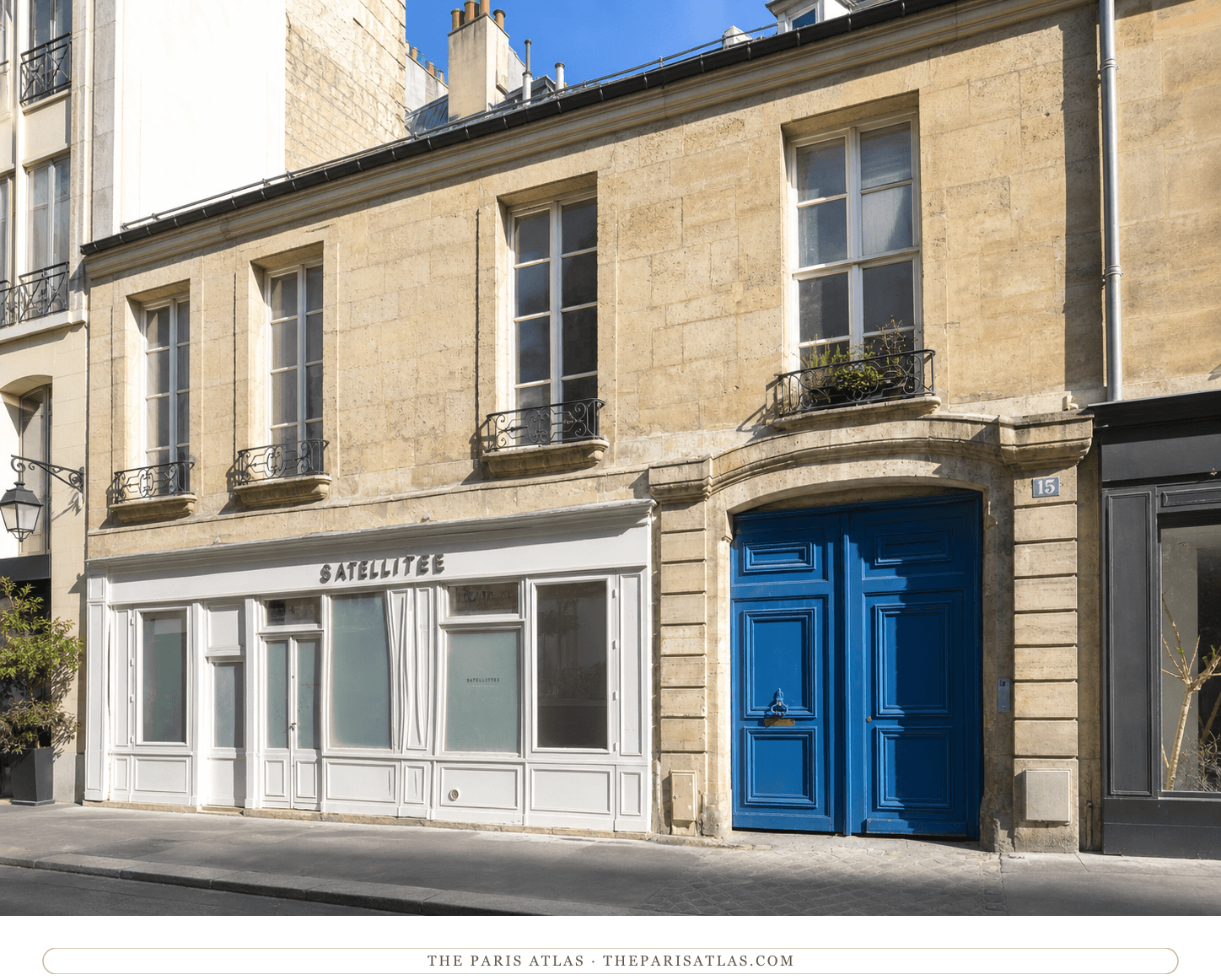
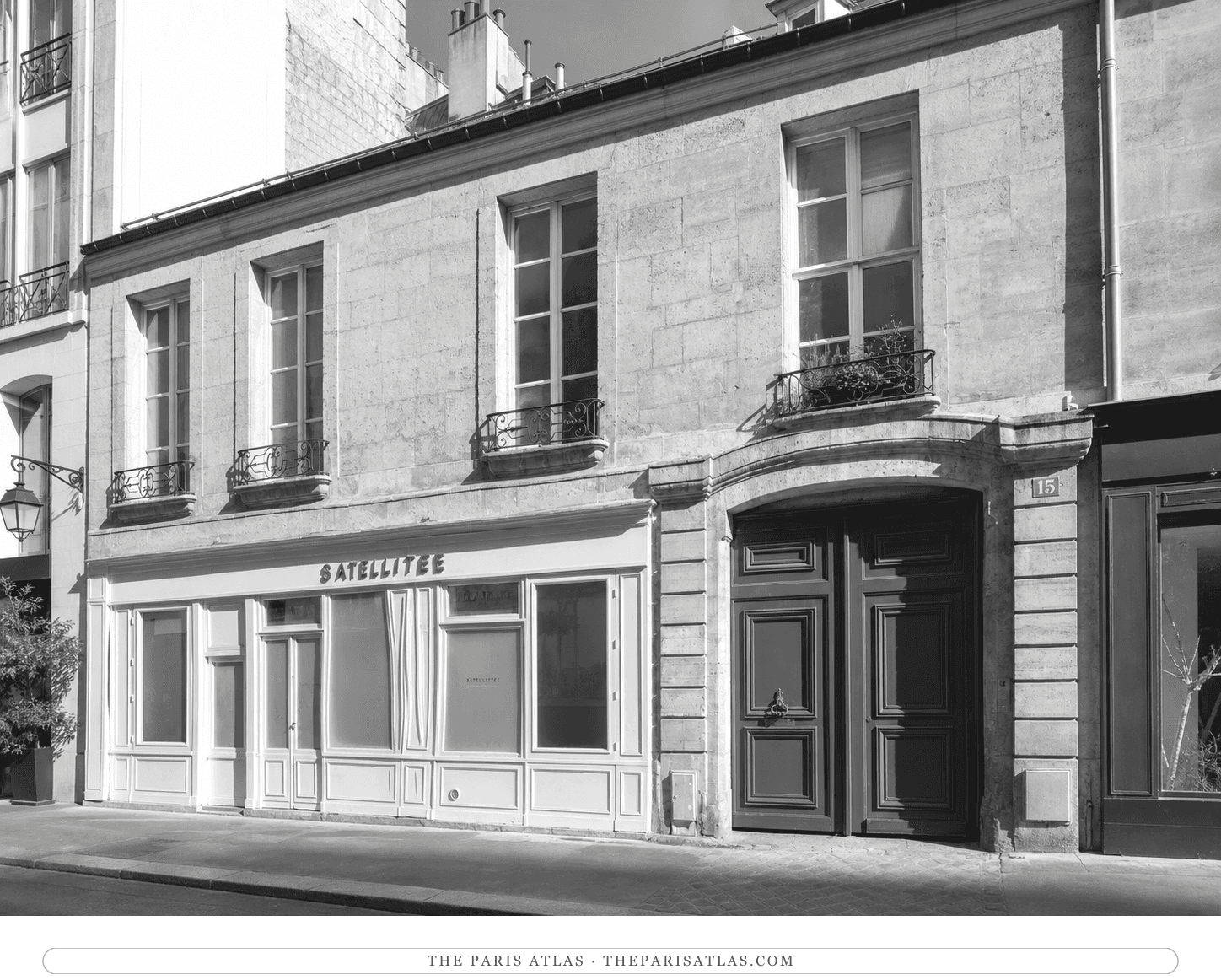
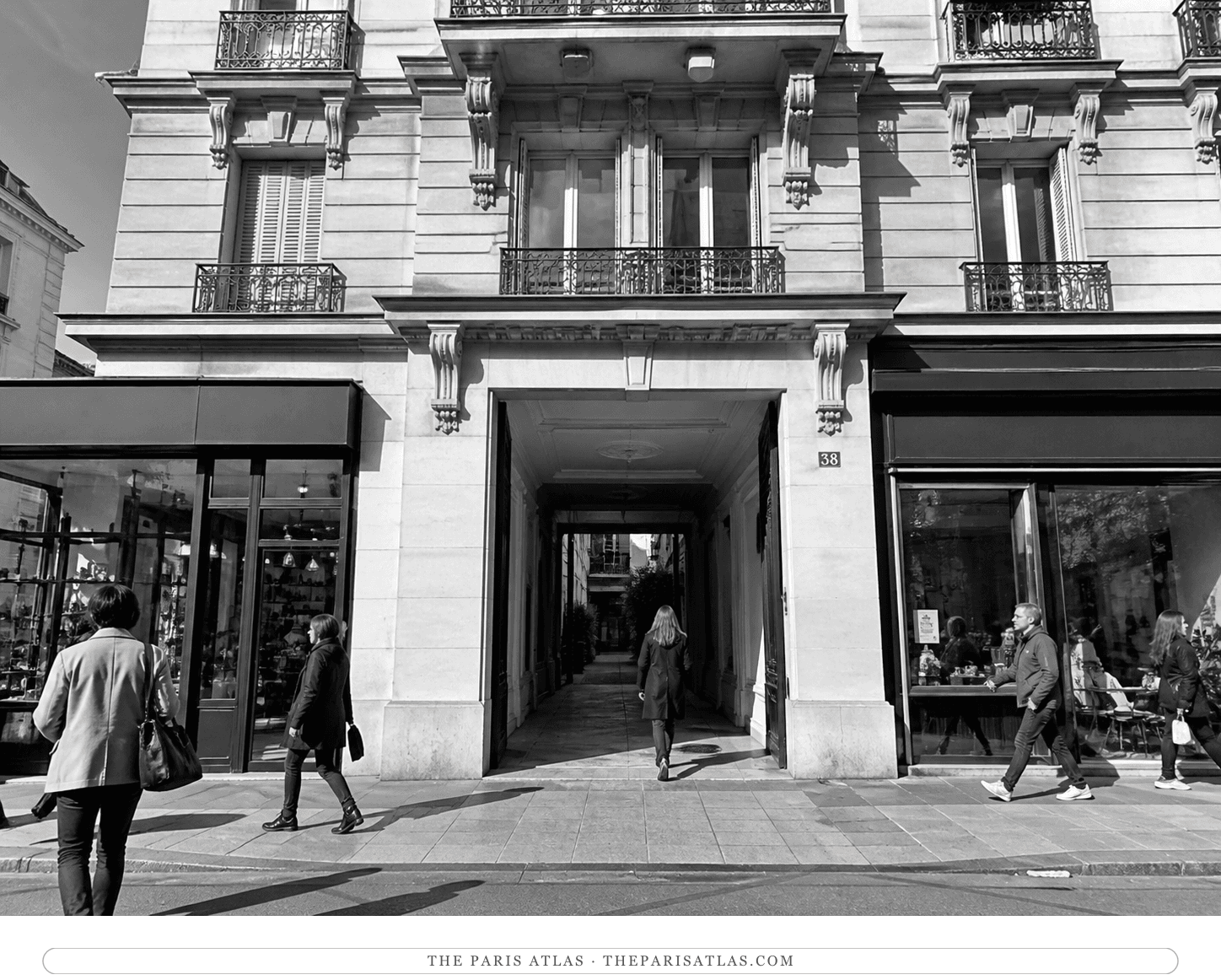
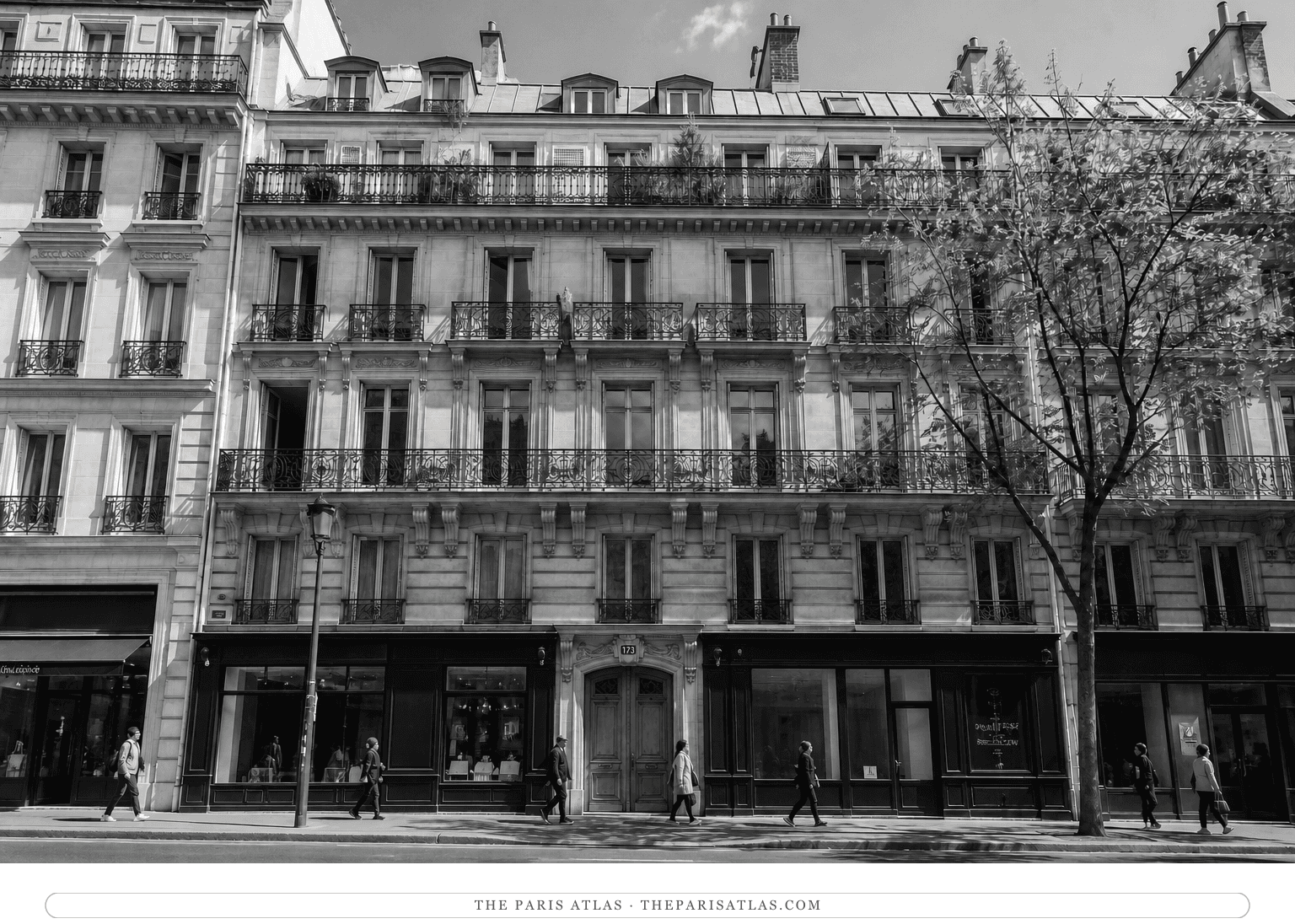
The bar is long gone and the building stands. Nothing at the address marks what ran here in the 1950s.

The restaurant-above, bar-below house on the rue du Cherche-Midi that became the centre of gay Paris in the 1950s, and one of two bars named as models for Guillaume's bar in Giovanni's Room.

Address
4 Rue du Cherche-Midi, 75006 Paris
Years
c. 1947 – at least the 1960s
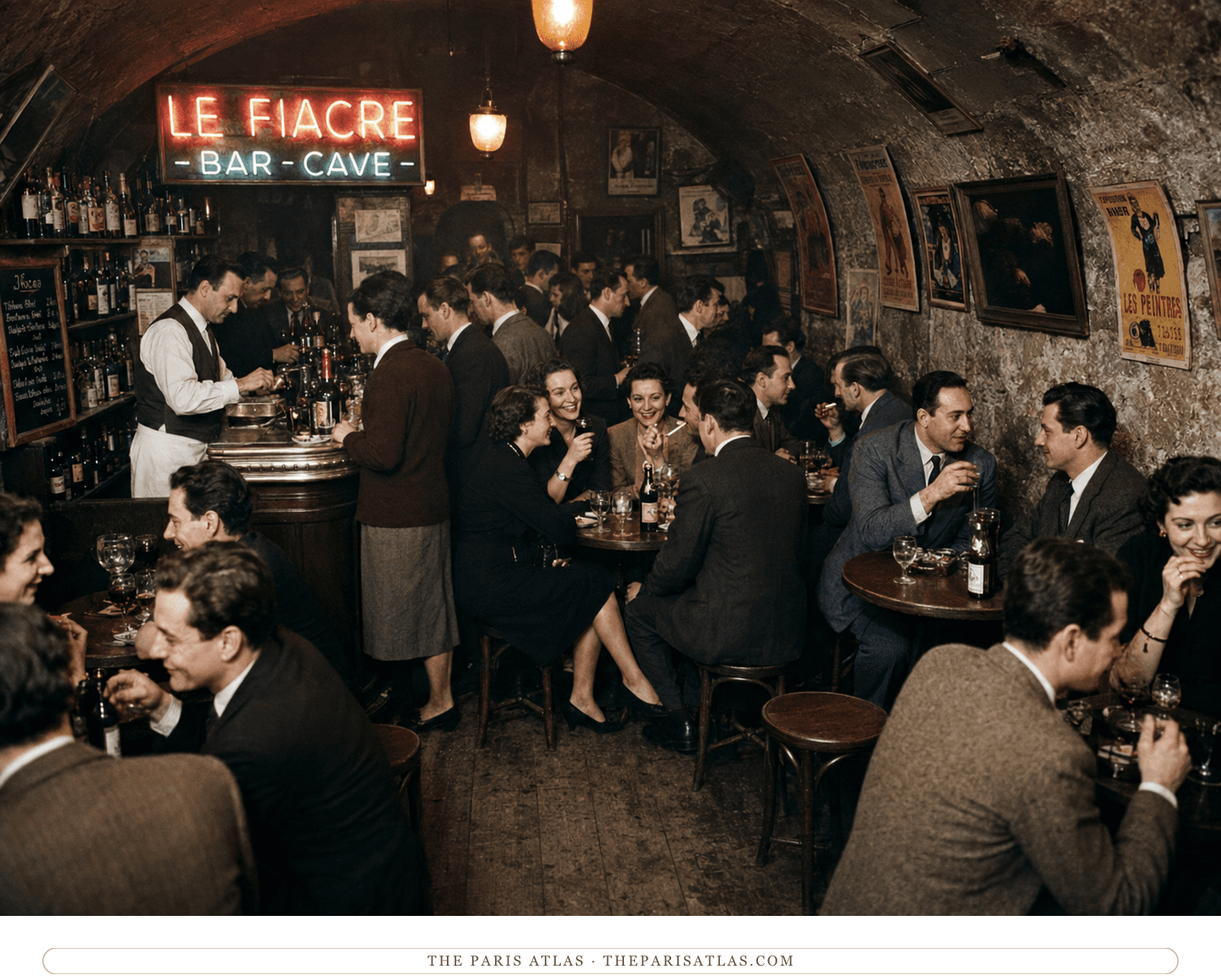
IllustrationThe same cellar bar in colour, the neon sign red and green, lamplight on the stone vault and on wine glasses across the tables

The same room in colour. Also a drawing — the photographic look is the illustrator's, not evidence.

Editorial illustration

The story

The atmospheric reality

Le Fiacre ran as a discreet queer house through a decade when a prefectural order forbade men to dance together in public, and when a camera inside a crowded gay bar put the owner's licence and the customers' names at risk. Virtually no photograph of the interior survives. What the written record preserves instead is how the place was laid out and how it worked.

  • The protective floor above: The house was run by Louis Baruc, a former Maxim's and Fouquet's maître d' known to his customers as Loulou. Upstairs was a sober restaurant of twelve tables with a forty-franc menu, and it drew Parisian show business — Pierre Cardin among the diners. That trade was the cover for the room below.
  • The ground-floor bar: Downstairs was a tiny bar, packed to the walls. Christopher Isherwood, who came in 1956, described being "jammed in a crowd so dense you could only sway with it like seaweed in water."
  • The pavement spillover: The bar was small enough that in summer the drinkers came out onto the cobbles of the rue du Cherche-Midi. In a city where the police still took an active interest in who was drinking with whom, being able to do that in the open was a considerable thing.

The surviving historical artifacts

The house is gone, but its tenth year is preserved at the Musée Carnavalet, the museum of the history of Paris.

  • The 1957 porcelain: For its tenth anniversary Le Fiacre had a small rectangular porcelain vide-poche made, twelve centimetres by eight. The Carnavalet acquired one in 2018. The face is signed "v. DERY / 57" and carries a centaur; the back reads "10 ANS / LE FIACRE / 4, Rue du Cherche-Midi / LIT.09-79". Ten years in 1957 dates this incarnation of the house to about 1947, and LIT.09-79 is its telephone number, from when Paris exchanges were still named — Littré, for the quarter.
  • The guest book and the print advertising: The house kept a livre d'or, signed over the years by the writers and performers who drank there, the crime novelist Frédéric Dard among them. Its stylised print advertisements survive alongside it.

The literary crossroads and closure

The history of 4 rue du Cherche-Midi holds a literary crossover that connects the two most important queer rooms of Baldwin's Paris. In an interview, the American poet John Ashbery recounted the night in the 1950s when he met his long-time partner Pierre Martory at Le Fiacre. Ashbery said that because the bar was getting too crowded to talk, the pair left and walked over to the nearby La Reine Blanche to continue the evening, joining up the two addresses that carry most of this history between them.

The Baldwin connection runs through the proprietor rather than the room. The New York Times account of his Paris has him meeting the Swiss painter Lucien Happersberger at La Reine Blanche, and the two of them going on to drink at this house, the nearby and slightly more glamorous nightclub — whose owner, it says, became the basis for the character of Guillaume in Giovanni's Room. Guillaume's bar in the novel is invented: Baldwin gives it no name and no address, and no scene in the book happens at 4 rue du Cherche-Midi. Baldwin never confirmed the identification in any letter or interview in the public record.

What makes Le Fiacre the more interesting of the two candidates is that the novel's geography matches this house and not a single-room bar. Guillaume's bar has an upstairs. Giovanni describes being humiliated by Guillaume "right downstairs in the bar", in front of a room that had filled up on purpose, which means the two of them had been somewhere else, above it. At the end of the book Guillaume is found dead in the private quarters over his own bar, strangled with the sash of his dressing gown. A room below where men drank and rooms above where the proprietor conducted his business in private is precisely the arrangement that let Le Fiacre operate for a decade. In the novel the same arrangement is what makes Guillaume dangerous: the floor upstairs is where his power over Giovanni is exercised, and where it kills him.

When it closed is not recorded. Accounts put it variously in the early 1960s and the 1970s, and the sources they cite for those dates do not give them; the French record describes Le Fiacre as still running in the 1960s and stops there. A bar of this kind does not generate a closing notice, which is part of the same problem as the missing photographs.

There is nothing to see now. The address returned to ordinary use, and no plaque records any of it. Saint-Germain-des-Prés keeps its literary memorials for the Flore and Les Deux Magots, a few streets north. By the 1990s the centre of homosexual Paris had moved out of the quarter entirely, first to the rue Sainte-Anne, then to Les Halles, and finally to Le Marais, where it still is today.
Key facts

What it was
A discreet two-floor venue: a crowded gay bar on the ground floor, an elite restaurant on the floor above
Who ran it
Louis "Loulou" Baruc, a former maître d' from Maxim's and Fouquet's, who took it over in the 1950s from the cabaret performer O'dett
Why the two floors mattered
With the police raiding queer spaces, the wealthy diners upstairs acted as a shield for the bar downstairs
Connection to Giovanni's Room
Alongside La Reine Blanche, biographers cite it as a reported blueprint for Guillaume's bar, though James Baldwin never confirmed the model himself
Today
Closed. The building stands and bears no marker of its literary history
What survives
No public photograph of the bar. The Musée Carnavalet preserves a 1957 porcelain vide-poche stamped with the venue's address and phone number
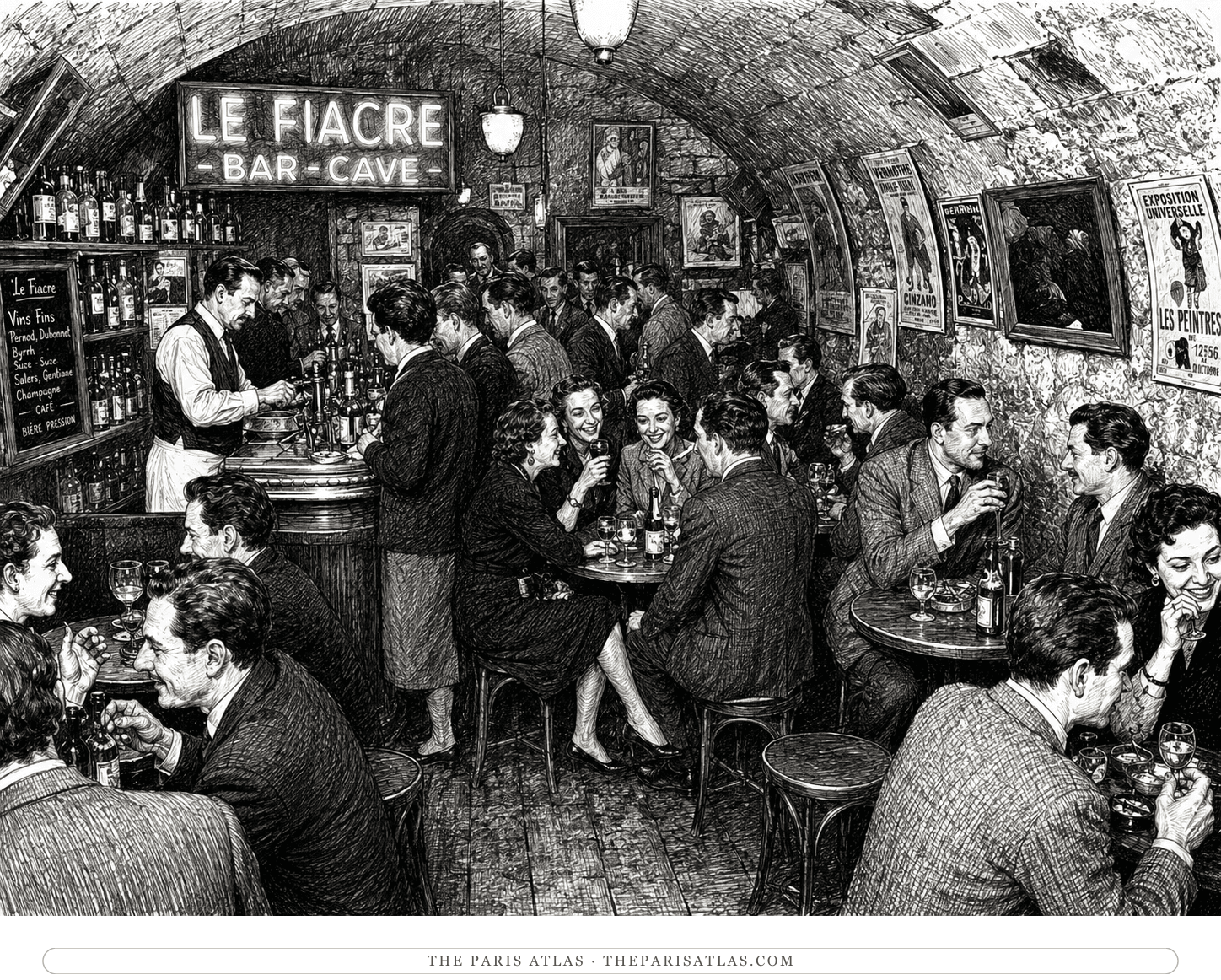
The cellar bar as the written accounts describe it: one vaulted room, a zinc counter, and the restaurant trade going on over the customers' heads. No photograph of the inside of Le Fiacre is known, so this is a drawing rather than a record.Editorial illustration
The same room in colour. Also a drawing — the photographic look is the illustrator's, not evidence.Editorial illustration

Timeline

  1. until 1936

    Charles Trenet performs here in duet with Johnny Hess; the house is run by the cabaret performer O'dett.

  2. c. 1947

    Le Fiacre opens in the form it became known for — dated by the "10 ANS" porcelain struck for its tenth year.

  3. 1950s

    Louis "Loulou" Baruc takes it over and splits it in two: restaurant above, gay bar below.

  4. 1955

    Christopher Isherwood is among the international clientele.

  5. 1956

    Giovanni's Room is published. Guillaume's bar, invented and unnamed, is later said to draw on Le Fiacre and La Reine Blanche.

  6. 1957

    A porcelain vide-poche marks ten years, stamped with the address and the telephone number LIT.09-79. The Musée Carnavalet acquired it in 2018.

On the map

Related books

Cover of Giovanni's Room by James Baldwin

A model for the book's version

Giovanni's Room

James Baldwin · 1956

Le Fiacre's owner became the basis for the character of Guillaume. Loulou Baruc ran a bar below and his own business in the rooms above — the arrangement the novel gives Guillaume, and the one he dies in.

Writers who knew this place

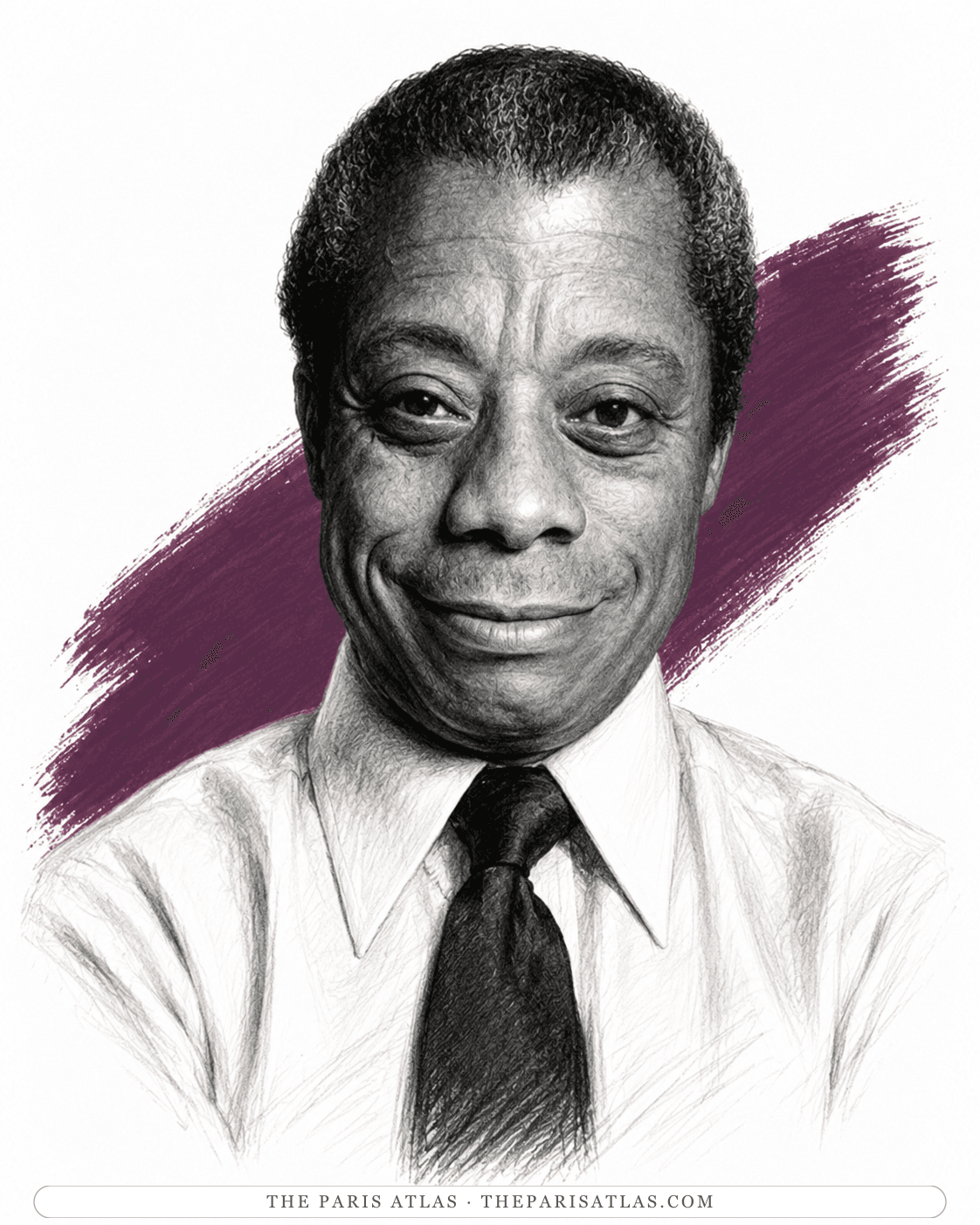
Illustrated portrait of James Baldwin

James Baldwin

American · American novelist and essayist who left Harlem for Paris at twenty-four with forty dollars, and wrote the books that made him the most quoted witness to race, sex and belonging in twentieth-century America.

Frequented by

Le Fiacre is named, with La Reine Blanche, among the bars Baldwin drank in during his Paris years and among the models for Guillaume's bar in Giovanni's Room. The novel's bar is invented and unnamed, so the identification cannot be checked against the text; what can be said is that Le Fiacre's two-floor arrangement — a gay bar at street level, private rooms above — matches the bar Baldwin wrote, where Guillaume humiliates Giovanni downstairs and is later found dead in his quarters upstairs.

Gary Lee Kraut, James Baldwin: Scrutinizing America from Paris (2020)

Artists who knew this place

Illustrated portrait of Louis Baruc

Louis Baruc

Basque · Restaurateur

Baruc took over Le Fiacre in the 1950s and ran it on two floors: a twelve-table restaurant with a forty-franc menu on the premier étage, and a packed gay bar on the ground floor. He had trained at Maxim's and at Fouquet's.

Within walking distance

The Friday Letter

Paris, one address at a time.

The cafés, studios, and walk-up flats where the work was made — one story from the map in every letter.

One email a week. No spam, no selling your address. Unsubscribe anytime.