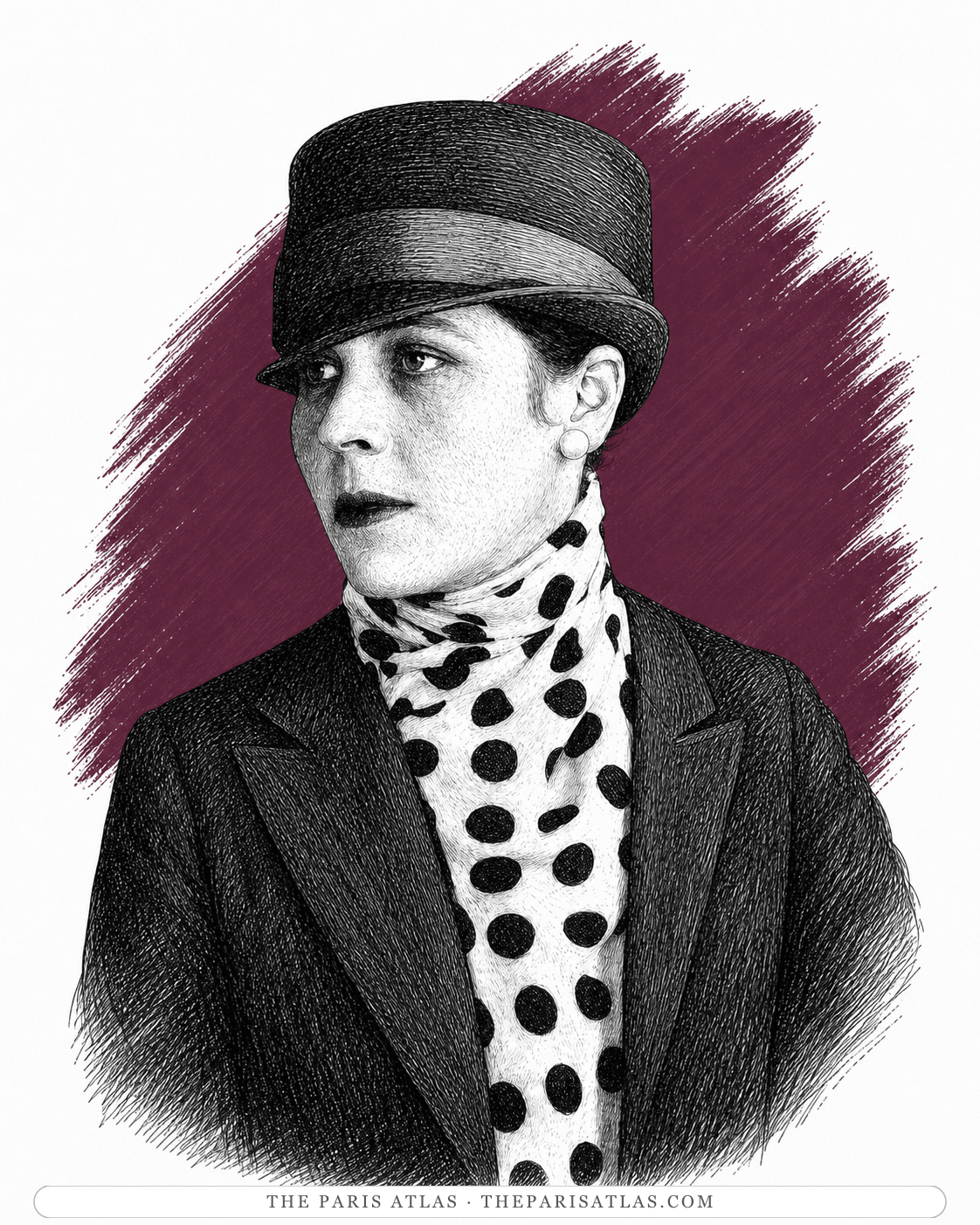
Djuna Barnes
Lived here
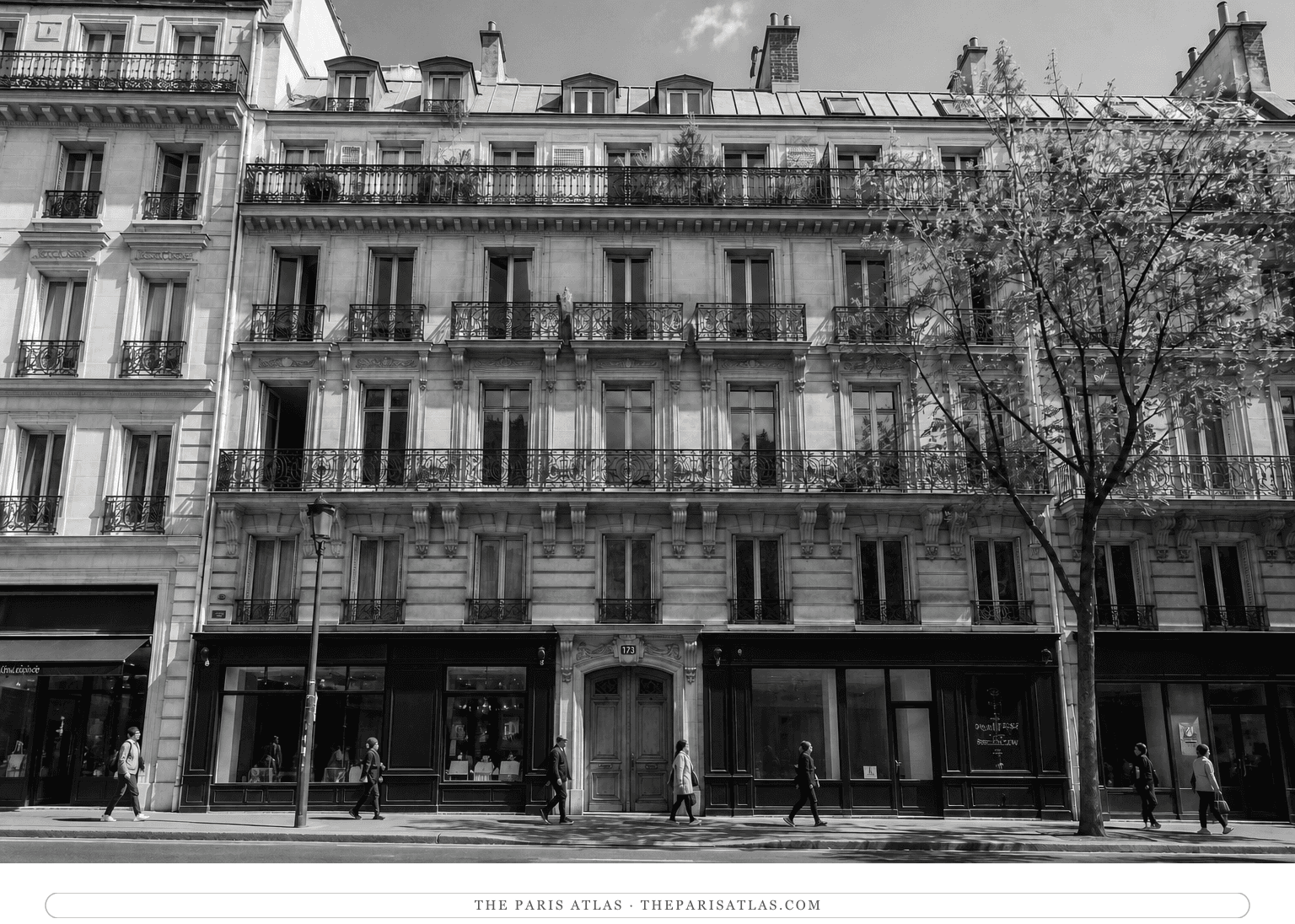
Barnes and the artist Thelma Wood lived together at this address during the 1920s. The relationship is the material behind Nightwood.
Where Djuna Barnes lived with the sculptor and silverpoint artist Thelma Wood during the 1920s — the relationship that Nightwood was written out of.
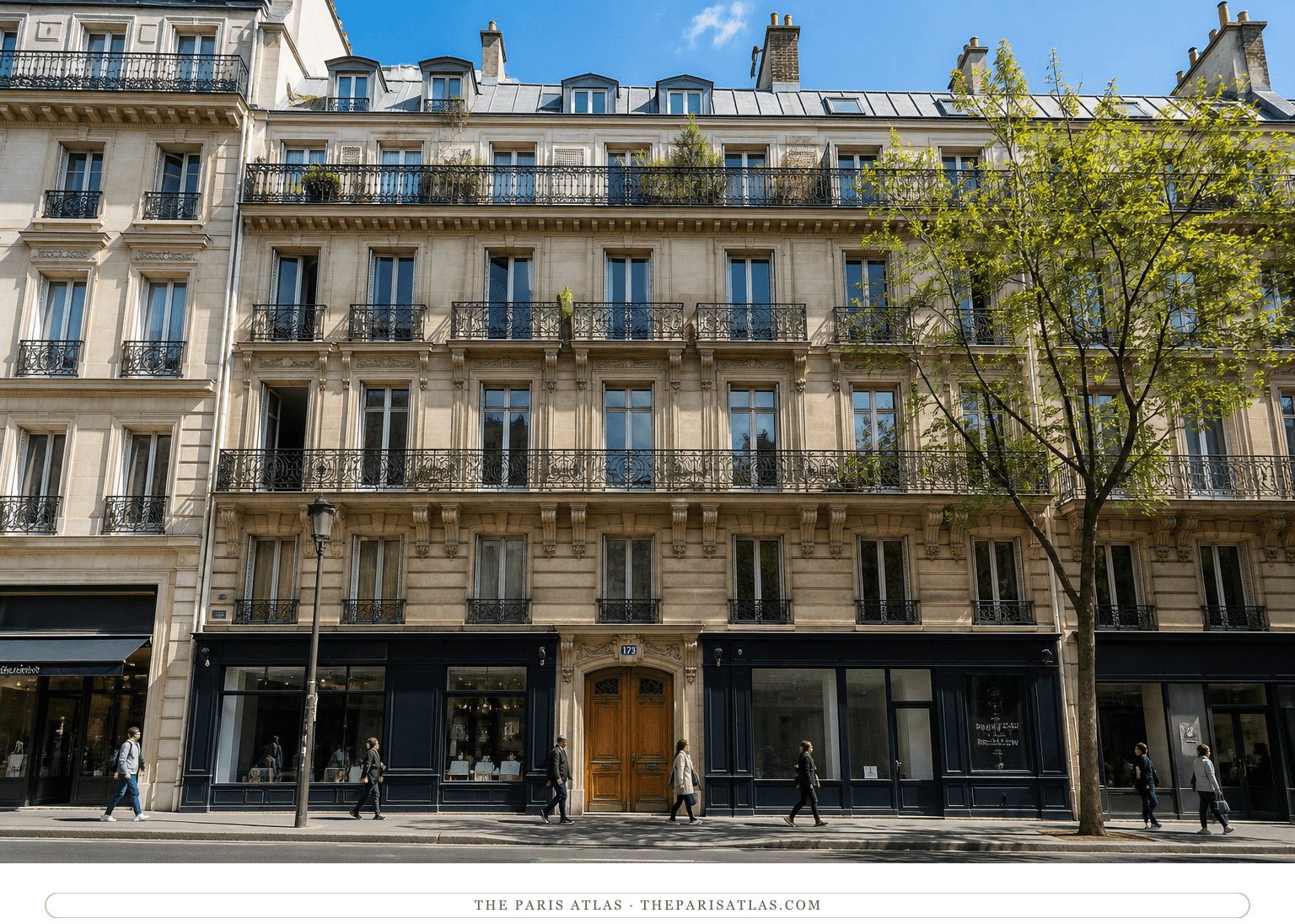
Djuna Barnes and Thelma Wood lived together at this address during the 1920s. They had met in Paris in 1921, and the relationship ran for most of the decade: intense, jealous, drink-soaked and eventually destructive on both sides.
It matters for the work because Nightwood, the 1936 novel Barnes is chiefly remembered for, comes directly out of it. The character of Robin Vote is drawn from Wood, and the book's account of obsessive love is close enough to the life that Barnes's friends recognised it immediately. T. S. Eliot, who edited the novel and wrote its introduction, is the reason it found a publisher at all.
The boulevard Saint-Germain in the 1920s was the spine of literary Paris, and Barnes was in the middle of a crowd that included Natalie Barney, Sylvia Beach, Peggy Guggenheim and James Joyce, whom she interviewed and admired.
The building is private.
Barnes and Thelma Wood meet in Paris.
The couple live at 173 boulevard Saint-Germain.
Nightwood is published, with an introduction by T. S. Eliot.
An American sculptor and silverpoint artist, and Djuna Barnes's partner through most of the 1920s. The character Robin Vote in Nightwood is drawn from her.
No — it is a private building on the boulevard.
Lived here
Barnes and the artist Thelma Wood lived together at this address during the 1920s. The relationship is the material behind Nightwood.

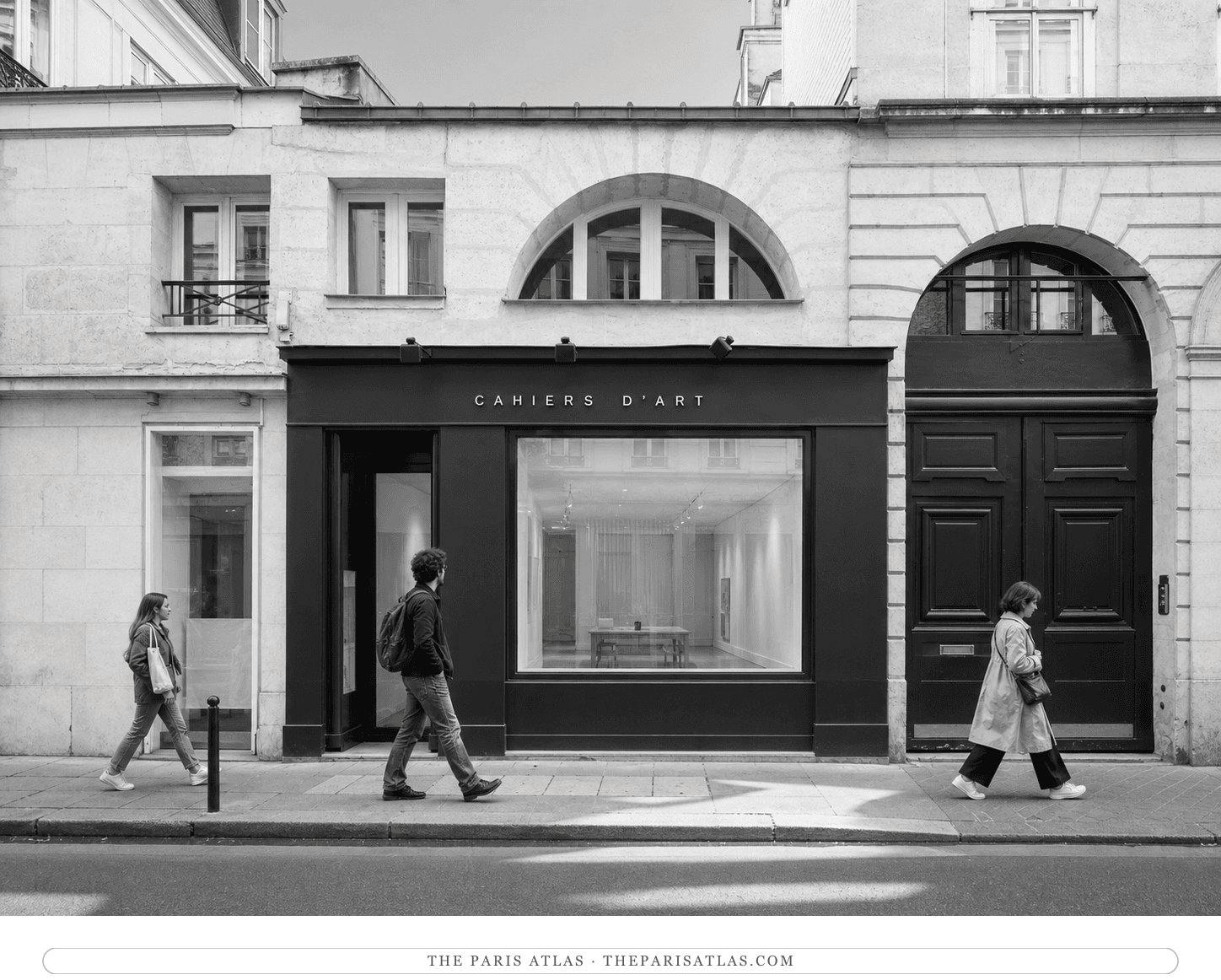
Christian Zervos's hybrid of art magazine, publishing house and gallery on the rue du Dragon, where Kandinsky showed watercolours in 1935 — and where the Picasso catalogue raisonné was compiled.
Visit the place
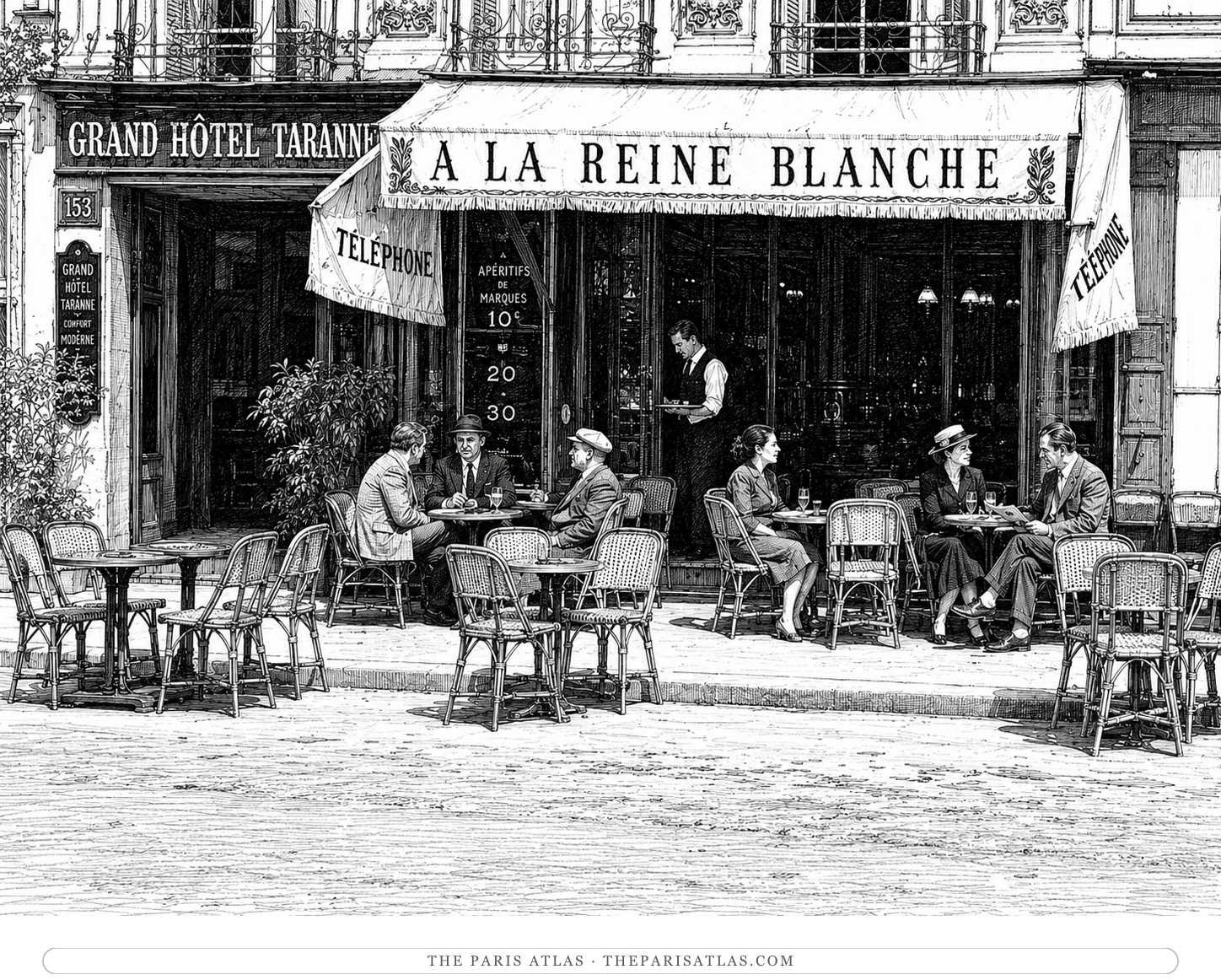
The cheap bar across the boulevard from the Café de Flore where James Baldwin drank through his first Paris years, and where he met Lucien Happersberger in 1949.
Visit the place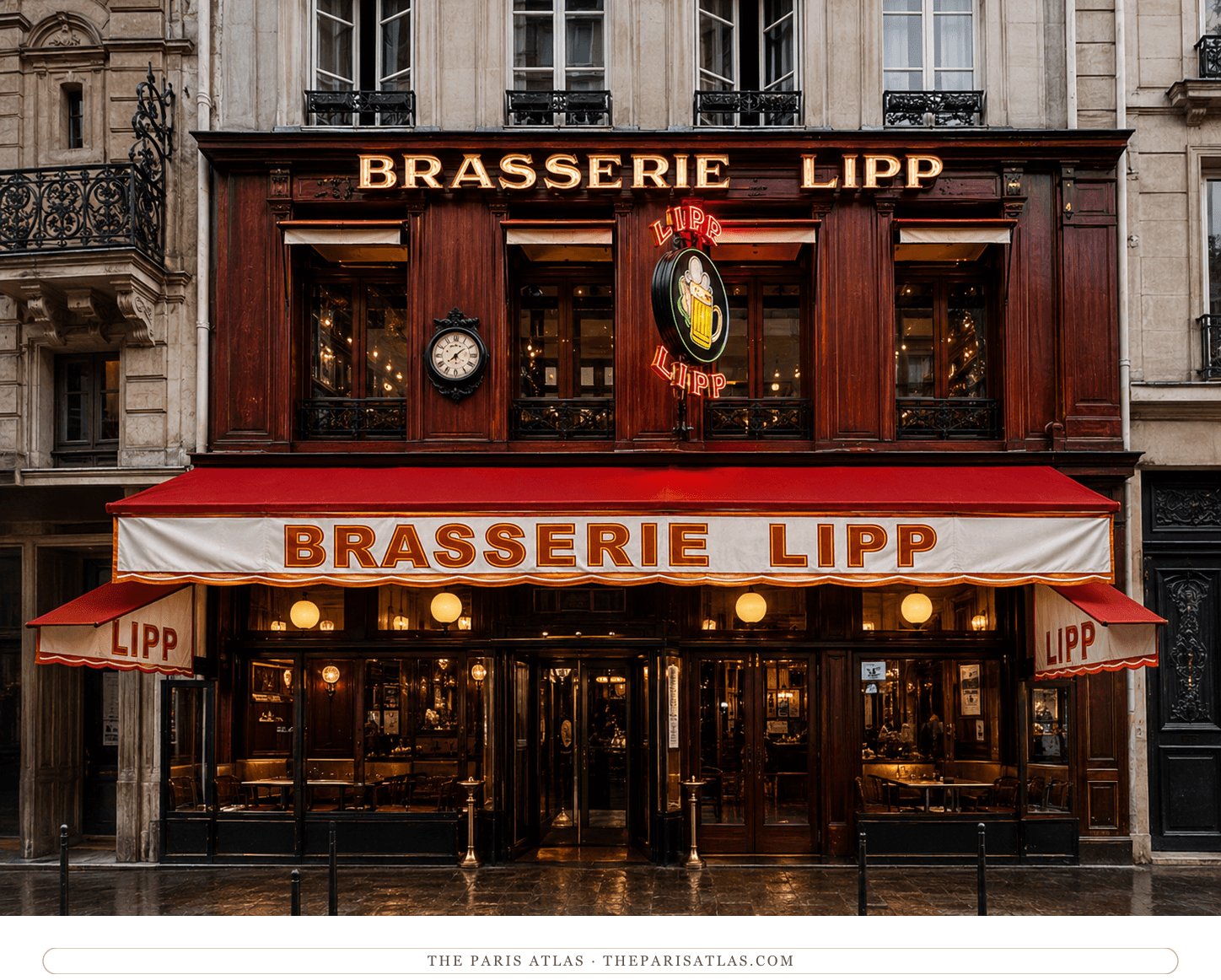
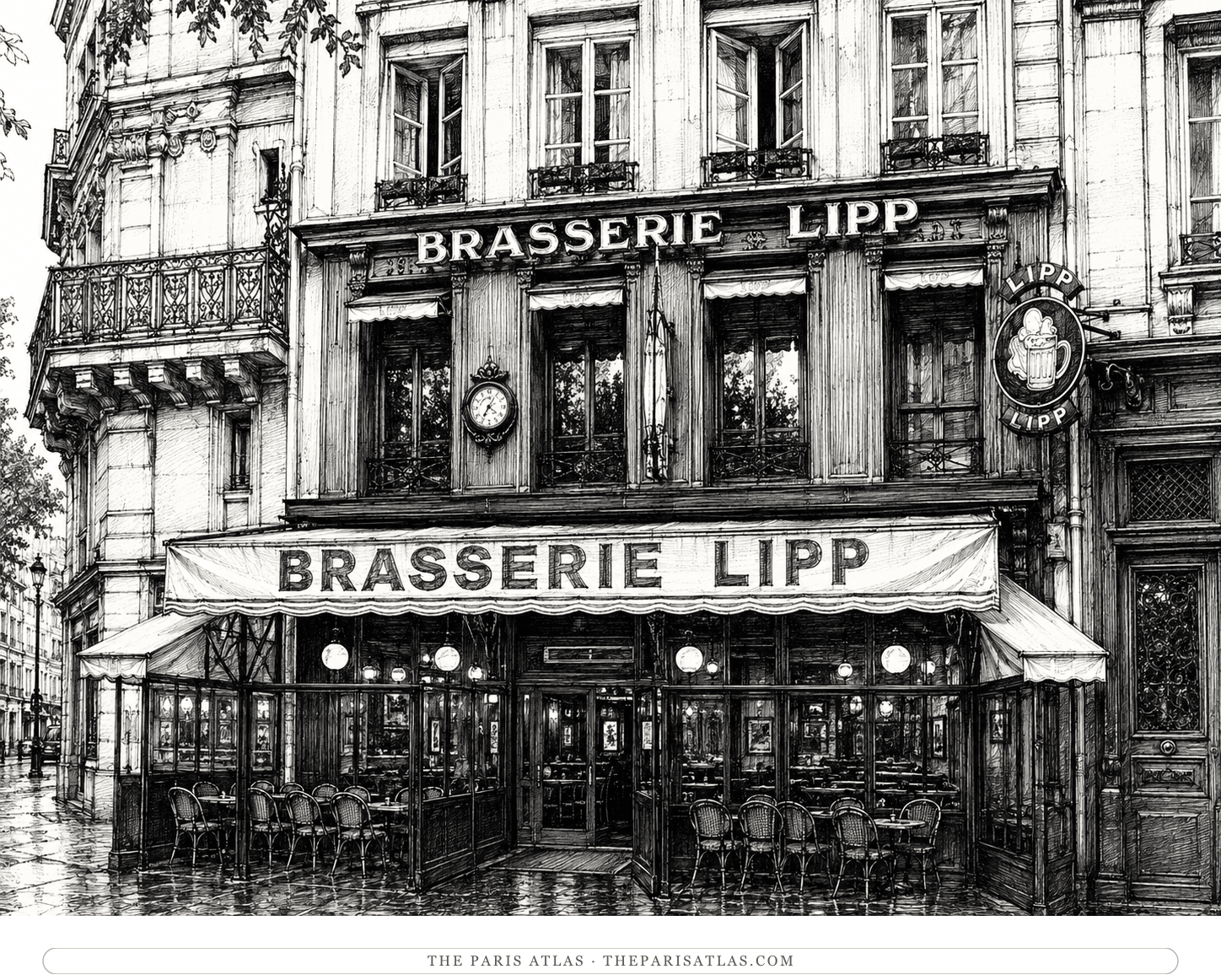
Beer, potato salad, and choucroute after a day's work. Ernest Hemingway considered it one of the best places in Paris.
Visit the place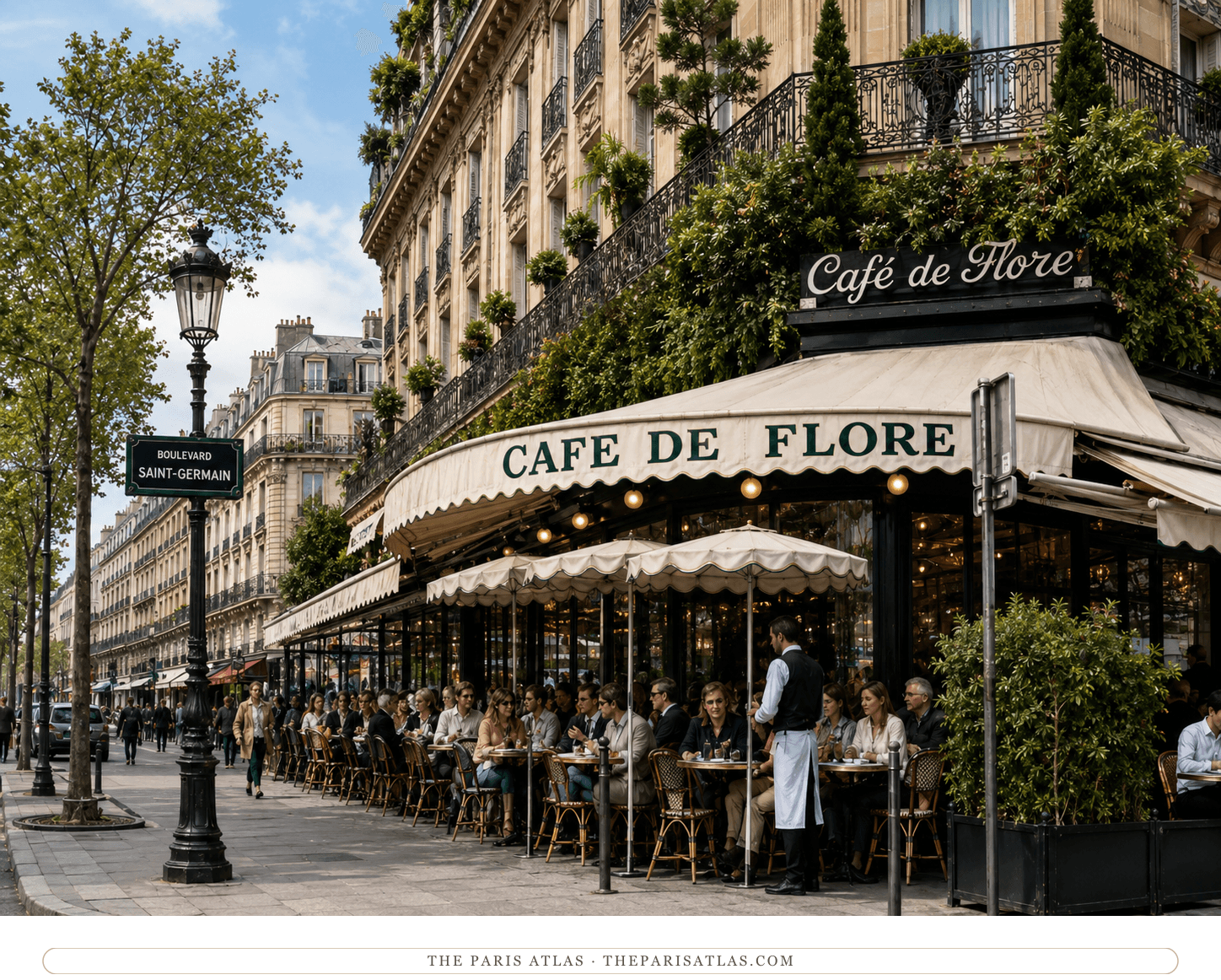
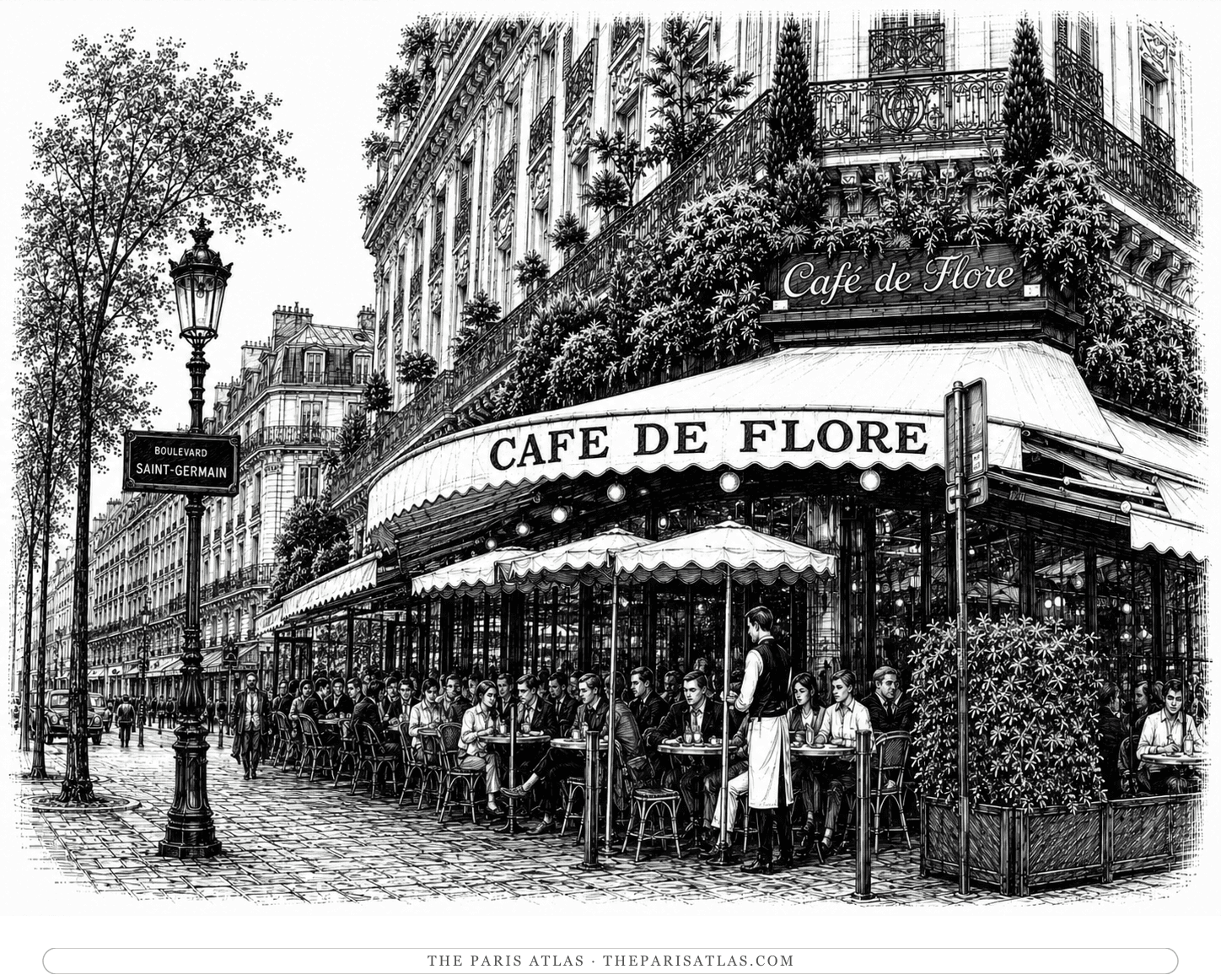
A few doors from Les Deux Magots and part of the same Left Bank circuit. Later became more associated with Jean-Paul Sartre and Simone de Beauvoir.
Visit the placeThe sources below include histories, archival materials, scholarly research, and official records that informed this page. They document 173 boulevard Saint-Germain, the people connected to it, and its place in Paris.


Web source consulted for documented facts and historical context presented on the 173 boulevard Saint-Germain page.

Archival evidence used to document the historical record connected to 173 boulevard Saint-Germain.
Web source consulted for documented facts and historical context presented on the 173 boulevard Saint-Germain page.
Web source consulted for documented facts and historical context presented on the 173 boulevard Saint-Germain page.
These references provide the documented foundation for this page's history and context. Claim-level citations remain attached to the specific claims they support.
 Explore more resources
Newsletter
The cafés, studios, and walk-up flats where the work was made — one story from the map in every letter.