
Giovanni's Room
The other short one, and the other novel about a couple with nowhere to live — though nothing else about them matches.
Read our take
A nineteen-year-old in Harlem is pregnant, and the father of her child is in the Tombs for something he did not do.
James Baldwin's fifth novel, published by Dial Press in 1974 and the shortest after Giovanni's Room. Tish Rivers is nineteen and pregnant. Fonny Hunt, the father, is twenty-two, a sculptor, and in jail on a rape charge brought on a false identification. The novel is narrated by Tish, and follows both families as they try to get him out before the baby arrives. Barry Jenkins filmed it in 2018.
If Beale Street Could Talk is the only one of Baldwin's novels narrated by a woman, and the warmest thing he wrote. He was in his fifties, living mostly at Saint-Paul-de-Vence in the south of France, and the anger of the late 1960s books had turned into something steadier.
The subject is a wrongful prosecution, and the novel is specific about the machinery: an identification made under pressure, a witness who leaves the country, a bail figure set beyond what two working families can raise, and a district attorney with no reason to move quickly. Nothing in it depends on a villain. The system works exactly as designed and that is the point Baldwin is making.
Barry Jenkins adapted it in 2018, and Regina King won the Academy Award for Best Supporting Actress for playing Tish's mother, Sharon. The film brought the novel a readership larger than it had in Baldwin's lifetime.
Tish Rivers and Fonny Hunt grew up on the same Harlem blocks and have known each other since they were children. They are in love, they intend to marry, and they have been looking for a loft they can afford to live and work in — Fonny is a sculptor, which in 1970s New York is not a living.
Fonny is arrested and charged with the rape of a Puerto Rican woman, Victoria Rogers, on an identification she makes under considerable pressure from a police officer, Bell, who has already had a run-in with Fonny and has reason to want him gone. Fonny was across the city at the time, with Tish and a friend, but the alibi comes from people the court has no interest in believing.
Tish discovers she is pregnant and tells both families. Her own — her mother Sharon, her father Joseph, her sister Ernestine — close ranks around her. Fonny's mother and sisters, who are church people and have never approved of Tish, do not. Joseph and Fonny's father Frank start stealing from the garment district to raise money for lawyers and bail. Sharon flies to Puerto Rico to find Victoria and ask her, face to face, to look again at what she saw.
Sharon finds Victoria in Puerto Rico and gets nowhere. The woman has been broken by what happened to her and by everything since, and she will not revisit the identification. Soon afterwards she disappears, which removes the prosecution's witness and also removes any prospect of a quick acquittal.
The trial is postponed. Fonny is eventually released on bail while it remains pending, and the case is never resolved on the page. Frank, who has been caught stealing and cannot see a way forward, dies. The novel ends with Tish going into labour and with Fonny back at work on his sculpture, waiting for a trial date. Baldwin gives them the child and withholds the verdict.
Tish's narration makes the separation at a prison visit both ordinary and newly painful. The raised fists are a repeated gesture between people who already know each other, but the guard decides when their exchange must end. After the door closes, the narrative follows Tish rather than leaving confinement entirely behind: the corridors become a hostile landscape she still has to cross. Her first-person voice therefore joins two experiences the building keeps physically apart. Fonny remains inside, while the person walking out carries exhaustion, fear and responsibility with her.
The final return to Fonny's sculpture is an image of work, not a report of the court's decision. Its present-tense activity recalls the sculpting dream that opens Zion, where creation is interrupted by waking in a cell. At the close, the baby's cry enters that working scene and grows through repetition, carrying birth and need into the same sentence. Baldwin gives the reader an insistent sound rather than a settled future. The ending can sustain the possibility of family life without establishing what the legal process will allow.
I don’t want to sound foolish. But, just remember, love brought you here. If you trusted love this far, don’t panic now.
It’s a miracle to realize that somebody loves you.
Neither love nor terror makes one blind: indifference makes one blind.
Tish's family is drawn with real affection and real humour, and the novel is genuinely tender about young love in a way none of the earlier ones are.
The wrongful charge is not a plot device. Baldwin lays out the identification, the bail, the missing witness and the delays, and the machinery never needs a villain to work.
The shortest Baldwin after Giovanni's Room, and the easiest to finish in a sitting.

Clementine, nineteen, and the narrator. Pregnant, working a perfume counter, and holding the whole thing together while the men are out raising money.

Alonzo, twenty-two, a sculptor, and in the Tombs awaiting trial on a charge built from an identification he had nothing to do with.
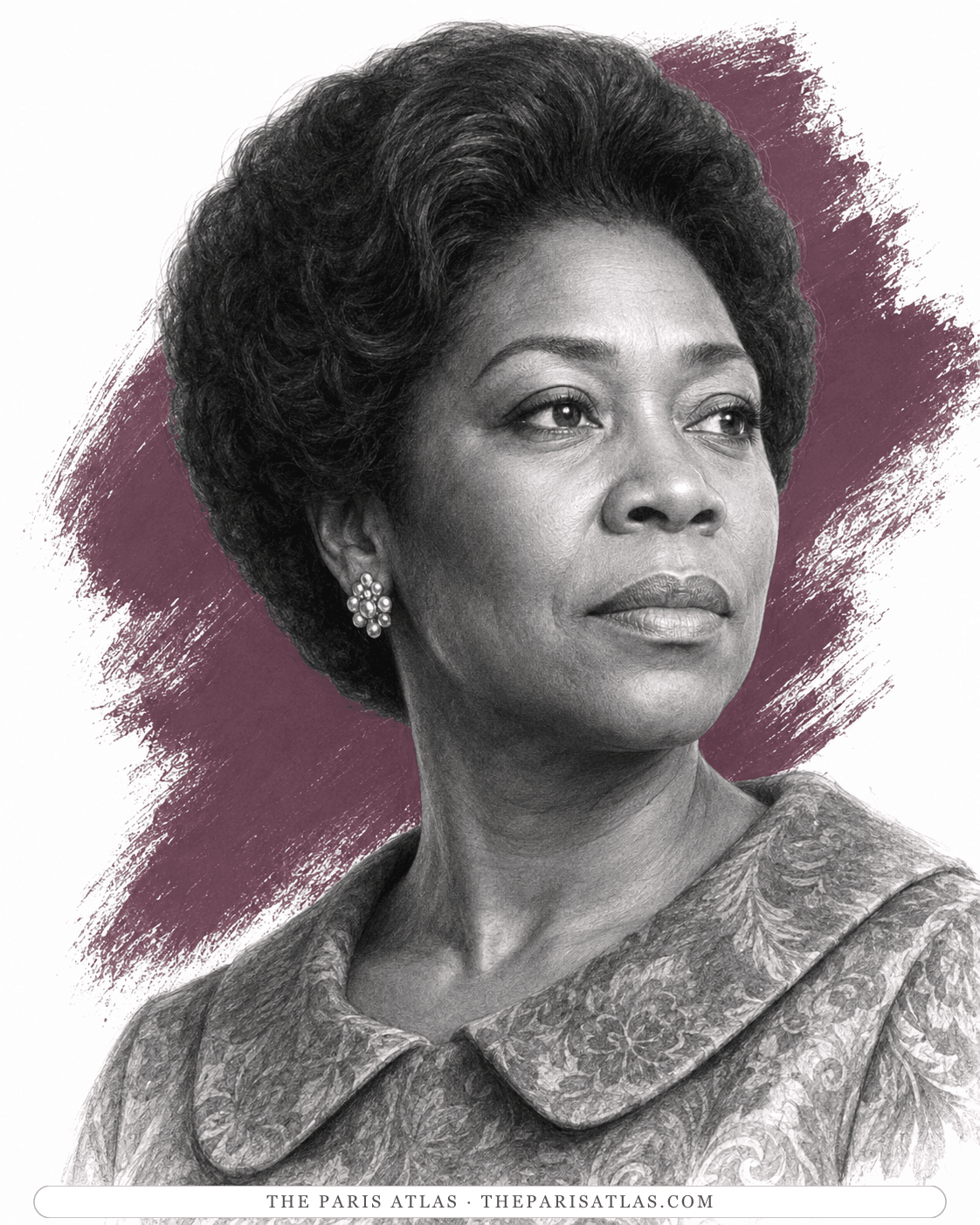
Tish's mother, forty-three, and the steady centre of the family. She flies to Puerto Rico to ask Fonny's accuser to look again at what she saw.

Tish's father, a longshoreman, who starts stealing from the garment district with Frank Hunt to pay for lawyers and bail.

Tish's older sister. Once preoccupied with her appearance, now bookish and serious, working at a settlement house and running the campaign to get Fonny out.

Fonny's father, a former tailor whose shop went under. Not religious, unlike his wife, and the one member of that household who is on Tish's side.

The young Puerto Rican woman whose identification puts Fonny in jail. Baldwin writes her as another person the system is using, not as a liar.

The policeman who had already crossed Fonny once and had reason to want him gone.

Fonny's friend, out of prison himself, and one of the people whose word the court has no interest in believing.
1974
Dial Press publishes the novel.
2006
Vintage International issues the paperback that is now the standard edition.
2018
Barry Jenkins's film adaptation is released.
2019
Regina King wins the Academy Award for Best Supporting Actress for the film.


The other short one, and the other novel about a couple with nowhere to live — though nothing else about them matches.
Read our take
The Harlem church families here are the ones from the first novel, twenty years on and seen from outside.
Read our take
The novel that followed, and the other late book that treats a family as something that can hold.
Read our takeTish Rivers, a fictional nineteen-year-old in Harlem, is pregnant. Fonny Hunt, the father of her child, is in jail awaiting trial on a rape charge based on a false identification. The novel follows Tish and both families as they try to get him released before the baby is born.
No. Tish, Fonny and the case are invented. The circumstances are not — Baldwin was writing about a pattern of wrongful prosecution he had reported on and argued about for two decades.
Barry Jenkins's adaptation follows the novel closely, including Tish's narration. The main differences are compression: several family scenes are shortened, and the film gives more screen time to the friendship between Fonny and Daniel than the novel gives on the page.
Beale Street in Memphis, the street associated with W. C. Handy and the early blues. Baldwin's epigraph broadens it, taking Beale Street to stand for every Black neighbourhood in the United States.
Yes. It is short, it is narrated in a warm and direct voice, and it needs no context to work. Readers who found Another Country cold or Go Tell It on the Mountain dense often get on with this one.
No. The trial is postponed and Fonny is released on bail while it remains pending, but the case is never resolved on the page. Baldwin ends with the birth instead.
Explore authors with a similar voice, perspective, and influence.

The doctor of the Paris slums who wrote the century's blackest, funniest novel — and changed the sound of French prose.
View author
The Brooklyn dropout who arrived in Paris broke at thirty-eight and wrote the exuberant, banned books that ended American censorship.
View author
Author of The Sun Also Rises and A Moveable Feast; his pared-down style, developed in 1920s Paris, became the most imitated in American prose.
View authorThe sources below include the primary text, editions, scholarship, archival materials, and other records that informed this page. They document If Beale Street Could Talk, its publication, and its place in literary history.


The primary text represented by this page, used for descriptions of the work’s contents and for any quoted passages shown here.
The complete displayed opening excerpt was read through Tish's departure; not the whole novel.
Selected primary passages in a third-party HTML transcription with visible errors, not an original-edition collation. Reader comments and automated commentary are not used as evidence.

Used to place If Beale Street Could Talk within James Baldwin's published work and verify its bibliographic context.
Used for independent biographical, archival, or historical context surrounding James Baldwin's career and the period in which If Beale Street Could Talk appeared.
Used to cross-check authorship, chronology, and the work's place in James Baldwin's wider catalogue.
Used to verify James Baldwin's bibliography and place If Beale Street Could Talk within the broader chronology of James Baldwin's career.
The primary text is the baseline reference for every book page. Additional references document publication history, interpretation, and historical context where that evidence is available.
 Explore more resources