
Setting of the story
Giovanni's Room
Where David collects his mail, and where Giovanni will not come — he says he cannot endure being surrounded by so many Americans. Baldwin names it three times.
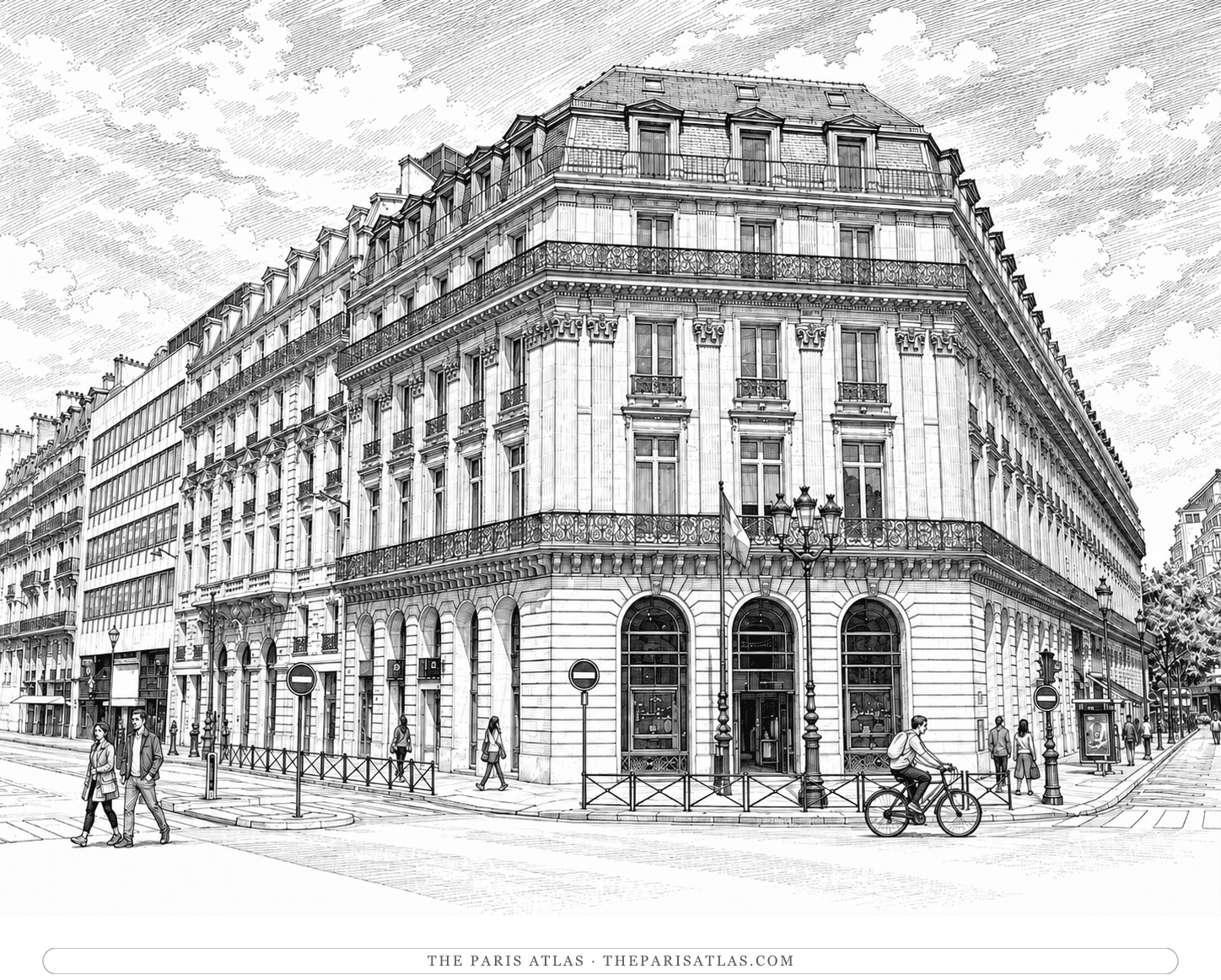
The office by the Opéra where American expatriates collected their mail and cashed their cheques, and where David goes to escape Giovanni's room in Baldwin's novel.
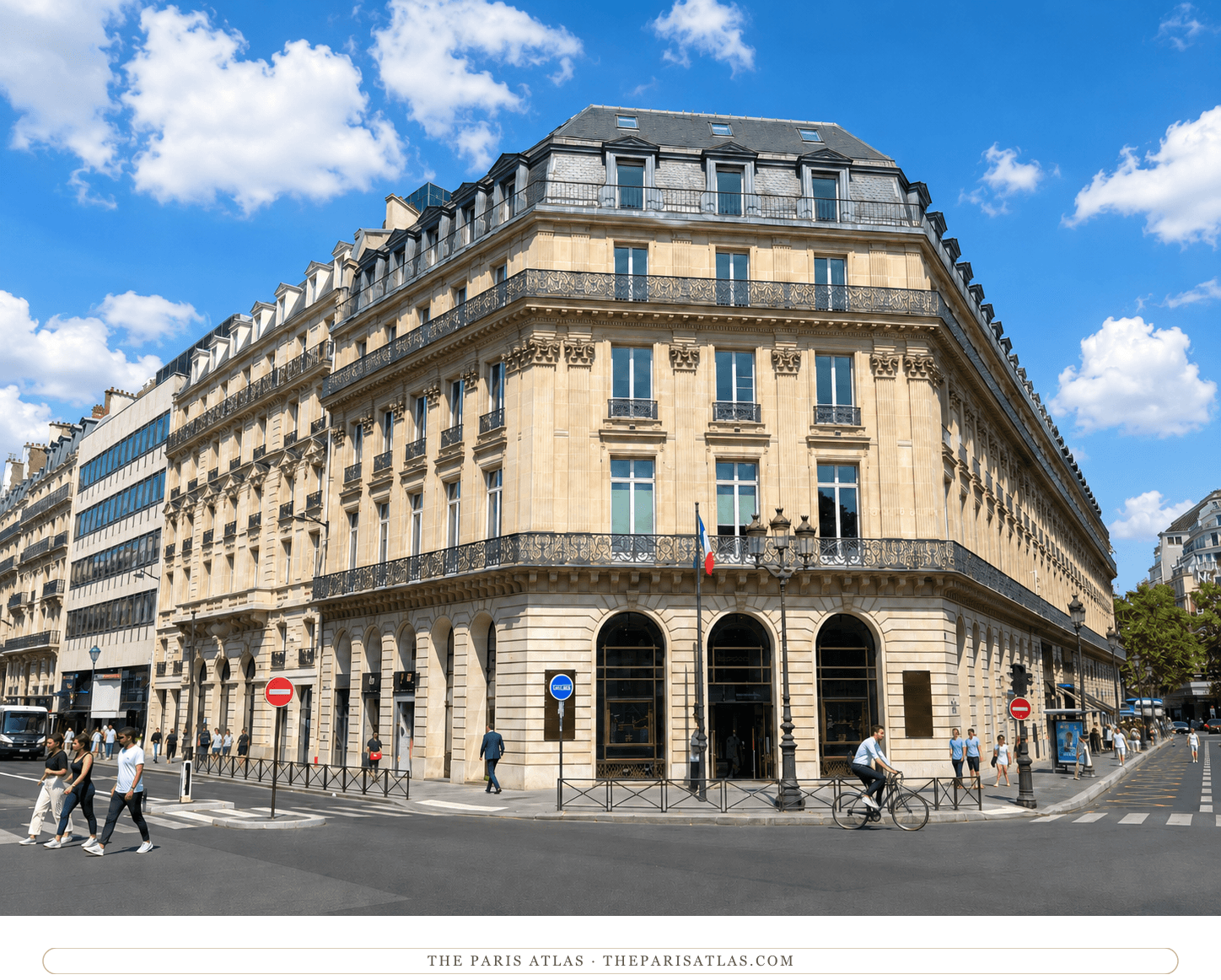
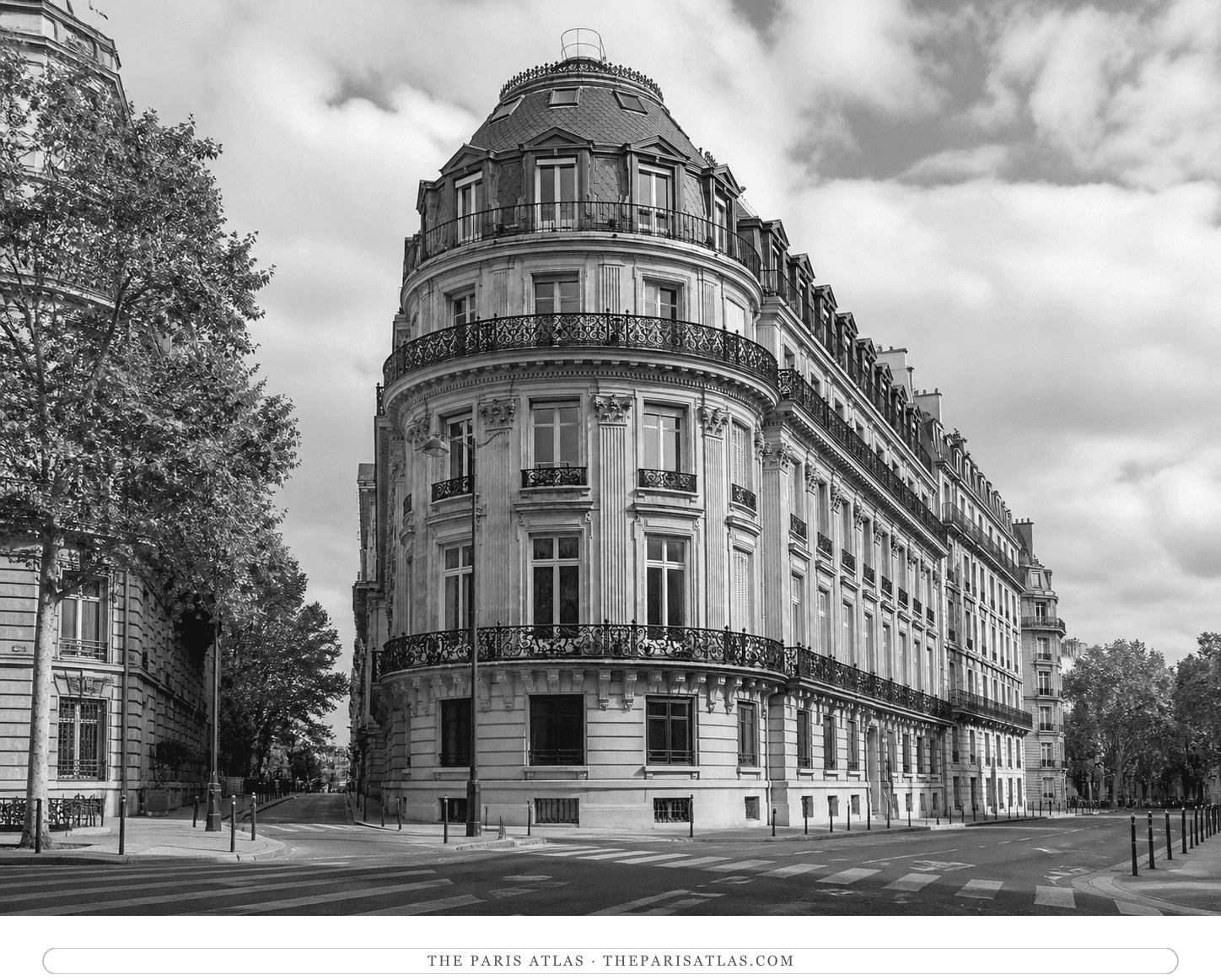
Start with what survives. The honey-coloured Haussmann corner building at 11 rue Scribe is still standing, including the tall arched ground-floor bays that once opened into American Express. The office and its counters have vanished, but the address is not an exterior-only stop: Nespresso Paris Opéra now occupies the ground floor and its official boutique listing invites customers inside during published opening hours. Visitors should expect a modern coffee shop, tasting space and retail interior, not a preserved mail or traveller's-cheque office.
Eleven rue Scribe is a flatiron of honey-coloured Haussmann stone a minute from the Palais Garnier, built in 1863 as part of the block that also holds the Hôtel Scribe. American Express took the ground floor and the basement in 1900 and stayed for over a century. It never owned the building. It only ever rented the part of it that mattered, which was a counter.[1]
For most of the twentieth century that counter was the fixed point of American Paris. If you were an American in Europe without a permanent address, your mail went to rue Scribe and waited in a pigeonhole under the first letter of your surname. You cashed traveller's cheques there, changed money there, booked passage home there, and you queued alongside every other American doing the same. It was a post office, a bank and a travel agency at once, and it worked as a noticeboard besides: people who had lost each other in Europe left word at Amex.[1]
James Baldwin puts it in Giovanni's Room three times, and each time it does the same job. David goes there to stop being where he is.[2]
The first is a habit rather than a scene. David leaves Giovanni over their afternoon breakfast, cigarette smoke going round Giovanni's head, and goes off to the American Express Office at Opéra, where his mail would be, if he had any. Giovanni rarely comes. He says he cannot bear being surrounded by so many Americans.
The second is the passage the office exists in the novel to produce. David walks in on a harshly bright midsummer afternoon and finds that the crowd he belongs to has become legible to him from outside: the active, disquietingly cheerful horde strikes the eye, at once, as a unit. At home he could have read the patterns and the accents without effort. Here they have collapsed into one thing, and he is part of it. It is the only place in the book where David is surrounded by his own people, and it is the place he feels least like a person.[2]
The third is a single question, and it is the one that hurts. As the money runs out and Giovanni's panic starts to show through his voice, he asks David every morning whether he is going to American Express today. He means: has anything come, is there money, are we going to eat. He also means the thing neither of them says, which is that David's mail is the rope back to a life Giovanni cannot follow him into.
That is why the address is worth marking. Guillaume's bar is invented, Giovanni's room is left deliberately vague on the map, and Madame Clothilde's restaurant is named without being placed. The real, findable Paris addresses in Giovanni's Room are the ones where David is in transit between two lives rather than living either: the boulevard where he takes the cab, the market where the night ends, and this counter, where he goes to be an American for an hour.
The walk-in office closed in the 2010s, which is roughly when the queue it existed to serve stopped forming. Traveller's cheques went first, then poste restante, then the reason to stand in a room full of your compatriots at all. The building is intact and protected, the honey stone and the triangular corner exactly as they were, and the ground floor where the mail was handed over now sells coffee. Nothing marks what happened at the counter, which is fair enough: what happened was that several generations of Americans abroad found out whether anyone at home had written.[3]
The block is built under Haussmann, including the flatiron corner at 11 rue Scribe.
American Express leases the ground floor and basement and opens its Paris office.
The years Baldwin is in Paris, when rue Scribe is where Americans without an address collect their letters.
Giovanni's Room is published. David goes to the office three times, once to discover that he cannot tell his countrymen apart.
The walk-in office closes. The retail space becomes a Nespresso boutique; the building is untouched.
Setting of the story
Where David collects his mail, and where Giovanni will not come — he says he cannot endure being surrounded by so many Americans. Baldwin names it three times.
Frequented by
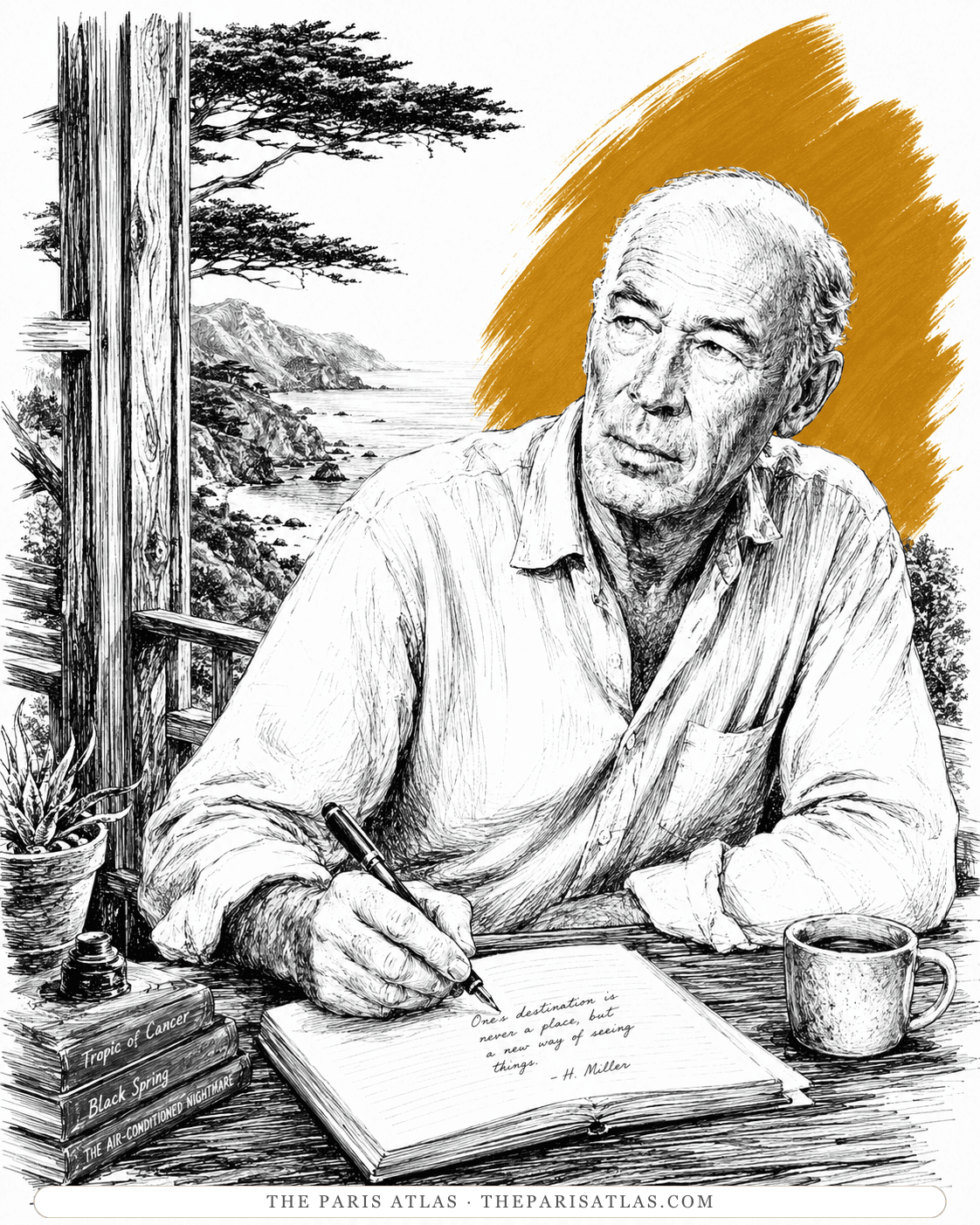
Miller walked across Paris to the American Express office on the rue Scribe again and again, checking for letters and for money from America. Those journeys became a recurring motif in Tropic of Cancer.
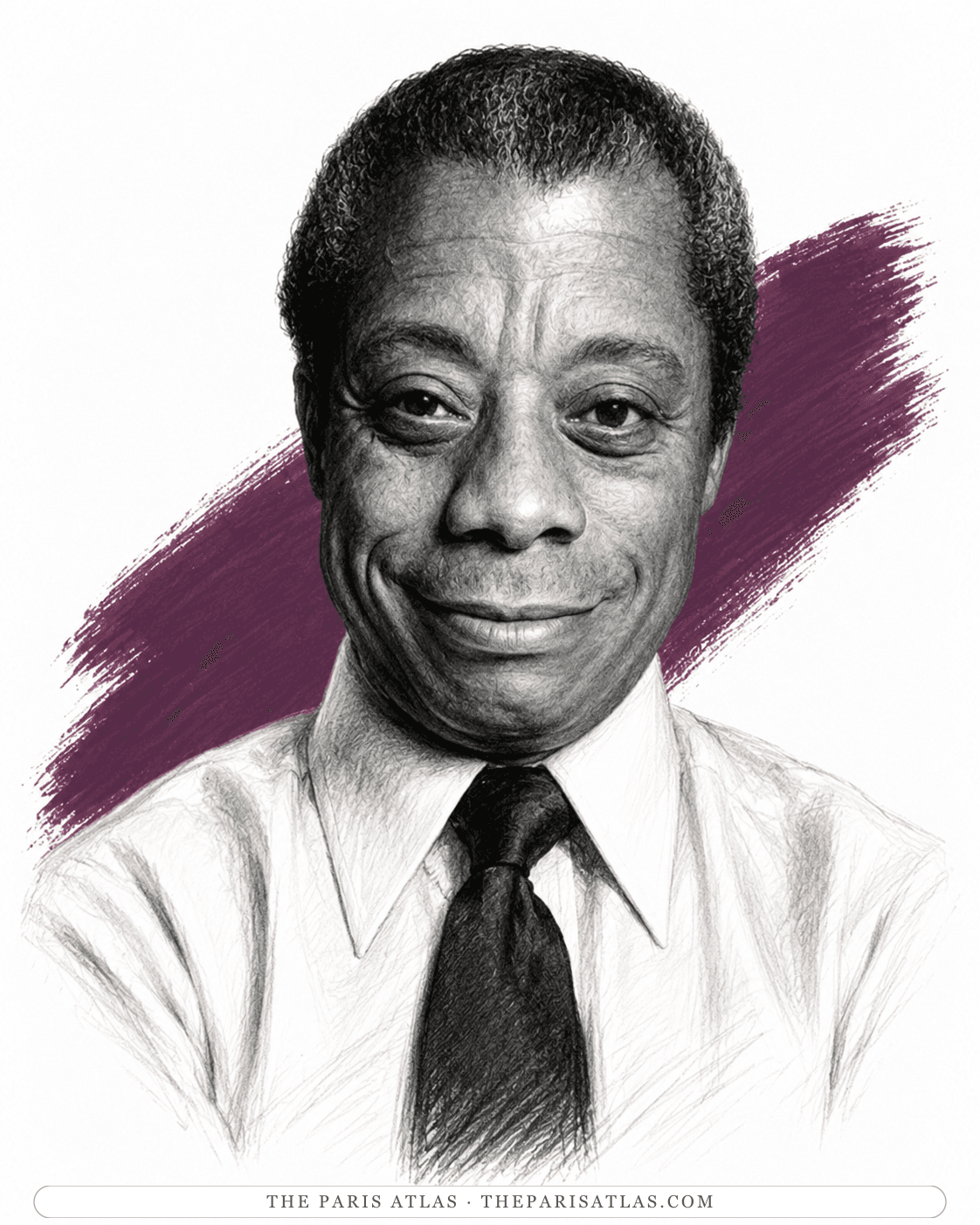
James Baldwin wrote about American Express Office at Opéra in Giovanni's Room.
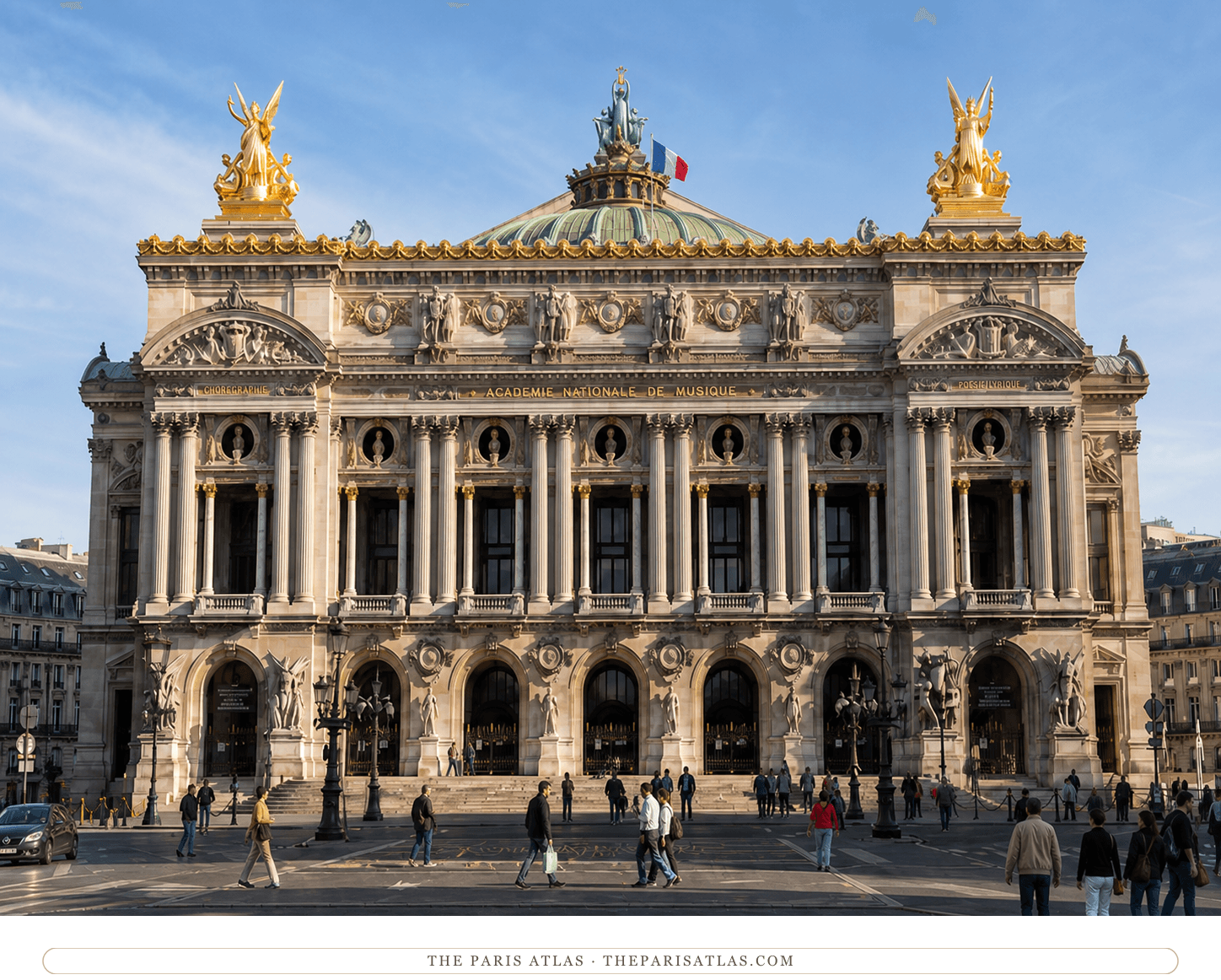
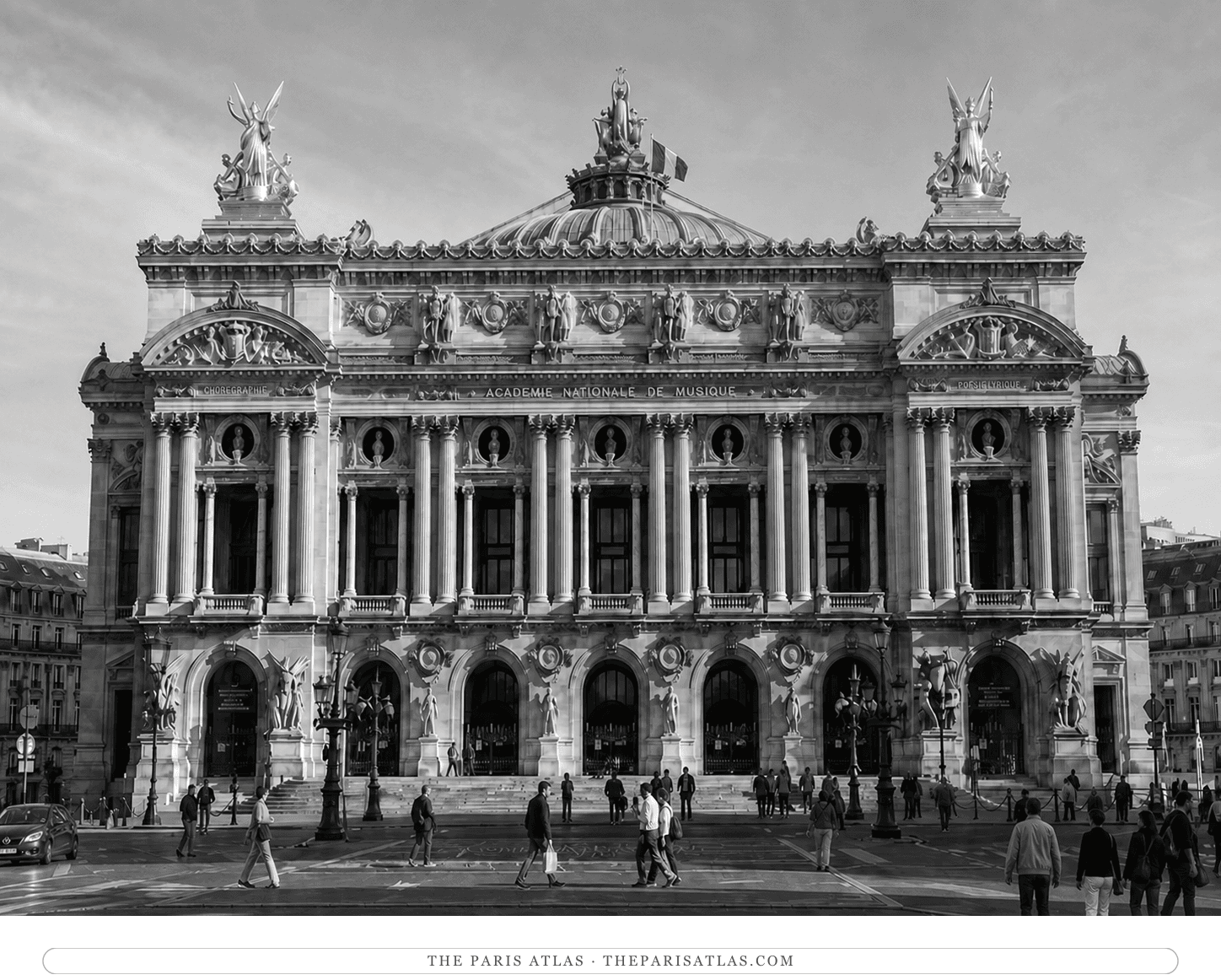
The Paris opera house — Charles Garnier's Second Empire palace on the place de l'Opéra, inaugurated on 5 January 1875 and the home of the Paris Opera ever since.
Visit the place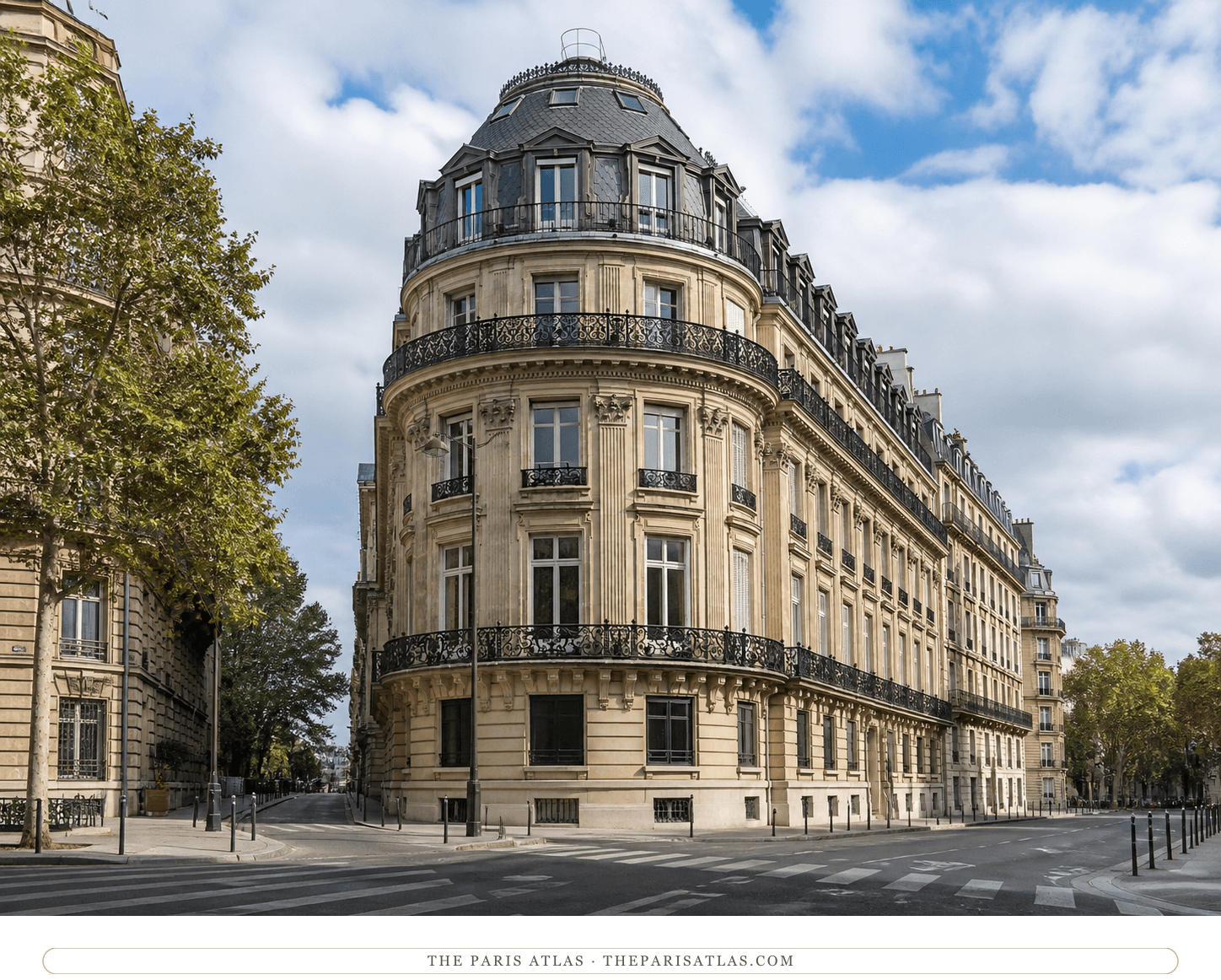
The sixth-floor apartment Gustave Caillebotte shared with his brother Martial after their mother's death — and the balcony from which he painted the boulevard looking almost straight down.
Visit the place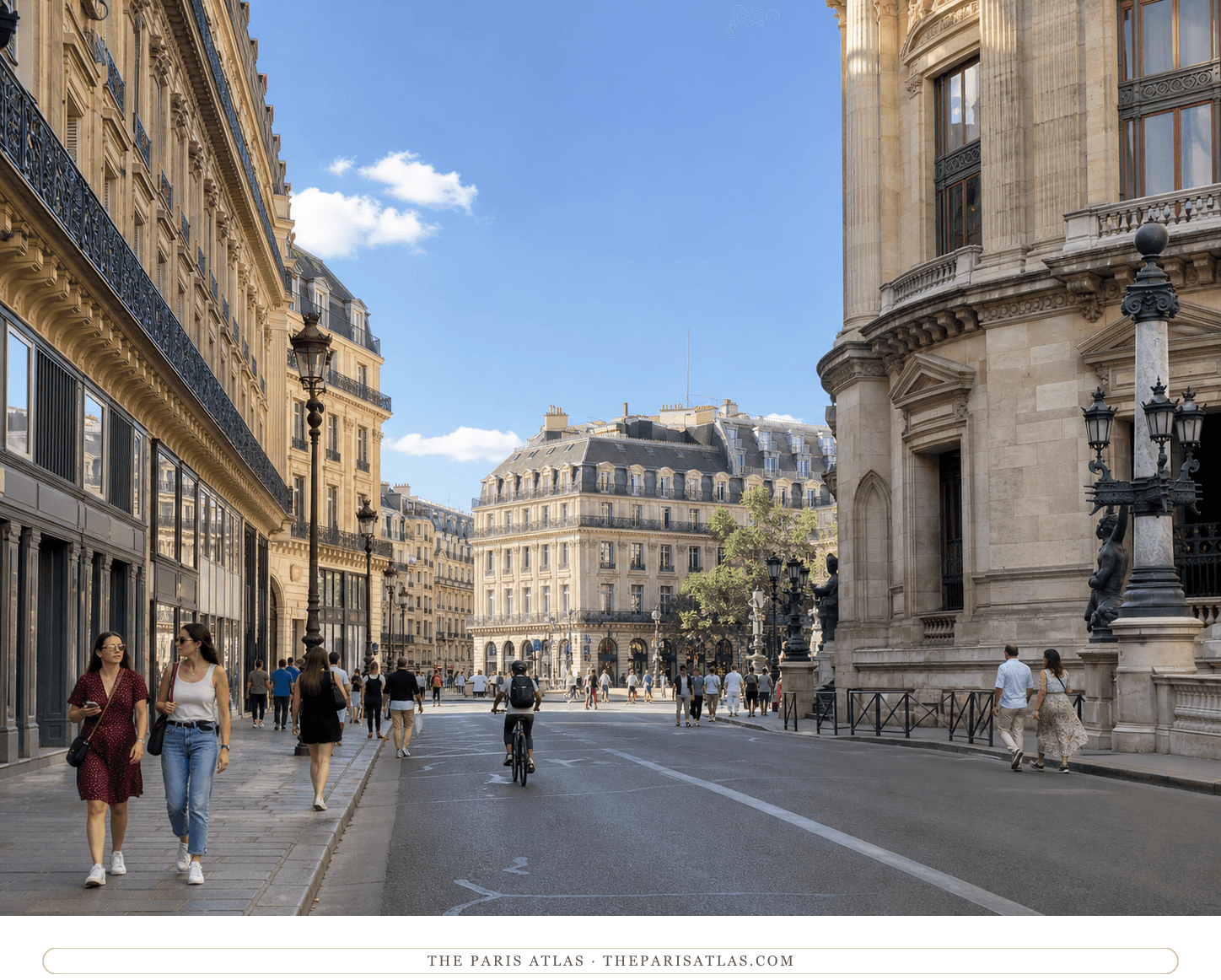
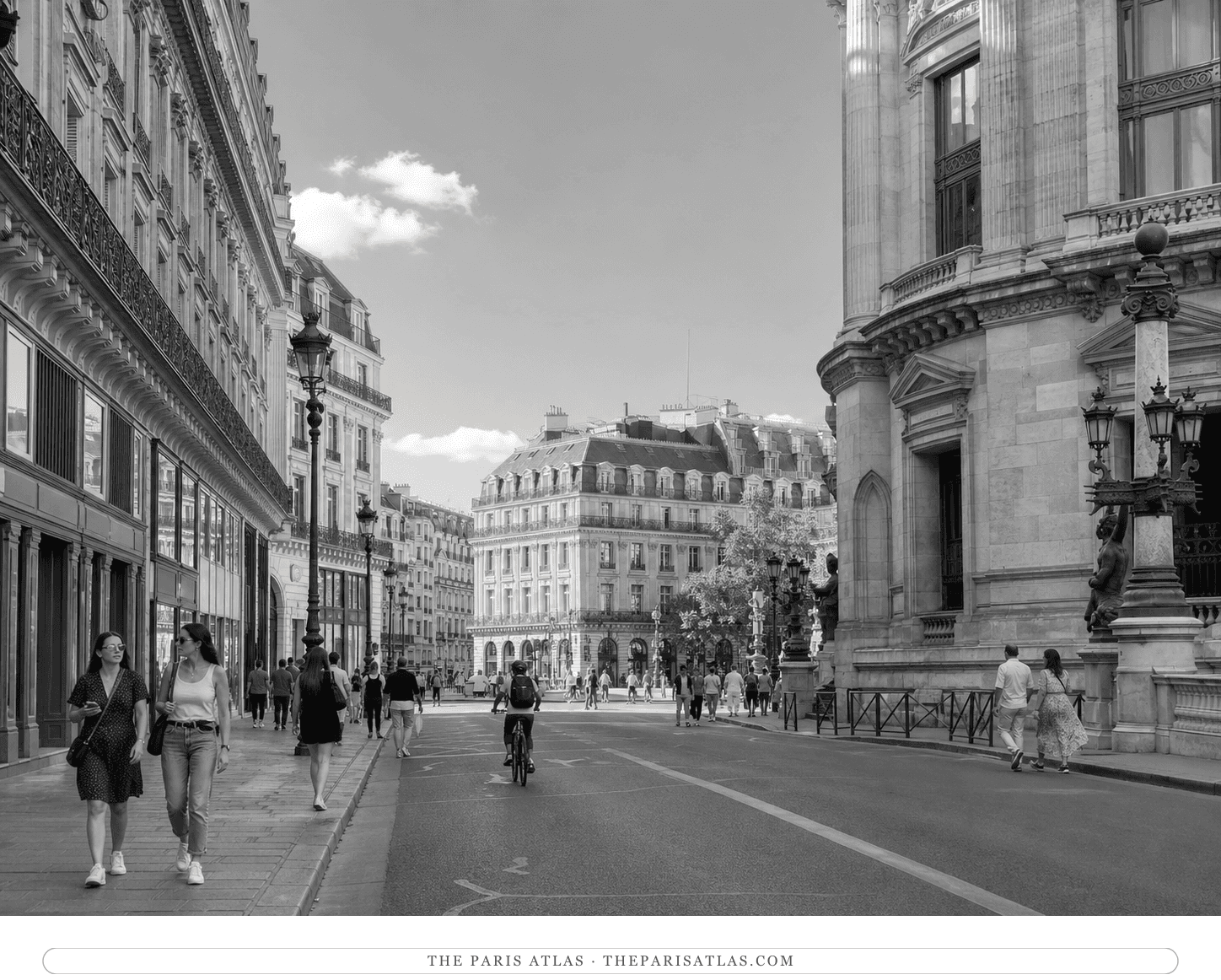
The short street running beside the Palais Garnier that Gustave Caillebotte painted in 1878, looking down from an upper window at the traffic and pedestrians below.
Visit the place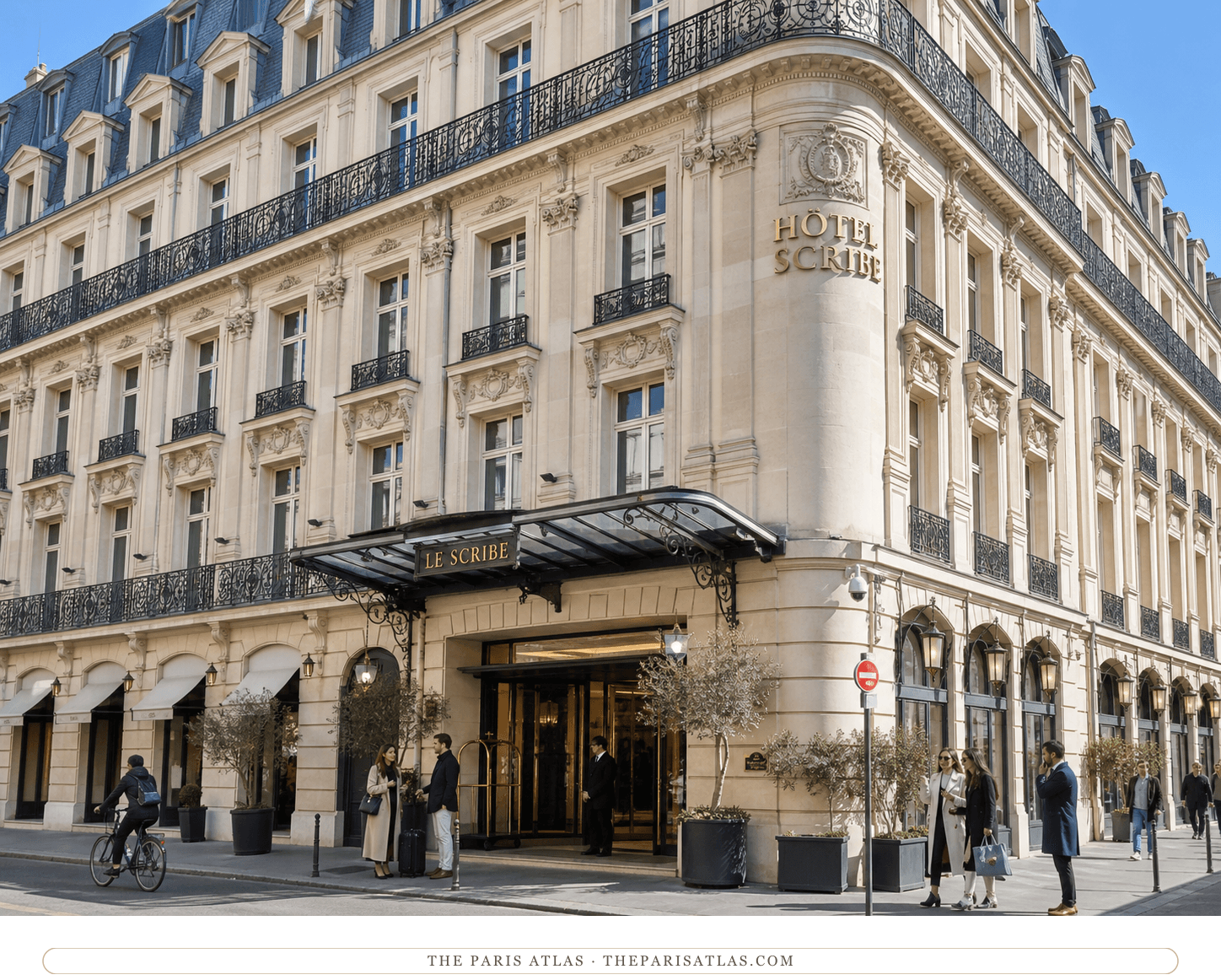
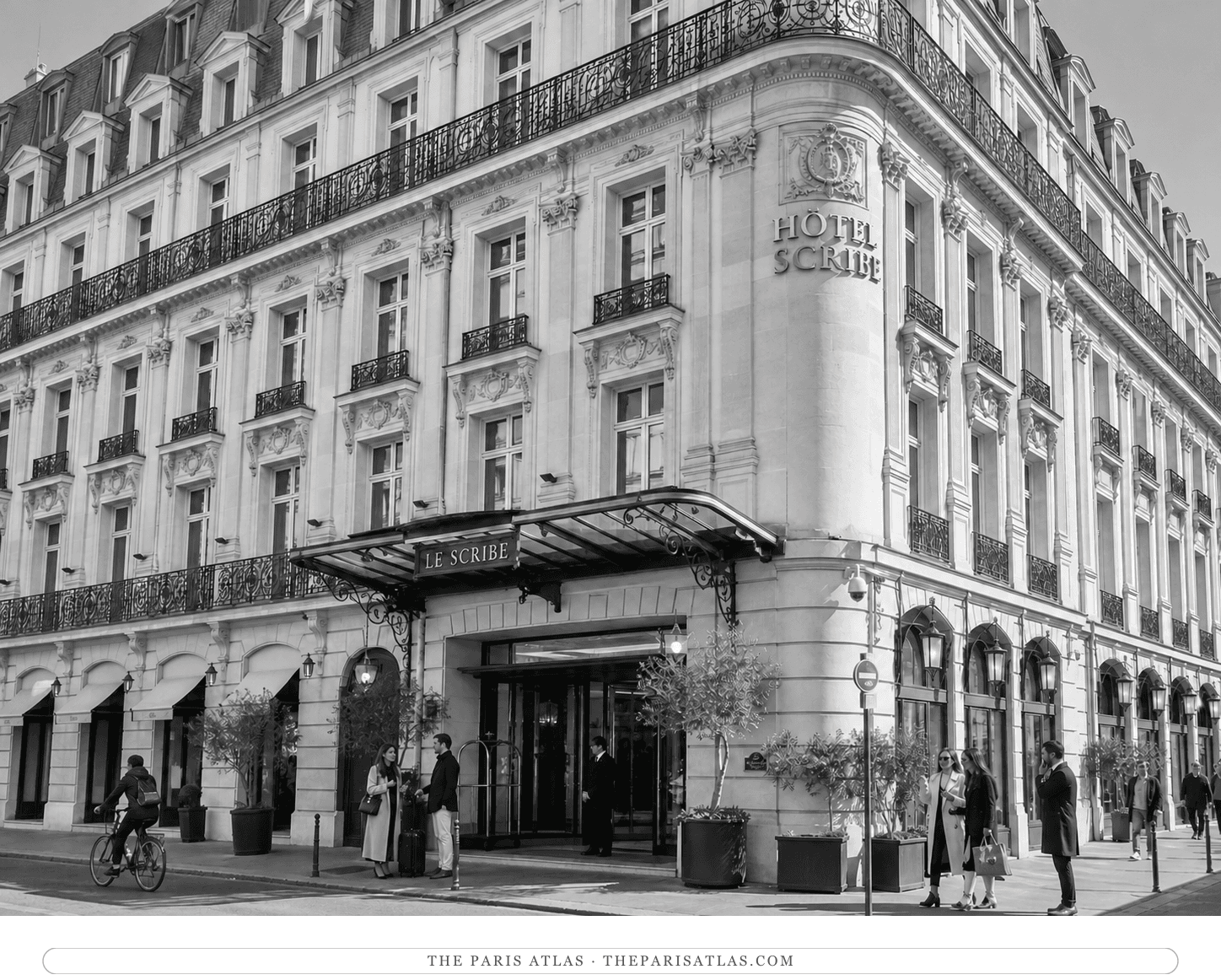
A grand hotel behind the Opéra, on the rue Scribe. In Down and Out in Paris and London it is the good job that keeps slipping away — where Boris earned a hundred francs a day in tips before he fell ill, and where he and George Orwell stood on the pavement for an hour hoping the manager would come out and hire them.
Visit the placeThe sources below include histories, archival materials, scholarly research, and official records that informed this page. They document American Express Office at Opéra, the people connected to it, and its place in Paris.


Contemporary reporting or criticism used to document the historical reception and context of American Express Office at Opéra.

Web source consulted for documented facts and historical context presented on the American Express Office at Opéra page.
These references provide the documented foundation for this page's history and context. Claim-level citations remain attached to the specific claims they support.
 Explore more resources
Newsletter
The cafés, studios, and walk-up flats where the work was made — one story from the map in every letter.