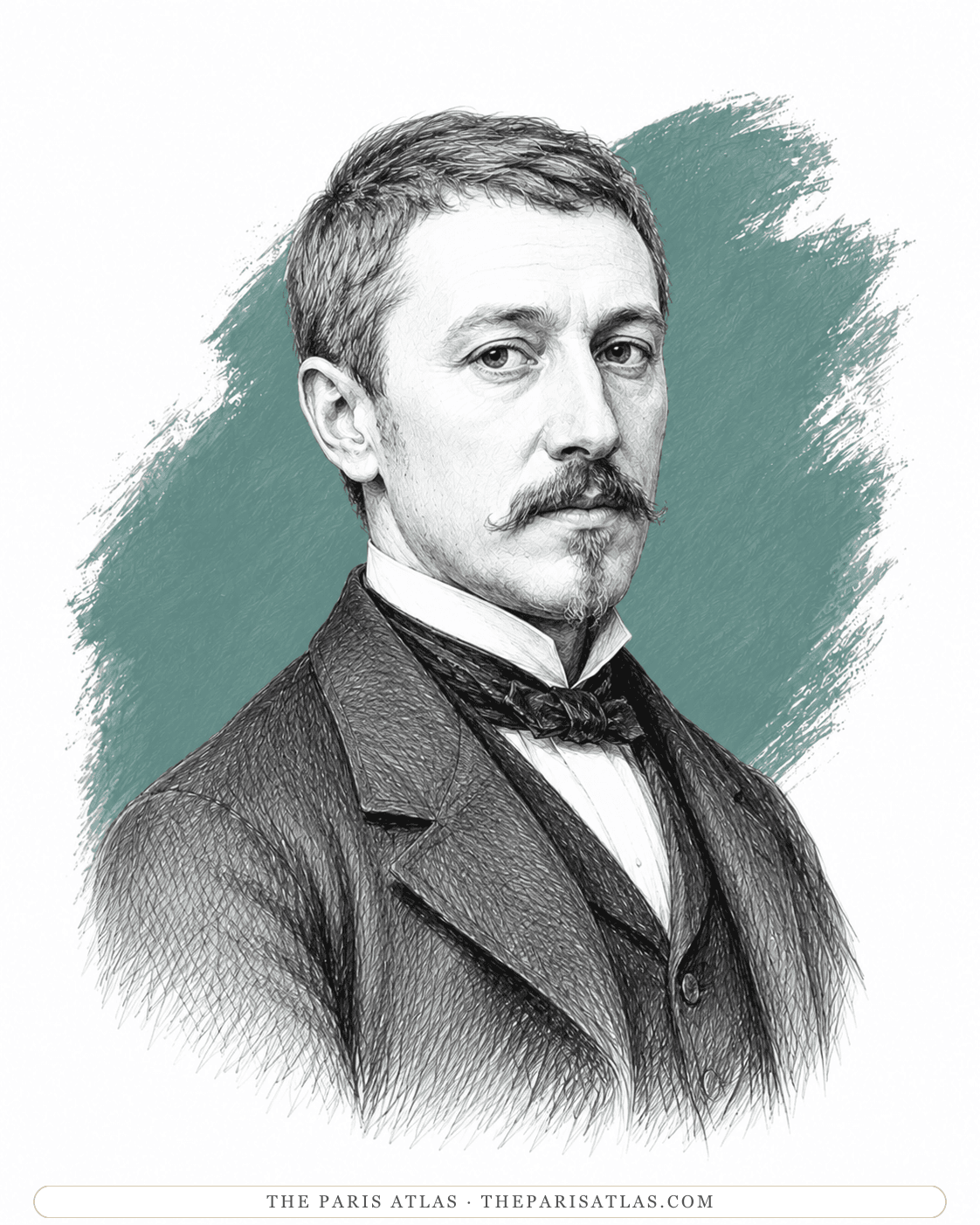
Gustave Caillebotte
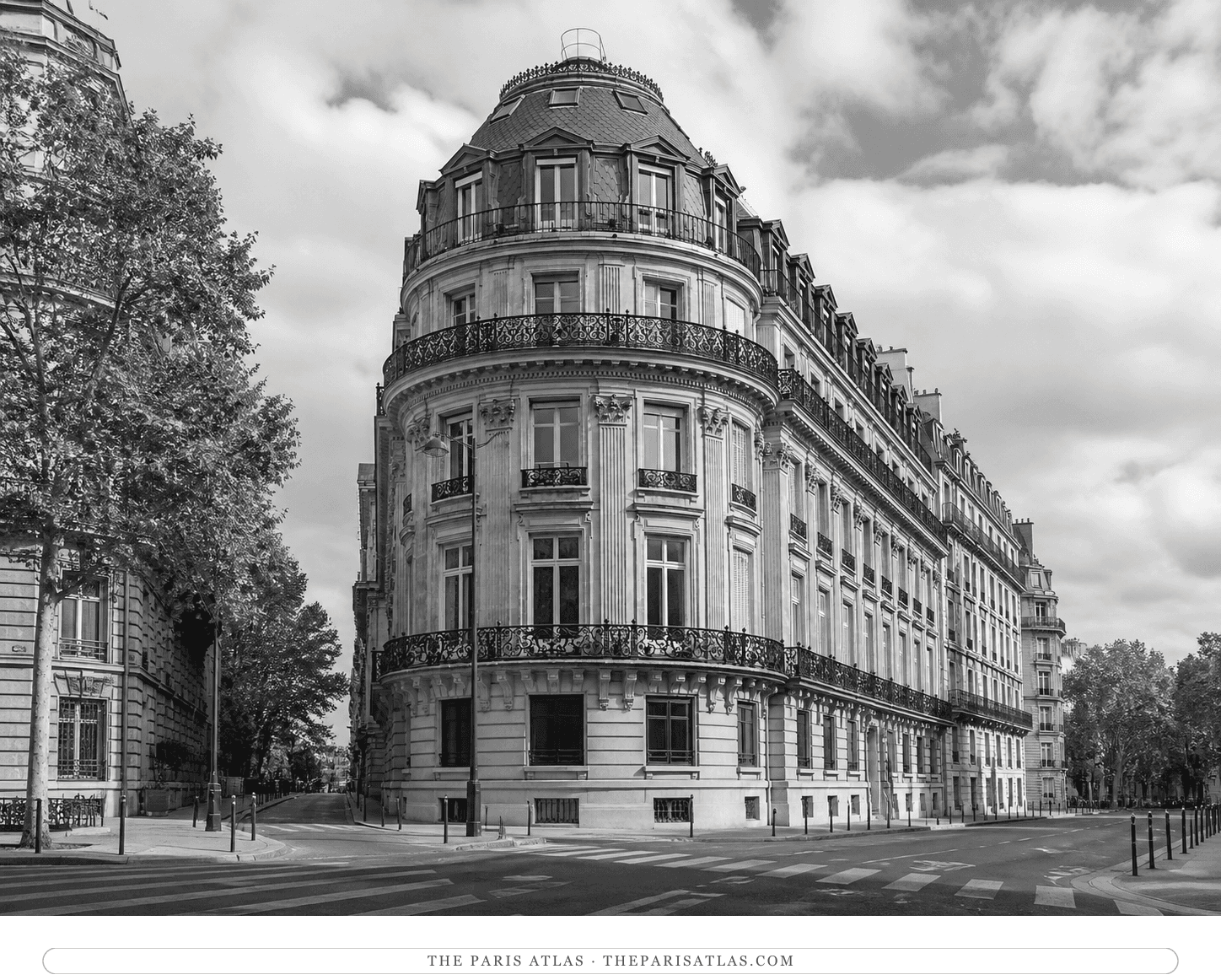
After their mother's death Gustave and Martial Caillebotte sold the Miromesnil house and took a high apartment on the boulevard Haussmann. The overhead boulevard views were painted from its balcony.
The sixth-floor apartment Gustave Caillebotte shared with his brother Martial after their mother's death — and the balcony from which he painted the boulevard looking almost straight down.
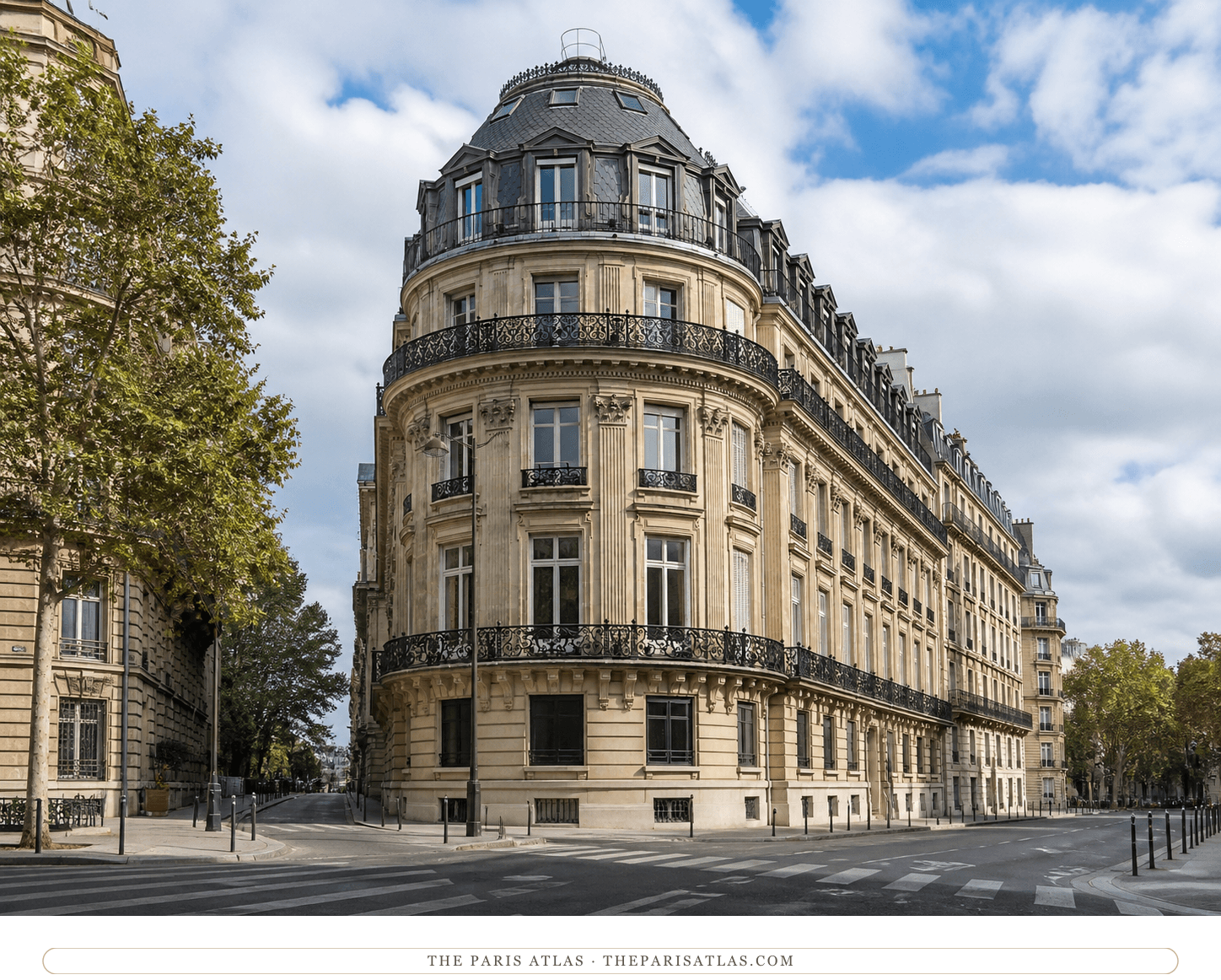
After their mother died, Gustave Caillebotte and his brother Martial sold the family house on the rue de Miromesnil and took a large apartment high up on the boulevard Haussmann.
The height is the whole point. From this balcony Caillebotte painted A Balcony, Boulevard Haussmann and the extraordinary boulevard views taken from directly overhead, in which the street becomes a pattern of trees, roofs and foreshortened pedestrians and the horizon disappears entirely. Nobody else in Paris was painting the city from that angle, and the pictures look startlingly modern because of it — closer to photography from a window than to landscape.
Martial was a composer and a serious amateur photographer, and the brothers' shared interest in what a lens does to space is visible in the paintings. They lived together until Gustave's marriage plans and country pursuits pulled him toward Petit-Gennevilliers.
The building is private, and the balcony is not identifiable from the street.
The brothers' mother dies and the Miromesnil house is sold.
Caillebotte paints A Balcony, Boulevard Haussmann.
He painted them from the balcony of a high apartment at 31 boulevard Haussmann. The vantage removes the horizon and turns the street into a pattern, which is why the pictures look so unlike other Impressionist cityscapes.
Gustave's younger brother, a composer and a skilled photographer, who shared this apartment with him.
After their mother's death Gustave and Martial Caillebotte sold the Miromesnil house and took a high apartment on the boulevard Haussmann. The overhead boulevard views were painted from its balcony.
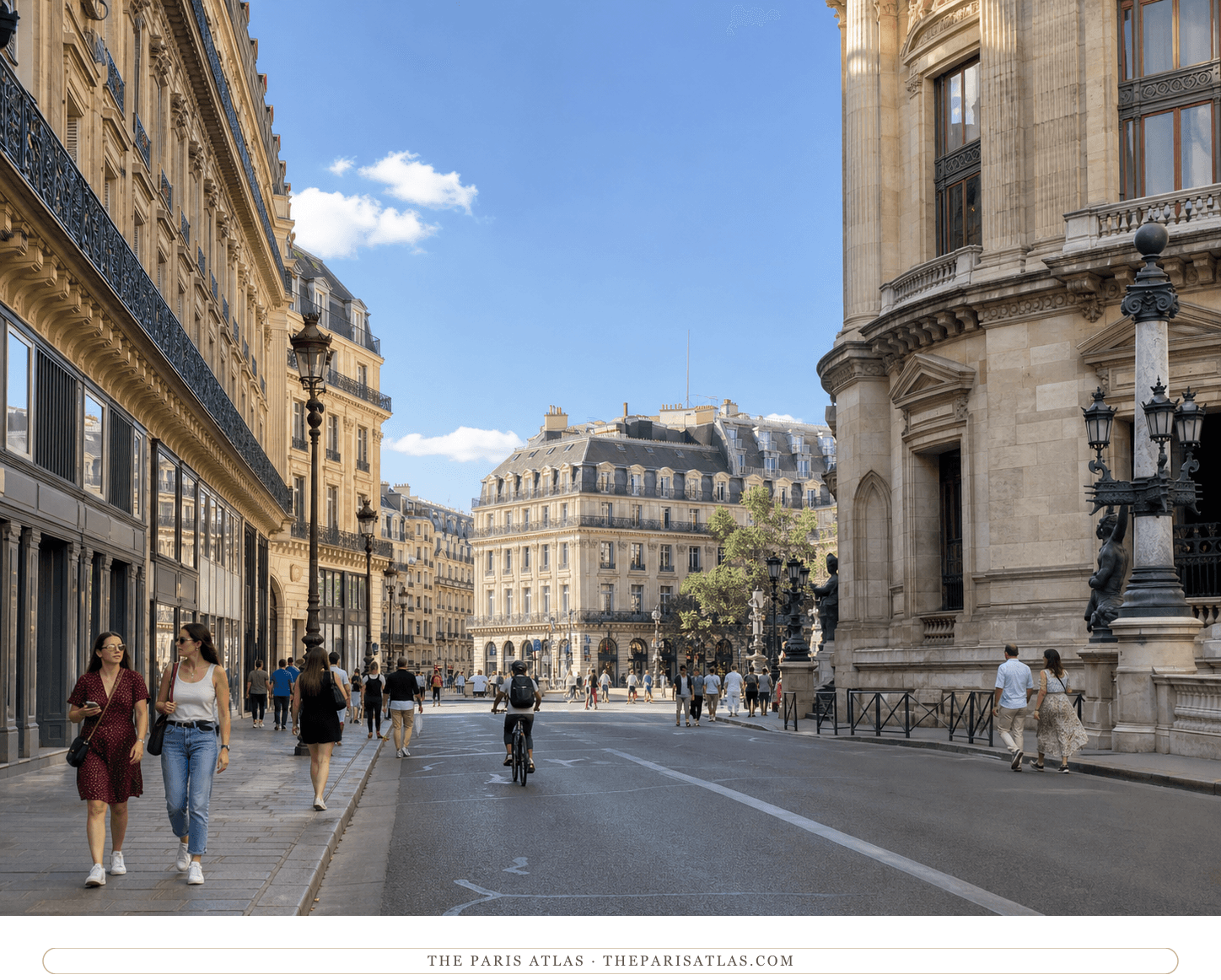
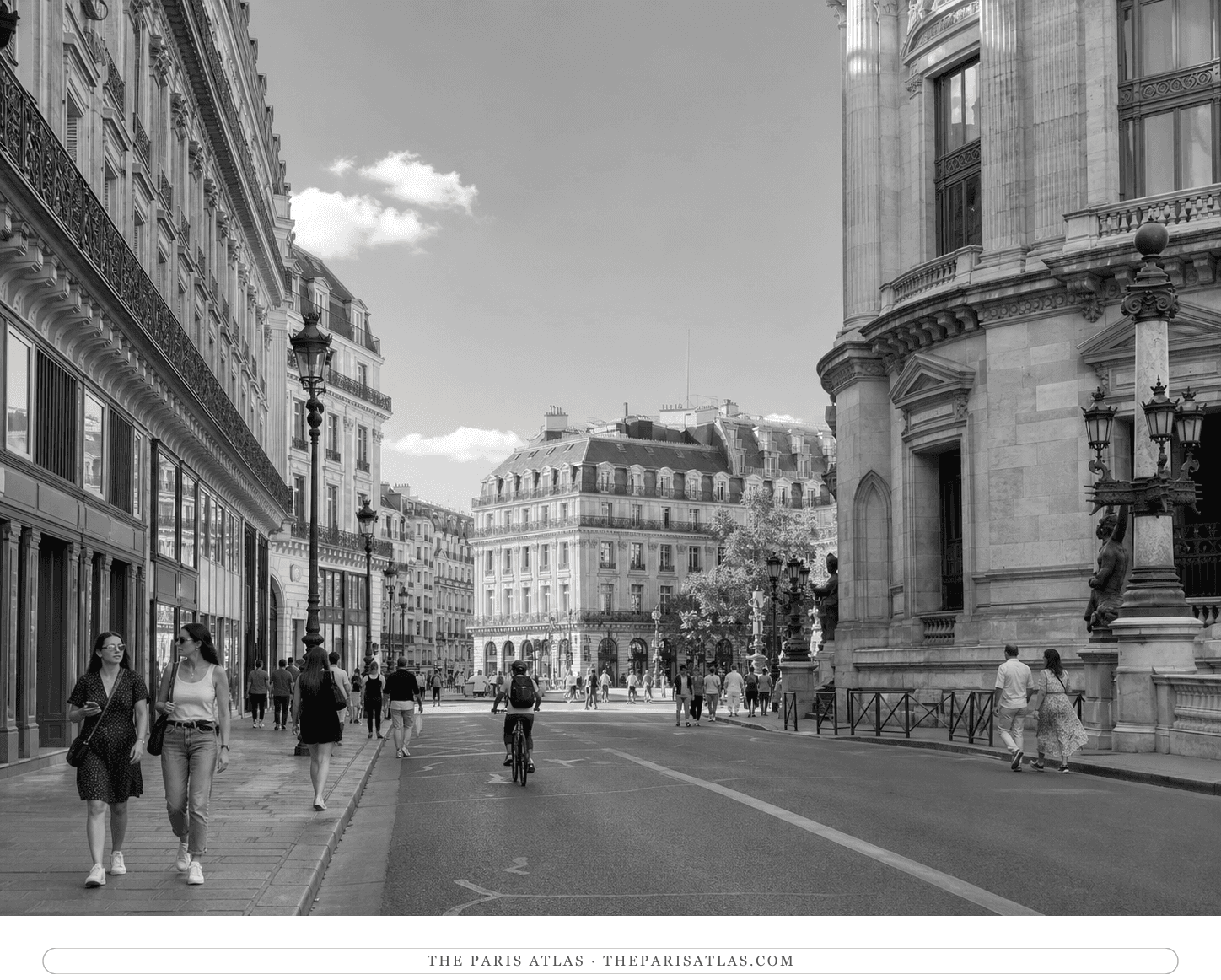
The short street running beside the Palais Garnier that Gustave Caillebotte painted in 1878, looking down from an upper window at the traffic and pedestrians below.
Visit the place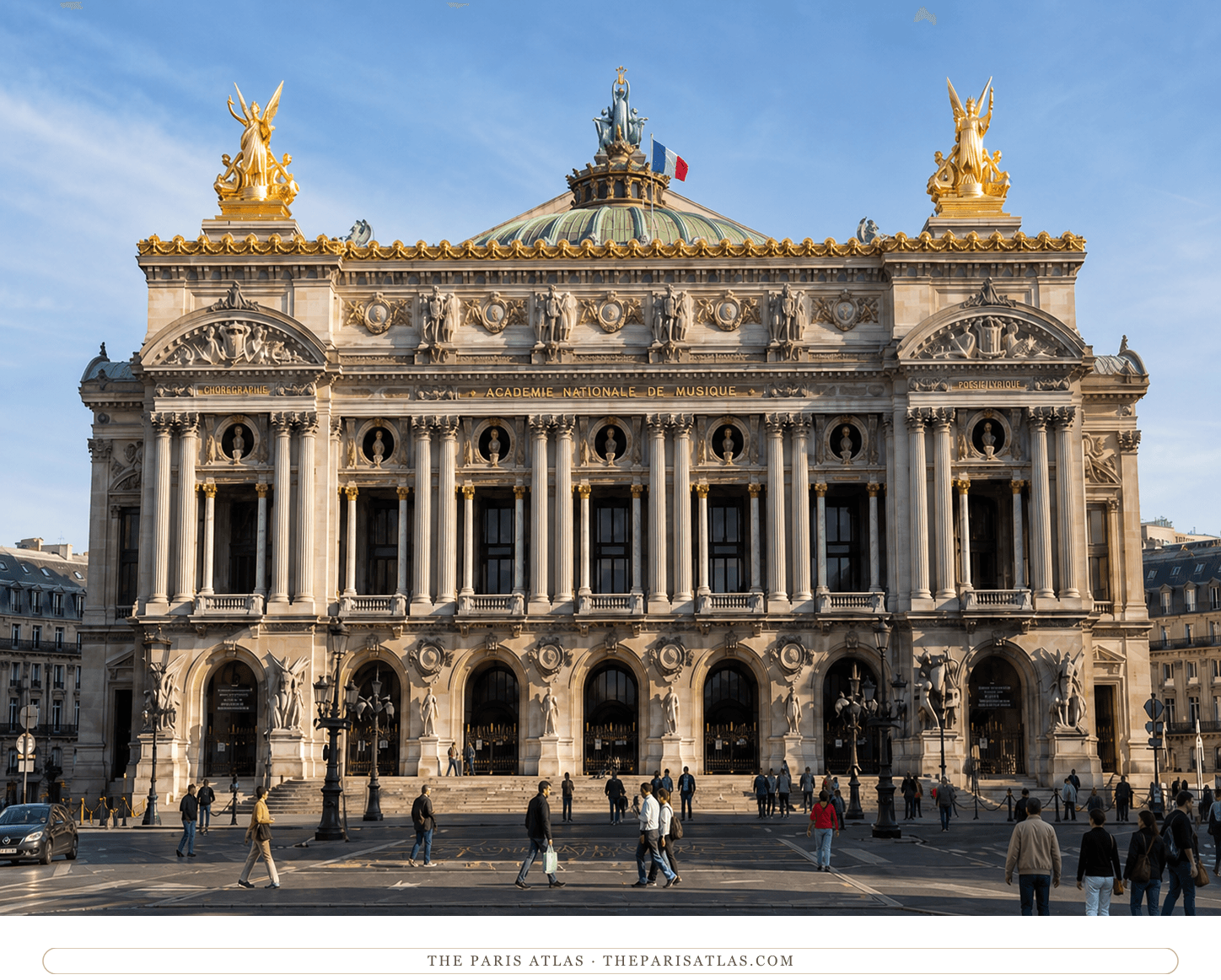
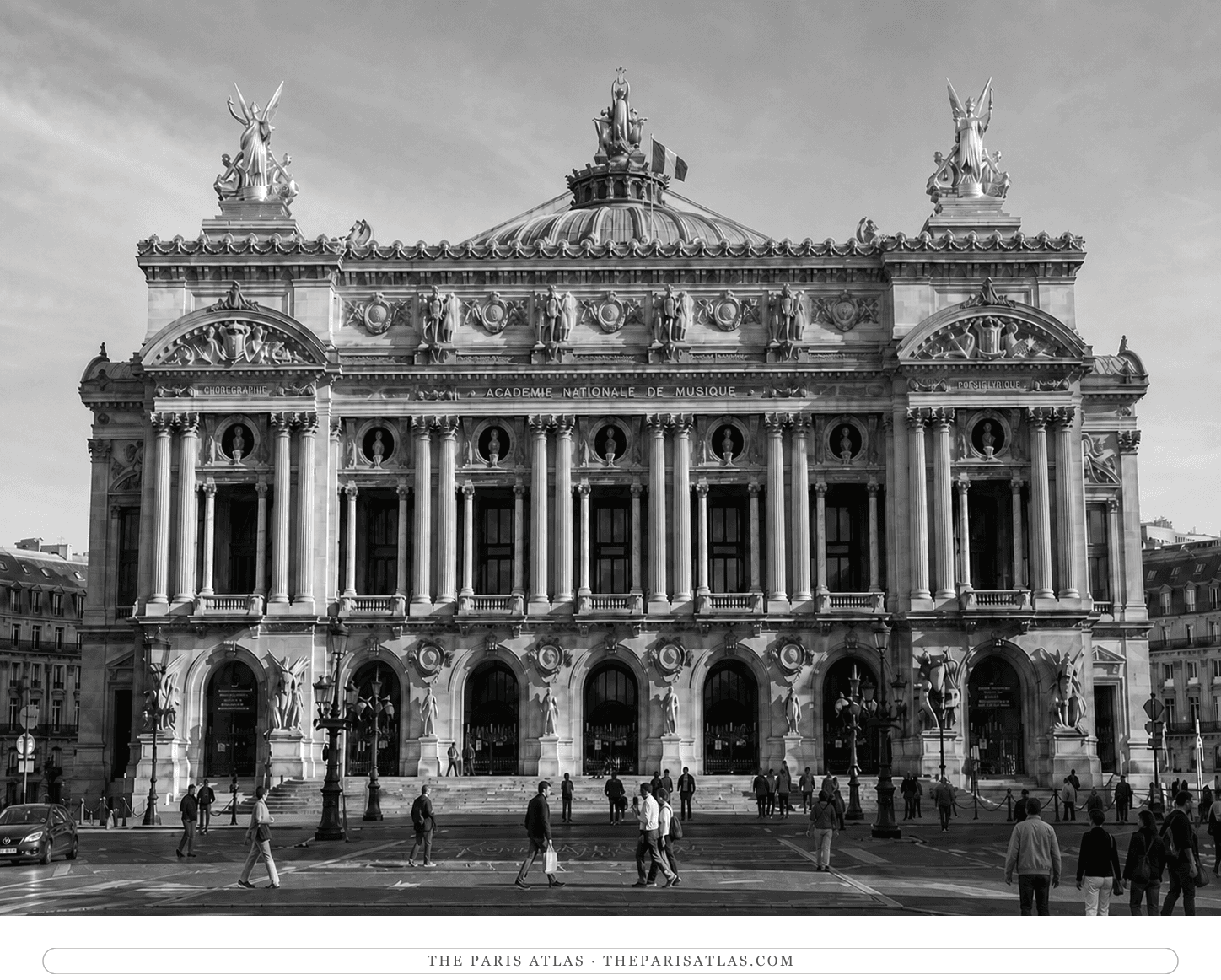
The Paris opera house — Charles Garnier's Second Empire palace on the place de l'Opéra, inaugurated on 5 January 1875 and the home of the Paris Opera ever since.
Visit the place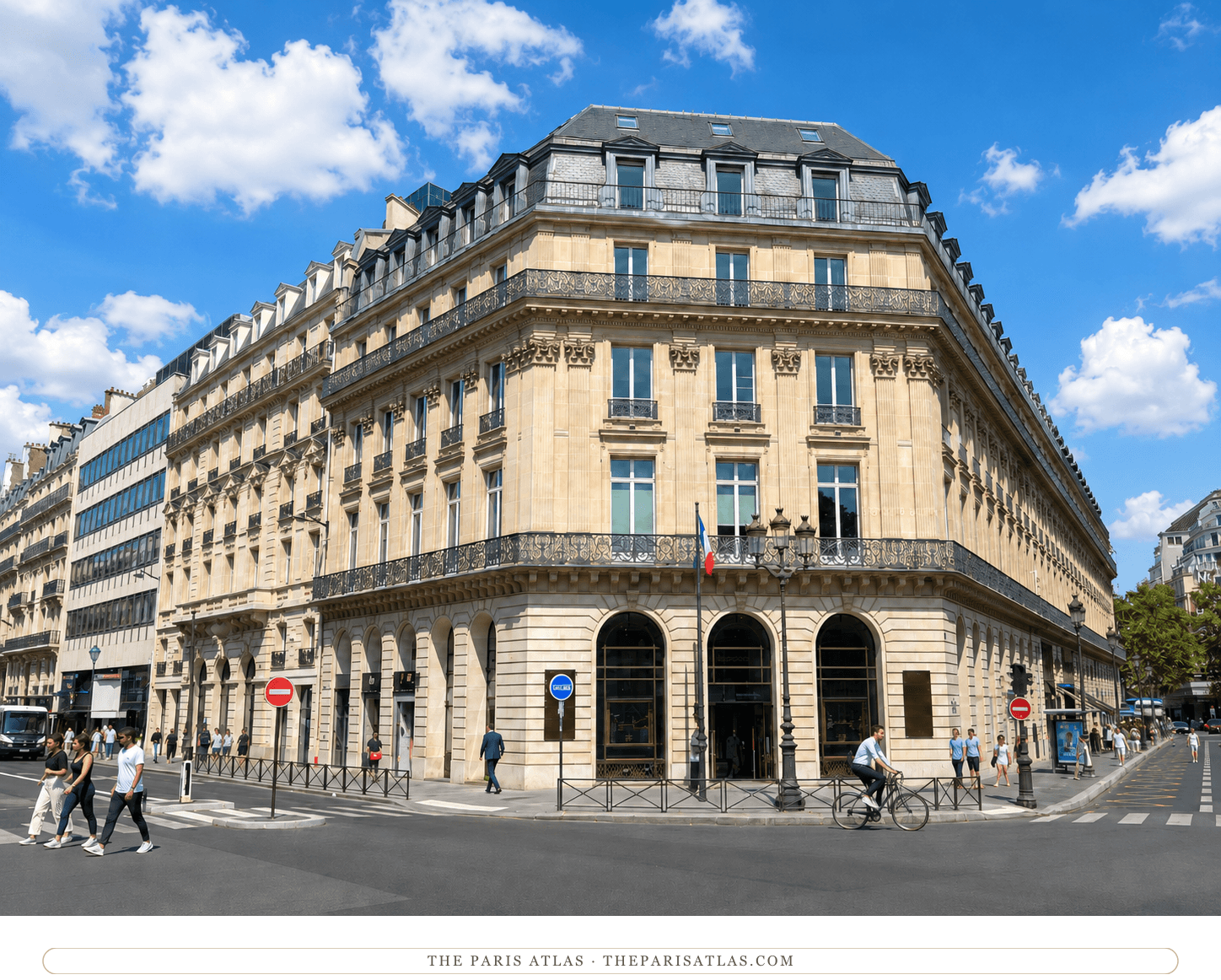
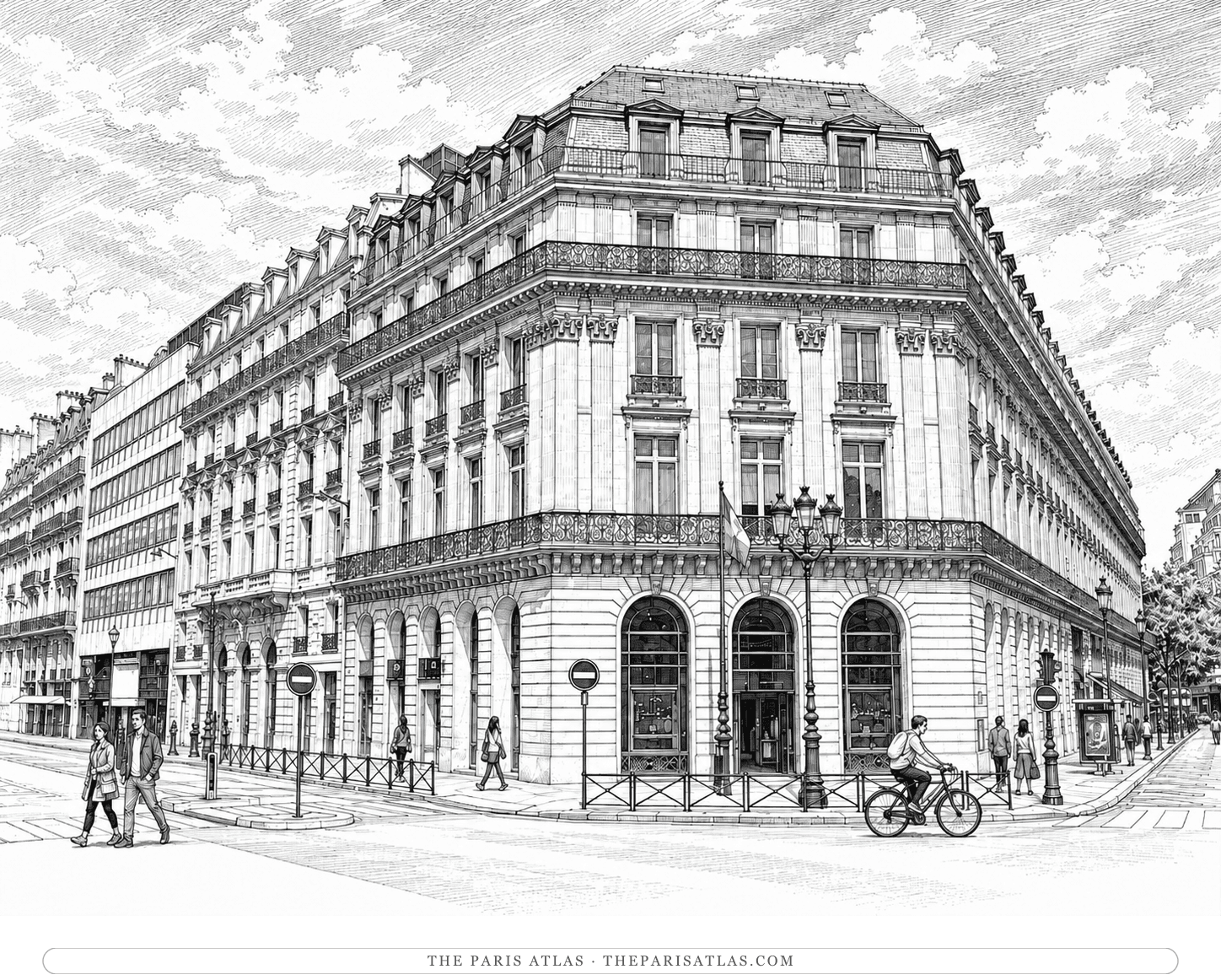
The office by the Opéra where American expatriates collected their mail and cashed their cheques, and where David goes to escape Giovanni's room in Baldwin's novel.
Visit the place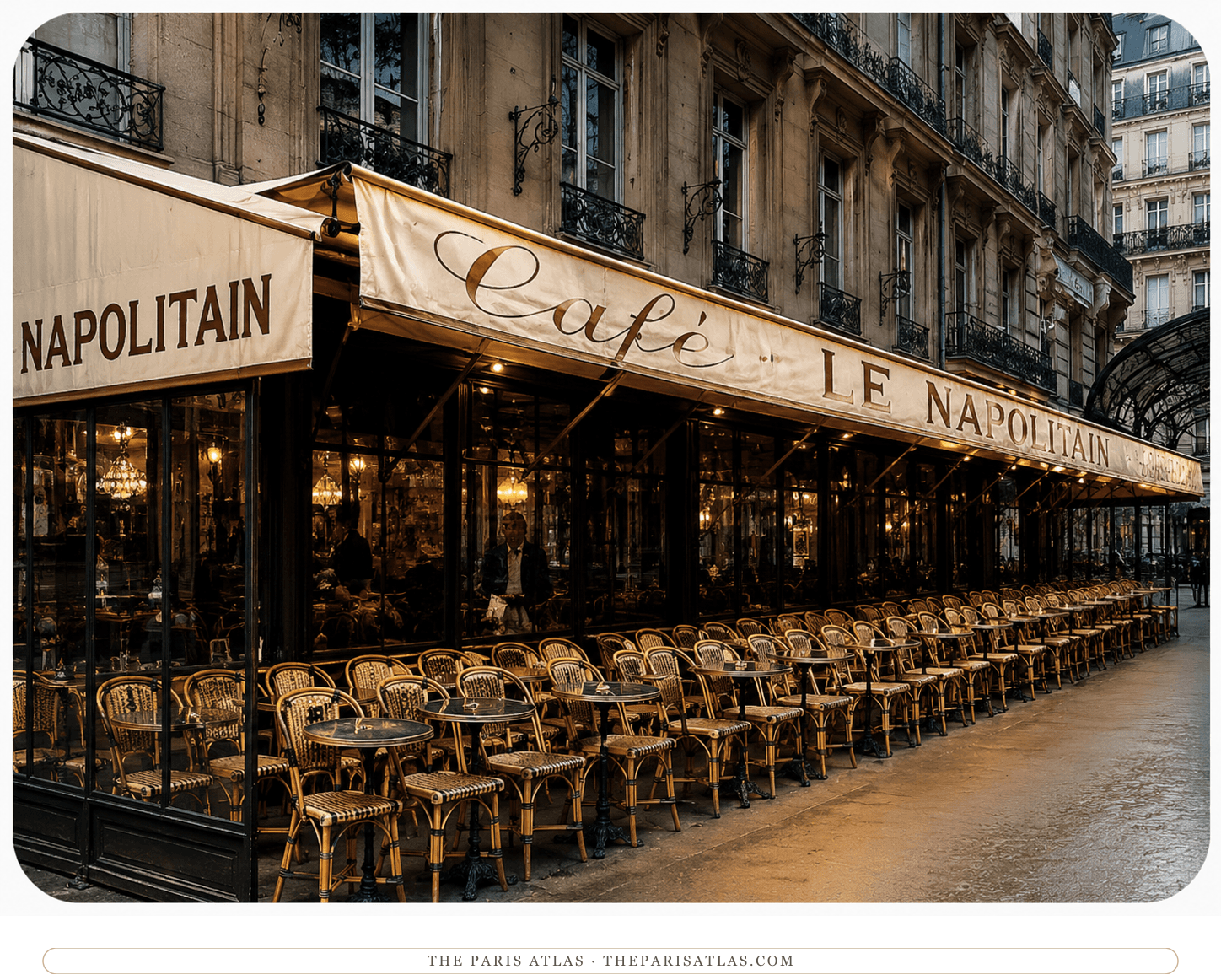
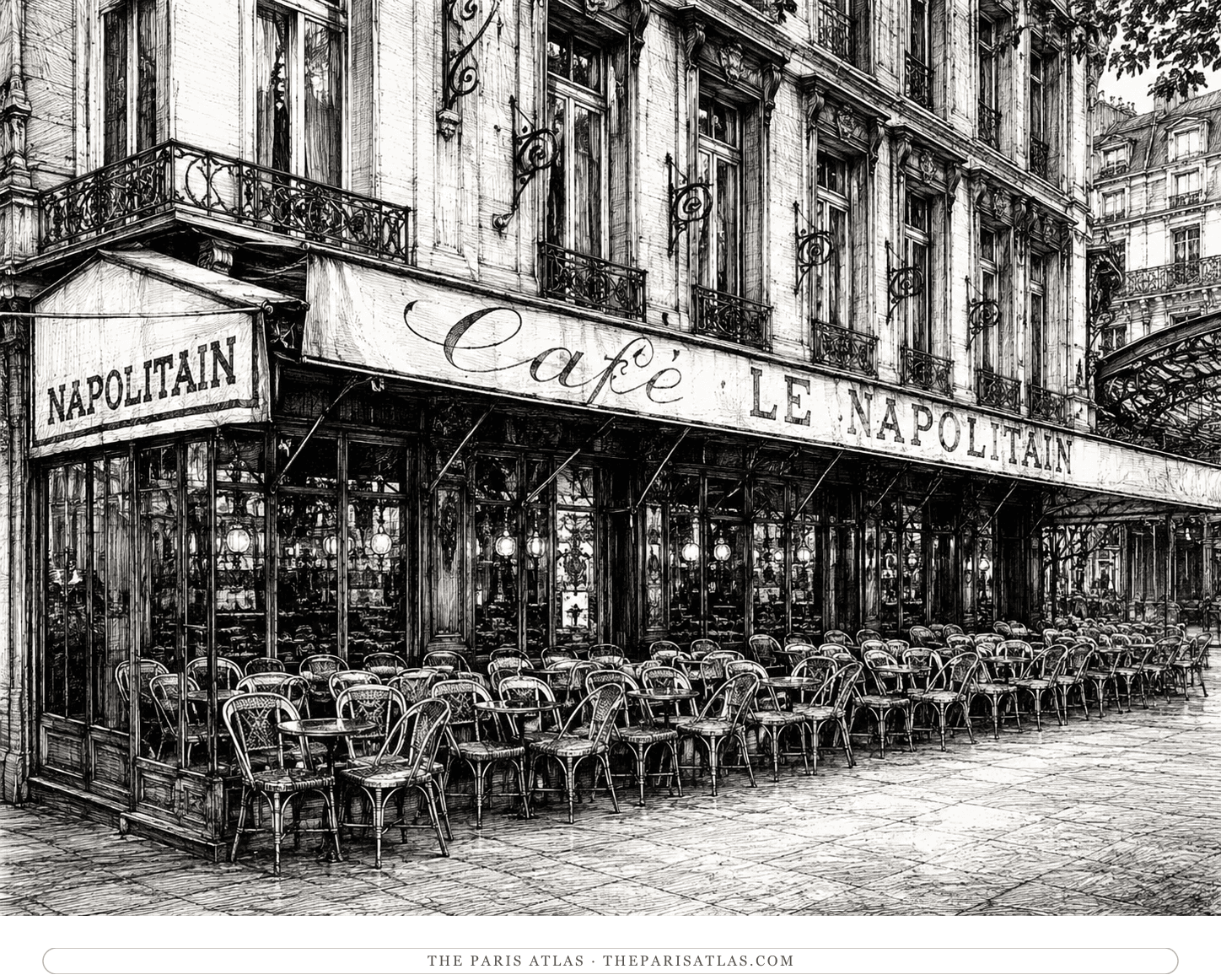
The boulevard terrace where the novel opens — an apéritif on the Right Bank, watching the evening crowd, the electric signs, and the last horse-cabs go by.
Visit the placeThe sources below include histories, archival materials, scholarly research, and official records that informed this page. They document 31 boulevard Haussmann, the people connected to it, and its place in Paris.

Web source consulted for documented facts and historical context presented on the 31 boulevard Haussmann page.
Web source consulted for documented facts and historical context presented on the 31 boulevard Haussmann page.
Web source consulted for documented facts and historical context presented on the 31 boulevard Haussmann page.
Web source consulted for documented facts and historical context presented on the 31 boulevard Haussmann page.
These references provide the documented foundation for this page's history and context. Claim-level citations remain attached to the specific claims they support.
 Explore more resources
Newsletter
The cafés, studios, and walk-up flats where the work was made — one story from the map in every letter.