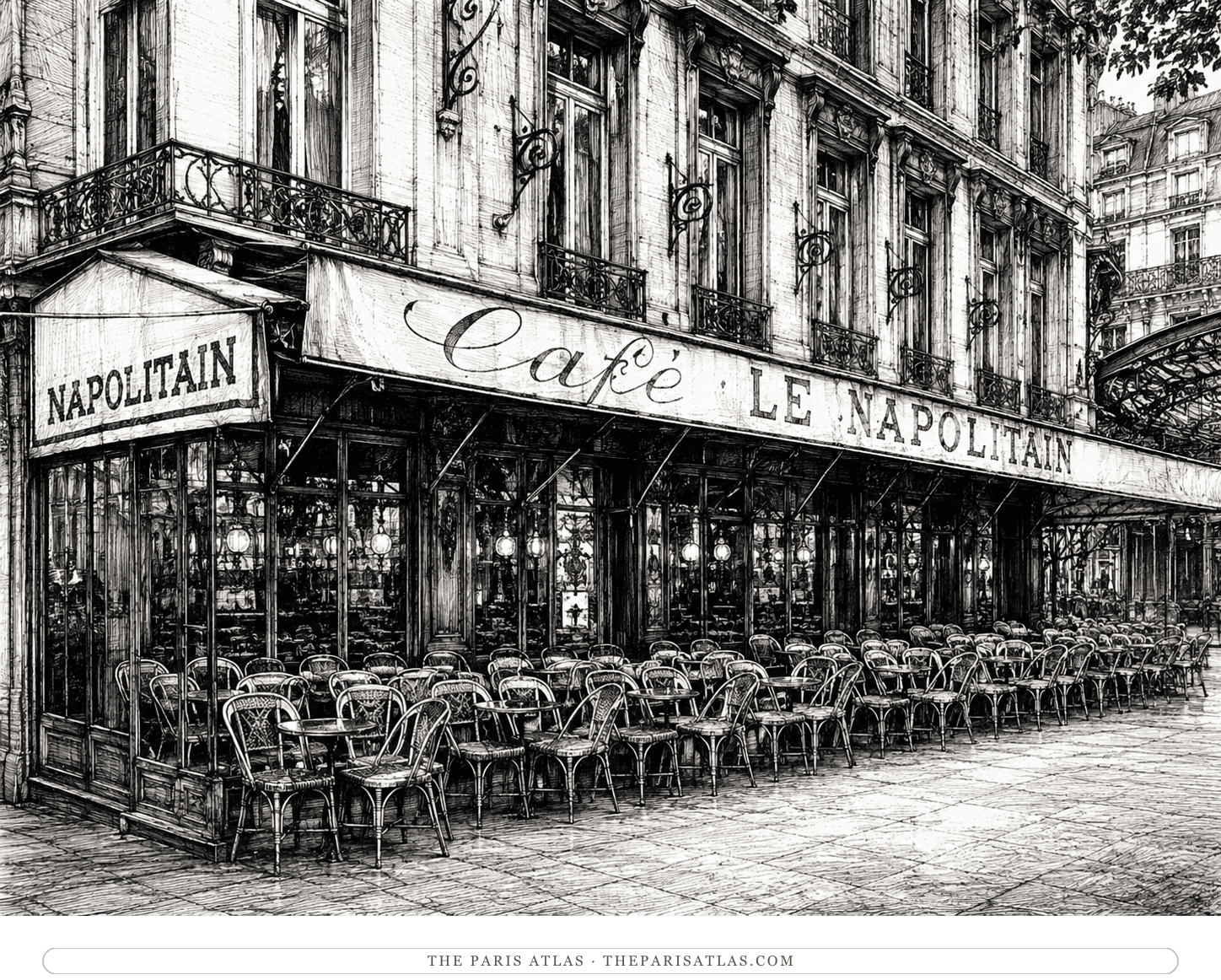

Setting of the story
The Sun Also Rises
The book opens here — an apéritif on the Right Bank terrace, watching the evening crowd, the electric signs, and the last horse-cabs go by.
The boulevard terrace where the novel opens — an apéritif on the Right Bank, watching the evening crowd, the electric signs, and the last horse-cabs go by.
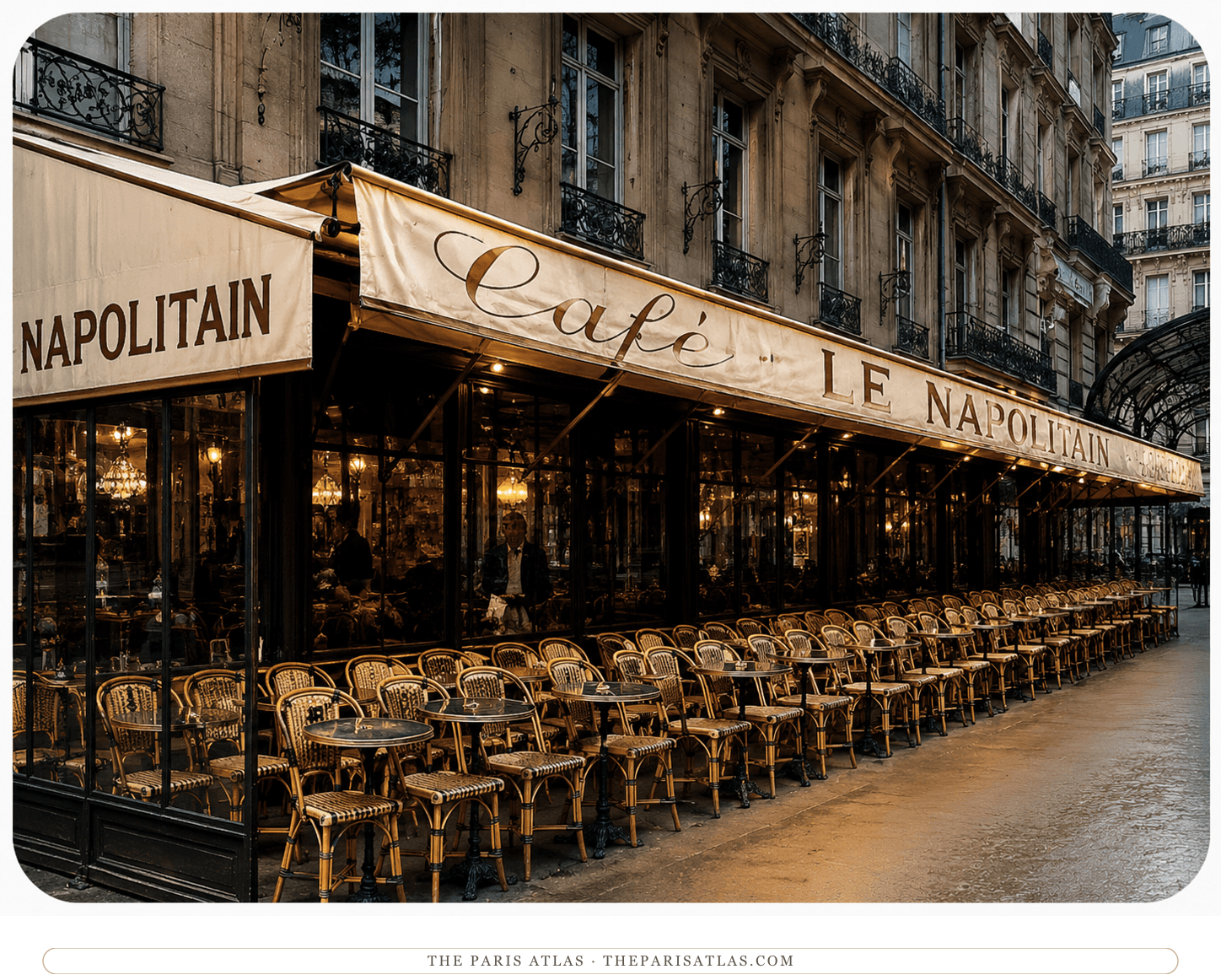
The Napolitain belonged to the other Paris of the novel: not the café Paris of Montparnasse but the working Right Bank of newspapers, theaters, and offices around the Opéra. From the Belle Époque on it was a terrace of journalists, critics, and boulevardiers — the press tribe Jake Barnes belongs to by trade — set on the boulevard des Capucines where the evening promenade passed in review.
The Sun Also Rises opens its Paris here. On a warm spring night Jake sits on the terrace with an apéritif, watching it get dark: the electric signs coming on, the new stop-and-go traffic signal, the crowd, and the horse-cabs still clopping along the edge of the motor traffic — a city changing centuries in a single paragraph. Putting his narrator at the Napolitain rather than the Dôme was a precise piece of sociology; Jake works for a living, and this was the after-work café of his profession.
The Napolitain did not survive as its neighbors across the river did. The café is long gone from the boulevard, its premises absorbed into the commercial frontage of the Opéra quarter, and it persists now mainly in the memoirs of old boulevard journalism — and in the opening pages of the novel, which keep its terrace permanently lit at dusk.
We went out to the Café Napolitain to have an apéritif and watch the evening crowd on the Boulevard.
It was a warm spring night and I sat at a table on the terrace of the Napolitain after Robert had gone, watching it get dark and the electric signs come on, and the red and green stop-and-go traffic-signal, and the crowd going by, and the horse-cabs clippety-clopping along at the edge of the solid taxi traffic …
The boulevard cafés at their height; the Napolitain among the favorites of the newspaper trade.
Jake's Right Bank — offices, press briefings, and an apéritif on the terrace at dusk.
Hemingway opens the Paris chapters of The Sun Also Rises on the Napolitain's terrace.
The café is gone; the corner belongs to the shopfronts of the Opéra quarter.
Setting of the story
The book opens here — an apéritif on the Right Bank terrace, watching the evening crowd, the electric signs, and the last horse-cabs go by.
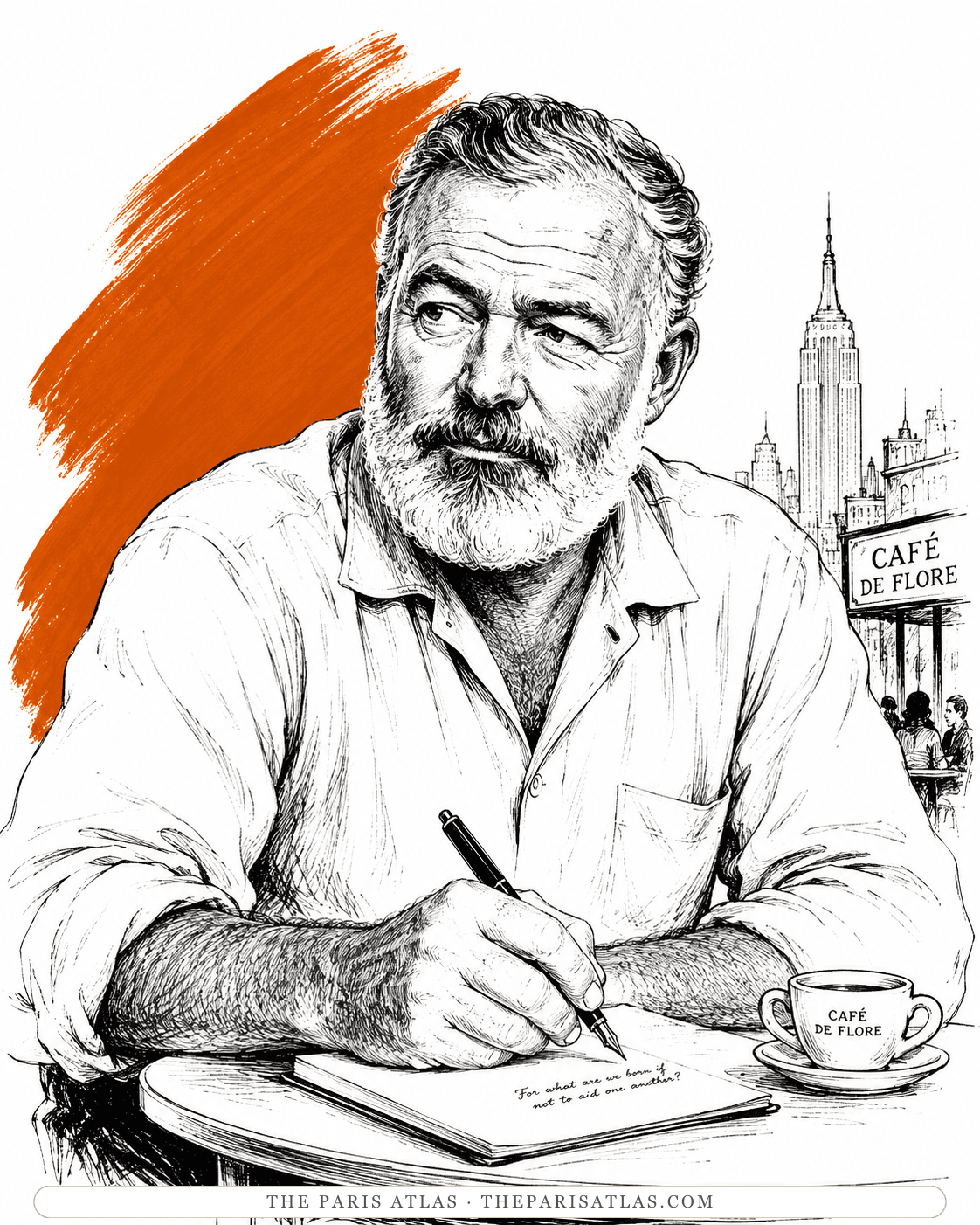
Ernest Hemingway wrote about Café Napolitain in The Sun Also Rises.
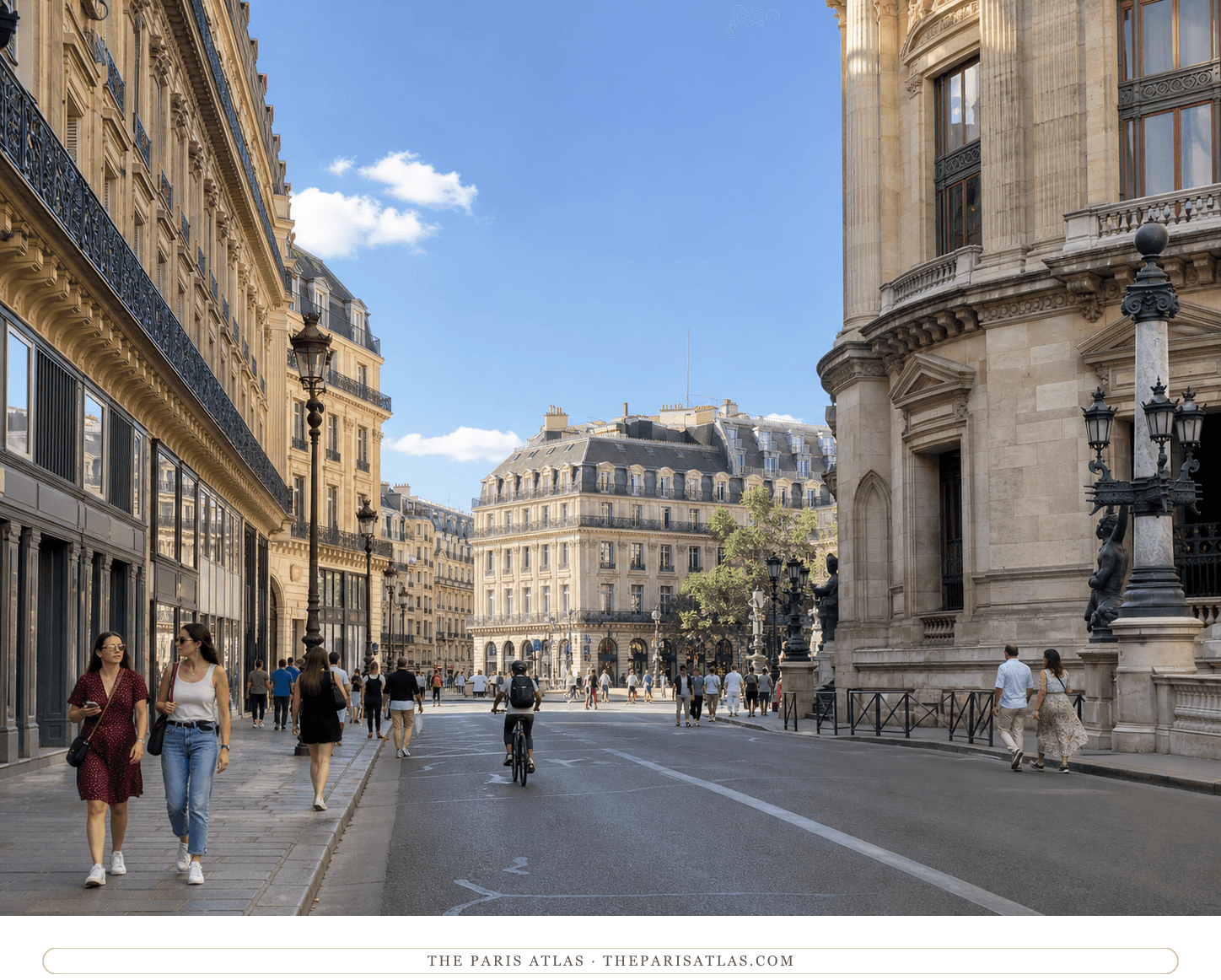
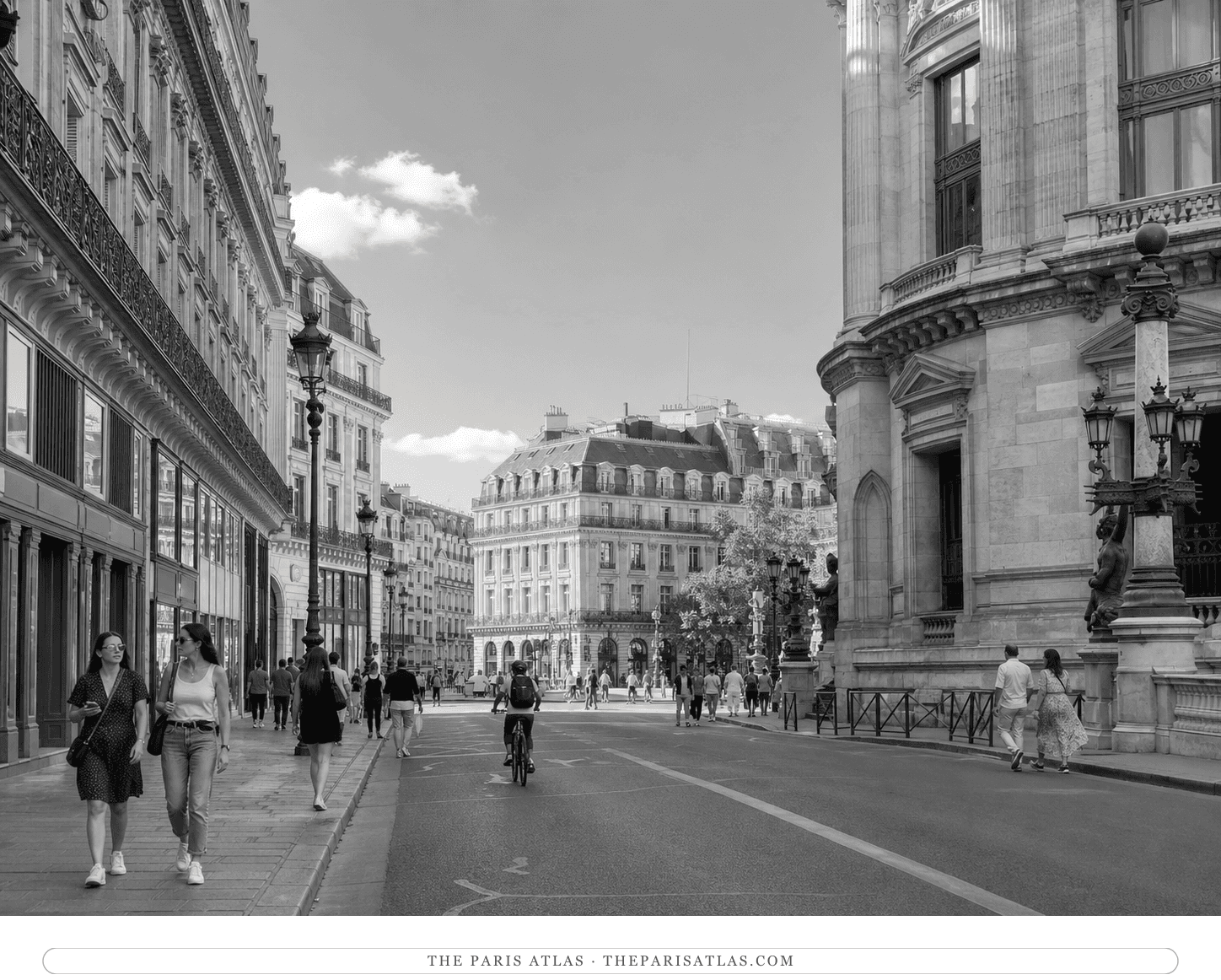
The short street running beside the Palais Garnier that Gustave Caillebotte painted in 1878, looking down from an upper window at the traffic and pedestrians below.
Visit the place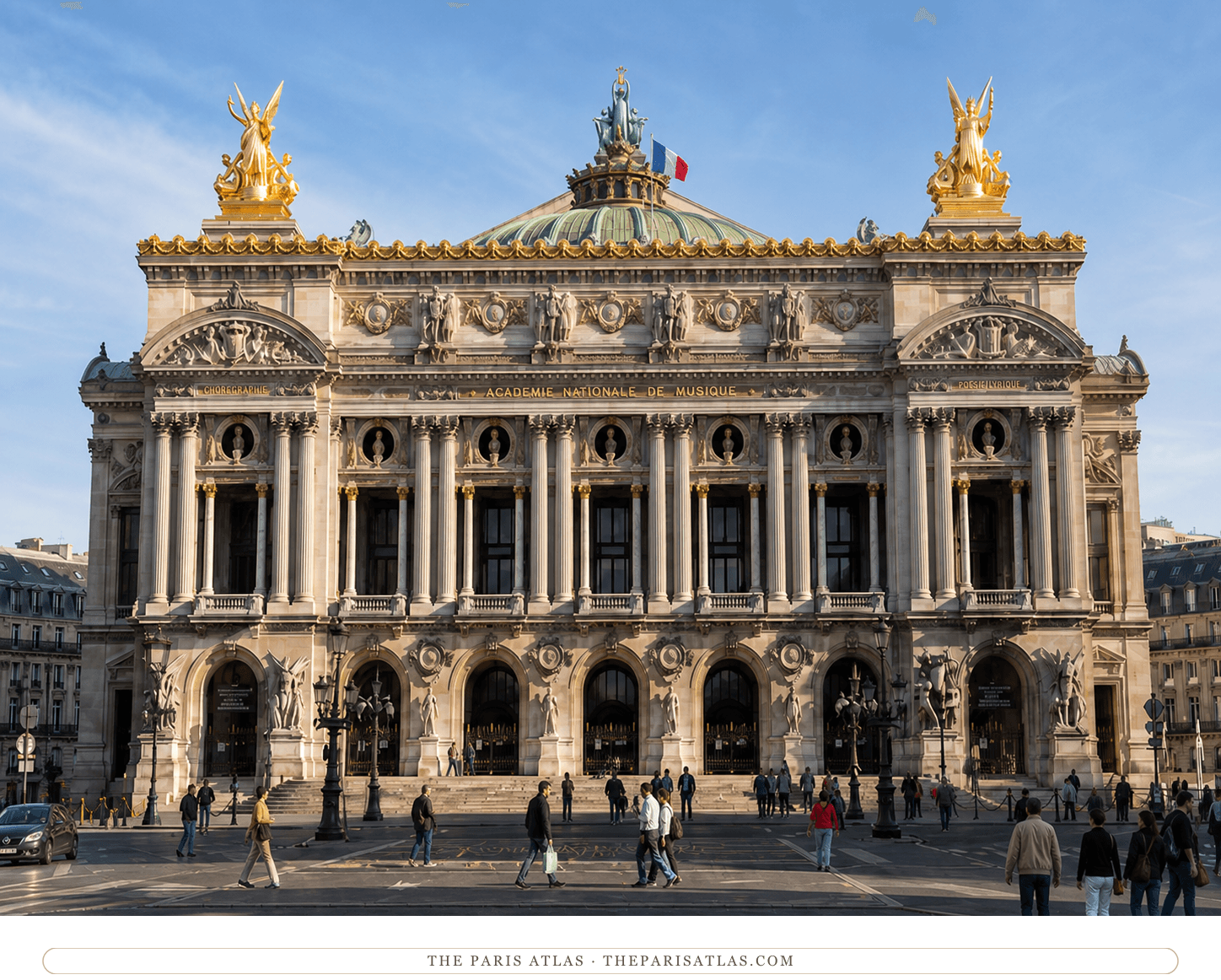
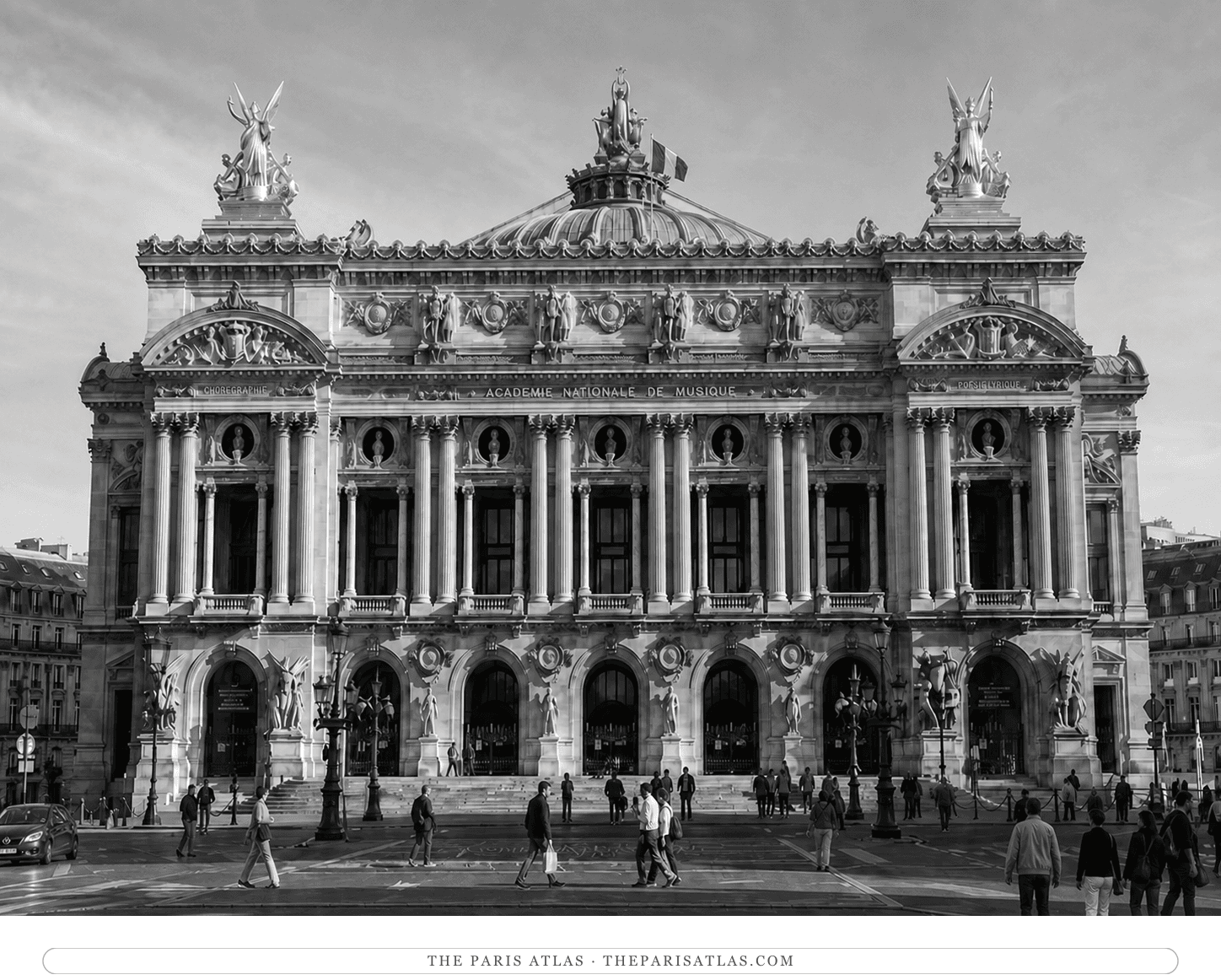
The Paris opera house — Charles Garnier's Second Empire palace on the place de l'Opéra, inaugurated on 5 January 1875 and the home of the Paris Opera ever since.
Visit the place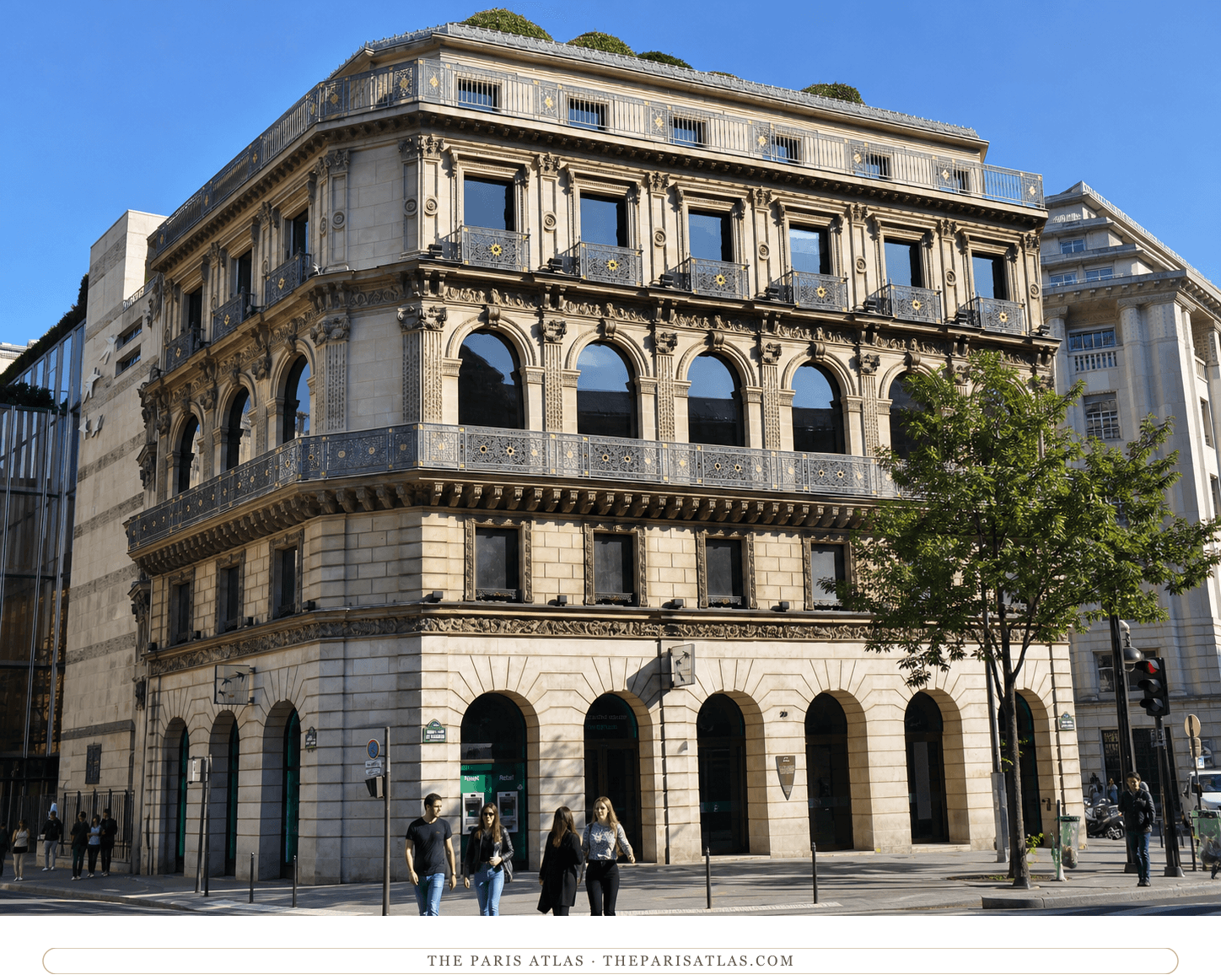
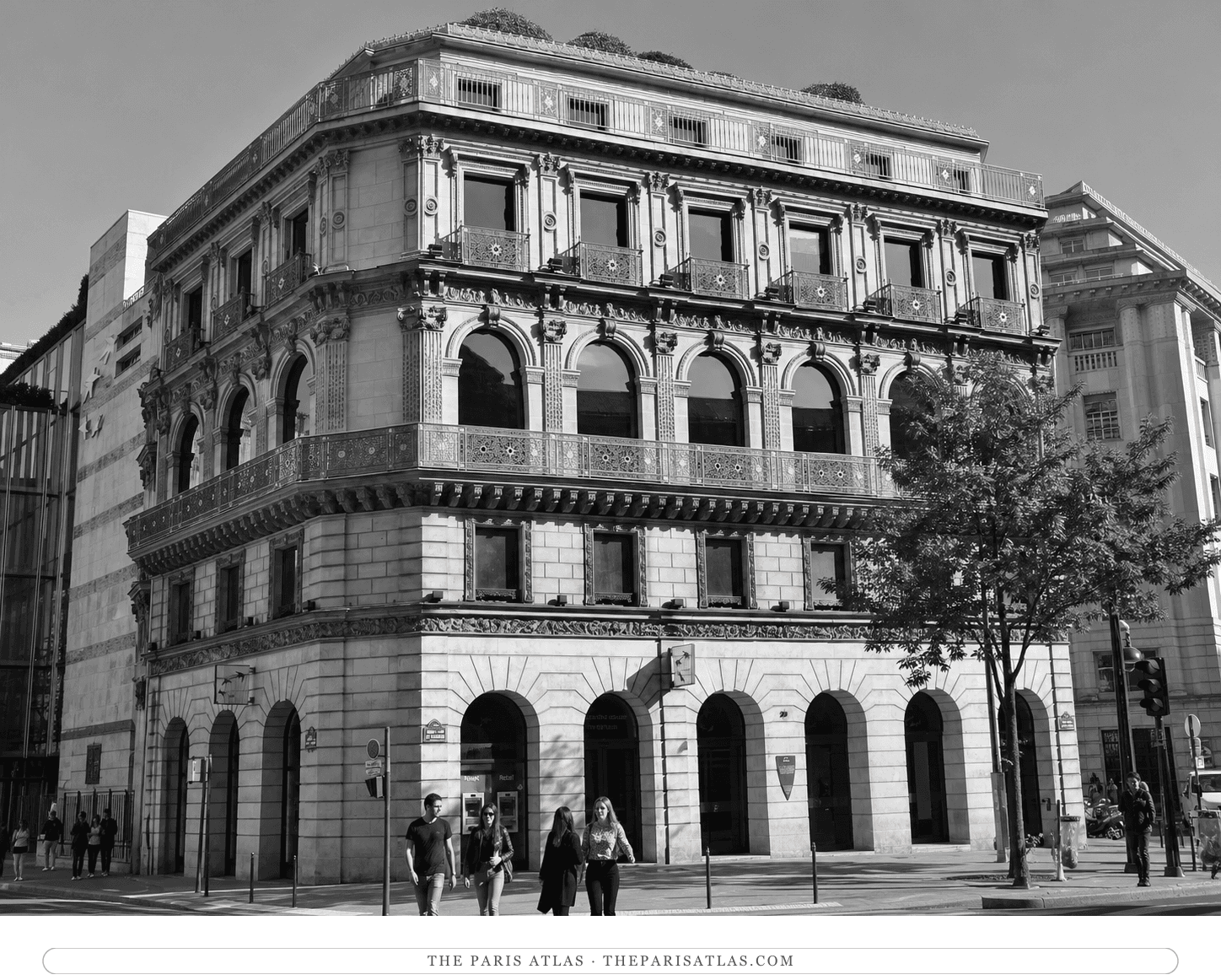
The luxury restaurant on the boulevard des Italiens whose upper rooms housed the eighth and last Impressionist exhibition in 1886 — the one Camille Pissarro helped organise, and where he brought the Neo-Impressionists into the group.
Visit the place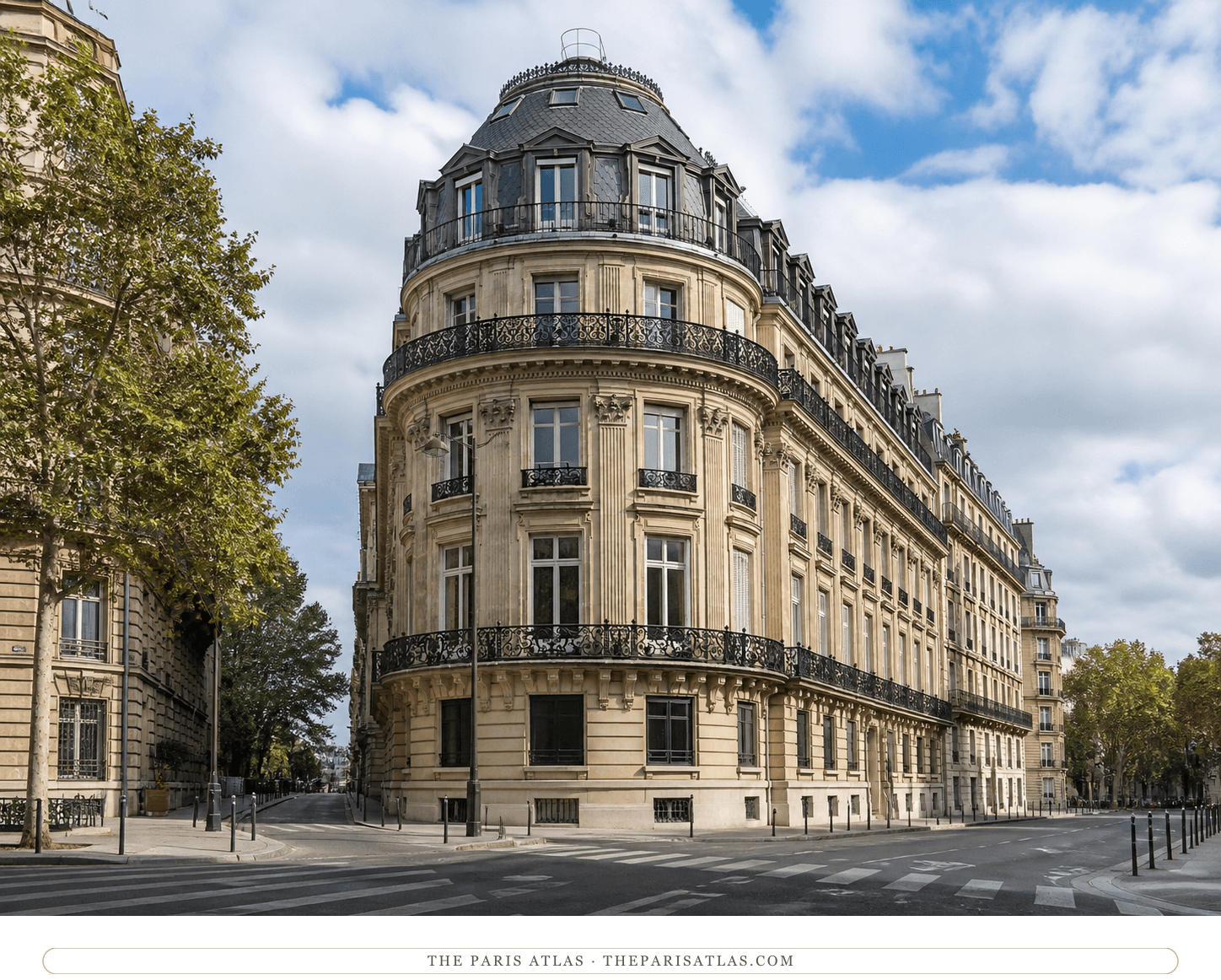
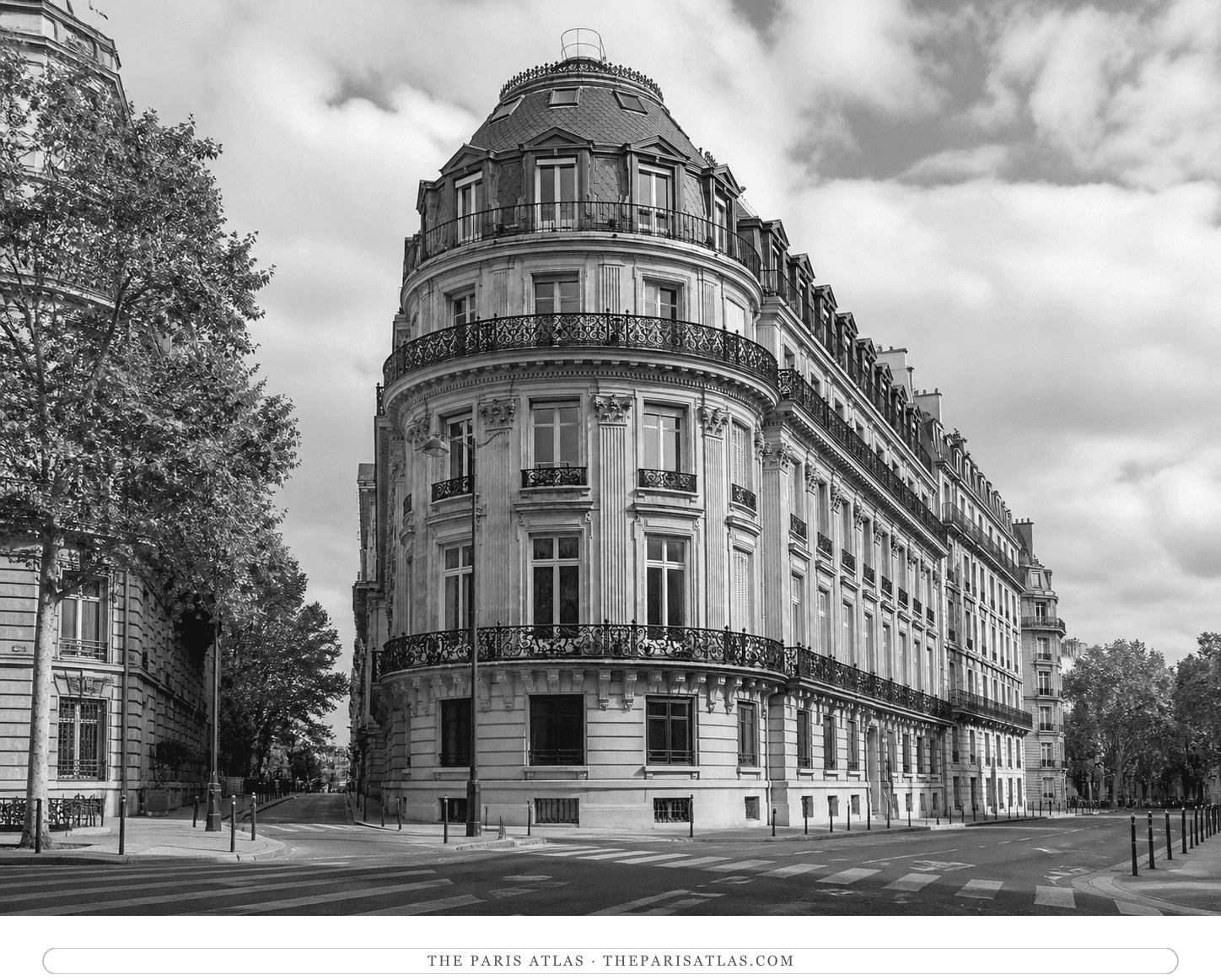
The sixth-floor apartment Gustave Caillebotte shared with his brother Martial after their mother's death — and the balcony from which he painted the boulevard looking almost straight down.
Visit the placeThe sources below include histories, archival materials, scholarly research, and official records that informed this page. They document Café Napolitain, the people connected to it, and its place in Paris.


Primary text included as part of the documented record for Café Napolitain.

Map data used to verify addresses, geographic coordinates, and the placement associated with Café Napolitain.
Official record used to verify names, dates, institutional details, or other factual information on this page.
Contemporary reporting or criticism used to document the historical reception and context of Café Napolitain.
These references provide the documented foundation for this page's history and context. Claim-level citations remain attached to the specific claims they support.
 Explore more resources
Newsletter
The cafés, studios, and walk-up flats where the work was made — one story from the map in every letter.