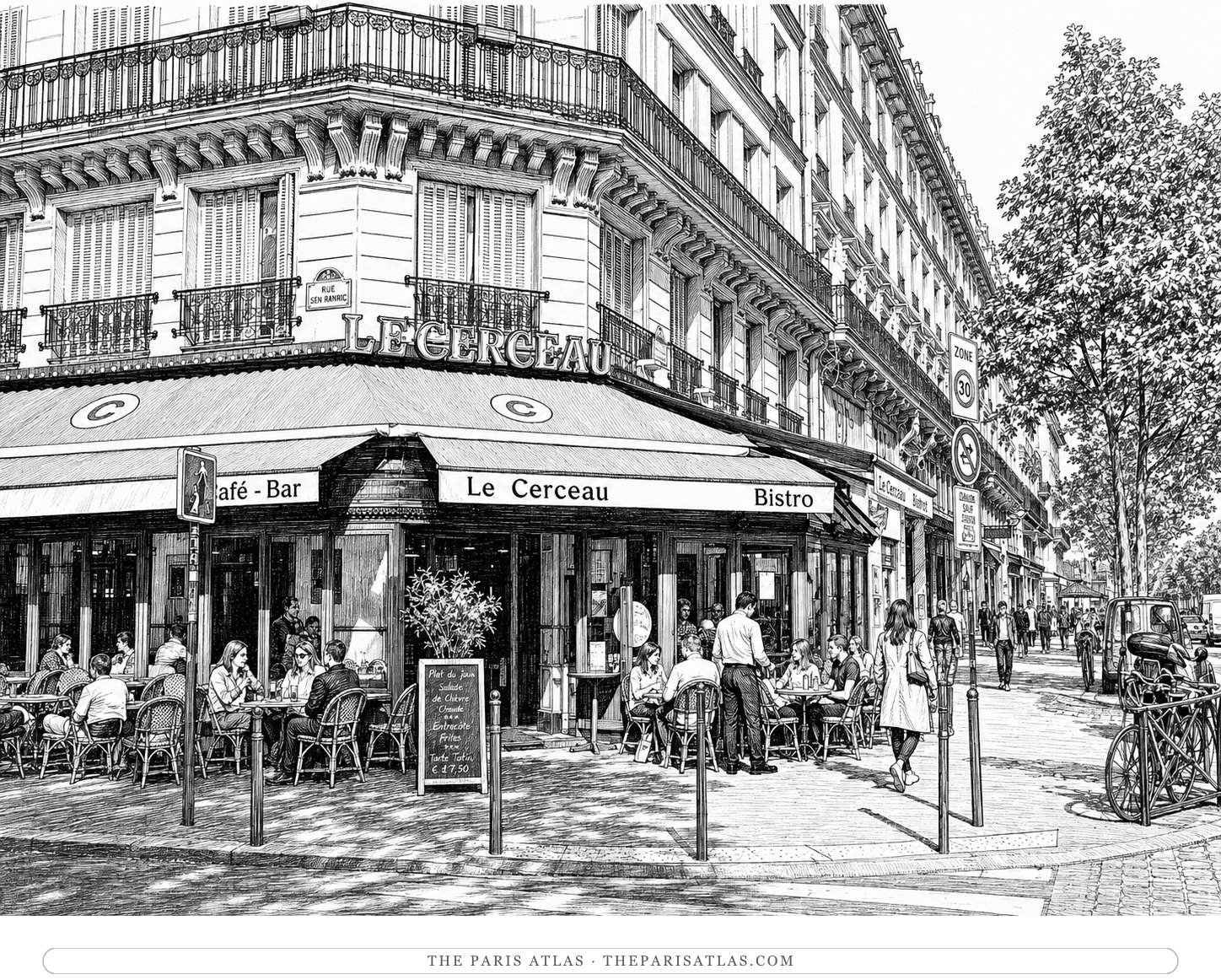

Setting of the story
Giovanni's Room
Where Giovanni hails a cab at dawn and takes David to his room for the first time. Baldwin names the boulevard once, and the whole novel follows from that ride.
The Haussmann boulevard running north from Châtelet, where David and Giovanni hail the cab that takes them to the room the novel is named for.
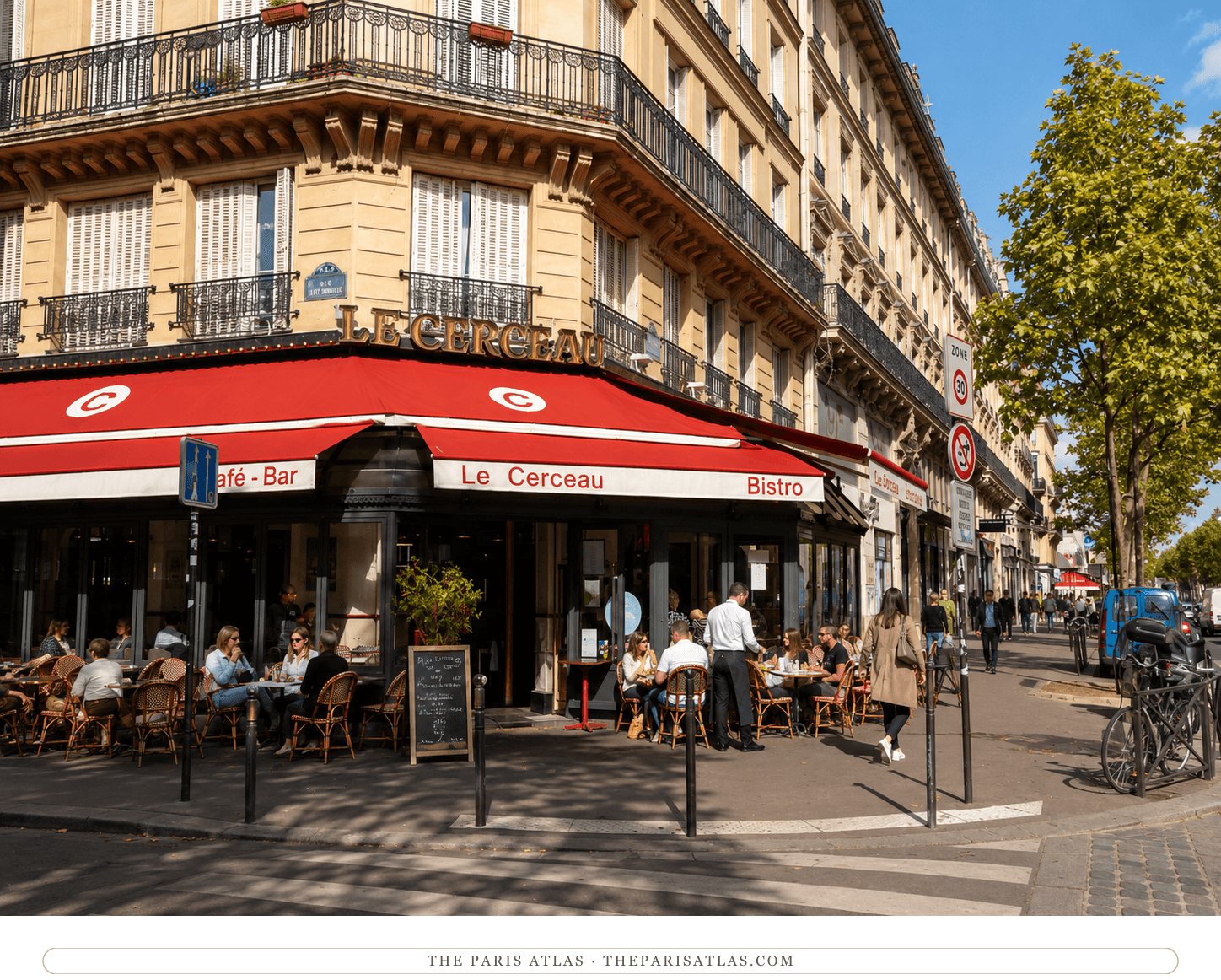
Boulevard de Sébastopol is one of the straight lines Baron Haussmann drew through the medieval city. It opened in 1858 as the northern arm of the grande croisée, the cross of boulevards meant to let traffic and troops move through a quarter that had been unnavigable on purpose, and it took its name from the siege of Sevastopol three years earlier. It runs a kilometre and a third from place du Châtelet up to the boulevard Saint-Denis, and it is a boundary as much as a street: the 1st and 2nd arrondissements lie on its western side, the 3rd and 4th on its eastern.
For most of its length it is an ordinary working boulevard, wide and loud, wholesale shops at street level. Since 2019 it has also carried one of the busiest bicycle routes in France, a two-way lane down the middle that on weekday mornings moves several thousand riders an hour. It is not a place people photograph. It is a place people cross.
In Giovanni's Room it gets one sentence, and the sentence turns the book.[1]
David and Giovanni have been up all night. They met a few hours earlier behind the bar where Giovanni works, they have eaten oysters at dawn in Les Halles with Jacques and Guillaume, and they are now walking, still talking, still playing at not deciding anything. Then Baldwin puts them on this boulevard:[1]
Giovanni has been teasing David for wanting to go home. He breaks off the teasing, puts up his hand for a cab coming down the boulevard, and says that David will have to see his room one of these days anyway. David notices, in the same moment, that Giovanni is nervous too. Then Giovanni pushes him into the taxi ahead of him, as though afraid he will turn and run, and gives the driver the address.
Everything the novel is about happens after that cab door closes. The room they are going to is the room of the title, the one David will live in and then flee, the one Giovanni will be evicted from and the one that ends with Guillaume dead and Giovanni waiting for the guillotine. Baldwin marks the threshold with a street name and nothing else. There is no scene here, no description of the boulevard, not even weather. Just the place where one of them stopped pretending and put his hand up for a taxi.
That economy is the point of naming it. Giovanni's Room is not a novel with an address book. Baldwin invents Guillaume's bar and gives it no location, leaves Giovanni's room itself somewhere vague in the outskirts, and names Madame Clothilde's restaurant without placing it. The real streets he does name — Sébastopol here, Les Halles, the American Express office at Opéra — are the ones where David is moving between two lives rather than living either. The boulevard is a crossing in both senses.[2]
There is nothing to look for at the spot. The buildings are Haussmann's, the traffic is heavier, and the cab would be an app now. What a reader can do is walk it: from Les Halles, where the oysters were, down to Châtelet and the river, which is the direction the two of them came from, at the hour when the wholesale market was closing and the rest of the city was getting up.
The siege of Sevastopol ends; the boulevard being cut through the quarter is named after it.
Boulevard de Sébastopol opens as the northern arm of Haussmann's grande croisée.
Giovanni's Room is published. David and Giovanni reach this boulevard at dawn and take a cab to Giovanni's room.
A two-way cycle lane is laid down the centre; it becomes one of the most-ridden routes in the country.
Setting of the story
Where Giovanni hails a cab at dawn and takes David to his room for the first time. Baldwin names the boulevard once, and the whole novel follows from that ride.
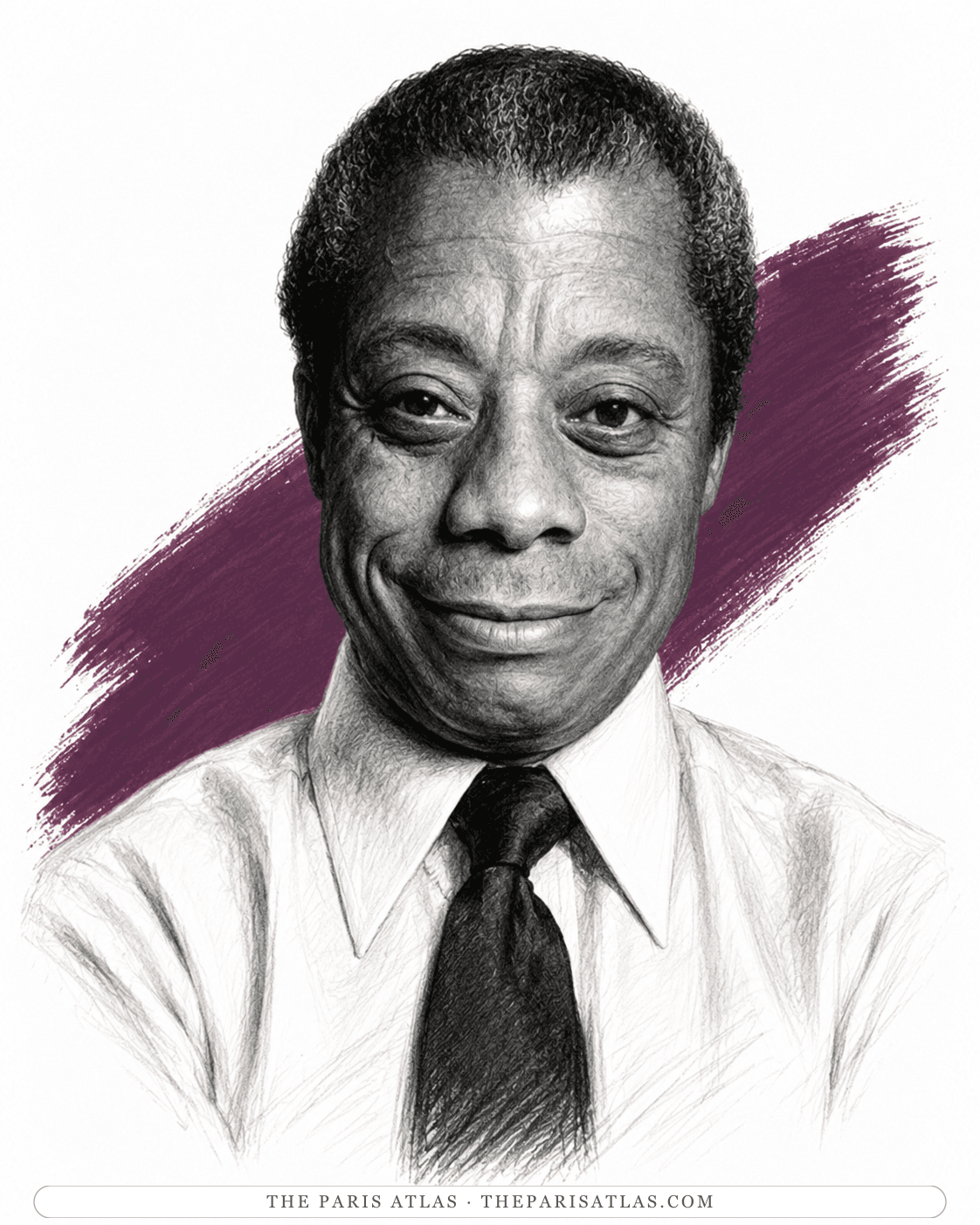
James Baldwin wrote about Boulevard de Sébastopol in Giovanni's Room.
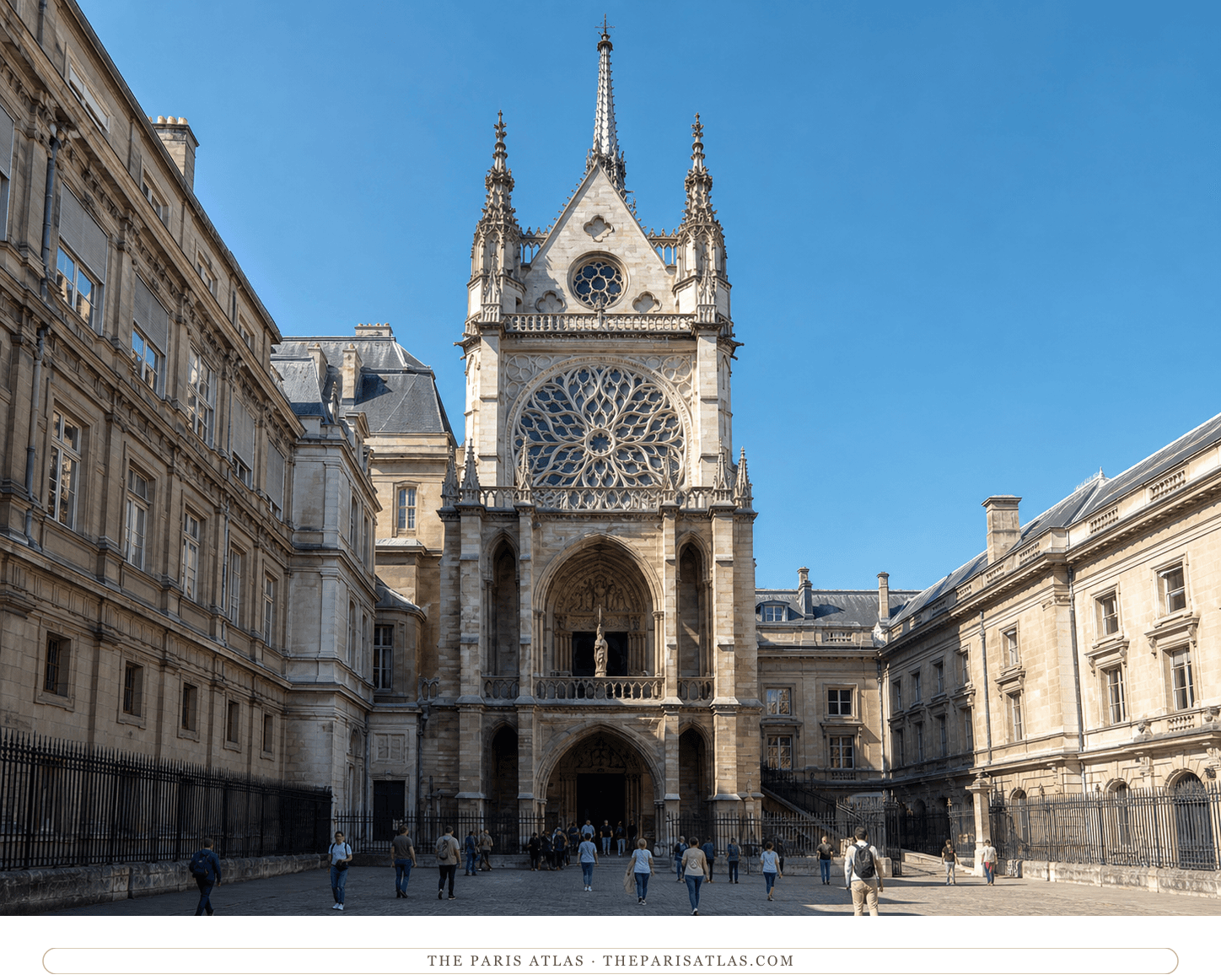
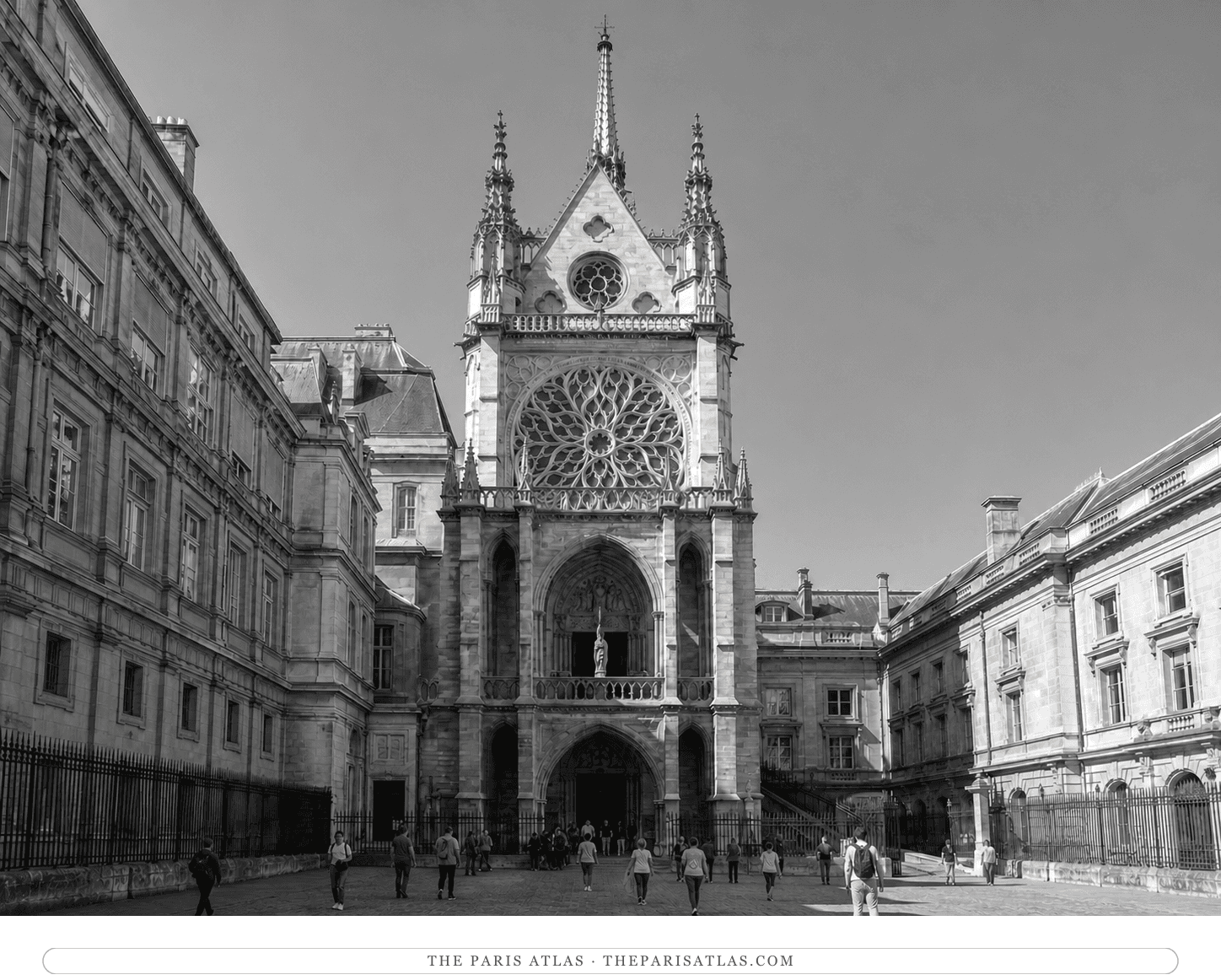
A royal chapel on the Île de la Cité, built by Louis IX in under seven years to hold the Crown of Thorns — a relic that cost more than twice what the building did. Its upper chapel has fifteen windows carrying 1,113 stained-glass scenes, two-thirds of them medieval. Open 9 a.m.–7 p.m. in summer and 9 a.m.–5 p.m. in winter; €16 for EEA visitors, €22 otherwise.
Visit the place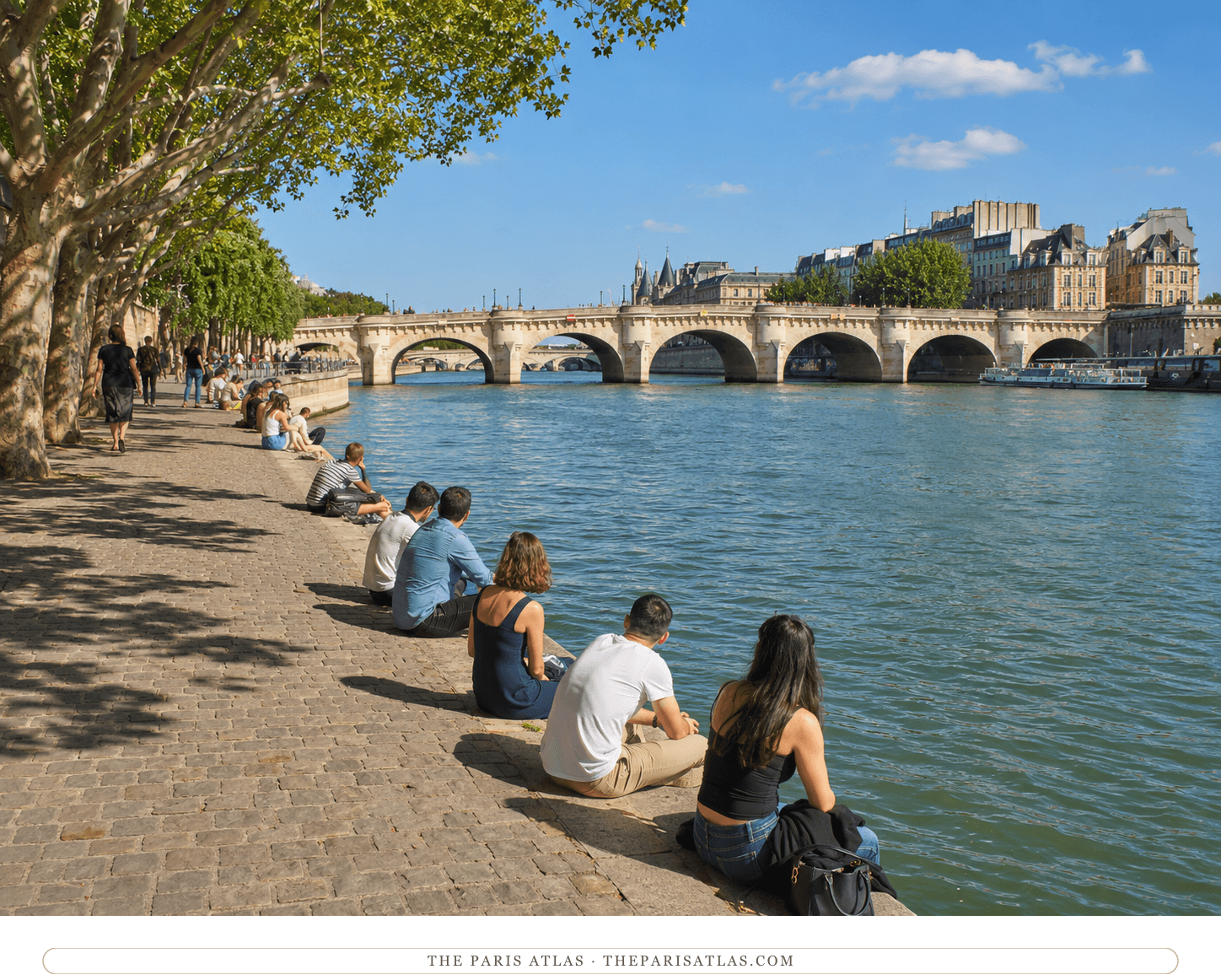
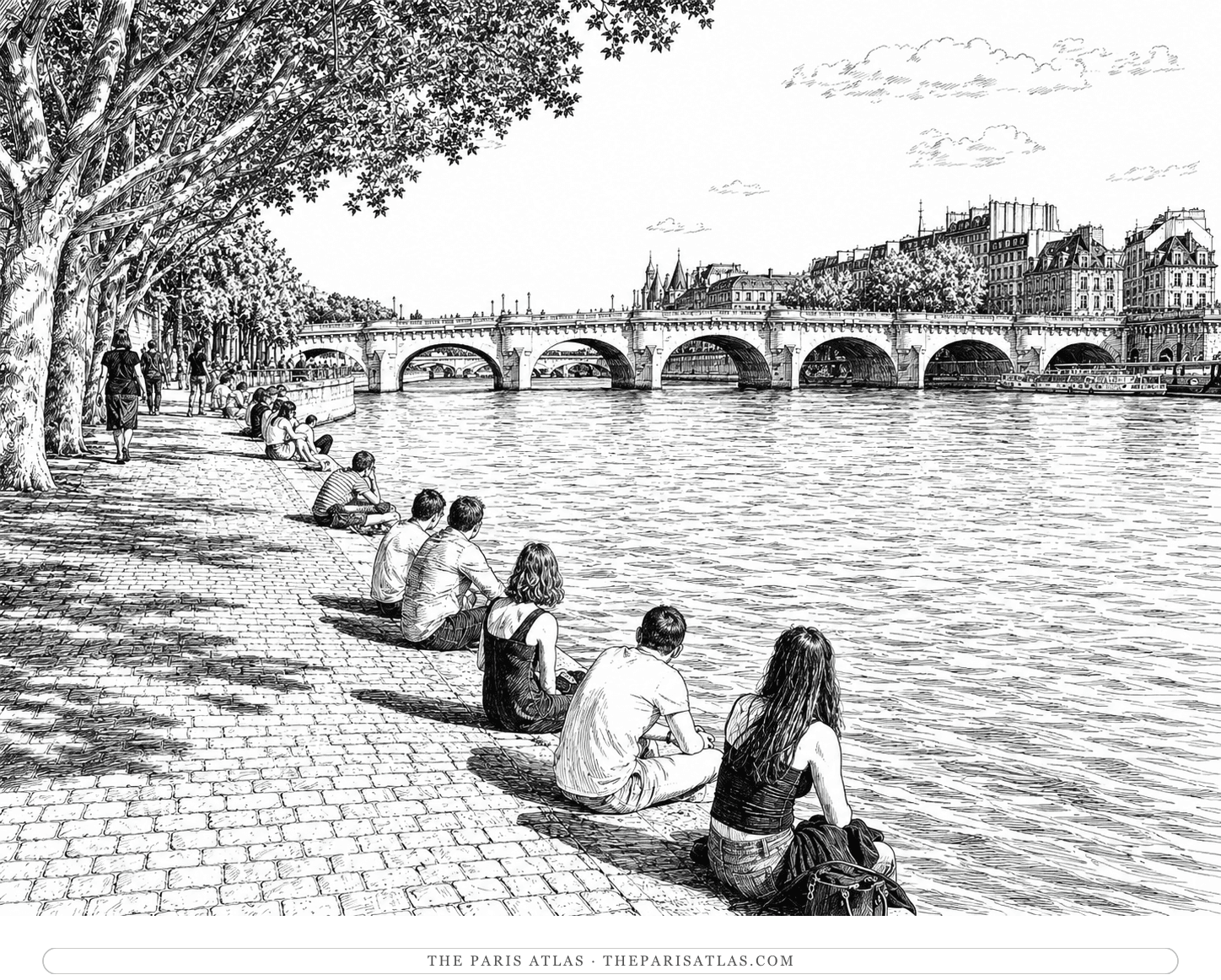
The river through Paris, and the thread that runs the length of Giovanni's Room: the crossing at dawn, the men sleeping under the bridges, and the barge where Giovanni is caught.
Visit the place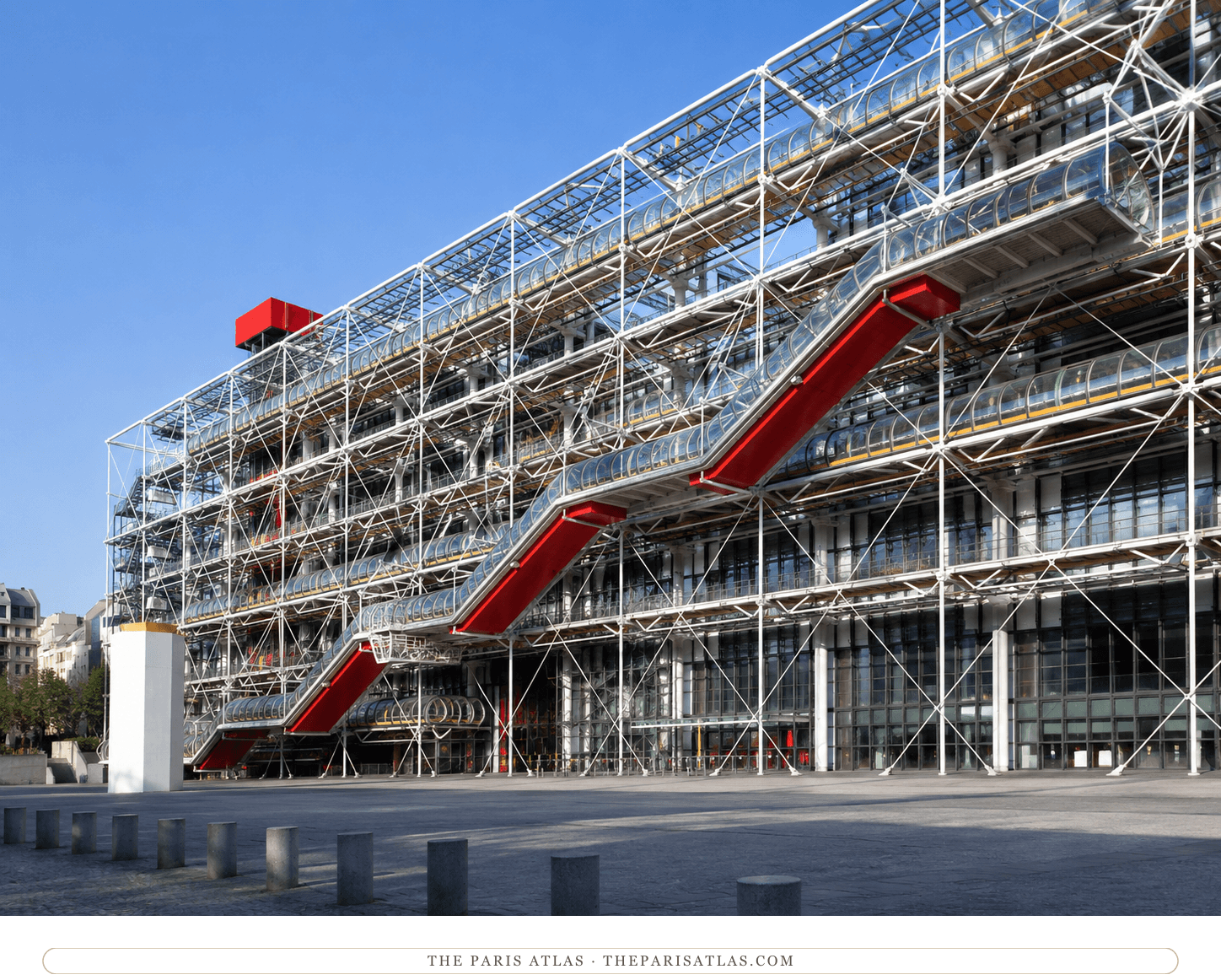
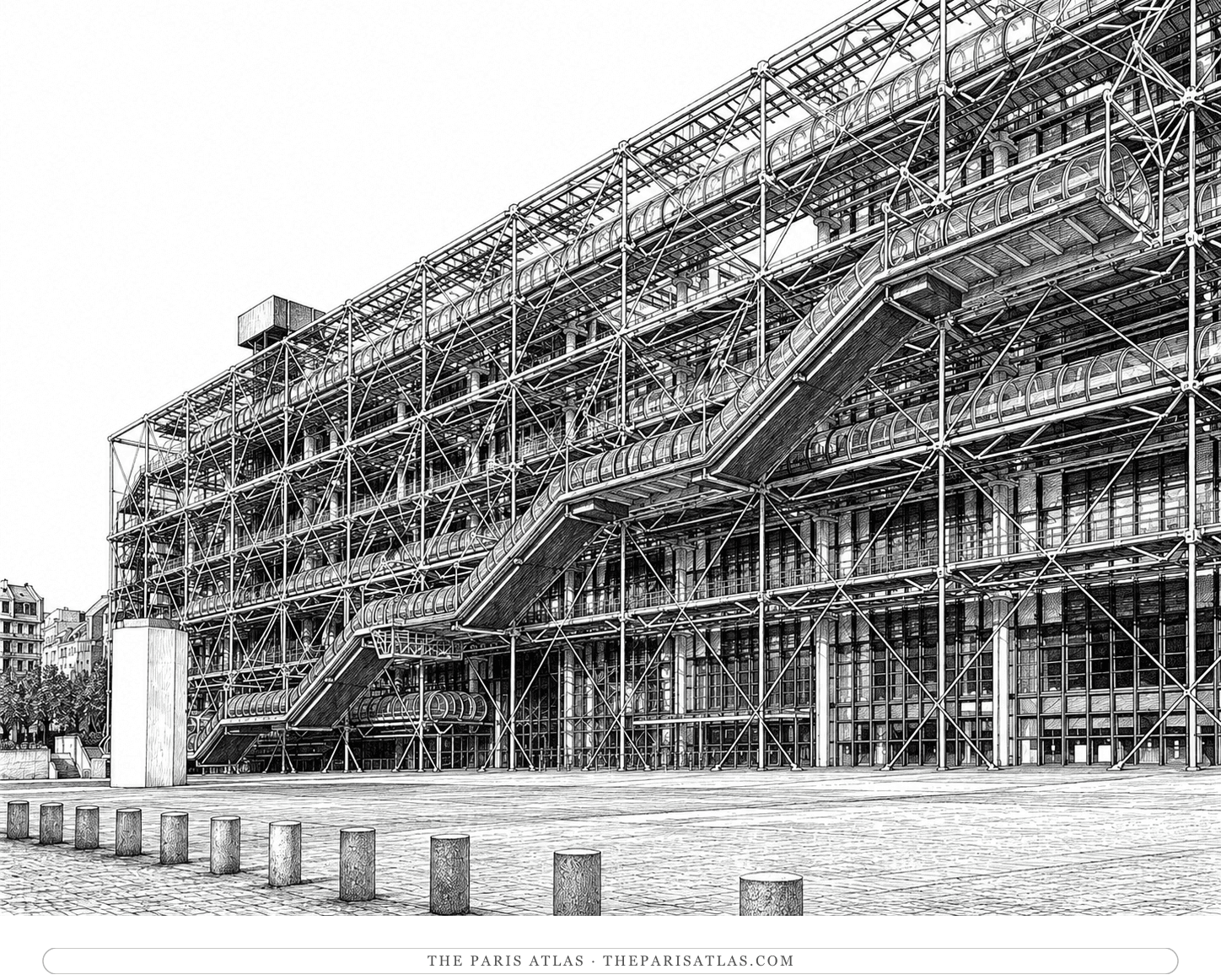
The inside-out building of 1977 that houses the Musée national d'art moderne, closed for a five-year renovation since September 2025.
Visit the place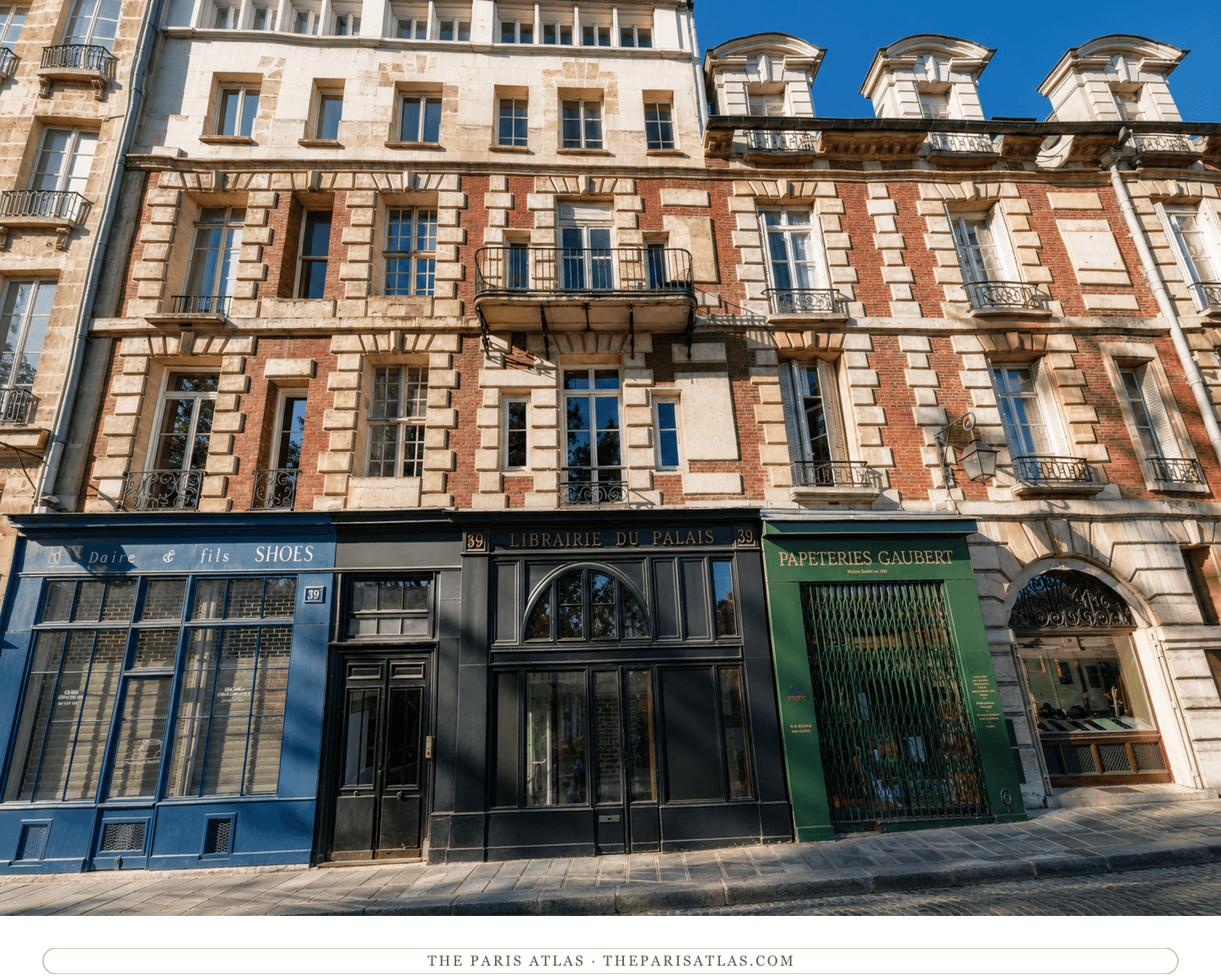
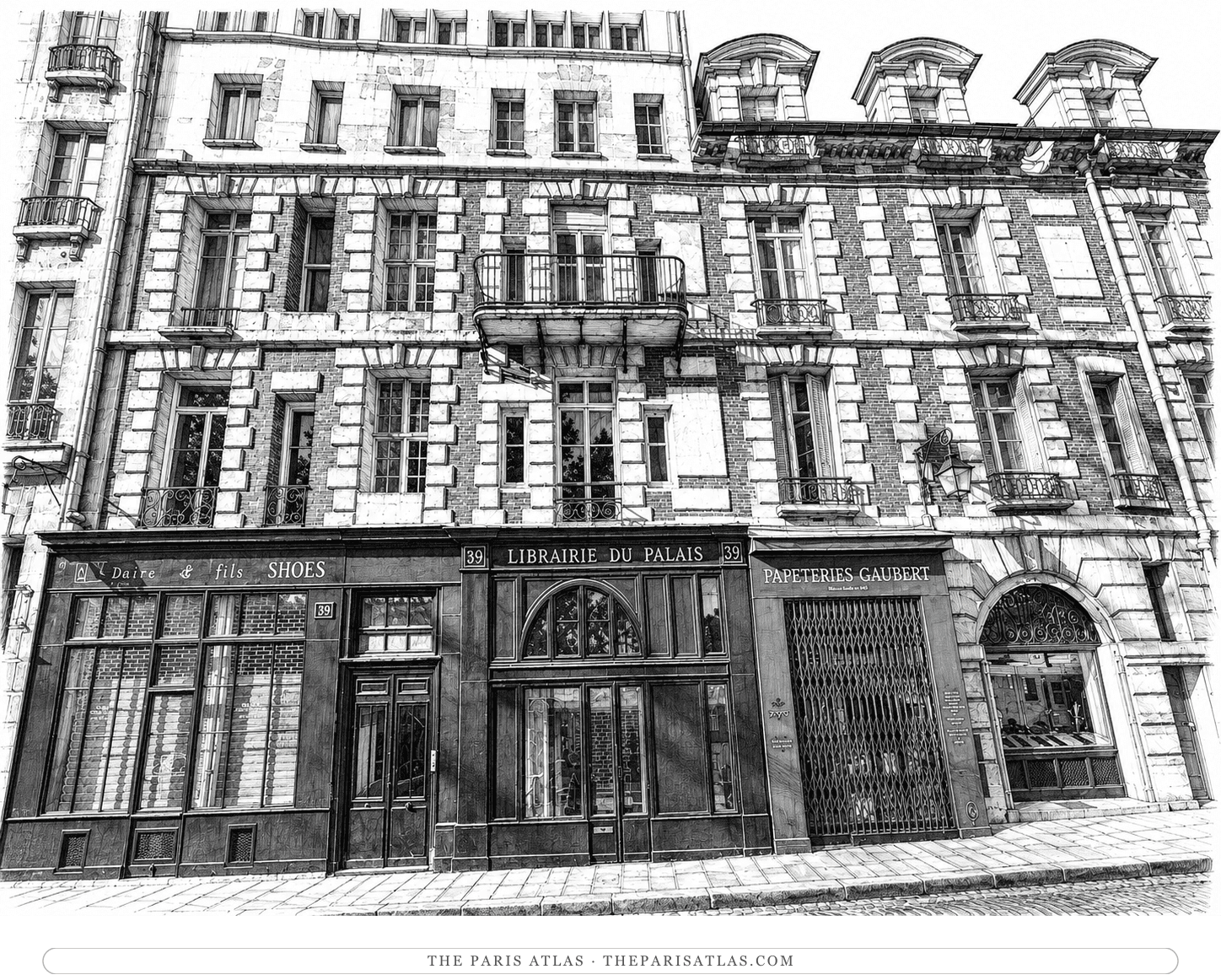
Daniel Halévy's literary salon on the Île de la Cité, where D. H. Lawrence went to a tea in March 1929 and met François Mauriac. It produced the only line about Paris that anyone quotes him on.
Visit the placeThe sources below include histories, archival materials, scholarly research, and official records that informed this page. They document Boulevard de Sébastopol, the people connected to it, and its place in Paris.


Web source consulted for documented facts and historical context presented on the Boulevard de Sébastopol page.
Web source consulted for documented facts and historical context presented on the Boulevard de Sébastopol page.

Published analysis and historical context used in preparing the Boulevard de Sébastopol page.
These references provide the documented foundation for this page's history and context. Claim-level citations remain attached to the specific claims they support.
 Explore more resources
Newsletter
The cafés, studios, and walk-up flats where the work was made — one story from the map in every letter.