The Paris AtlasCharting the artists, works, and places worth returning to.
Cover of The Price of the Ticket by James Baldwin

The Price of the Ticket

Collected Nonfiction 1948–1985

by James Baldwin

Thirty-seven years of essays in one volume, assembled by Baldwin two years before he died — the single book to own if you are only owning one.

Published
1985
Pages
712
Shelf rating
4.7

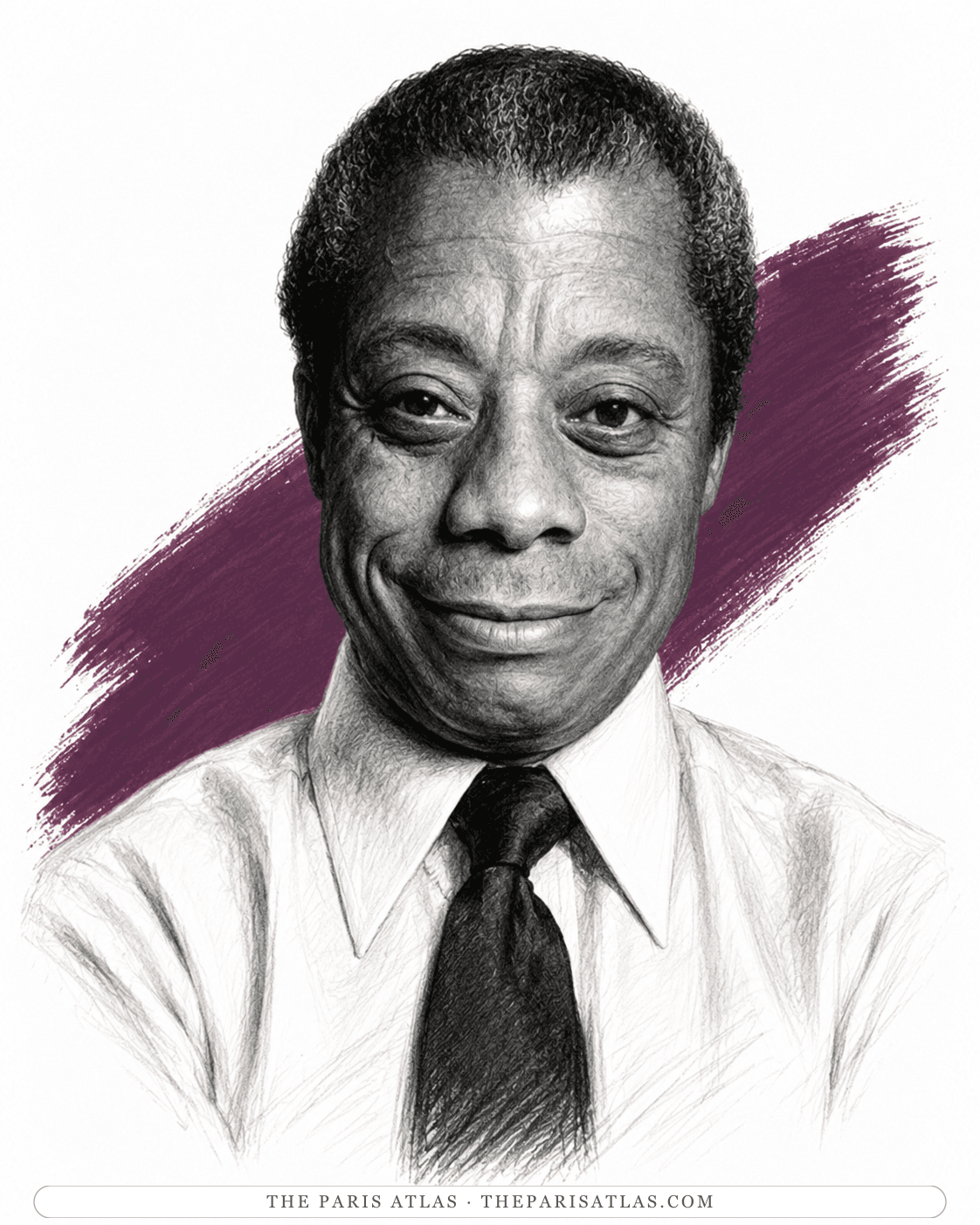
About James Baldwin

Illustrated portrait of James Baldwin

The story, briefly

Spoiler-free

The collected non-fiction, published by St. Martin's Press in 1985 and running past seven hundred pages. It reprints Notes of a Native Son, Nobody Knows My Name, The Fire Next Time, No Name in the Street and The Devil Finds Work essentially in full, and adds around forty-six further pieces written between 1948 and 1985 that had never been gathered. Baldwin put it together himself and wrote a new title essay for it.

The story, in more detail

The value of the volume is the uncollected half. The five books it reprints are all in print separately; what is not otherwise available is the thirty-seven years of magazine work around them, from the first pieces he published in his early twenties to essays finished the year it came out.

It is arranged chronologically rather than by book, so the individual collections are dissolved into the run. That is the argument the volume makes: read straight through, it shows a position being worked out and revised over four decades rather than five separate statements of it.

Baldwin was sixty-one and had two years to live. It is the last shape he gave his own work.

Themes and analysis

These readings discuss events throughout the book, including its ending.

The painter’s open door

In the title essay's first-visit passage, Delaney's doorway becomes a way of imagining an artistic future. Baldwin arrives frightened, after recalling an exhausting job and a home he dreads returning to. His description of the painter's gaze briefly turns that fear into a comic inventory of exposed organs; then a smile changes the encounter. The repeated opening of the door moves from a physical invitation to a larger possibility. Delaney offers no career lecture in this passage. His living presence as a Black artist makes a life visible that the younger Baldwin had not previously seen embodied.

The title essay recalls Baldwin’s first visit to Beauford Delaney’s Greenwich Village studio as a teenager. This imagined welcome draws on that encounter; the precise poses, room arrangement and painting are interpretive. (Illustration — The Paris Atlas)

A voice from the bleachers

The Actors' Studio passage in “Sweet Lorraine” introduces Hansberry through an act of judgment rather than a list of achievements. Her position high in the bleachers contrasts with the prestige of the theatrical figures she challenges: authority comes from what she is willing to defend, not where she sits. Baldwin then shifts from her public disagreement to the gentleness of their conversation. Those qualities reinforce each other. His contrast between professional advancement and fidelity to an artistic purpose makes her support more than reassurance; it is an example of the independence the tribute values.

In “Sweet Lorraine,” Baldwin remembers Hansberry defending a workshop production of Giovanni’s Room at the Actors’ Studio in the winter of 1957–58. Her seat high in the bleachers anchors this imagined view; the gestures and room layout are artistic choices. (Illustration — The Paris Atlas)

Why we recommend it

  1. It is the most useful Baldwin volume to own

    Five books plus everything that never made it into one, for the price of about two of them. If a shelf is only going to hold one Baldwin, this is the one.

  2. The uncollected essays are the reason

    Around forty-six pieces spanning thirty-seven years that are not in any of the individual books, including work from his early twenties before he had published a novel.

  3. He chose the order

    Baldwin arranged it two years before he died. Reading it straight through is as close as the work gets to an autobiography.

What this book explores

Real people in this book

The real people this book portrays, dedicates itself to, or draws from — every connection carries its source.

Illustrated portrait of Martin Luther King Jr.

Martin Luther King Jr.

  • Activist
  • Religious leader

Depicts

The collection carries "The Dangerous Road Before Martin Luther King" (Harper's, February 1961), Baldwin's only standalone profile of King — reported in Atlanta and Montgomery, and written before either man knew how the decade would end.

— James Baldwin, The Price of the Ticket: Collected Nonfiction, 1948–1985 (1985), The Dangerous Road Before Martin Luther King (1961)

Timeline

  1. 1948

    The earliest pieces collected here are published; Baldwin is twenty-four and leaves for Paris.

  2. 1985

    St. Martin's Press publishes The Price of the Ticket, assembled and introduced by Baldwin himself.

  3. 1987

    Baldwin dies at Saint-Paul-de-Vence, two years after the volume appears.

  4. 2021

    Beacon Press brings it back into print.

Book editions

Hardcover
Hardcover
St. Martin's Press
1985
First edition, 704 pages.
Paperback edition cover
Paperback
Beacon Press
2021
ISBN-13
9780807006566
The current edition, 712 pages.

Reader reviews

Loading reviews…

Recommended alongside Jimmy's Blues and The Cross of Redemption.

The Price of the Ticket: frequently asked questions

What is The Price of the Ticket?

James Baldwin's collected non-fiction, published in 1985. It gathers thirty-seven years of essays, reprinting Notes of a Native Son, Nobody Knows My Name, The Fire Next Time, No Name in the Street and The Devil Finds Work in full, and adding roughly forty-six pieces that had not been collected anywhere. It runs to just over seven hundred pages.

Is it worth buying if I already have the individual books?

It depends how many you have. The five books it reprints are all still in print separately, so the reason to buy this one is the uncollected material — around forty-six essays from 1948 to 1985 that are not available in the individual collections. If you own two or three of the books already, the volume is still the cheaper way to get the rest plus everything else.

Which books does it contain in full?

Notes of a Native Son (1955), Nobody Knows My Name (1961), The Fire Next Time (1963), No Name in the Street (1972) and The Devil Finds Work (1976).

Did Baldwin put it together himself?

Yes. He selected and ordered the contents and wrote the title essay for the volume, at sixty-one. He died two years later, which makes this the last arrangement he gave his own work.

How is it organised?

Chronologically by when each piece was written, rather than book by book. The original collections are broken up as a result, and the volume reads as one continuous run from his early twenties to his sixties.

Is it still in print?

Yes. Beacon Press reissued it in 2021 at 712 pages. The 1985 St. Martin's Press first edition ran to 704.

If you like James Baldwin

Explore authors with a similar voice, perspective, and influence.

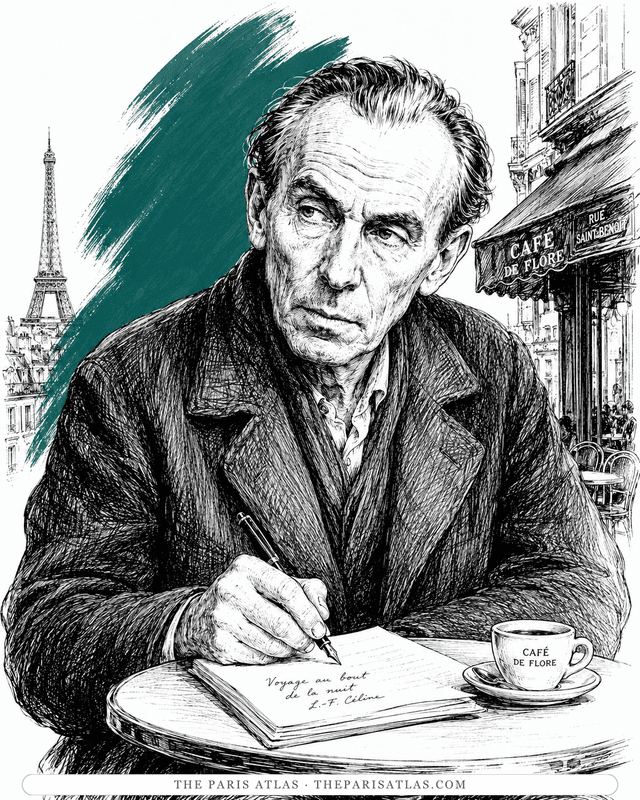
  • Illustrated portrait of Louis-Ferdinand Céline

    Louis-Ferdinand Céline

    The doctor of the Paris slums who wrote the century's blackest, funniest novel — and changed the sound of French prose.

    View author
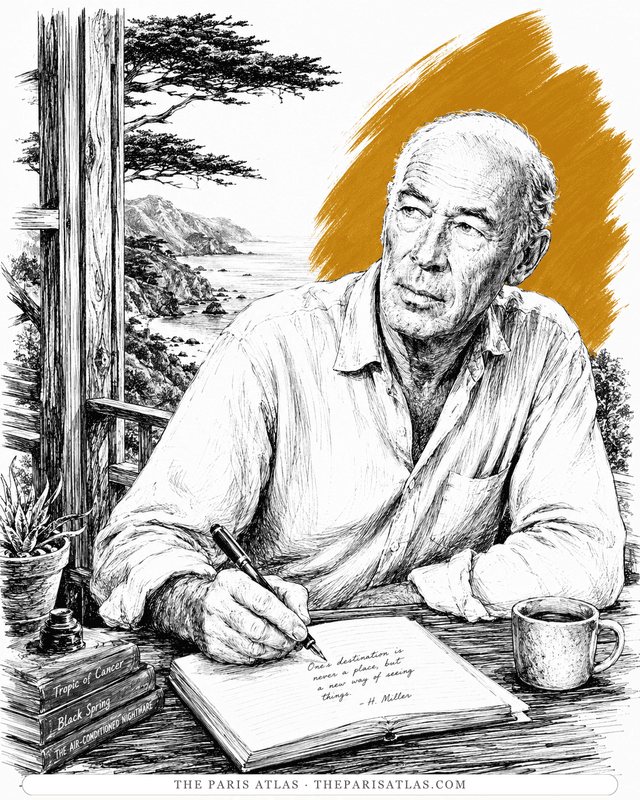
  • Illustrated portrait of Henry Miller

    Henry Miller

    The Brooklyn dropout who arrived in Paris broke at thirty-eight and wrote the exuberant, banned books that ended American censorship.

    View author
  • Illustrated portrait of Ernest Hemingway

    Ernest Hemingway

    Author of The Sun Also Rises and A Moveable Feast; his pared-down style, developed in 1920s Paris, became the most imitated in American prose.

    View author
References

References

The sources below include the primary text, editions, scholarship, archival materials, and other records that informed this page. They document The Price of the Ticket, its publication, and its place in literary history.

  1. 1The Price of the Ticket: Collected Nonfiction, 1948–1985

    Essays
    St. Martin's Press, 1985
    Used for

    Published analysis and historical context used in preparing the The Price of the Ticket page.

  2. 2James Baldwin papers, 1936–1992 (Sc MG 936), finding aid

    Archive
    Schomburg Center for Research in Black Culture, The New York Public Library
    Used for

    Used for archival and bibliographic context surrounding The Price of the Ticket within Baldwin's papers and career.

    View source
  3. 3Chicago Public Library — James Baldwin Biography

    Website
    Used for

    Used for independent biographical and publication context for The Price of the Ticket.

    View source
  4. 4Baldwin in France

    Website
    National Museum of African American History and Culture
    Used for

    Used to connect The Price of the Ticket to Baldwin's transatlantic life and intellectual development.

    View source
  1. 5Baldwin, James Arthur

    Website
    The Martin Luther King, Jr. Research and Education Institute, Stanford University
    Used for

    Used to verify James Baldwin's bibliography and place The Price of the Ticket within the broader chronology of James Baldwin's career.

    View source
  2. 6Two of a Kind: James Baldwin on Beauford Delaney — title-essay excerpt

    Website
    Yaddo News, Spring 2020, 2020
    Used for

    Primary excerpt from the title essay, visually checked in Yaddo News. The added reading concerns this first-visit passage, not the complete essay or volume.

    View source
  3. 7Sweet Lorraine — primary excerpt from Baldwin's tribute to Lorraine Hansberry

    Website
    Literary Ladies Guide
    Used for

    The primary excerpt's opening two paragraphs, on the Actors' Studio encounter. The reading does not rely on the site's surrounding biographical commentary or claim a complete-essay collation.

    View source
  4. 8The Price of the Ticket — library catalogue contents

    Website
    Bergen County Cooperative Library System
    Used for

    Library catalogue contents independently confirm the title introduction and Sweet Lorraine in this collection; not a source for literary interpretation.

    View source
i
Why these sources are here

The primary text is the baseline reference for every book page. Additional references document publication history, interpretation, and historical context where that evidence is available.

Explore more resources