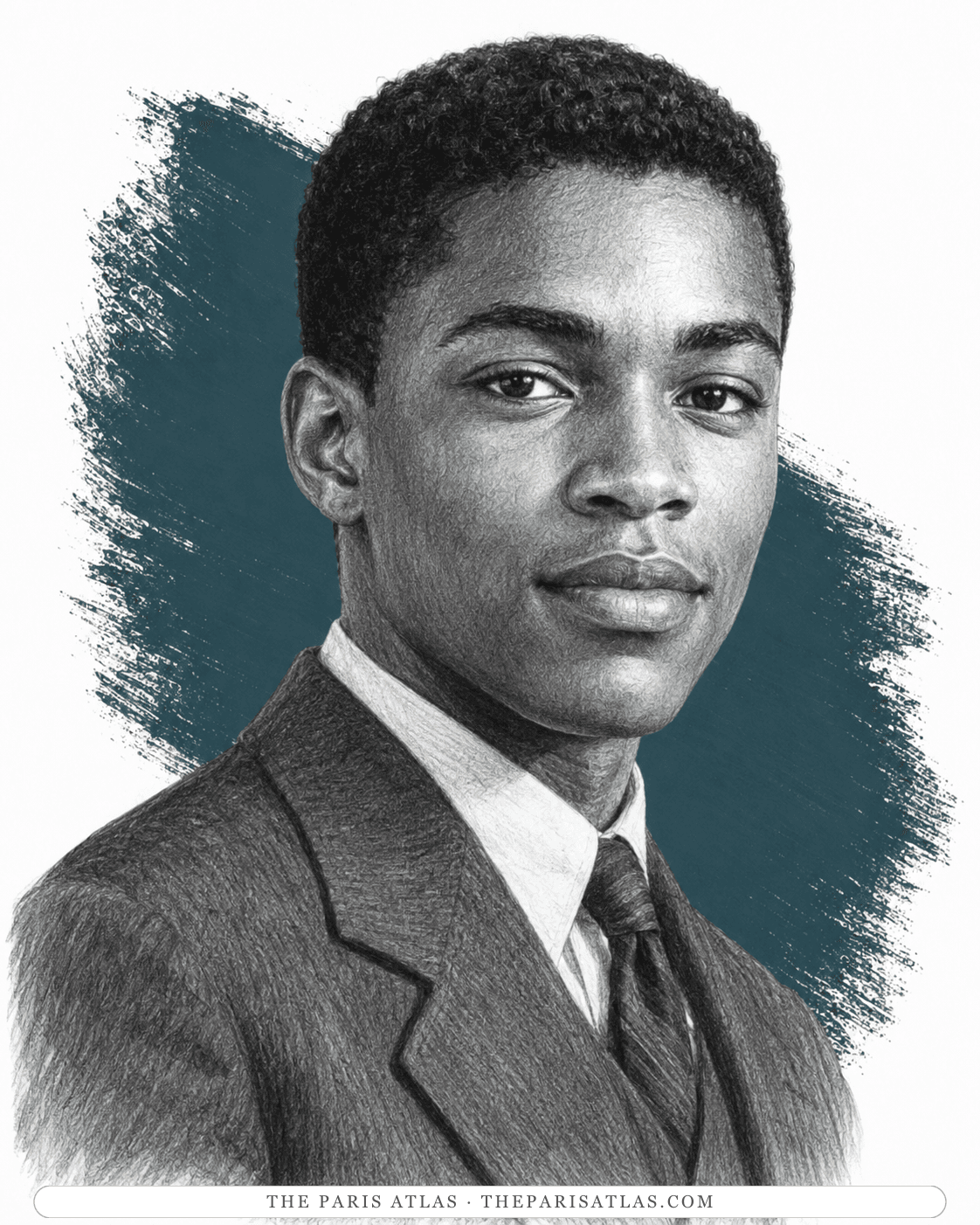
Brother Elisha
The young preacher at the Temple of the Fire Baptized whom John watches more closely than he admits.
To bring people in, and John especially. He tells John there is no greater joy anywhere than the service of the Lord, and says he tells the girls at his school the same thing: the time to repent is not tomorrow, it is today.
The book

At a glance
- Sunday school teacher and young preacher at the Temple of the Fire Baptized, Harlem
- Seventeen; three years older than John
- Georgia, lately arrived. The pastor's nephew
- At the age of eleven
- Good at mathematics and basketball
- With Ella Mae, by Father James, for walking out alone together
- Cleaning the church with John, when nobody else comes
Who they are in the book
Spoiler-freeBrother Elisha is seventeen, the pastor's nephew, and lately arrived from Georgia. He teaches the Intermediate Sunday school class at the Temple of the Fire Baptized in James Baldwin's first novel, plays the piano to open the Sunday service, and is already saved and already preaching. John Grimes, who is fourteen and in his class, does not follow the lesson because he is watching him.
The novel is direct about what that watching is. John admires the timbre of Elisha's voice, deeper and more grown than his own, and the leanness and grace and strength and darkness of him in his Sunday suit, and wonders whether he will ever be holy the way Elisha is holy. When Elisha stops to ask him a question in class his palms sweat and his heart hammers.
Elisha has already had his own public trouble. One Sunday the pastor stopped the service to name him and a girl called Ella Mae as walking disorderly, and to warn them, in front of everyone, about the unripe fig plucked too early from the tree. They stopped meeting after school.
He is the one person in the book who is kind to John without wanting anything from it, and he spends the Saturday night of the novel on the church floor a few feet away from him.
How Brother Elisha Is Portrayed
- Seventeen and already a preacherThe pastor's nephew, not long arrived from Georgia, saved at the age of eleven. He is good at mathematics and basketball, which John is not, and he teaches the Sunday school class John and Roy sit in.
- How he comes into the churchStraight off a basketball court, slamming the door and stamping his feet, forehead polished with recent sweat and his hair standing up, wearing a green woollen sweater with his high school's letter on it and his shirt open at the throat.
- At the pianoSunday morning service begins when he sits down and raises a song. He hits the keys and starts singing at once, and everybody joins him, clapping and rising and beating tambourines.
- When he dancesHead thrown back, eyes closed, sweat on his brow, until he stiffens and cries out, strikes one last wild note and throws his hands up. Then he is on his feet, blind, the muscles leaping in his long dark neck, dancing while his sweat loosens the grease slicked down his hair. Sometimes he does not stop until he drops.
- The public warningFather James halted the service to say that he and Ella Mae had been walking disorderly, and warned them about the unripe fig. Elisha hung his head. Afterwards the two of them no longer met after school or spent Saturday afternoons in Central Park.
- WrestlingHe rushes John, catches him off balance, lifts him from the floor and tries to squeeze out his breath, smiling a smile that sets into a ferocious grimace. It ends in deadlock when his foot slips. The first thing he says afterwards is to ask whether he hurt him, and he splashes cold water on his face and neck.
- What he says salvation costsHe tells John that he is thinking about it with a carnal mind and still has Adam's mind, that he wants what his friends want, wants to go to the movies, and thinks about girls — reading the answer to that last one off John's face. And that when the Lord saves you He burns all the old Adam out and gives you a new mind and a new heart.
- What he doesn't doNo movies, no dancing, no cards, and he does not go behind the stairs with the girls at his school. He tells John, half amused, that they do not know what to make of old Elisha.
- Coming when he need notAs the pastor's nephew he is entitled to certain freedoms, and does not usually come near the church on a Saturday evening. The book says that in him it is a virtue that he comes at all. He and John are the only two who clean it.
- Under the powerKneeling near the piano at the tarry service, he cries out and falls backward. Two or three others cry out with him, and the service turns. Later, still on the floor, he begins to speak in tongues, and lies between John and his father while they stare at each other.
If you like Go Tell It on the Mountain


If you like James Baldwin
Explore authors with a similar voice, perspective, and influence.
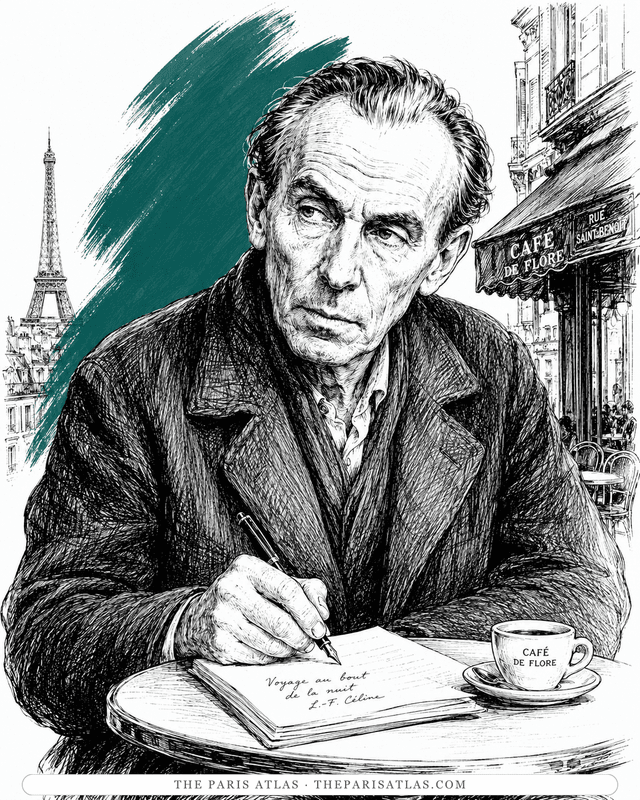
Louis-Ferdinand Céline
The doctor of the Paris slums who wrote the century's blackest, funniest novel — and changed the sound of French prose.
View author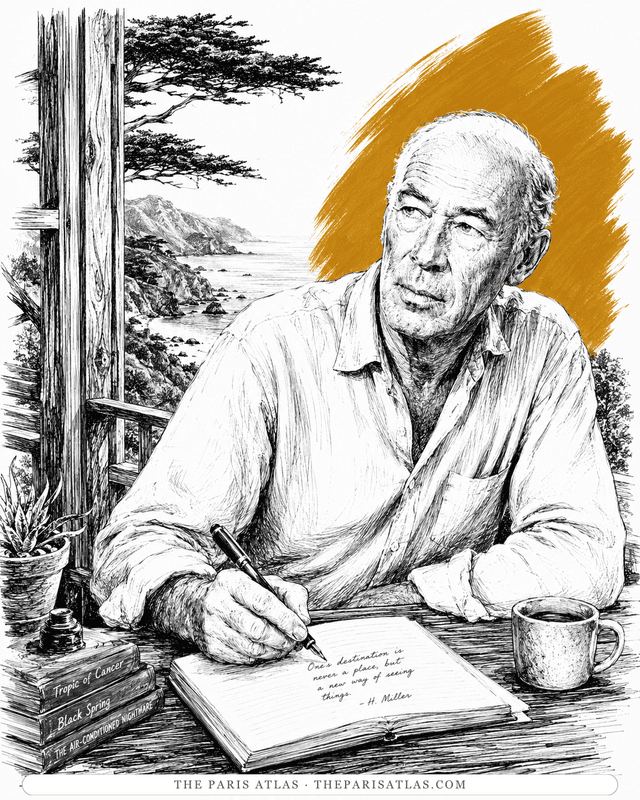
Henry Miller
The Brooklyn dropout who arrived in Paris broke at thirty-eight and wrote the exuberant, banned books that ended American censorship.
View author
Ernest Hemingway
Author of The Sun Also Rises and A Moveable Feast; his pared-down style, developed in 1920s Paris, became the most imitated in American prose.
View author