The Paris AtlasCharting the artists, works, and places worth returning to.
  • Journalist
  • Editor
· American · 1895–1951

Pauline Pfeiffer

Vogue Paris journalist and Hemingway's second wife, 1927–1940; the marriage spanned the Key West years, and A Moveable Feast's final chapter alludes to her without naming her.

In images

Details

Lived
1895–1951
Born
22 July 1895
Birthplace
Parkersburg, Iowa
Died
1 October 1951 · aged 56
Place of death
Hollywood, California
Nationality
American
Married
Ernest Hemingway · 1927–1940
Children
Patrick, Gregory
Roles
JournalistEditor
Also known as
Pauline Hemingway

About Pauline Pfeiffer

Pauline Pfeiffer came to Paris in early 1925 on assignment for Vogue. She was twenty-nine, held a degree from the University of Missouri School of Journalism, and had already worked as a copy editor in Cleveland and a reporter in New York. The job is why she was in the city at all, a fact the usual account of her life tends to skip.

She met Ernest Hemingway and his first wife Hadley Richardson through the expatriate circle that year, became a friend to both, and married him in 1927. The marriage lasted thirteen years and covered the most productive stretch of his working life. She read his drafts throughout it.

Before Paris

She was born in Parkersburg, Iowa, in 1895 and raised largely in St. Louis. At the Academy of the Visitation she took the school's English prize in 1913; five years later she graduated from Missouri's journalism school, the first in the country.

The working life that followed was ordinary newspaper apprenticeship, done in the usual order:

  • Copy editor, the Cleveland Press
  • Reporter, the New York Morning Telegraph
  • Vanity Fair, and then Vogue

By the time Vogue sent her to Paris she had spent seven years in print, much of it working on other people's sentences.

Spain, 1926

Pauline grew close to both Hemingways through 1925 and 1926, traveling with them and with the American expatriates around them. The friendship with Hadley was genuine, and it came first.

Gerald and Sara Murphy, Pauline, and the Hemingways in Spain, 1926 — the summer the first marriage ended. (Ernest Hemingway Photograph Collection, JFK Presidential Library · Public domain)

When Hadley learned of the affair she required the two of them to spend a period apart, and Pauline went home to her family in Piggott, Arkansas. Hemingway wrote to her there, and sent manuscripts. The separation did not hold. They married in Paris in May 1927, after she asked him to convert to Catholicism, which he did.

The first reader

In 1928 the Pfeiffers converted an unused barn at Piggott into a writing studio for their son-in-law, and Hemingway worked there on A Farewell to Arms. Pauline and his sister Sunny took the book through typescript together. "My sister and Pauline are both typing on the book today," he wrote that season, "and I will have 29 chapters in type by night."

It is worth being exact about what this was. Maxwell Perkins edited Hemingway for Scribner's and held the publishing credit. Pauline read the pages before the editor did, and her opinion carried. Hemingway later called her the best editor he ever worked with.

The clearest measure of what he thought of her judgement comes after the marriage had ended, when he was finishing For Whom the Bell Tolls and she was no longer reading anything of his.

Pauline hates me so much now she would not read it and that's a damn shame because she has the best judgement of them all.

Ernest Hemingway

After

The marriage ended in 1940, the year Martha Gellhorn replaced her, and Pauline kept the Key West house and raised their two sons, Patrick and Gregory.

She died in Hollywood on 1 October 1951, aged fifty-six, after being taken to hospital during the night. The cause was reported at the time as a brain hemorrhage. Gregory, by then a physician, later read his mother's autopsy record and concluded that she had died of a pheochromocytoma — a rare tumour of the adrenal gland, undiagnosed, which can drive blood pressure to fatal levels. The second account is the one medicine now accepts.

Hawkins wrote the only full biography of Pauline and built the museum at the Piggott house, which makes her the closest thing the marriage has to an authority. (Arkansas TV)

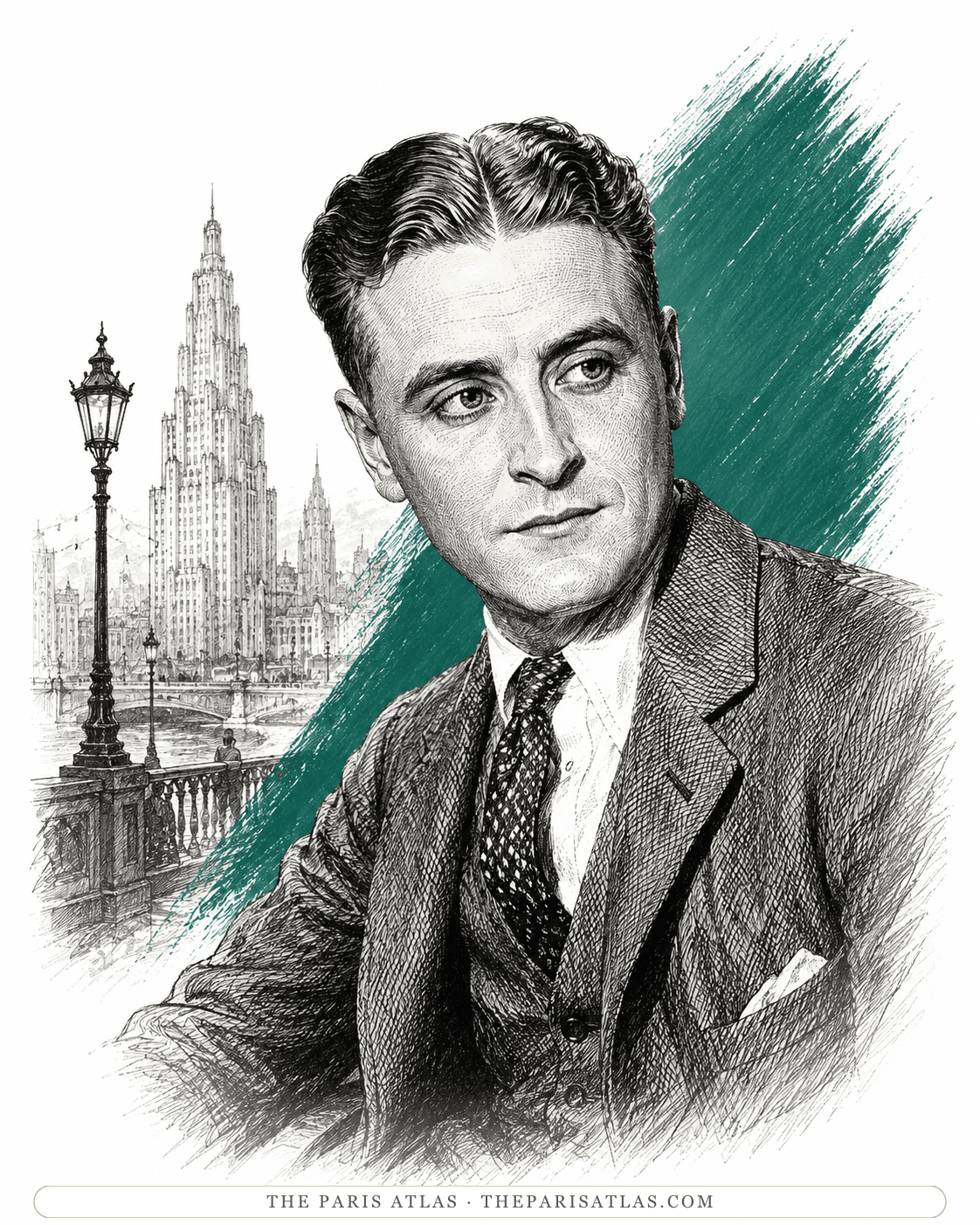
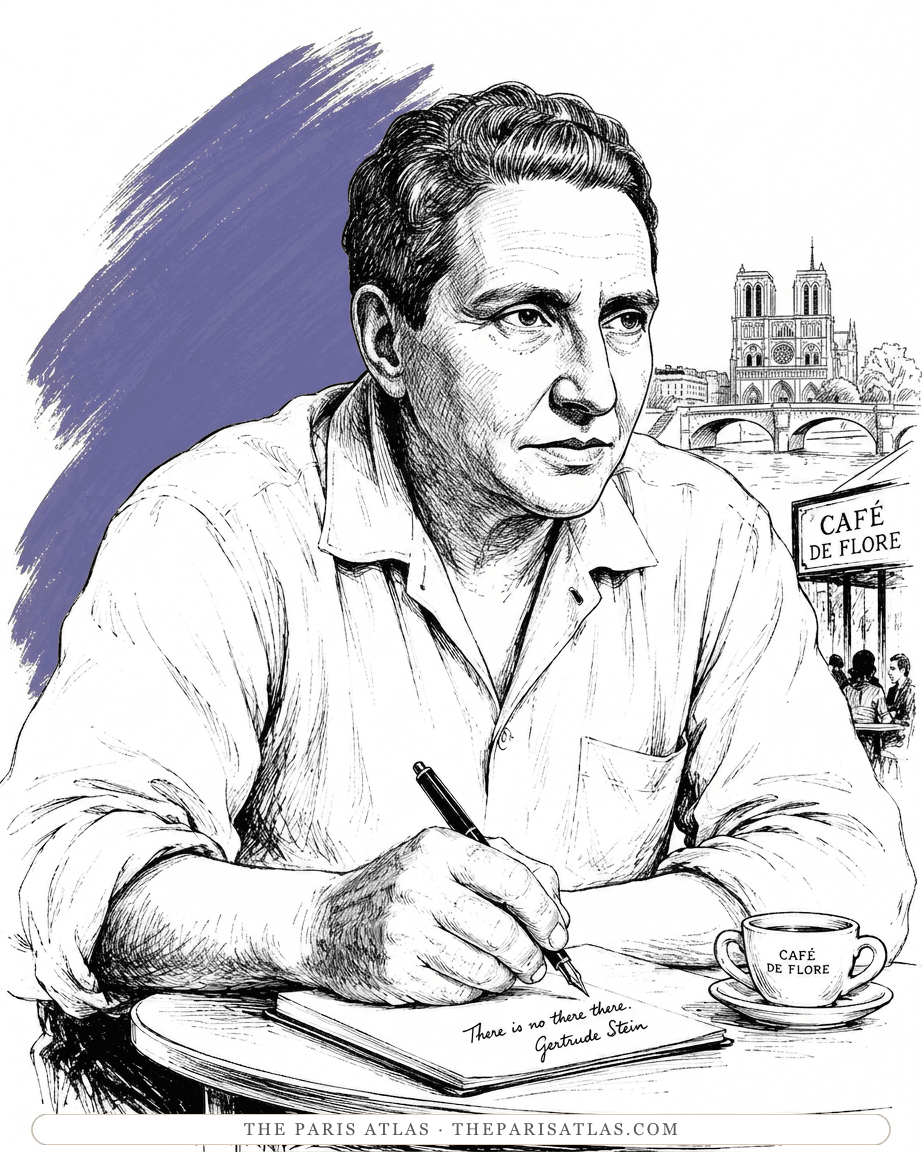
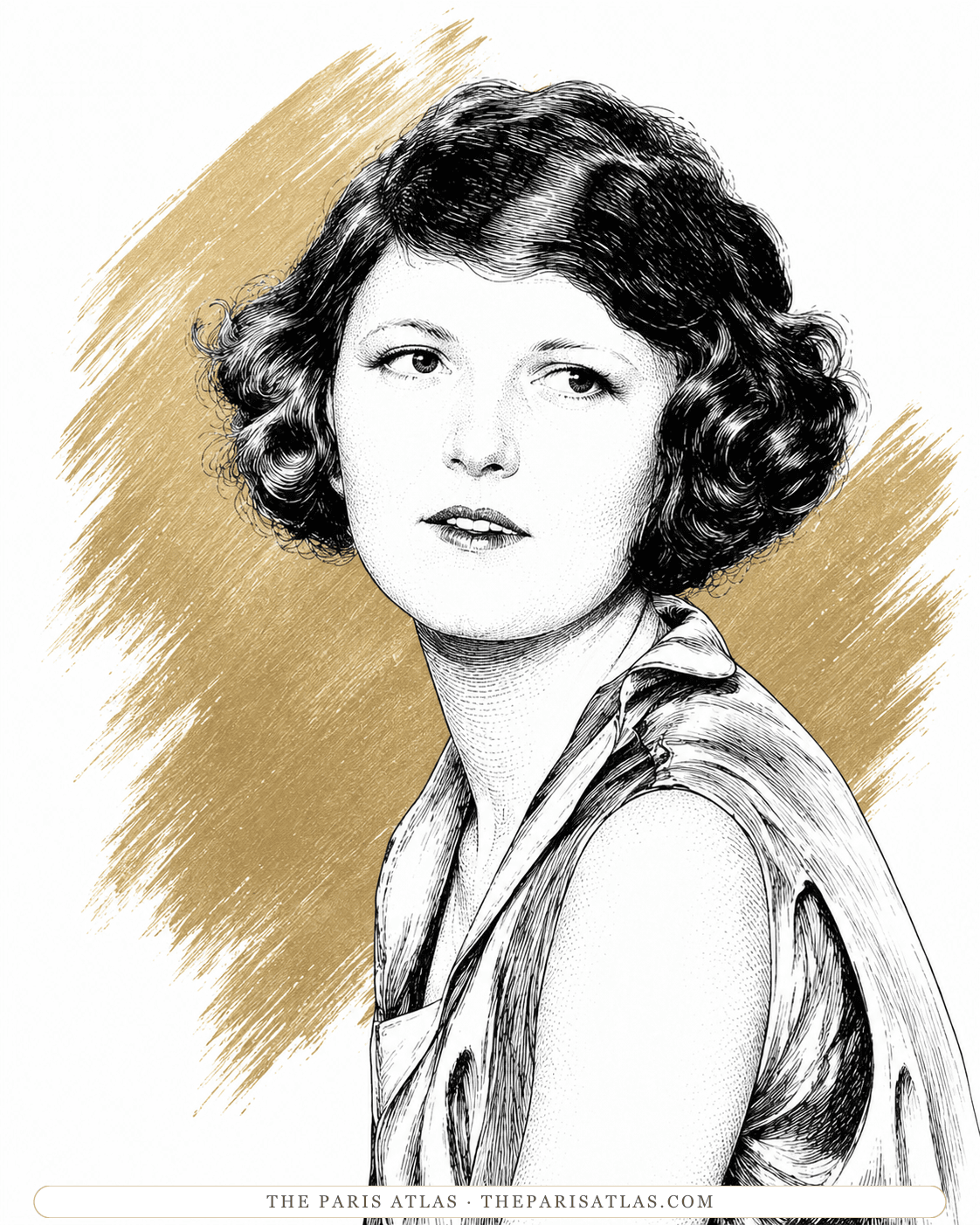
Pauline Pfeiffer, illustrated

Eight scenes from the working life and the marriage, drawn for The Paris Atlas — illustrations, not photographs.

The copy desk. Seven years in print before Vogue sent her to Paris.
Paris, 1925, on assignment for Vogue.
The expatriate circle she joined as a friend of both Hemingways.
The crossings. The marriage was lived between France, Key West and Africa.
Piggott, 1928 — her family converted the barn into a studio, and A Farewell to Arms was written in it.
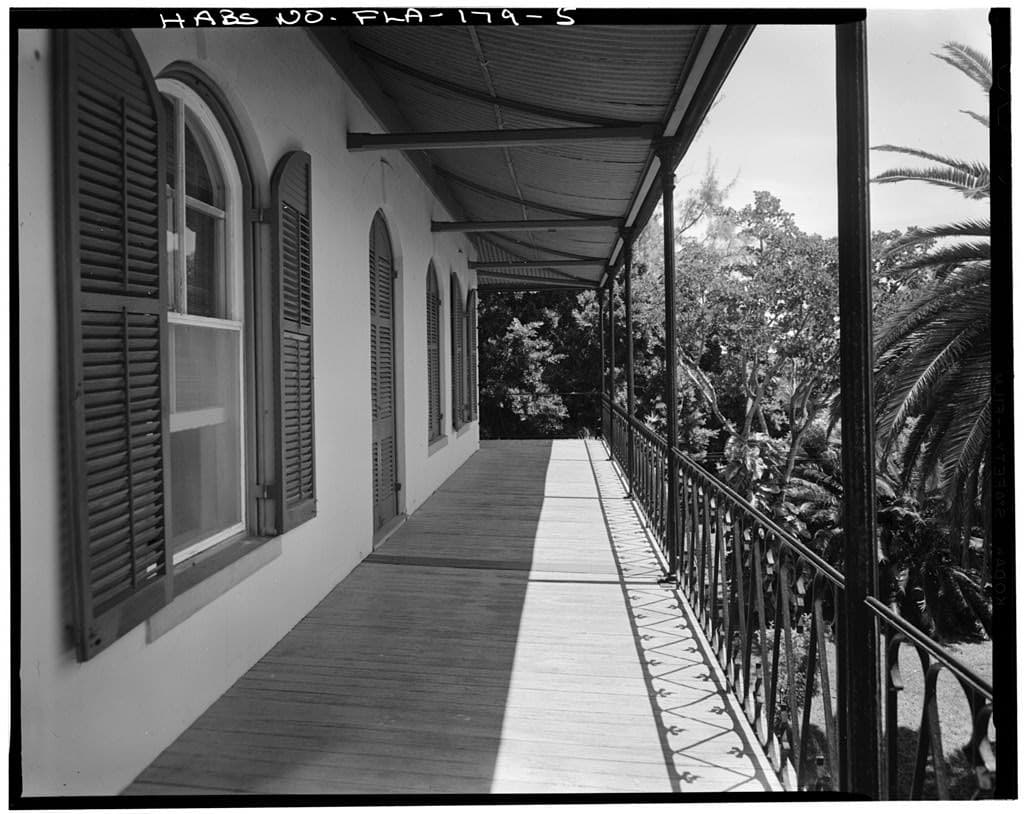
Key West, where the Pfeiffer money bought the house on Whitehead Street.
The Gulf Stream. She fished it as well as he did.
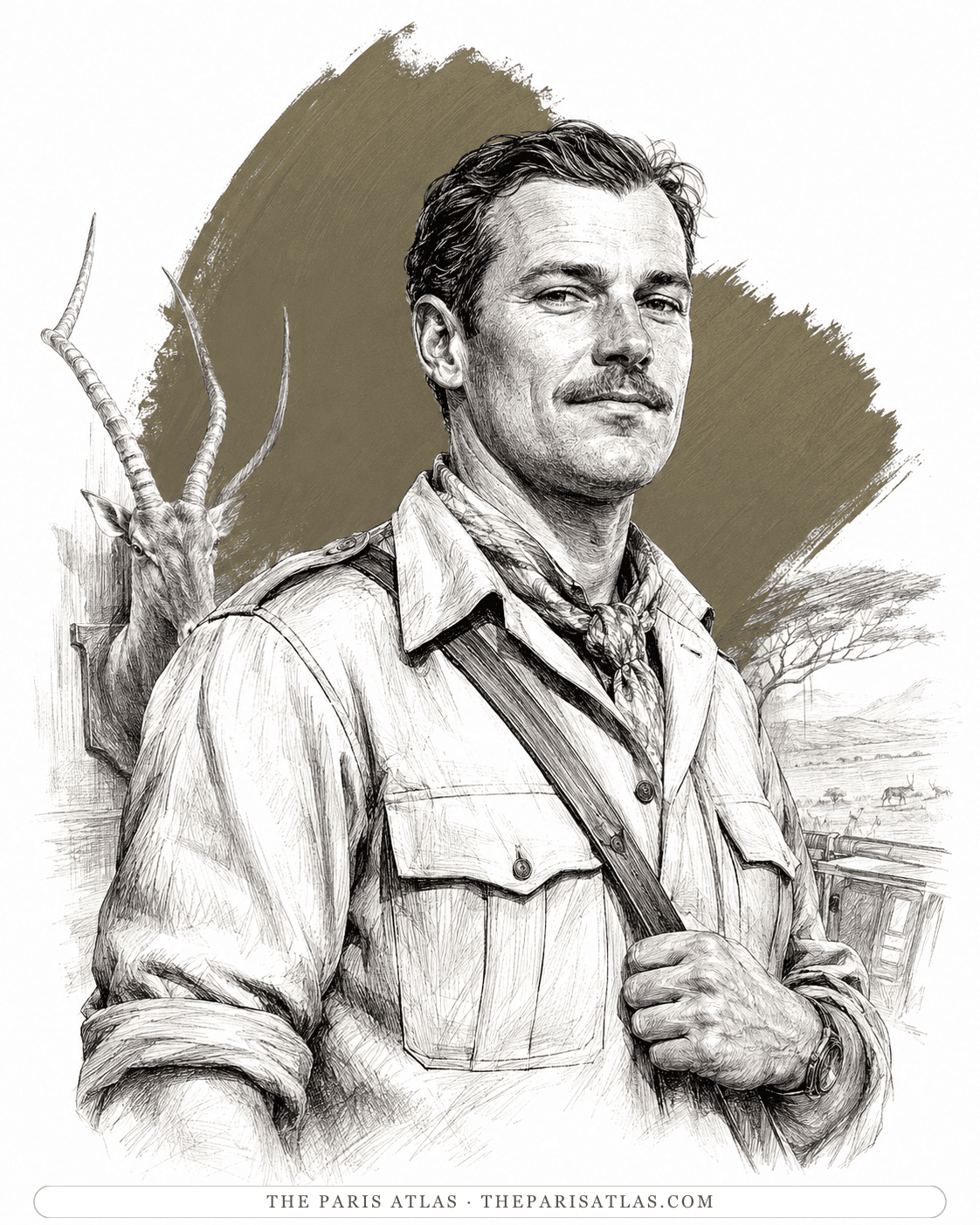
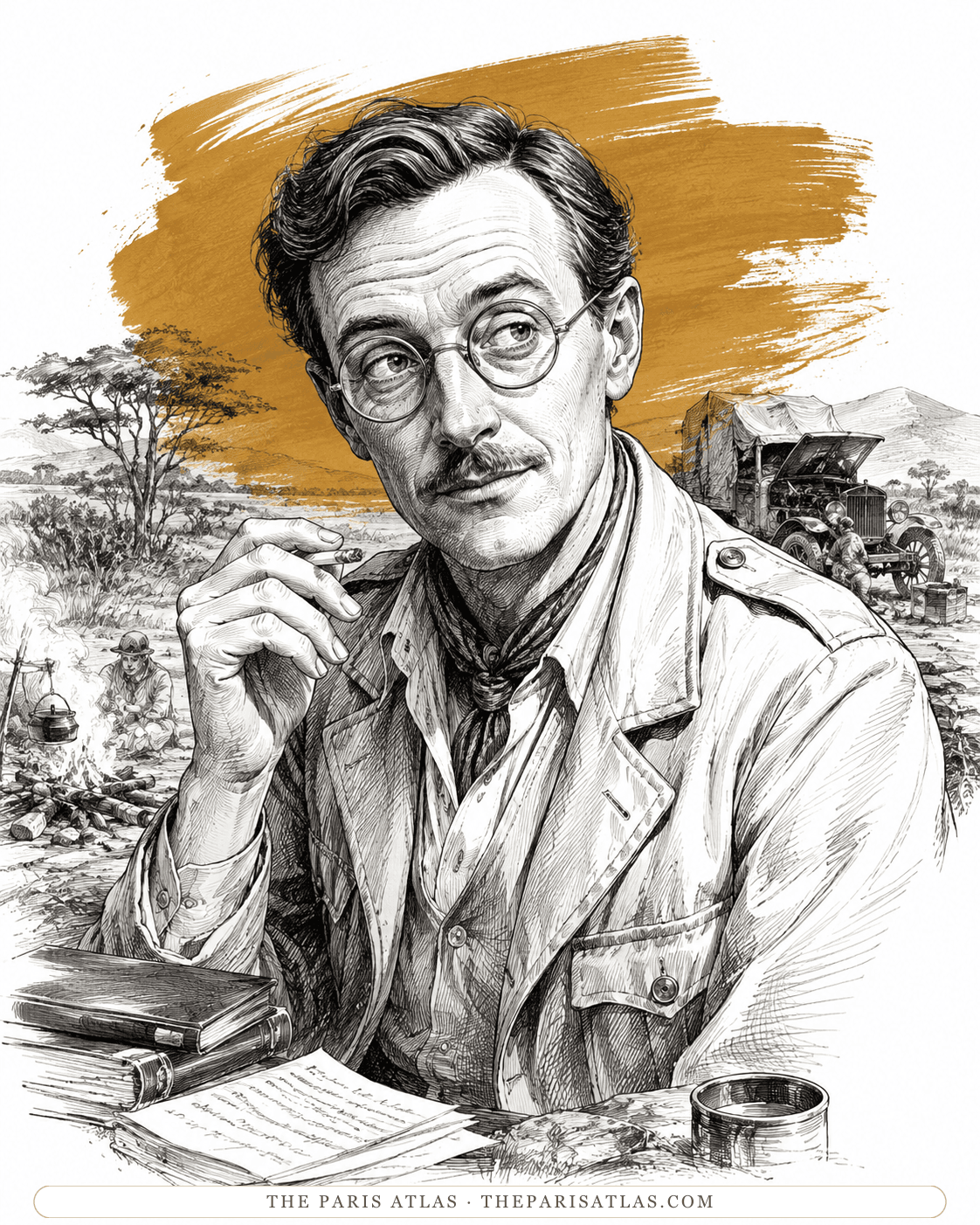
East Africa, 1933–34. The safari her uncle Gus paid for became Green Hills of Africa.
Illustrations — The Paris Atlas

Life events

  1. 1895

    Born 22 July at Parkersburg, Iowa; the family later settles in St. Louis.

  2. 1913

    Takes the English prize at the Academy of the Visitation, St. Louis.

  3. 1918

    Graduates from the University of Missouri School of Journalism, the first such school in the country.

  4. 1920s

    Copy editor at the Cleveland Press, then reporter at the New York Morning Telegraph, then Vanity Fair.

  5. 1925

    Arrives in Paris on assignment for Vogue, and meets the Hemingways.

  6. 1926

    Travels in Spain with Ernest, Hadley, and the Murphys — the last summer of the first marriage.

    Gerald and Sara Murphy, Pauline Pfeiffer, and the Hemingways in Spain, 1926 — the whole doomed arrangement in one frame, the summer the first marriage ended. (Ernest Hemingway Photograph Collection, JFK Presidential Library)
  7. 1927

    Marries Hemingway in Paris in May, after asking him to convert to Catholicism.

  8. 1928

    Works on the typescript of A Farewell to Arms with his sister Sunny while he writes in the Piggott barn studio.

  9. 1940

    The marriage ends; Hemingway marries Martha Gellhorn the same year.

  10. 1951

    Dies 1 October at Hollywood, California, aged 56.

Featured in these books

Cover of Green Hills of Africa by Ernest Hemingway

Green Hills of Africa

by Ernest Hemingway

How Pauline appears in its pages: Pauline Pfeiffer, Hemingway's second wife, on the safari her uncle's money paid for. The initials stand for Poor Old Mama and the book uses almost nothing else.

The full portrait — P.O.M. in Green Hills of Africa

Pauline Pfeiffer, Hemingway's second wife, on the safari her uncle's money paid for. The initials stand for Poor Old Mama and the book uses almost nothing else.

Who they are in the book

Spoiler-free

P.O.M. is present for the whole month the book covers, and the book treats her as a companion rather than a subject. She shoots the safari's first lion, walks the hunts, and asks most of the questions anyone asks — about a word, a custom, a person left behind. She is given opinions and corrections more often than description, and the narrator checks himself against her judgment more than he admits.

The useful distinction is what kind of appearance this is. Hemingway's foreword stakes the book on having no invented characters, so P.O.M. is not a character drawn from Pauline. She is Pauline, under a nickname — which is not the case for Helen in "The Snows of Kilimanjaro", written out of the same safari a year later.

How the book draws them

  • The nicknameP.O.M., for Poor Old Mama, set against Hemingway's Poor Old Papa. He almost never uses her name, and the camp staff call her Mama.
  • Her lionShe takes the safari's first lion, and the porters carry her back to camp on their shoulders and dance in her honour. Who actually hit the animal is teased over for the rest of the trip.
  • Dressed for itA blue dressing gown and mosquito boots in camp, a Stetson worn on one side. She walks the hunts and is comfortable doing it.
  • Her measure of a manShe adores Pop without qualification and takes him as the standard a man should meet. Her husband records this plainly, and does not appear to enjoy it.
  • The one who asksShe is the questioner of the party — what a Swahili word means, how a custom works, what became of Kandisky's daughter. She also tries to copy the tracker Droopy's walk.
  • Kinder than the narratorWhile he eats himself alive over Karl's luck in the field, she worries about Karl being out there without his wife. The contrast is the book's, not ours.
  • At the endShe says the safari is already fading in her memory. He promises to write it all down, which is the book you are holding.

At a glance

Called
P.O.M. — Poor Old Mama; Mama to the camp staff
In camp
Present throughout the month the book covers
Wears
Blue dressing gown, mosquito boots, a tilted Stetson
Her kill
The safari's first lion
Her ideal
Pop — the party's professional hunter
Off duty
Reading, and asking the questions no one else does
The real person
Pauline Pfeiffer · 1895–1951 · Parkersburg, Iowa
More people from Green Hills of Africa

People they knew

Documented connections — every one carries its source.

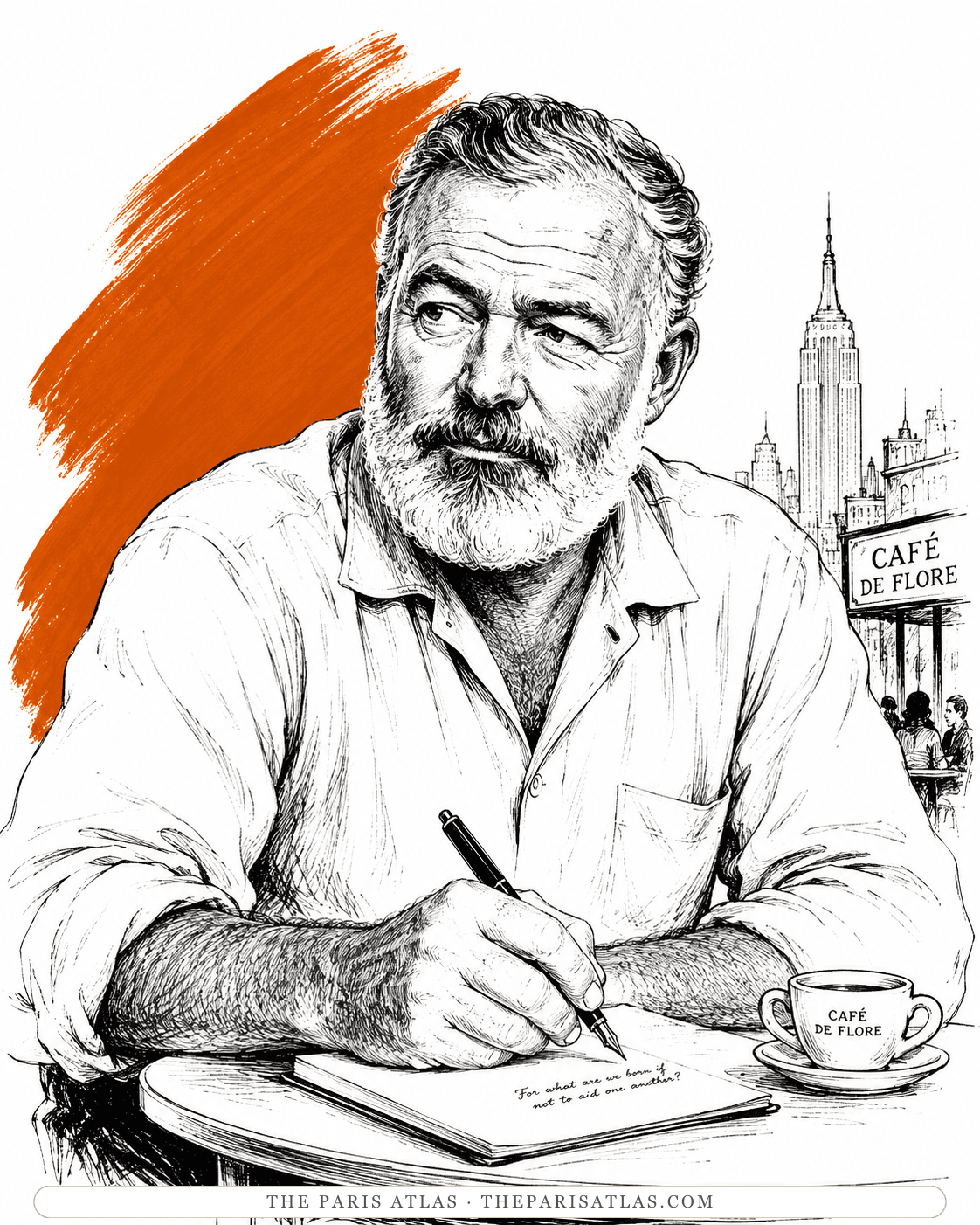
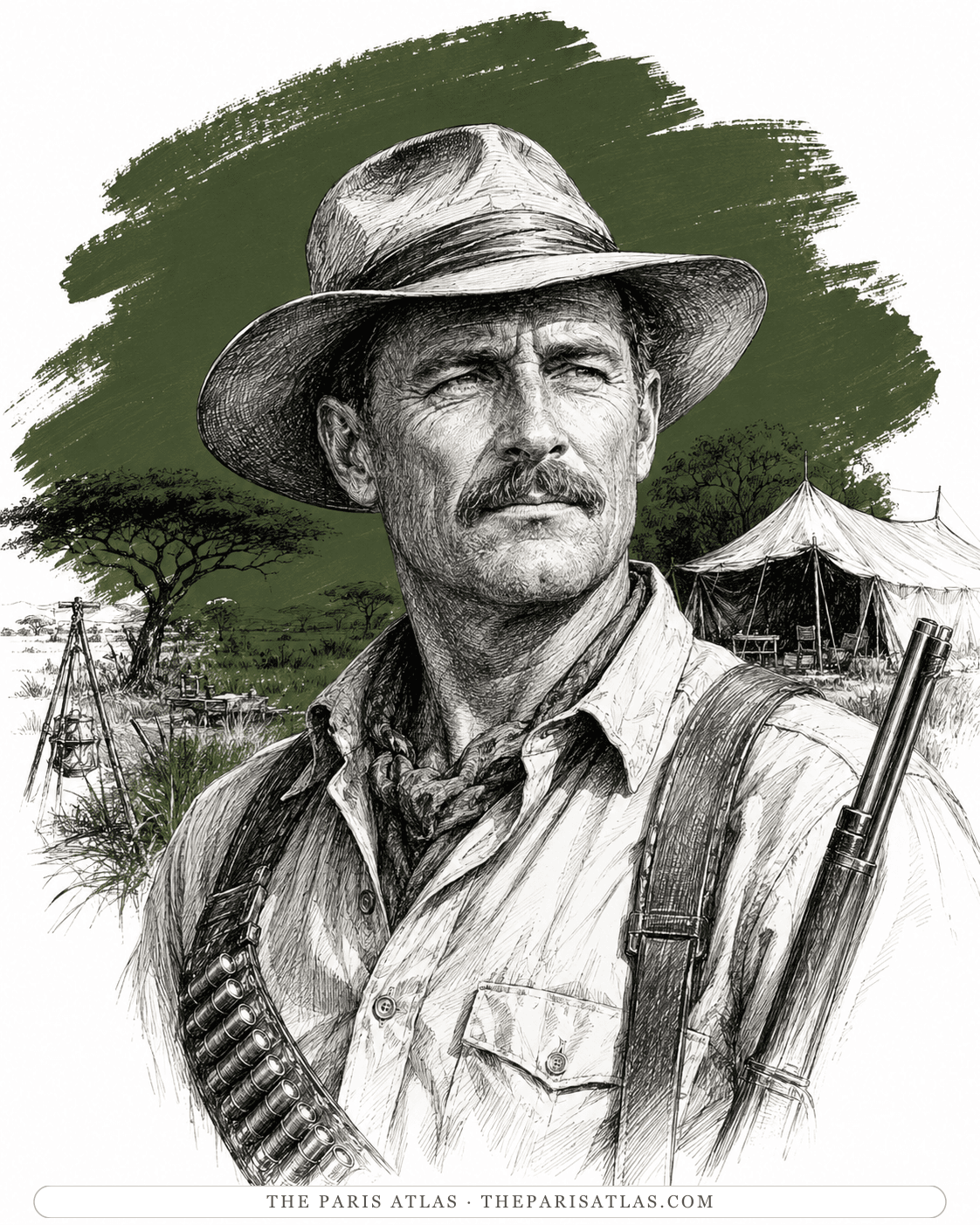
Illustrated portrait of Ernest Hemingway

Ernest Hemingway

  • Author
  • Journalist

Married to · 1927–1940

The second marriage — begun in the wreckage of the first and lived mostly in Key West on Pfeiffer money; it ended the way it began, with the next wife already on the scene.

Carlos Baker, Ernest Hemingway: A Life Story (1969)

Pauline Pfeiffer’s Places

The cataloged places connected to Pauline Pfeiffer — through the books, and through the documented record.

Places you can enter today appear first, followed by addresses to see from outside and sites that have vanished.

In works

Works in these pages connected to Pauline through the claims of the graph.

Cover of A Farewell to Arms by Ernest Hemingway

Read in manuscript · Book

A Farewell to Arms

Ernest Hemingway · 1929

She worked on the typescript with Hemingway's sister Sunny while he wrote in the barn studio her family had converted at Piggott. This is a first reader's job, not a publisher's: Maxwell Perkins edited the book for Scribner's.

MU J-School grad led a novel life (2023); Pauline Pfeiffer (1895–1951) | Encyclopedia of Arkansas

Cover of The Garden of Eden by Ernest Hemingway

Depicted in · Book

The Garden of Eden

Ernest Hemingway · 1986

The JFK Library names Catherine and Marita as later composite characters through which facets of the Hemingway–Pfeiffer marriage are refracted; it says the same of Helen in "The Snows of Kilimanjaro". What the source puts in the novel is the marriage, not Pauline herself. A second thread runs alongside it: the friendship Pauline formed with Mary Welsh at the Finca Vigía, where Pauline had come to nurse her son Patrick through an illness, which the library also counts among the material behind the composites.

Ernest Hemingway Collection — Pauline Pfeiffer Hemingway | EH@JFK, John F. Kennedy Presidential Library; Ernest Hemingway Collection — Mary Welsh Hemingway | EH@JFK, John F. Kennedy Presidential Library

Organizations

Worked for · 1925

Vogue

She came to Paris in early 1925 on assignment for the magazine, after Vanity Fair and newspaper work in Cleveland and New York. The job is why she was in the city at all.

Pauline Pfeiffer (1895–1951) | Encyclopedia of Arkansas

Questions about Pauline Pfeiffer

Is Michelle Pfeiffer related to Ernest Hemingway?

No. The question comes from a shared surname and nothing else. Pfeiffer is a common German name, and no genealogical connection has been documented between the actress's family and Pauline's: Michelle Pfeiffer's parents came from North Dakota, while Pauline's father, Paul Pfeiffer, was an Iowa businessman who moved the family to Piggott, Arkansas.

What did Pauline Pfeiffer do for a living?

She was a journalist. She took a degree from the University of Missouri School of Journalism in 1918, worked as a copy editor at the Cleveland Press and a reporter at the New York Morning Telegraph, moved to Vanity Fair, and then to Vogue, which sent her to Paris in 1925. The assignment is why she was in the city at all.

Did Pauline Pfeiffer edit Hemingway's writing?

She read his drafts, and he valued it. In 1928 she took the typescript of A Farewell to Arms through with his sister Sunny while he wrote in the barn studio at Piggott, and he later called her the best editor he ever worked with. She was not his publishing editor: Maxwell Perkins held that role at Scribner's.

How did Pauline Pfeiffer meet Hemingway?

Through the expatriate circle in Paris in 1925, while she was there on assignment for Vogue. She became a friend of both Hemingways before she became anything else, and travelled with Ernest and Hadley for the next two years.

Did Hemingway become a Catholic for her?

He converted before they married, at her request. They were married in Paris in May 1927 according to Catholic rites. Her family was Catholic and her mother had opposed the end of his first marriage on religious grounds.

Was Pauline Pfeiffer wealthy?

Her family was. Her father was a prosperous businessman and her uncle, Gus Pfeiffer, paid for a good deal of the couple's life together, including the Key West house and the 1933–34 African safari that produced Green Hills of Africa. The money bought time, travel and quiet, which is a real contribution to a body of work without being the same thing as writing it.

How did Pauline Pfeiffer die?

She died on 1 October 1951 in Hollywood, California, aged fifty-six, after being taken to hospital during the night. The cause was reported at the time as a brain hemorrhage. Her son Gregory, by then a physician, later read the autopsy record and concluded she had died of a pheochromocytoma, a rare tumour of the adrenal gland that can drive blood pressure to fatal levels. The second account is the one medicine now accepts.

Sourced claims

Every connection the graph holds for Pauline, with the evidence behind it.

Married to · 1927–1940

Ernest Hemingway

The second marriage — begun in the wreckage of the first and lived mostly in Key West on Pfeiffer money; it ended the way it began, with the next wife already on the scene.

Carlos Baker, Ernest Hemingway: A Life Story (1969)

Worked for · 1925

Vogue

She came to Paris in early 1925 on assignment for the magazine, after Vanity Fair and newspaper work in Cleveland and New York. The job is why she was in the city at all.

Pauline Pfeiffer (1895–1951) | Encyclopedia of Arkansas

Lived at · 1931–1951

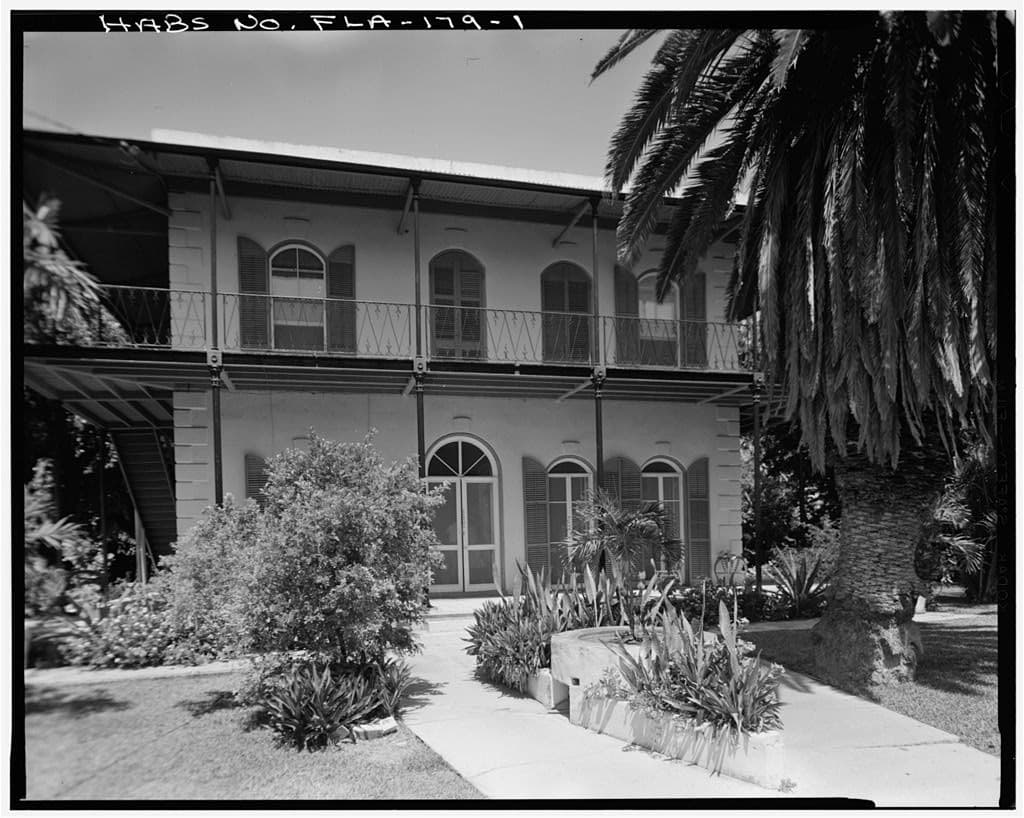
Ernest Hemingway Home & Museum

Pauline Pfeiffer moved into the Whitehead Street house with Ernest Hemingway, supervised construction of its pool, and kept the property after their divorce.

The Ernest Hemingway Home & Museum, Ernest Hemingway's Life in Key West; The Ernest Hemingway Home & Museum, Architecture, Garden and Pool; National Park Service, Ernest Hemingway House National Register Nomination (1968)

Read in manuscript · 1928

A Farewell to Arms

She worked on the typescript with Hemingway's sister Sunny while he wrote in the barn studio her family had converted at Piggott. This is a first reader's job, not a publisher's: Maxwell Perkins edited the book for Scribner's.

MU J-School grad led a novel life (2023); Pauline Pfeiffer (1895–1951) | Encyclopedia of Arkansas

Depicted in

Green Hills of Africa

Pauline was on the 1933–34 safari and appears throughout the book as P.O.M., for Poor Old Mama, against Hemingway's Poor Old Papa. The foreword's terms rule out invented characters, so this is an appearance under a nickname rather than a portrayal.

Ernest Hemingway, Green Hills of Africa (1935)

Depicted in

The Garden of Eden

The JFK Library names Catherine and Marita as later composite characters through which facets of the Hemingway–Pfeiffer marriage are refracted; it says the same of Helen in "The Snows of Kilimanjaro". What the source puts in the novel is the marriage, not Pauline herself. A second thread runs alongside it: the friendship Pauline formed with Mary Welsh at the Finca Vigía, where Pauline had come to nurse her son Patrick through an illness, which the library also counts among the material behind the composites.

Ernest Hemingway Collection — Pauline Pfeiffer Hemingway | EH@JFK, John F. Kennedy Presidential Library; Ernest Hemingway Collection — Mary Welsh Hemingway | EH@JFK, John F. Kennedy Presidential Library