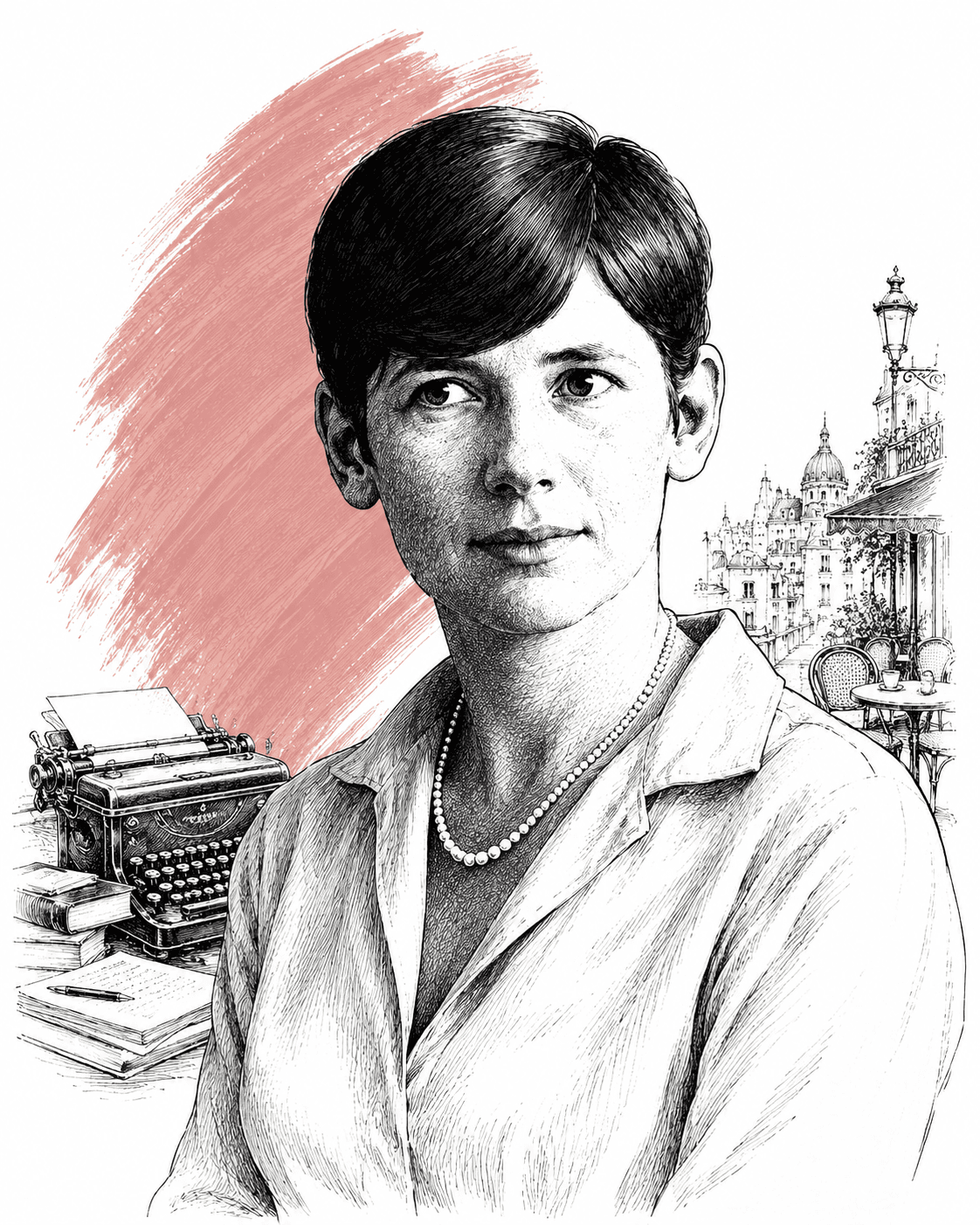
Employed · 1925
Pauline Pfeiffer
She came to Paris in early 1925 on assignment for the magazine, after Vanity Fair and newspaper work in Cleveland and New York. The job is why she was in the city at all.
The American fashion journal became an international visual authority through Condé Nast's publishing network and its century-old Paris edition.
Vogue began in New York in 1892 as a society and fashion weekly. Condé Montrose Nast acquired it in 1909 and reshaped the title around photography, illustration, design, and an international readership, establishing the publishing model from which the wider Condé Nast group grew.[1][2]
The French edition appeared in 1920. Paris was not merely a subject imported into the American magazine: it became a distinct editorial operation positioned inside the city that set much of the fashion calendar. The Palais Galliera's centenary exhibition treated Vogue Paris as both a record of fashion history and a producer of its visual language.[3]
Pauline Pfeiffer arrived in Paris in 1925 and worked for the magazine's local operation. Her assignment places Vogue directly inside the expatriate network around Ernest Hemingway, Hadley Richardson, and the cafés and apartments of the Left Bank.[4]
Across its editions, Vogue's authority has rested on the collaboration of editors, writers, photographers, illustrators, models, designers, and fashion houses. The Paris edition's changing title and ownership belong to a much longer institutional history, but its archive remains a unusually rich visual chronology of how Paris fashion presented itself to the world.[3]
Vogue is founded in New York as a weekly society and fashion publication.
Condé Montrose Nast acquires Vogue and develops it as the foundation of Condé Nast.
The French edition of Vogue is launched in Paris.
Pauline Pfeiffer arrives in Paris and works for Vogue's local operation.
The French edition adopts the title Vogue France.
Vogue continues as an international group of fashion and culture publications.
Paris editor and fashion journalist
Worked in Vogue's Paris operation after arriving in the city in 1925 and entered Hemingway's expatriate circle there.
Visit their pageThe original American magazine from which the international editions developed.
The French edition, launched in the city and renamed Vogue France in 2021.
The centenary exhibition and catalogue devoted to the French magazine's visual history.
Employed · 1925
She came to Paris in early 1925 on assignment for the magazine, after Vanity Fair and newspaper work in Cleveland and New York. The job is why she was in the city at all.
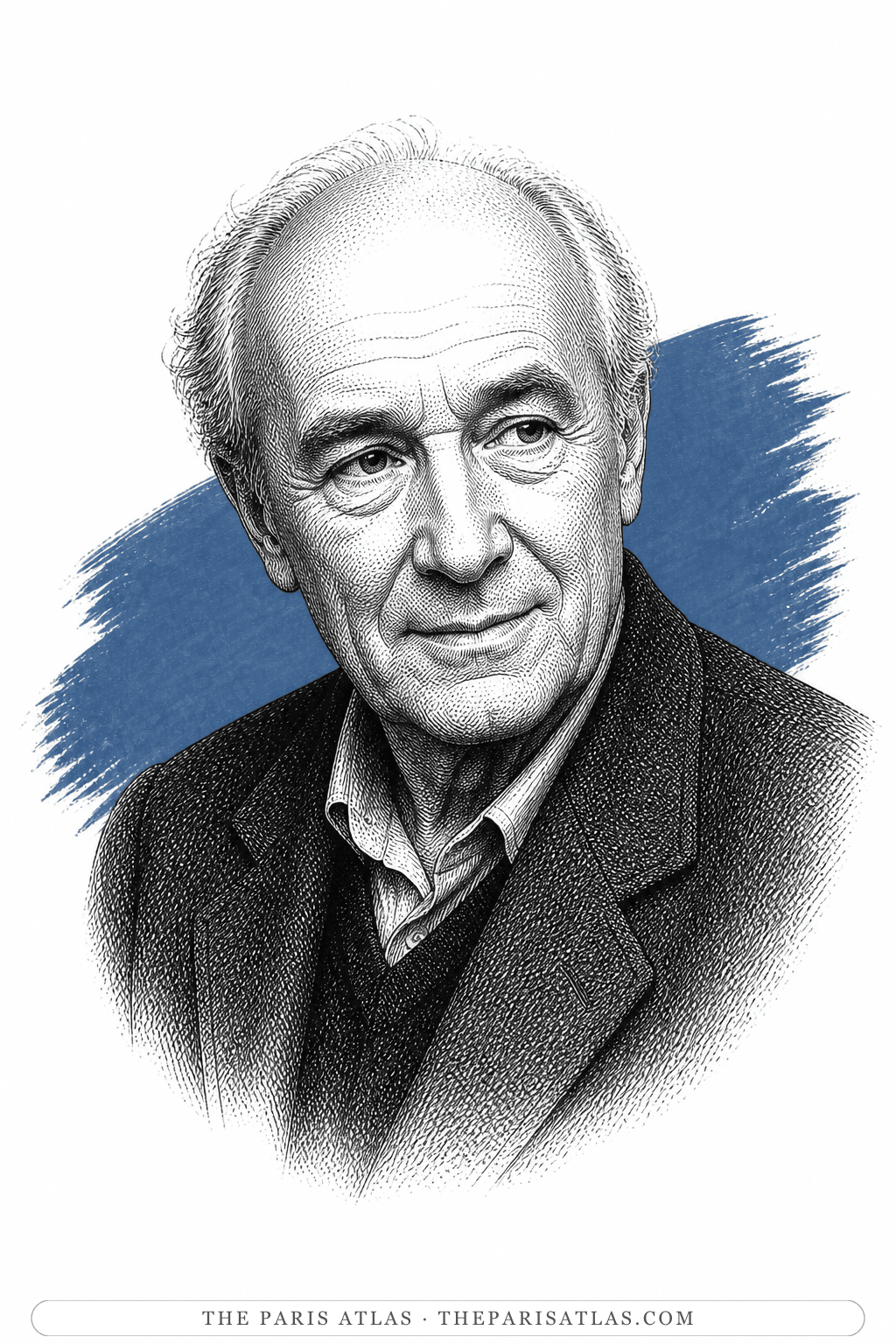
Employed · 1949–1951
Doisneau held a contract with the fashion magazine Vogue from 1949 to 1951, according to his estate's official chronology - the commercial half of a career whose personal half was spent photographing the Paris suburbs. The Life assignment that produced Le Baiser de l'hotel de ville falls inside the same two years.
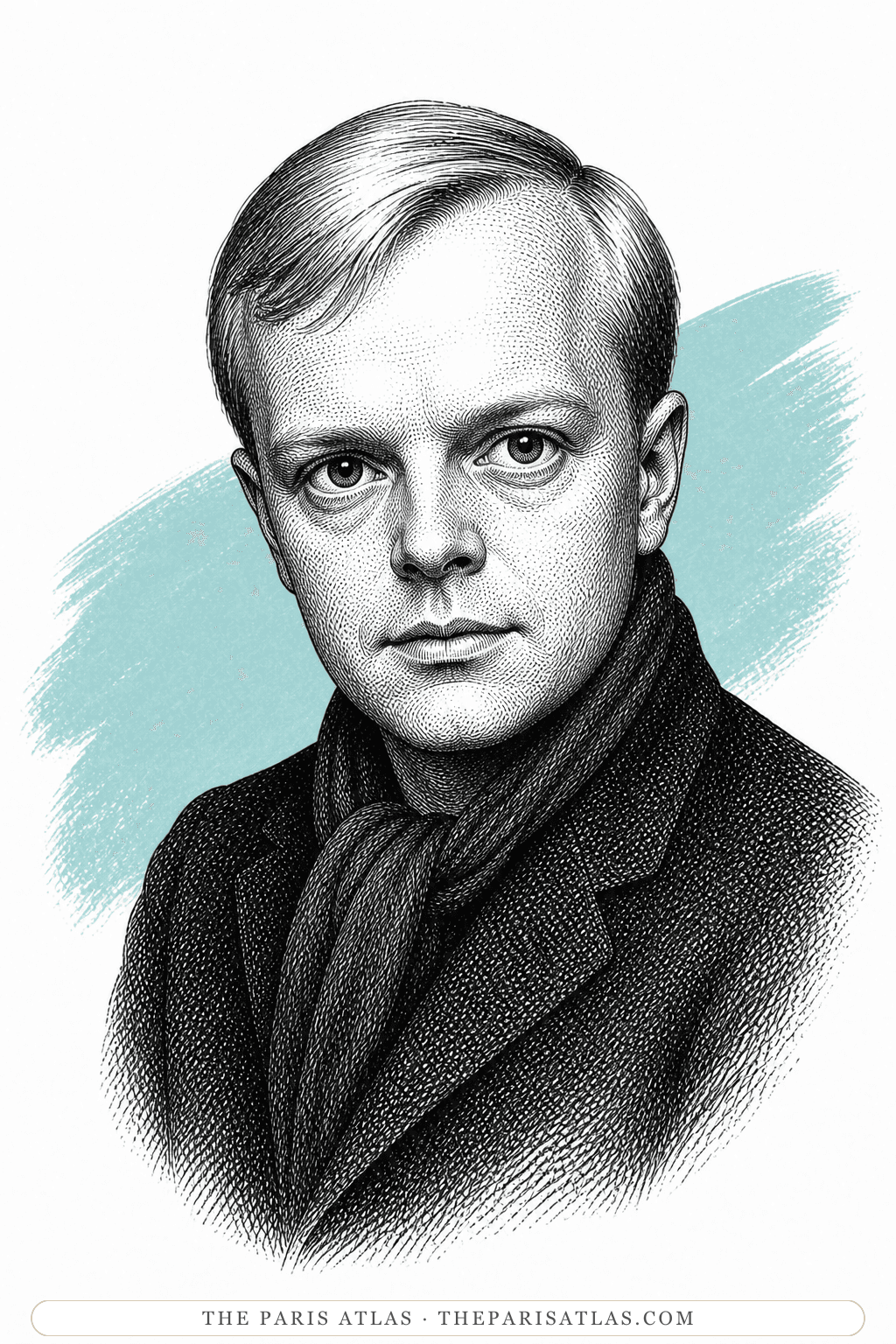
Published work by
Capote's New York Times obituary lists Vogue first among the magazines that carried his short stories and nonfiction through the postwar years, alongside Mademoiselle, Esquire and The New Yorker. He was a contributor, never on the staff.
The sources below include institutional histories, archival materials, scholarly research, and primary records that informed this page. They document Vogue, the people connected to it, and its cultural history.

Web source consulted for documented facts and historical context presented on the Vogue page.
Web source consulted for documented facts and historical context presented on the Vogue page.
Biographical record for Pauline Pfeiffer's Paris journalism and relationship to Hemingway's circle.
Web source consulted for documented facts and historical context presented on the Vogue page.
These references provide the documented foundation for this organization's history and context. Claim-level citations remain attached to the specific claims they support.
 Explore more resources
Newsletter
Presses, magazines, bookshops, and the writers who haunted them — one story from the Paris ecosystem in every letter.