The place, briefly
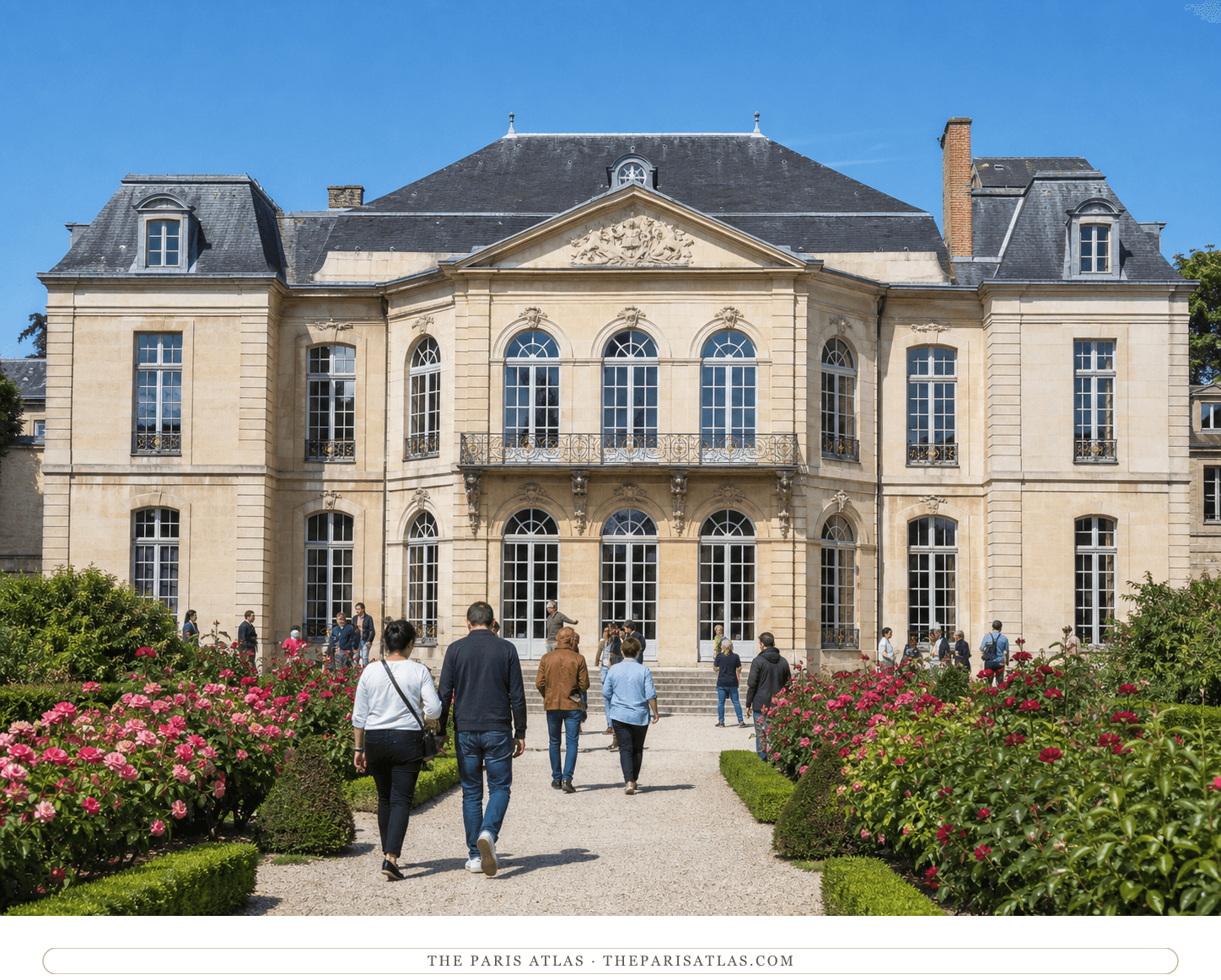
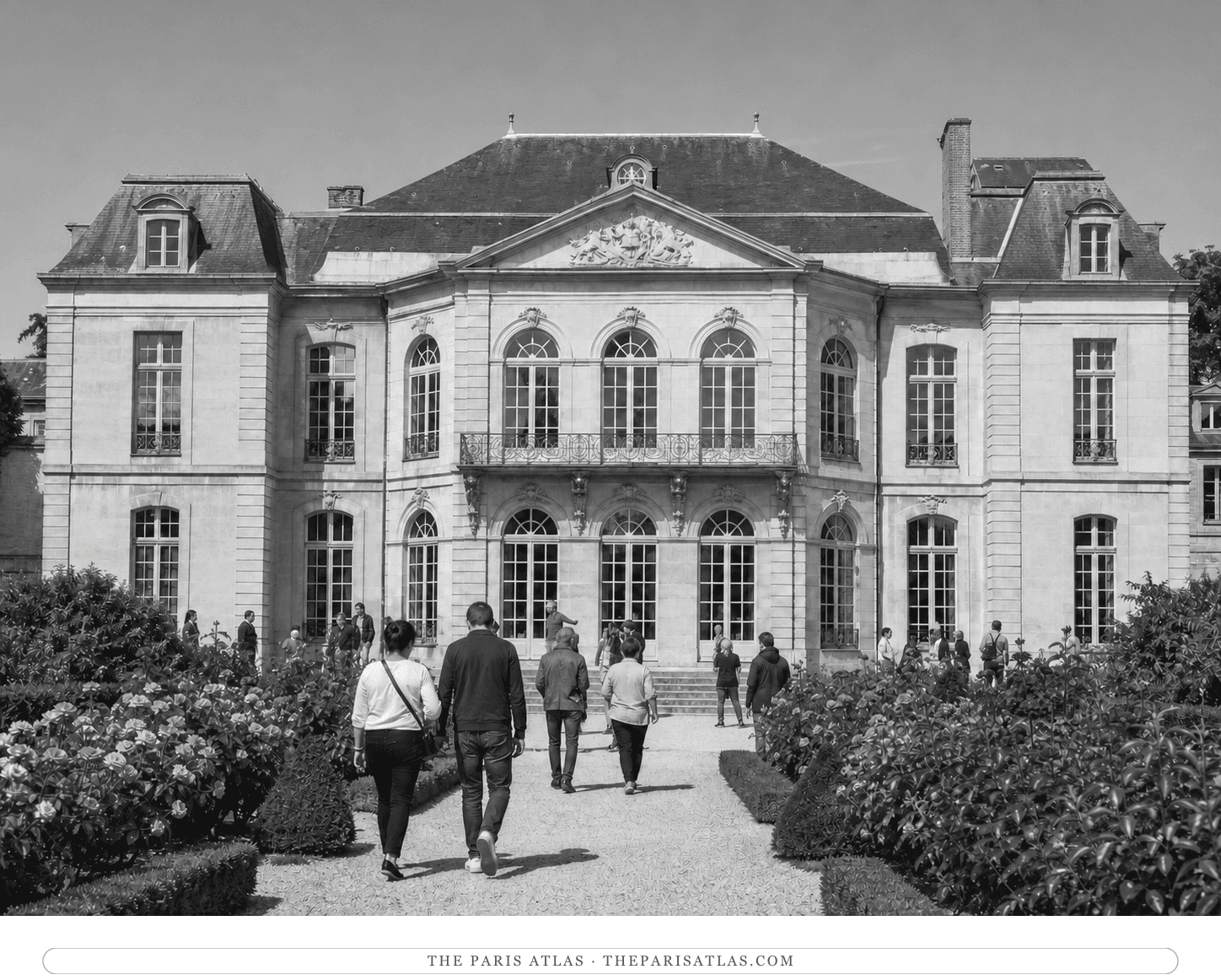
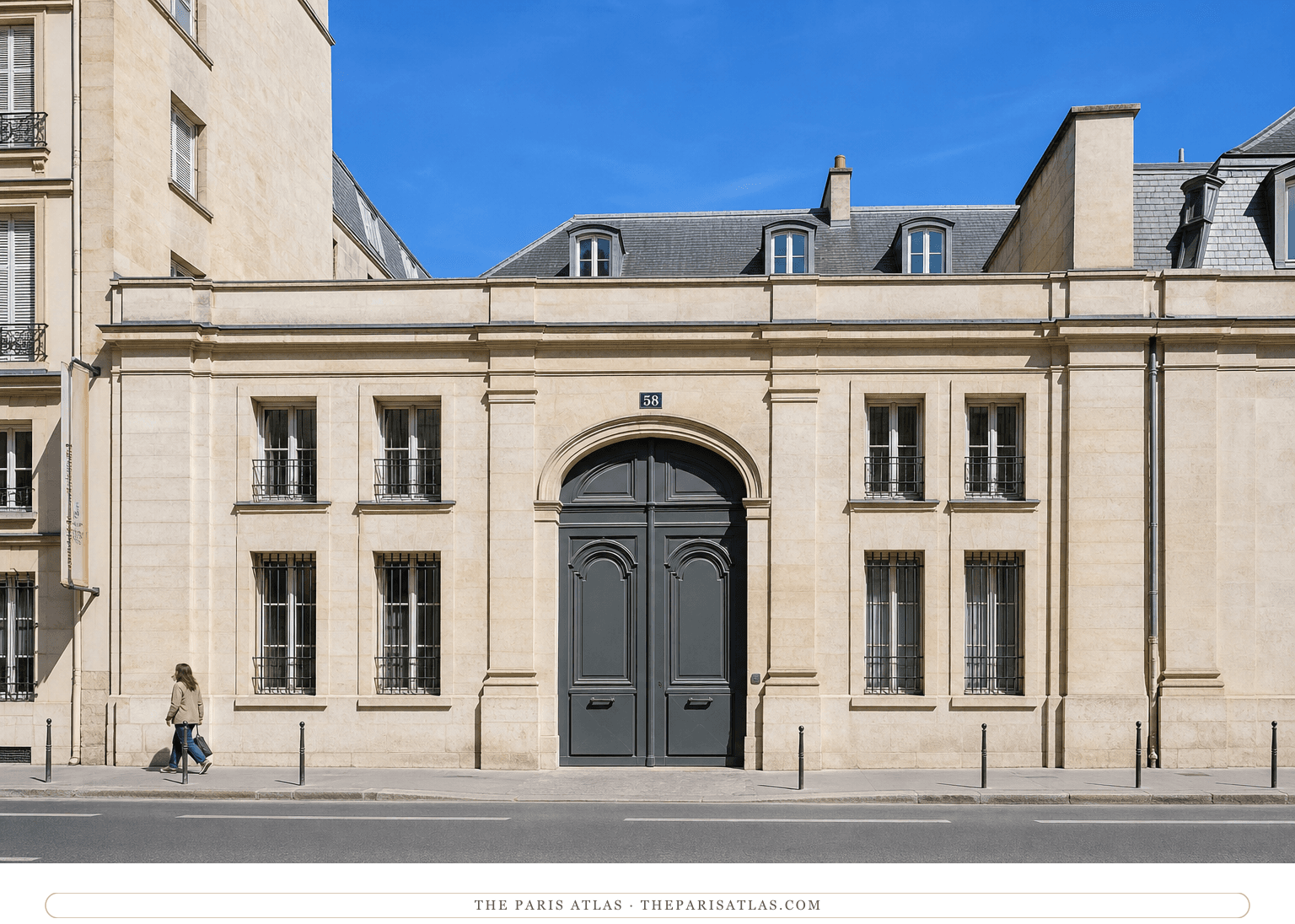
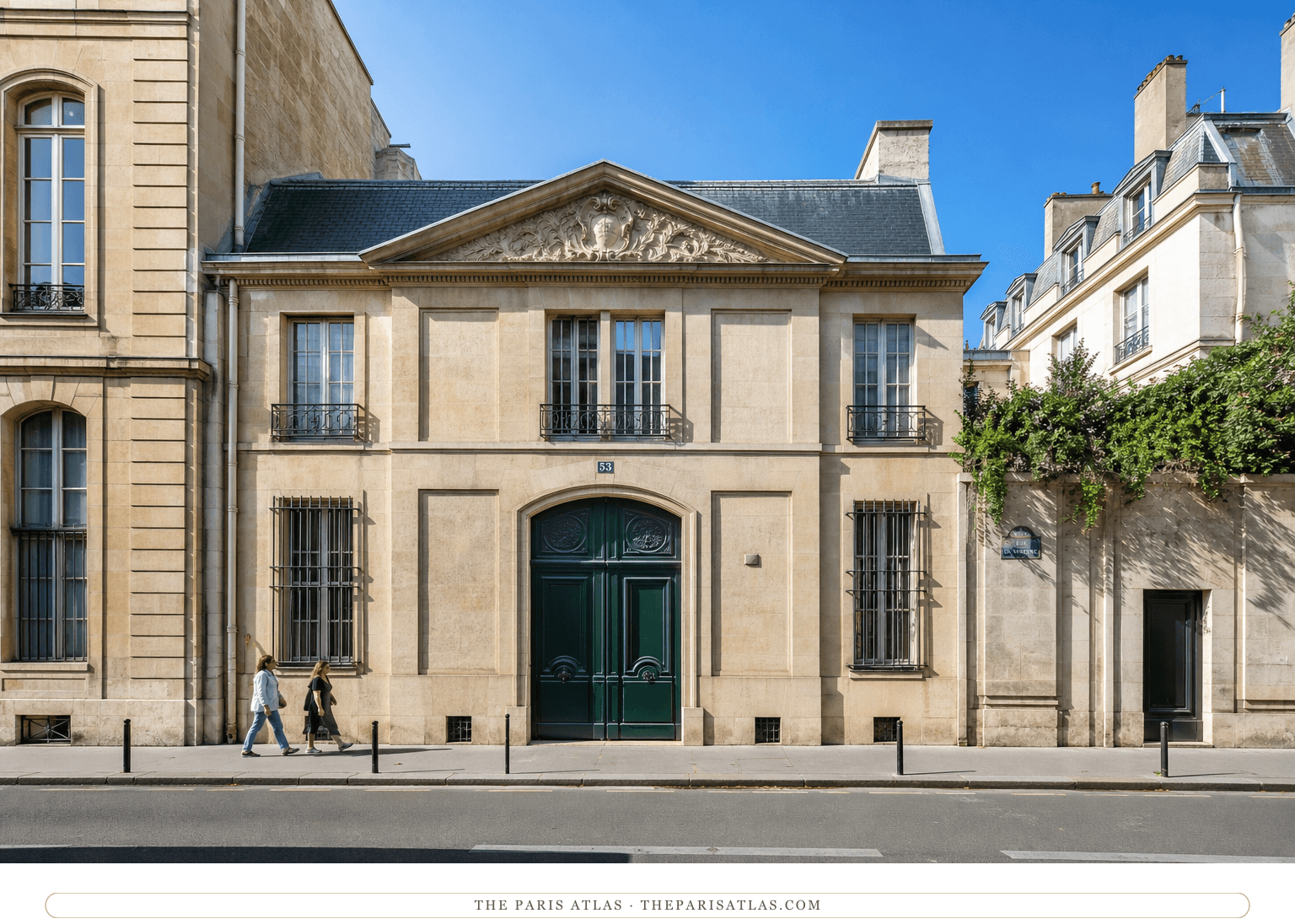
The Hôtel Biron was built on the rue de Varenne between 1727 and 1732, the project eventually overseen by Jean Aubert, architect to the king — a fine example of the rocaille style then in fashion. By the early twentieth century it was close to abandoned, and its rooms were being let cheaply to whoever wanted them.[1]
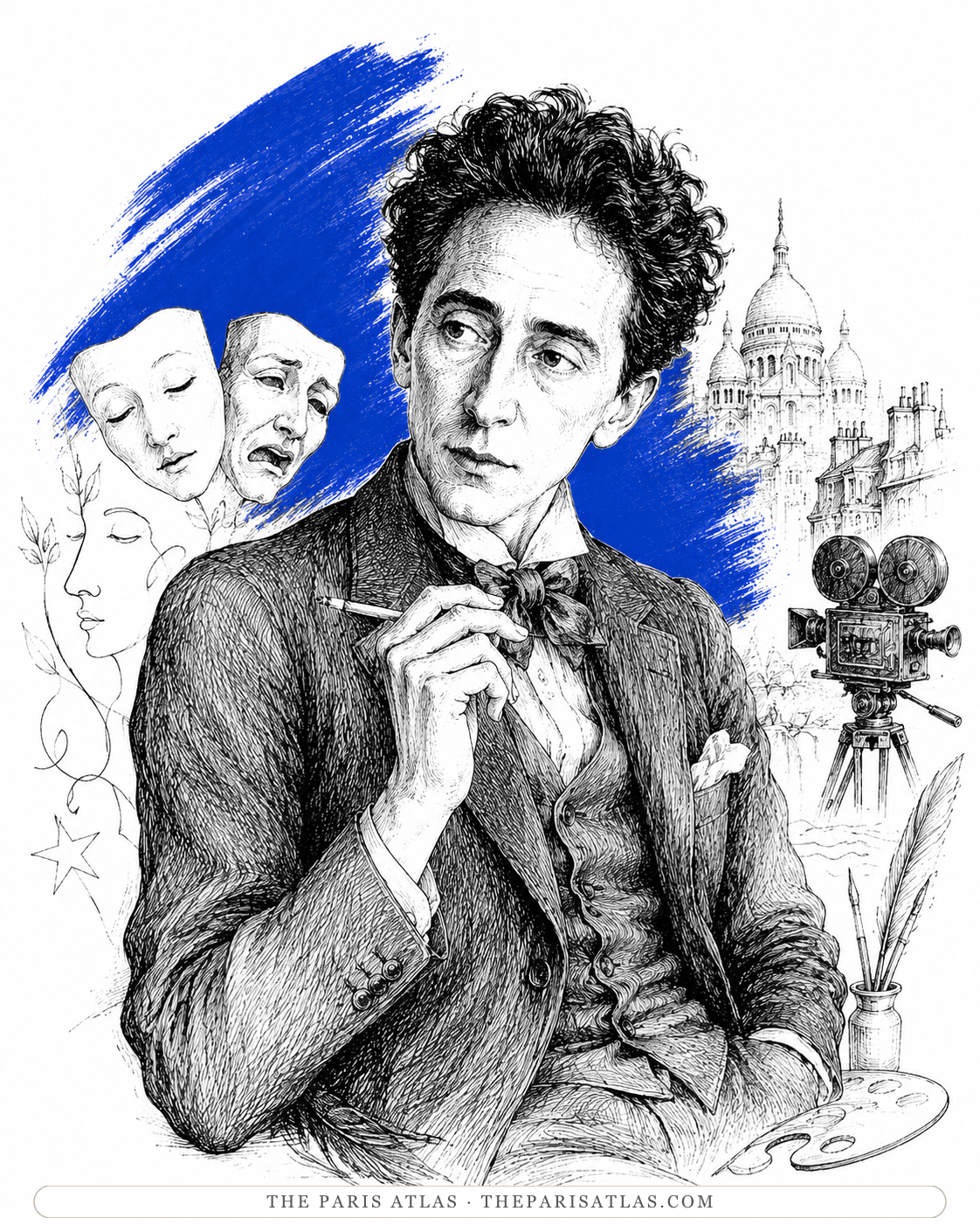
Who wanted them is a remarkable list. When Auguste Rodin took four ground-floor rooms as studios in 1908, the other tenants of the building included Jean Cocteau, Henri Matisse, the dancer Isadora Duncan, and the sculptor Clara Westhoff — who was the one who told Rodin about the place. From 1911 he had the whole building.[1]
Then he did something few artists have managed. In 1909 he proposed giving the French State everything he had made — "all my works in plaster, marble, bronze and stone" — on a condition: that the State keep the collection in the Hôtel Biron. The National Assembly accepted in 1916, purchased the mansion, and agreed to make it his museum. Rodin kept the right to live there for the rest of his life.[2]
He died in 1917. The Musée Rodin opened in 1919.[2]
So the building is not a museum that happens to hold Rodin's work. It is the house he was living in, converted on terms he set himself while he was still in it — an artist arranging his own posterity down to the address.[1]
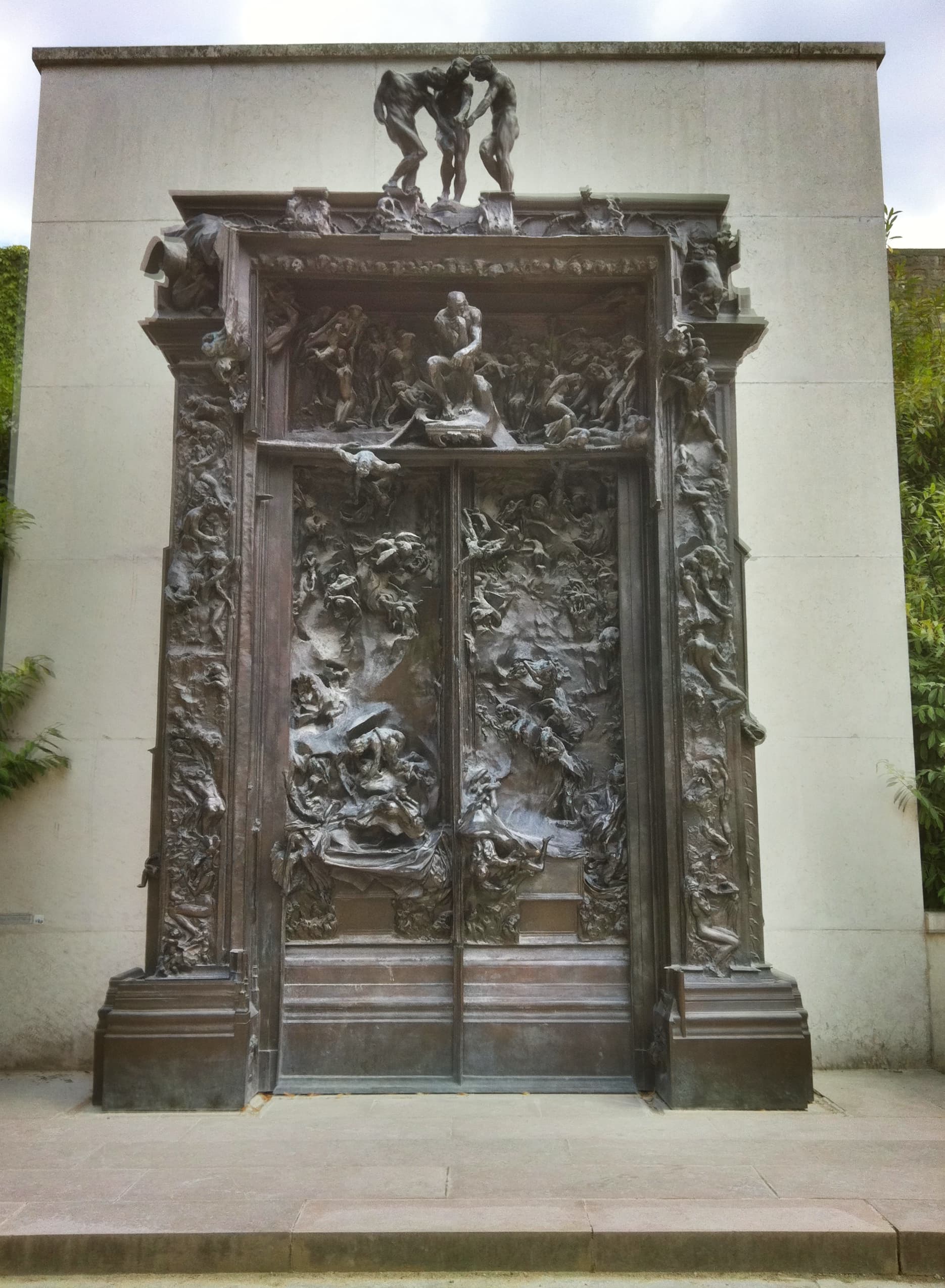
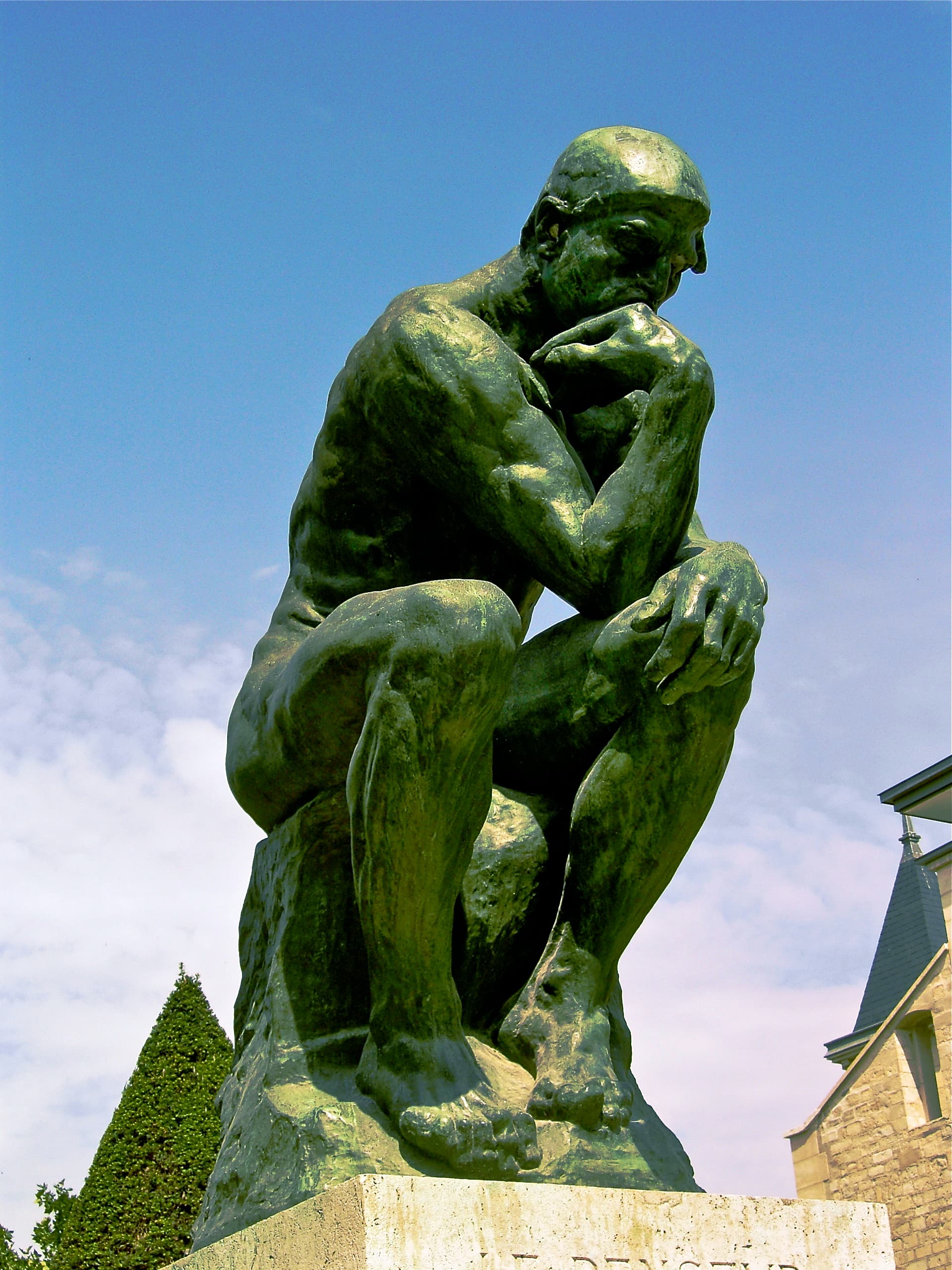
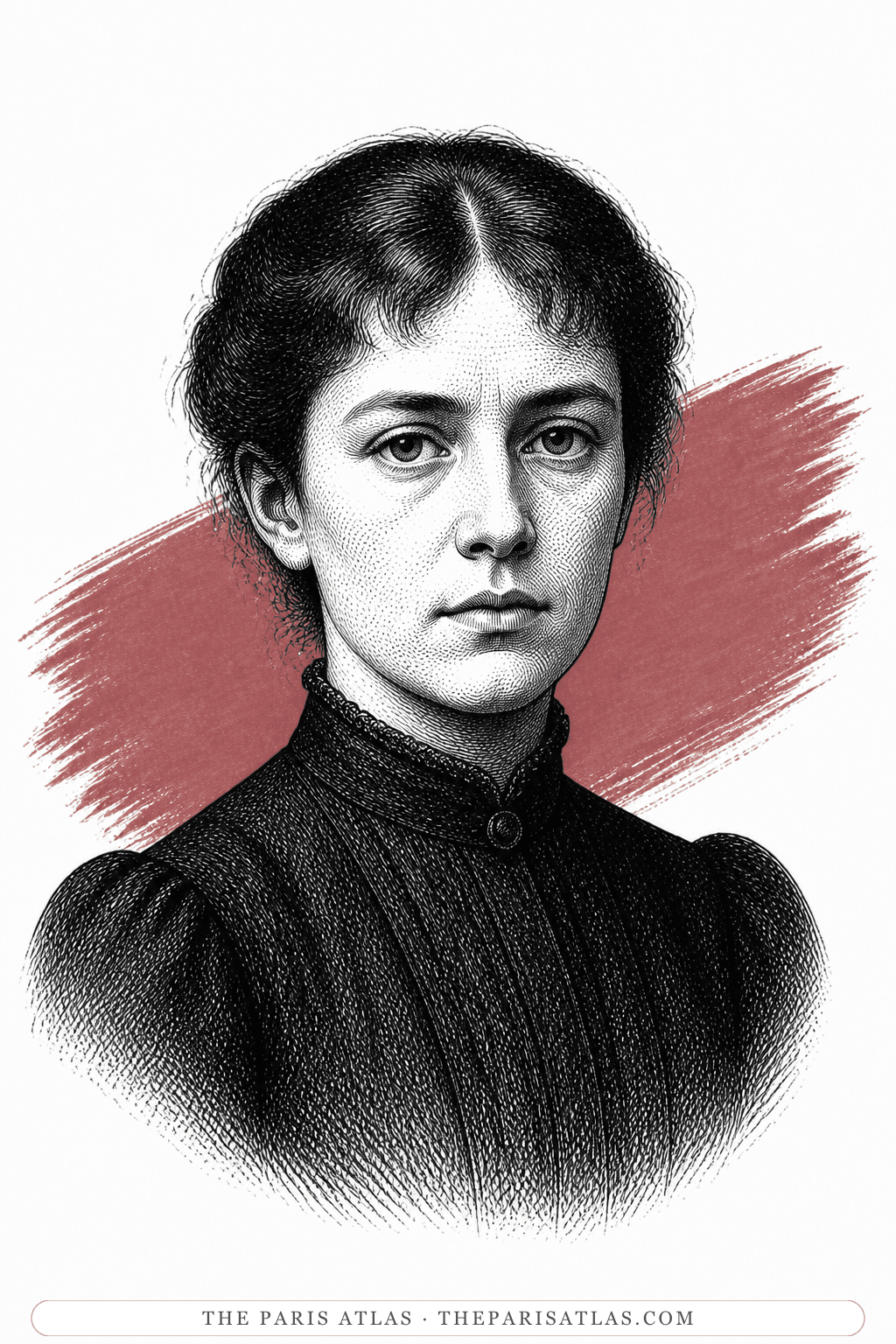
It also holds a substantial body of work by Camille Claudel, his student, model and collaborator, alongside the paintings and antiquities Rodin collected. And the garden is not incidental: a large part of the visit is outdoors, with the bronzes set among the beds and hedges.[3]

 View source