
Painting · Pointillism
The Red Buoy
Paul Signac's 1895 view of the fishing port at Saint-Tropez, organized around a red-orange buoy against pale blue water. It belongs to the Musée d'Orsay but is not currently on display.
Co-founder of Neo-Impressionism and, after Georges Seurat's death, the chief theorist and organiser of Pointillism.
Paul Signac was a French painter, born in Paris on 11 November 1863. With Georges Seurat he invented Neo-Impressionism, the technique also called Pointillism or Divisionism, in which pictures are built from separate dots of pure colour that the eye mixes for itself. A keen sailor, he is best known for luminous seascapes and views of ports, rivers and the Mediterranean coast.
He was the movement's organiser and its writer. Signac helped found the jury-free Société des Artistes Indépendants in 1884, met Seurat that year, and after Seurat's early death in 1891 became Neo-Impressionism's chief defender. His 1898 treatise From Eugène Delacroix to Neo-Impressionism laid out the theory of divided colour, and it converted the young Henri Matisse, so that Signac stands at the source of Fauvism as well.
A lifelong anarchist and a generous patron of younger artists, Signac led the Indépendants from 1908 until his death, championing the Fauves and the Cubists and buying the first Matisse ever sold. He died of sepsis in Paris on 15 August 1935, aged 71, and is buried in the Père Lachaise Cemetery.
Paul Victor Jules Signac was born in Paris on 11 November 1863 into a comfortable family. His parents wanted him to become an architect, but he preferred, as he said, to draw the Seine, and an 1880 exhibition of Claude Monet's work turned him decisively to painting. He took up boating at the same time, the start of a sailor's life that supplied much of his subject matter.[1]
In 1884 Signac helped found the Société des Artistes Indépendants, the jury-free exhibiting society whose motto was no jury and no prizes, and there he met Georges Seurat. Struck by Seurat's systematic method and his theory of colour, Signac abandoned the loose brushwork of Impressionism for small, scientifically juxtaposed dots of pure colour, meant to blend in the viewer's eye rather than on the canvas. He became Seurat's closest ally.[2]
In 1886 Signac met Vincent van Gogh in Paris, and the two painted together along the Seine at Asnières; Van Gogh admired his technique, and Signac later visited him at Arles and defended his reputation. Signac spent his summers in the south, at Collioure and Saint-Tropez, where he bought a house and gathered his friends, and he imagined the Mediterranean coast as the site of a future anarchist utopia.[3]
The politics were serious. From 1888 Signac read the anarchist writers Kropotkin, Reclus and Jean Grave, and contributed to Grave's paper. He painted his large canvas In the Time of Harmony, first titled In the Time of Anarchy until state repression of anarchists forced the change. Seurat's sudden death in 1891 left Signac the movement's leader, and in 1898 he published its manifesto, From Eugène Delacroix to Neo-Impressionism, a history of colour and a defence of divided brushwork.
The method's most striking early convert was an elder. Camille Pissarro, then in his mid-fifties and a founder of Impressionism, let Georges Seurat and Signac, two men half his age, teach him the divided stroke. Pissarro painted in dots from the mid-1880s until about 1890, then decided the method was too slow for what he wanted, and kept the colour lessons afterwards.
Signac's house at Saint-Tropez became a crossroads of the new painting. In 1904 the young Henri Matisse spent a summer there, working beside Signac and Henri-Edmond Cross and adopting Signac's Divisionist method. He painted Luxe, calme et volupté, which Signac bought, and the pure colour he learned there fed straight into the Fauvism he launched in 1905. As president of the Société des Artistes Indépendants from 1908 until his death, Signac used the platform to exhibit the Fauves and the Cubists, and he was the first buyer of a Matisse.[1]
He married Berthe Roblès in 1892, with Pissarro and Maximilien Luce among the witnesses, and from 1913 lived with Jeanne Selmersheim-Desgrange, who bore his daughter, Ginette; he stayed friends with Berthe for life. Signac painted watercolours and port views across France into old age, and was named an official Painter of the Navy. He died of sepsis in Paris on 15 August 1935, aged 71, and was cremated and buried at the Père Lachaise Cemetery.
Signac built pictures from separate touches of unmixed colour laid side by side, so that the blending happens in the eye rather than on the palette, the technique he and Seurat named after its optical theory. After Seurat's death his own dots grew larger and more mosaic-like, and his colour brighter and freer, moving toward the pure hue that would liberate the Fauves. Water, light and boats are his constant subjects, painted from the sailor's vantage he knew first-hand.
He was also, unusually for a painter, the movement's theorist. From Eugène Delacroix to Neo-Impressionism traces divided colour back through Delacroix and the Impressionists and sets out its rules, and it did as much as any painting to spread the method; Matisse's turn to Divisionism came from reading it. Signac worked in watercolour, etching and lithograph as well as oil, and treated the whole enterprise as both art and argument.
Signac is remembered as the co-founder and, after Seurat, the keeper of Neo-Impressionism, and as the essayist who carried its theory to the next generation. Through his treatise and his Saint-Tropez summers he shaped Matisse, André Derain and the Fauves, playing a decisive part in the colour revolution of early modern art. His long presidency of the Indépendants gave the avant-garde a place to show.
His paintings hang in the Musée d'Orsay, the Museum of Modern Art, the Metropolitan Museum and museums across Europe, and the Arkansas Museum of Fine Arts holds the largest group of his watercolours and drawings outside France. His granddaughter, the art historian Françoise Cachin, became a director of the French national museums, keeping his legacy in the family.
Born Paul Victor Jules Signac in Paris on 11 November.
A Claude Monet exhibition turns him from architecture to painting.
Helps found the Société des Artistes Indépendants and meets Georges Seurat.
Meets Vincent van Gogh in Paris and paints with him at Asnières.
Seurat's death leaves Signac the leader and theorist of Neo-Impressionism.
Marries Berthe Roblès and begins spending his summers at Saint-Tropez.
Publishes From Eugène Delacroix to Neo-Impressionism, the movement's theoretical manifesto.
Matisse works beside him at Saint-Tropez and adopts his Divisionist method.
Becomes president of the Société des Artistes Indépendants, a post he holds until his death.
Dies of sepsis in Paris on 15 August, aged 71, and is buried at the Père Lachaise Cemetery.
Painting · Pointillism
Paul Signac's 1895 view of the fishing port at Saint-Tropez, organized around a red-orange buoy against pale blue water. It belongs to the Musée d'Orsay but is not currently on display.

Painting · Neo-Impressionism
The Palace of the Popes rises above the Rhône at Avignon in evening light, with the broken arches of the Pont Saint-Bénézet crossing the water at the left. Paul Signac painted it in 1909 in blocks of colour several times the width of his earlier dots. The French state bought it from him at the Salon des Artistes Indépendants in 1912, and it is now at the Musée d'Orsay.

Painting · Neo-Impressionism
The Seine runs across the lower half of the canvas at Les Andelys in Normandy, with the village houses along the left bank and the ruined keep of Château Gaillard on the chalk hill behind. Paul Signac spent the summer of 1886 there and brought back ten canvases. He kept the painting in his own studio until he died, and the Musée d'Orsay acquired it in 1996.

Painting · Neo-Impressionism
Félix Fénéon stands in profile facing right, in a gold-ochre suit, holding a top hat and cane in one hand and a white flower in the other. Behind him a pinwheel of coloured bands spins out from a point just past his fingers. The critic who named Neo-Impressionism is set against a diagram of the theory he named. The Museum of Modern Art holds it as object number 85.1991.

Painting · Neo-Impressionism
Snow lies across the boulevard de Clichy in the north of Paris, cut by the curving ruts of cab and omnibus wheels. Bare plane trees run up the centre, a horse omnibus stands in the middle distance, and a red-brick corner building with a gas lamp closes the right side. Paul Signac painted it in 1886, the year Neo-Impressionism got its name. The painting is at the Minneapolis Institute of Art.
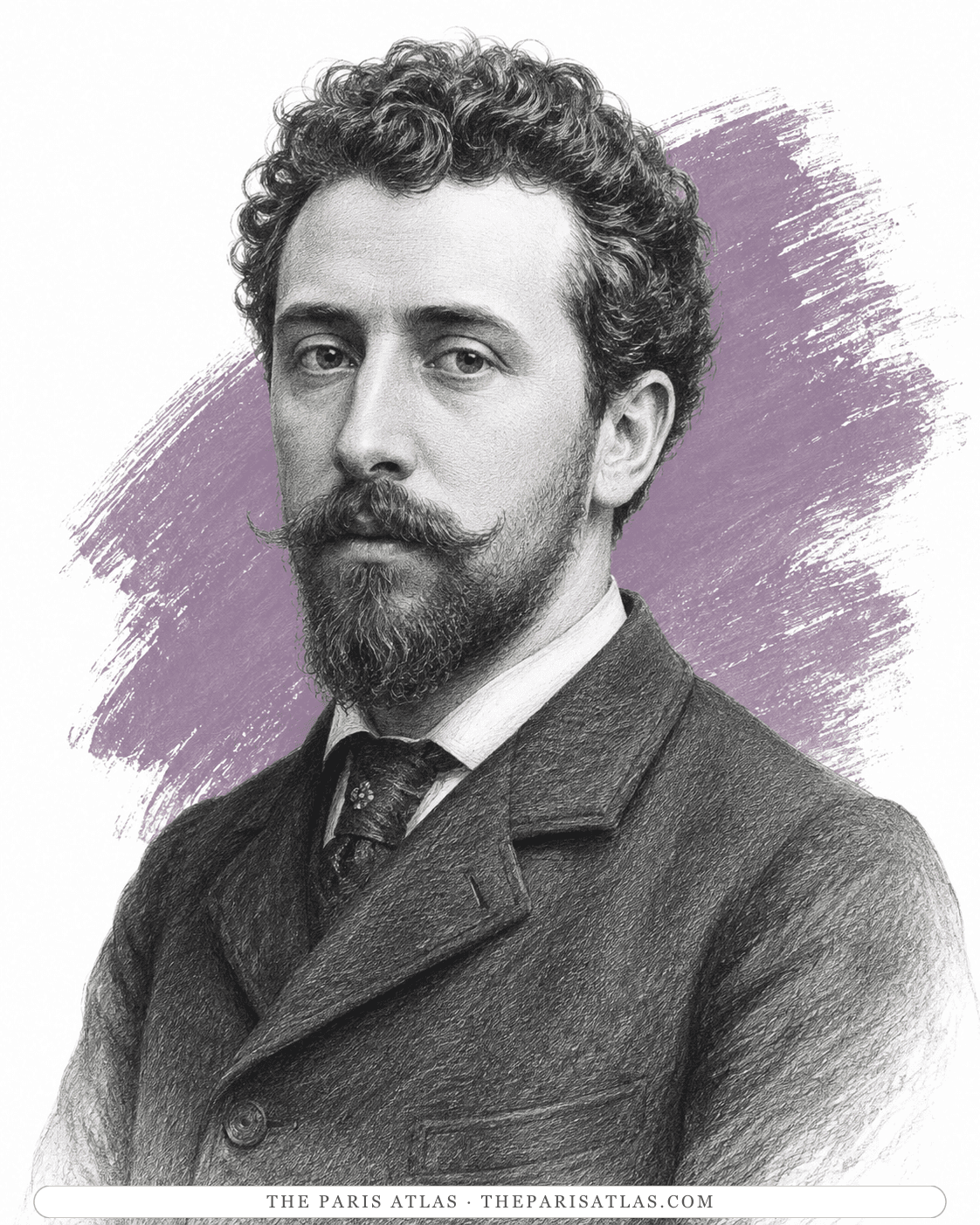
Collaborated with
They met in 1884 and made Neo-Impressionism together: pictures assembled from separated strokes according to contemporary theories of optical mixing. Signac was the organiser and the movement's writer.
Met · 1884
Met founding the Societe des Artistes Independants in 1884, after the Salon rejected Bathers at Asnieres. Signac became Seurat's closest ally and, after his death in 1891, the chief theorist and defender of Neo-Impressionism.
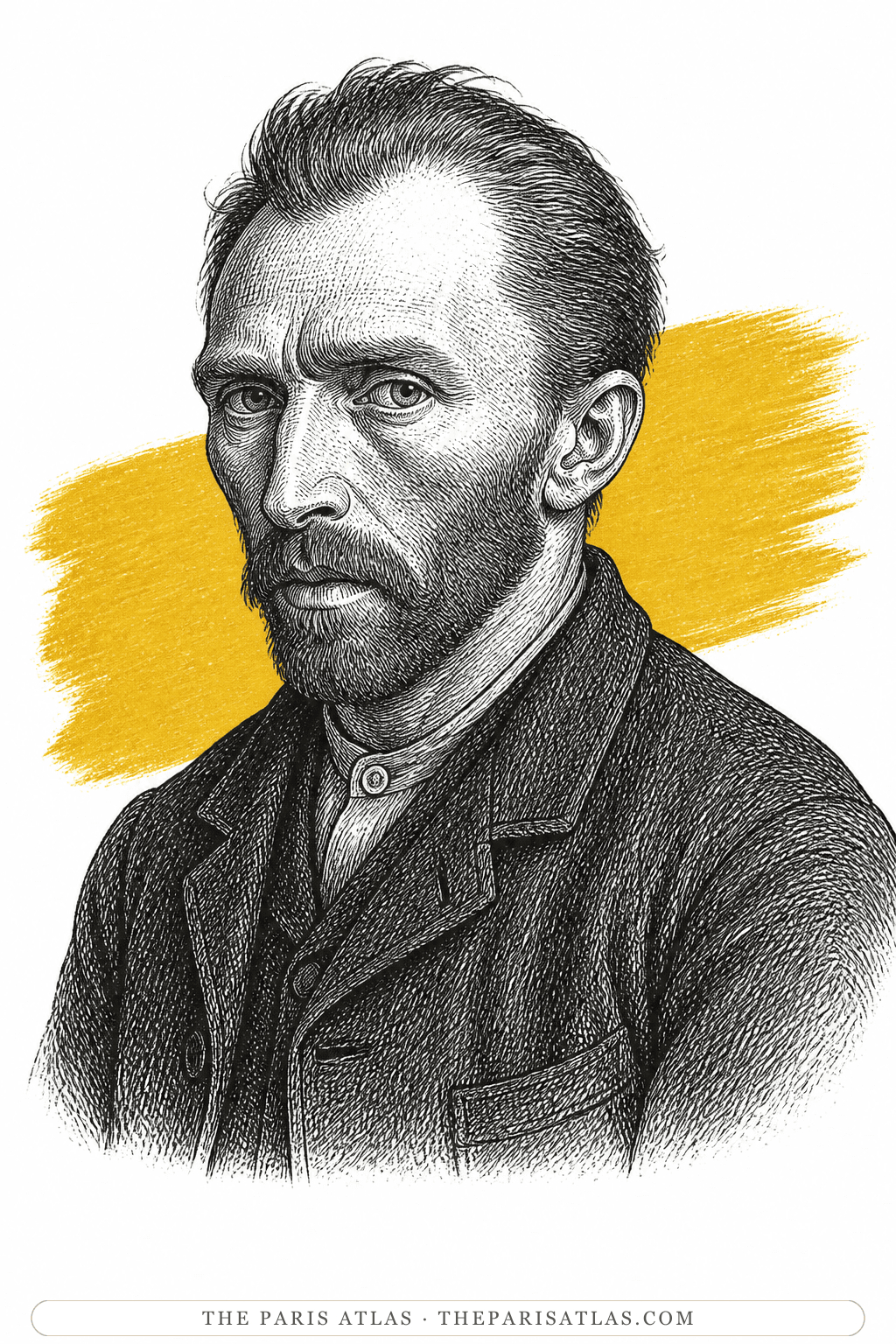
Met · 1886–1889
They met in Paris in 1886, and through 1887 painted together along the Seine at Asnières, river landscapes and cafés. Van Gogh at first chiefly admired Signac's loose technique. In March 1889 Signac visited Van Gogh at Arles, and at the 1890 XX banquet in Brussels he declared he would carry on Toulouse-Lautrec's defence of Van Gogh's honour if a duel over the paintings went ahead.
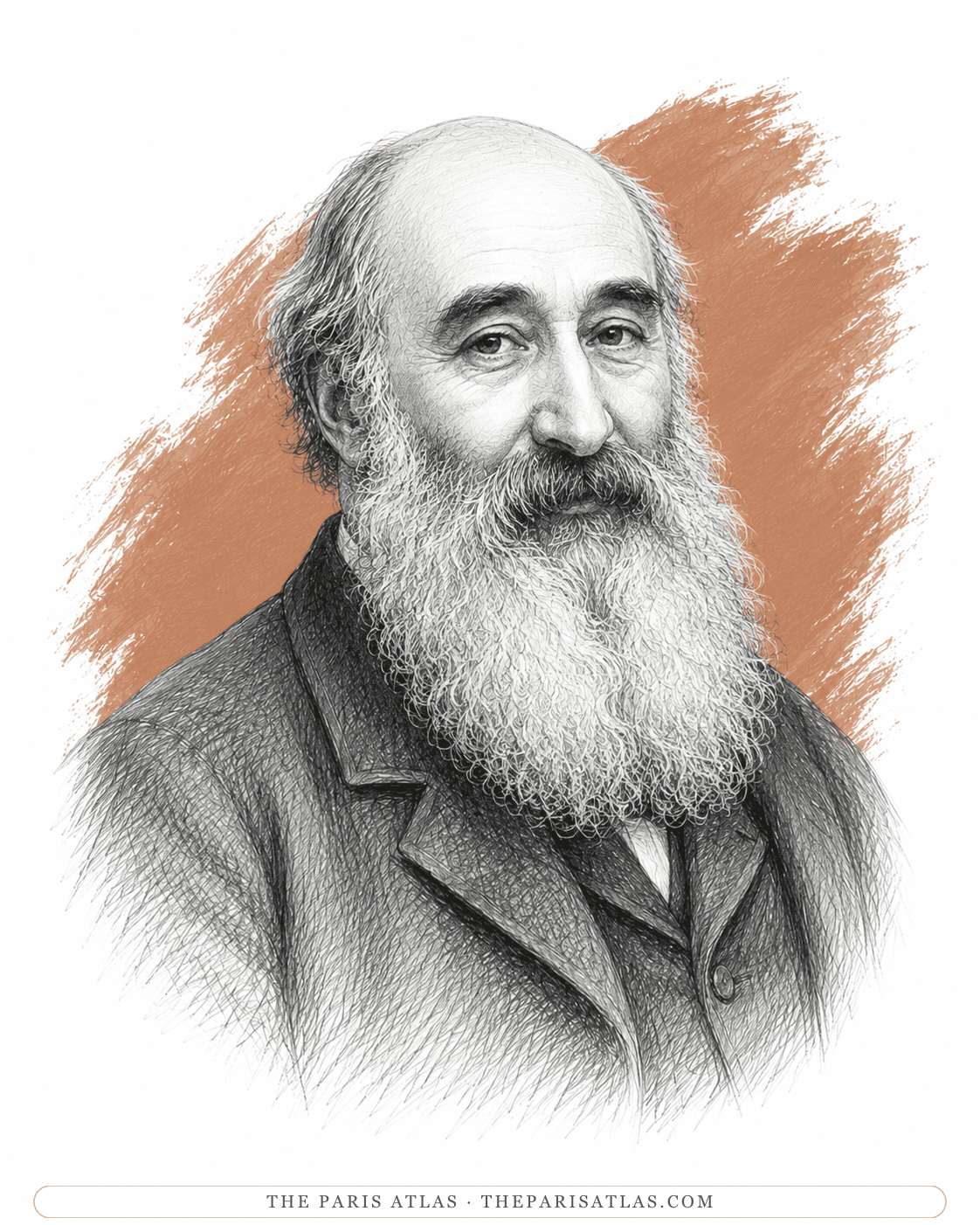
Signac and Seurat built Neo-Impressionism out of colour theory, and Pissarro — a founder of Impressionism in his mid-fifties — took up their divided brushwork from the mid-1880s until about 1890.
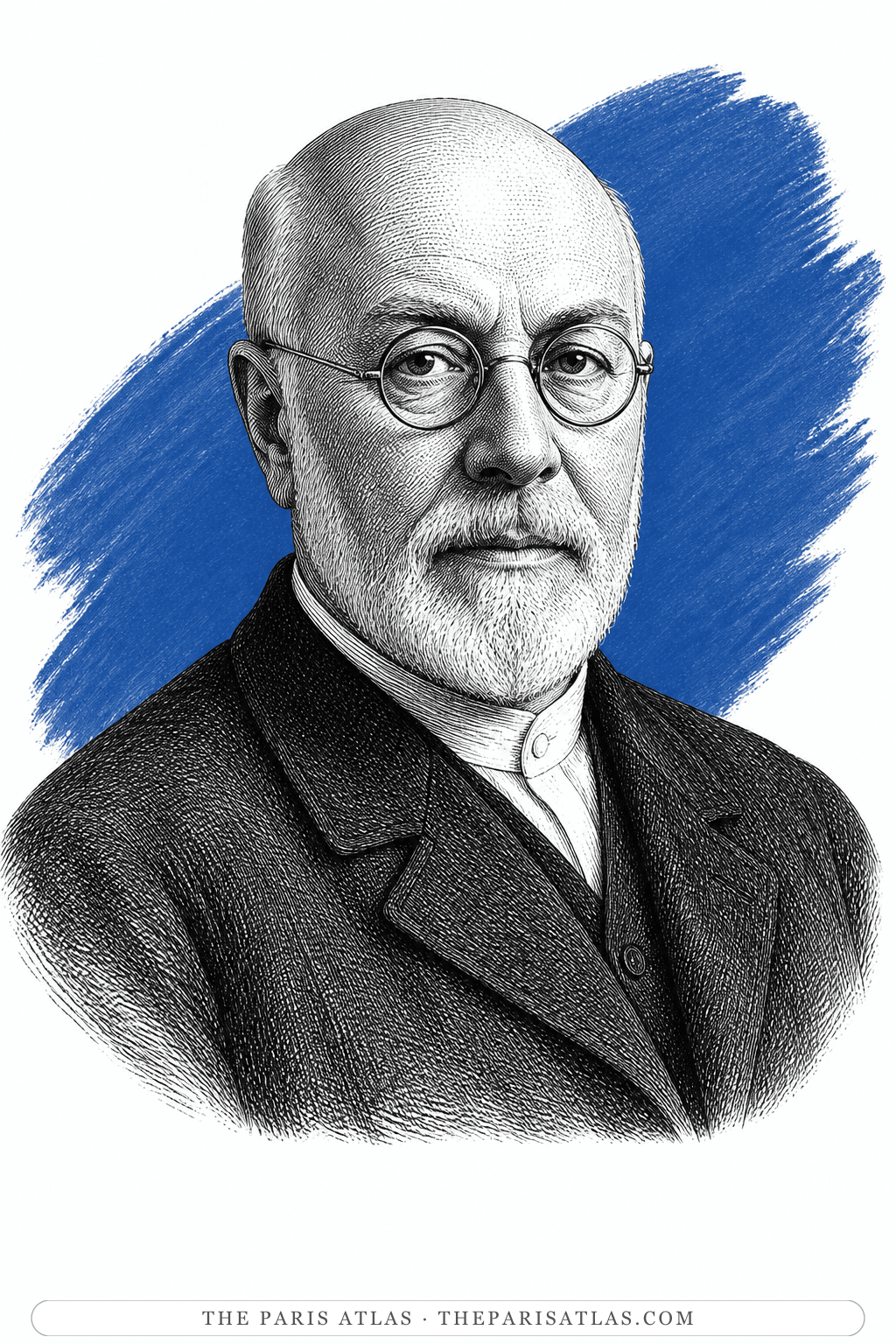
Matisse adopted Signac's Divisionist method after reading his essay From Eugène Delacroix to Neo-Impressionism, and painted Luxe, calme et volupté in 1904 after a summer at Saint-Tropez alongside Signac and Henri-Edmond Cross. Signac bought the painting, and the pure colour he taught fed directly into the Fauvism Matisse launched the next year.
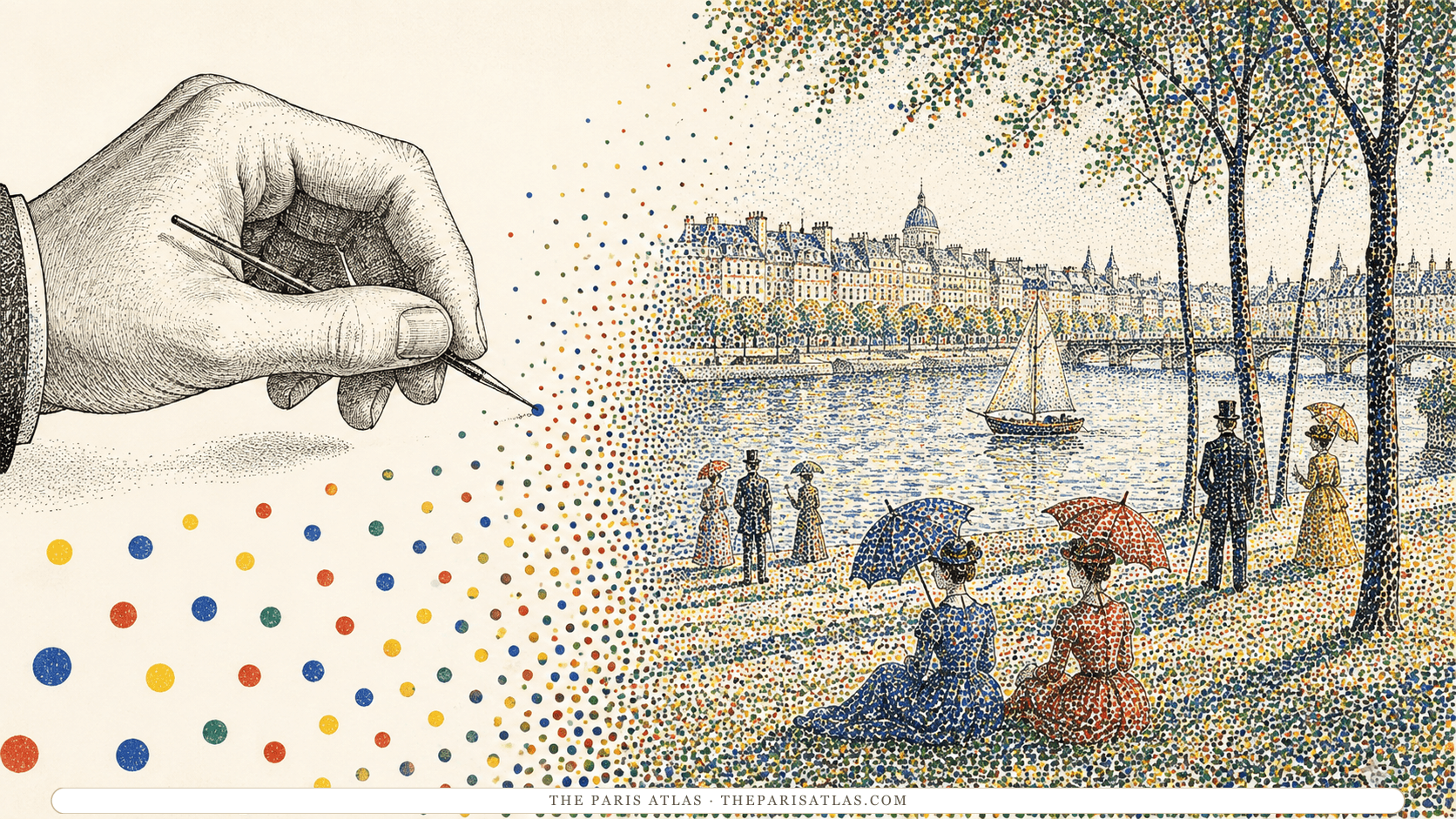
Painting technique and movement · 1886–circa 1906
Seurat's closest ally from 1884 and the movement's organizer, theorist and promoter after Seurat's death in 1891.
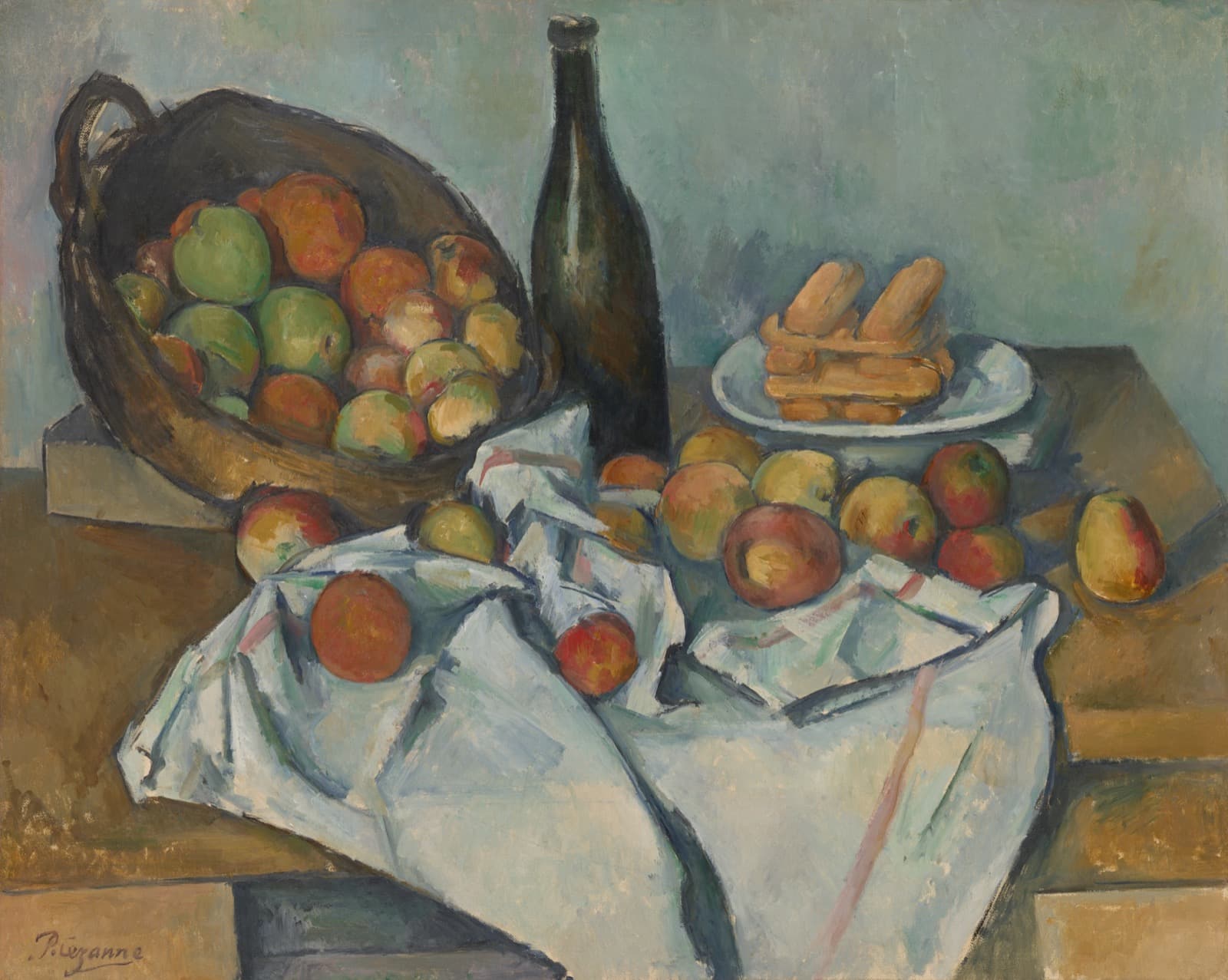
Art movement · circa 1886–1905
Signac came to Post-Impressionism through Neo-Impressionism. He was among the founders of the Societe des Artistes Independants in 1884 and showed the Pont d'Austerlitz at its first Salon that December.
Paul Signac (1863–1935) was a French painter who, with Georges Seurat, founded Neo-Impressionism, the technique of building pictures from separate dots of pure colour, also called Pointillism or Divisionism. A keen sailor, he is best known for his luminous seascapes and port views. After Seurat's early death he became the movement's chief theorist and organiser, and his writings and his summers at Saint-Tropez helped launch the Fauvism of Matisse.
Pointillism is a technique of painting in small, separate touches of unmixed colour placed side by side, so that the colours blend in the viewer's eye rather than on the canvas. Signac and Seurat developed it from the mid-1880s and preferred to call it Divisionism or Neo-Impressionism. It was based on contemporary theories of how the eye mixes light. Signac set out its principles in his 1898 treatise From Eugène Delacroix to Neo-Impressionism, the movement's key text.
Signac was the older painter who set Matisse on the road to Fauvism. Matisse adopted Signac's Divisionist method after reading his treatise, and in the summer of 1904 worked beside Signac at Saint-Tropez, where he painted Luxe, calme et volupté; Signac bought the picture. The pure, unmixed colour Matisse learned there fed directly into the Fauvist paintings he unveiled in 1905, and Signac, as president of the Indépendants, was the first person ever to buy a Matisse.
Yes. From 1888 Signac read and embraced anarchist thinkers such as Kropotkin, Élisée Reclus and Jean Grave, contributed to Grave's paper Les Temps Nouveaux, and counted many anarchists among his friends, including Camille Pissarro, Maximilien Luce and the critic Félix Fénéon. His large 1893 canvas In the Time of Harmony was originally titled In the Time of Anarchy, and he changed the name only because state repression of anarchists made the original impossible to exhibit.
He died of sepsis in Paris on 15 August 1935, at the age of 71. His body was cremated and interred three days later at the Père Lachaise Cemetery. He had painted and led the Société des Artistes Indépendants almost to the end, and had been named an official Painter of the Navy in recognition of the seascapes that were his lifelong subject.
The Musée d'Orsay in Paris holds several, including Le Démolisseur and the portrait of his wife Berthe, and the Museum of Modern Art in New York has his portrait of Félix Fénéon. Works are also held by the Metropolitan Museum, the Guggenheim Bilbao and museums across Europe and beyond. The Arkansas Museum of Fine Arts owns the largest collection of his watercolours and drawings outside France.
Collaborated with
They met in 1884 and made Neo-Impressionism together: pictures assembled from separated strokes according to contemporary theories of optical mixing. Signac was the organiser and the movement's writer.
Influenced
Signac and Seurat built Neo-Impressionism out of colour theory, and Pissarro — a founder of Impressionism in his mid-fifties — took up their divided brushwork from the mid-1880s until about 1890.
Influenced
Matisse adopted Signac's Divisionist method after reading his essay From Eugène Delacroix to Neo-Impressionism, and painted Luxe, calme et volupté in 1904 after a summer at Saint-Tropez alongside Signac and Henri-Edmond Cross. Signac bought the painting, and the pure colour he taught fed directly into the Fauvism Matisse launched the next year.
Met · 1886–1889
They met in Paris in 1886, and through 1887 painted together along the Seine at Asnières, river landscapes and cafés. Van Gogh at first chiefly admired Signac's loose technique. In March 1889 Signac visited Van Gogh at Arles, and at the 1890 XX banquet in Brussels he declared he would carry on Toulouse-Lautrec's defence of Van Gogh's honour if a duel over the paintings went ahead.
Associated with
Seurat's closest ally from 1884 and the movement's organizer, theorist and promoter after Seurat's death in 1891.
Associated with · 1886
Signac came to Post-Impressionism through Neo-Impressionism. He was among the founders of the Societe des Artistes Independants in 1884 and showed the Pont d'Austerlitz at its first Salon that December.
Met · 1884
Met founding the Societe des Artistes Independants in 1884, after the Salon rejected Bathers at Asnieres. Signac became Seurat's closest ally and, after his death in 1891, the chief theorist and defender of Neo-Impressionism.
The sources below include biographies, scholarly essays, interviews, and primary materials that informed this page. They reflect both the historical record and ongoing critical conversations about Paul Signac and their work.

Encyclopaedia Britannica's biography, used to confirm dates and the career outline.
The Museum of Modern Art's artist record, holder of his portrait of Félix Fénéon.
The art history institute's account of the Signac papers in its library: the meeting with Seurat's work at the first Indépendants exhibition in 1884, the founding of the Société des Artistes Indépendants and its motto of no jury and no prizes, the anarchist conviction behind it, the friendship with Camille Pissarro and Pissarro's adoption of Seurat's divided touch, Signac's argument in D'Eugène Delacroix au néo-impressionnisme, and his presidency of the Indépendants from 1908 to 1934.
The Art Institute of Chicago on Signac's beginnings: the father's death in 1880, the family's move to Asnières on the Seine, the sale of the family business that let him leave school to paint, his self-teaching, his first Paris studio in 1882, the Salon's rejection in 1884 and the meeting with Seurat that followed at the Indépendants.
The town of Saint-Tropez on Signac's arrival by yacht in 1892, the house he bought and turned into the studio he called La Hune, and the painters he drew there: Cross, Matisse, Derain and Marquet.

Signac's own treatise, the primary text for his account of divided colour running back through Delacroix to the Impressionists.
Reference article cross-checked for the chronology, the founding of the Indépendants, the anarchism, the influence on Matisse, and the death.
These references anchor the page in the documented record and in the scholarly conversations around Paul Signac. Every claim on this page traces back to one or more of the works listed here.
 Explore more resources