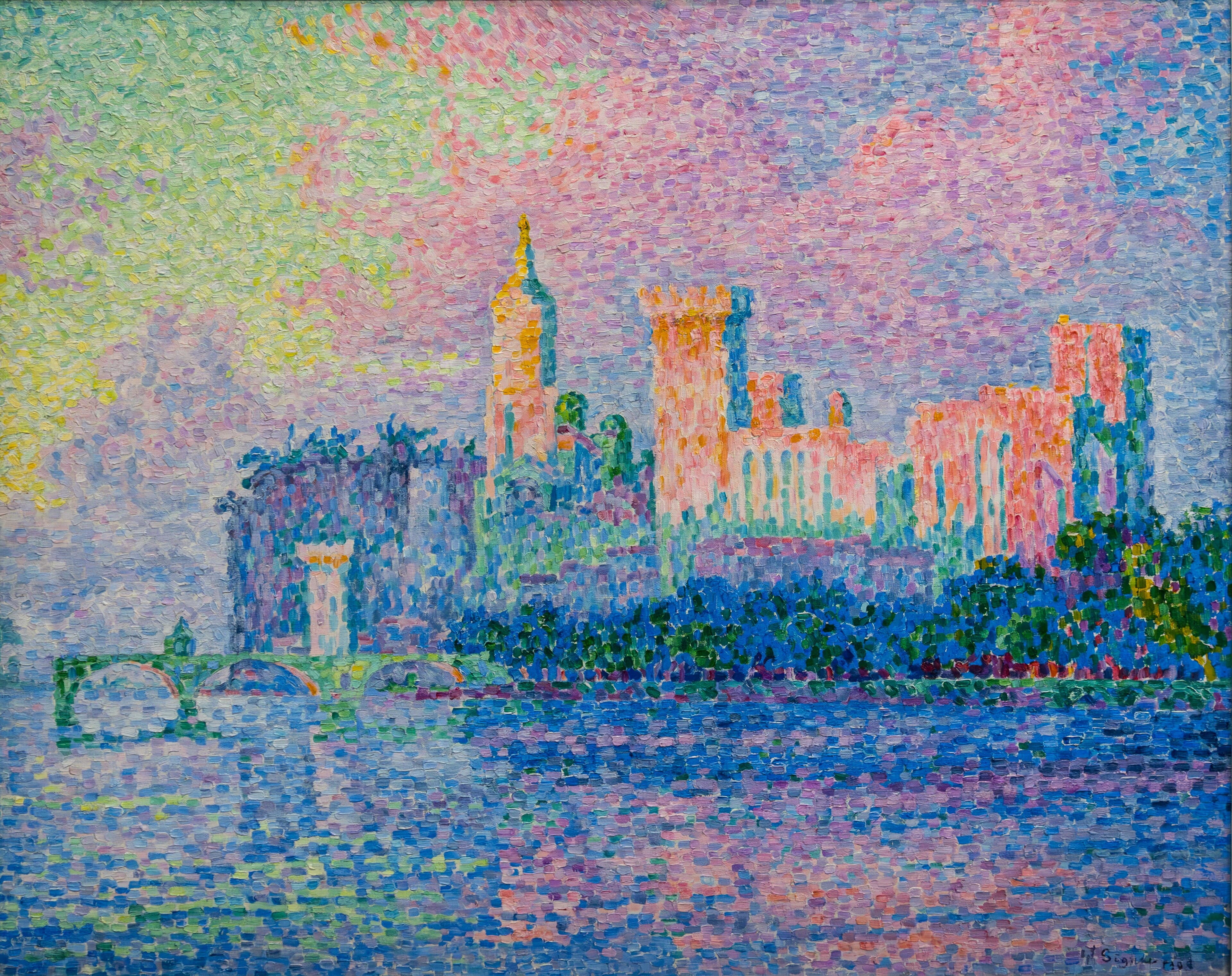
Avignon. Evening (the Palace of the Popes)
by Paul Signac
The Palace of the Popes rises above the Rhône at Avignon in evening light, with the broken arches of the Pont Saint-Bénézet crossing the water at the left. Paul Signac painted it in 1909 in blocks of colour several times the width of his earlier dots. The French state bought it from him at the Salon des Artistes Indépendants in 1912, and it is now at the Musée d'Orsay.
- 1909
- Oil on canvas
- Musée d'OrsayParis, France
About Paul Signac
What the painting shows
The papal palace fills the upper right, its towers and battlements struck salmon-pink and orange by low sun, with the blue of the shaded walls cutting between them. To its left a darker block of building and tower sits in blue, violet and teal, broken by one lit opening in cream and orange. Below runs a band of foliage, more blue than green at close range.
The Pont Saint-Bénézet crosses the lower left on a single visible arch, painted in blue and mauve with red and orange along its crown. The Rhône takes the whole bottom third in rows of blue, rose, lilac and emerald. The sky is green and lemon at the upper left, turning to pink and mauve across the top.
The canvas is 73.3 by 91.9 centimetres. Signac signed and dated it at the lower right: P. Signac. 1909.
1909, not 1900
The painting is often dated 1900 and described as a view of the Palais des Papes. The Musée d'Orsay's own record gives 1909, and the inscription on the canvas agrees: P. Signac. 1909. The museum's title is Avignon. Soir (le château des Papes), which names the hour before it names the building.
Signac had a second Avignon canvas in circulation and the titles are easy to confuse. The Orsay work carries the accession number RF 1977 323 and, from its years at the Musée du Luxembourg, the older number LUX 968.
From dots to mosaic blocks
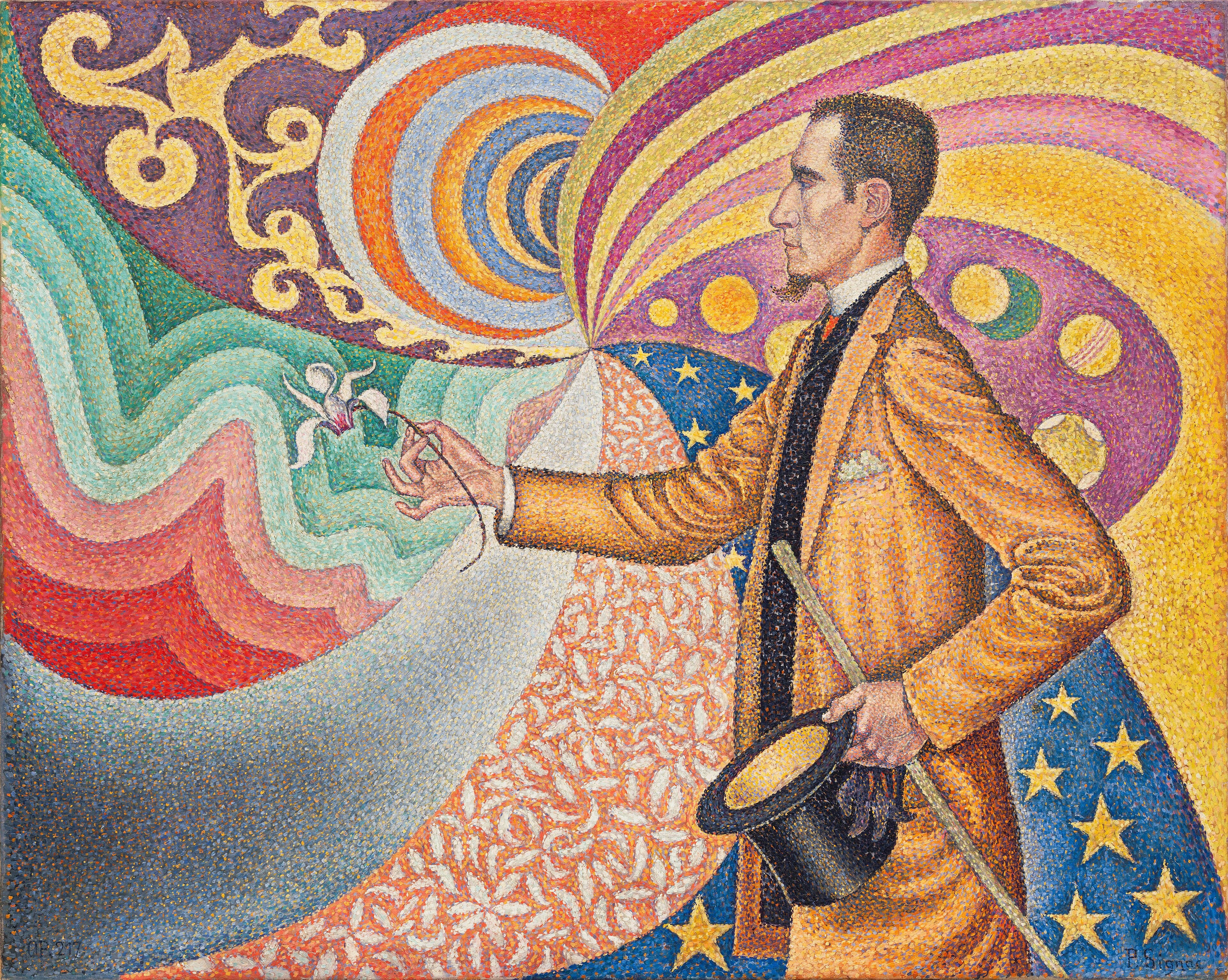
The touch has changed completely since the 1880s. These are rectangular tiles laid with a flat brush, several times the width of the round dots in the 1890 portrait of Félix Fénéon, each one standing separately with the ground visible in the gaps between.
The paint is also much thicker. In the green and lemon sky at the upper left the strokes stand proud of the canvas in heavy ridges, the most loaded passage in the picture. The water carries the largest tiles of all, broad flat blocks of cobalt, rose, mauve, salmon and emerald in horizontal rows.
The colour logic survives the change of scale. Blue tiles sit inside the pink towers, orange tiles inside the blue shadow, green inside the violet. What has gone is any pretence that the marks will fuse. At a normal viewing distance the blocks still read as blocks, and the building is assembled rather than described.
Bought back, then sold to the State
The Musée d'Orsay's provenance records an unusual sequence in 1912. The canvas was with the dealers Bernheim-Jeune, who had paid 1,125 francs for it. On 18 April 1912 Signac bought it back from them for 1,425 francs, three hundred francs more than they had given.
He then showed it at the Salon de la Société des Artistes Indépendants that year, as number 2999, in the exhibition on the quai d'Orsay by the Pont de l'Alma. The State bought it from him there for the Musée du Luxembourg. Signac had been president of the Indépendants since 1908.
It stayed at the Luxembourg, then passed to the Musée National d'Art Moderne, and in 1977 was assigned to the Musée d'Orsay's collections. It was shown at the Museum of Modern Art in New York in 1976 in The "Wild Beasts": Fauvism and its Affinities, as number 89.
Close reading
Reading the work, detail by detail
Twenty-three years after the Seine at Les Andelys, Paul Signac was laying rectangular tiles with a flat brush instead of dots with a round one. Eleven close views measure the change: blocks several times the earlier width, paint thick enough to stand in ridges, and a colour logic that survives the new scale even though the marks no longer pretend they will fuse.
1.The sky at the upper left is green
This corner is apple-green, mint, emerald and chartreuse with a few lilac blocks at the edge, and no blue and no pink. The paint is at its heaviest here, each stroke standing proud of the canvas in a visible ridge. It is the most loaded passage in the picture.
2.Where the pink actually starts
The pink is not spread across the whole sky. It begins above the centre and runs to the right, in rose, lilac, mauve and cream blocks with small pale blue ones between. The green and the pink meet without a transition, as two fields of tile rather than a gradient.
3.Salmon walls with cobalt cut between them
The lit walls are salmon, coral, apricot and chrome orange in roughly vertical columns of block. Between and behind them the shaded faces and window openings are pure cerulean and cobalt, laid as vertical strokes. The building is assembled from two temperatures with nothing in between.
4.Gilt on one side, green on the other
The narrow pinnacle beside the palace is chrome yellow and orange down its lit side and teal and emerald down its shaded side, with no shared tone. The gilded figure at its top is the single brightest yellow in the canvas. The blocks here are ridged and stand well clear of the surface.
5.A dark mass with no black in it
The block of building at the left reads as dark and heavy, and contains no dark pigment. It is cobalt, ultramarine, violet, teal and mauve tiles. A cream and pink shaft runs up its centre, capped by three orange blocks, the only warm accent in that half of the skyline.
6.Trees that are more blue than green
The band below the palace reads as trees from a distance. Close in, cobalt and ultramarine blocks outnumber the green ones, with dark green and emerald laid over the blue and crimson and violet along the lower edge. Signac paints the shadow first and the leaf afterwards.
7.Red along the crown of the arch
The single visible arch is built from blue, mauve and grey-lilac, with red-pink blocks strung along its crown and one orange block at its right end. The parapet above is a horizontal run of green. The reds are small and they carry the whole arch forward out of the water.
8.The arch repeated in pale horizontal rows
Under the bridge the tiles turn pale and strictly horizontal: cream, grey-blue and lilac in ranked rows, with cobalt blocks marking where the arch falls. The reflection is built from the same blocks as the bridge but drained of the red.
9.The largest tiles in the painting
The river carries the biggest marks on the canvas: broad flat blocks, slightly wider than tall, set side by side in horizontal rows with the ground visible in the gaps. Cobalt, rose, mauve, salmon, cream and emerald sit together without blending. At any normal distance they still read as blocks.
10.The far wing, pink over blue
The range at the right is salmon and pink tiles laid over a substrate of cerulean and teal that shows through at every gap. Vertical blue strokes mark the buttresses. The pink is thin enough here that the cool underpainting keeps changing its temperature.
11.The date the museum record confirms
Signac signed and dated the canvas at the lower right: P. Signac. 1909. The inscription settles a date that is often printed as 1900, and it agrees with the Musée d'Orsay's own record. The lettering sits on the blue and rose blocks of the water.
Timeline
1899
Signac publishes D'Eugène Delacroix au néo-impressionnisme, which argues for the divided touch and traces it back to Eugène Delacroix.
1908
Becomes president of the Société des Artistes Indépendants, a post he holds for the rest of his life.
1909
Paints the evening view of the papal palace across the Rhône, signing it P. Signac. 1909.
1912
Buys the canvas back from Bernheim-Jeune on 18 April for 1,425 francs, having been paid 1,125 francs for it.
1912
Shows it at the Salon de la Société des Artistes Indépendants as number 2999; the State buys it from him for the Musée du Luxembourg.
1976
Shown at the Museum of Modern Art, New York, in The "Wild Beasts": Fauvism and its Affinities, as number 89.
1977
Assigned to the Musée du Louvre for the collections of the Musée d'Orsay, as RF 1977 323.
Where to see it
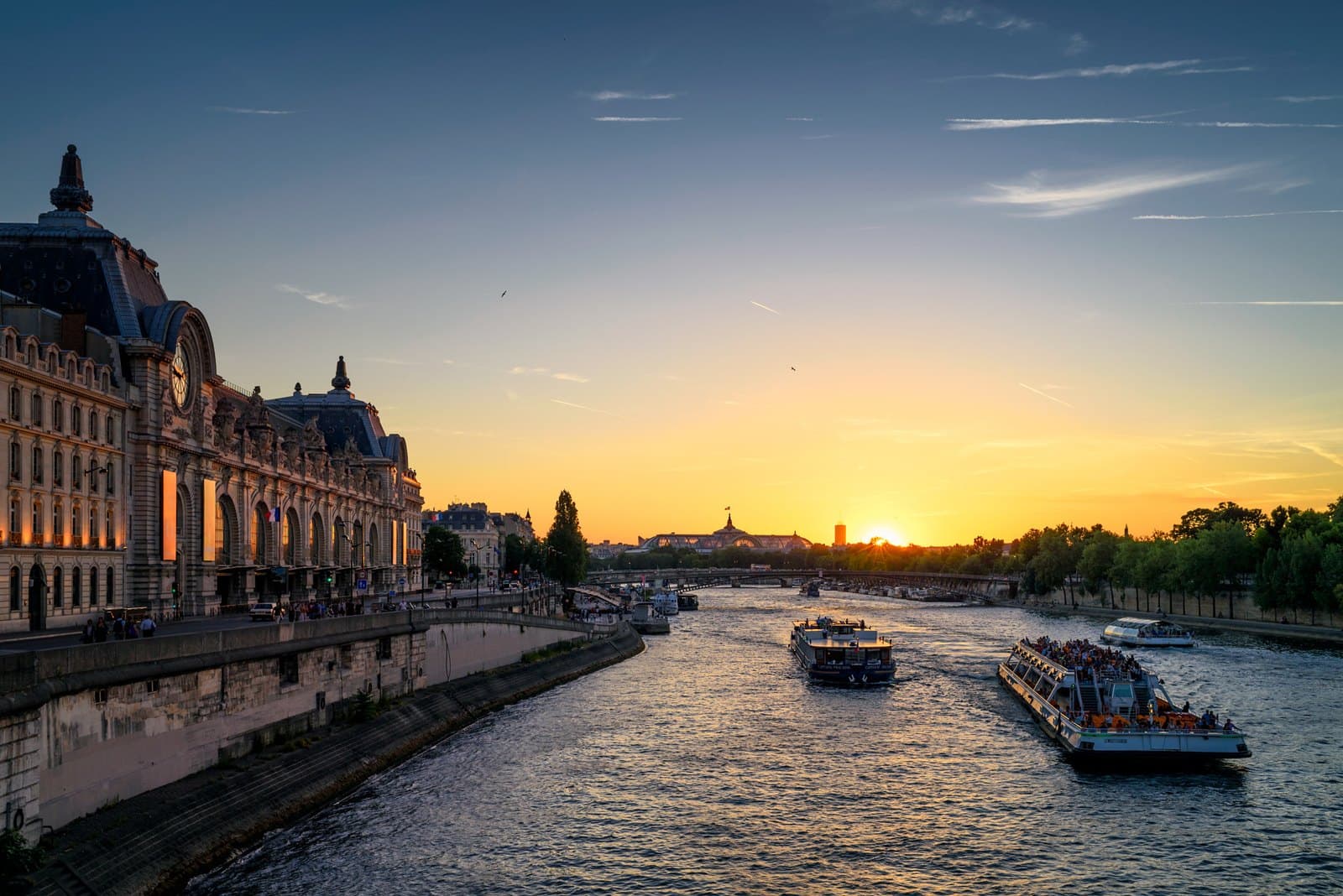
Musée d'Orsay
Esplanade Valéry Giscard d’Estaing, 75007 Paris, France
Displays rotate at the Musée d'Orsay. Check the museum's object record before travelling specifically to see it.
Plan your visitFrequently asked questions
When did Paul Signac paint the Palace of the Popes at Avignon?
1909. The date is often given as 1900, but the Musée d'Orsay's record gives 1909 and the canvas is signed and dated at the lower right: P. Signac. 1909.
What is the museum's title for the painting?
Avignon. Soir (le château des Papes), which translates as Avignon. Evening (the Palace of the Popes). The hour comes before the building in the museum's own title.
Where is Avignon. Soir (le château des Papes)?
The Musée d'Orsay in Paris, accession number RF 1977 323. It also carries the number LUX 968 from its years at the Musée du Luxembourg, where it hung from 1912.
How is the 1909 painting different from Signac's earlier work?
The mark is far larger. These are rectangular tiles laid with a flat brush, several times the width of the round dots of 1890, standing separately with the ground showing between them. The paint is thicker too, ridged and standing proud in the sky.
How did the painting reach the French state?
Signac bought it back from the dealers Bernheim-Jeune on 18 April 1912 for 1,425 francs, three hundred more than they had paid. He showed it at the Salon des Artistes Indépendants that year as number 2999, and the State bought it from him for the Musée du Luxembourg.
How large is the canvas?
73.3 by 91.9 centimetres, roughly 29 by 36 inches. The Musée d'Orsay records it as oil on canvas.
What buildings are in the painting?
The Palace of the Popes, the fourteenth-century papal residence above the Rhône at Avignon, with its towers catching the evening light. The broken arch of the Pont Saint-Bénézet crosses the river at the lower left.
More by Paul Signac
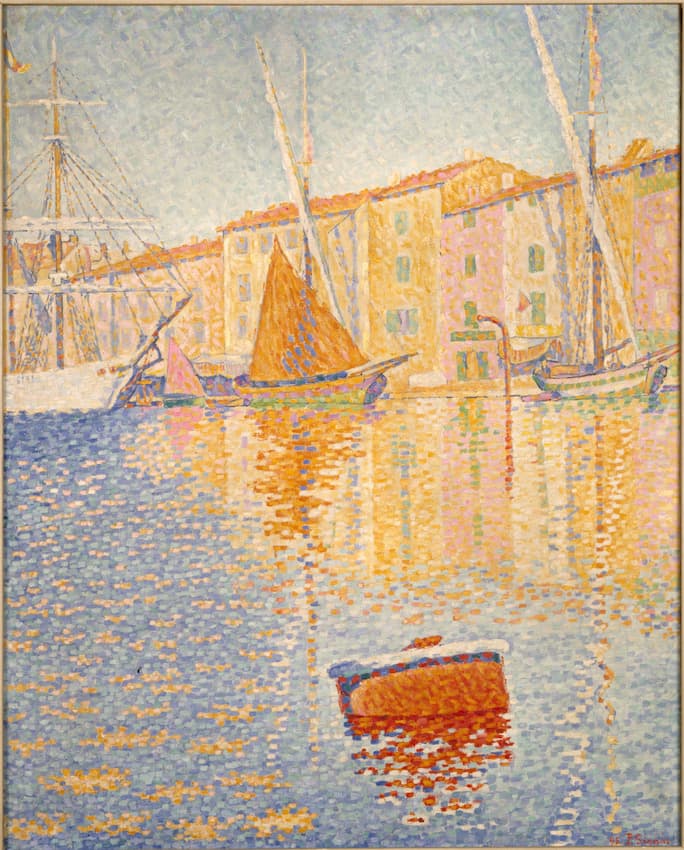
If you like Paul Signac
Explore painters from the same movements and circles.
Georges Seurat
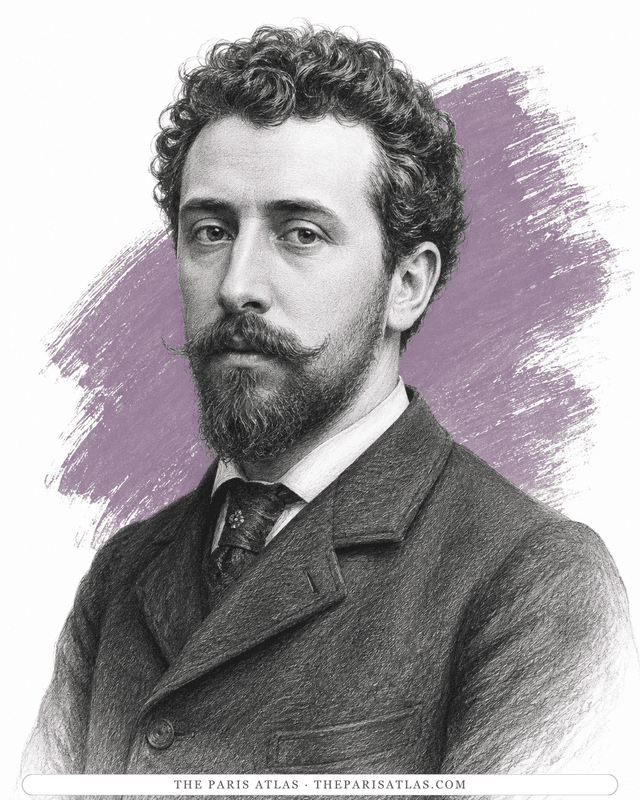
Parisian painter who built pictures from small dots of pure colour on optical principle, co-founded the Salon des Indépendants, and detonated the last Impressionist exhibition of 1886 with A Sunday on La Grande Jatte. He died at thirty-one.
View artist
Paul Cézanne
Painter between Impressionism and everything after — shown in the independents' exhibitions, emulated by the Cubists, and present at the Orangerie through 15 works in the Walter-Guillaume collection.
View artist
Henri-Edmond Cross
French Neo-Impressionist who carried divided colour to the Mediterranean, enlarged the dot into a bright mosaic-like stroke, and influenced the young Henri Matisse.
View artist
References
The sources below include collection records, catalogues, scholarly research, and primary materials that informed this page. They document Avignon. Evening (the Palace of the Popes), its making, and its place in cultural history.


1Avignon. Soir (le château des Papes) (Paul Signac)
WebsiteMusée d'OrsayUsed forWeb source consulted for documented facts and historical context presented on the Avignon. Evening (the Palace of the Popes) page.
2Paul Signac
WebsiteMusée d'OrsayUsed forWeb source consulted for documented facts and historical context presented on the Avignon. Evening (the Palace of the Popes) page.

3D'Eugène Delacroix au néo-impressionnisme
NonfictionWikisource, 1911Used forPublished analysis and historical context used in preparing the Avignon. Evening (the Palace of the Popes) page.
4The founding of the Société des Artistes Indépendants
WebsiteSociété des Artistes Indépendants — “Notre histoire”Used forWeb source consulted for documented facts and historical context presented on the Avignon. Evening (the Palace of the Popes) page.
These references provide the documented foundation for this work's history and interpretation. Claim-level citations remain attached to the specific claims they support.
 Explore more resources