Operated at · 1986
Gare d'Orsay
The museum opened to the public in the converted Gare d'Orsay on 9 December 1986 and remains there.
The museum between the Louvre and modern art: Manet, Monet, Morisot, Degas, Renoir, Cézanne, and Van Gogh inside a railway station built for 1900.
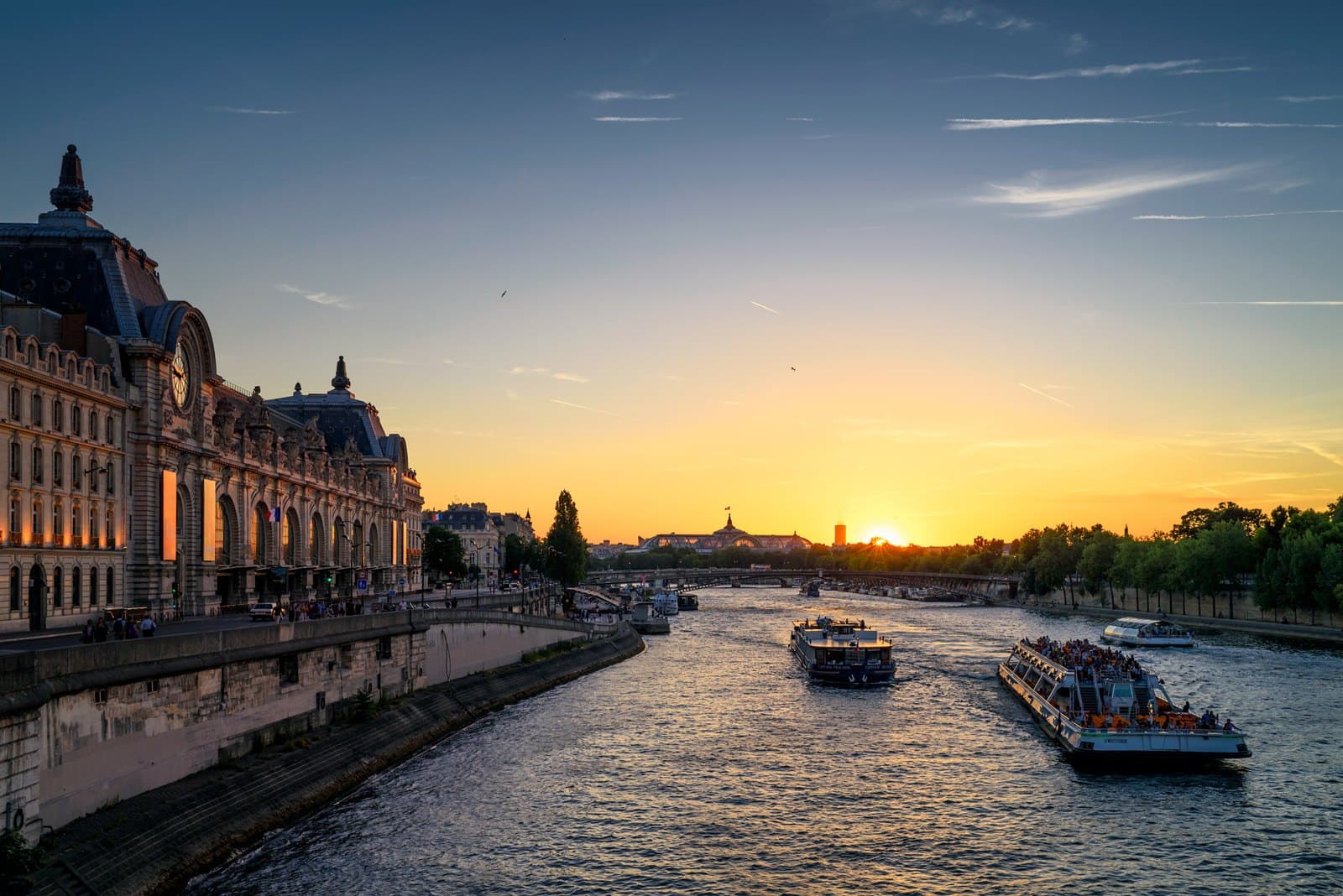
1 Rue de la Légion d'Honneur (Esplanade Valéry Giscard d'Estaing), 75007 Paris
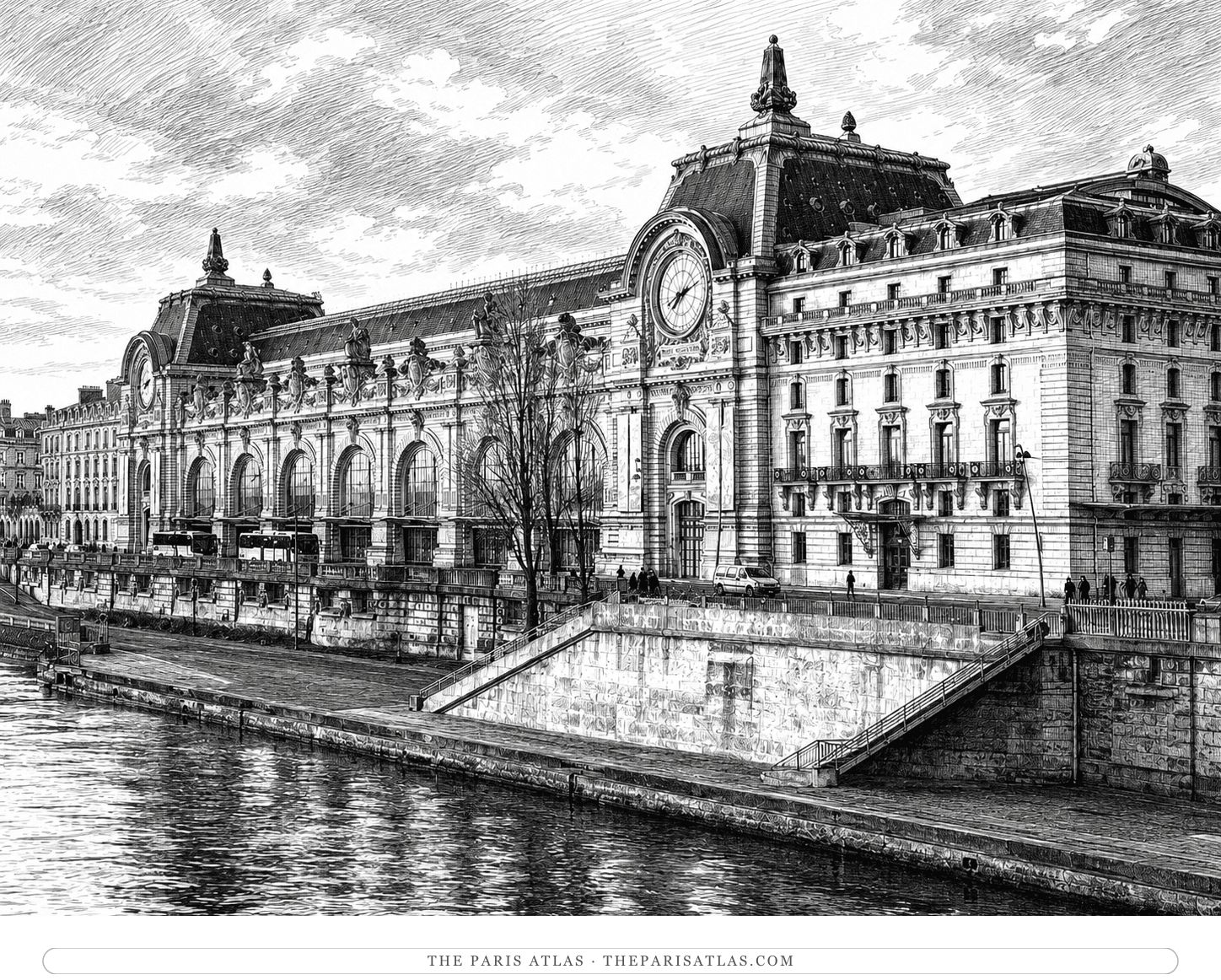
The museum occupies the former Gare d'Orsay; its separate place page follows the station, the trains, and the building's afterlife.
A modern nude who looks directly at the viewer; the 1865 Salon scandal was about subject, address, and the refusal to disguise the present as mythology.
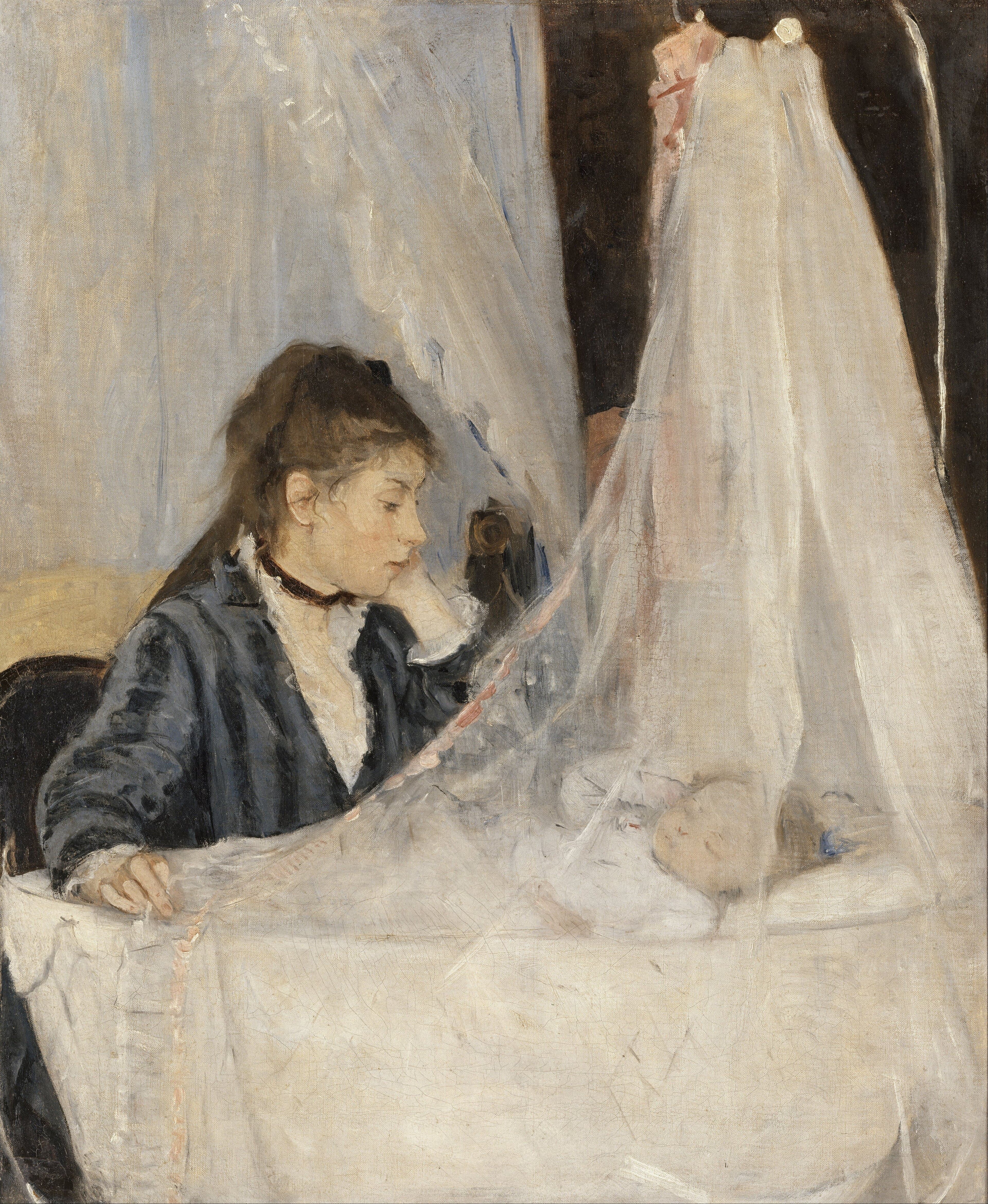
Morisot's sister Edma watches her sleeping daughter Blanche through a veil; shown at the first Impressionist exhibition in 1874.
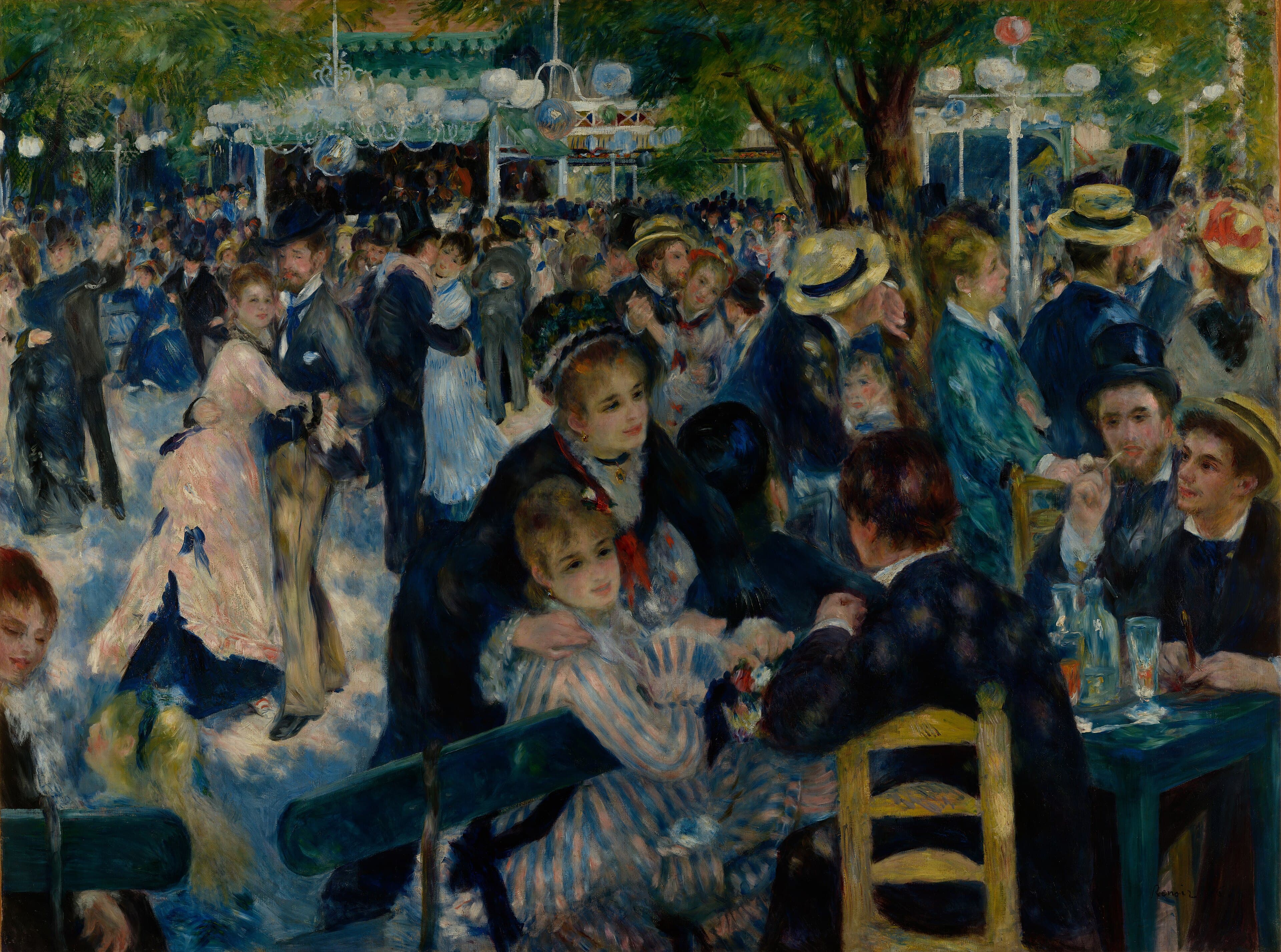
Sunday dancing in Montmartre, built at the scale of a Salon painting from broken light, crowded bodies, and recognizable friends.
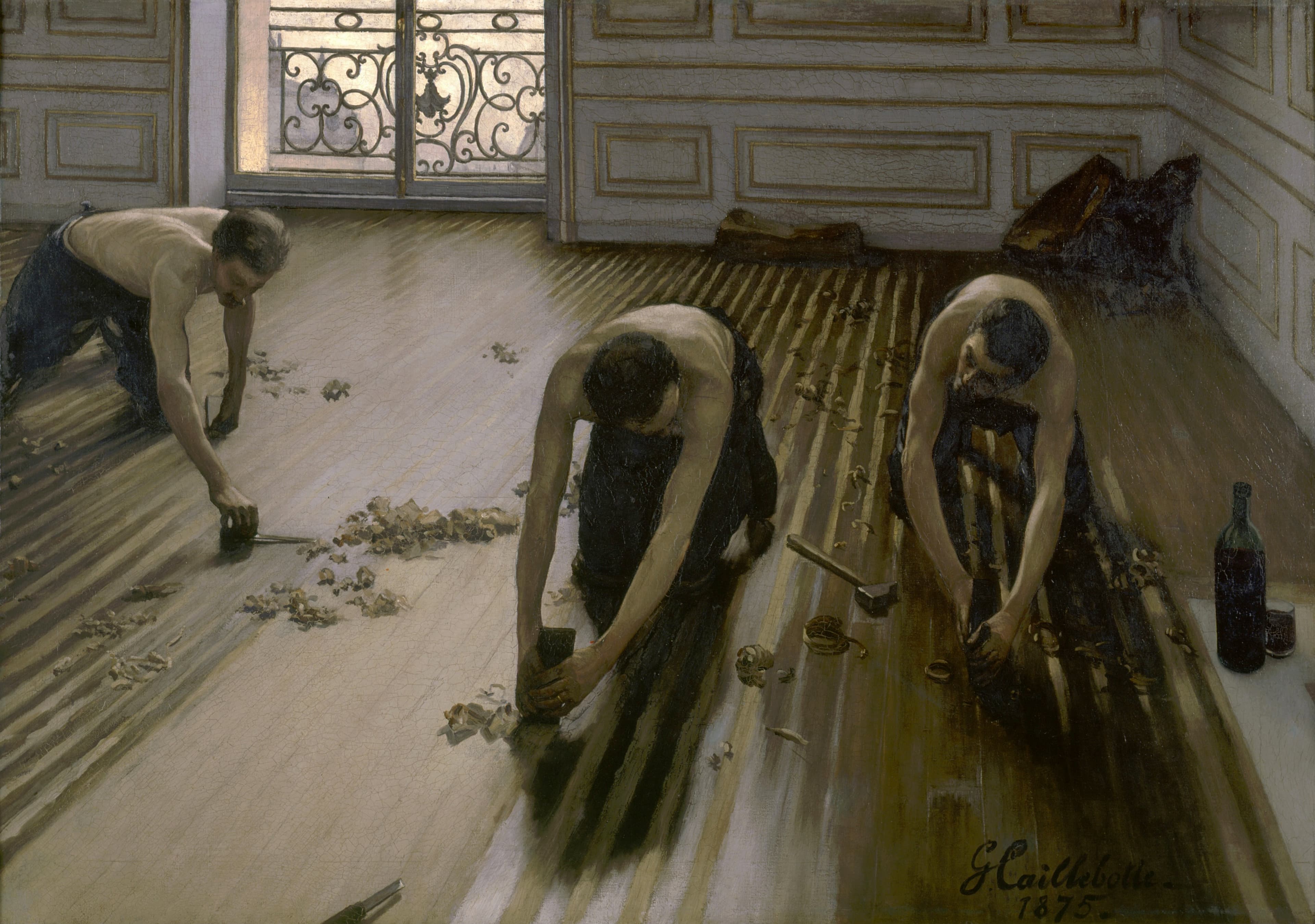
Three urban laborers in a new Paris apartment — rejected by the Salon, then shown at the second Impressionist exhibition in 1876.
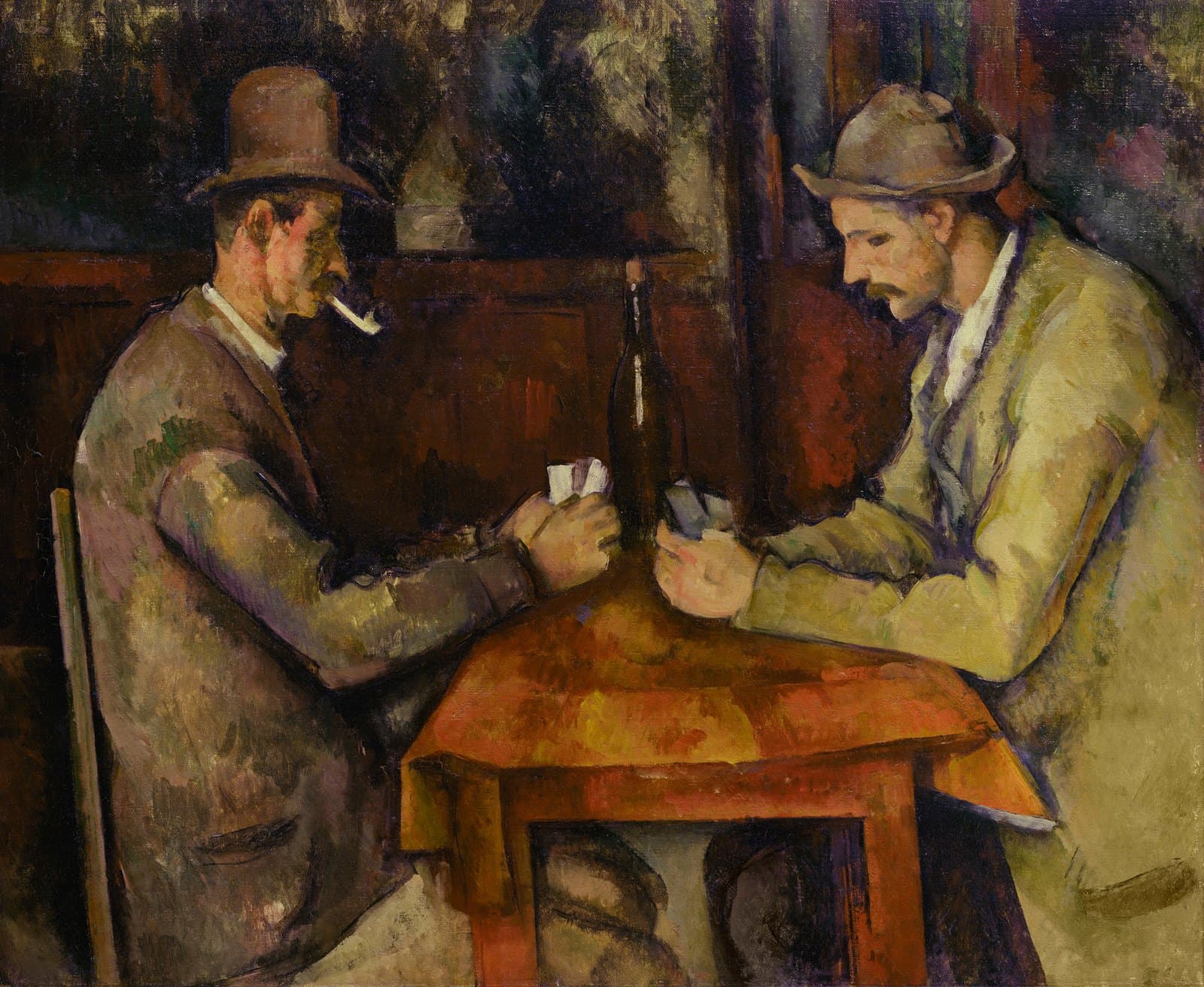
Two men face one another across a small table in the Orsay version of Cézanne's five-painting series, made around 1890–95.
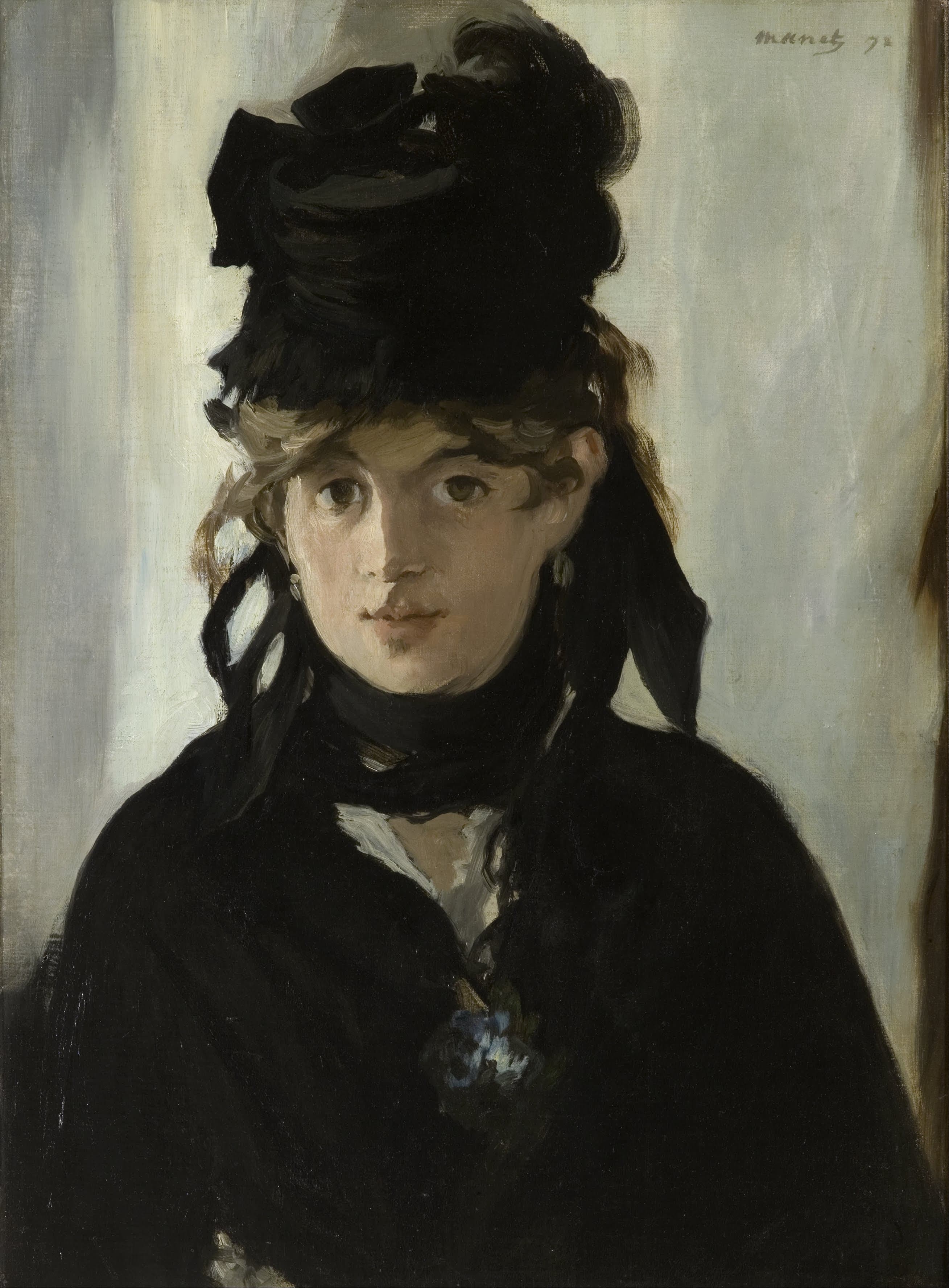
One painter looking at another: Manet's black-on-black portrait of Morisot, made before she married his brother Eugène.
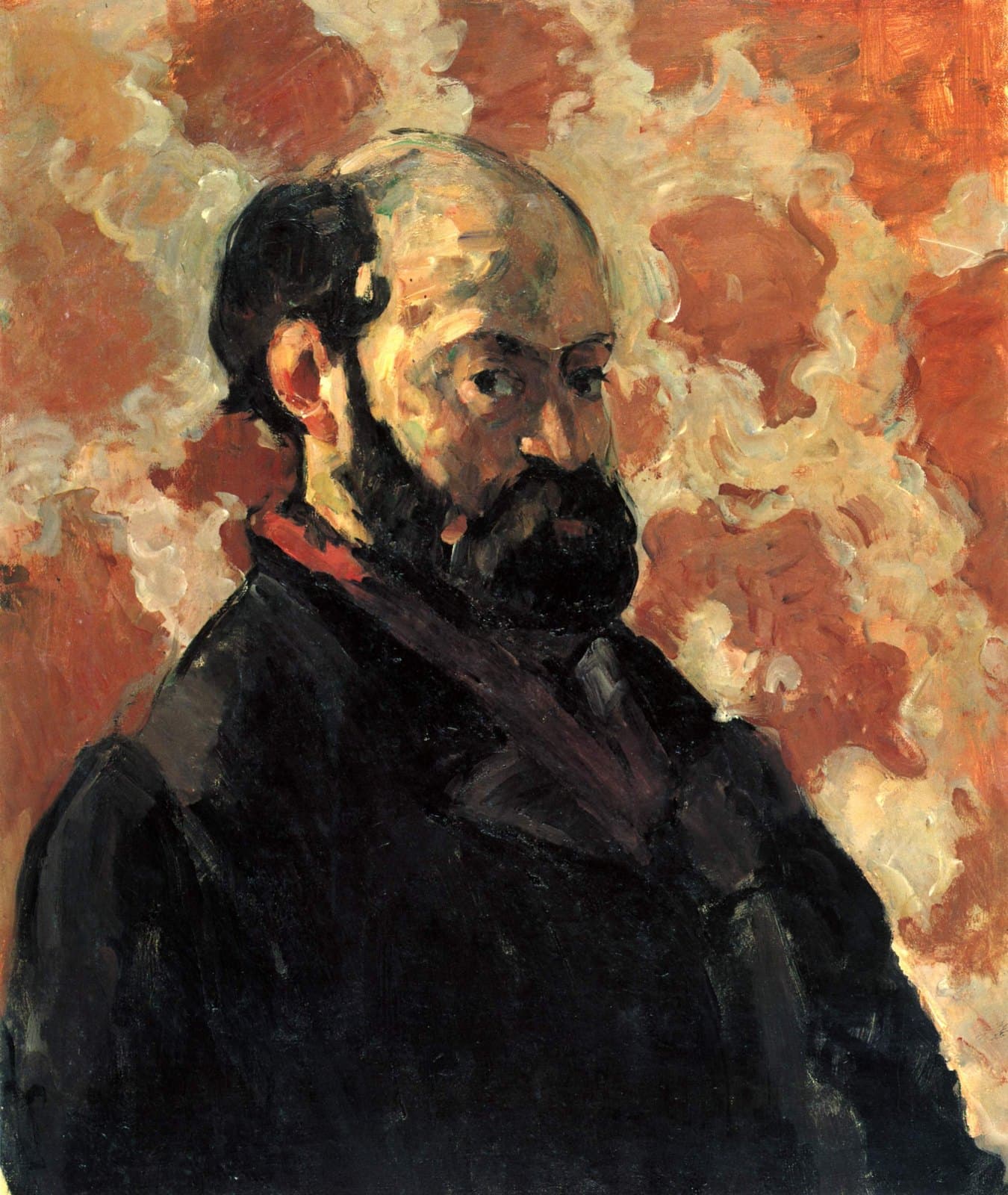
A self-portrait from about 1875, constructed from short, dense strokes rather than polished Salon finish.
Better known as Whistler's Mother: a portrait of Anna McNeill Whistler organized as a severe arrangement of tones.
For a first visit, do not try to clear every room. Allow two to three hours. Start with the fifth-floor Impressionist and Post-Impressionist galleries while your attention is fresh, then descend through the building for Gustave Courbet, Édouard Manet, Berthe Morisot, Edgar Degas, Gustave Caillebotte, and the sculpture in the nave. With only ninety minutes, choose six or eight works from the highlights below and leave room for the great clock. The museum is renovating, so use the current guide map rather than treating any fixed room sequence as permanent.
The collection covers 1848 to 1914. That makes the Musée d'Orsay the bridge between the older civilizations and European painting at the Musée du Louvre and the twentieth-century collections of the Musée national d'art moderne. Impressionism is the best-known part, not the whole museum: Realism, academic painting, Naturalism, Symbolism, the Nabis, Art Nouveau, photography, decorative arts, architecture, and sculpture share the same period.
The paintings did not begin as a collection assembled from scratch in 1986. The museum inherited state holdings from the Musée du Luxembourg, the Musée du Louvre, the Jeu de Paume, and the Musée national d'art moderne, then continued to acquire for the 1848–1914 span. That institutional history is why a walk can move from Manet's Olympia and Berthe Morisot's The Cradle to Pierre-Auguste Renoir's Bal du moulin de la Galette, Paul Cézanne's Card Players, and Vincent van Gogh's late paintings without pretending that they all belonged to one movement.
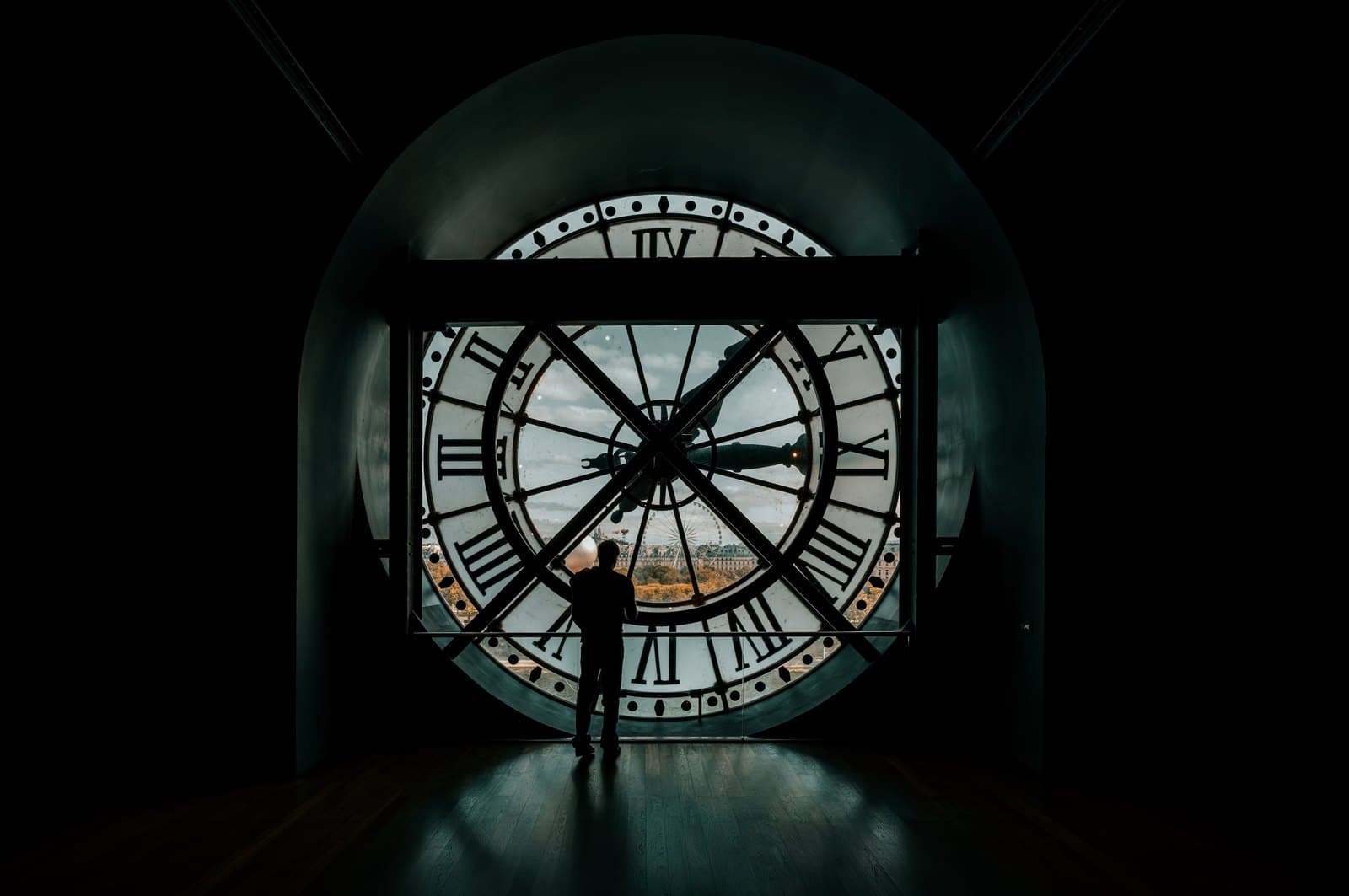
If the choice is Musée d'Orsay or the Louvre, choose by period and scale. The Louvre is the broader historical museum, from ancient civilizations through European art up to 1848; Orsay takes over at 1848 and is much easier to edit into a focused half-day. A first-time visitor who mainly wants the Mona Lisa, ancient Egypt, or Renaissance painting should choose the Louvre. Someone mainly interested in Impressionism, Post-Impressionism, nineteenth-century Paris, or a smaller museum should choose Orsay. Visiting both is not redundant.
The building is part of the answer. Victor Laloux designed the Gare d'Orsay and its hotel for the Compagnie du chemin de fer de Paris à Orléans. The electric terminus opened on 14 July 1900 for the Exposition Universelle. Its stone exterior hid a modern metal station with lifts, ramps, sixteen underground tracks, and a hall 138 metres long. Long-distance service ended in 1939 when longer trains outgrew the short platforms. The building later received returning prisoners, became a film set and theatre, and survived a plan to replace it with a hotel.
France decided in 1977 to turn the protected station into a museum. ACT Architecture — Pierre Colboc, Renaud Bardon, and Jean-Paul Philippon — kept the great nave as the main axis of the visit. The Italian architect and designer Gae Aulenti directed the interior museum design, using pale stone galleries and terraces to make human rooms inside the station's scale. President François Mitterrand inaugurated the museum on 1 December 1986; it opened to the public eight days later.
The practical rules are straightforward. A timed ticket sends most visitors to Entrance 1 on the quay; priority visitors use Entrance 2 on the forecourt. Photography for private use is normally allowed without flash, but a label can prohibit it for a particular work or exhibition. Tripods and lighting supports must go to the cloakroom. The cloakroom is free and accepts cabin-size luggage no larger than 56 × 45 × 25 centimetres; larger luggage is not admitted. Online sellers promising a special skip-the-line product are not an official category — the museum itself warns against mirror sites and unauthorized offers.
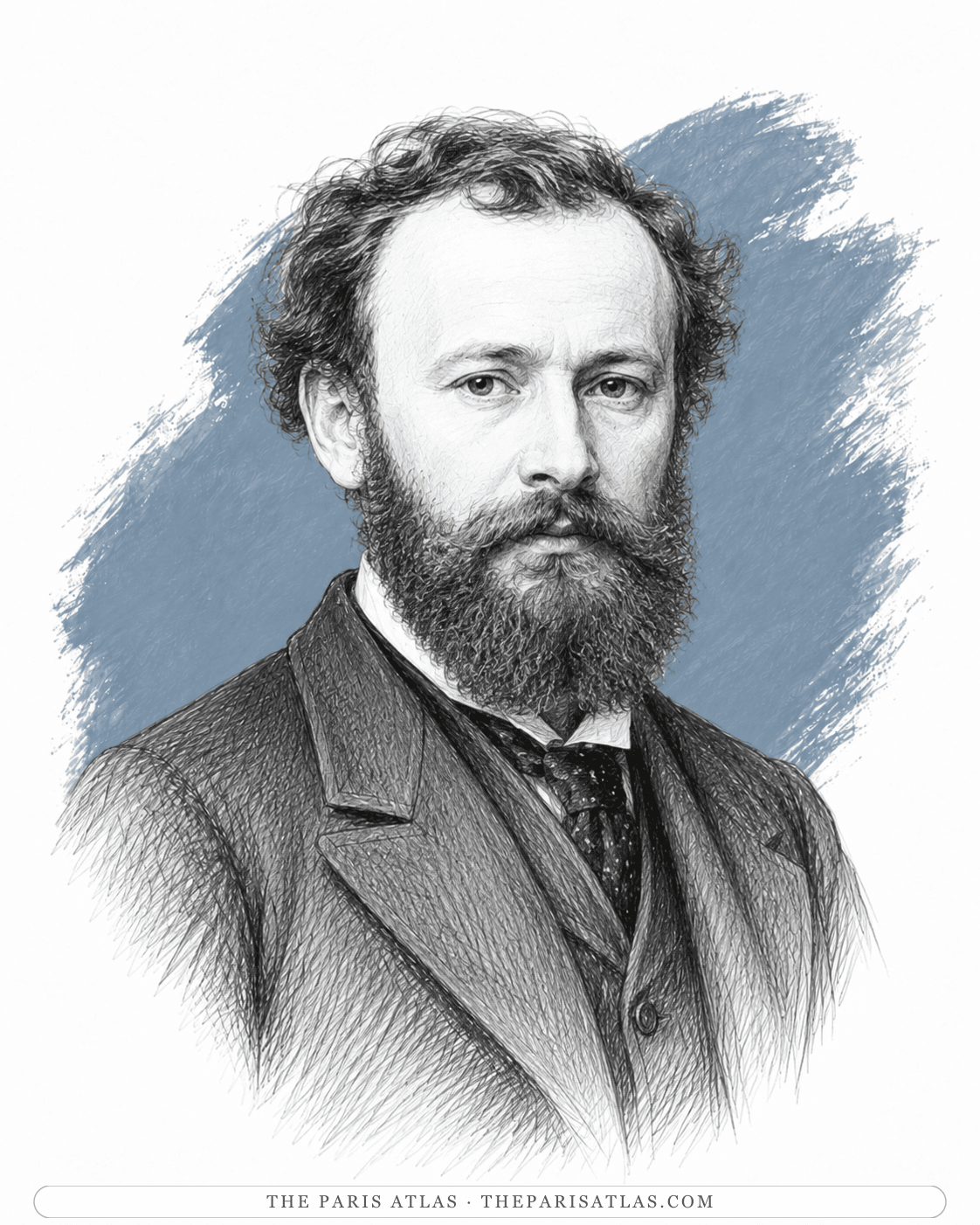
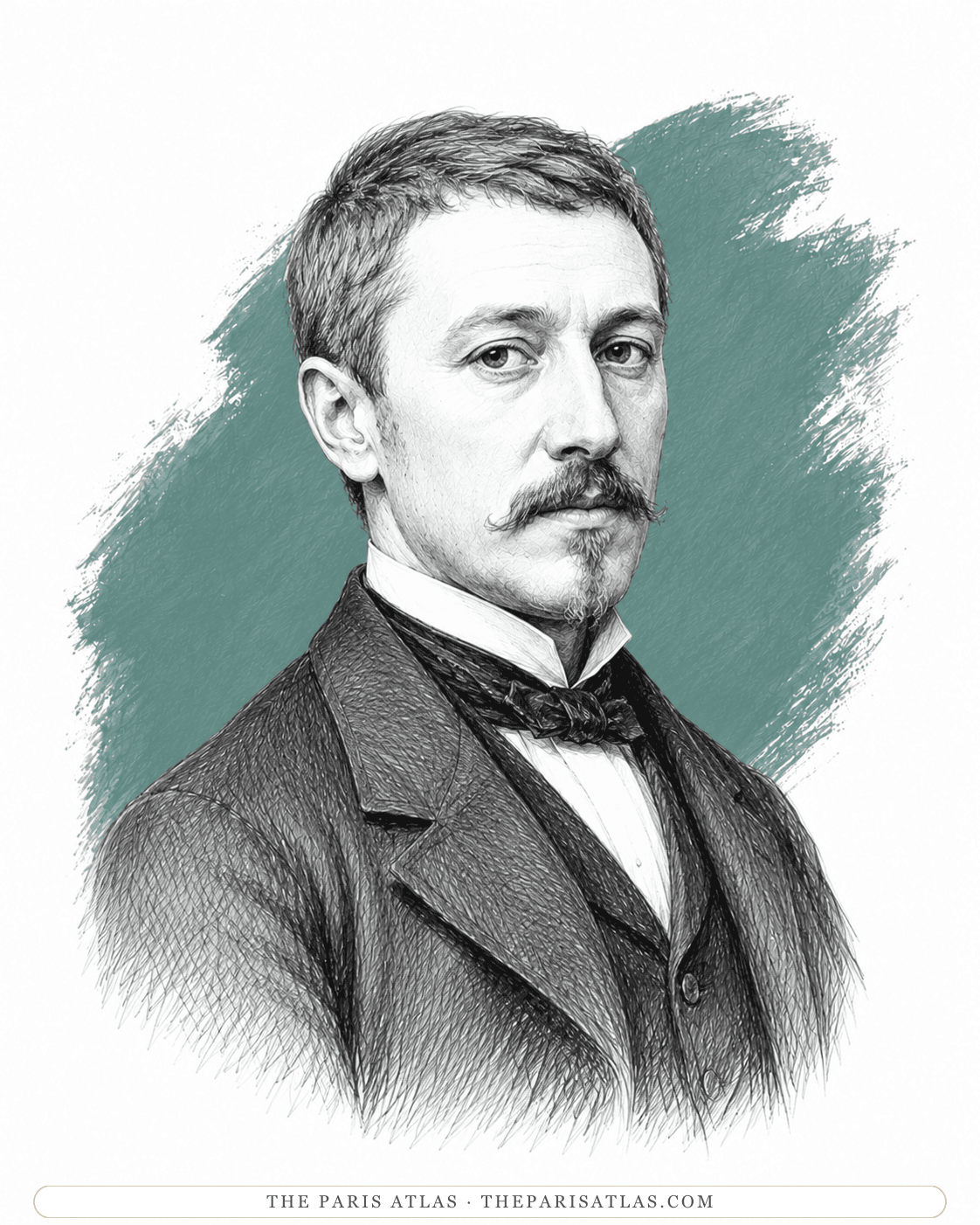
Painter
Olympia and Luncheon on the Grass make his challenge to the Salon one of the clearest starting points for modern painting.
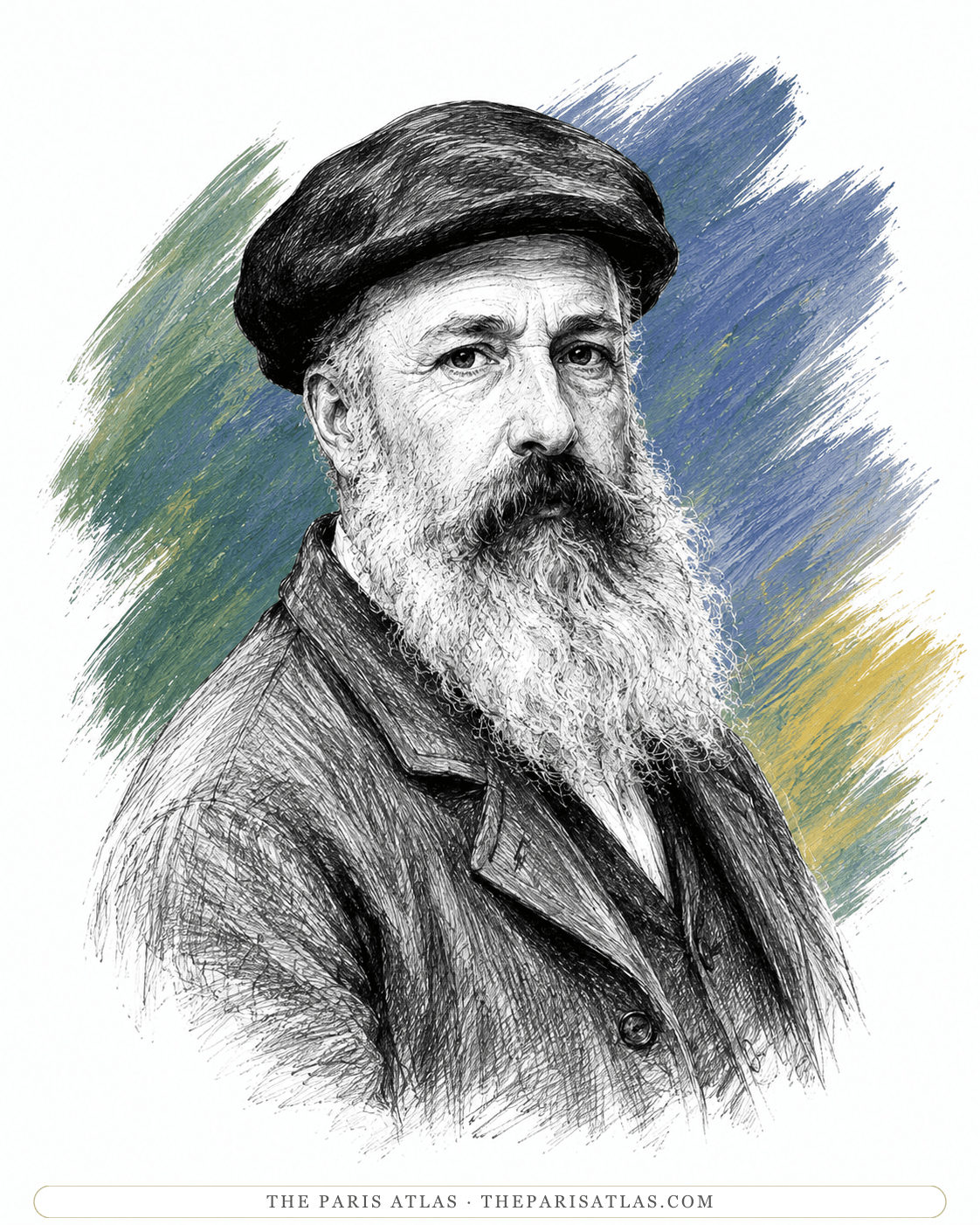
Visit their pagePainter
The collection follows his Impressionism from railway stations and Paris streets to serial landscapes and water.
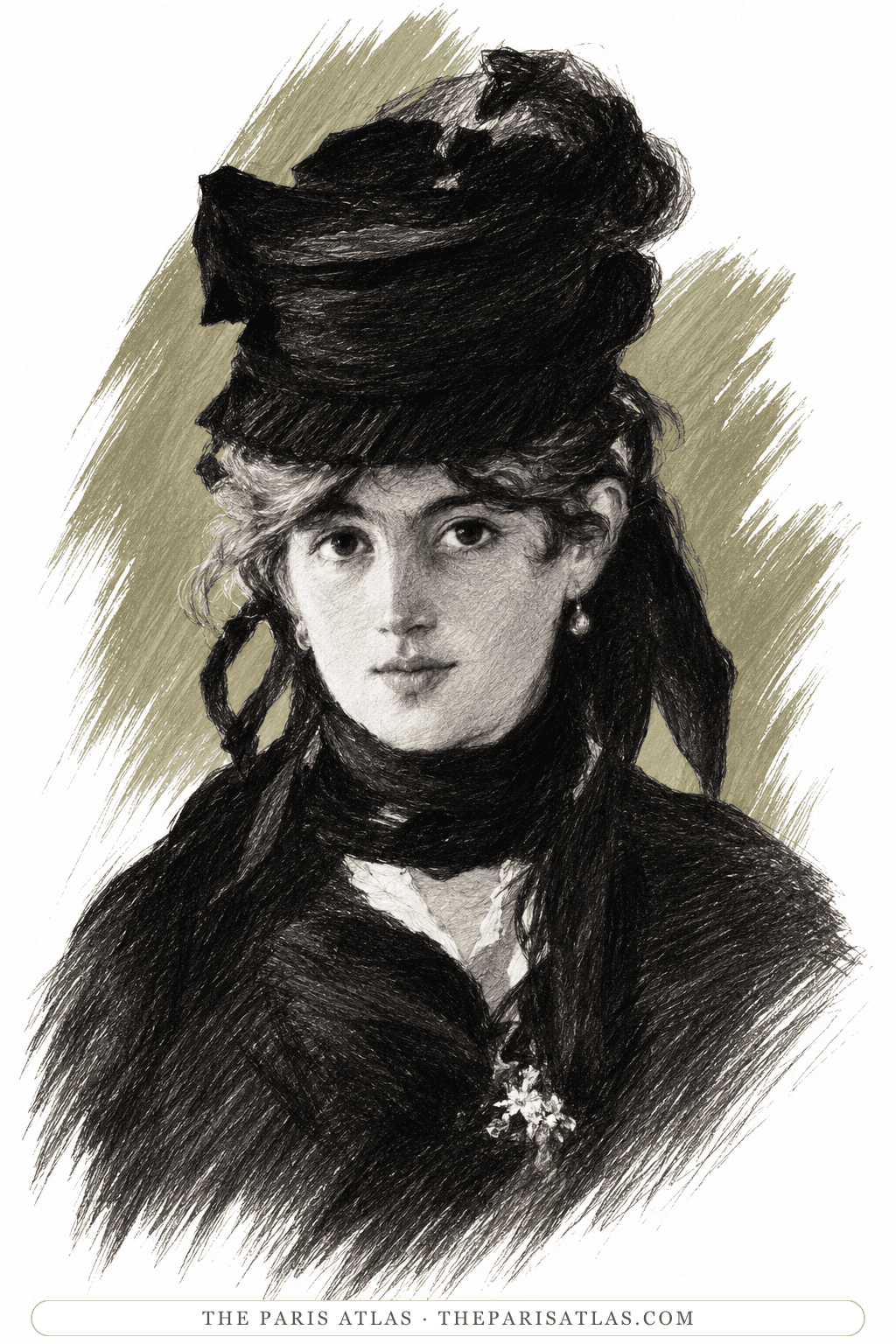
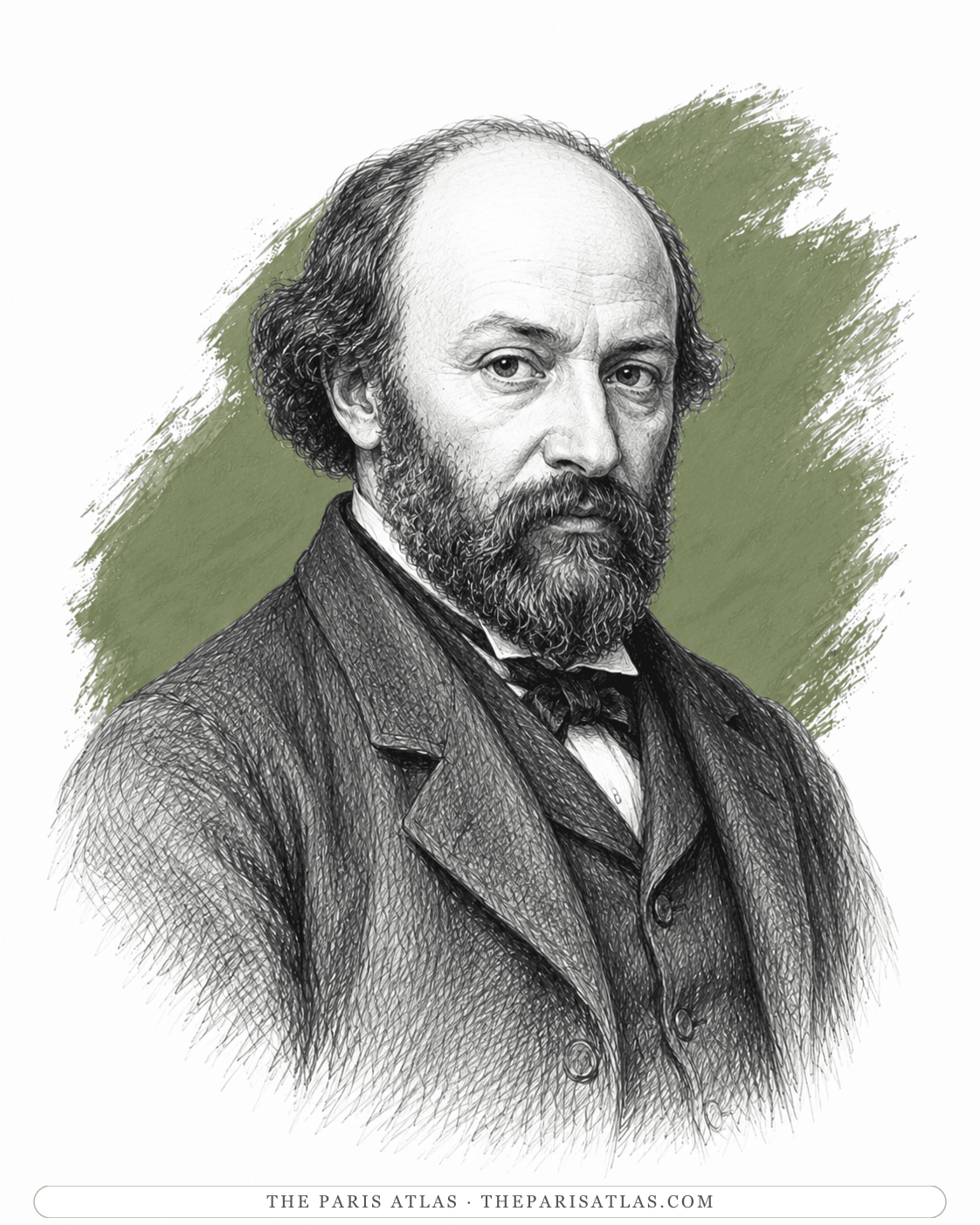
Visit their pagePainter
The Cradle, shown in 1874, anchors her work in the first Impressionist exhibition rather than treating her as a supporting figure.
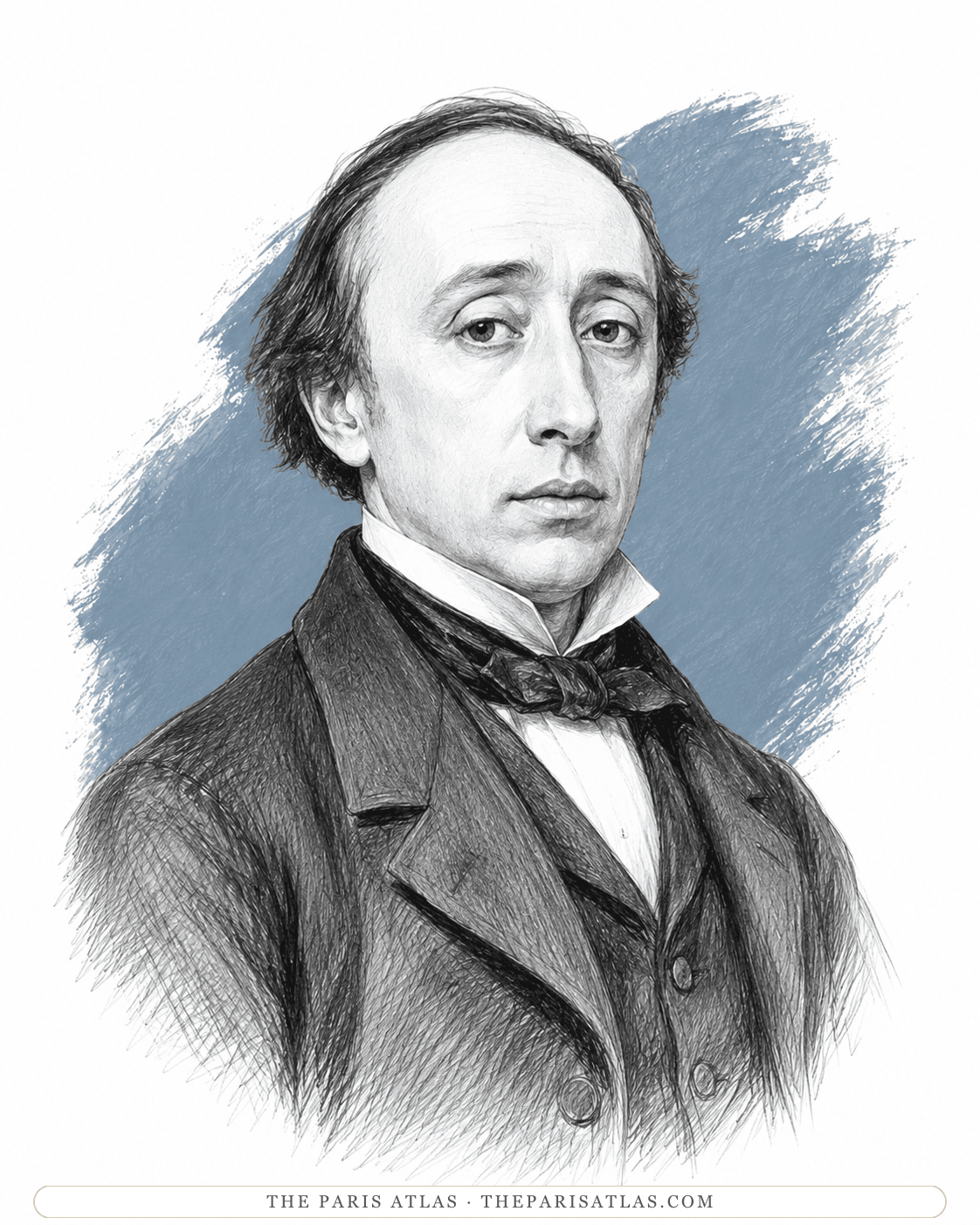
Visit their pagePainter and sculptor
His dancers, racecourses, portraits, and sculpture show how broadly modern life could be observed without adopting Monet's landscape method.
Visit their pagePainter and collector
The Floor Scrapers is here as his own work; the state collection also owes much to the Impressionist pictures he bequeathed.
Visit their pagePainter
The Card Players and his portraits show the structural painting that connected Impressionism to twentieth-century art.
Visit their pageThe period covered by the museum's collection, from the Second Republic to the eve of the First World War.
Victor Laloux is selected to design a central terminus and hotel for the Paris-Orléans railway company.
The Gare d'Orsay and hotel open on 14 July during the Exposition Universelle.
Long-distance service ends because the platforms are too short for the railway's longer trains.
The station is entered on the supplementary historic-monument list after a demolition threat; museum reuse is under study.
The French government formally decides to create a museum in the station.
The building is classified as a historic monument and the public body charged with creating the museum is established.
The ACT Architecture conversion scheme is chosen; Gae Aulenti later directs the interior museum design.
François Mitterrand inaugurates the museum on 1 December; it opens to the public on 9 December.
Major renovation proceeds while the museum remains open, changing access to some galleries and works.
Operated at · 1986
The museum opened to the public in the converted Gare d'Orsay on 9 December 1986 and remains there.
Yes if you want a predictable arrival time, especially on weekends, holidays, or during a major exhibition. Use the museum's official ticket office. Timed tickets enter through the quay entrance, but every visitor can still face security screening.
There is no ticket that makes security disappear. A timed official ticket places you in the appropriate entrance flow and avoids depending on same-day availability. The museum explicitly warns visitors about unauthorized “skip-the-line” offers and mirror ticket sites.
Allow two to three hours for a first visit. Ninety minutes is enough for a disciplined highlights route: begin with the fifth-floor Impressionist galleries, choose a small number of works on the lower levels, and include the nave and great clock. A full day is possible, but not necessary to understand the museum.
For a first visit, begin with the fifth-floor Impressionist and Post-Impressionist galleries, then work down toward Édouard Manet, Berthe Morisot, Edgar Degas, Gustave Caillebotte, and the sculpture in the nave. Check the current museum map because renovation can move access routes and close rooms.
It is free to everyone on the first Sunday of each month, but a timed reservation is mandatory. Admission is also free for visitors under 18, eligible European and EEA visitors aged 18–25, visitors with disabilities with one companion, jobseekers, and several other official categories. Bring the required proof.
The museum stays open until 9:45 p.m. on Thursdays, with last entry at 9:00 p.m. A lower night rate applies to visits beginning after 6:00 p.m. The later hours make Thursday the clearest option for seeing the collection after the normal daytime closing.
Usually yes for private use, without flash and without blocking circulation. A work or temporary exhibition can carry a no-photography notice. Tripods, selfie supports, and lighting equipment are not allowed in the galleries and must be left in the cloakroom.
Yes if nineteenth-century art interests you. The museums divide the history rather than duplicate it: the Louvre broadly ends at 1848, while Orsay concentrates on 1848–1914. Orsay is also smaller and easier to shape into a focused half-day.
Because it is one. Victor Laloux designed the Gare d'Orsay for the Paris-Orléans railway company, and it opened in 1900. Long-distance service ended in 1939; France chose the protected building for a new museum in 1977, and the Musée d'Orsay opened there in 1986.
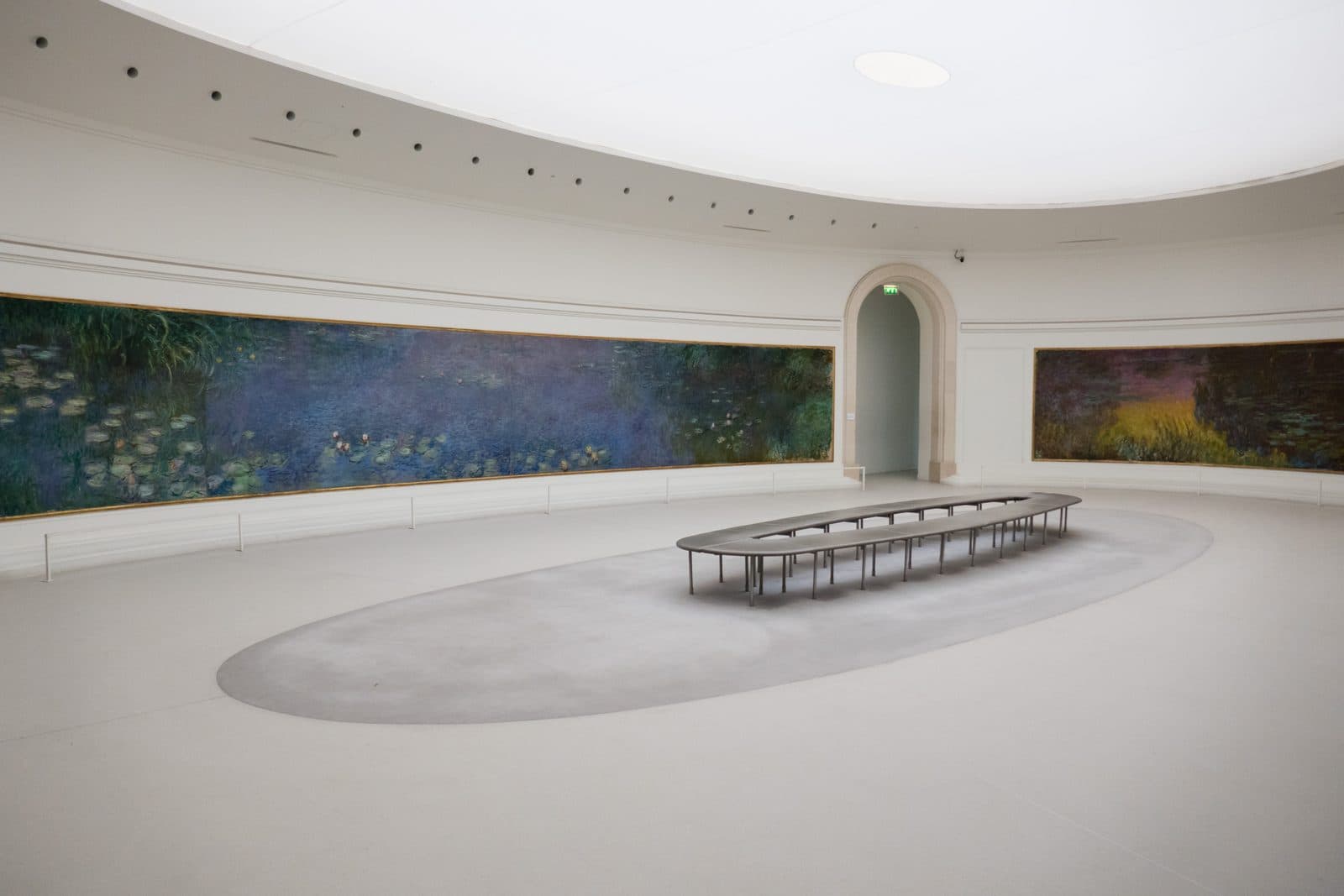
The museum of Monet's Water Lilies — two oval rooms he helped design — with the Walter-Guillaume collection of early modern Paris beneath them.
Visit the page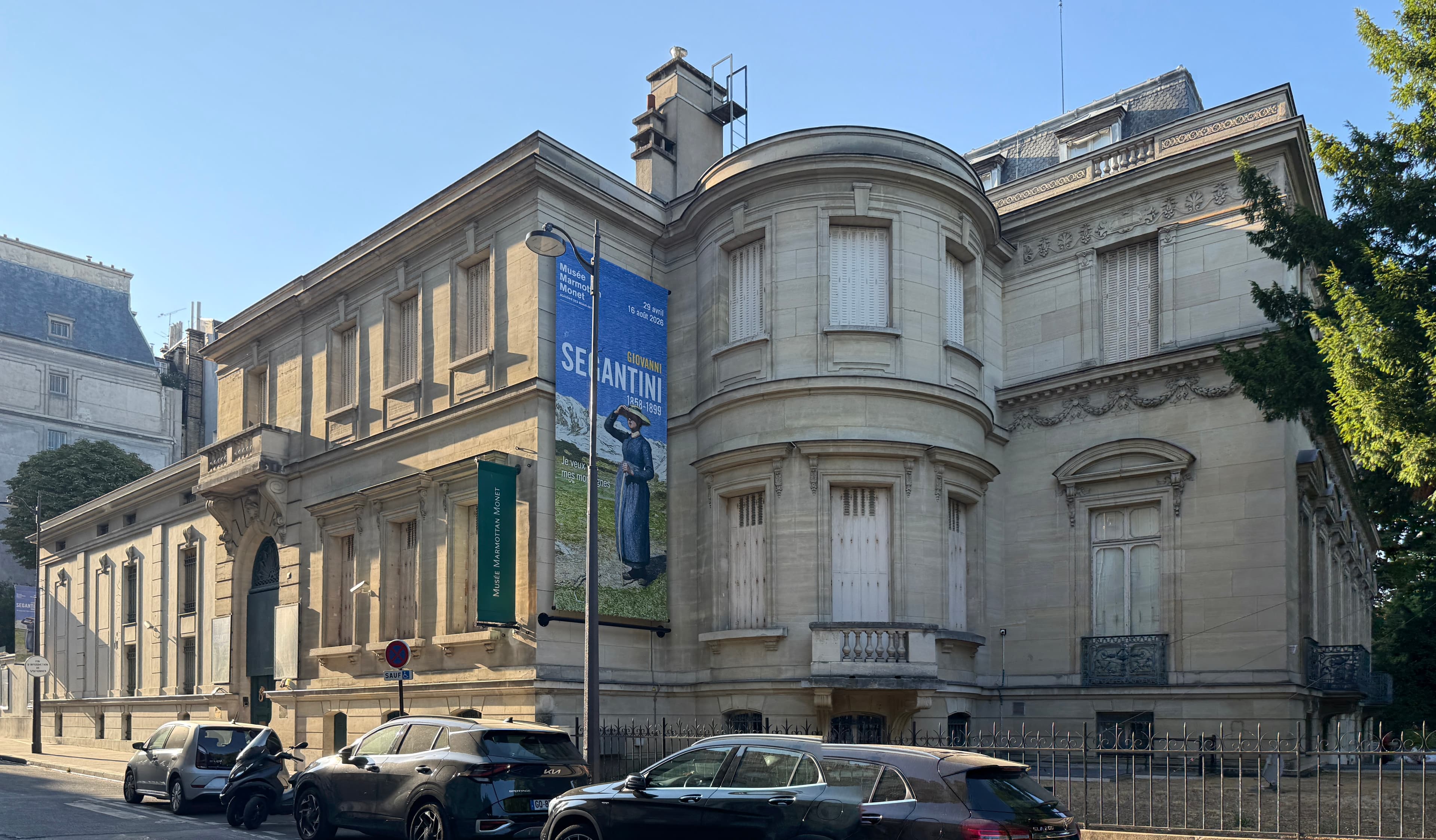
The house museum holding the world's largest Monet collection — Impression, Sunrise among it — and the leading collection of Berthe Morisot, both by family bequest.
Visit the pageThe Friday Letter
The connection between them — one letter from the Paris Atlas every Friday.