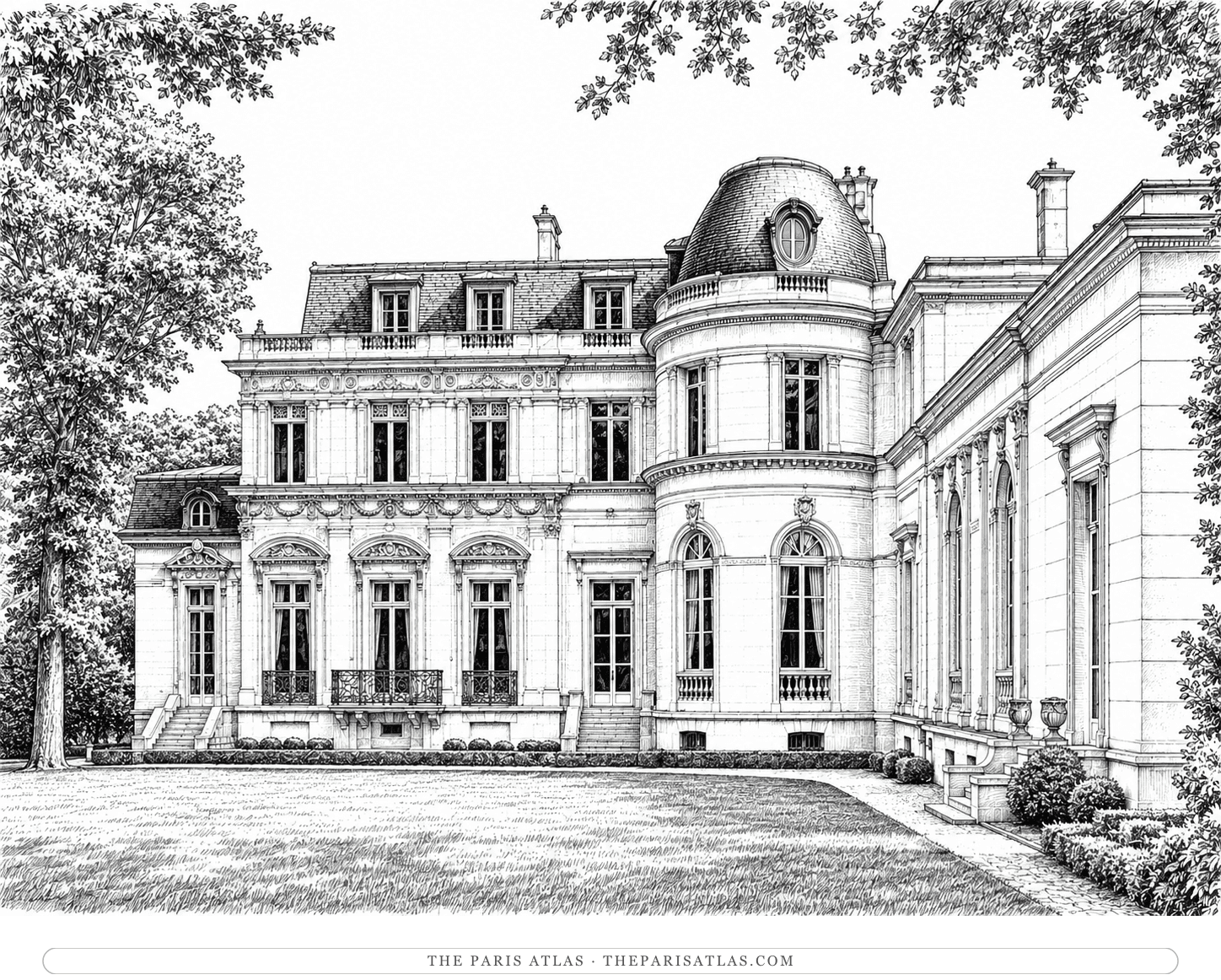
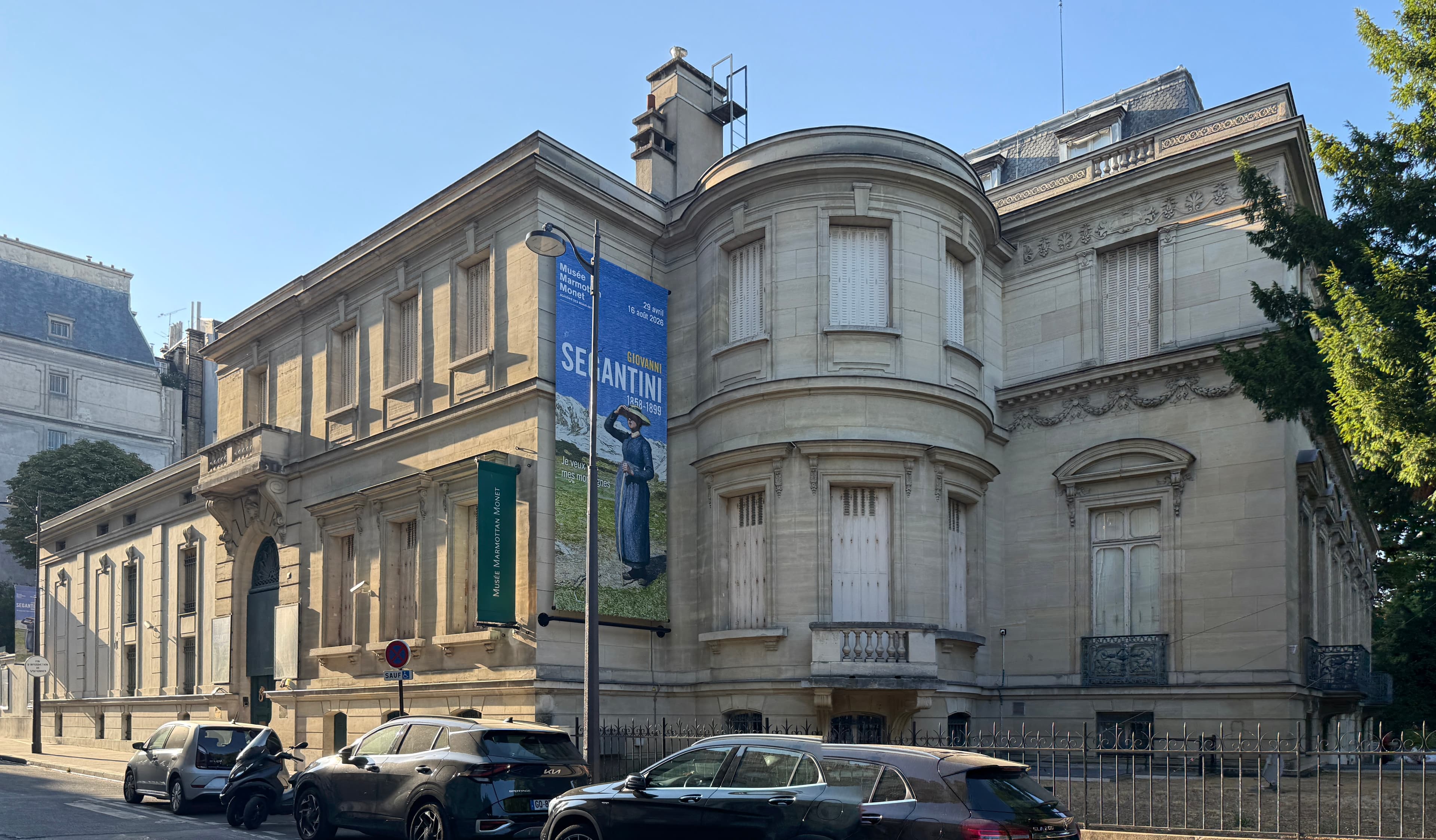
Operated at · 1934
Musée Marmottan Monet
The museum opened in Paul Marmottan's former house by the Ranelagh gardens on 21 June 1934 and has occupied it since.
The private house that holds the painting Impressionism is named for.
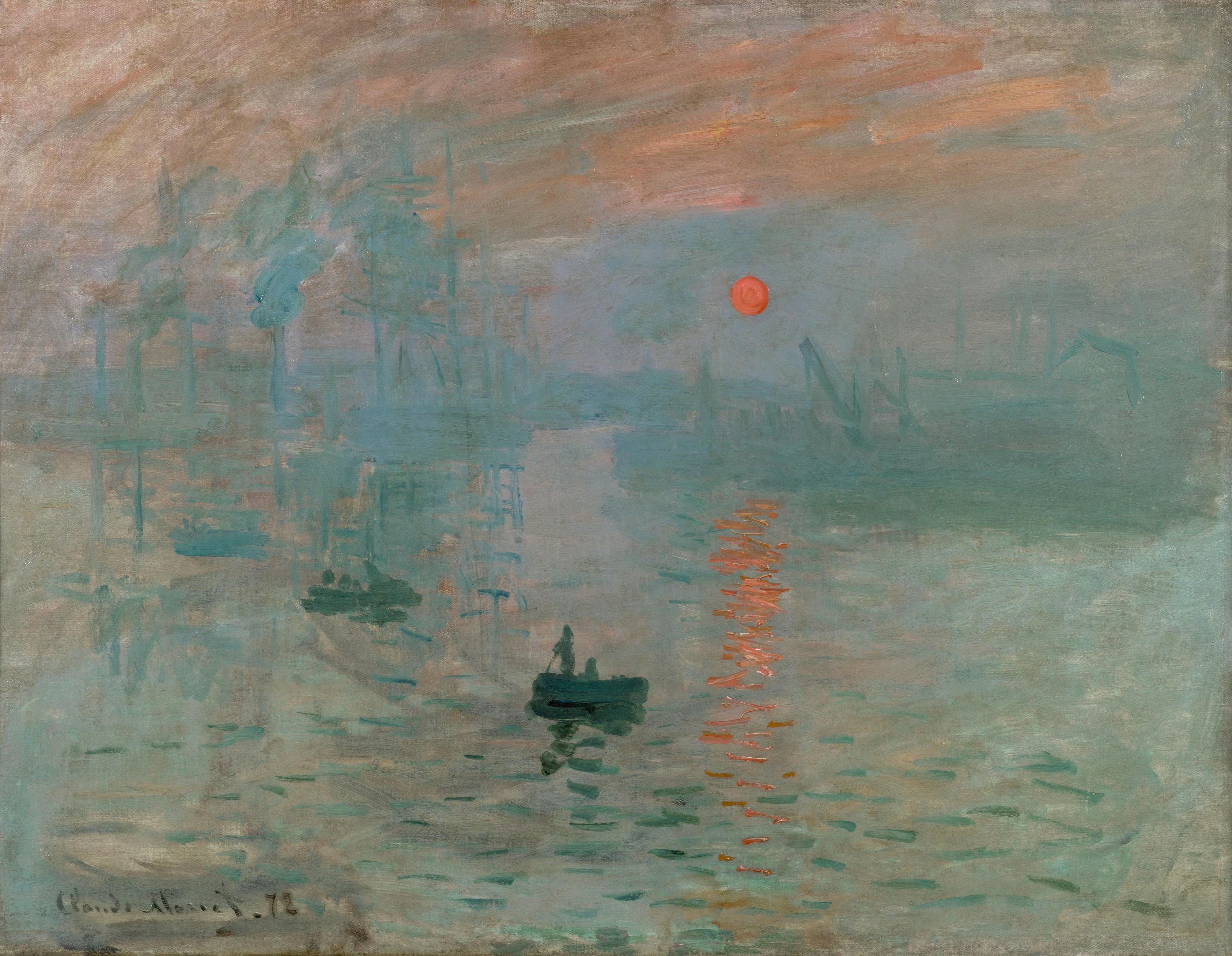
The Le Havre harbor at dawn; its catalogue title in 1874 gave the movement its name.
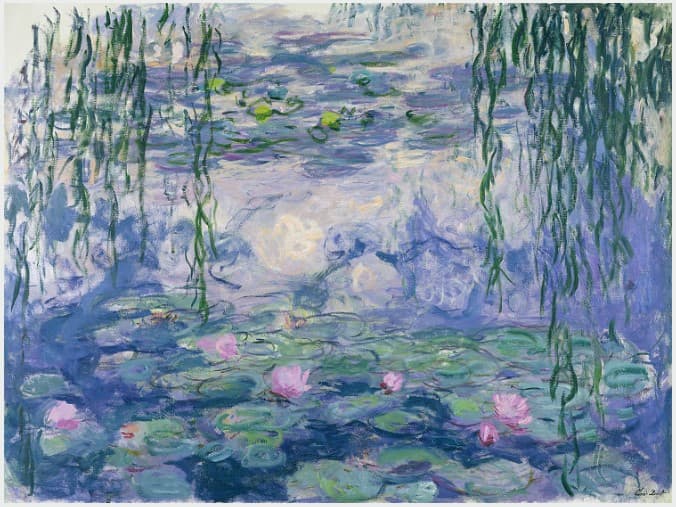
Large-format panels from Michel Monet's bequest, never exhibited in the painter's lifetime. Shown: Nymphéas, 1916–1919.
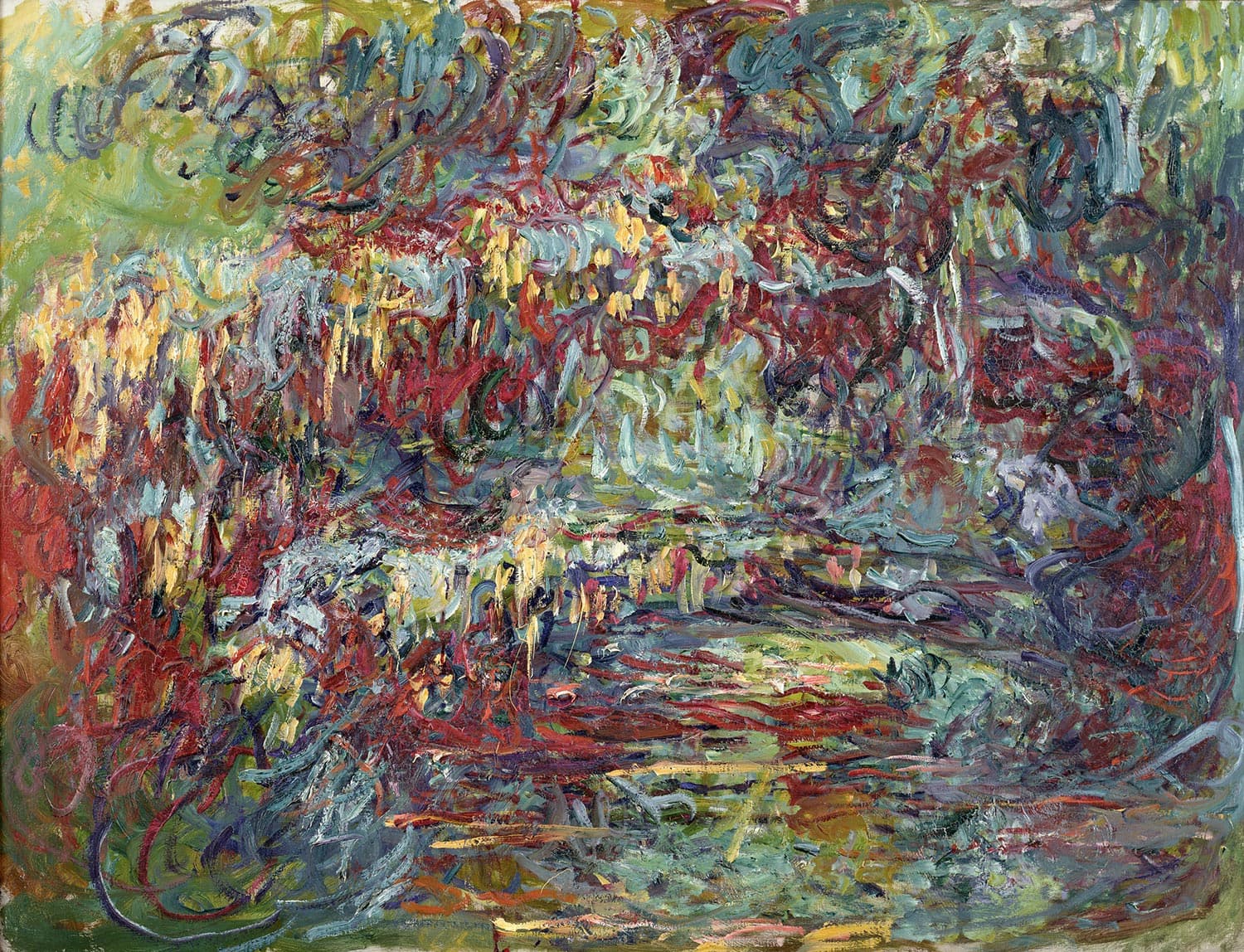
The museum is the only institution holding the final paintings of the series. Shown: Le Pont japonais, 1920s.
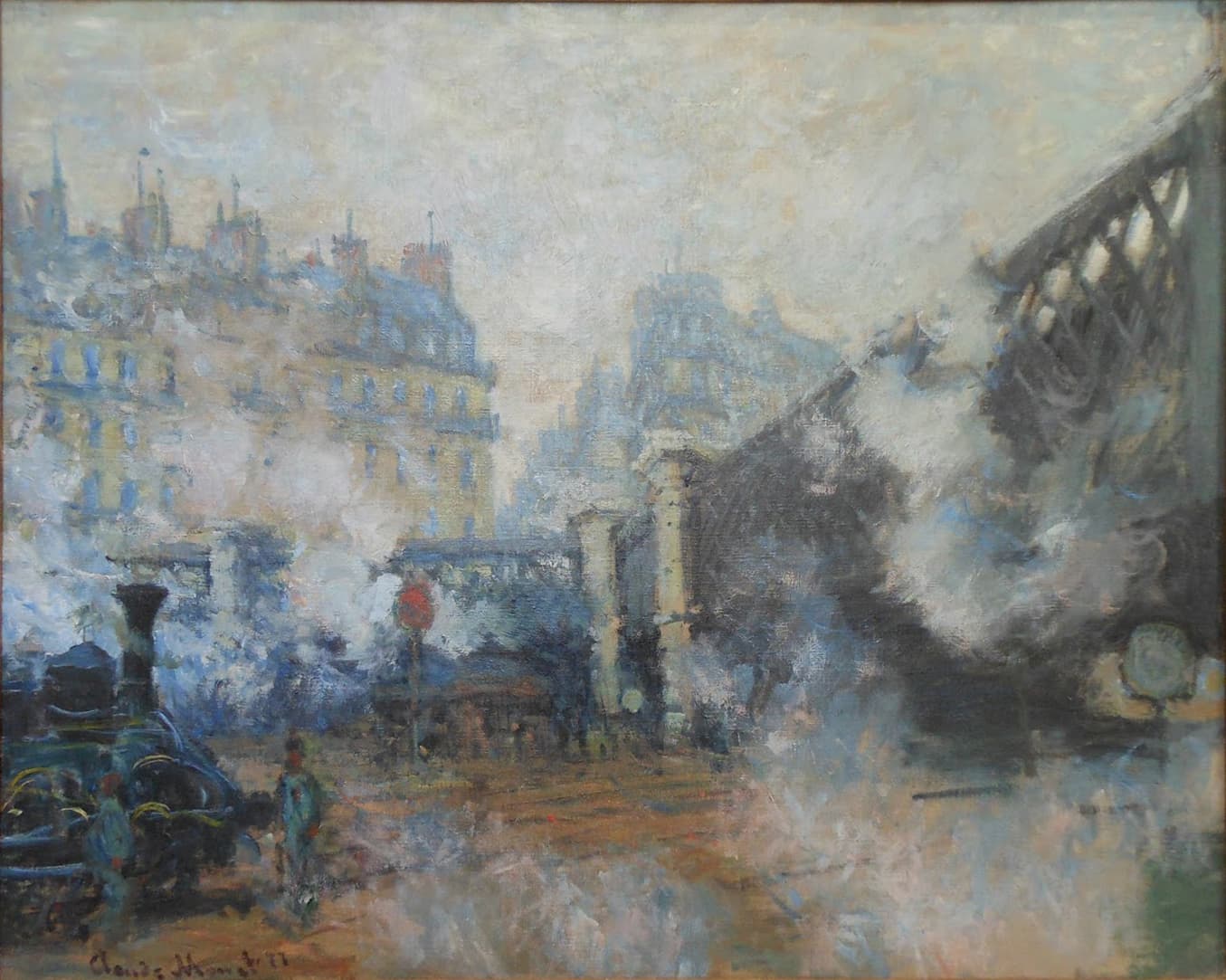
From the station campaign of 1877, in the museum's own account of the collection.
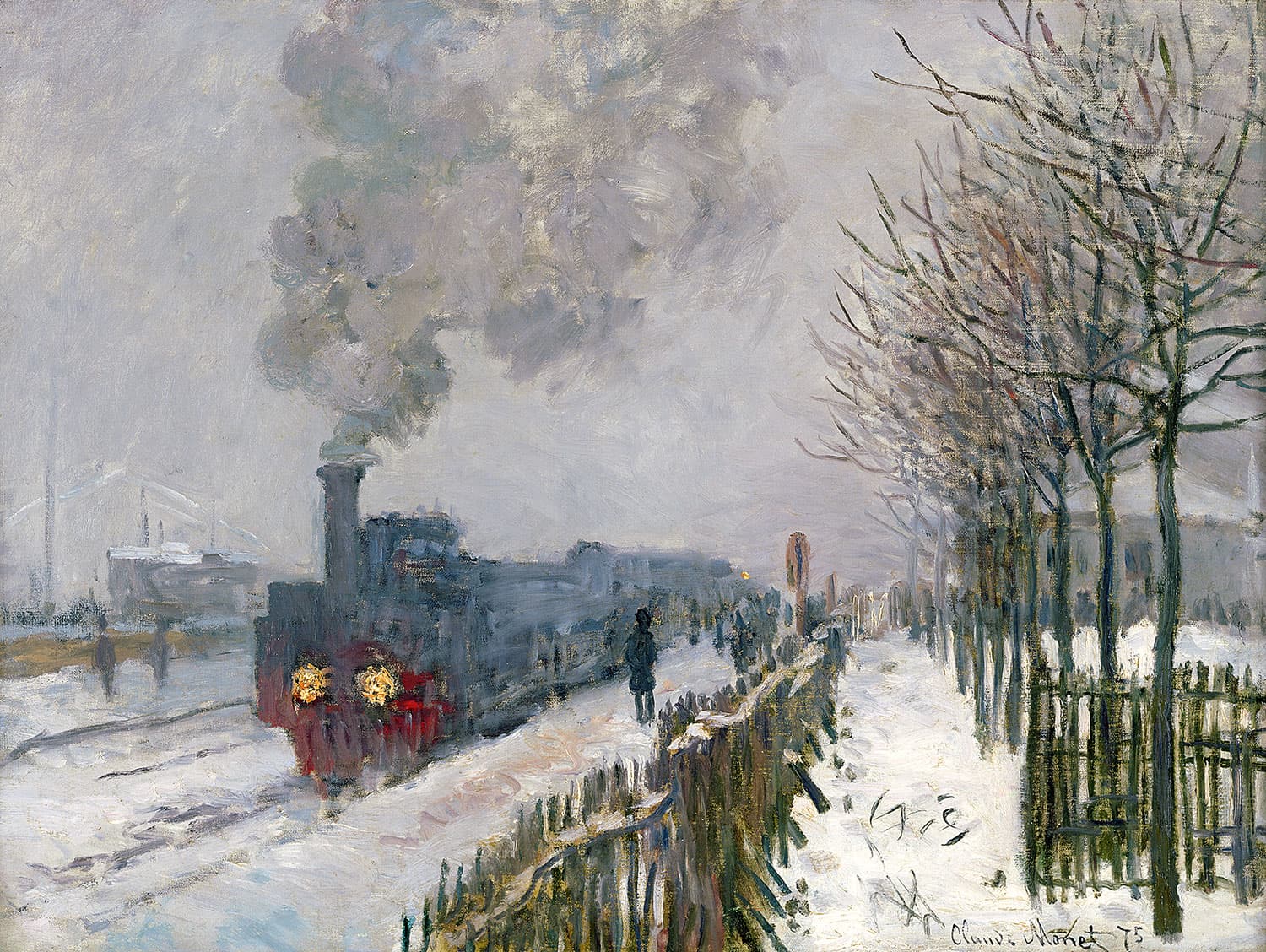
An Argenteuil winter subject named among the collection's masterpieces.
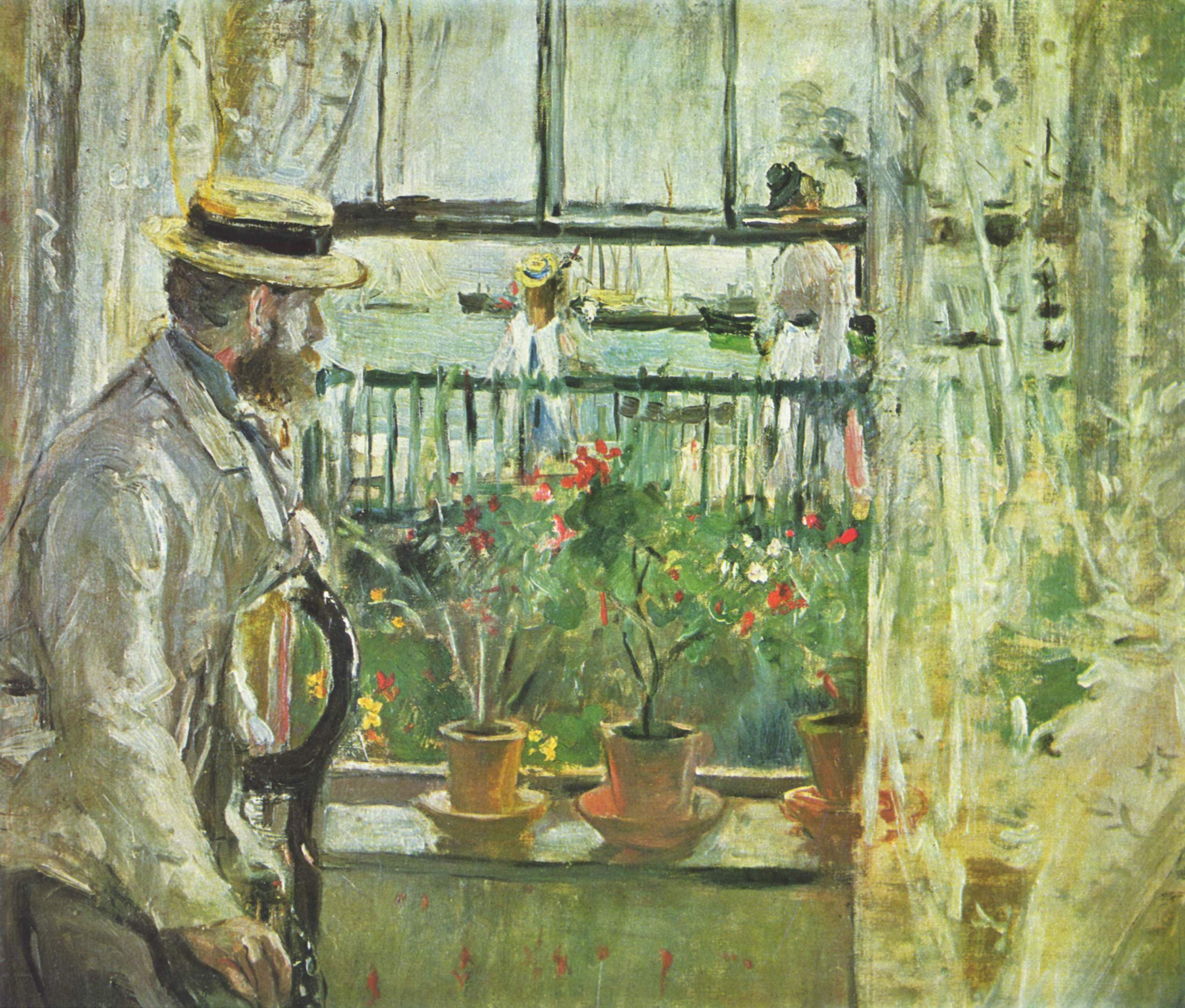
Her husband at the window on their honeymoon; from the Rouart bequest.
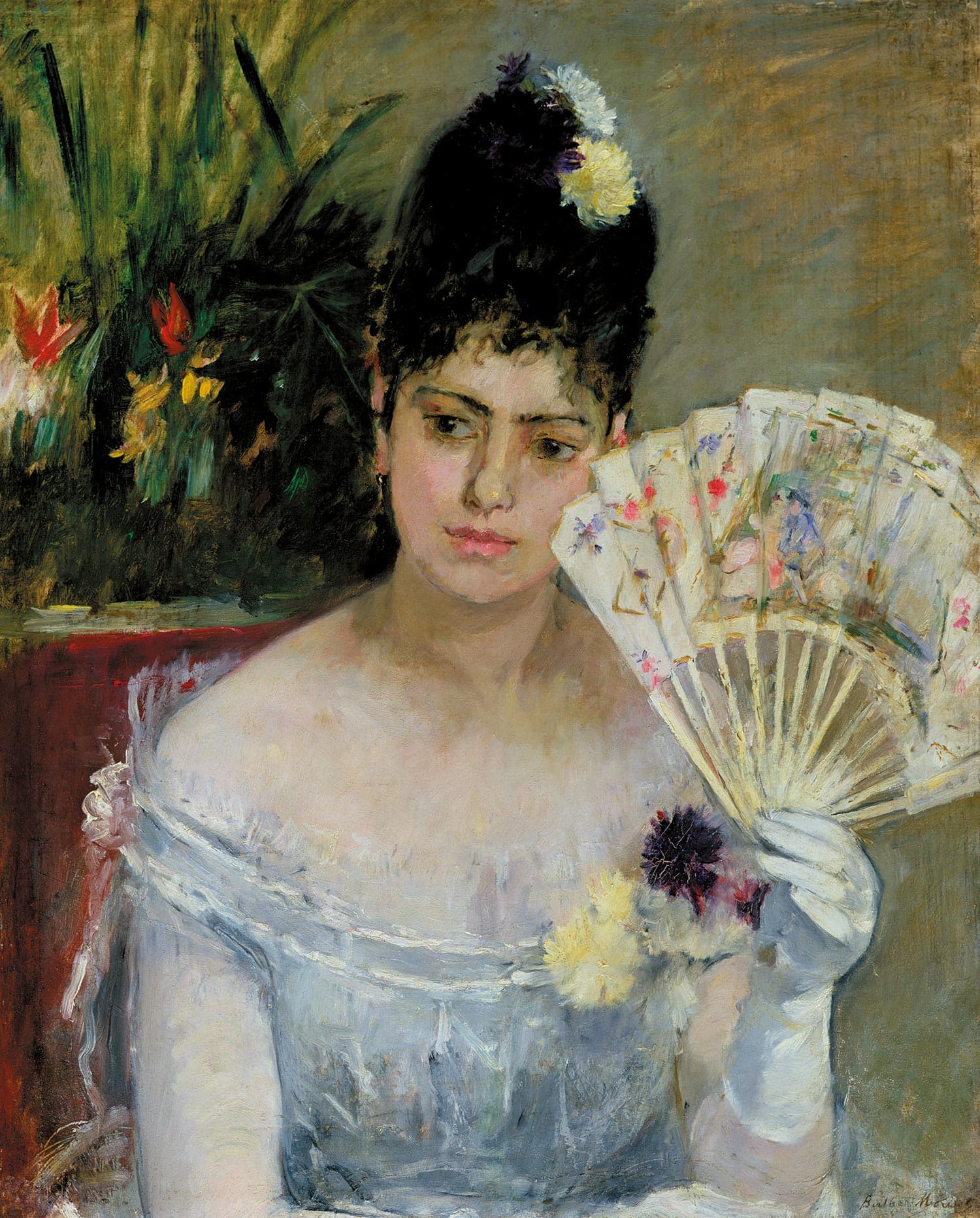
Among the Morisot oils listed by the museum.
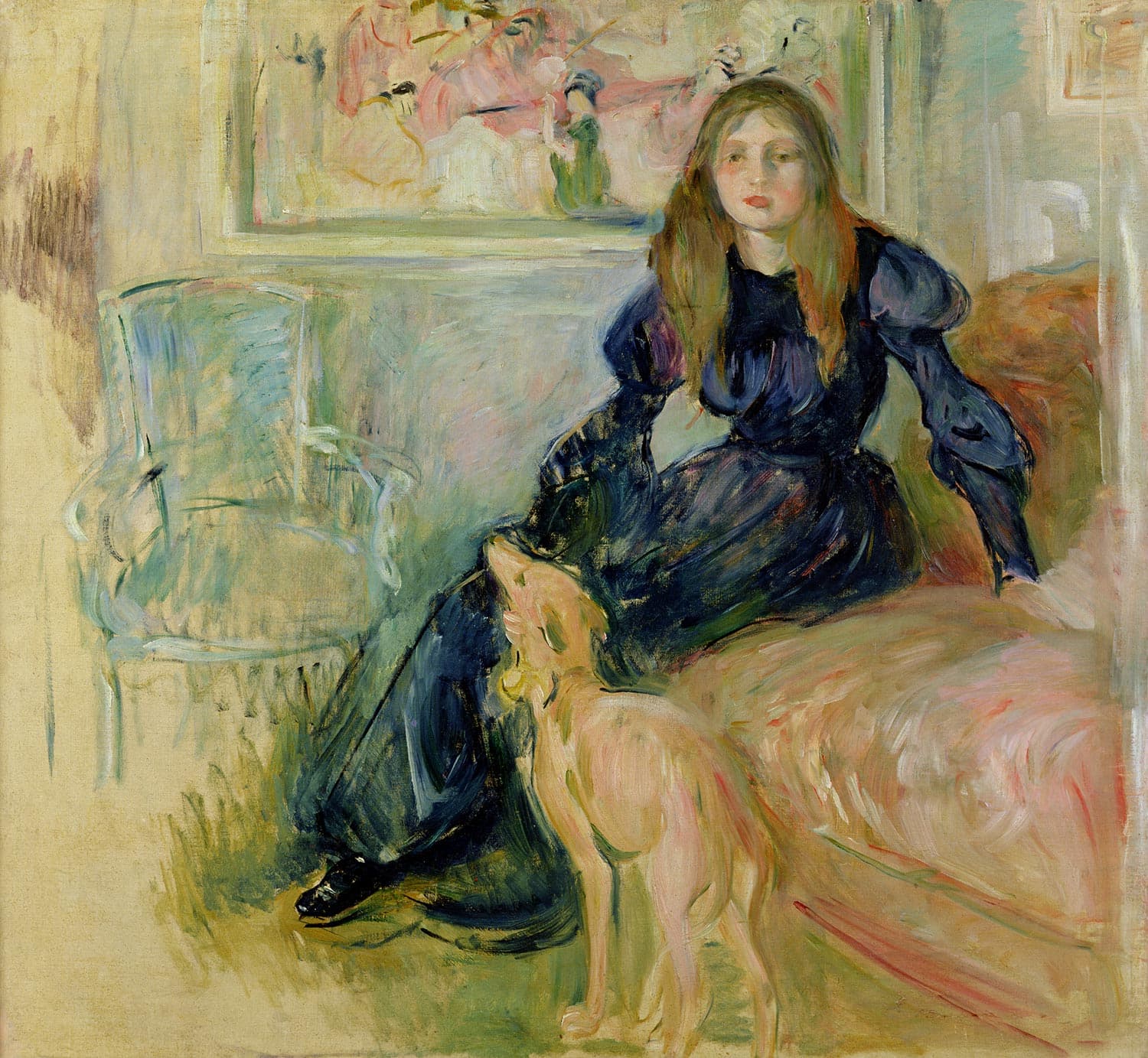
Her daughter with the greyhound Laërte, painted two years before Morisot's death.
At the edge of the Ranelagh gardens in the residential 16th arrondissement, the Musée Marmottan Monet holds the world's largest collection of works by Claude Monet — by the museum's own description — including Impression, Sunrise, the 1872 harbor view whose title gave Impressionism its name. It also holds what it calls the world's leading collection of Berthe Morisot. Neither collection was purchased; like the house itself, both arrived by bequest.
The museum began as a house. Jules Marmottan, a mining director from Valenciennes, bought the former townhouse of the Duc de Valmy beside the gardens in 1882. His son Paul Marmottan, an art historian devoted to the Napoleonic era, filled it with Empire furniture, bronzes, and paintings, and on his death in 1932 left the house and everything in it to the Académie des Beaux-Arts. The Musée Marmottan opened to the public on 21 June 1934 as a museum of the First Empire.
Impressionism entered in 1940. Victorine Donop de Monchy, daughter of Doctor Georges de Bellio, gave the museum Impression, Sunrise that May, and ten more Impressionist canvases from the family collection followed by 1947. The gift redirected the museum's history: a house of Napoleonic decorative arts became the home of the movement's founding picture.
The decisive bequest came in 1966, when Claude Monet's second son Michel died and left the museum everything he had inherited from Giverny — over a hundred canvases, including the large-format Water Lilies panels that had never been shown in the painter's lifetime. The state's museums had declined to buy the late work when Michel offered it; the Marmottan took it whole. It is now the only institution holding the final paintings of The Japanese Bridge and The House Seen from the Rose Garden, the near-abstract canvases of Monet's last years.
Berthe Morisot's collection arrived the same way, from inside the family. In 1993 the descendants of her daughter Julie Manet — the Rouart family — bequeathed twenty-five of her oil paintings and some seventy-five watercolours, with pastels, drawings, and works by Édouard Manet and Edgar Degas from the family's walls. Morisot is thinly represented in most museums; here she has rooms.
On the morning of 27 October 1985, five armed men took nine paintings from the galleries in about five minutes — Impression, Sunrise among them, with four other Monets, two Renoirs, and a Morisot. All nine were recovered in December 1990 in an apartment near Porto-Vecchio, in Corsica, and returned to display after conservation treatment.
The rest of the house keeps its layers: Jules Marmottan's medieval and Renaissance panels, Paul's Empire rooms, and the 322 illuminated miniatures Daniel Wildenstein donated in 1981. The practical case for the Marmottan is the pairing: the Orangerie shows the Water Lilies as a single monumental ensemble, while the Marmottan shows where they came from — the whole arc of late Monet, at the scale of a private house.
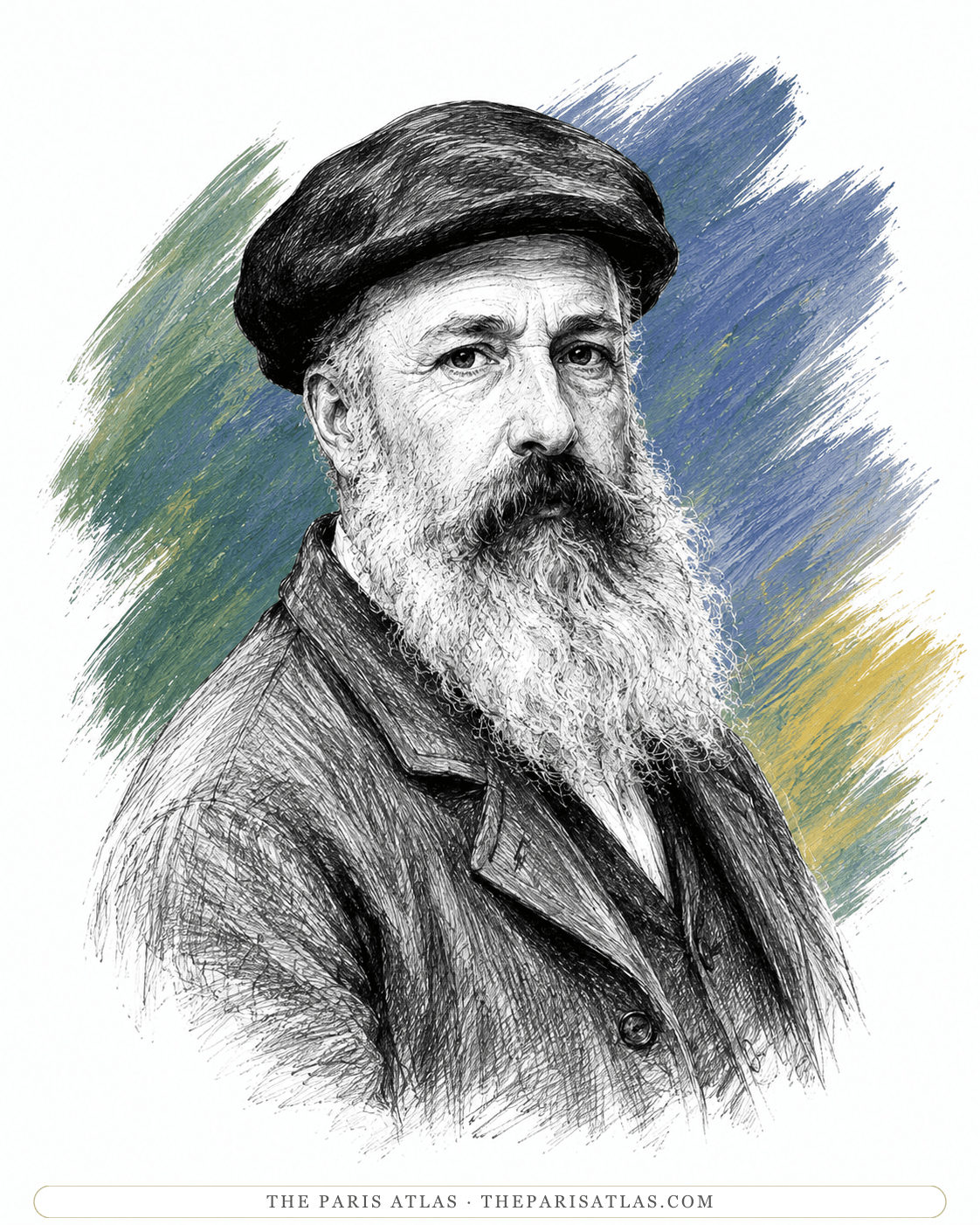
Founder
Art historian of the Empire; his 1932 bequest to the Académie des Beaux-Arts created the museum.
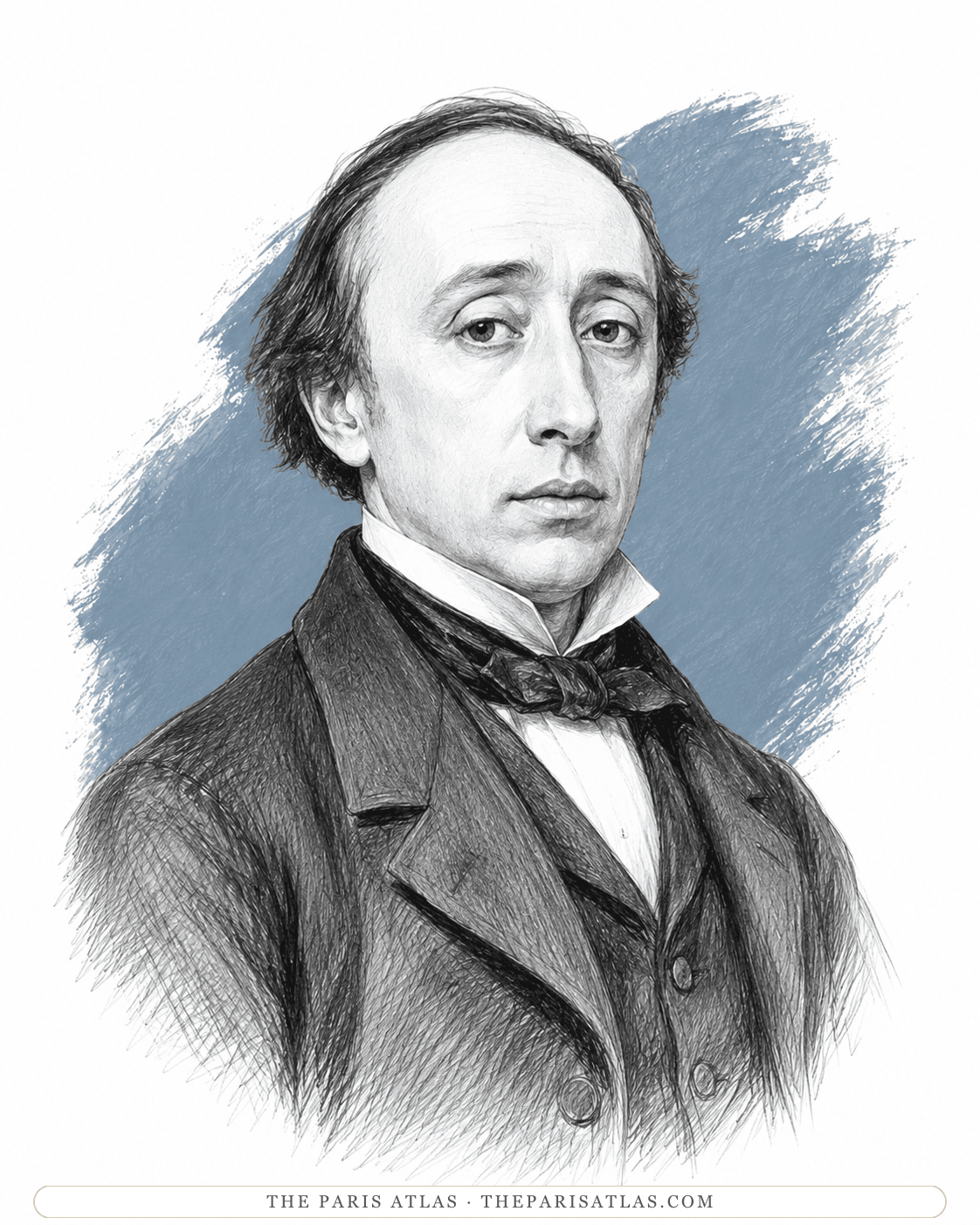
Painter
Over a hundred works via his son's bequest — the museum's core and its second name.
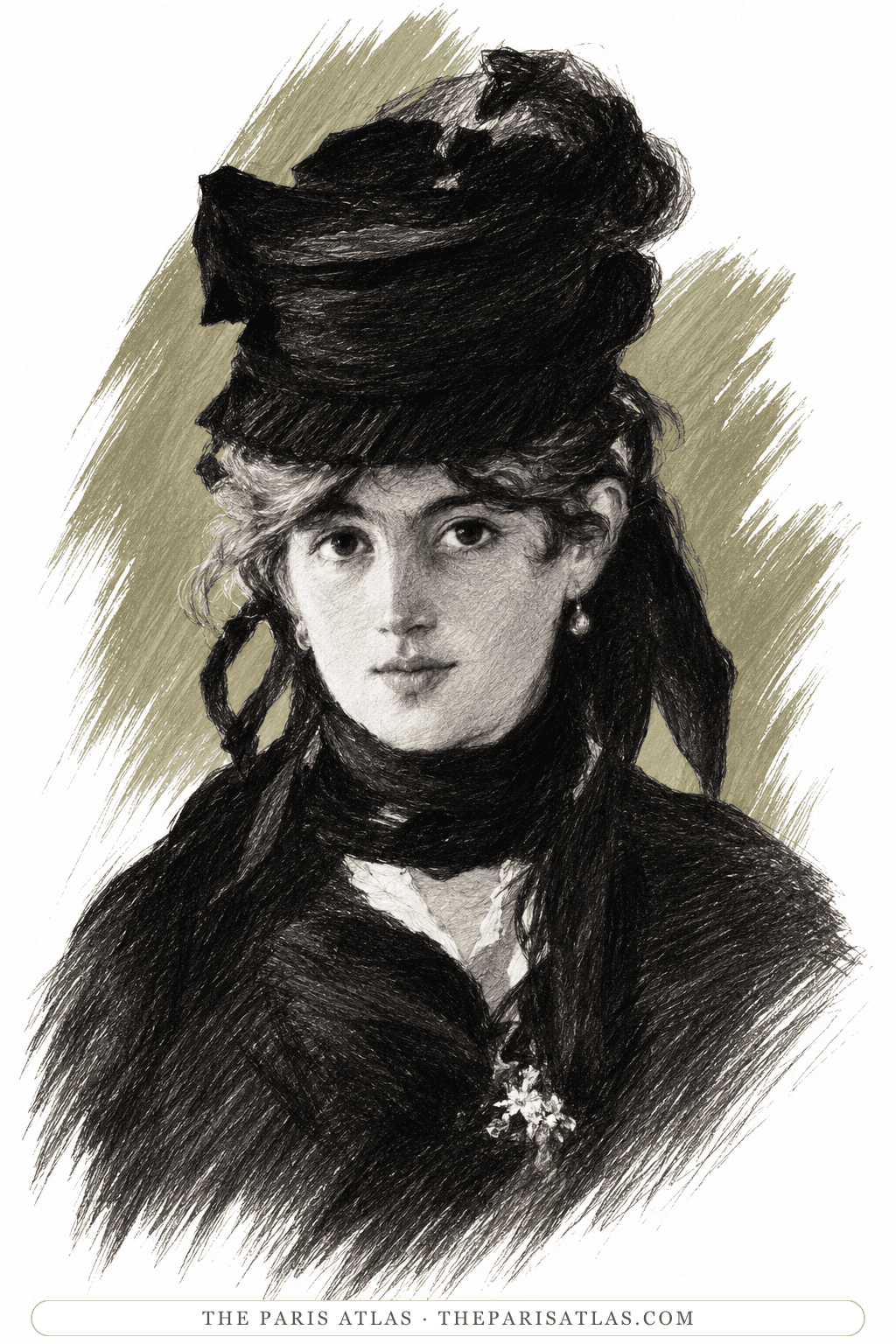
Visit their pagePainter
Twenty-five oils and seventy-five watercolours from her descendants — the world's leading collection of her work, per the museum.
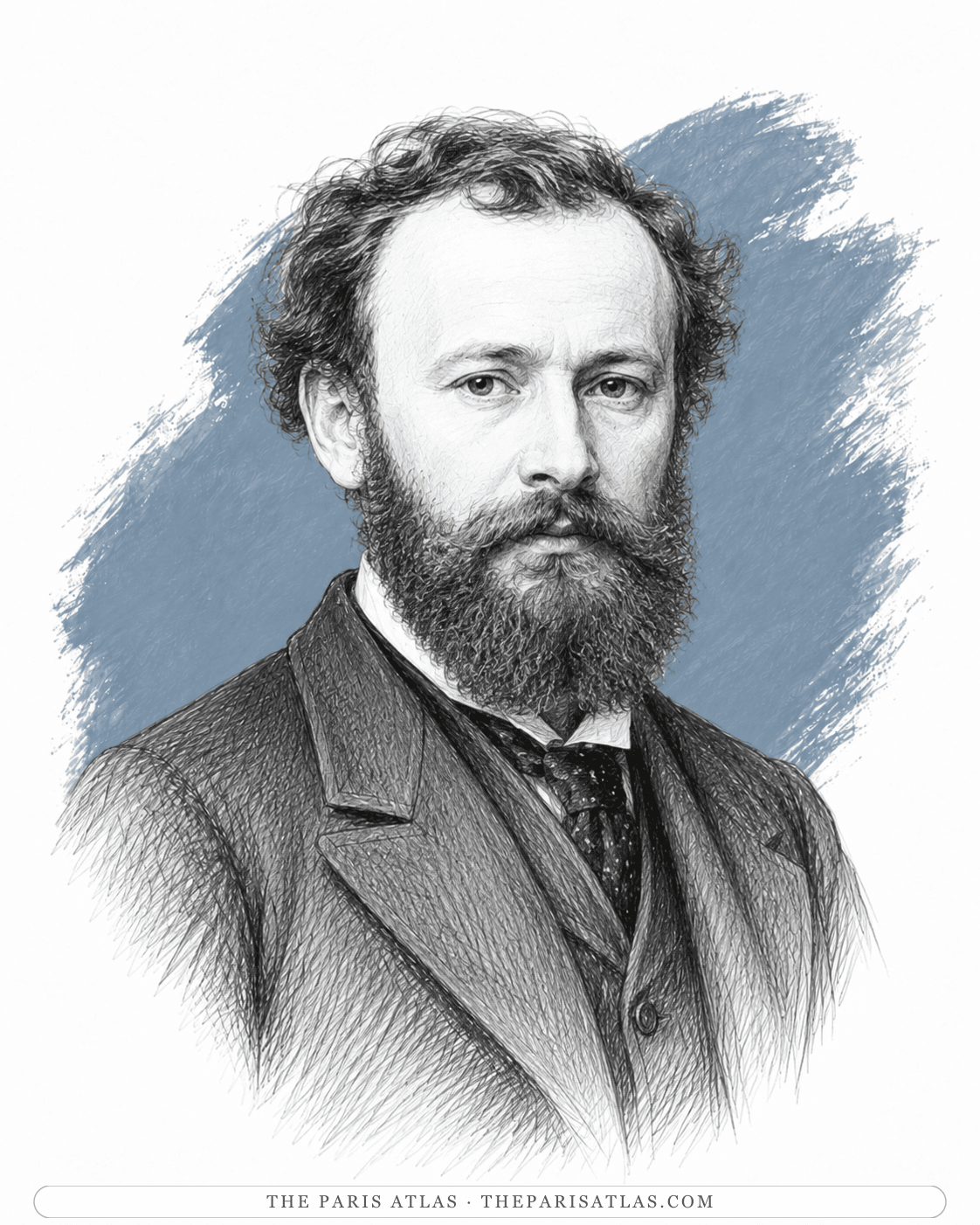
Visit their pagePainter
Prints, drawings, and paintings from the Rouart family bequest of 1993.
Visit their pageJules Marmottan buys the Duc de Valmy's former townhouse by the Ranelagh gardens.
Paul Marmottan bequeaths the house and his collections to the Académie des Beaux-Arts.
The Musée Marmottan opens to the public on 21 June.
Victorine Donop de Monchy gives Impression, Sunrise; ten more Impressionist canvases follow by 1947.
Michel Monet's bequest brings over a hundred works by his father, the largest Monet collection anywhere.
Daniel Wildenstein donates 322 illuminated miniatures from the Middle Ages to the Renaissance.
Nine paintings, Impression, Sunrise among them, are taken in an armed robbery on 27 October.
All nine stolen paintings are recovered near Porto-Vecchio, Corsica, in December.
The Rouart bequest brings the Morisot collection: twenty-five oils and seventy-five watercolours.
Operated at · 1934
The museum opened in Paul Marmottan's former house by the Ranelagh gardens on 21 June 1934 and has occupied it since.
Founded by · 1932
His bequest of the house and its collections to the Académie des Beaux-Arts, on his death in 1932, created the museum; it opened to the public in 1934.
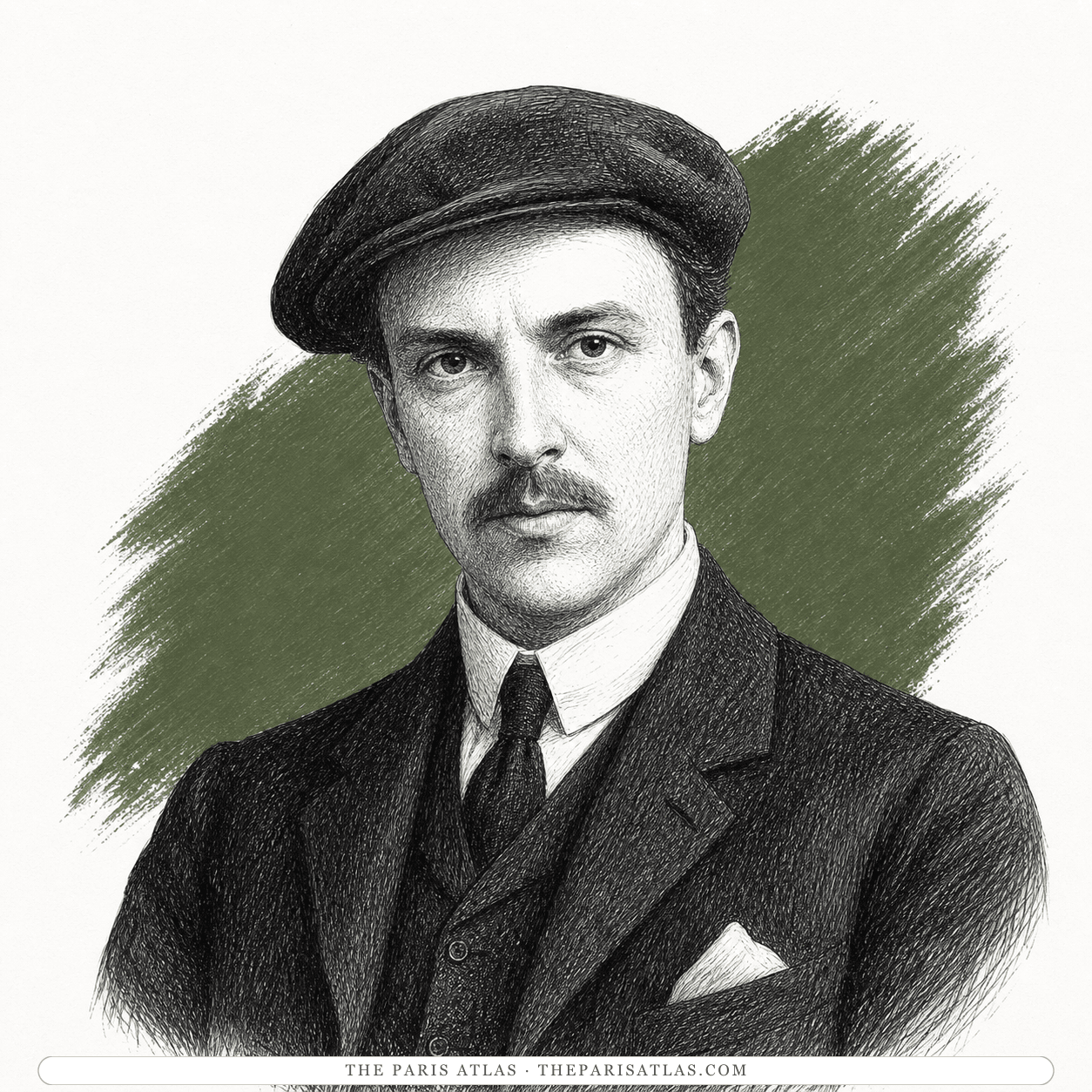
Collection bequeathed by · 1966
He made the museum his universal legatee rather than the French state, and on his death in 1966 it received the house at Giverny and more than a hundred canvases that had stayed in the family, including a group of large Water Lilies. The museum has held the largest Monet collection in the world since.
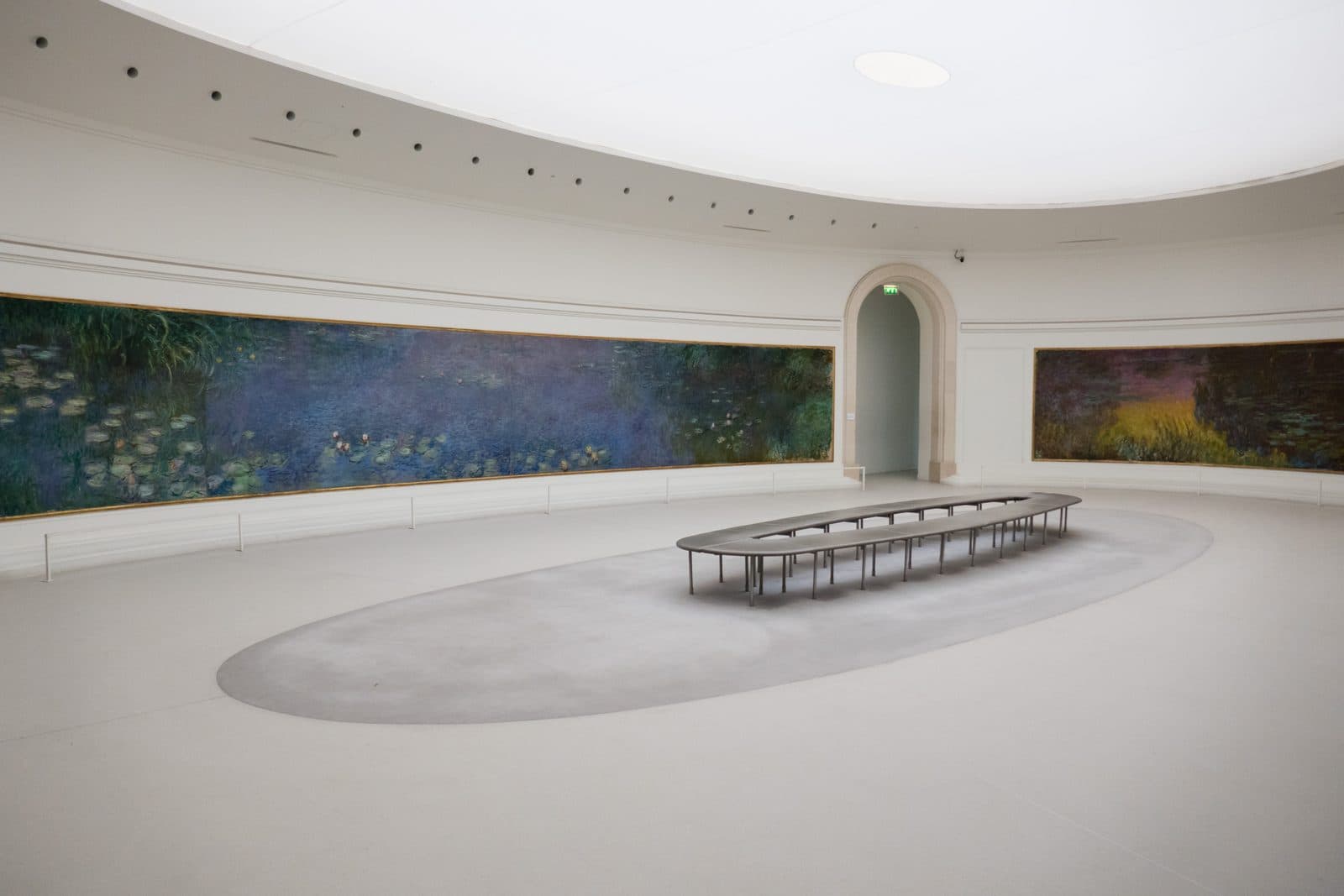
The museum of Monet's Water Lilies — two oval rooms he helped design — with the Walter-Guillaume collection of early modern Paris beneath them.
Visit the page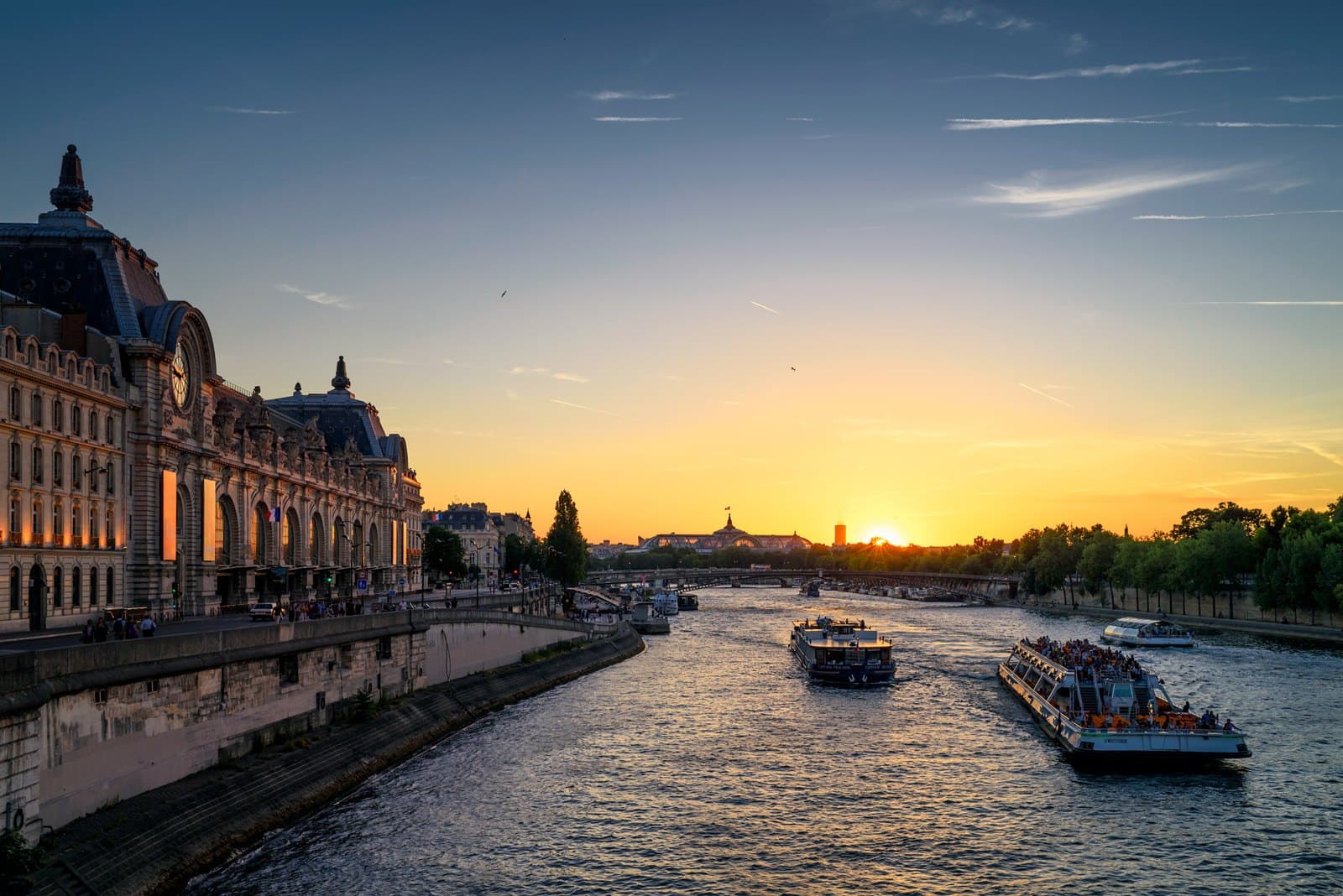
The national museum for art from 1848 to 1914, with the major Impressionist and Post-Impressionist collection inside Paris's former Orléans railway terminus.
Visit the pageThe Friday Letter
The connection between them — one letter from the Paris Atlas every Friday.