
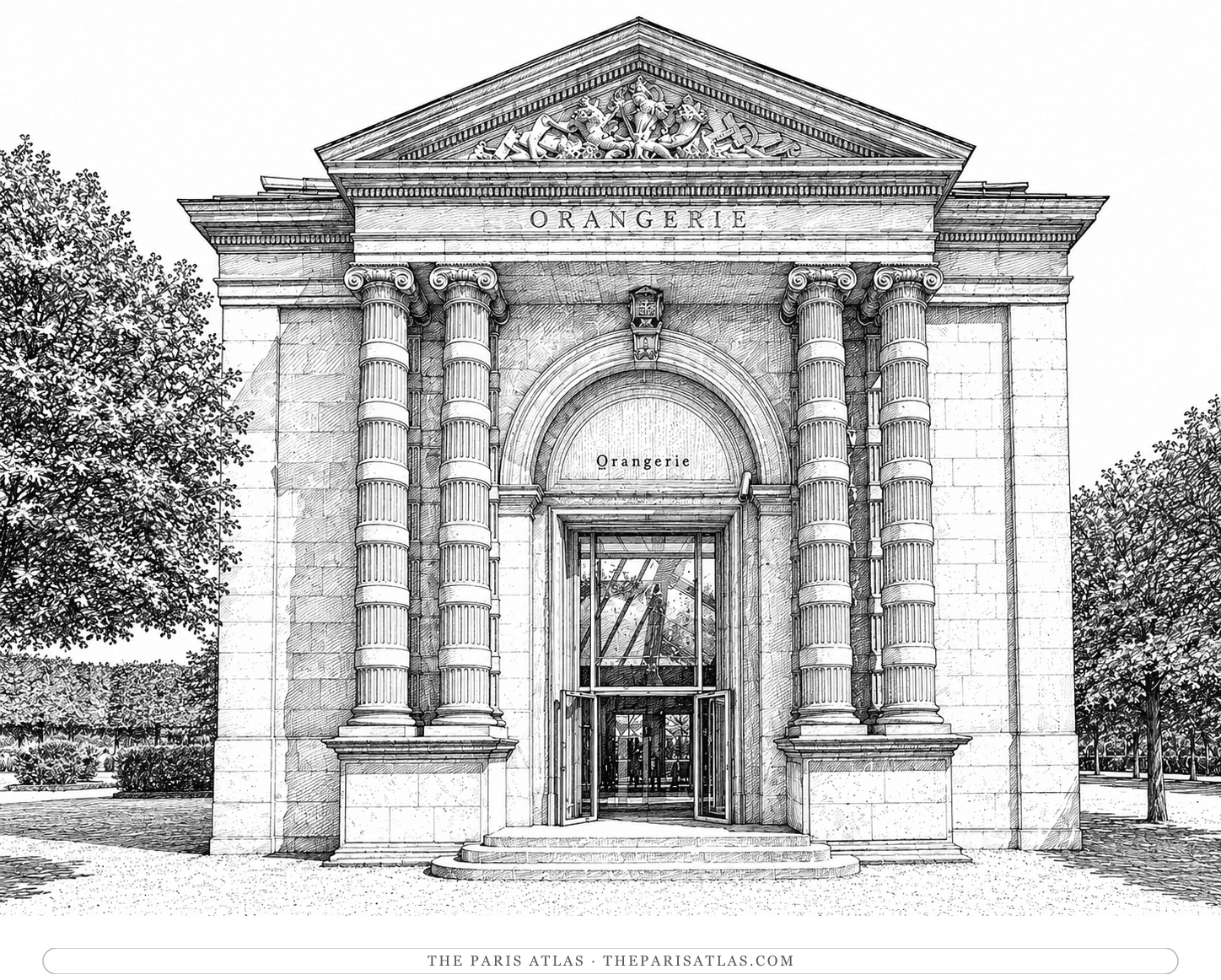
Operated at · 1927
Orangerie des Tuileries
The museum opened in the converted Tuileries orangery in May 1927 and has occupied it since.
One of the rare museums where the work, the rooms, and the building form a single composition.
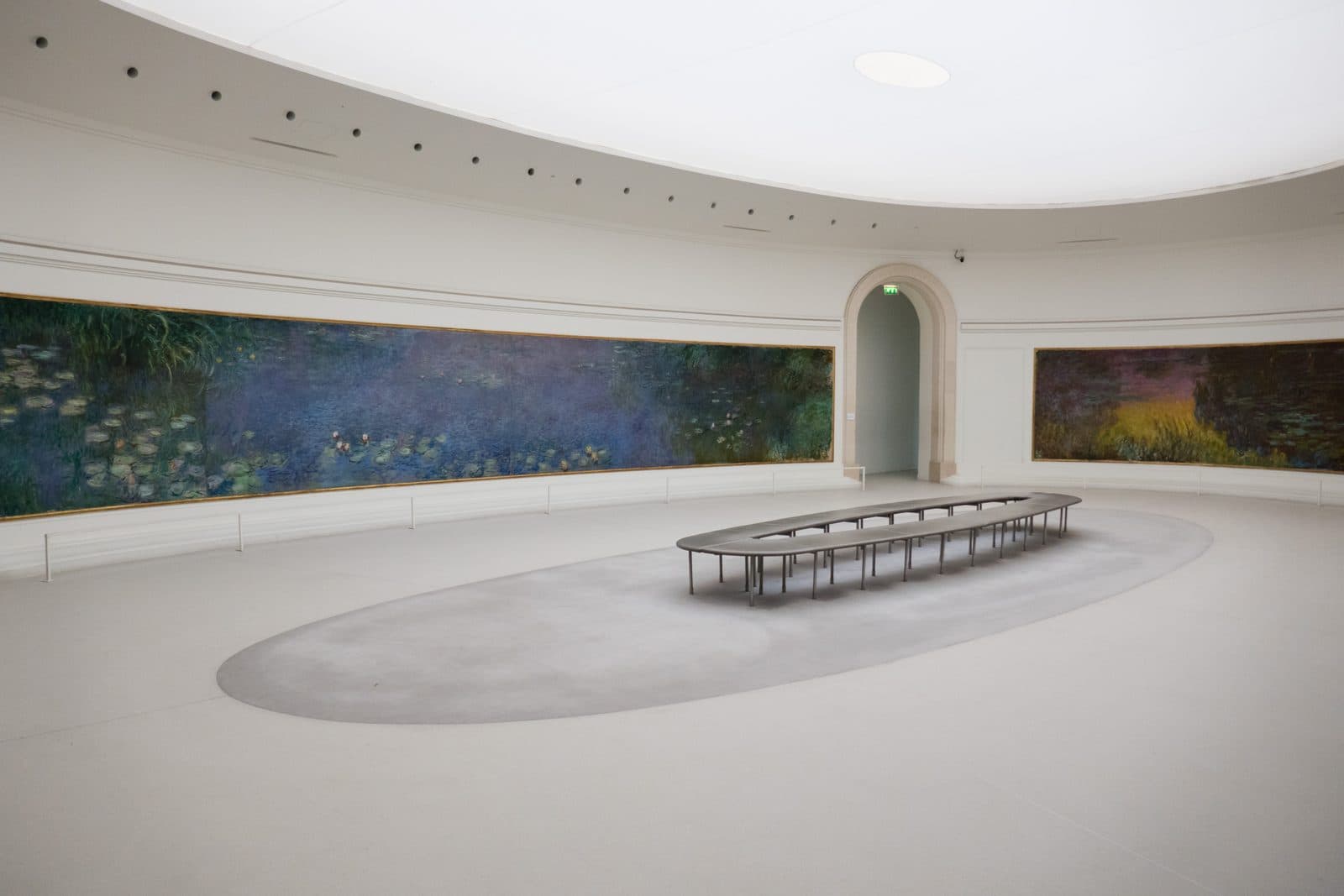


Eight compositions around two oval rooms, installed in 1927 to Monet's design. Shown: one of the two rooms.
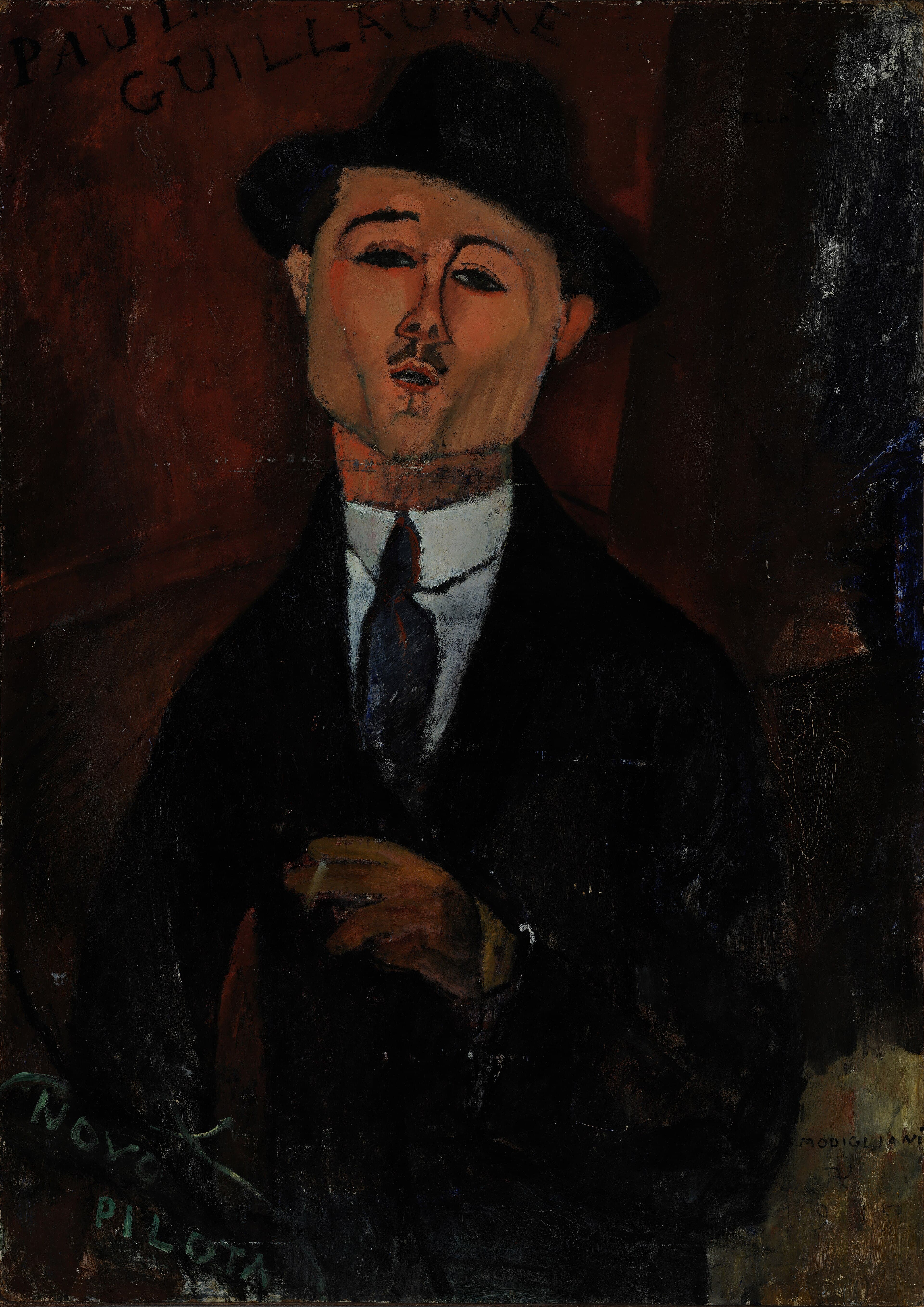
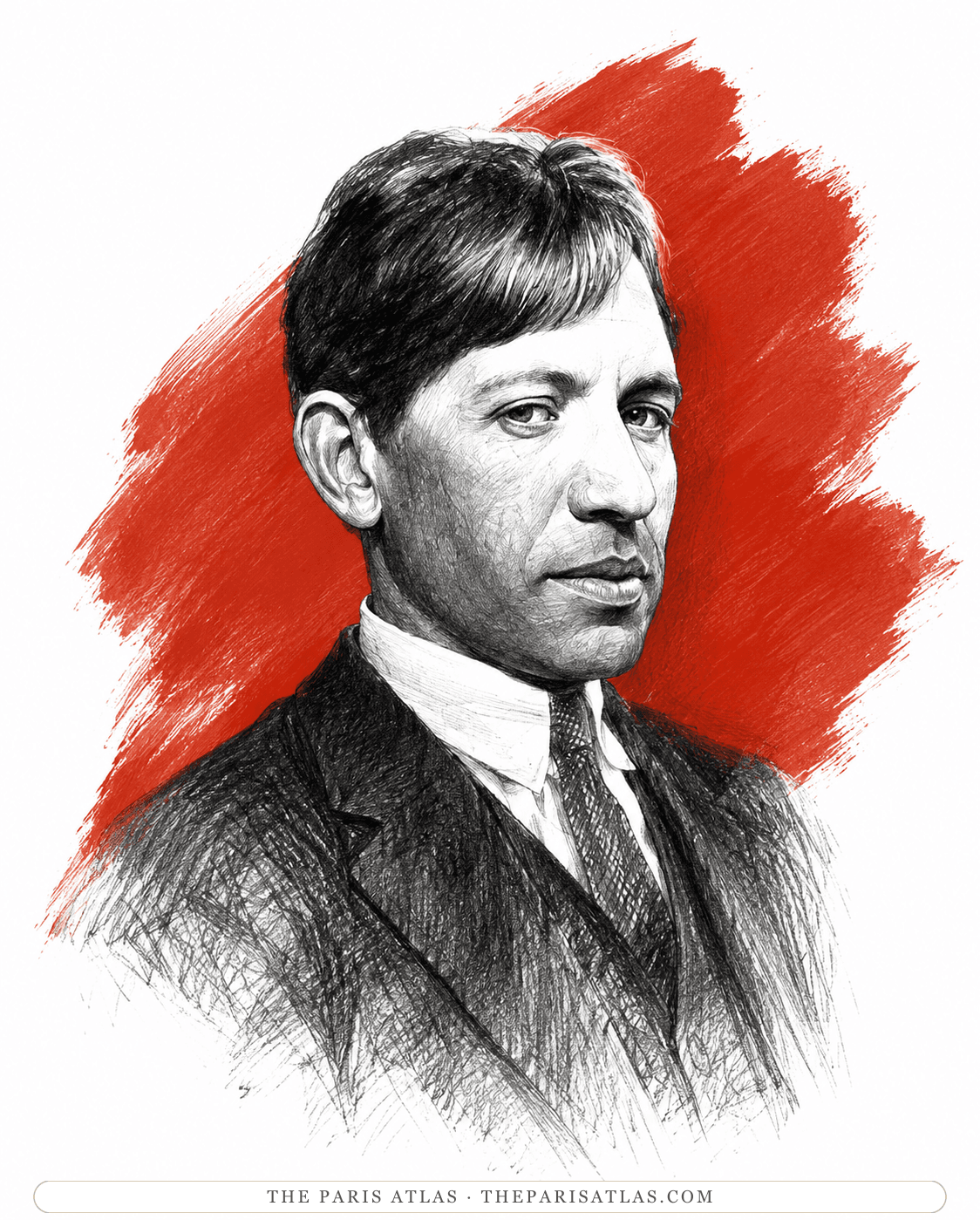
The dealer at twenty-three, painted by the artist he was among the first to sell.
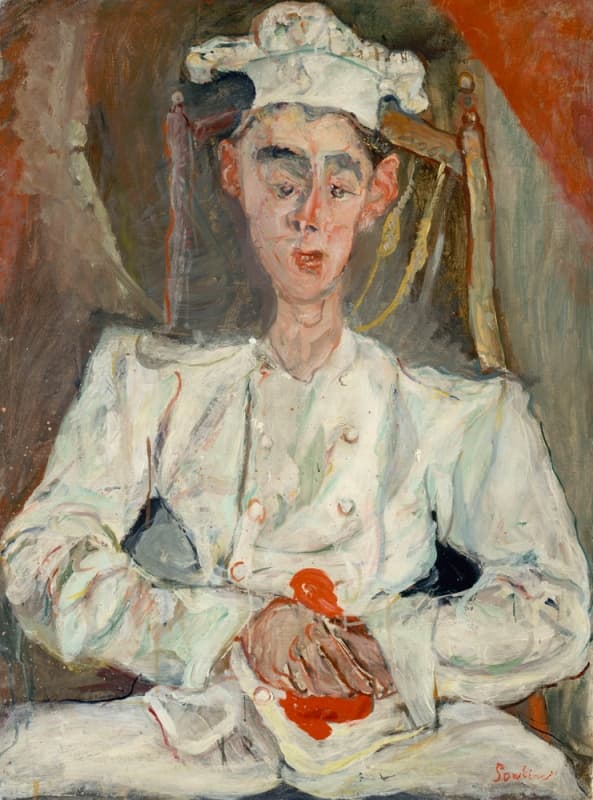
One of the museum's Soutines from Guillaume's holdings, the largest group in France. Painted 1922–1923.
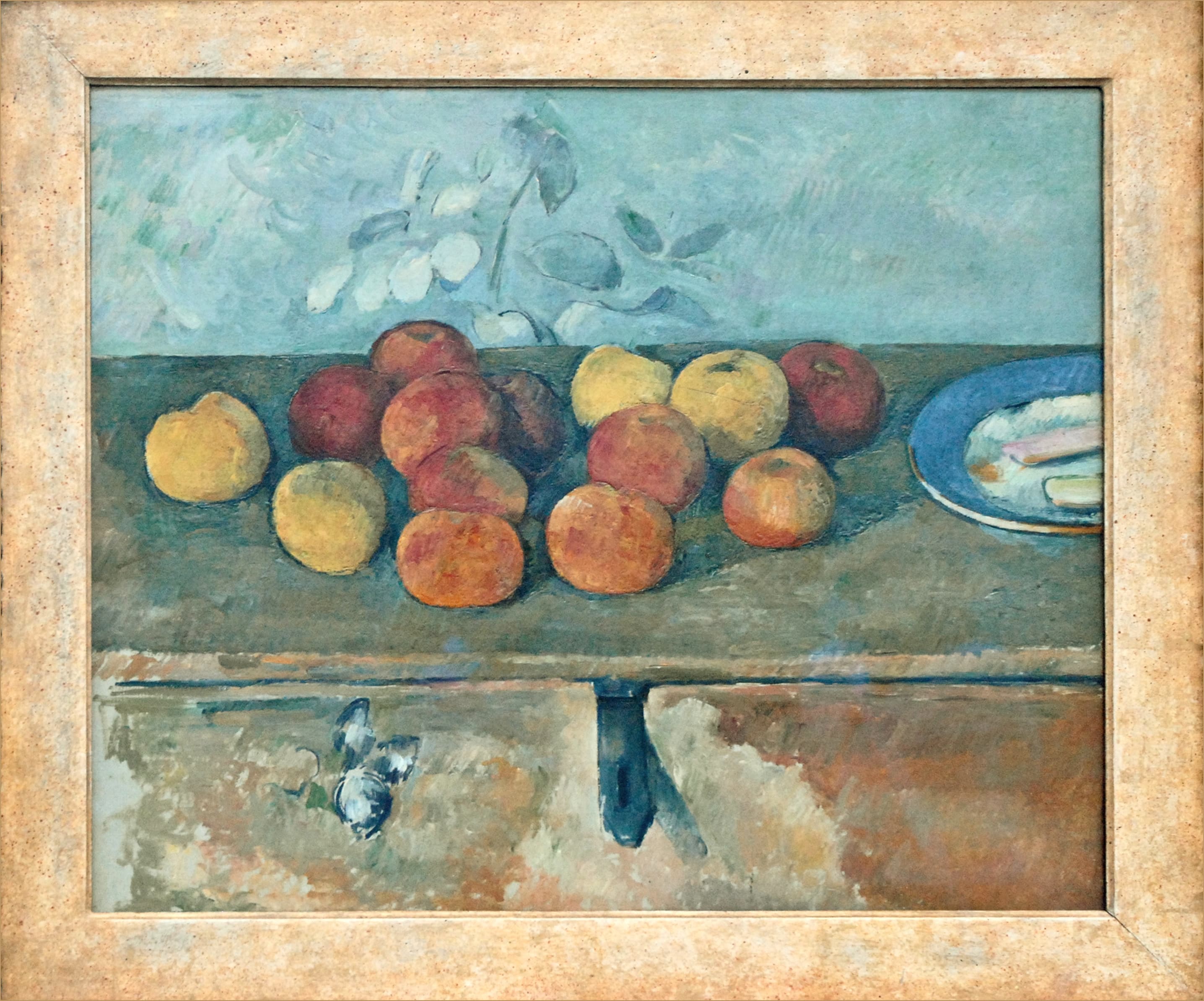
A quiet Cézanne still life, c. 1880, from the collection's nineteenth-century root.
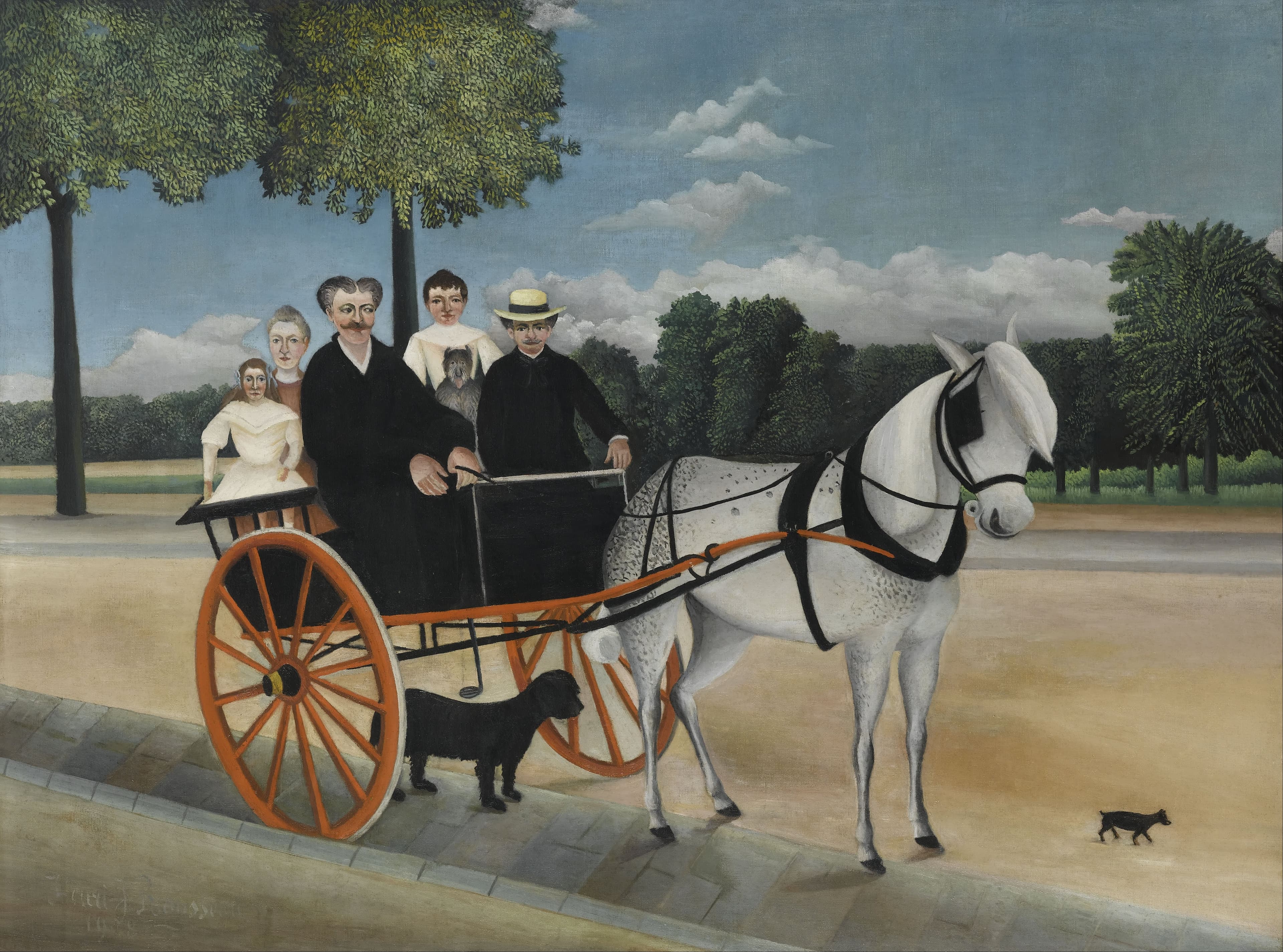
Rousseau at his most deadpan, a painting Guillaume prized. Its French title is La Carriole du père Junier.
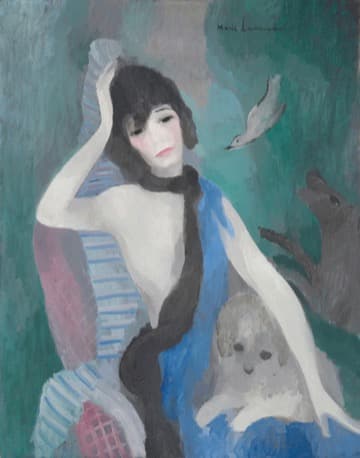
The portrait Chanel commissioned and refused to buy; Laurencin kept it.
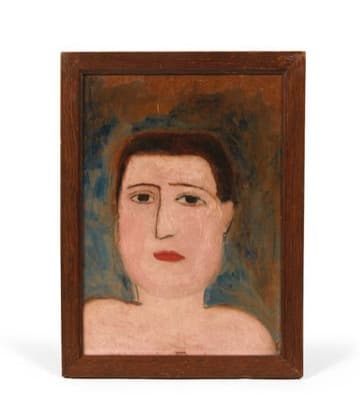
The small portrait of her poet, bought at auction in 2019 — the museum's sixth Laurencin.
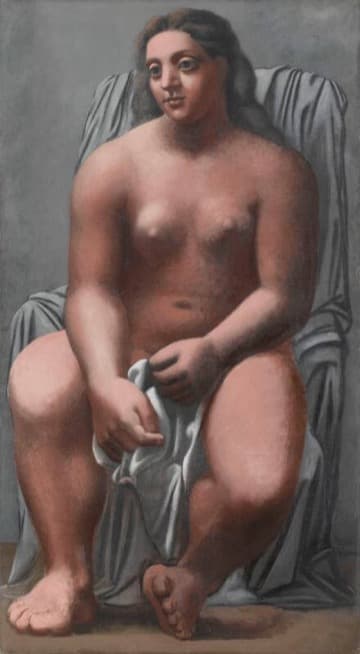
The monumental nude of the return to order, acquired by Guillaume after 1930.
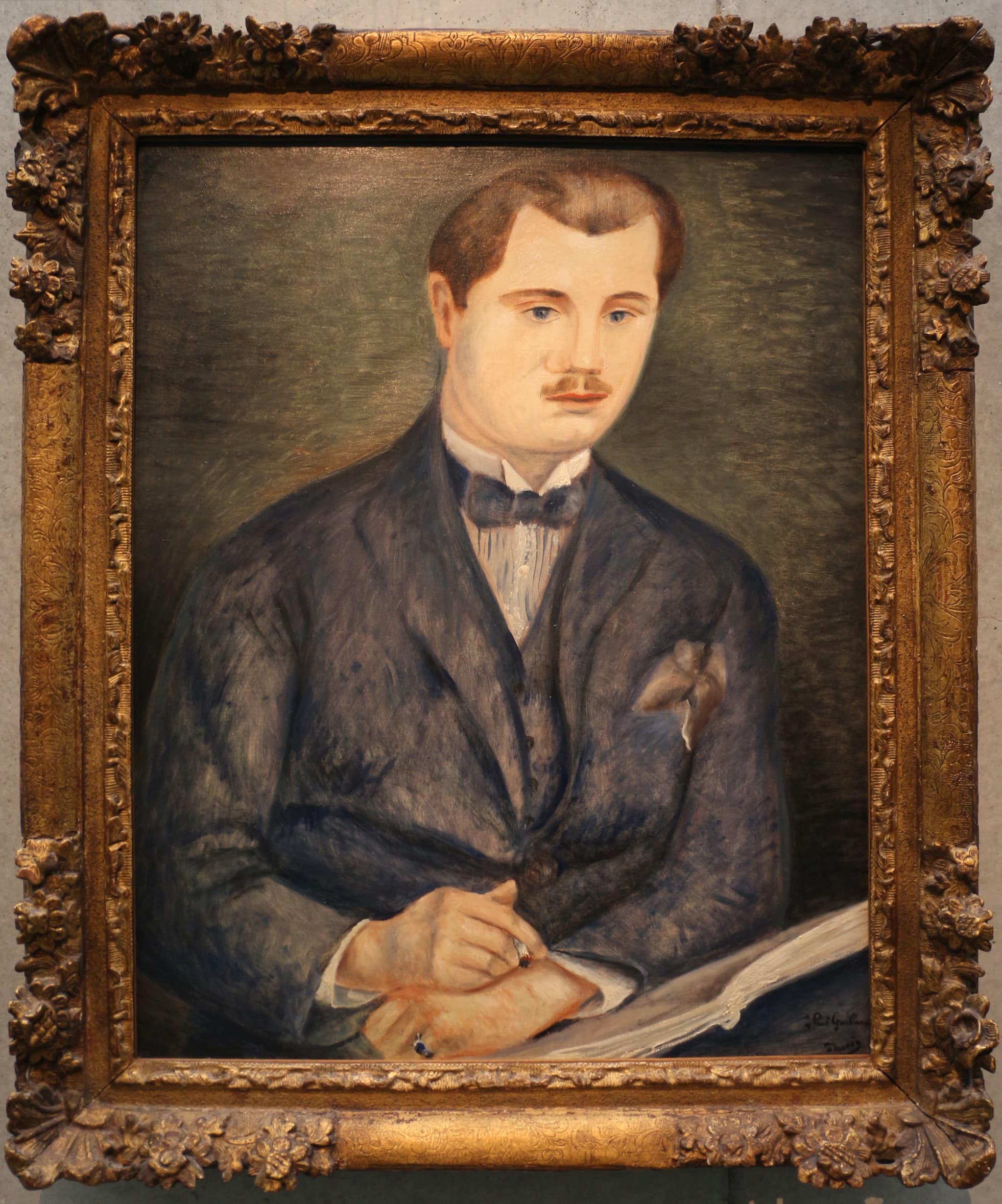
The dealer in his favorite blue, by the collection's most numerous painter.
At the western end of the Tuileries, beside the Place de la Concorde, the Musée de l'Orangerie holds Claude Monet's Water Lilies in two oval rooms that he helped design. The paintings were not hung here; the rooms were built for them. Monet fixed the sequence of the eight compositions, the curve of the walls, and the diffused daylight falling from above, so that the paintings, the architecture, and the light work as one ensemble. It is the reason a visit here feels different from a visit to a gallery of pictures.
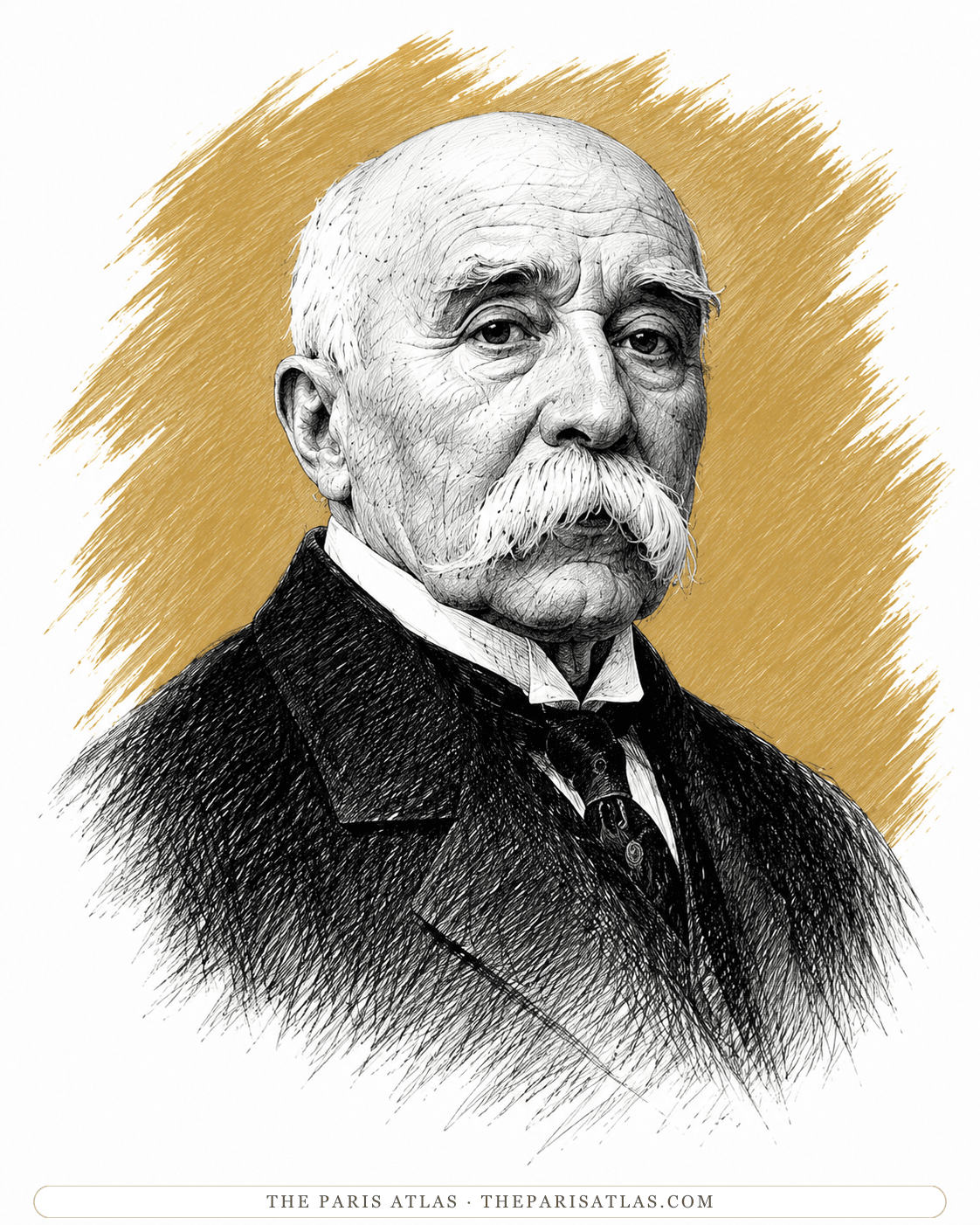
The cycle came to France as a gift. The day after the Armistice of November 1918, Monet offered panels to the state through his old friend Georges Clemenceau, then prime minister. The donation was formalized in 1922, and Clemenceau pushed the project through the years of revision that followed, as Monet, his eyesight failing, kept enlarging and reworking the scheme. The rooms opened in May 1927, a few months after the painter's death. He never saw them finished.
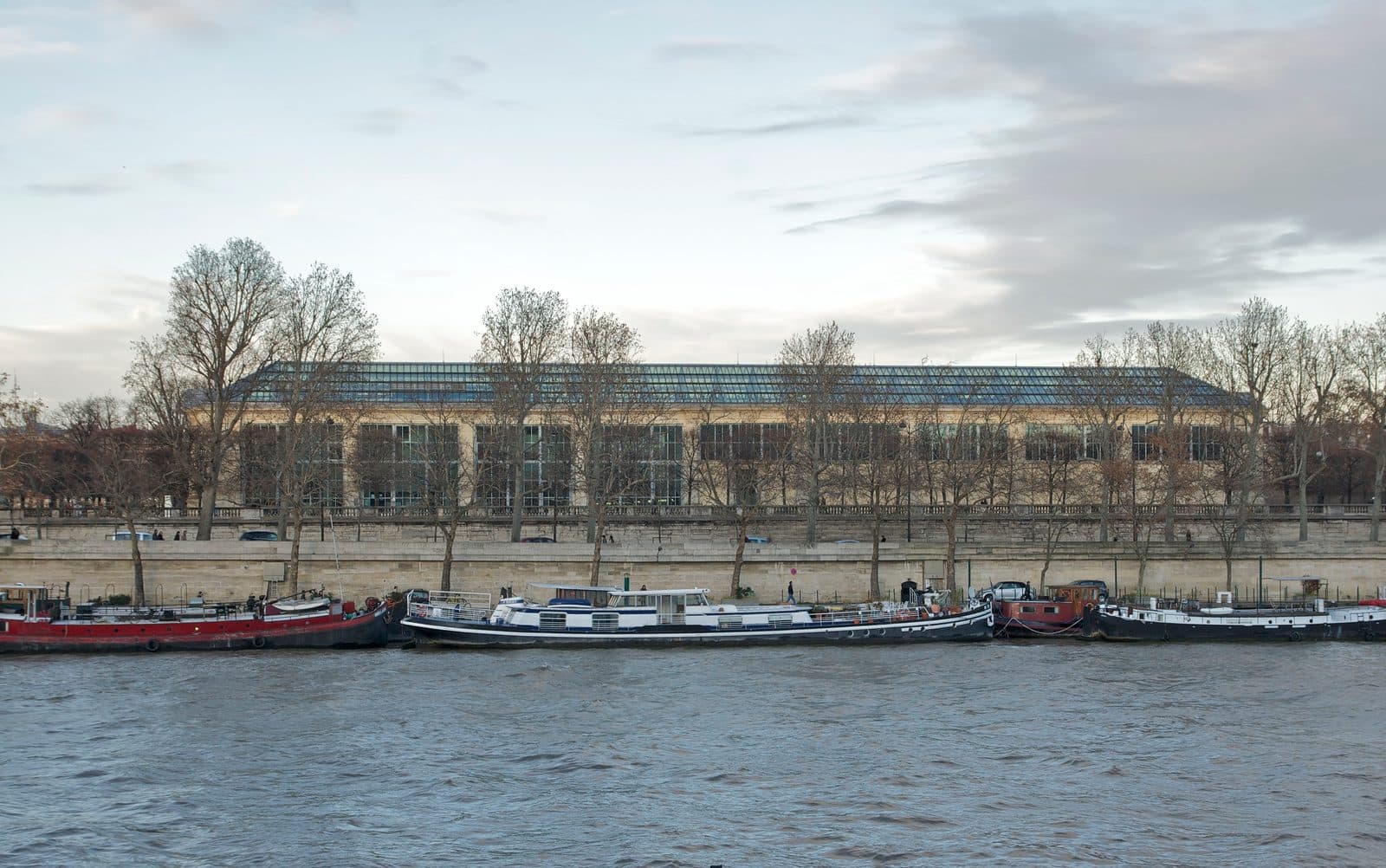
The building is older than the museum. It went up in 1852 as the orangery of the Tuileries palace, a long Second Empire shelter for the garden's orange trees, glazed on the Seine side to catch the winter sun. That southern glass is part of why Monet accepted the site. The conversion for the Water Lilies was drawn up by the architect Camille Lefèvre, working to Monet's specifications.
Below the oval rooms sits a second museum. The dealer Paul Guillaume, a friend of Guillaume Apollinaire and one of the first Paris dealers to champion Modigliani and Soutine, assembled a collection that runs from Renoir and Cézanne to Picasso, Matisse, Rousseau, and the École de Paris. After his death in 1934 his widow, Domenica, reshaped the collection with her second husband, Jean Walter; the French state acquired it in stages in 1959 and 1963, and it has been shown at the Orangerie since the mid-1960s as the Walter-Guillaume collection.
The two halves make the museum's argument. Upstairs, the end point of Impressionism at its most radical; downstairs, the dealers' Paris that carried painting from Renoir's generation to the moderns. The names in the lower rooms — Guillaume, Apollinaire, Modigliani, Soutine — are the same names that run through the cafés and studios of Montparnasse elsewhere in these pages.
A renovation between 2000 and 2006 stripped out a mezzanine added in the 1960s and restored the natural light Monet had specified. Since 2010 the museum has been administered jointly with the Musée d'Orsay across the river.
The Orangerie is a concentrated museum rather than an encyclopedic one, and that is its practical appeal: the Water Lilies and the collection can be seen well in sixty to ninety minutes. Choose the Orsay first for the broad survey of nineteenth-century French painting; choose the Orangerie for Monet's ensemble and an intimate route through early modern Paris.
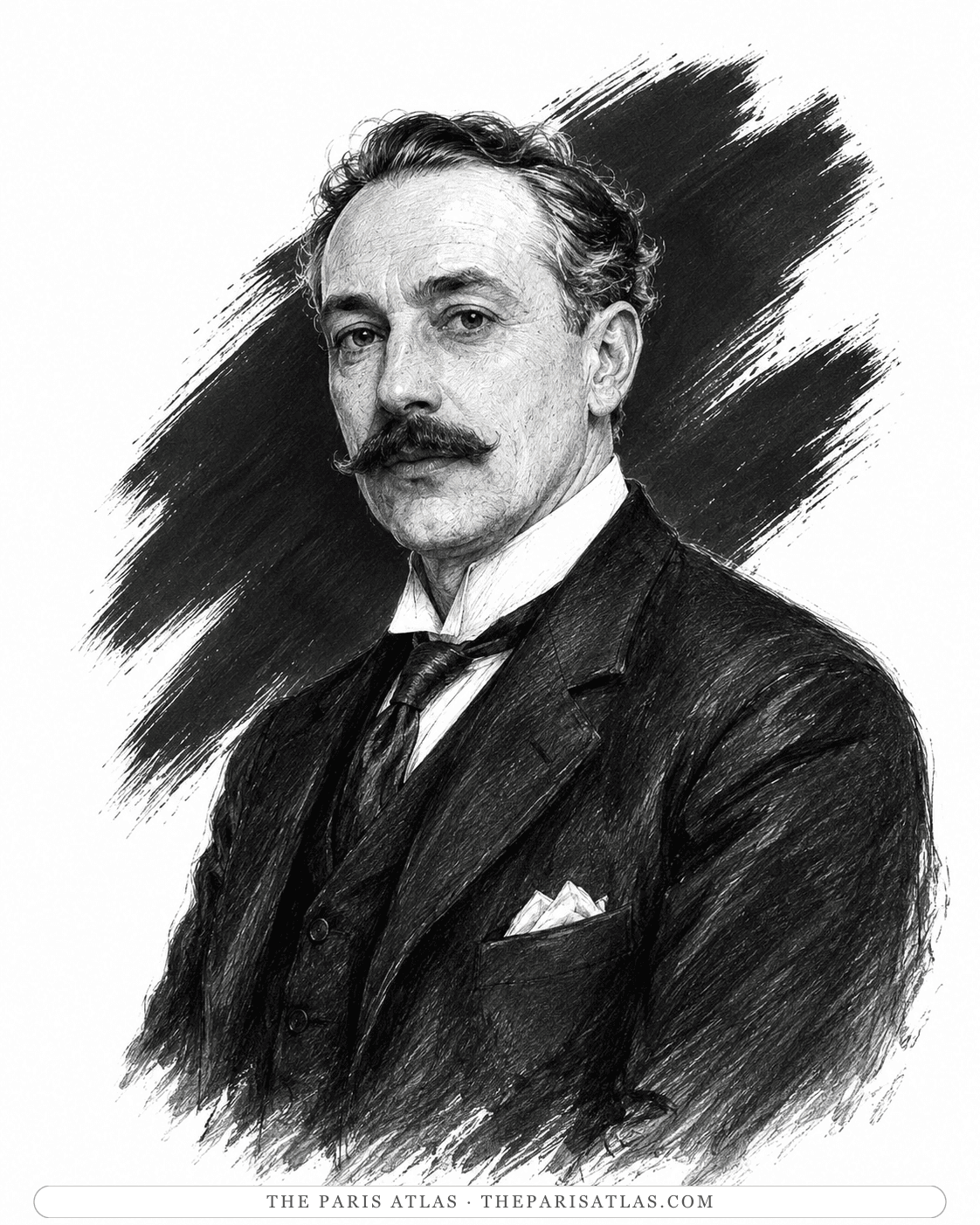
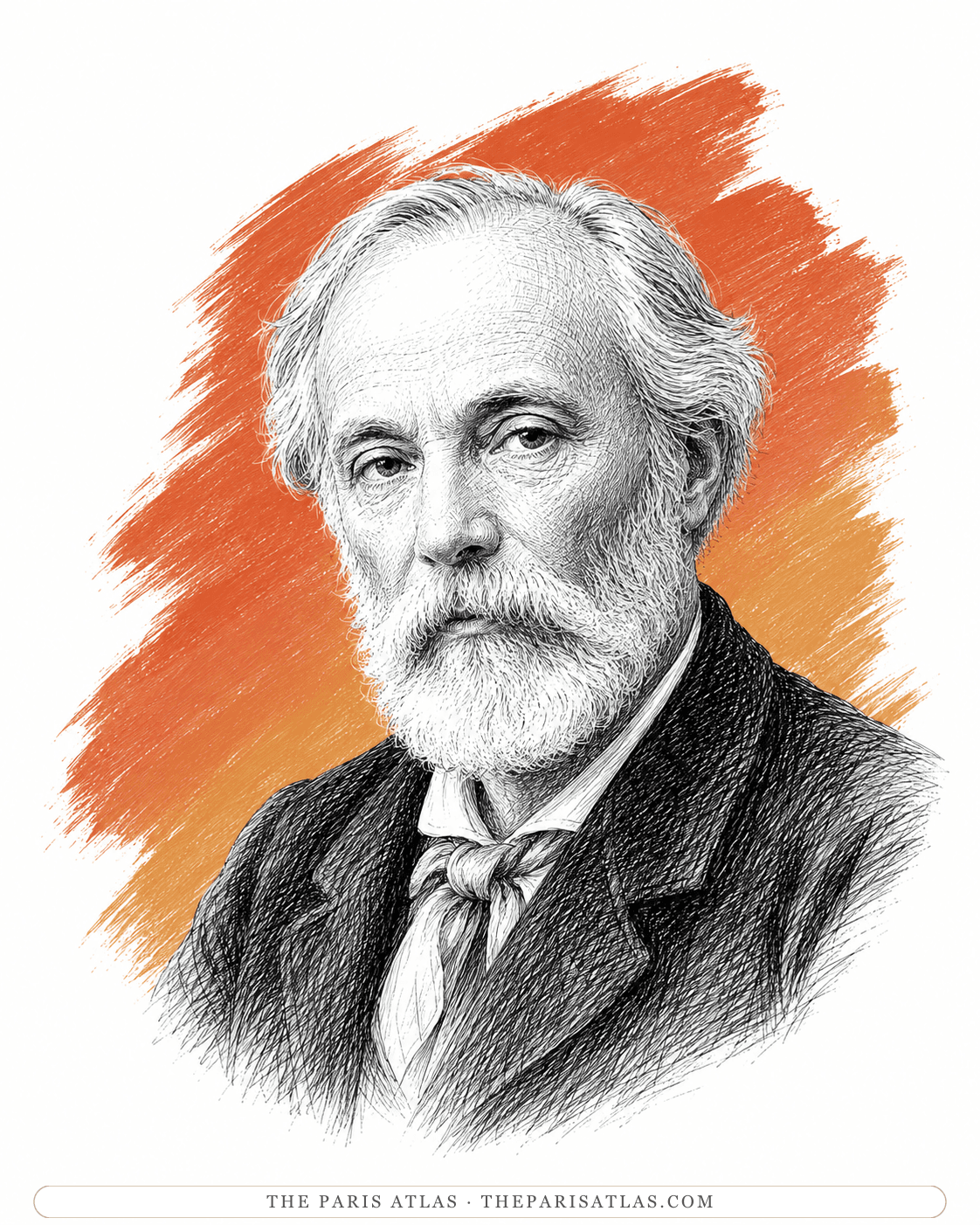
Painter and donor
Gave the Water Lilies to France and fixed the design of the rooms that hold them.
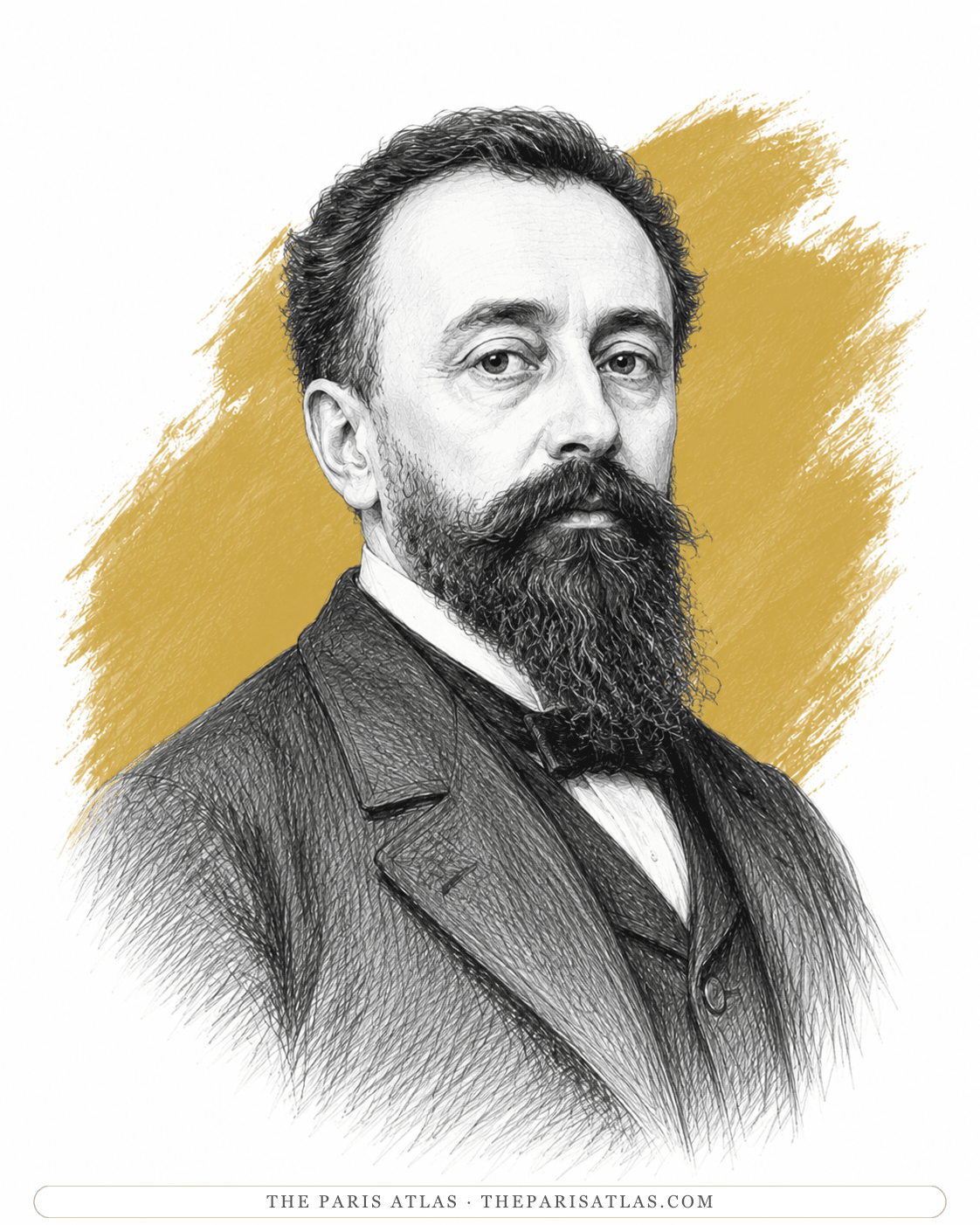
Visit their pageStatesman
Monet's friend of forty years; carried the donation through to the rooms' opening.
Visit their pageArt dealer
Assembled the collection of the lower rooms, from Renoir to Soutine.
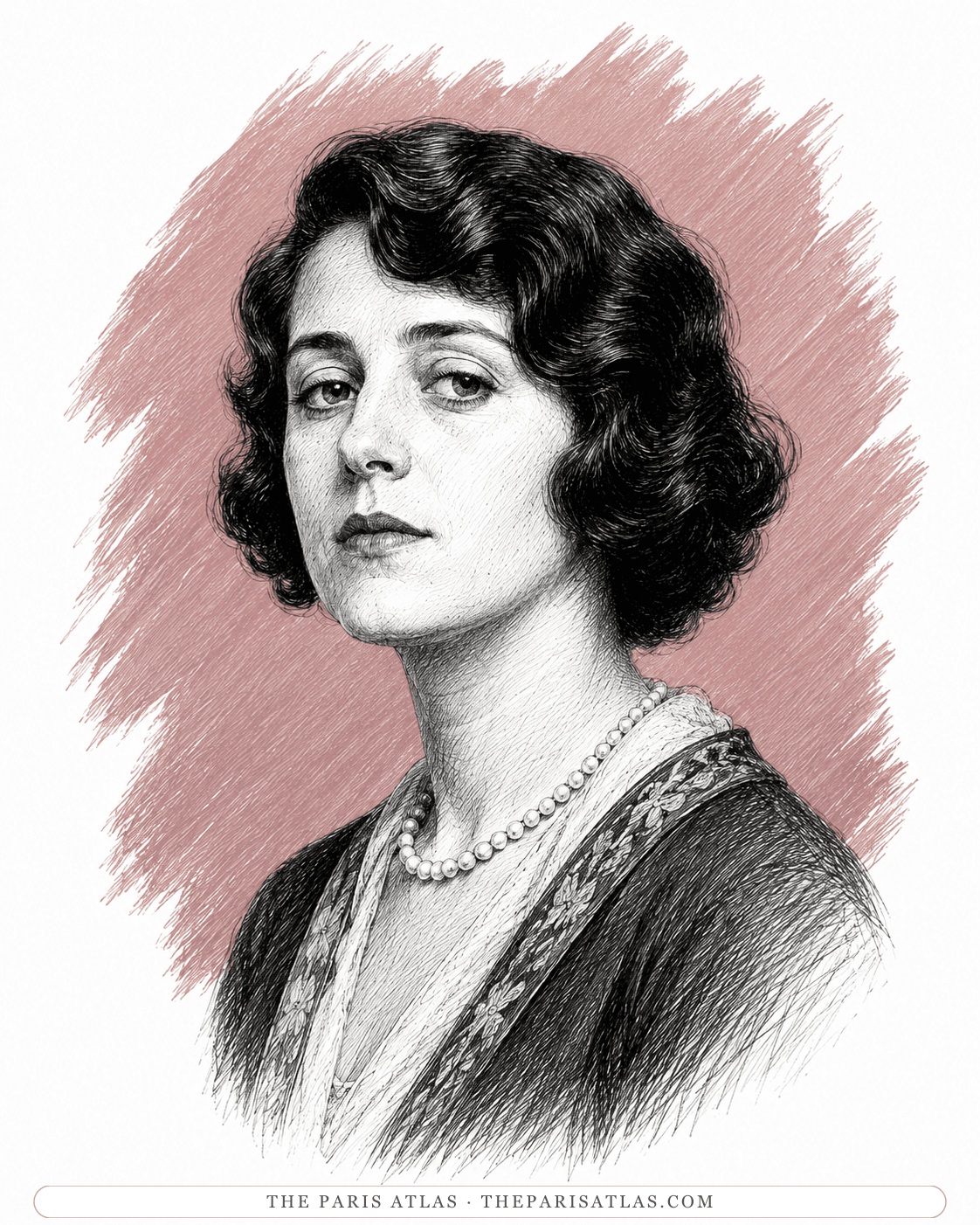
Visit their pageCollector
Reshaped Guillaume's collection and sold it to the state as the Walter-Guillaume ensemble.
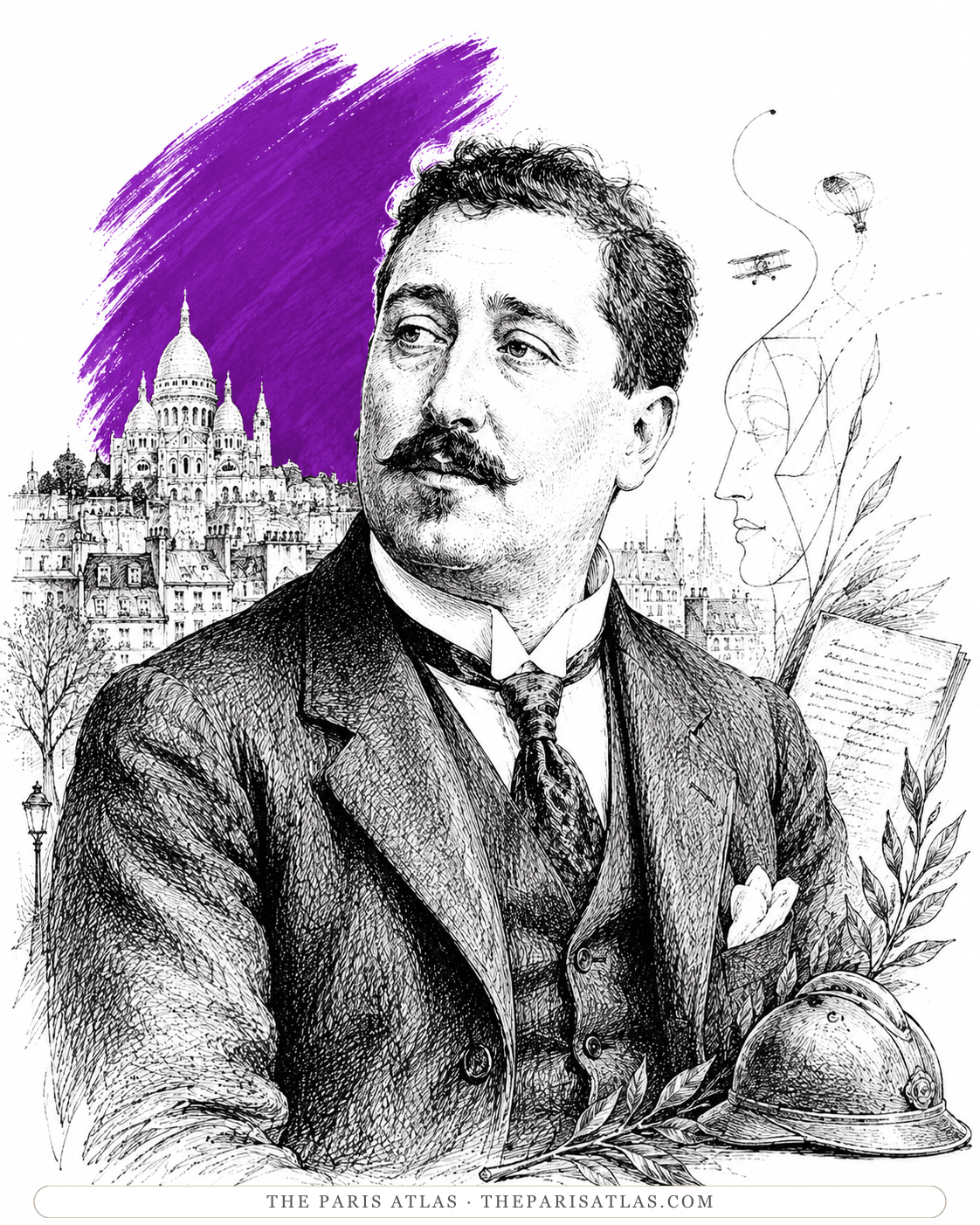
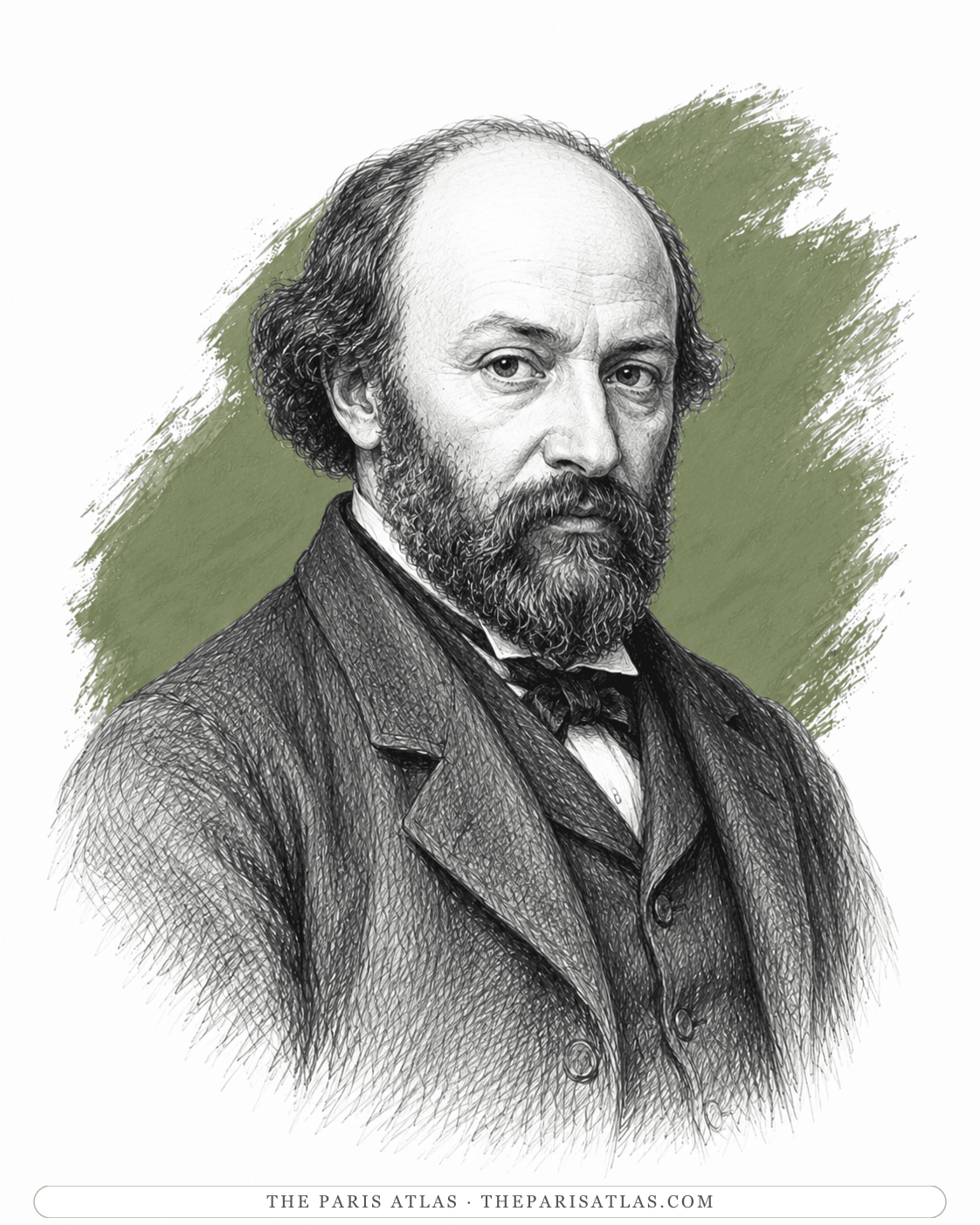
Visit their pagePoet and critic
Guillaume's early mentor in the avant-garde; steered him toward the painters he backed.
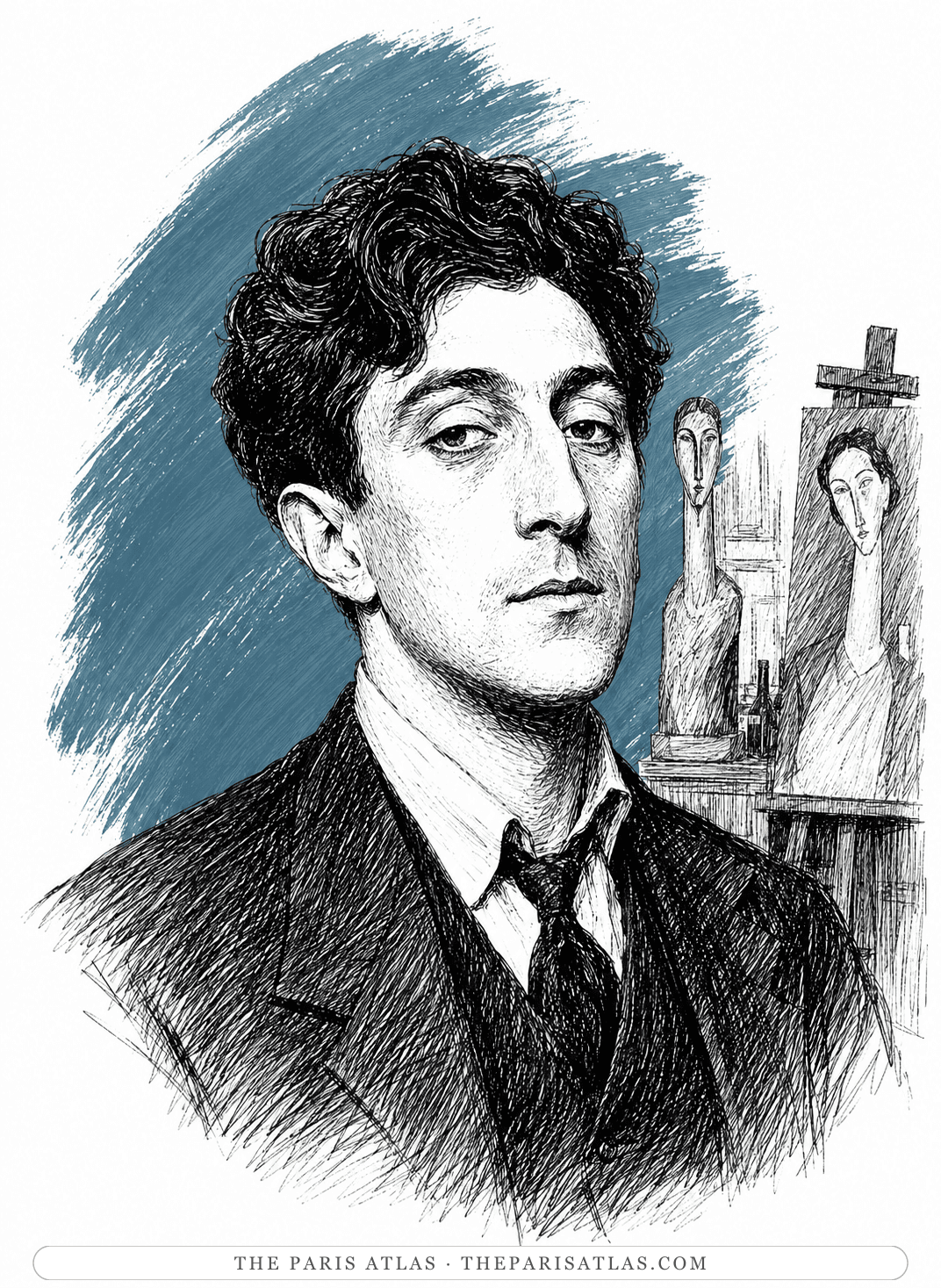
Visit their pagePainter
Guillaume was among his first dealers; the collection holds his portrait of Guillaume, Novo Pilota.
Visit their pagePainter
The collection's most numerous painter: 31 canvases, including his 1919 portrait of Guillaume.
Painter
22 paintings — the largest Soutine collection in Europe, by the museum's own description.
Visit their pagePainter
Six works, including the portrait Chanel refused and the small Apollinaire bought at auction in 2019.
Visit their pagePainter
25 paintings, the collection's nineteenth-century core, favored by Domenica Walter.
Visit their pagePainter
15 works — the root the moderns grew from, in the museum's own telling.
Visit their pagePainter
Nine canvases, among them Old Junier's Cart, a painting Guillaume prized.
Visit their pageThe orangery is built to shelter the Tuileries garden's orange trees.
The day after the Armistice, Monet offers panels to France through Clemenceau.
The donation is formalized and the Orangerie chosen as the site.
The Water Lilies rooms open in May, months after Monet's death.
The state acquires the Walter-Guillaume collection in stages.
Renovation removes the 1960s mezzanine and restores natural light.
The museum is joined administratively with the Musée d'Orsay.
Operated at · 1927
The museum opened in the converted Tuileries orangery in May 1927 and has occupied it since.
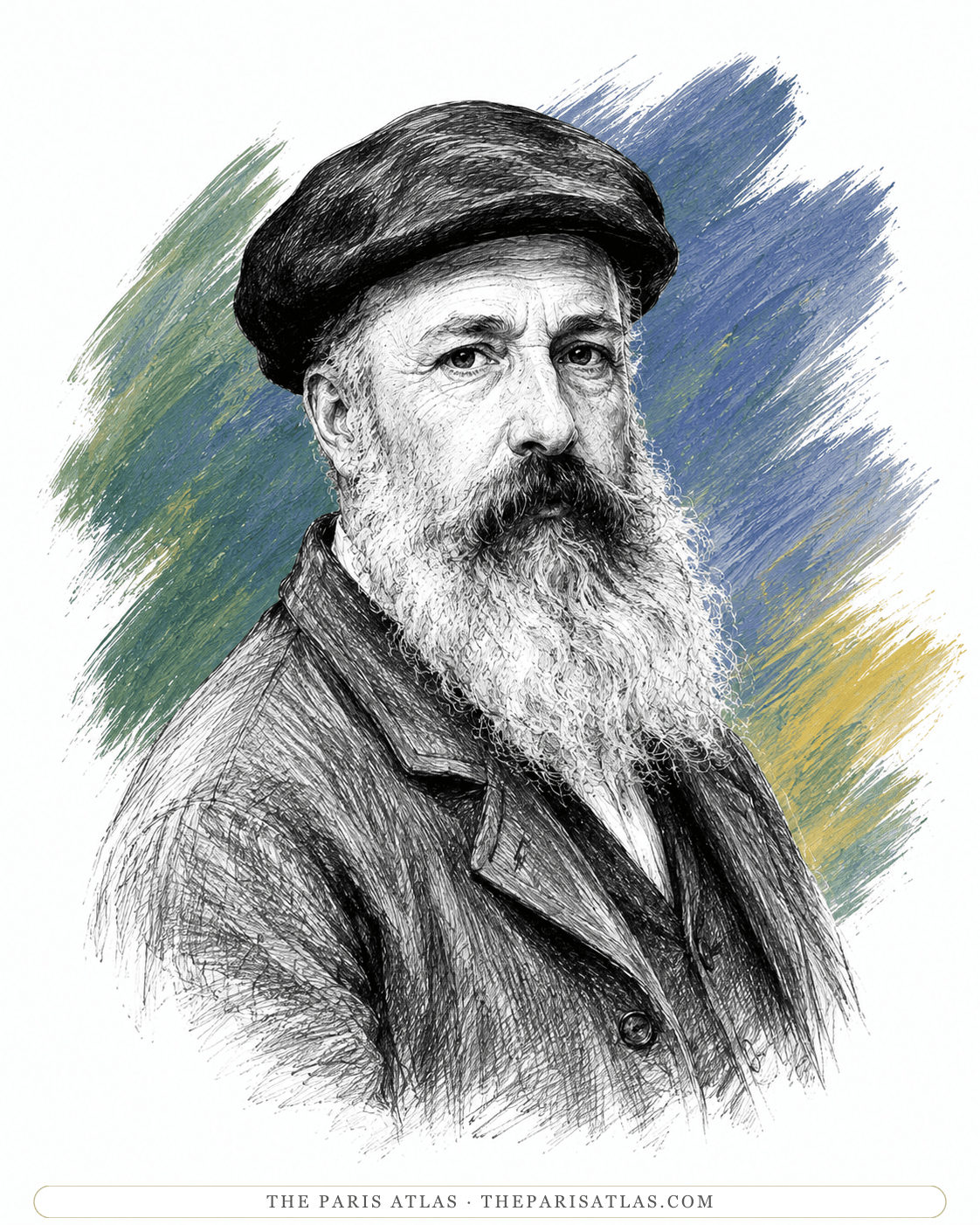
Founded by · 1918–1927
The museum in its present form exists to hold his gift: nineteen panels donated by the 1922 contract, installed as eight compositions in two oval rooms whose shape, spacing, and light he specified with the architect Camille Lefèvre.
Founded by · 1918–1927
Received Monet's Armistice-day offer, drove the donation to its 1922 contract, and carried the project through the painter's doubts and eye operations to the rooms' 1927 opening.
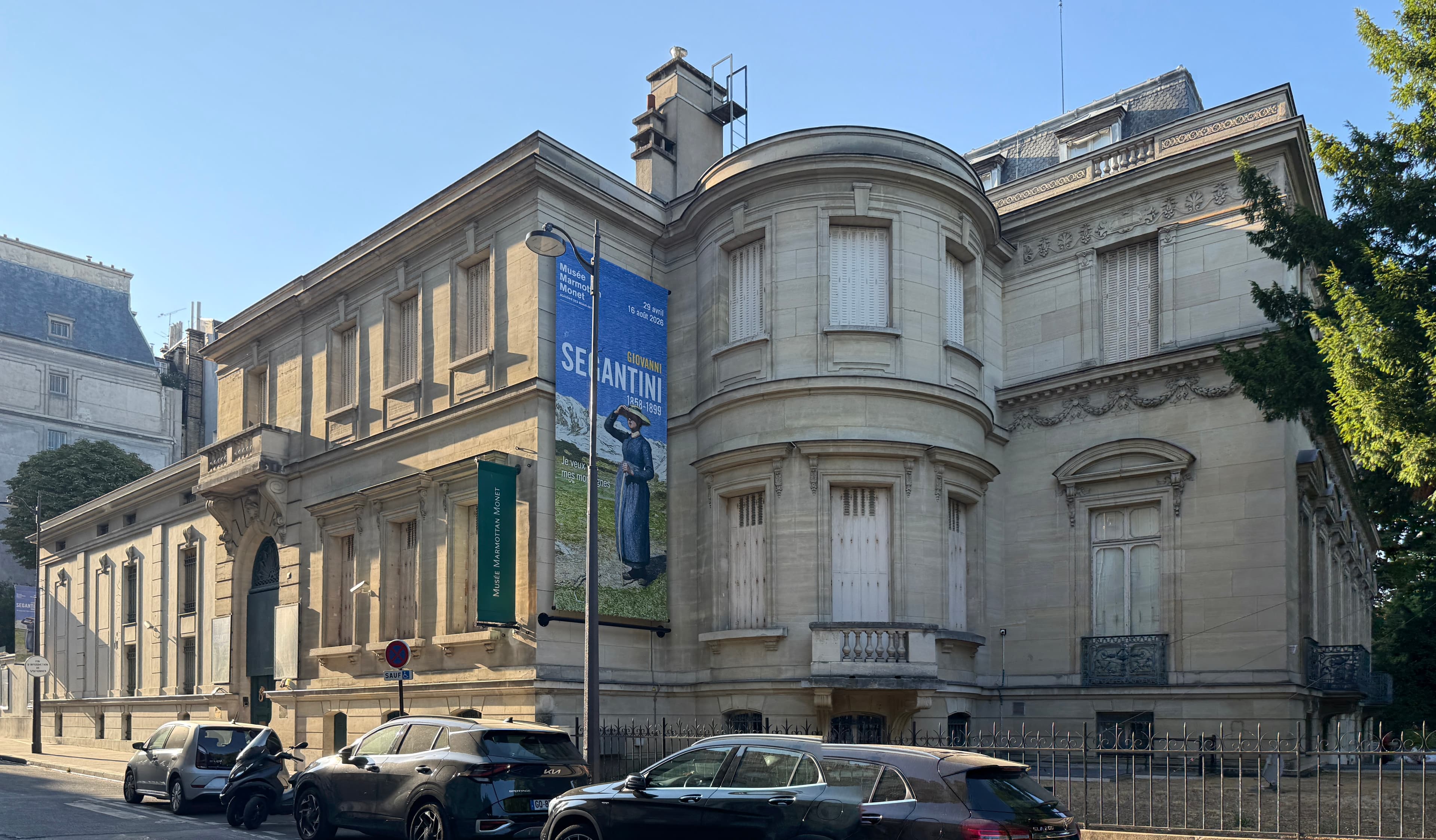
The house museum holding the world's largest Monet collection — Impression, Sunrise among it — and the leading collection of Berthe Morisot, both by family bequest.
Visit the page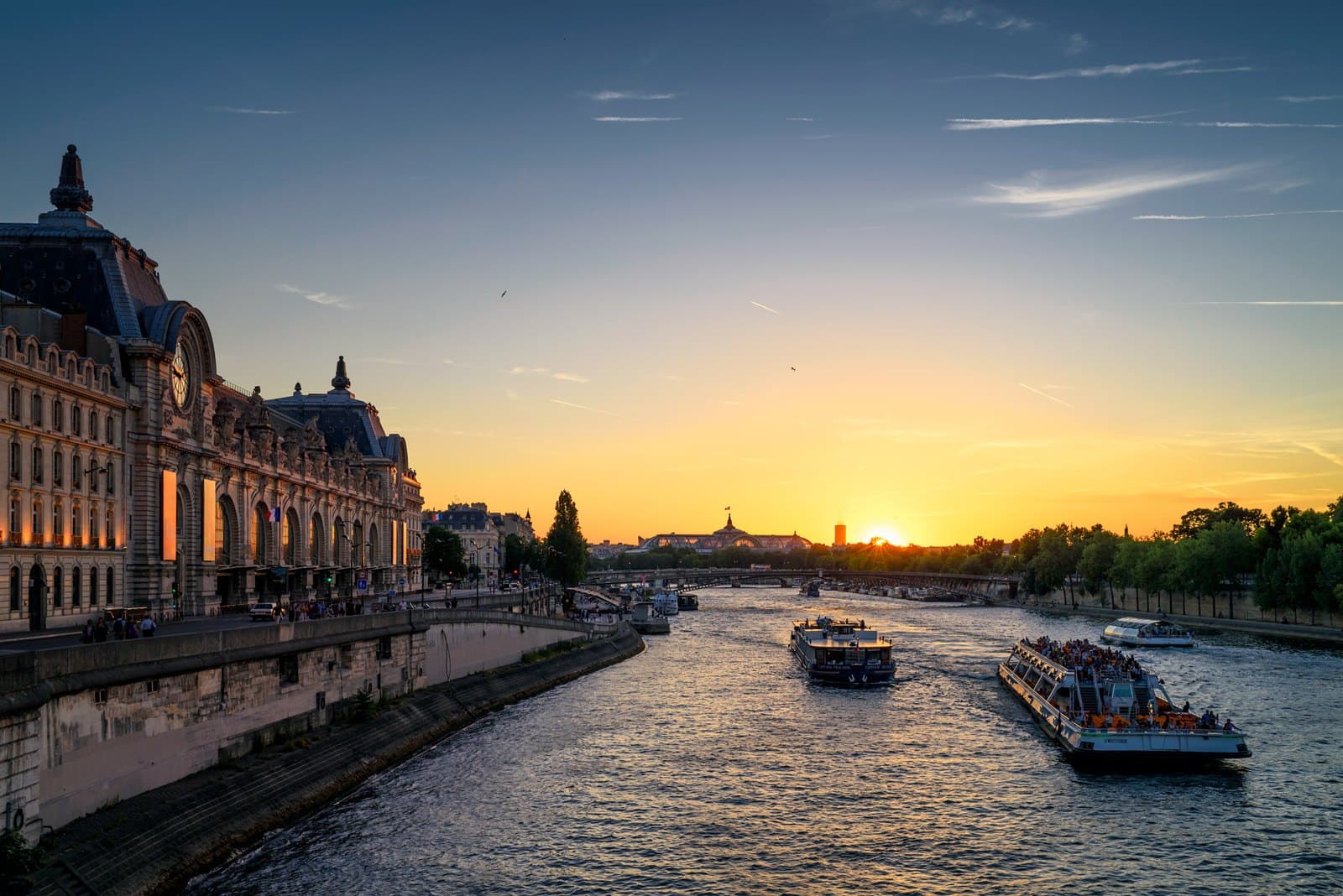
The national museum for art from 1848 to 1914, with the major Impressionist and Post-Impressionist collection inside Paris's former Orléans railway terminus.
Visit the pageThe Friday Letter
The connection between them — one letter from the Paris Atlas every Friday.