The Paris Museum Pass: what it costs and when it pays off
The pass costs €85, €105, or €125 and covers more than fifty museums and monuments. Since January 2026 some of the biggest ones charge more if you live outside Europe, but the pass still costs everyone the same.
E-tickets
Ready to book?
E-tickets in minutes. Reserve now and pay later, with free cancellation on most bookings.
The Paris Museum Pass costs €85 for two days, €105 for four days, and €125 for six, . It covers more than fifty museums and monuments in Paris and the surrounding region. Whether it saves you money depends partly on where you live. Since January 2026 the Louvre and the Sainte-Chapelle charge more to visitors from outside the European Economic Area, which is the European Union plus Iceland, Liechtenstein, and Norway. The United Kingdom is not in it. The pass costs everyone the same, so it pays off faster for overseas visitors: about three big sites over two days, where a European resident needs four.
What it costs
| Pass | Price | The operator's own break-even claim |
|---|---|---|
| 2 days — 48 hours | €85 | Savings on average from the 4th visit |
| 4 days — 96 hours | €105 | From the 5th visit |
| 6 days — 144 hours | €125 | From the 6th visit |
The pass runs on hours, not calendar days. A two-day pass lasts 48 hours from the first time you use it. If you start at four in the afternoon, you have spent most of day one on a single museum. Start in the morning.[1]
What the tickets cost without it
Since January 2026 the biggest museums charge two prices, and which one you pay depends on where you live. At the Louvre it is €32 if you live outside the EU, Iceland, Liechtenstein, or Norway, and €22 if you live inside. Britain now counts as outside. The Sainte-Chapelle did the same on 12 January: €22 and €16. Versailles charges €35 and €32. The pass costs €85 for everyone, no matter where you live. So it saves a tourist more than it saves a Parisian.[2][3][1]
| Site | EEA resident | Outside the EEA | Booking needed with the pass |
|---|---|---|---|
| Musée du Louvre | €22 | €32 | Yes |
| Musée d'Orsay | €16 online | €16 online | Yes |
| Château de Versailles (Passport) | €32 | €35 | Palace only |
| Sainte-Chapelle | €16 | €22 | Yes |
| Sainte-Chapelle + Conciergerie | €23 | €30 | Yes |
| Arc de Triomphe | €22 | €22 | No |
| Panthéon | €16 | €16 | No |
| Musée Rodin | €14 | €14 | No |
| Musée de l'Orangerie | €12.50 online | €12.50 online | Yes |
| Hôtel de la Marine (Intendants' flats) | €17 | €17 | Yes |
Does it save you money?
Say you visit four sites in two days: the Louvre, the Sainte-Chapelle, Versailles, and the Musée d'Orsay. In high season the tickets cost €105 if you live outside the European Economic Area, or €86 if you live inside it. The pass costs €85. So the overseas visitor saves €20 and the European resident saves a euro.
| What you see | Pass | Tickets: outside the EEA | Tickets: EEA resident |
|---|---|---|---|
| Louvre, Sainte-Chapelle, Versailles — two days | €85 | €89 — pass saves €4 | €70 — pass loses €15 |
| Those three plus the Orsay — two days | €85 | €105 — pass saves €20 | €86 — pass saves €1 |
| Those four plus the Arc, the Panthéon, the Rodin, and the Orangerie — four days | €105 | €169.50 — pass saves €64.50 | €150.50 — pass saves €45.50 |
So the operator is right that the savings start at the fourth visit, and for most readers they start sooner. If you are travelling from the United Kingdom, the United States, Canada, Australia, or anywhere else outside the European Economic Area, you pay the higher ticket prices. That puts the two-day pass ahead at three big sites, and well ahead at four. On the four-day pass the saving is big enough that you come out on top. There is one exception. If you live inside the area your tickets are cheaper, so the two-day pass takes four sites to break even.
The longer passes are the better deal. Eight sites over four days cost €169.50 in tickets for an overseas visitor. The four-day pass costs €105, so you save €64.50. A European resident on the same eight sites saves €45.50. The six-day pass costs only €20 more than the four-day, and it has paid for itself by the fifth paid site for an overseas visitor, or the seventh for a European resident. Everything you see after that costs nothing. Six days also gives you time to get out to the region. Fontainebleau, Chantilly, and Saint-Denis are all on the pass.
Two things the sums do not cover. If you are under 26 and live in the European Economic Area, most of these museums are already free to you, so the pass is not worth buying. And a pass often gets people into a fourth museum they would have skipped, which is worth something even if it does not show up in the total.
Which sites you have to book
The pass is not a skip-the-line ticket. It means you do not buy a ticket at each door. But at seven sites you still have to book a free time slot in advance, on that site's own booking page rather than through the pass. The operator lists them:[1]
The Louvre is the one people get wrong. It requires a time slot from every visitor in July and August, and recommends one for the rest of the year. The pass operator goes further: only a booked slot guarantees that a pass holder gets in. If no slots are left for the day you want, you can join the queue, but you may not get in. Book the Louvre and Versailles first, then plan the rest of the days around the slots you get.[2][1]
What it does not cover
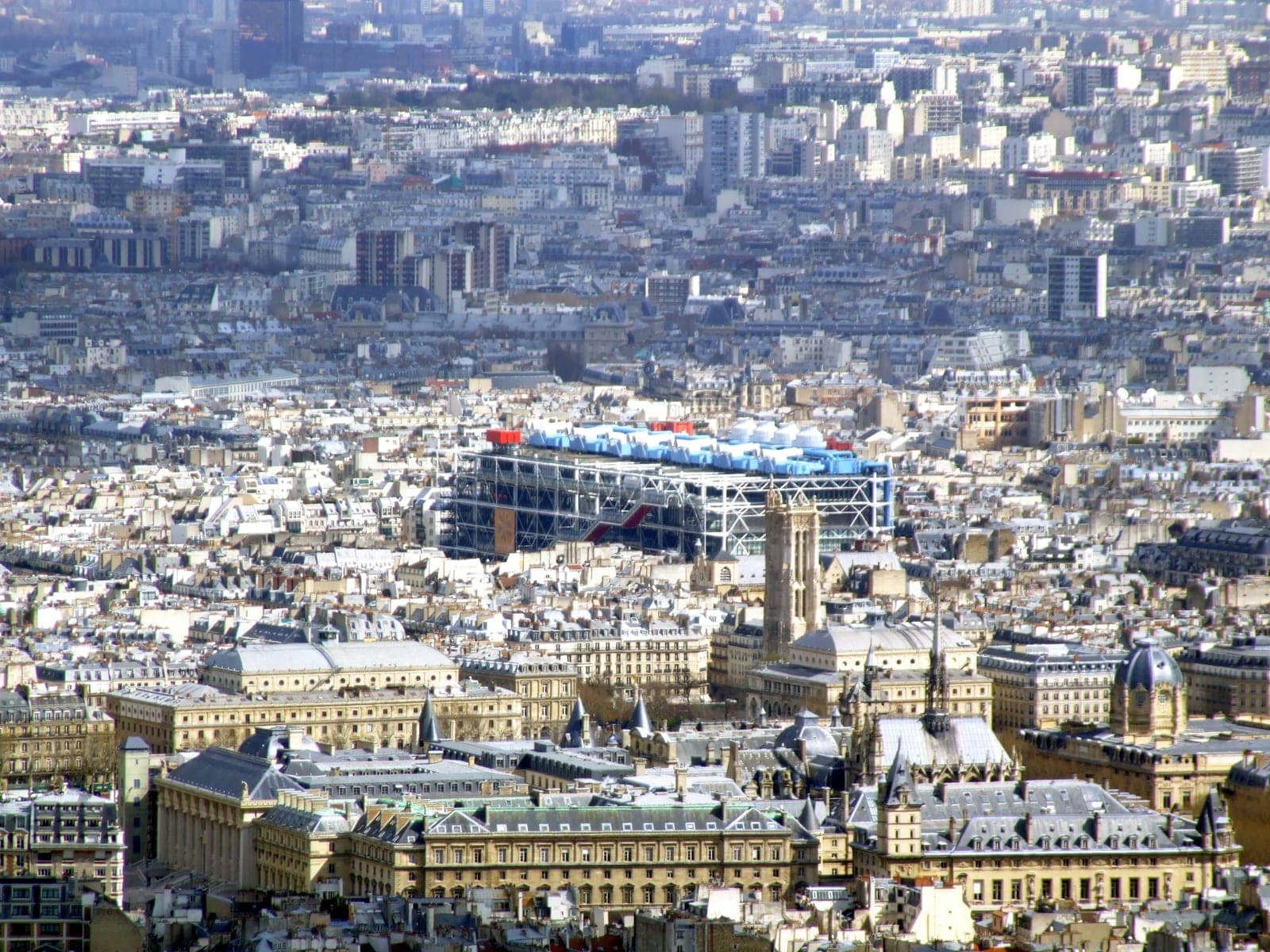
The official list of sites still includes the Centre Pompidou. The building closed on 22 September 2025 for a renovation that runs to 2030, so you cannot visit it with a pass or without one. Its collection is on show at other venues in the meantime, and those venues are not on the pass.[1]
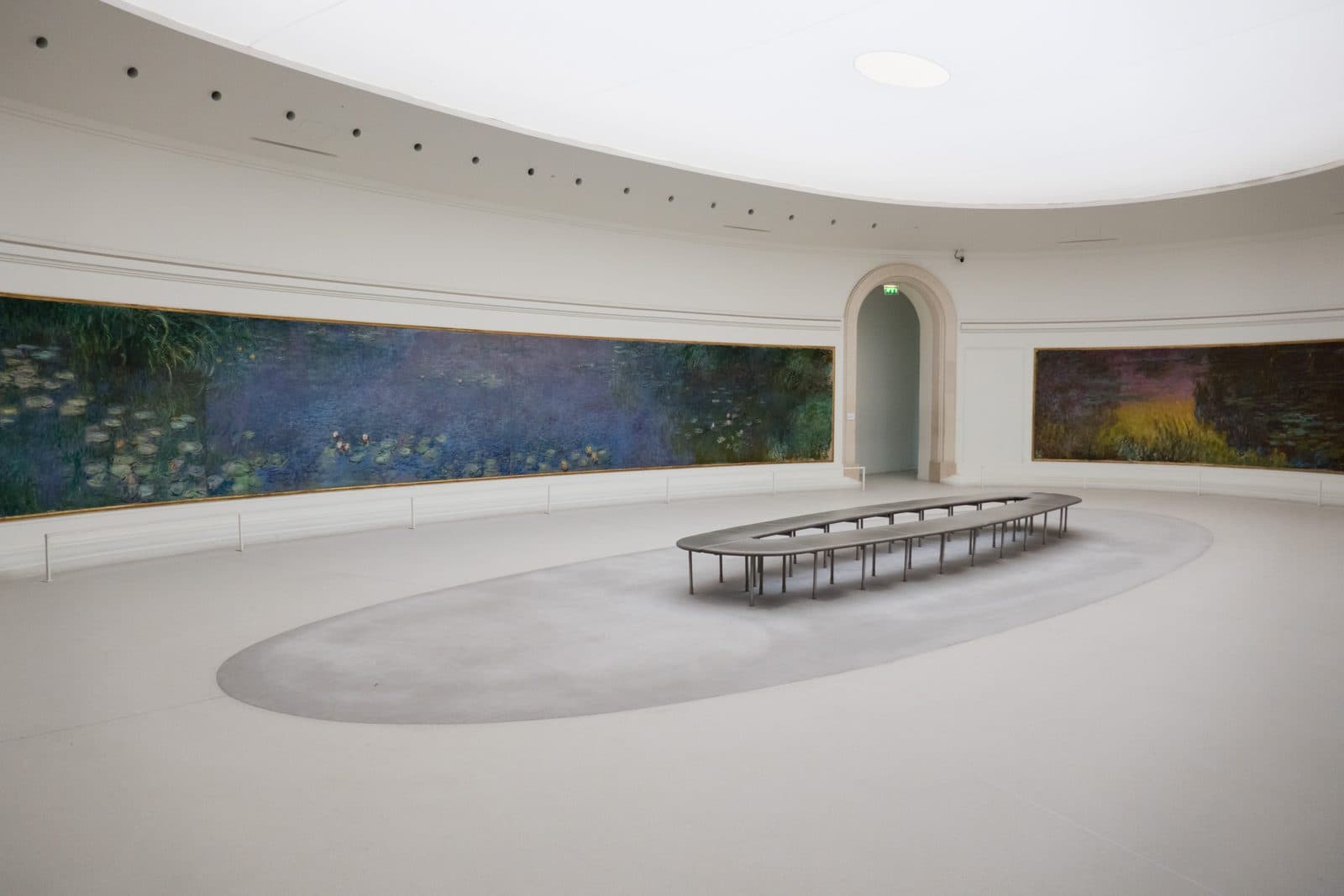
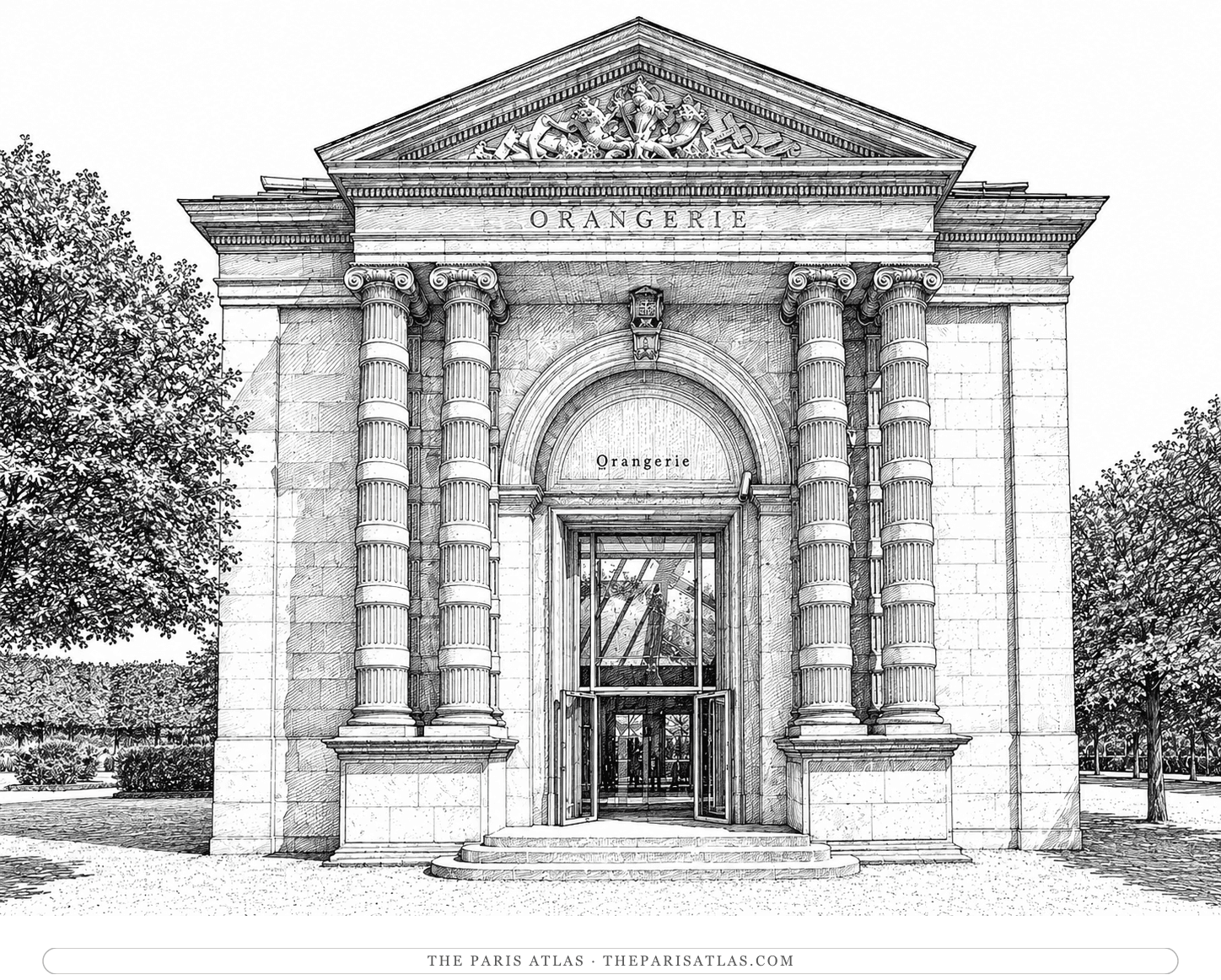
The pass also does not cover the Eiffel Tower, the Catacombs, the Palais Garnier, the Sacré-Cœur dome, boat trips, or private museums. That includes the Musée Marmottan Monet, which holds one of the largest collections of Monet's work and charges its own admission. If you are planning a Monet day, the Orangerie is on the pass and the Marmottan is not.[1]
One more thing worth knowing before you spend anything. The City of Paris runs fourteen museums whose permanent collections are free to everyone, including the Carnavalet and the Petit Palais. The Carnavalet says so plainly: the permanent collections are free and need no booking. They are not on the pass because they do not need to be.
Where to buy it
There are two ways to buy the pass, and both are legitimate. The operator sells it direct at €85, which is the cheapest anywhere. GetYourGuide sells it for more, and adds free cancellation up to 24 hours ahead and the option to book now and pay later. Which one suits you comes down to how settled your dates are. Whichever you pick, check the address before you pay: imitation ticketing sites are common enough that the pass's own site, the Musée d'Orsay, and the Orangerie all warn about them.[1][4]
GetYourGuide sells the pass through a company called Mon Petit Paris. It starts at $126 for the two-day pass, where the operator charges €85. You collect it in person at an office near the Louvre, open from 9 a.m. to 4 p.m. The listing also describes the pass as lasting calendar days, while the pass the museums sell runs in consecutive hours. What you get in return is free cancellation up to 24 hours before, and the option to book now and pay later. If your dates might still move, that is worth having.
| Buying the pass | GetYourGuide | Official |
|---|---|---|
| Two-day price | From $126 | €85 |
| Seller | Mon Petit Paris | The museums' own operator |
| Delivery | Collect in person near the Louvre, 9 a.m. to 4 p.m. | E-ticket |
| Validity, per the seller | Calendar days | Consecutive hours |
| If your plans change | Free cancellation up to 24 hours before | No cancellation published; the pass keeps until you use it, activating on your first visit |
| Payment | Book now, pay later | Up front |
Paris Museum Pass — reserve online
Get your pass
If the pass is not worth it for you, buy a timed ticket to each museum you want instead. Try the museum's own site first. The links below are for when its slots are full.
Louvre tickets and timed entry
Check availabilityMusée d'Orsay tickets
Check availabilityVersailles tickets
Check availability
The Paris Pass is a different product
The Paris Pass and the Paris Museum Pass are two different products, and the names are close enough that people buy the wrong one. The Paris Pass is a commercial bundle sold by a private company. The Paris Museum Pass is the museums' own. The bundle's Plus tier starts at €189 for two days and includes a Paris Museum Pass along with a longer list of attractions. Its cheaper Explorer tier starts at €89, lets you pick three to five things from a list of thirty-six, and does not include the museum pass at all.
So the comparison is simple. The bundle costs €189 where the museum pass costs €85. You are paying about €104 for the tours and attractions it adds. Worth it if you want a river cruise, a hop-on bus, and the Eiffel Tower. Not worth it if you came for the paintings. Check its list and its price before you buy, because bundle prices change often.


 View source