Across the Seine
Orsay + Orangerie
Start with the broad 1848–1914 survey at Orsay, then cross the river to Monet’s late Water Lilies and the Walter–Guillaume collection. The museums share a joint administration and sell a combined ticket.
There is no useful single ranking. The Louvre is the strongest first choice for historical range; the Musée d’Orsay is the clearer choice for nineteenth-century art; the Orangerie is the best short visit. This guide starts with what you want to see, then explains how the collections connect across time.
The direct answer
The visit lengths below are editorial estimates for seeing the permanent collection at a reasonable pace. They are not limits. Admission rules change more often than collections, so use the museum’s official page before you book.
| Museum | Best for | Allow | Entry |
|---|---|---|---|
| Musée du Louvre | Ancient art and European art to 1848 | 3–4 hours | Ticketed; reserve a time |
| Musée d’Orsay | Art from 1848 to 1914 | 2–3 hours | Ticketed; reserve a time |
| Musée de l’Orangerie | Monet’s Water Lilies and early modern painting | 60–90 minutes | Ticketed; reserve a time |
| Musée Rodin | Sculpture, the Hôtel Biron, and its garden | 90 minutes–2 hours | Ticketed |
| Musée Carnavalet | The history of Paris | 2–3 hours | Permanent collection free |
| Musée Marmottan Monet | Claude Monet and Berthe Morisot | 60–90 minutes | Ticketed |
| Petit Palais | Fine art in a 1900 exhibition palace | 60–90 minutes | Permanent collection free |
| Musée d’Art Moderne de Paris | Modern art of the 20th and 21st centuries | 60–90 minutes | Permanent collection free |
The Musée du Louvre is not a museum to “finish.” Its nine curatorial departments range from ancient Near Eastern, Egyptian, Greek, Etruscan, and Roman material to Islamic art, European painting, sculpture, decorative arts, prints, and drawings. The building adds another history: medieval fortress, royal palace, revolutionary public museum, and I. M. Pei’s modern entrance. Pick two departments and a few named works before you arrive.
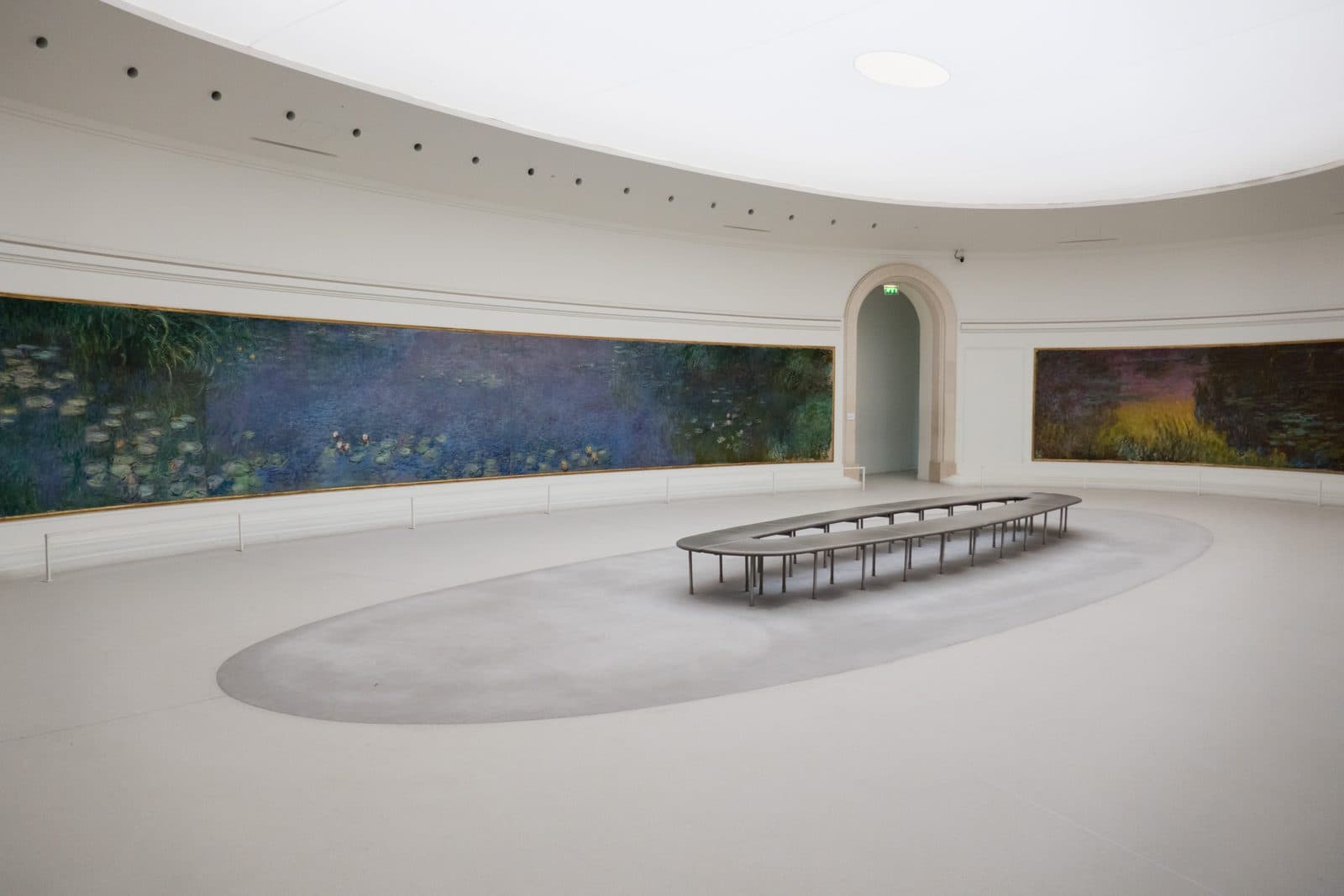
Read the Atlas guide to the Musée du LouvreThe Musée d’Orsay covers Western art from 1848 to 1914 in a former railway station. It is the broader choice: painting, sculpture, decorative arts, photography, and architecture, with Impressionism inside the political and visual culture that produced it. The Orangerie is smaller and more specific. Its central work is Claude Monet’s late Water Lilies cycle, installed in two oval, top-lit rooms made for the paintings. Beneath them, the Walter–Guillaume collection carries the story forward through Pierre-Auguste Renoir, Paul Cézanne, Amedeo Modigliani, Chaïm Soutine, Henri Matisse, and Pablo Picasso.
Read the full Musée de l’Orangerie guideThe Musée Rodin is a strong alternative to another large painting museum. Auguste Rodin rented rooms in the Hôtel Biron before donating his work and collection to France. The museum still uses the house and garden together. The Thinker faces The Gates of Hell across the garden, preserving the connection between the independent sculpture and the doorway for which its first version was conceived.
Read the Musée Rodin’s account of The ThinkerAt the Musée Carnavalet, the city is not just the setting. The chronological route uses archaeological finds, shop signs, period rooms, political objects, paintings, photographs, and personal interiors to show how Paris was built and remembered. Its permanent collection is free. Go here when understanding the streets matters more to you than seeing a canon of famous paintings.
The Musée Marmottan Monet began as Paul Marmottan’s house and Empire collection. Later family bequests changed its centre of gravity. Michel Monet left more than one hundred works by his father, Claude Monet; Berthe Morisot’s descendants left the largest public collection of her work. It is the best choice for seeing how family ownership and bequest shaped the public record of Impressionism.
Read the Musée Marmottan Monet guideThe permanent collections of both museums are free. The Petit Palais is the better choice for a compact route through fine and decorative art in a building made for the 1900 Exposition Universelle. The Musée d’Art Moderne de Paris is the current central choice for free twentieth- and twenty-first-century art while the Centre Pompidou is closed. Temporary exhibitions at both museums normally require paid tickets.
Museums across time
Palaces, private houses, a railway station, and world’s-fair buildings became museums at different moments. Their dates explain why their collections overlap but do not duplicate one another.
c. 1190
A fortress is built on the site of the Louvre. The later palace and museum grow around its foundations.
1793
The Louvre opens as the Muséum central des arts during the French Revolution.
1880
The Musée Carnavalet opens to the public, making the city of Paris itself the subject of a museum.
1900
The Gare d’Orsay and the Petit Palais open for the Exposition Universelle. Both later become museums.
1919
Auguste Rodin’s former rooms in the Hôtel Biron open as the Musée Rodin, two years after his death.
1927
Claude Monet’s Water Lilies rooms open at the Musée de l’Orangerie, months after the painter’s death.
1934
Paul Marmottan’s former house opens as a museum. Family bequests later make it a major home for Monet and Morisot.
1977
The Centre Pompidou opens, joining a modern-art museum, a public library, cinema, performance, and music research.
1986
The Musée d’Orsay opens in the converted railway station, covering the period between the Louvre and modern-art collections.
2025–2030
The Centre Pompidou’s Beaubourg building closes for renovation. Its collection travels through the Constellation programme.
Two medium museums usually make a better day than treating the Louvre as a morning appointment. These pairs are based on a direct collection, period, or geographic connection.
Across the Seine
Start with the broad 1848–1914 survey at Orsay, then cross the river to Monet’s late Water Lilies and the Walter–Guillaume collection. The museums share a joint administration and sell a combined ticket.
Sculpture and painting
The period overlaps, but the experience changes completely: the station’s multi-medium survey followed by a sculptor’s former house and garden. The museums offer a combined ticket.
Paris as history
Use Carnavalet’s chronological account first, then read the surrounding Marais as part of the visit. This is a strong pair because the museum explains the district outside its doors.
A useful rule
Paris Musées gives free access to the permanent collections of the City of Paris museums. That includes the Musée Carnavalet, Petit Palais, Musée d’Art Moderne de Paris, Musée de la Vie Romantique, Musée Bourdelle, Musée Cernuschi, Musée Cognacq-Jay, Maison de Victor Hugo, Maison de Balzac, and Musée Zadkine. Temporary exhibitions are usually paid.
The Catacombs and the Archaeological Crypt are heritage sites with paid admission. Palais Galliera also has different access conditions. Check the individual museum before going because gallery closures and exhibition layouts can temporarily limit the free route.
Check the current Paris Musées policyChoose the Louvre if you want historical breadth or have never visited a major encyclopedic museum. Choose the Musée d’Orsay instead if the art you most want to see is Impressionist, Post-Impressionist, or otherwise belongs to 1848–1914. The better museum is the one whose collection you actually want.
No. They are separate museums on opposite sides of the Seine, though they share an administration. Orsay is the large survey of 1848–1914. The Orangerie is the smaller museum built around Claude Monet’s Water Lilies rooms, with the Walter–Guillaume collection below.
Not automatically. It can save money if you plan several paid national museums and monuments in a short period, but it does not remove every reservation requirement and it adds no value at museums whose permanent collections are already free. Compare your actual list before buying.
See the current prices and break-even examplesNot at its Beaubourg building. That building is closed for renovation until a planned 2030 reopening. The institution is active through temporary locations and partner exhibitions, so the correct answer depends on which part of its programme you want to see.
Continue into the Atlas
These pages trace the collection through the people who built it, the works on the walls, the building, and current visitor facts.
Museum · opened 1927 · building of 1852Musée de l'OrangerieThe museum of Monet's Water Lilies — two oval rooms he helped design — with the Walter-Guillaume collection of early modern Paris beneath them.Read the guide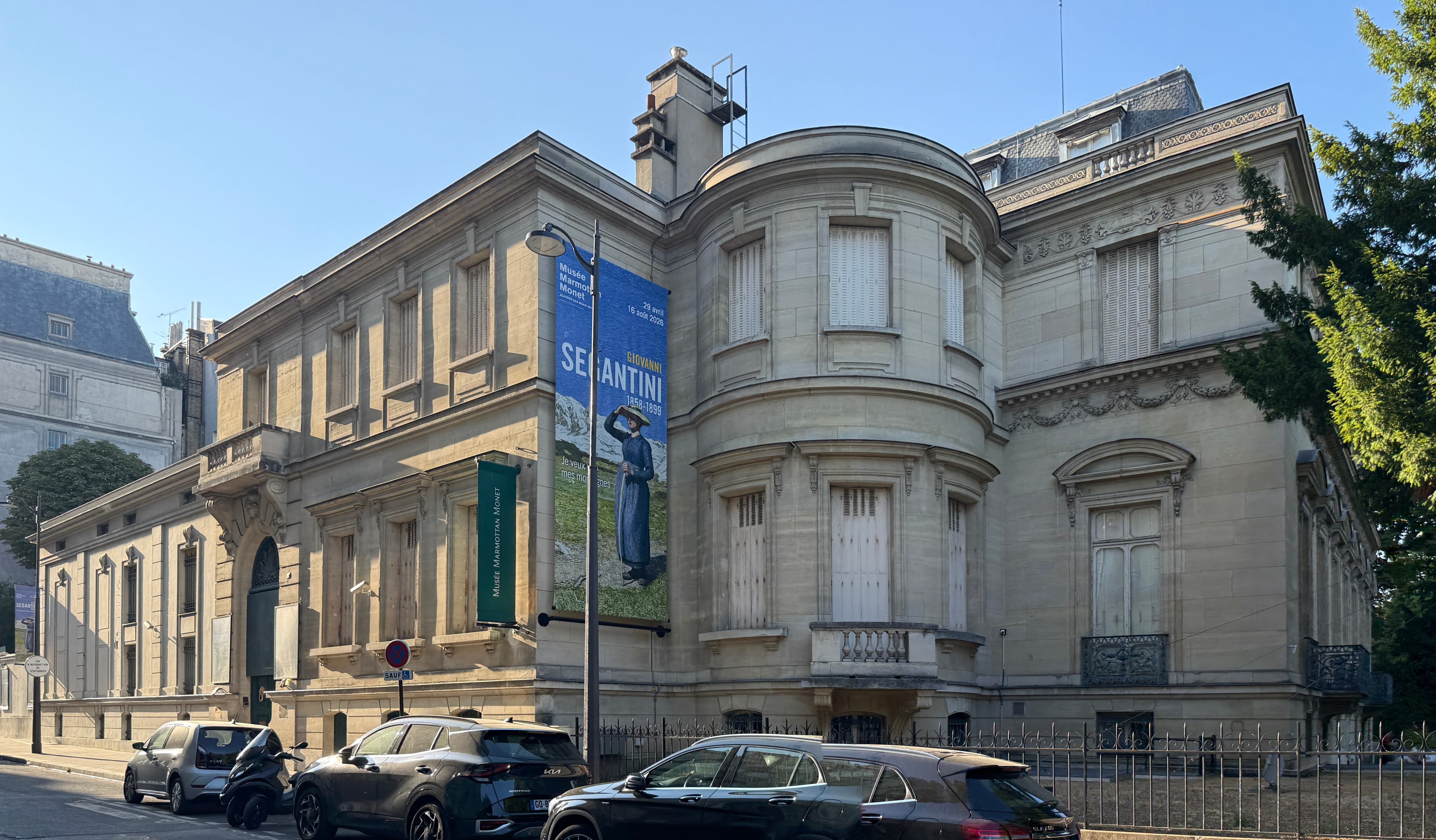 Museum · opened 1934 · a private house until 1932Musée Marmottan MonetThe house museum holding the world's largest Monet collection — Impression, Sunrise among it — and the leading collection of Berthe Morisot, both by family bequest.Read the guide
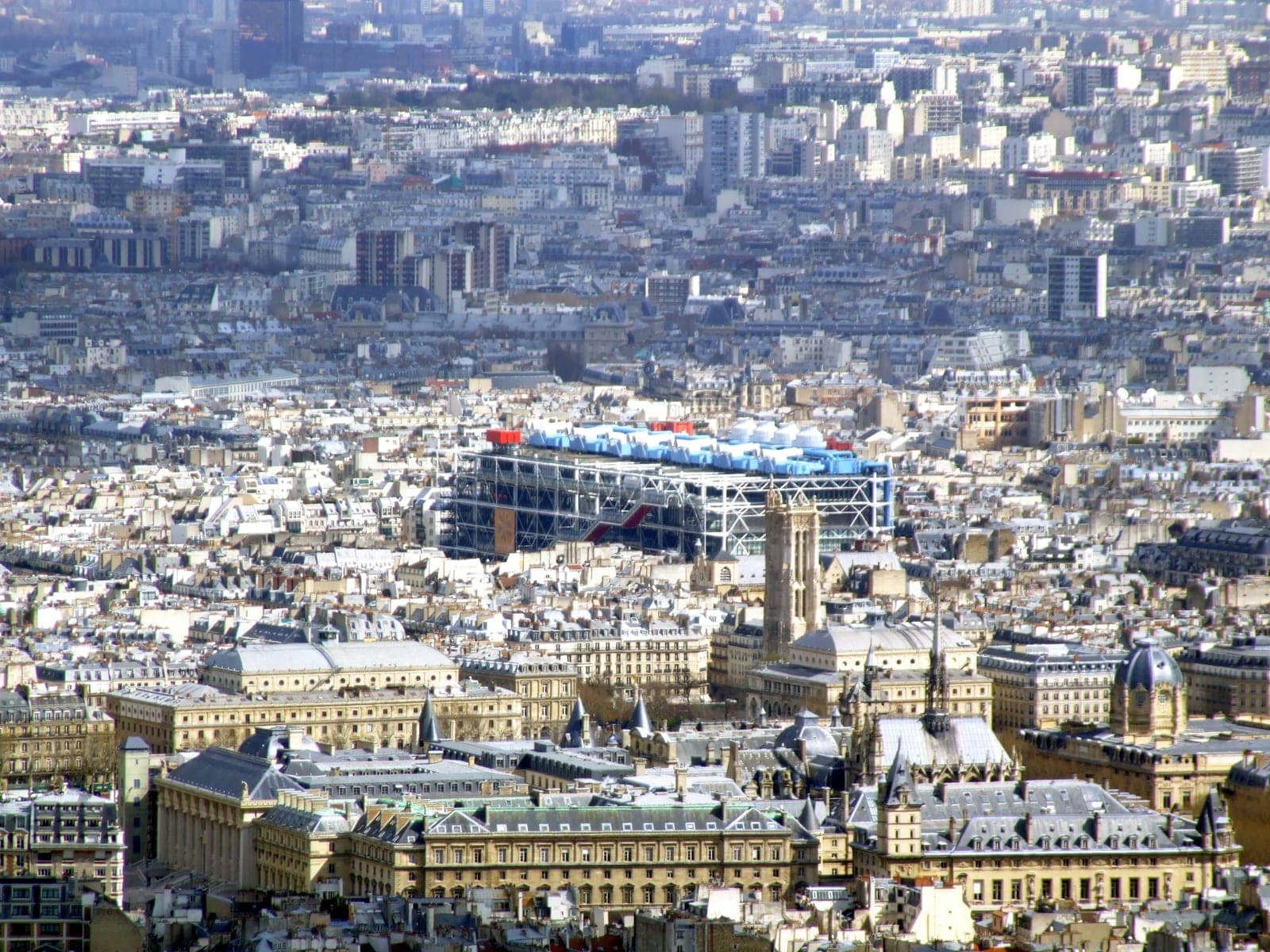 Museum · opened 1977 · closed for renovation until 2030Centre PompidouThe national centre for modern and contemporary art in the Beaubourg quarter — home of the Musée national d'art moderne, closed for renovation until 2030.Read the guide
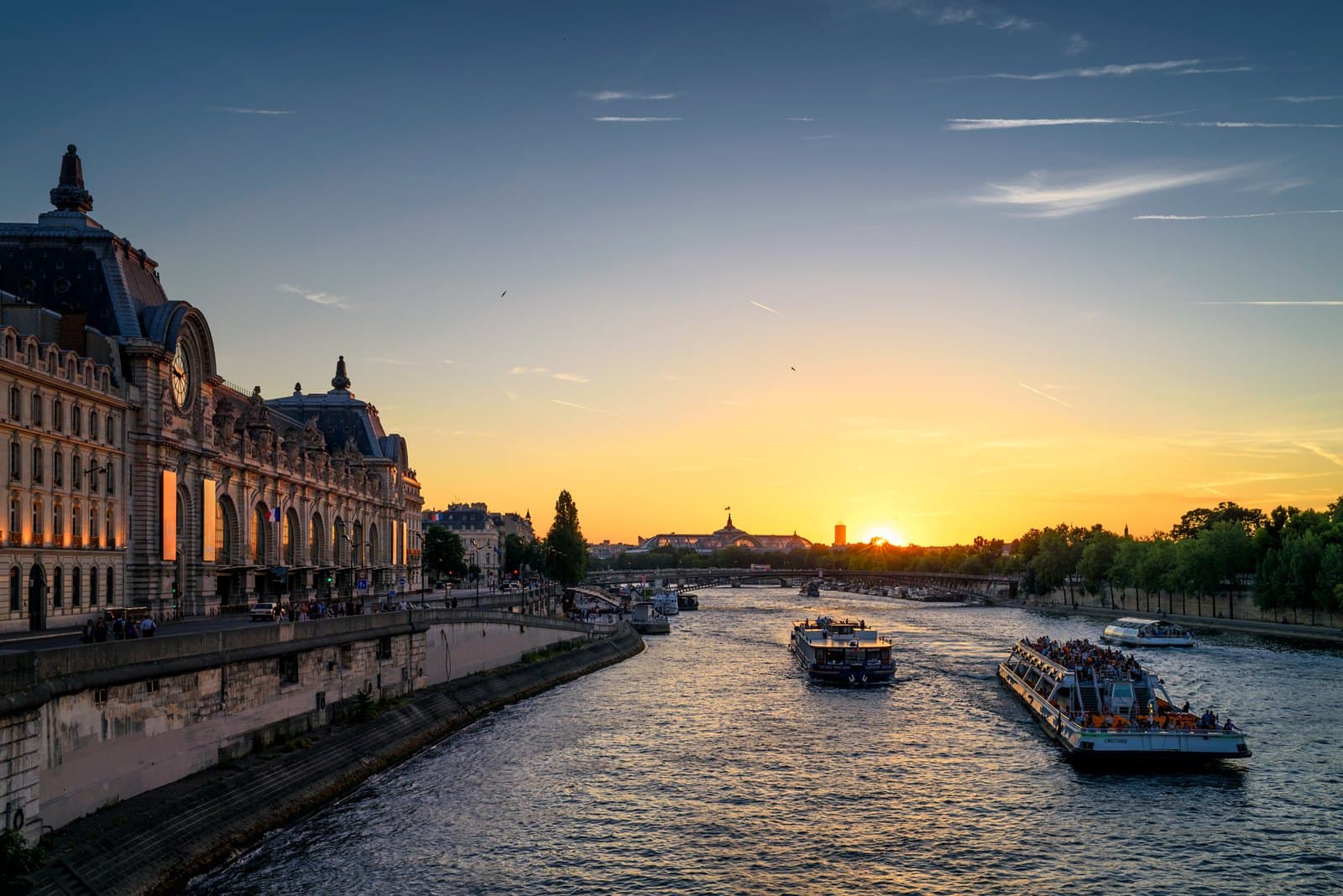 Museum · opened 1986 · station of 1900Musée d'OrsayThe national museum for art from 1848 to 1914, with the major Impressionist and Post-Impressionist collection inside Paris's former Orléans railway terminus.Read the guide
Collection scope, closures, free-admission rules, and booking guidance were checked against the museums’ own sites. Prices are intentionally left to the live official pages because they change. Image rights are recorded separately in the Atlas photograph ledger.