The Paris AtlasCharting the artists, works, and places worth returning to.
  • Illustrator
  • Painter
  • Sculptor
· French · 1832–1883

Gustave Doré

The most famous illustrator of the nineteenth century. From Paris he drew the Dante, Bible, Don Quixote and Paradise Lost pictures that generations now see when they imagine those books, ran a London gallery of his paintings, and ended as a sculptor.

In images

Details

Lived
1832–1883
Born
1832
Birthplace
Strasbourg, France
Died
1883
Place of death
Paris
Nationality
French
Roles
IllustratorPainterSculptor

About Gustave Doré

When most people picture Dante's hell, Don Quixote and his windmills, or the angels of the Bible, the pictures in their heads were drawn by Gustave Doré. Born in Strasbourg on 6 January 1832, he arrived in Paris at fifteen, signed a caricature contract the next spring, and spent the following three decades turning the classics of European literature into wood-engraved images that sold across every border.

He worked at a scale nobody matched: some 600 drawings for Balzac's Contes drolatiques, 370 for Don Quixote, 241 for a folio Bible, 180 for a portrait of London. The illustrated folio as the nineteenth century knew it was substantially his invention, and when Paris refused to take his paintings as seriously as his engravings, he opened his own gallery in London to show them. He died in Paris in 1883, at fifty-one, and is buried in Père Lachaise cemetery.

Strasbourg, and a boy who drew constantly, 1832–1847

Paul Gustave Louis Christophe Doré was born in Strasbourg on 6 January 1832, the second of three sons of Pierre-Louis-Christophe Doré, a civil engineer, and his wife Alexandrine. The family's Alsace — its timbered towns, forests and mountain castles — stayed in his image bank for life: the crowded medieval streets and jagged skylines of his later plates are Alsatian before they are anything else.

He drew from early childhood and had no academic training in art at any point. What he had instead was speed, memory, and an appetite for work that contemporaries described with something close to alarm.

Philipon's contract, and fame as a teenager, 1847–1853

In September 1847, aged fifteen and visiting Paris, Doré showed his caricatures to Charles Philipon, the publisher whose satirical papers dominated the French press. Philipon put him in Le Journal pour rire, and on 17 April 1848 the arrangement became a contract: one plate a week at 40 francs, with three years' exclusivity to Philipon's firm, the maison Aubert. Doré was sixteen and already a professional.

Doré around 1855, photographed by his friend Nadar — in his early twenties and already famous. (Nadar (J. Paul Getty Museum), via Wikimedia Commons · Public domain)

His father died on 4 May 1849, and his mother moved the family to a house at 73 rue Saint-Dominique, in the seventh arrondissement. Doré lived there with her for the rest of his life, keeping a small bedroom adjoining hers; he never married. On Sunday evenings the house filled with his friends, among them Alexandre Dumas, the composer Gioachino Rossini, the critic Théophile Gautier and the photographer Nadar.

The illustrated classics, 1854–1866

In the early 1850s Doré moved from caricature to the work that made him: illustrated editions of the classics. An edition of Rabelais came first, and the roughly 600 drawings he made for Honoré de Balzac's Contes drolatiques in 1855 confirmed him as the most inventive illustrator in Paris while he was still in his early twenties.

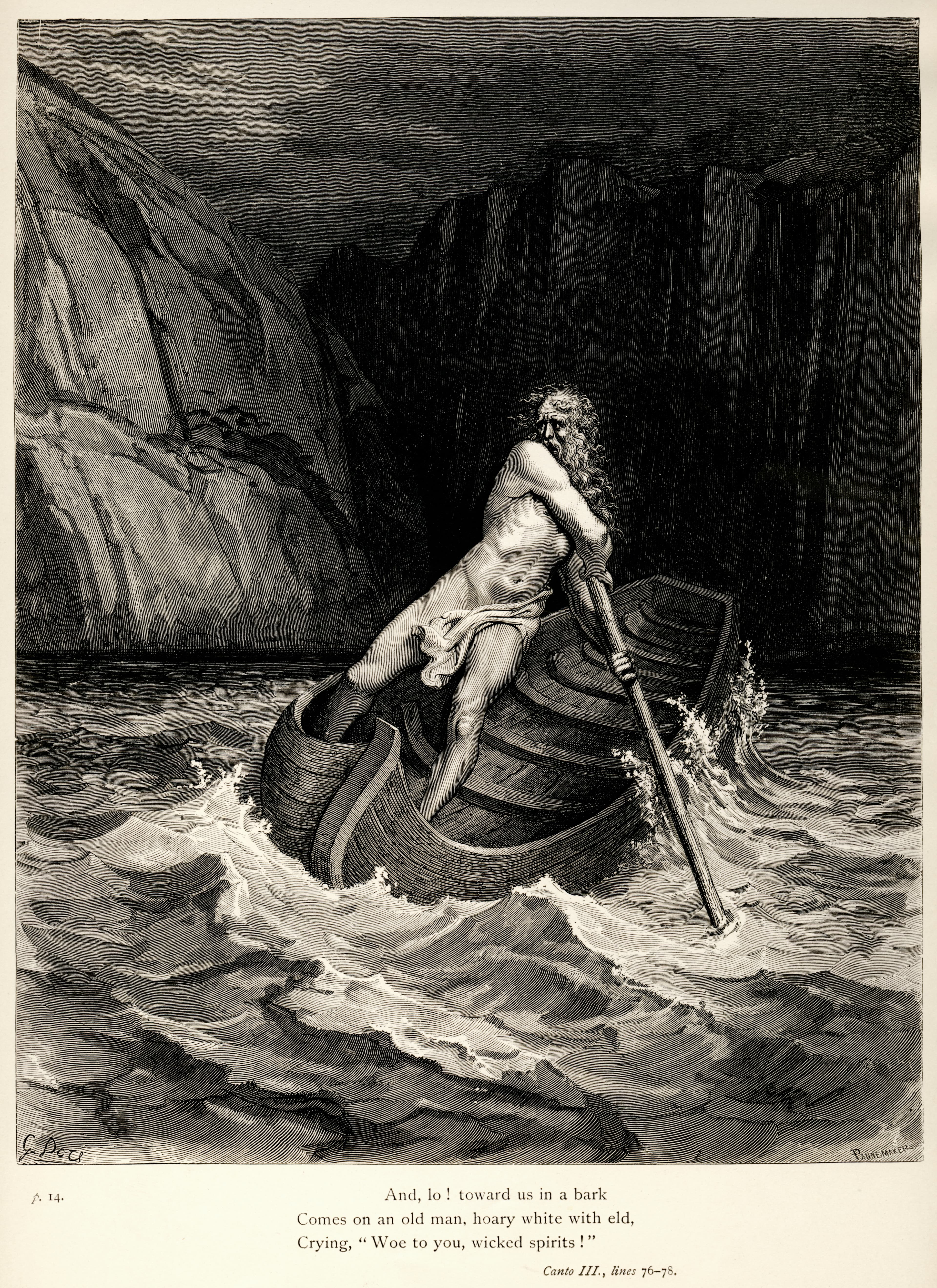
The decisive gamble came in 1861. Doré wanted to publish Dante's Inferno as an enormous folio, drawn by him and cut by the best wood engravers in France. His publisher Hachette declined to fund anything so expensive, so Doré paid for the first printing himself. The Inferno folio sold out, Hachette took over the series, and France made him a chevalier of the Légion d'honneur that August, at twenty-nine.

The great commissions now came in sequence: Don Quixote in 1863, with 370 illustrations; the folio Bible published at Tours in 1866, with 241; Paradise Lost for the English market the same year. In April 1866 he took a vast studio at 3 rue Bayard, off the Champs-Élysées, where visitors found him moving between drawing, painting, sculpture and his violin.

England had bought Doré's books in enormous numbers, and England got his next decade. In April 1869 the Doré Gallery opened at 35 New Bond Street in London, a permanent exhibition of his paintings that ran until 1892 and then toured North America for six more years. It gave him what the Paris Salon would not: a public that took him seriously as a painter.

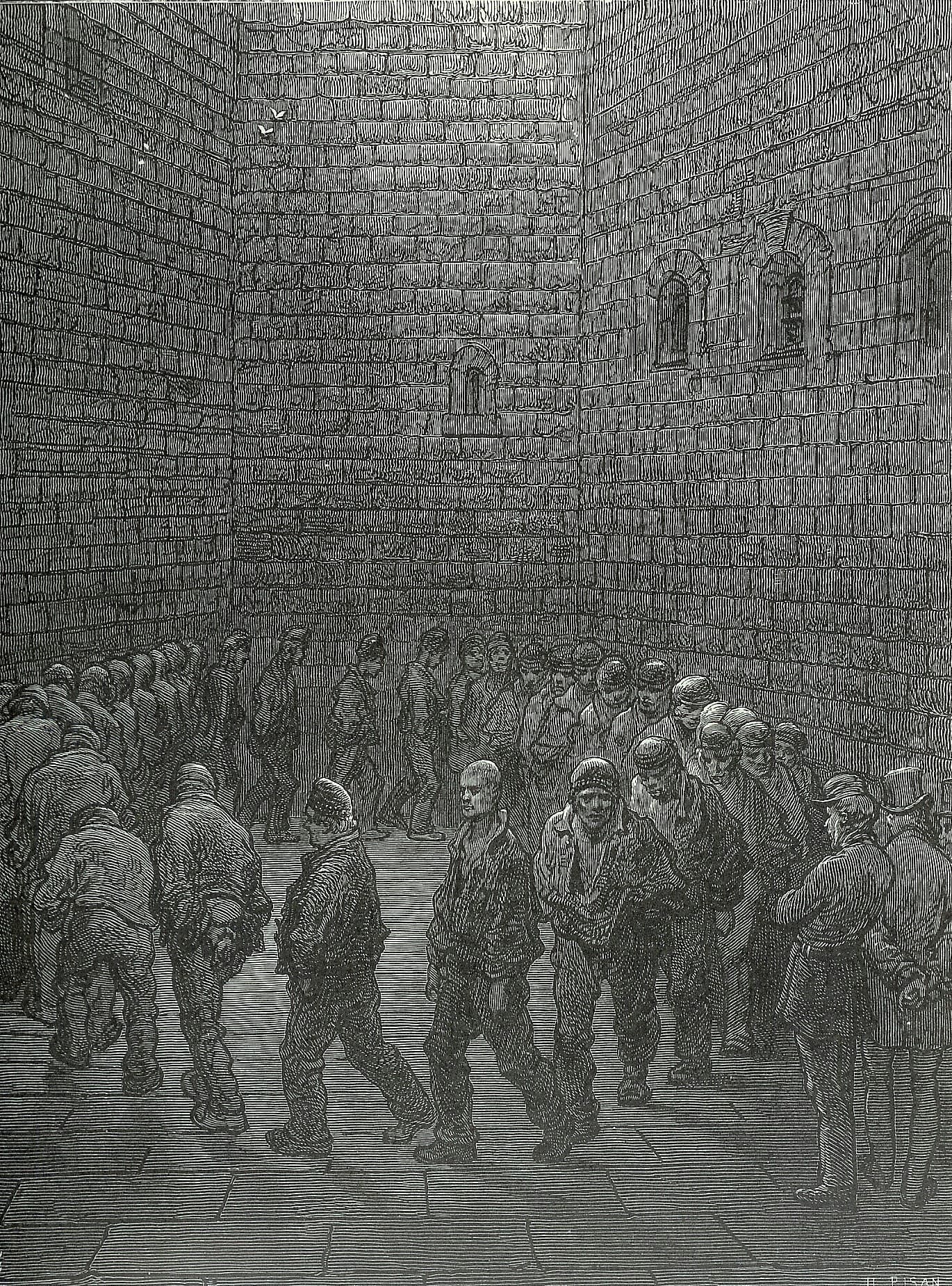
In 1869 the journalist Blanchard Jerrold proposed that they document London together. London: A Pilgrimage appeared in 1872 with 180 wood engravings — dock labourers, opium dens, the exercise yard at Newgate prison, railway viaducts over slum streets — and became the century's most influential picture of the Victorian city. Vincent van Gogh later painted his Prisoners' Round from the Newgate plate.

The war, and Alsace lost, 1870–1871

Doré served in the national guard through the Prussian siege of Paris in 1870–71. The war's outcome cut him personally: the annexation of Alsace took his birthplace out of France, and he called himself an exile from it for the rest of his life. His response on canvas was a series of patriotic allegories, and during the Commune he drew caricatures of the imprisoned Communards from Versailles.

Paintings, sculpture, and the Dumas monument, 1872–1883

The last decade belonged to the ambitions Paris had discounted. He painted monumental religious canvases, among them Christ Leaving the Praetorium, a picture six metres wide begun in 1867 and finished in 1872, now in the Musée d'Art moderne et contemporain in Strasbourg. Around 1872 he took up sculpture seriously.

His monument to Alexandre Dumas shows the novelist seated in bronze above a cluster of readers, with d'Artagnan on guard at the back. It was erected in 1883 on the place Malesherbes, now the place du Général-Catroux, in the seventeenth arrondissement. Doré did not live to see it unveiled: he died of a heart attack at the rue Saint-Dominique house on 23 January 1883, seventeen days past his fifty-first birthday.

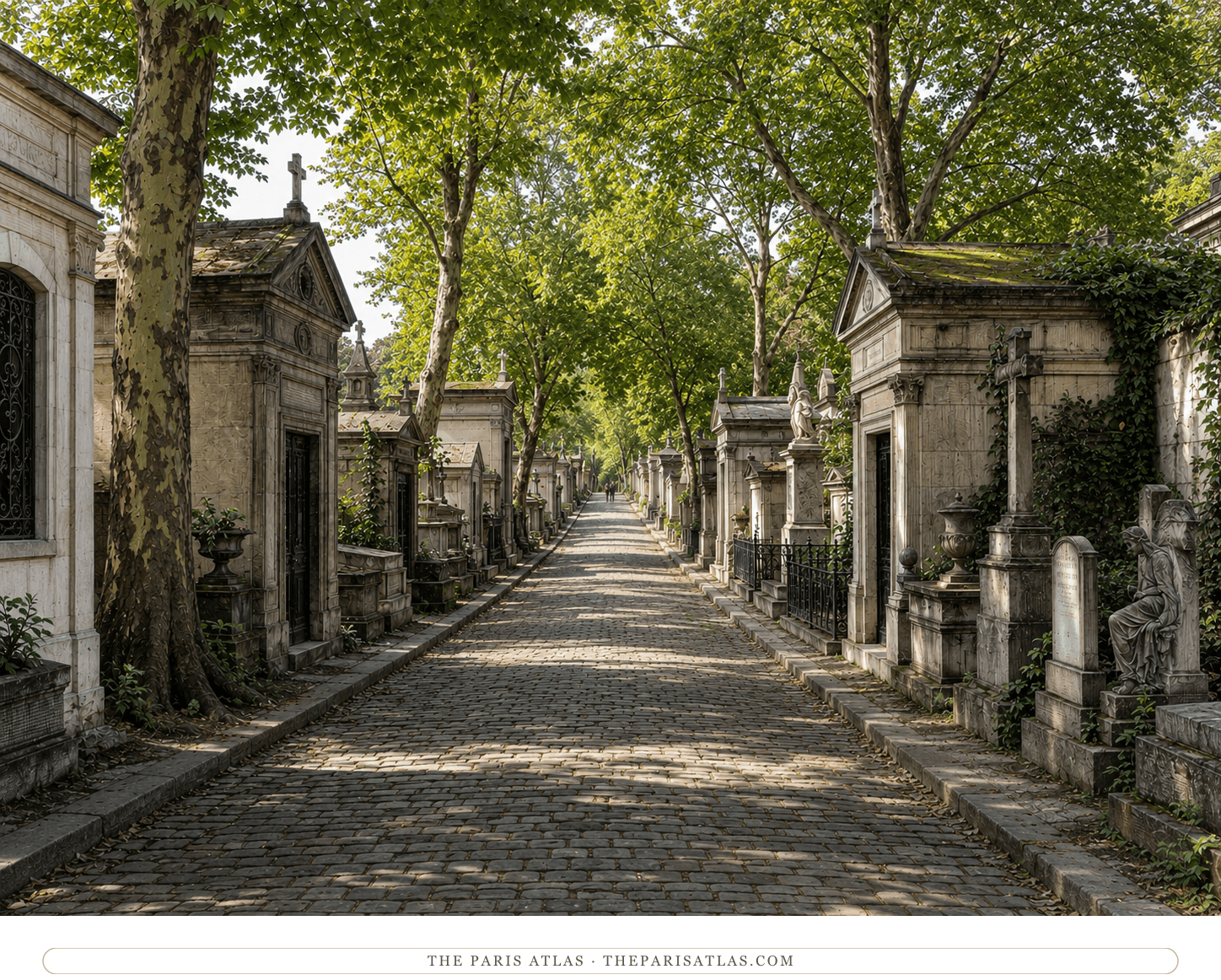
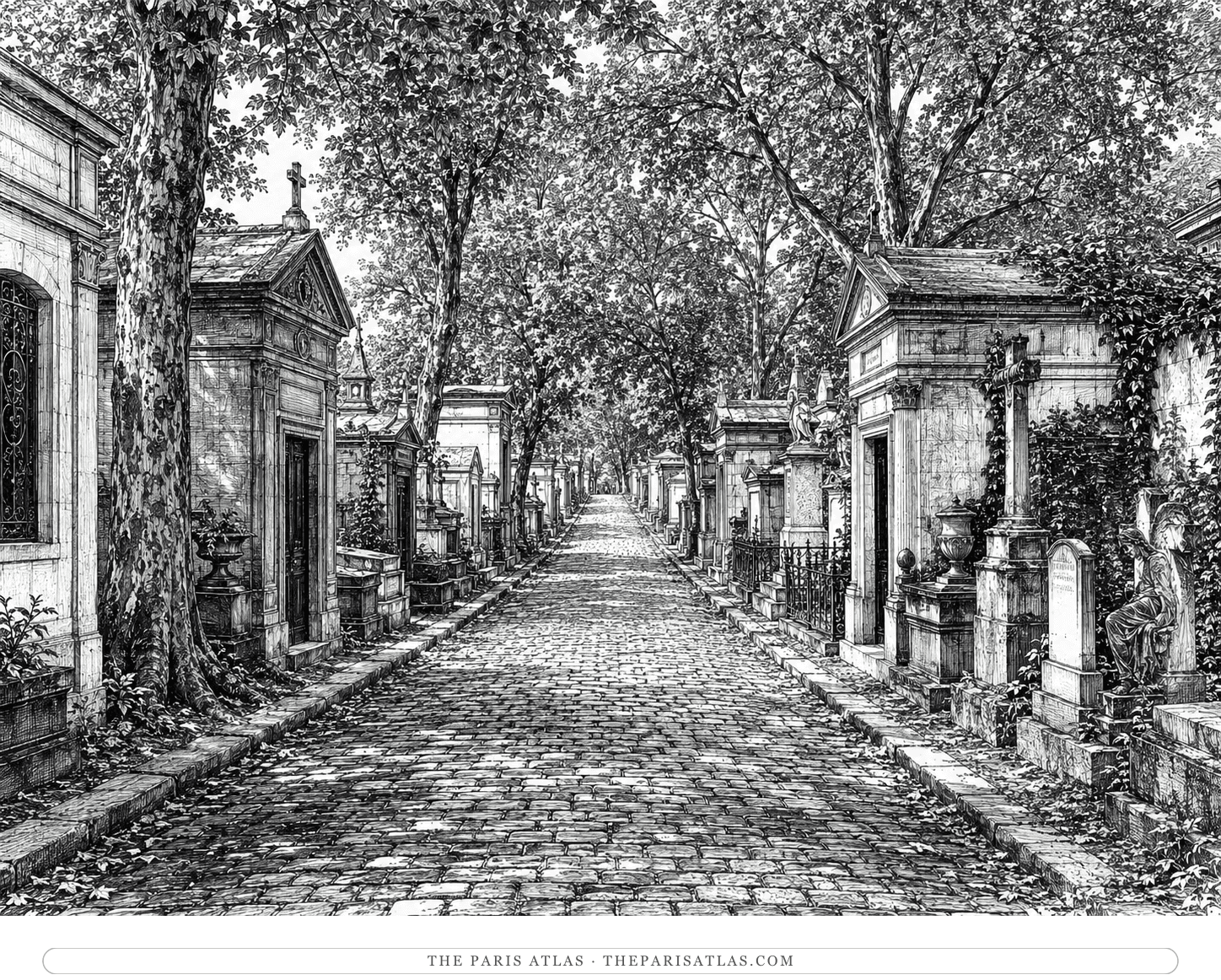
He is buried in Division 22 of Père Lachaise cemetery, where his brother, General Paul Doré, was later buried beside him.

The famous suites, and where the images live now

Because the plates were printed in books rather than hung in museums, Doré's masterpieces are everywhere and nowhere: the images long ago passed into the public domain and circulate in every new edition, film homage and museum retrospective. Five suites carry the reputation.

  • Dante's Inferno (1861) — the self-financed folio that made his name, and still the default visual imagination of hell
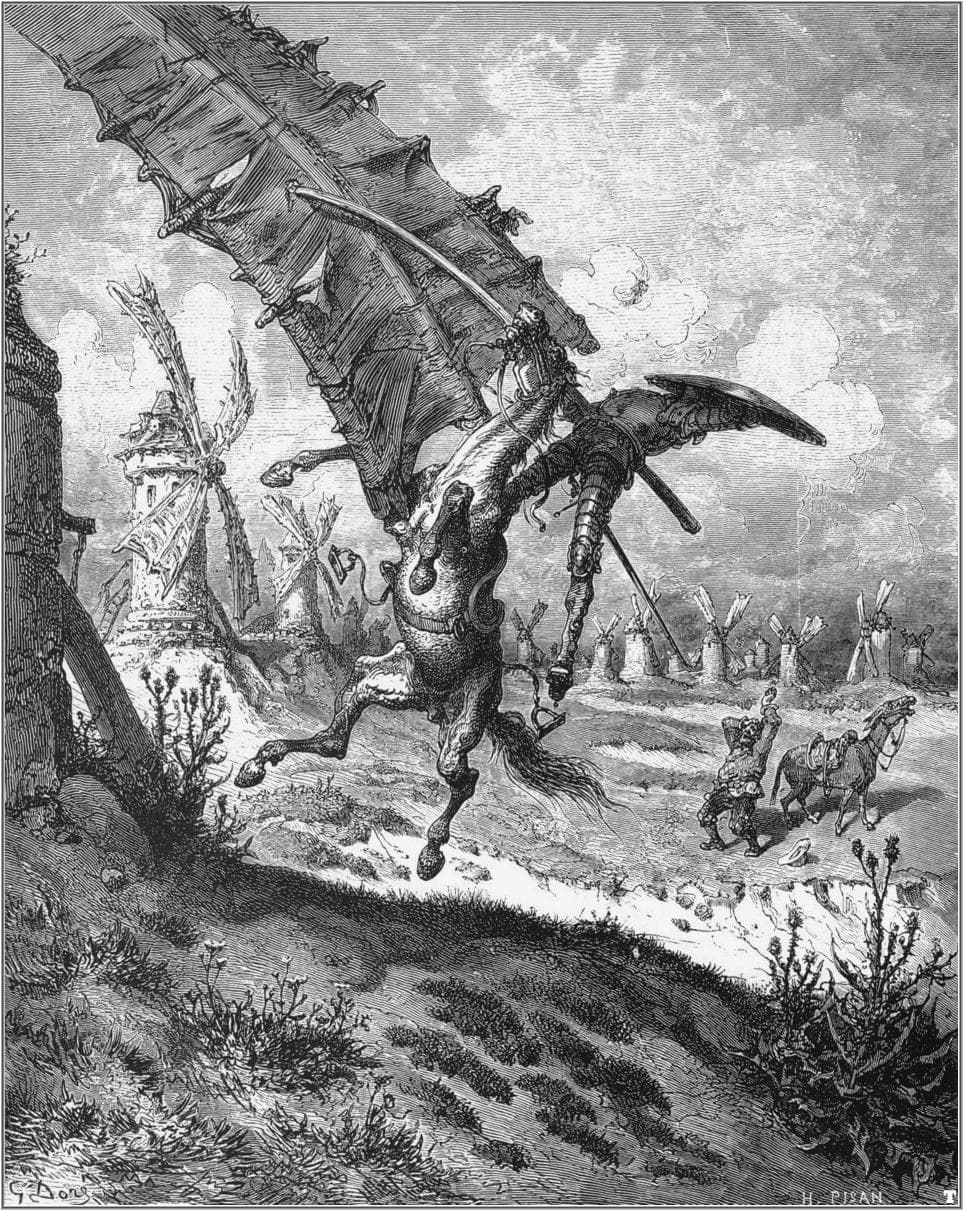
  • Don Quixote (1863) — 370 illustrations that fixed how the knight and Sancho Panza look, down to the windmills
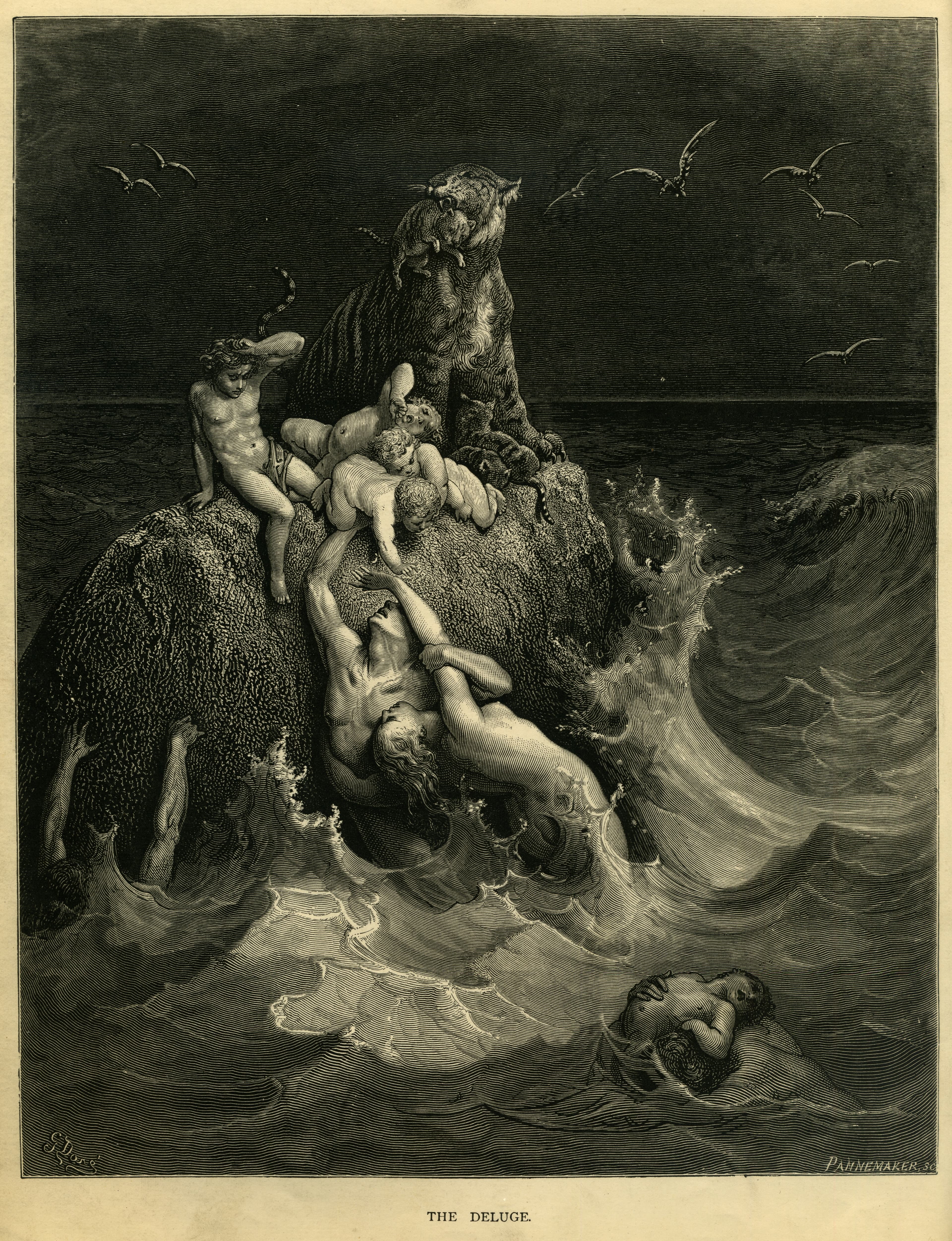
  • The Doré Bible (1866) — the 241-plate folio Bible published at Tours, source of the Creation, Deluge and David and Goliath images reprinted ever since
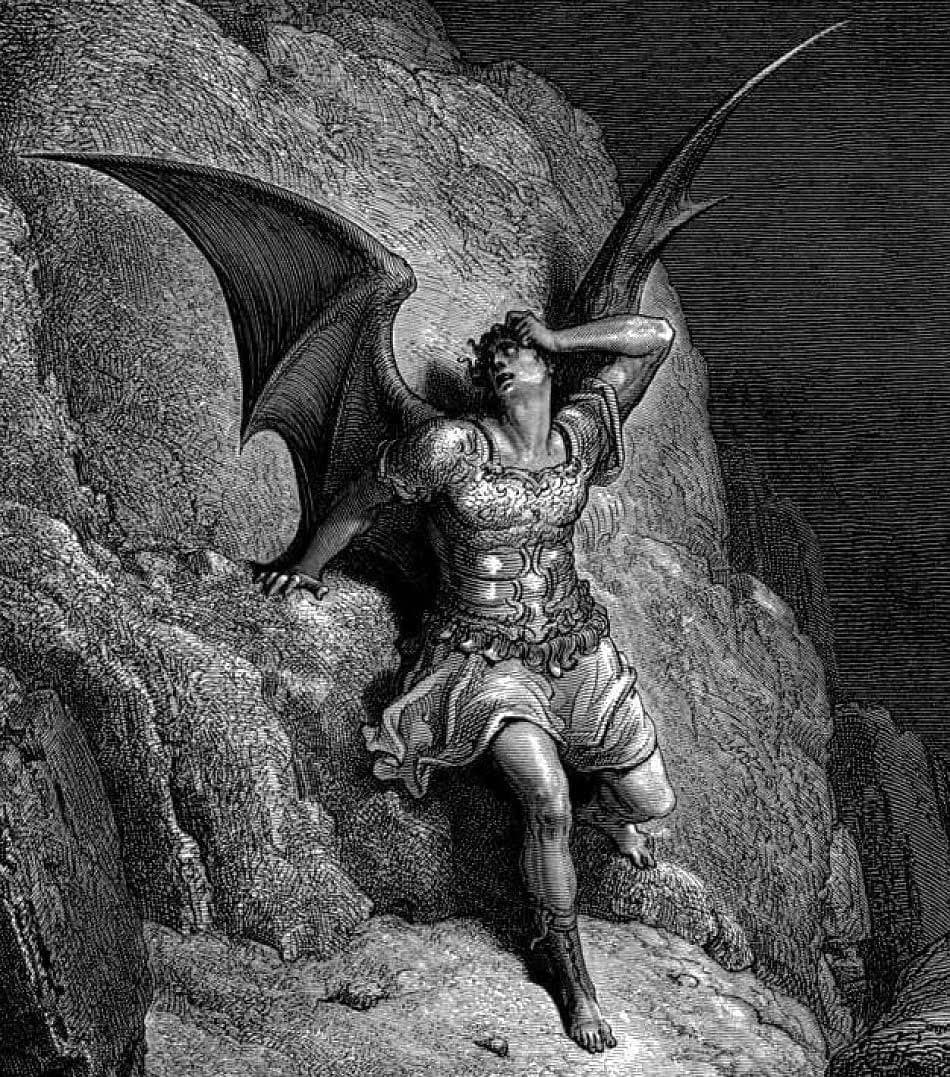
  • Paradise Lost (1866) — fifty plates of Milton's Satan falling through space, drawn for the English market
  • London: A Pilgrimage (1872) — 180 engravings of the Victorian city at work, from the docks to Newgate prison

The paintings and drawings are rarer in public collections than the books. Strasbourg's modern-art museum holds Christ Leaving the Praetorium; the Musée d'Orsay, which mounted the major retrospective Gustave Doré: Master of Imagination in 2014, holds paintings and sculpture.

Life events

  1. 1832

    Born in Strasbourg on 6 January, second son of a civil engineer.

    Gustave Doré — Encyclopaedia Britannica; La vie de Gustave Doré : une chronologie

  2. 1847

    Shows his caricatures to the publisher Charles Philipon in Paris in September, aged fifteen, and begins drawing for Le Journal pour rire.

    La vie de Gustave Doré : une chronologie

  3. 1848

    Signs Philipon's contract on 17 April: one plate a week at 40 francs, exclusive to the maison Aubert for three years.

    La vie de Gustave Doré : une chronologie

  4. 1849

    His father dies on 4 May; the family settles at 73 rue Saint-Dominique, where Doré lives with his mother for the rest of his life.

    Gustave Doré d'un trait : à Paris

  5. 1855

    His roughly 600 drawings for Balzac's Contes drolatiques confirm his reputation as an illustrator.

    Gustave Doré photographed by Nadar around 1855, in his early twenties — already the most celebrated young illustrator in Paris. (Nadar (J. Paul Getty Museum), via Wikimedia Commons)

    La vie de Gustave Doré : une chronologie

  6. 1861

    Publishes the Inferno folio at his own expense after Hachette declines the cost; it sells out, and he is made chevalier of the Légion d'honneur on 13 August.

    Charon herding the damned into his boat, from Doré's Inferno folio of 1861 — Canto III, one of the suite's most reproduced plates. (Gustave Doré, via Wikimedia Commons)

    Visions of Dante: Gustave Doré; La vie de Gustave Doré : une chronologie

  7. 1863

    The two-volume Don Quixote appears with 370 illustrations.

    The charge at the windmills, from the 1863 Hachette Don Quixote — the plate that fixed how the scene has been pictured ever since. (Gustave Doré, via Wikimedia Commons)

    Gustave Doré

  8. 1866

    The 241-plate Bible is published at Tours and Paradise Lost in London; he moves into the huge studio at 3 rue Bayard in April.

    The Deluge, the opening plate of the 1866 Doré Bible — reprinted in family Bibles for more than a century. (Gustave Doré, via Wikimedia Commons)

    Gustave Doré; La vie de Gustave Doré : une chronologie

  9. 1869

    The Doré Gallery opens at 35 New Bond Street, London, in April; Blanchard Jerrold proposes the London book.

    La vie de Gustave Doré : une chronologie

  10. 1871

    Serves in the national guard through the siege of Paris; the annexation of Alsace takes Strasbourg out of France, a loss he mourns in patriotic allegories.

    La vie de Gustave Doré : une chronologie

  11. 1872

    London: A Pilgrimage appears with 180 wood engravings; he takes up sculpture.

    The exercise yard at Newgate prison, engraved by Héliodore Pisan after Doré for London: A Pilgrimage (1872). Vincent van Gogh painted his Prisoners' Round from this plate in 1890. (Héliodore Pisan after Gustave Doré, via Wikimedia Commons)

    Gustave Doré; La vie de Gustave Doré : une chronologie

  12. 1883

    Dies of a heart attack at the rue Saint-Dominique house on 23 January, aged fifty-one, and is buried in Division 22 of Père Lachaise; his Alexandre Dumas monument is erected on the place Malesherbes the same year.

    DORÉ Louis Auguste Gustave (1832-1883) — grave notice; Gustave Doré

Selected works

Cataloged from the holding institutions' records. Reproductions appear only where the rights are verified.

People they knew

Documented connections — every one carries its source.

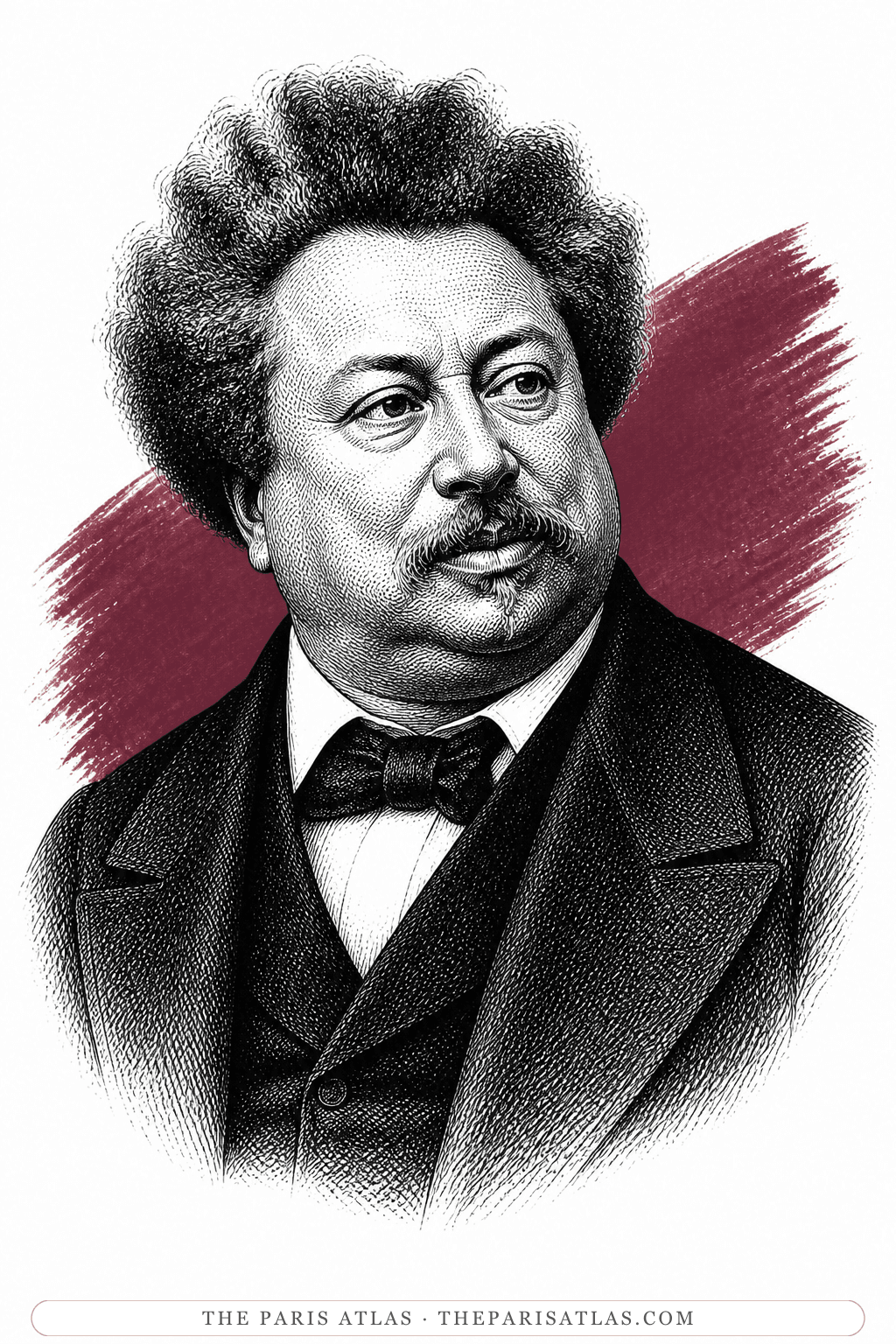
Illustrated portrait of Alexandre Dumas

Alexandre Dumas

  • Author
  • Playwright
  • Journalist

Met

Dumas was among the regular guests at Doré's Sunday evenings in the family house at 73 rue Saint-Dominique. After Dumas's death, Doré sculpted the monument to him erected on the place Malesherbes in 1883.

Gustave Doré d'un trait : à Paris; Gustave Doré

Who drew from them

Influence running outward — the writers and artists who built on their work.

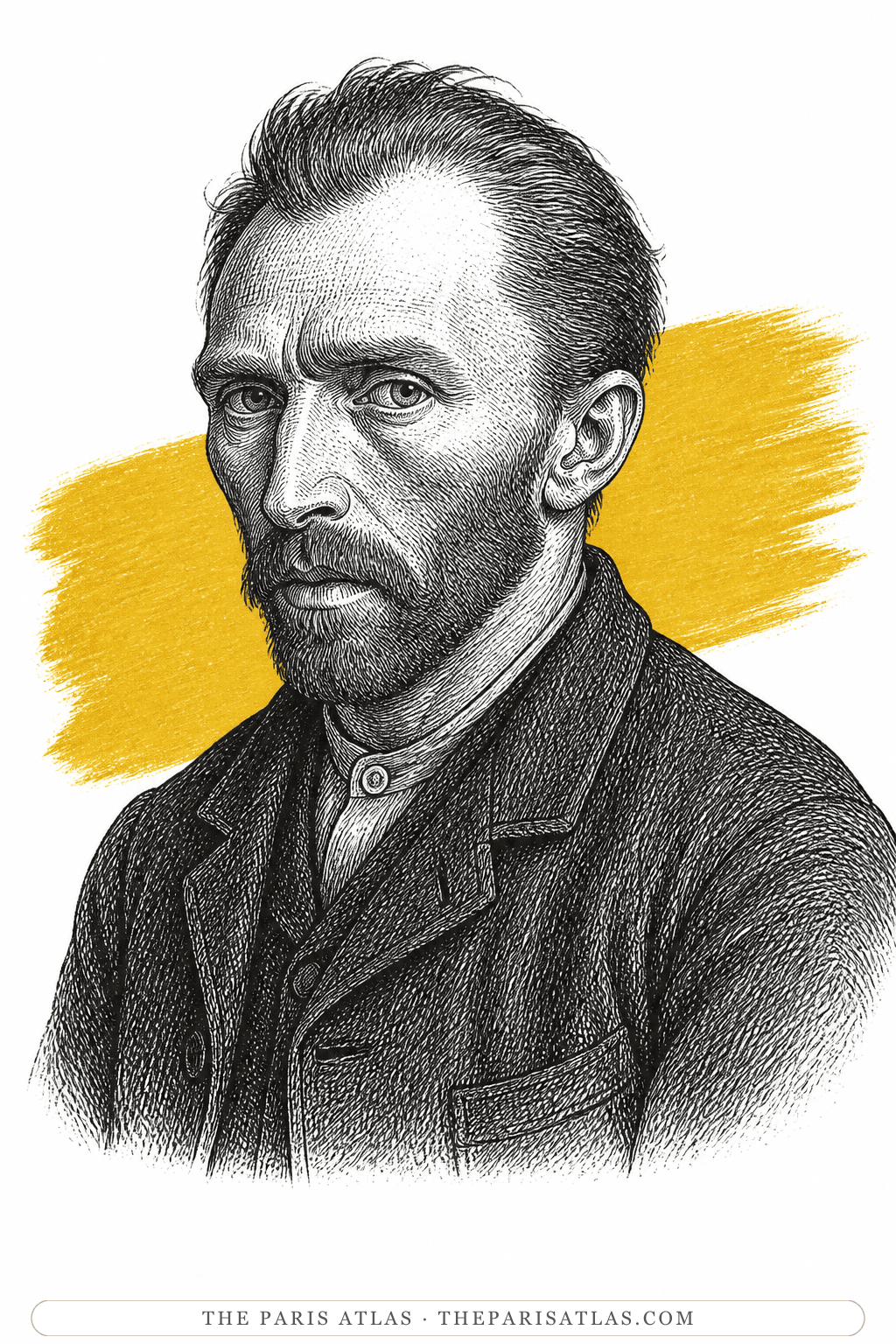
Illustrated portrait of Vincent van Gogh

Vincent van Gogh

Van Gogh painted The Prisoners' Round (1890) directly from Doré's plate of the Newgate prison exercise yard in London: A Pilgrimage (1872), one of several English graphic sources he collected and copied.

Gustave Doré

Gustave Doré’s Places

The cataloged places connected to Gustave Doré — through the books, and through the documented record.

Places you can enter today appear first, followed by addresses to see from outside and sites that have vanished.

Questions about Gustave Doré

What is Gustave Doré famous for?

Book illustration on a scale nobody has matched: the wood-engraved plates for Dante's Inferno (1861), Don Quixote (1863), the Bible (1866), Paradise Lost (1866) and London: A Pilgrimage (1872). For much of the world these images simply are how those books look — later Bible printings, fantasy art and film versions of hell all descend from his plates.

Did Gustave Doré paint as well as illustrate?

Yes, and he wanted to be judged on it. He painted monumental canvases — Christ Leaving the Praetorium, begun in 1867, is six metres wide — and from about 1872 he sculpted as well. Paris critics kept filing him as an illustrator, so from 1869 his paintings hung in his own Doré Gallery at 35 New Bond Street in London, which operated until 1892.

Was Gustave Doré trained at an art academy?

No. He had no academic training at any point. He showed his caricatures to the publisher Charles Philipon in Paris at fifteen and was under contract at sixteen, at one plate a week for 40 francs. Everything else he learned at deadline speed in the workshops of the Paris press.

How did Gustave Doré die?

Of a heart attack, after a short illness, on 23 January 1883 at his home at 73 rue Saint-Dominique in Paris. He was fifty-one. His bronze monument to Alexandre Dumas was erected on the place Malesherbes later that same year, without him.

Where is Gustave Doré buried?

In Division 22 of Père Lachaise cemetery in Paris. His younger brother, General Paul Doré, was later buried in the same plot.

Did Gustave Doré ever marry?

No. He lived his whole adult life with his mother in the family house at 73 rue Saint-Dominique, keeping a small bedroom next to hers. The household's Sunday evenings, with guests like Alexandre Dumas, Gioachino Rossini and Nadar, were the centre of his social life.

Which artists did Doré influence?

Vincent van Gogh copied him directly: The Prisoners' Round (1890) is painted from Doré's plate of Newgate prison's exercise yard in London: A Pilgrimage. Beyond individual painters, his hell, his Bible and his London shaped fantasy illustration and cinema — filmmakers from the silent era onward have staged Dante and the Deluge the way Doré drew them.

Sourced claims

Every connection the graph holds for Gustave, with the evidence behind it.

Buried at · 1883

Père-Lachaise Cemetery

Buried in Division 22 in January 1883, after his death from a heart attack at fifty-one. His younger brother, General Paul Doré, was later buried in the same plot.

DORÉ Louis Auguste Gustave (1832-1883) — grave notice

Influenced

Vincent van Gogh

Van Gogh painted The Prisoners' Round (1890) directly from Doré's plate of the Newgate prison exercise yard in London: A Pilgrimage (1872), one of several English graphic sources he collected and copied.

Gustave Doré

Met

Alexandre Dumas

Dumas was among the regular guests at Doré's Sunday evenings in the family house at 73 rue Saint-Dominique. After Dumas's death, Doré sculpted the monument to him erected on the place Malesherbes in 1883.

Gustave Doré d'un trait : à Paris; Gustave Doré

References

References

The sources below include biographies, scholarly essays, interviews, and primary materials that informed this page. They reflect both the historical record and ongoing critical conversations about Gustave Doré and their work.

  1. 1Gustave Doré — Encyclopaedia Britannica

    Website
    Encyclopaedia Britannica
    Used for

    Web source consulted for documented facts and historical context presented on the Gustave Doré page.

    View source
  2. 2La vie de Gustave Doré : une chronologie

    Website
    BnF Essentiels
    Used for

    Web source consulted for documented facts and historical context presented on the Gustave Doré page.

    View source
  3. 3Gustave Doré

    Website
    Wikipedia
    Used for

    Web source consulted for documented facts and historical context presented on the Gustave Doré page.

    View source
  4. 4DORÉ Louis Auguste Gustave (1832-1883) — grave notice

    Website
    Les Amis et Passionnés du Père-Lachaise
    Used for

    Web source consulted for documented facts and historical context presented on the Gustave Doré page.

    View source
  1. 5Gustave Doré (1832–1883): Master of Imagination — exhibition

    Website
    Musée d'Orsay
    Used for

    Web source consulted for documented facts and historical context presented on the Gustave Doré page.

    View source
  2. 6Visions of Dante: Gustave Doré

    Website
    Cornell University Library
    Used for

    Web source consulted for documented facts and historical context presented on the Gustave Doré page.

    View source
  3. 7Gustave Doré d'un trait : à Paris

    Website
    Lectura Plus
    Used for

    Web source consulted for documented facts and historical context presented on the Gustave Doré page.

    View source
  4. 8Doré's London

    Website
    Peter Harrington
    Used for

    Web source consulted for documented facts and historical context presented on the Gustave Doré page.

    View source
i
Why these sources are here

These references anchor the page in the documented record and in the scholarly conversations around Gustave Doré. Every claim on this page traces back to one or more of the works listed here.

Explore more resources