The Paris AtlasCharting the artists, works, and places worth returning to.
  • Painter
  • Printmaker
· Norwegian · 1863–1944

Edvard Munch

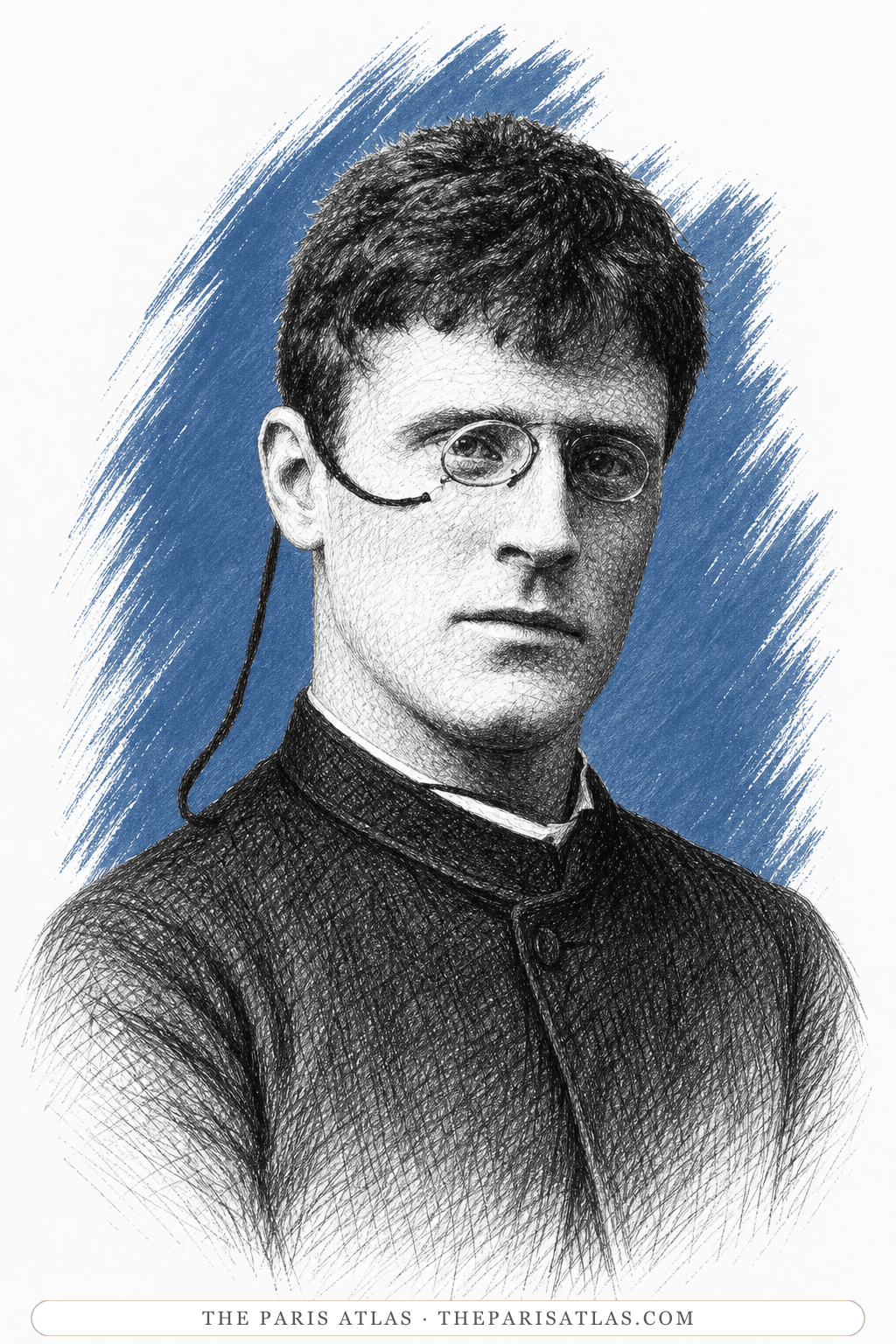
Norwegian painter of The Scream, who arrived in Paris in 1889 on a state scholarship to learn academic drawing from an anti-Impressionist professor, lost his father that November, and spent a bleak winter in the riverside suburb of Saint-Cloud writing down the vow that redirected his art — paint the moments when people are most alive, not the furniture around them.

Details

Lived
1863–1944
Born
12 December 1863
Birthplace
Løten, Norway
Died
23 January 1944 · aged 80
Place of death
Ekely, Oslo
Nationality
Norwegian
Profession
Painter and printmaker
Major works
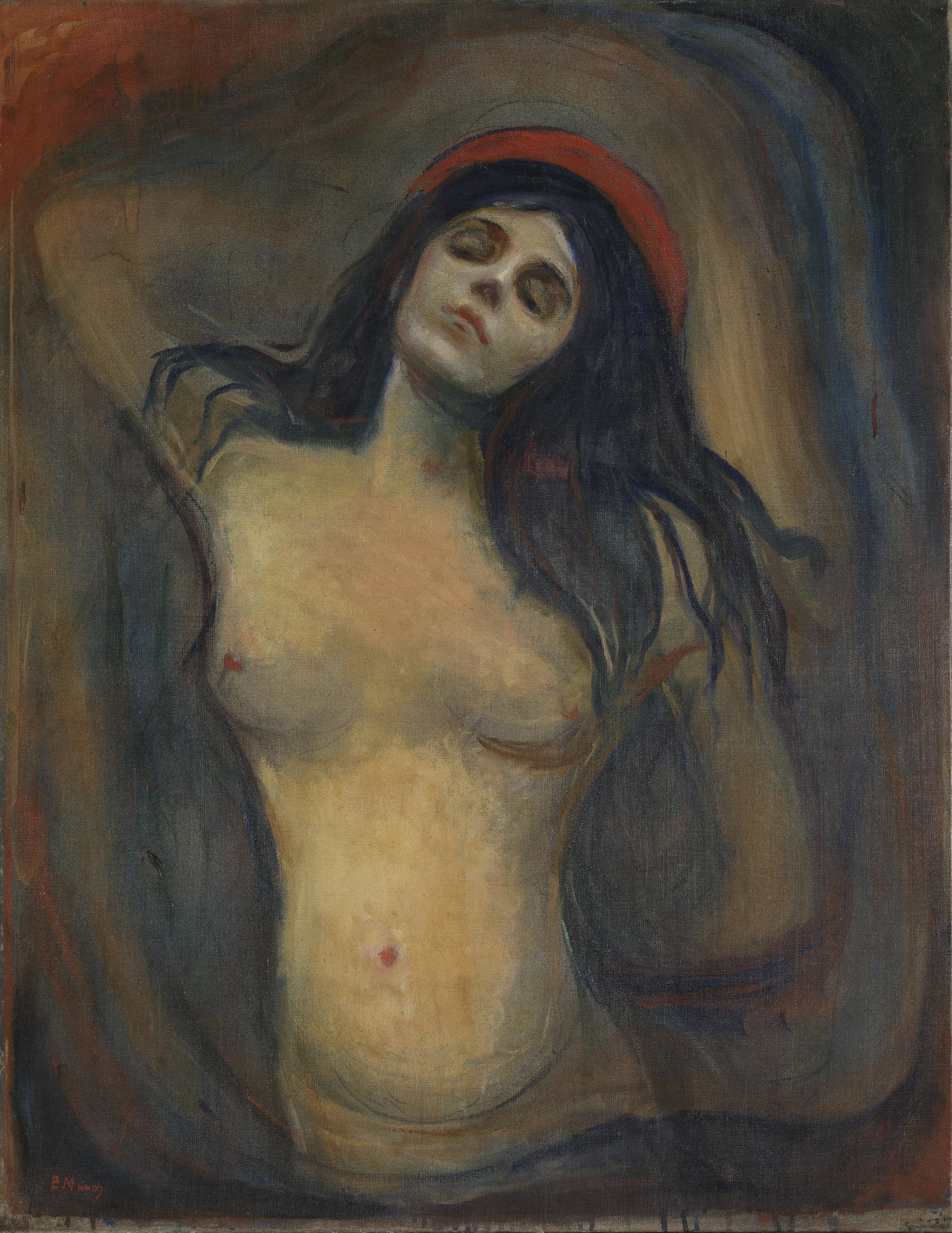
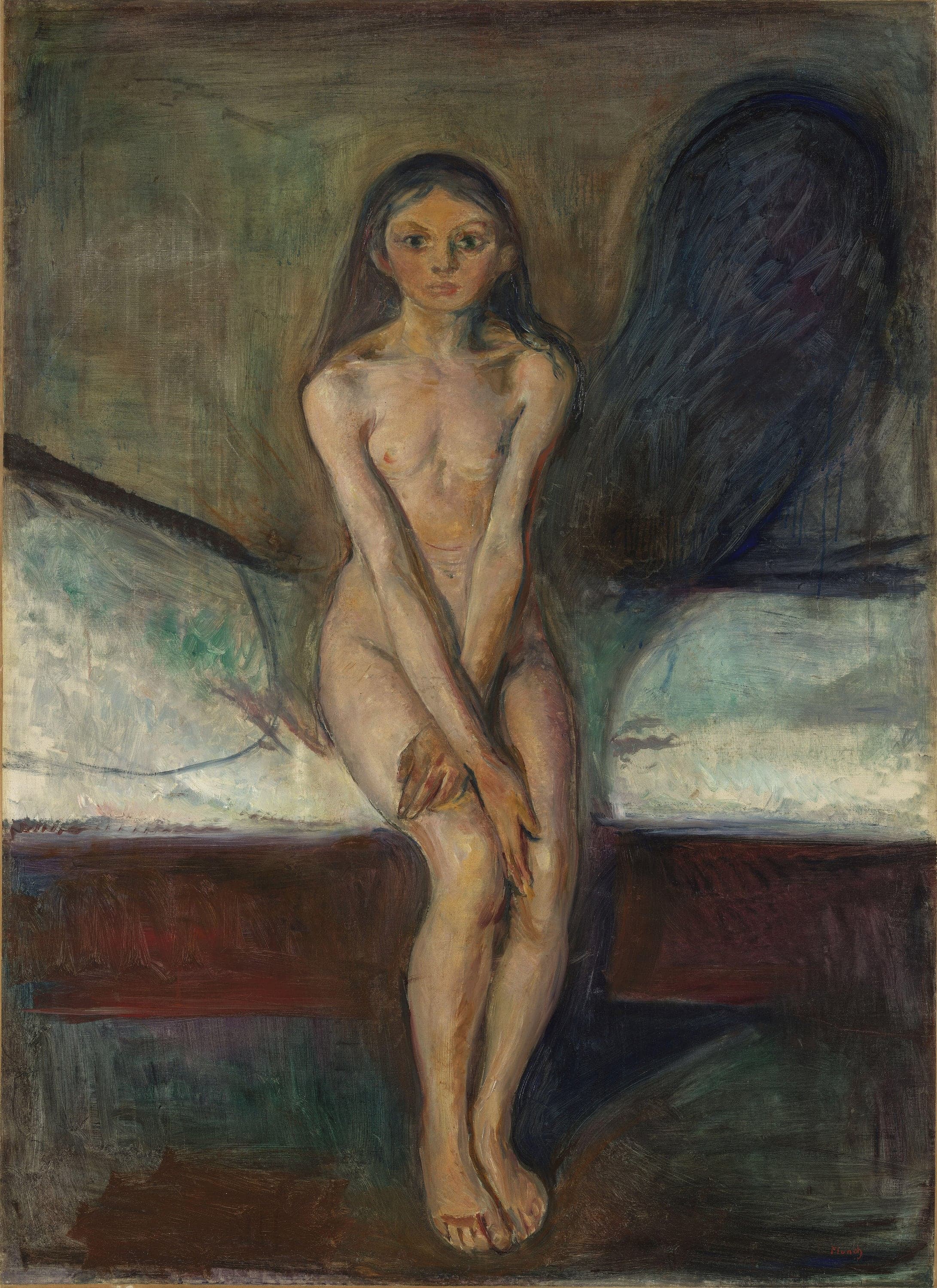
The Scream, The Sick Child, Madonna, The Dance of Life
Roles
PainterPrintmaker

About Edvard Munch

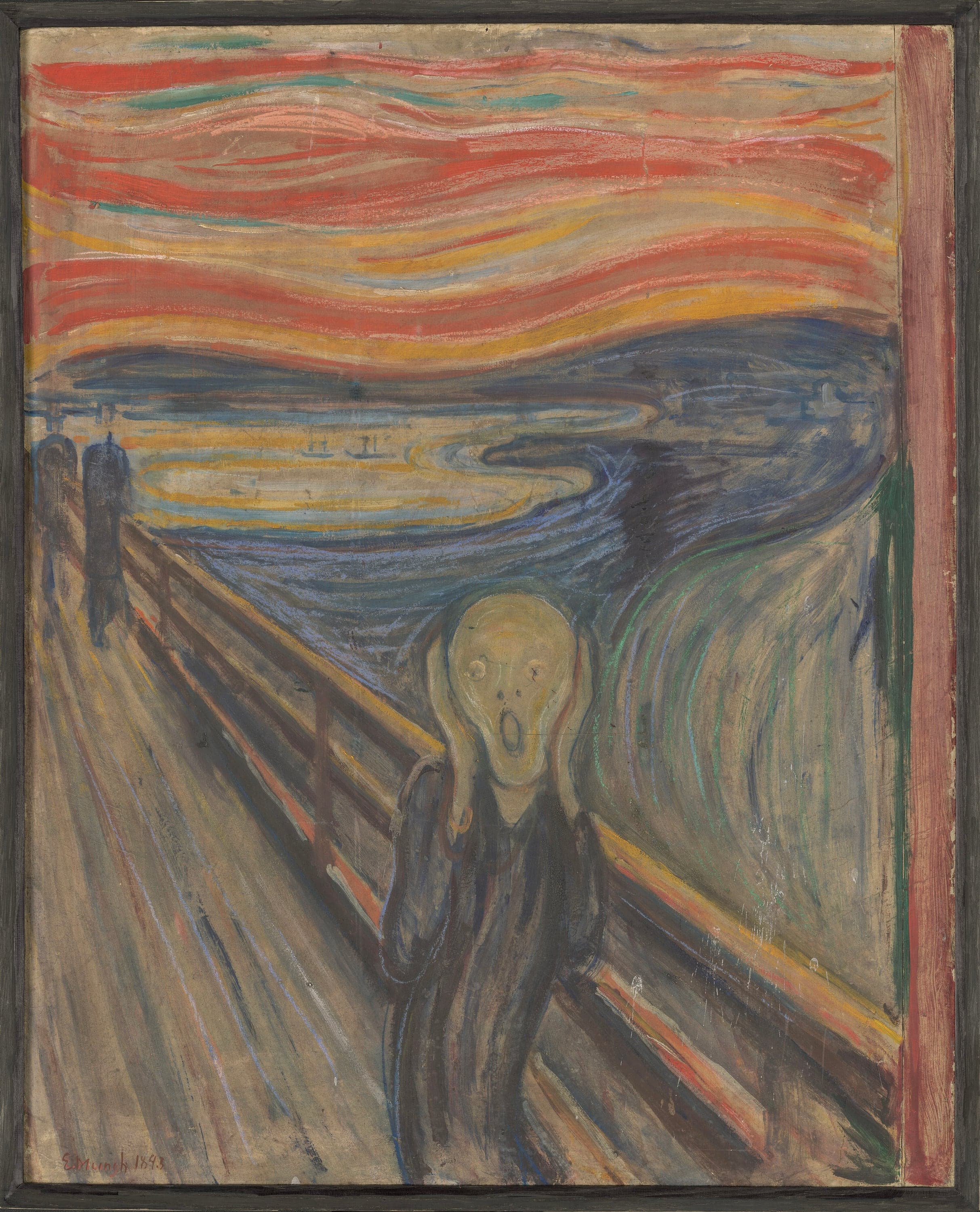
Edvard Munch was born in Norway in 1863 and spent sixty years turning private grief into pictures anybody could read: a dying girl in a chair, a couple parting on a shore, and — in 1893 — a figure on a bridge under a blood-red sky with its hands clamped to its head. The Scream became one of the few paintings in the world that needs no caption. Munch made it four times, in painting and pastel and print, and it belongs to a cycle he called the Frieze of Life.

Paris is where the change happened. He first saw the city in 1885, for three weeks, at twenty-two. He came back in 1889 on a Norwegian state scholarship, enrolled with the celebrated academic painter Léon Bonnat — a teacher whose whole method was opposed to the loose colour of Impressionism — and lasted only a short time in his studio. What that winter actually gave him was not a technique. His father died in Kristiania — the Norwegian capital, now called Oslo — in November 1889 while Munch was in France; the grieving son took cheap rooms in the riverside suburb of Saint-Cloud, and there wrote the passages now known as the Saint-Cloud Manifesto, in which he described the pictures he intended to paint instead of the ones he had been trained to make. Everything he is famous for came after.

A childhood of sickrooms

Munch was born on 12 December 1863 in Løten, Norway, the son of Christian Munch, a military doctor, and his wife Laura. Illness took the household apart early: Laura died of tuberculosis in 1868, when Edvard was five, and her sister Karen moved in and raised the children. Munch himself was gravely ill more than once as a boy and spent whole winters in bed. At seventeen he wrote the decision down as if signing a contract with himself — "It is my decision now to become a painter" — and in 1880 enrolled at the Royal School of Art and Design in Kristiania, the city now called Oslo.

The subject he would spend his life on arrived almost at once. The Sick Child, shown at the Kristiania Autumn Exhibition in 1886, painted his sister Sophie's death from tuberculosis with a scraped, scoured, deliberately unfinished surface — and Norwegian critics treated the roughness as an insult to the craft. Munch had found both his method and his reception: the picture that looks unfinished because the feeling in it is unfinished, and an audience that reads that as incompetence.

Three weeks, then a scholarship

His first Paris was brief. In 1885, aged twenty-two and travelling on a small grant, Munch spent three weeks in the city — long enough to see how much bigger the argument about painting was there than in Kristiania. Paris in the 1880s was, in the Munch Museum's phrase, "the undisputed capital of art": the place where the Impressionists had already forced colour and daylight into pictures over the objections of the official Salon — the state's annual juried exhibition — and where the next generation was busy dismantling what the Impressionists had built.

The real stay was arranged by his own boldness. After mounting the first solo exhibition of his work in Kristiania in 1889 — an unusual move for an artist of twenty-five, and effectively an application — Munch was awarded a Norwegian state scholarship for a year in Paris. He enrolled in the studio of Léon Bonnat, then among the most decorated portrait painters in France, a teacher of severe naturalism and, as the museum puts it, "an outspoken opponent of Impressionism." The drawings that survive from the studio are exactly what such training produces: careful academic nudes, measured by eye. "I work in the studio in the morning," Munch noted, "stretch out my arm and measure with the pencil the conditions." He did not stay long with Bonnat.

Saint-Cloud, and the vow

Before leaving Norway, Munch said goodbye to his father Christian on the quay; the two never saw each other again. In November 1889 Christian Munch had a stroke and died. The news reached his son in France, along with the collapse of the family's finances, and Munch moved out to Saint-Cloud — a small town on a loop of the Seine a few miles west of central Paris, near enough to reach the city in an afternoon and far enough to be alone in. The room he took there is a room anyone who knows his work has already seen: it is the blue interior with the moonlight on the floor in Night in Saint Cloud (1890).

Through that winter he filled notebooks with a programme for painting, written as scenes he could already see. The pages are called the Saint-Cloud Manifesto — not a document he published, but the passages in which he talked himself out of the art he had been trained to make and into the art he wanted. He would stop painting rooms and objects and the polite occasions of bourgeois life, and instead take people at the pitch of their existence: "I would portray two in the most sacred moment of their lives." And the picture would carry that charge to a stranger — the viewer "should feel the sacredness in this," he wrote, and "would take off their hats as in a church." It is a startling ambition for a young painter in a rented suburban room, and he spent the next fifty years executing it.

The Paris that surrounded that winter was also an education in colour. Munch arrived in the city just after the Dutch painter Vincent van Gogh had left it for the south of France, in the years when the French painter Paul Gauguin was pushing painting toward flat zones of unnatural colour and Georges Seurat's dots of separated pigment were the argument of the moment — and Munch's palette, tight and tonal in Norway, came loose and became emotional. The Munch Museum, exhibiting him beside Van Gogh in 2015, put the shared pattern plainly: "Paris became a turning point for both artists. A confrontation with the new art trends liberated the potential they harboured within while simultaneously challenging them to formulate their own programme." The two men never met and their stays in the city did not overlap; what they had in common was the city that broke their habits.

The scream through nature

The picture arrived in 1893, three years after Saint-Cloud, and Munch had written the moment down before he painted it. Walking at sunset with two friends, he recorded, "the sun went down – Suddenly the sky turned blood-red – and I felt a breath of melancholy – an exhausting pain under my heart." The friends walked on. "I stood there trembling with anxiety – and I felt that a great infinite scream went through nature." The figure on the bridge is not screaming; it is holding its ears against a scream coming from everywhere else.

The first version — tempera and grease crayon on cardboard, made in 1893 — hangs in the Nasjonalmuseet in Oslo, which calls it a pivotal work in the passage from Symbolism, the 1890s art of moods and inner states, to the Expressionism of the twentieth century, in which distorted form carries emotion outright. Munch returned to the image in pastel and in lithograph, four versions in all, and set it inside the Frieze of Life, the loose cycle of pictures about love, anxiety and death he assembled and reassembled for decades.

Sixty years, and the bequest

Fame came from Germany rather than France. A Berlin exhibition of his work in 1892 was shut down after a week by the artists' association that had invited him, and the scandal made his name across the German-speaking world; in Berlin he joined the writers who drank at the tavern nicknamed the Black Piglet, among them the Swedish playwright August Strindberg. Munch kept moving between capitals for two decades, drinking heavily, until a breakdown in 1908 put him in a Copenhagen clinic for eight months. He came out steadier, and the reckless edge of the earlier work never came back.

In 1916 he bought Ekely, a property on the edge of Oslo, and worked there for the rest of his life — painting the sun, the garden, the workers, himself old in the mirror, and leaving canvases outdoors in the weather on the theory that they should take their chances. In 1940 he changed his will to leave nearly everything he still owned to the municipality of Oslo. He died at Ekely on 23 January 1944, in his sleep, and the bequest — thousands of paintings, prints, drawings and the notebooks — became the collection of the museum that carries his name.

Life events

  1. 1863

    Born on 12 December at Løten in Norway, son of the military doctor Christian Munch and his wife Laura.

    Edvard Munch's life 1863–1944 — MUNCH, Oslo

  2. 1868

    His mother dies of tuberculosis; her sister Karen takes over the household.

    Edvard Munch's life 1863–1944 — MUNCH, Oslo

  3. 1880

    Enrolls at the Royal School of Art and Design in Kristiania, the city now called Oslo.

    Edvard Munch's life 1863–1944 — MUNCH, Oslo

  4. 1885

    First sight of Paris: three weeks in the city at twenty-two, paid for by a small grant.

    Edvard Munch's life 1863–1944 — MUNCH, Oslo

  5. 1886

    The Sick Child at the Kristiania Autumn Exhibition; its scraped, unfinished surface provokes the critics.

    Edvard Munch's life 1863–1944 — MUNCH, Oslo

  6. 1889

    Mounts the first solo exhibition of his work in Kristiania and wins a Norwegian state scholarship for a year in Paris, where he joins the studio of the academic painter Léon Bonnat. In November his father dies of a stroke in Norway; Munch, out of money, moves to the riverside suburb of Saint-Cloud.

    Edvard Munch's life 1863–1944 — MUNCH, Oslo; Munch in Paris — MUNCH, Oslo

  7. 1890

    Writes the Saint-Cloud Manifesto — the notebook passages vowing to paint people at the most sacred moments of their lives — and paints the rented room as Night in Saint Cloud.

    Munch in Paris — MUNCH, Oslo; Sue Prideaux, Edvard Munch: Behind the Scream (2005)

  8. 1892

    His Berlin exhibition is shut down after a week; the scandal makes his reputation across the German-speaking world.

    Edvard Munch's life 1863–1944 — MUNCH, Oslo

  9. 1893

    Paints The Scream, from a sunset walk he had already written down: "a great infinite scream went through nature."

    Edvard Munch, The Scream (1893), NG.M.00939 — Nasjonalmuseet collection record; Edvard Munch's life 1863–1944 — MUNCH, Oslo

  10. 1902

    Presents the Frieze of Life, his cycle of pictures on love, anxiety and death, hung together as one sequence.

    Edvard Munch's life 1863–1944 — MUNCH, Oslo

  11. 1908

    A breakdown puts him in Dr Jacobson's clinic in Copenhagen; he stops drinking and the work steadies.

    Edvard Munch's life 1863–1944 — MUNCH, Oslo

  12. 1916

    Buys the Ekely property outside Oslo and builds studios there; it is his base for the rest of his life.

    Edvard Munch's life 1863–1944 — MUNCH, Oslo

  13. 1940

    Changes his will, bequeathing nearly all of his own work to the municipality of Oslo.

    Edvard Munch's life 1863–1944 — MUNCH, Oslo

  14. 1944

    Dies at Ekely on 23 January, in his sleep. The bequest becomes the collection of the Munch Museum.

    Edvard Munch's life 1863–1944 — MUNCH, Oslo; Edvard Munch (1863–1944) — MUNCH, Oslo

People they knew

Documented connections — every one carries its source.

Léon Bonnat

  • Painter

Studied under · 1889–1890

Munch's Norwegian state scholarship of 1889 came with a condition: formal training. He enrolled in Léon Bonnat's Paris teaching studio that autumn and drew from the model there through the winter, chafing against corrections from a teacher whose polished salon portraiture stood for everything his own painting was leaving behind.

Munch in Paris — MUNCH, Oslo

Questions about Edvard Munch

Who was Edvard Munch?

A Norwegian painter and printmaker, born in 1863 and dead in 1944, who made The Scream. He spent his career on a small number of subjects — illness, jealousy, desire, dread — pushed to the point where a stranger can read them instantly. He worked for over sixty years, was claimed by Symbolism in the 1890s and helped invent Expressionism after 1900, and left almost everything he owned to the city of Oslo.

Did Edvard Munch live in Paris?

Repeatedly, though never for long. He first visited for three weeks in 1885. In 1889 a Norwegian state scholarship sent him for a year, and after his father's death that November he settled in Saint-Cloud, a suburb on the Seine west of the city, through the winter of 1889–90. He returned to France several times in the following decade. Paris was the place his painting changed, not the place he settled: he lived most of his adult life in Norway and died there.

What is the Saint-Cloud Manifesto?

The name given to passages Munch wrote in his notebooks in the winter of 1889–90, in the rented room at Saint-Cloud outside Paris, shortly after his father's death. In them he abandons the idea of painting rooms, objects and polite scenes and commits instead to painting people at the pitch of their lives — "I would portray two in the most sacred moment of their lives" — with the aim that a viewer would feel the sacredness of it and "take off their hats as in a church." It was never published as a manifesto; the title is later, and the writing is a young painter arguing himself into the work he actually went on to make.

Who taught Edvard Munch in Paris?

Léon Bonnat, one of the most decorated academic portrait painters in France, whose studio Munch entered on his state scholarship in 1889. Bonnat taught a strict naturalism and was openly hostile to Impressionism, and Munch — who drew careful measured nudes there — did not stay long. The Paris that mattered to him was outside the studio: the city where the next generation of painters after the Impressionists was pulling colour loose from description.

What is The Scream about?

A moment Munch experienced and wrote down before he painted it: walking at sunset with two friends, the sky turned blood-red, and he felt what he called "a great infinite scream" passing through nature. The figure on the bridge is not the one screaming — it is covering its ears against a sound coming from the world. The first version, tempera and grease crayon on cardboard from 1893, is in the Nasjonalmuseet in Oslo.

How many versions of The Scream are there?

Four by Munch's own hand, made between 1893 and 1910 in painting, pastel and lithograph. The 1893 version in the Nasjonalmuseet in Oslo is the first. He treated the image the way he treated most of his motifs — as something to be remade rather than finished once — and set it inside the Frieze of Life, his long cycle of pictures about love, anxiety and death.

Where can you see Munch's work today?

Mostly in Oslo. In 1940 he changed his will to leave nearly everything he still owned — thousands of paintings, prints, drawings and his notebooks — to the municipality, and that bequest is the Munch Museum's collection. The Nasjonalmuseet in the same city holds the 1893 Scream, the Madonna and other key works.

Sourced claims

Every connection the graph holds for Edvard, with the evidence behind it.

Studied under · 1889–1890

Léon Bonnat

Munch's Norwegian state scholarship of 1889 came with a condition: formal training. He enrolled in Léon Bonnat's Paris teaching studio that autumn and drew from the model there through the winter, chafing against corrections from a teacher whose polished salon portraiture stood for everything his own painting was leaving behind.

Munch in Paris — MUNCH, Oslo

References

References

The sources below include biographies, scholarly essays, interviews, and primary materials that informed this page. They reflect both the historical record and ongoing critical conversations about Edvard Munch and their work.

  1. 1Edvard Munch's life 1863–1944 — MUNCH, Oslo

    Munchmuseet (MUNCH), Oslo

    The museum's dated life chronology.

    View source
  2. 2Munch in Paris — MUNCH, Oslo

    Munchmuseet (MUNCH), Oslo

    The museum's account of the scholarship, Bonnat's studio and Saint-Cloud.

    View source
  3. 3Edvard Munch (1863–1944) — MUNCH, Oslo

    Munchmuseet (MUNCH), Oslo
    View source
  4. 4Edvard Munch, The Scream (1893), NG.M.00939 — Nasjonalmuseet collection record

    Nasjonalmuseet, Oslo

    Collection record for the 1893 painting, with Munch's own prose account of the walk.

    View source
  1. 5Van Gogh + Munch — exhibition, Munchmuseet and the Van Gogh Museum

    Munchmuseet (MUNCH), Oslo, 2015
    View source
  2. 6eMunch — Edvard Munch's writings, digital archive

    Munchmuseet (MUNCH), Oslo

    The museum's digital edition of Munch's manuscripts.

    View source
  3. 7Edvard Munch: Behind the Scream

    Yale University Press, 2005

    Standard English-language biography.

i
Why these sources are here

These references anchor the page in the documented record and in the scholarly conversations around Edvard Munch. Every claim on this page traces back to one or more of the works listed here.

Explore more resources