The Paris AtlasCharting the artists, works, and places worth returning to.
  • Sculptor
· British · 1954–

Anish Kapoor

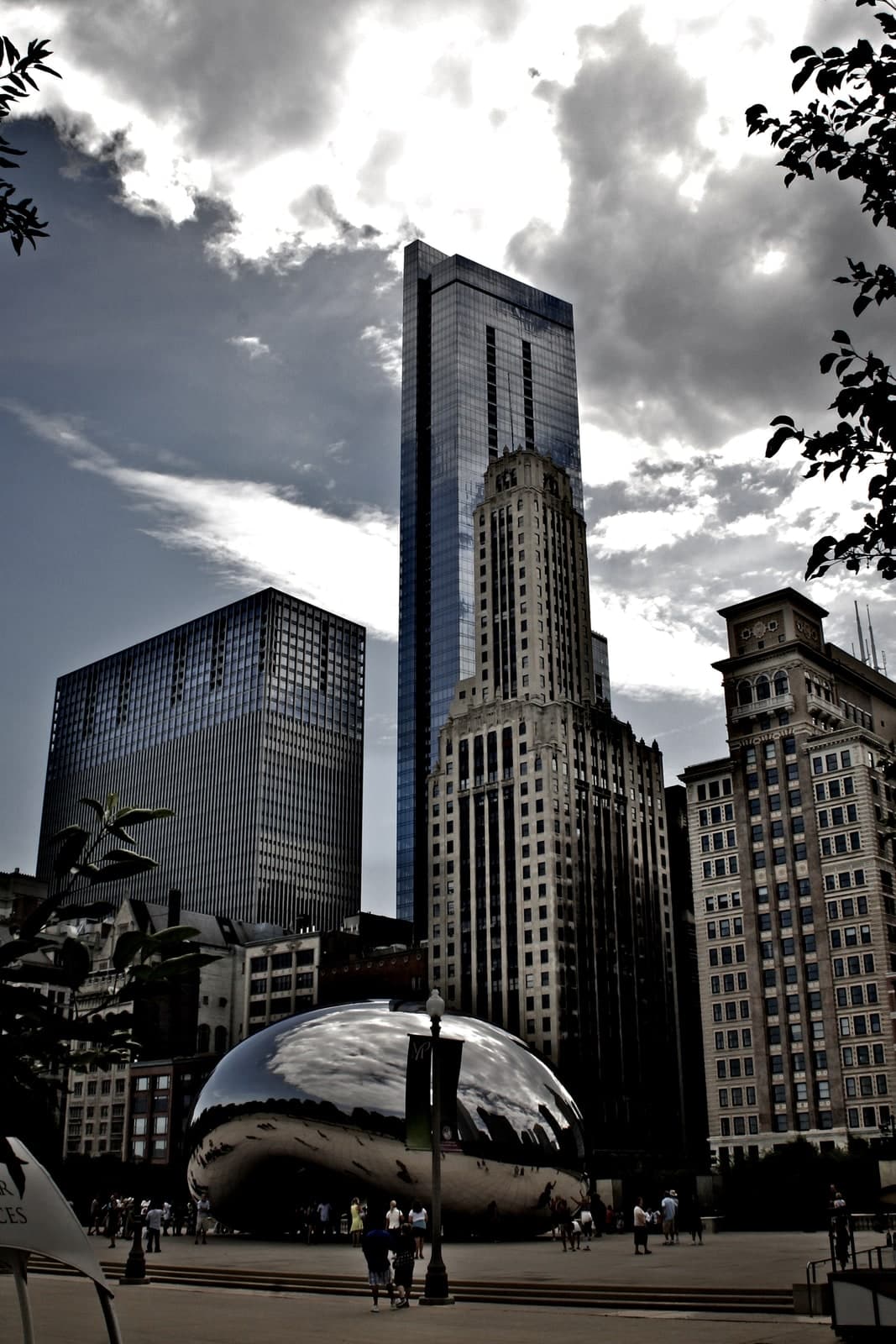
Bombay-born, London-based sculptor of pigment heaps, mirrored curves and engineered voids, and the maker of Cloud Gate in Chicago. In 2015 his sixty-metre steel work Dirty Corner stood in the gardens of Versailles, was defaced three times, and became a French legal case when he said he would leave the damage where it was.

Details

Lived
1954–
Born
12 March 1954
Birthplace
Bombay (now Mumbai), India
Nationality
British
Profession
Sculptor
Major works
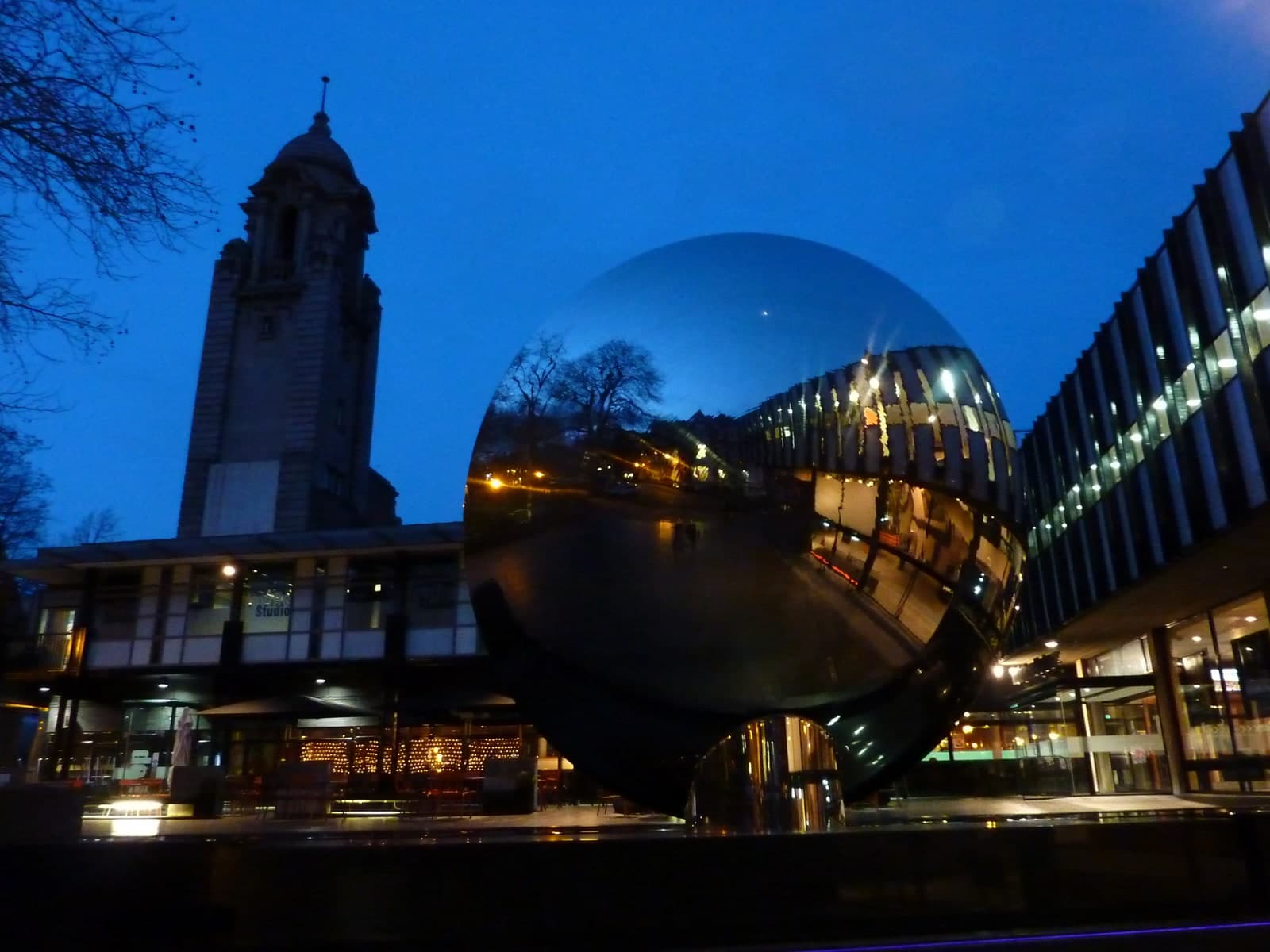
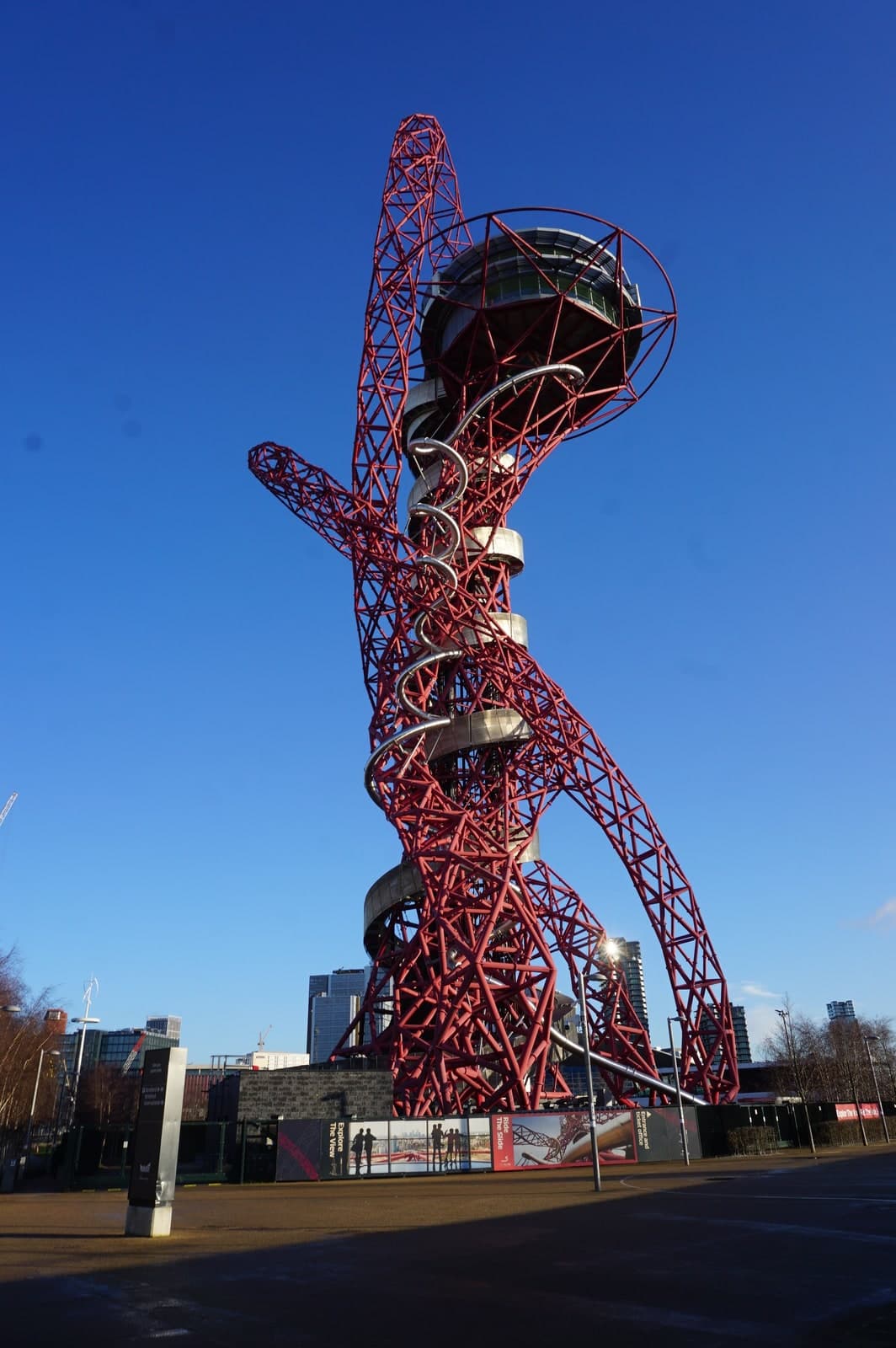
Cloud Gate, Marsyas, Leviathan, Dirty Corner, Sky Mirror, ArcelorMittal Orbit
Roles
Sculptor

About Anish Kapoor

Anish Kapoor makes objects that interfere with the eye. The early work was heaps of raw pigment on a gallery floor; then came stone and fibreglass with holes cut into them so dark the depth cannot be judged, then the mirrored steel of Cloud Gate in Chicago, then rooms full of red wax. He won the Turner Prize, Britain's best-known art award, in 1991, and has been one of the most public sculptors alive ever since.

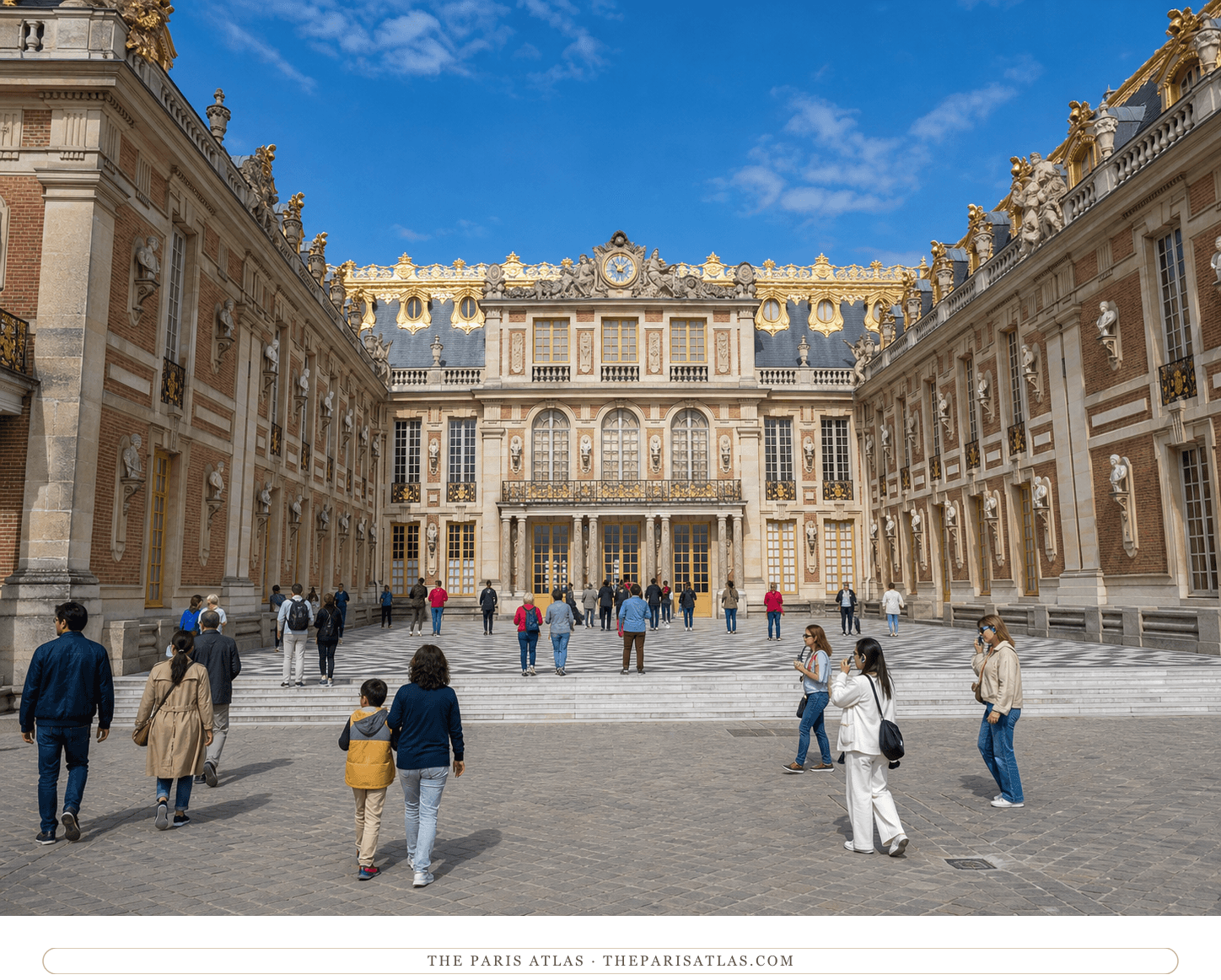
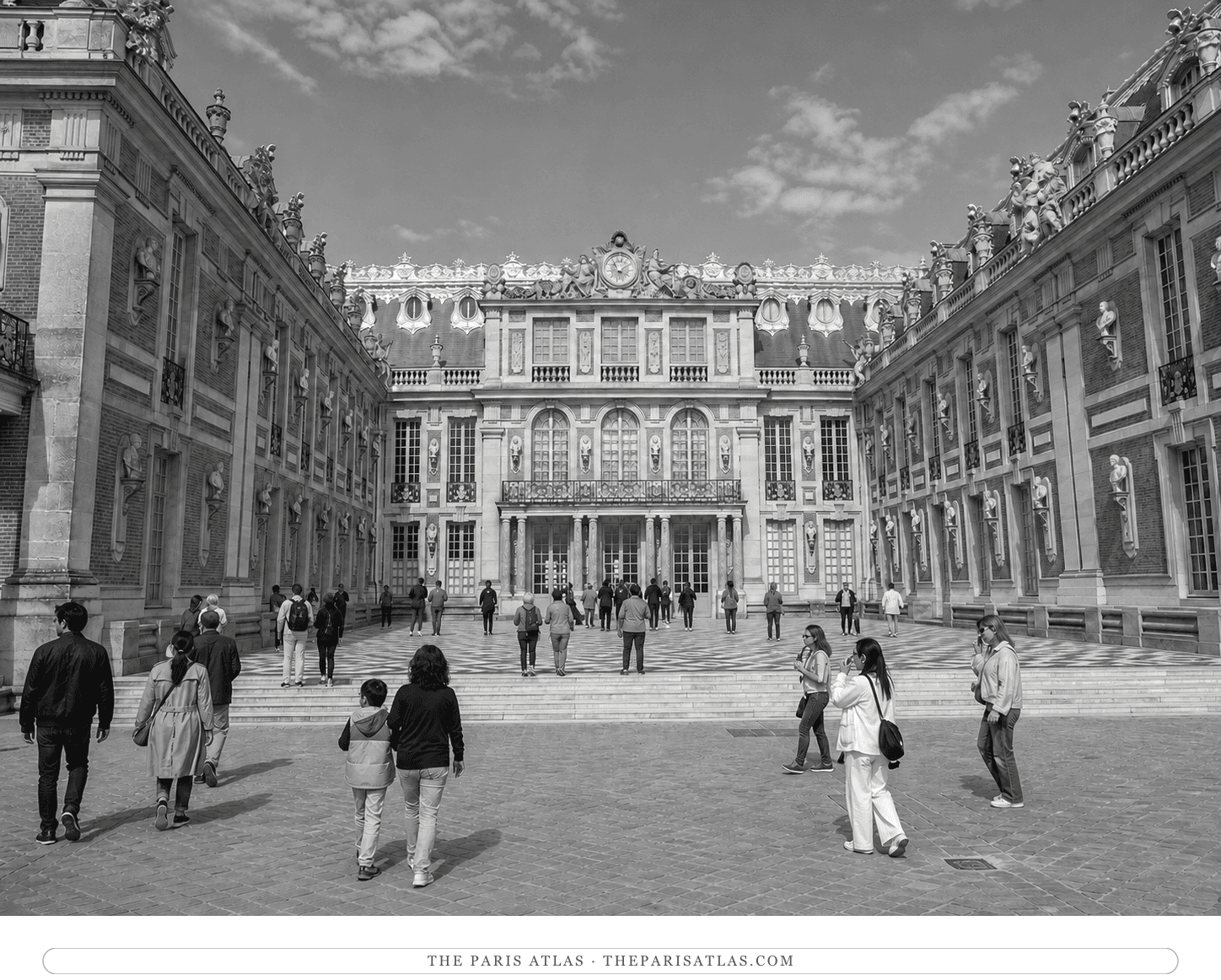
His public quarrel with France began on 9 June 2015, when six of his works opened in the gardens of the Château de Versailles, the royal palace twenty kilometres west of Paris. The largest of them, Dirty Corner, was attacked with paint in June, covered in hostile slogans in September, and defaced again days later. Kapoor announced that he would not have the words removed. A French court then ordered that they be, and the sculpture spent part of its run under black sheeting while the artist worked out a third way.

Six works in the gardens, June 2015

Kapoor's was the eighth time the estate had invited a contemporary artist in. It opened to the public on Tuesday 9 June 2015 with six pieces, none of them inside the palace itself: four were set along the Grande Perspective, the central axis of the gardens that runs the eye from the water parterre to the horizon, and Catherine Pégard, the president of the château, introduced the show by saying that for Kapoor a work does not exist alone but through the person seeing it.

Dirty Corner was the largest. It is a horn of Cor-Ten steel, the alloy that weathers to a deep rust, sixty metres long and standing about ten metres at the mouth, its wide opening presented head-on to the visitor and its far end tapering into a tunnel. Kapoor had built it in 2011 for the Fabbrica del Vapore in Milan, where the public could walk inside it and where a machine slowly buried it under a hundred and sixty cubic metres of red earth. At Versailles a barrier kept people out, and the steel sat in a heap of soil and rocks, one of which had been painted deep red.

The quarrel before anyone had seen it

The scandal arrived nine days before the exhibition did. On 31 May the Journal du Dimanche published an interview in which Kapoor, describing the sexual charge of the work, was quoted calling Dirty Corner the vagina of a queen taking power. He backed away from it almost at once: at his press conference on 5 June he denied the wording, and told Le Figaro on 8 June that he was not sure he had said it, or said it that way. By then it did not matter. Sex plus royalty had given the French press a fight it could hold without anyone having seen the sculpture.

The writer Christian Combaz called the show a profanation of memory in Le Figaro on 3 June. Two opposition councillors on the Versailles municipal council, Valérie d'Aubigny and Fabien Bouglé, wrote to Catherine Pégard on 6 June to denounce what they called grave damage to historic and cultural heritage. Kapoor, for his part, had already complained to Le Monde that he had had to raise the money for the exhibition himself.

Three attacks, and the decision to leave the damage

In June somebody threw yellow paint over the inside of the steel horn. Kapoor had it cleaned off, describing the act as political vandalism that uses an art material to do real violence.

In early September the sculpture and the rocks around it were sprayed with slogans in white paint. The BBC recorded two of them: "Christ is king in Versailles" and a line calling the work "the second rape of the nation by deviant Jewish activism". Kapoor, who is Jewish, said the words would stay where they were. President François Hollande called the attack hateful, and the prime minister Manuel Valls promised the culprits would be punished. Within days the work was defaced a third time.

The sculpture will now carry the scars of this renewed attack. I will not allow this act of violence and intolerance to be erased. Dirty Corner will now be marked with hate and I will preserve these scars as a memory of this painful history. I am determined that art will triumph.

Anish Kapoor, September 2015

Fabien Bouglé, the councillor who had objected to the exhibition in June, went to law over the graffiti, arguing that leaving it on public display incited racial hatred. A tribunal in Versailles ruled that the inscriptions had to be erased and an alarm installed. The ruling ran straight into the strongest artist's protection in Europe, French droit moral — the author's moral right, which lets a creator control how a work is presented and object even to its alteration or destruction. Kapoor put a photograph of the sculpture under black sheeting on Instagram and wrote that the racists had won a court judgment forcing the racist graffiti to be covered, that the artist and Versailles were being blamed for propaganda they had not made, and that the racists could not be allowed to win. To Le Figaro he said the decision broke his heart.

Then he found a third way. He had the defaced areas covered in gold leaf, so that the slogans vanished under gilding without being cleaned away, and called it his royal response. Removing them, he said, would deny that they had happened; gilding them turned the nastiness into something else, and left a work with a painful past that could still claim the beauty of art. Dirty Corner stayed in the gardens, gold and all, until the exhibition closed on 1 November 2015.

Bombay, a kibbutz, and Hornsey

Kapoor was born in Bombay, now Mumbai, on 12 March 1954, to a Hindu father and a Jewish mother whose family came from Baghdad. He grew up there and went as a young man to a kibbutz, one of Israel's collective farms, where he decided against the university place he was expected to take.

I don't want to go to university. I want to go to art school and be an artist. I was lucky, I think. I knew that when I was 17.

Anish Kapoor

He came to London instead, studied at Hornsey College of Art from 1973 to 1977 and did postgraduate work at Chelsea School of Art in 1977 and 1978, and has lived and worked in the city since. The earliest solo exhibition his studio lists is a Paris one, at Patrice Alexandre in 1980; he showed at the Lisson Gallery in London from 1982, and it represents him still.

Pigment, void, mirror

The work that made his name in the early 1980s was made of loose pigment: forms in plaster and wood dusted so thickly in saturated reds, yellows and blues that the colour seemed to come off them onto the floor. From there he moved to the void: stone and fibreglass hollowed out and coated so that the opening reads as a flat dark disc rather than a hole. That is exactly the trick that once sent a visitor in Portugal falling two and a half metres into an artwork he had taken for a painted circle.

Then came the mirrors and the engineering. He represented Britain at the Venice Biennale in 1990 with Void Field and took the Premio Duemila for the best young artist there; the Turner Prize followed in 1991, judged that year against Ian Davenport, Fiona Rae and Rachel Whiteread. Marsyas, in 2002, stretched a single PVC membrane between three steel rings in the Turbine Hall at Tate Modern in London. He named it for the figure flayed alive by Apollo in Greek myth because, as he put it, the form refers to an interior: it is a stretched skin. Cloud Gate, the polished steel bean installed in Chicago's Millennium Park in 2004, is the piece most of the world knows. He was appointed CBE in 2003 and knighted in 2013.

Leviathan at the Grand Palais, and the blackest black

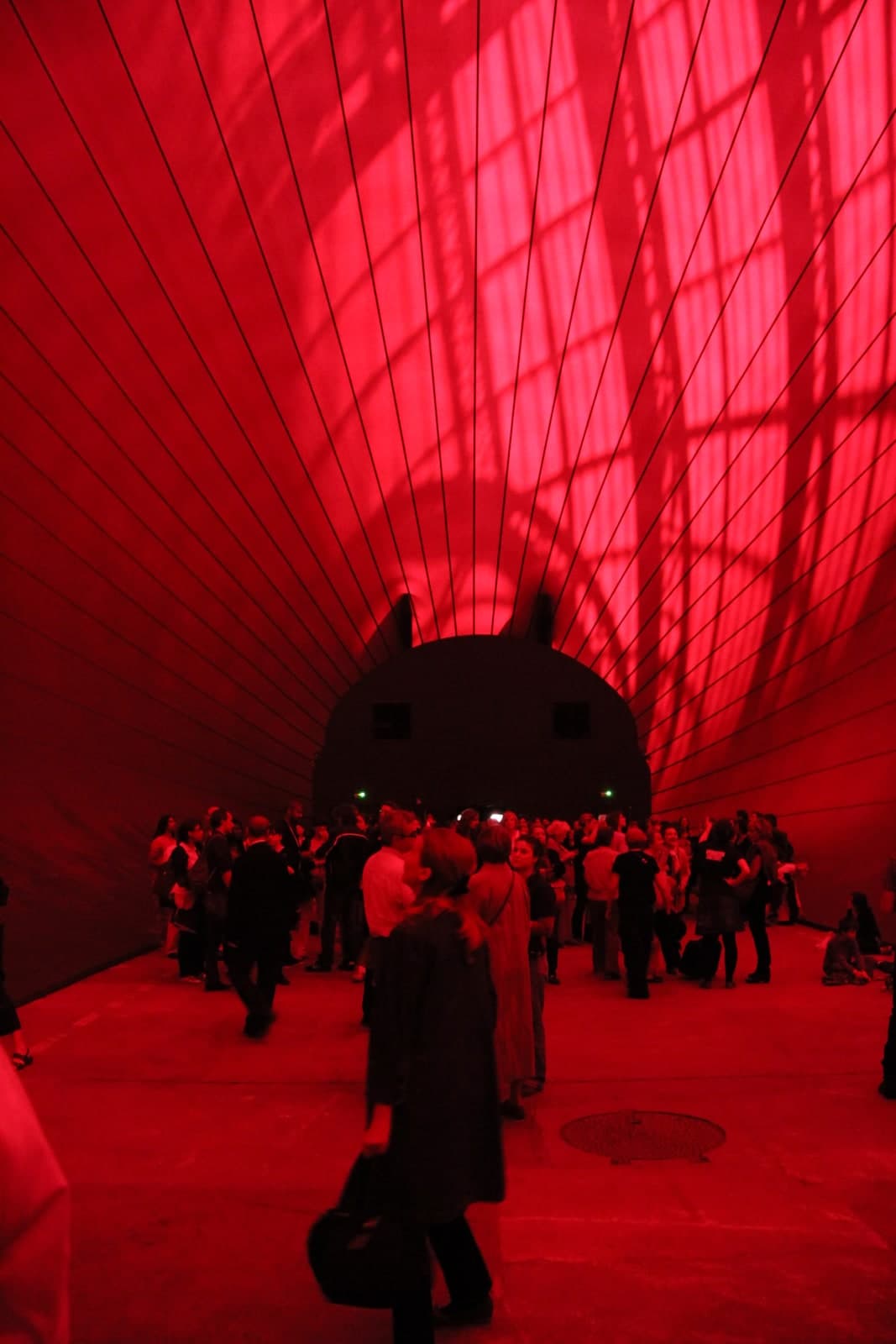
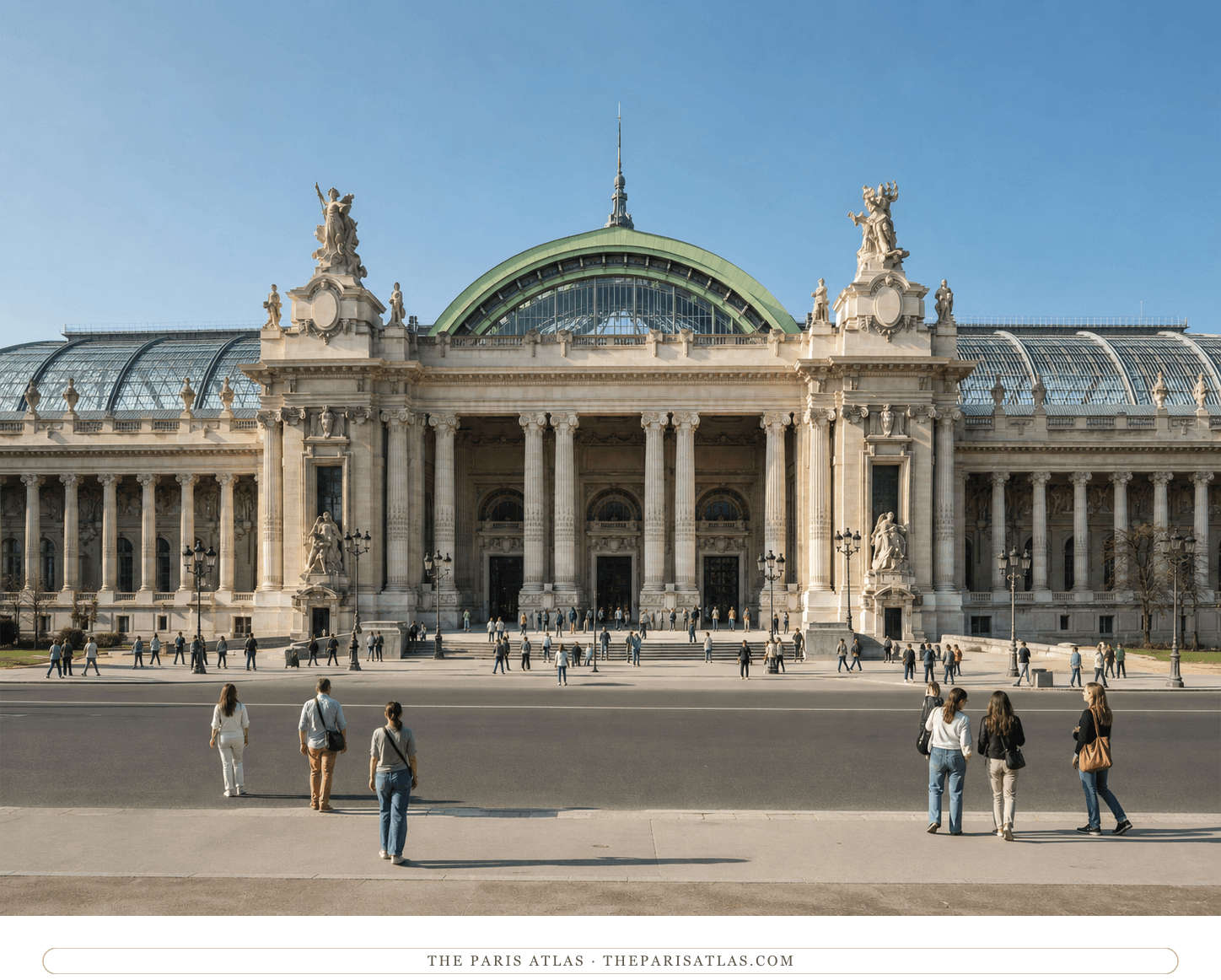
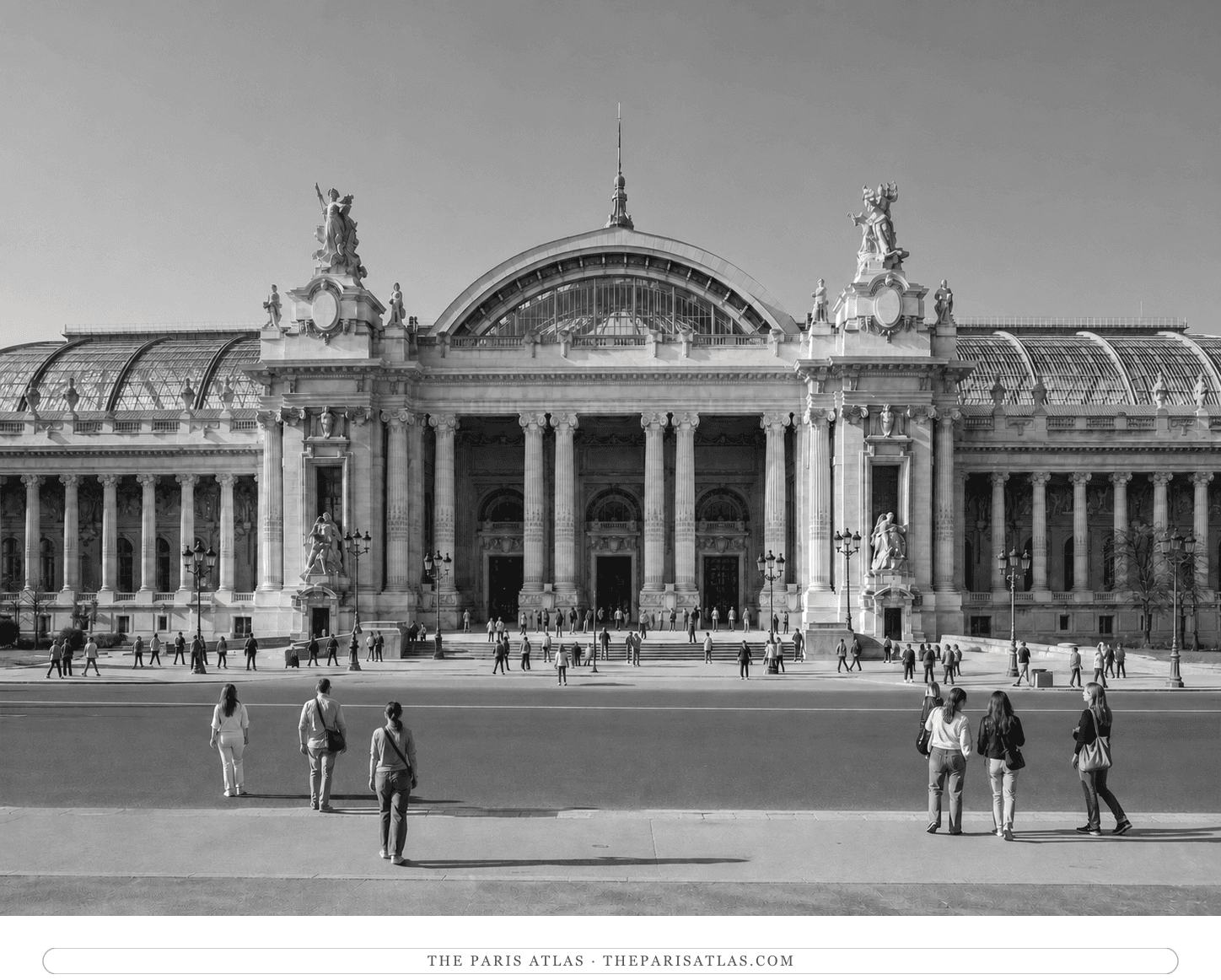
Kapoor's other big Paris commission came four years before Versailles and caused no trouble at all. In 2011 he filled the glass-roofed nave of the Grand Palais for Monumenta, the commission that hands that vast hall to a single artist, with Leviathan, an inflated red structure that visitors walked into. In the same year he showed in the Chapelle des Petits-Augustins at the Beaux-Arts de Paris, the national art school on the rue Bonaparte.

The controversy that followed him after Versailles was about a colour. Vantablack is a coating of vertically aligned carbon nanotubes developed by the English firm Surrey NanoSystems and shown publicly in 2014; it absorbs so nearly all the light that falls on it that a crease in a sheet of it is invisible. Kapoor telephoned the company as soon as he heard of it, and when a sprayable version made artistic use practical, Surrey signed a contract giving him exclusive rights to the material in art. Artists objected loudly to one man owning a colour. Kapoor's defence was that the arrangement was a working collaboration like the ones he has with steel fabricators, and that he had spent his career on objects that absorb light: "I've been long engaged in the idea of the void object, the object that absorbs all light, which is kind of a non-object in a way."

Life events

  1. 1954

    Born in Bombay on 12 March, to a Hindu father and a Jewish mother whose family came from Baghdad.

    Sven Töniges, Anish Kapoor: Master of darkness at 65 (2019)

  2. 1973

    Arrives in London to study at Hornsey College of Art, having decided at seventeen, on a kibbutz, against going to university.

    Anish Kapoor; Anish Kapoor: “I have nothing to say as an artist”

  3. 1980

    First solo exhibition, at Patrice Alexandre in Paris.

    Biography

  4. 1990

    Represents Britain at the Venice Biennale with Void Field and wins the Premio Duemila for best young artist.

    Anish Kapoor

  5. 1991

    Wins the Turner Prize, judged against Ian Davenport, Fiona Rae and Rachel Whiteread.

    Turner Prize 1991

  6. 2002

    Marsyas: one PVC membrane stretched between three steel rings in the Turbine Hall at Tate Modern.

    Anish Kapoor

  7. 2004

    Cloud Gate is installed in Millennium Park, Chicago.

    Anish Kapoor

  8. 2011

    Leviathan fills the Grand Palais in Paris for Monumenta; Dirty Corner is built the same year for the Fabbrica del Vapore in Milan.

    Biography; Anish Kapoor: Dirty Corner (2011)

  9. 2014

    Surrey NanoSystems shows Vantablack publicly; Kapoor calls the company, and later receives exclusive rights to use the material in art.

    Adam Rogers, Art Fight! The Pinkest Pink Versus the Blackest Black (2017)

  10. 2015

    9 June: six works open in the gardens of Versailles, the estate's eighth contemporary-art invitation, with Dirty Corner on the Grande Perspective.

    Ingrid Luquet-Gad, Anish Kapoor à Versailles : qu'y voit-on vraiment ? (2015)

  11. 2015

    Dirty Corner is thrown with yellow paint in June and cleaned; sprayed with hostile slogans in early September, which Kapoor refuses to remove; and defaced a third time within days.

    Anish Kapoor's Dirty Corner sculpture vandalised again (2015); Kapoor's moral right to keep hateful graffiti in place: a legal perspective (2015)

  12. 2015

    A tribunal in Versailles orders the inscriptions erased and an alarm installed. The work goes under black sheeting, and Kapoor answers by gilding the defaced areas with gold leaf. The exhibition closes on 1 November.

    Anish Kapoor vandalised statue to be covered in gold (2015); Kapoor's moral right to keep hateful graffiti in place: a legal perspective (2015)

Anish Kapoor’s Places

The cataloged places connected to Anish Kapoor — through the books, and through the documented record.

Places you can enter today appear first, followed by addresses to see from outside and sites that have vanished.

Questions about Anish Kapoor

Who is Anish Kapoor?

A British sculptor, born in Bombay in 1954 to a Hindu father and a Jewish mother, who has lived in London since the early 1970s. He is known for heaps of raw pigment, for hollows coated so darkly that the eye cannot read their depth, and for enormous polished-steel and membrane works such as Cloud Gate in Chicago and Marsyas at Tate Modern. He won the Turner Prize in 1991 and was knighted in 2013.

What was Dirty Corner at Versailles?

A horn of rusted Cor-Ten steel about sixty metres long and ten metres high, set in a heap of earth and rocks on the central axis of the gardens of the Château de Versailles from 9 June 2015. Kapoor had first built it in 2011 in a former tram works in Milan, where visitors could walk through it; at Versailles it was fenced off. It was one of six works in the show, none of which were placed inside the palace.

Why was Dirty Corner called "the queen's vagina"?

Because of an interview. On 31 May 2015, nine days before the exhibition opened, the Journal du Dimanche quoted Kapoor describing the work's sexual charge and calling it the vagina of a queen taking power. He distanced himself from the phrasing at his press conference on 5 June and told Le Figaro on 8 June that he was not sure he had said it, or said it in that way. The nickname stuck regardless and drove the argument that followed.

How many times was the sculpture vandalised?

Three times in 2015. In June it was splashed with yellow paint, which Kapoor had removed. In early September it was sprayed with slogans in white paint, two of which the BBC recorded as "Christ is king in Versailles" and "the second rape of the nation by deviant Jewish activism". Days later it was defaced a third time.

Why did Kapoor want to leave the graffiti on his sculpture?

Because removing them, he argued, would deny that the attack had happened. His statement in September 2015 read: "The sculpture will now carry the scars of this renewed attack. I will not allow this act of violence and intolerance to be erased. Dirty Corner will now be marked with hate and I will preserve these scars as a memory of this painful history. I am determined that art will triumph." Kapoor is Jewish, and said the attack was aimed at him as much as at the work.

What did the court decide?

A Versailles councillor, Fabien Bouglé, brought a case arguing that leaving the graffiti on public display incited racial hatred, and a tribunal in Versailles ruled that the inscriptions had to be erased and an alarm installed. France gives artists unusually strong moral rights over how their work is presented, so both sides of the argument were legally serious. Kapoor said publicly that the decision broke his heart, then complied without cleaning anything: he had the defaced areas covered in gold leaf, which he called his royal response.

Is Versailles in Paris?

No. The Château de Versailles is about twenty kilometres west of the city, in the town of Versailles, and it is a national estate rather than a Paris museum. Kapoor's Paris work proper is Leviathan, the inflated red structure that filled the Grand Palais for the Monumenta commission in 2011, and a show the same year in the Chapelle des Petits-Augustins at the Beaux-Arts de Paris.

What is Vantablack, and why was Kapoor criticised over it?

Vantablack is a coating of vertically aligned carbon nanotubes made by the English company Surrey NanoSystems, first shown publicly in 2014, which absorbs almost all the light that hits it. Kapoor contacted the firm as soon as he heard about it, and when a sprayable version made it usable on sculpture the company gave him exclusive rights to the material for artistic purposes. Other artists objected to a single person controlling a colour. Kapoor's answer was that it was a collaboration of the sort he has always had with manufacturers, and that light-absorbing objects had been his subject for decades.

Sourced claims

Every connection the graph holds for Anish, with the evidence behind it.

Worked at · 2015-06–2015-11

Château de Versailles

Anish Kapoor was the artist the estate invited for 2015, the eighth in the run of contemporary-art commissions it has made since 2008. Six works of his opened to the public in the gardens on 9 June 2015, four of them along the Grande Perspective, the central axis of the gardens; none were placed inside the palace. The largest, Dirty Corner, was a horn of Cor-Ten steel about sixty metres long, first built in Milan in 2011 and installed here in a heap of earth and rock. It was attacked with paint in June, sprayed with hostile slogans in September and defaced a third time days later; Kapoor said he would not have the words removed, a tribunal in Versailles ordered that they be, and he answered by covering the damaged areas in gold leaf. The exhibition closed on 1 November 2015.

Sugimoto Versailles — exhibition page, with the estate's contemporary art programme year by year (2018); Ingrid Luquet-Gad, Anish Kapoor à Versailles : qu'y voit-on vraiment ? (2015); Biography; Anish Kapoor's Dirty Corner sculpture vandalised again (2015); Anish Kapoor vandalised statue to be covered in gold (2015); Kapoor's moral right to keep hateful graffiti in place: a legal perspective (2015)

Worked at · 2011

Grand Palais

Monumenta hands the whole nave of the Grand Palais to one artist. Anish Kapoor took it in 2011 with Leviathan, an inflated red structure that visitors walked into, four years before the six works he installed in the gardens of Versailles.

Biography; The Grand Palais — history of the building and its present programme

References

References

The sources below include biographies, scholarly essays, interviews, and primary materials that informed this page. They reflect both the historical record and ongoing critical conversations about Anish Kapoor and their work.

  1. 1Biography

    Anish Kapoor Studio

    The artist's own studio site: birth, residence, and the dated exhibition record including Versailles 2015 and Monumenta 2011.

    View source
  2. 2Anish Kapoor

    Lisson Gallery

    His gallery's biography: Hornsey and Chelsea dates, Venice 1990 with Void Field, Premio Duemila, Turner Prize, Cloud Gate, CBE and knighthood.

    View source
  3. 3Turner Prize 1991

    Tate

    Tate's record of the 1991 prize, with the winner and the shortlist.

    View source
  4. 4Anish Kapoor: Master of darkness at 65

    Deutsche Welle, 2019

    Profile giving the birth date and parents, the kibbutz years, and the Descent into Limbo accident.

    View source
  5. 5Anish Kapoor à Versailles : qu'y voit-on vraiment ?

    Les Inrockuptibles, 2015

    Report from the opening day: the 9 June date, the six works, the Grande Perspective, and the Journal du Dimanche interview.

    View source
  6. 6Ceci n'est pas un vagin : Kapoor met le feu à Versailles

    L'Obs, 2015

    Account of the row before the opening, including the councillors' letter and Kapoor's press-conference denial.

    View source
  1. 7Anish Kapoor: Dirty Corner

    Designboom, 2011

    Documentation of Dirty Corner as first built in Milan in 2011, with its dimensions and the buried-in-earth process.

    View source
  2. 8Kapoor's moral right to keep hateful graffiti in place: a legal perspective

    Apollo — The International Art Magazine, 2015

    Legal analysis of the vandalism sequence, the court order, the gold leaf and the black sheeting, and French droit moral.

    View source
  3. 9Anish Kapoor's Dirty Corner sculpture vandalised again

    BBC News, 2015

    Report on the September attack: the slogans as sprayed, Kapoor's statement in full, and the reactions of Hollande and Valls.

    View source
  4. 10Anish Kapoor vandalised statue to be covered in gold

    BBC News, 2015

    The Versailles tribunal's ruling, Kapoor's Instagram response, and the gold leaf he called his royal response.

    View source
  5. 11Art Fight! The Pinkest Pink Versus the Blackest Black

    Wired, 2017

    How Vantablack was made and how Kapoor came to hold the exclusive artistic licence.

    View source
  6. 12Anish Kapoor: “I have nothing to say as an artist”

    The Talks

    Interview in which Kapoor discusses Vantablack, Marsyas and the kibbutz decision in his own words.

    View source
i
Why these sources are here

These references anchor the page in the documented record and in the scholarly conversations around Anish Kapoor. Every claim on this page traces back to one or more of the works listed here.

Explore more resources