On display here
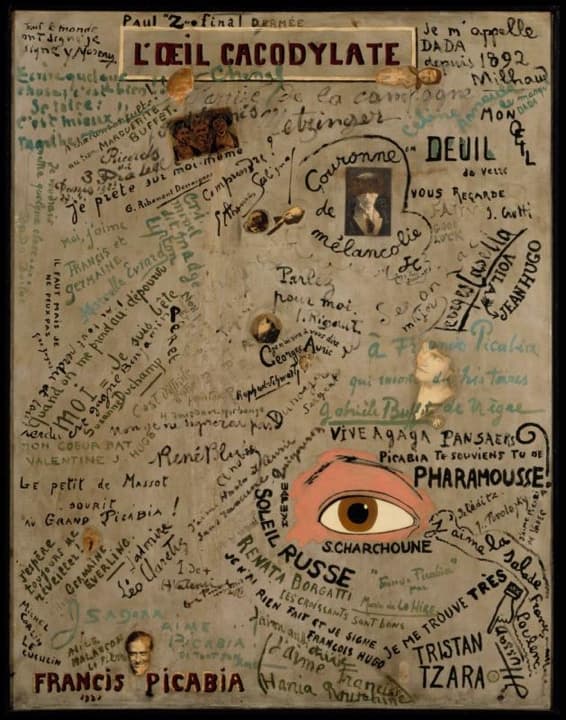
L'Œil cacodylate
Shown at the 14th Salon d'Automne in the Grand Palais, 1 November to 20 December 1921, catalogue number 1876.
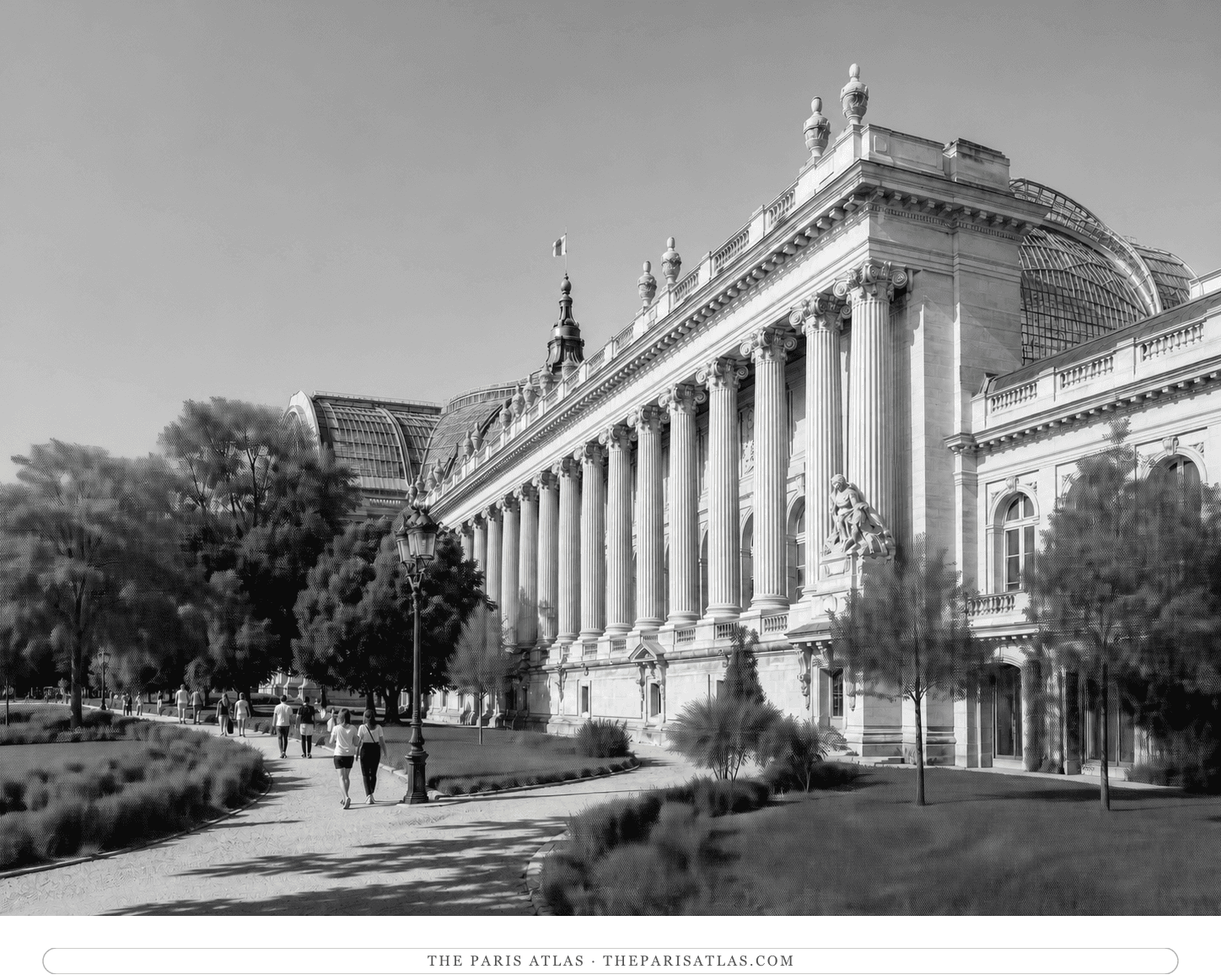
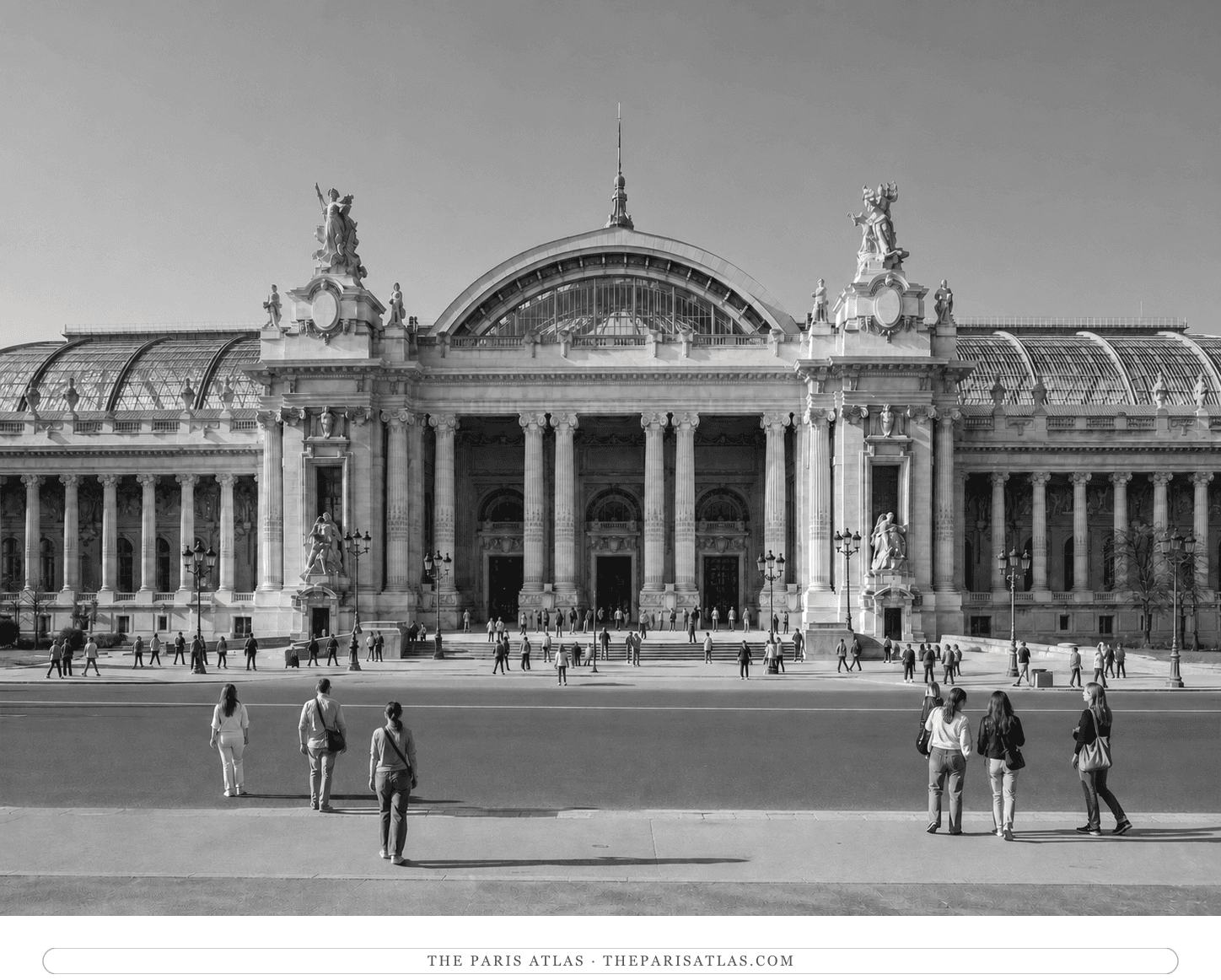
The glass-vaulted exhibition hall on the Champs-Élysées, built for the World's Fair of 1900 and used ever since for the shows Paris wants to hold under one roof — art retrospectives, fashion collections, commissioned sculpture, and the fencing at the 2024 Olympic Games.
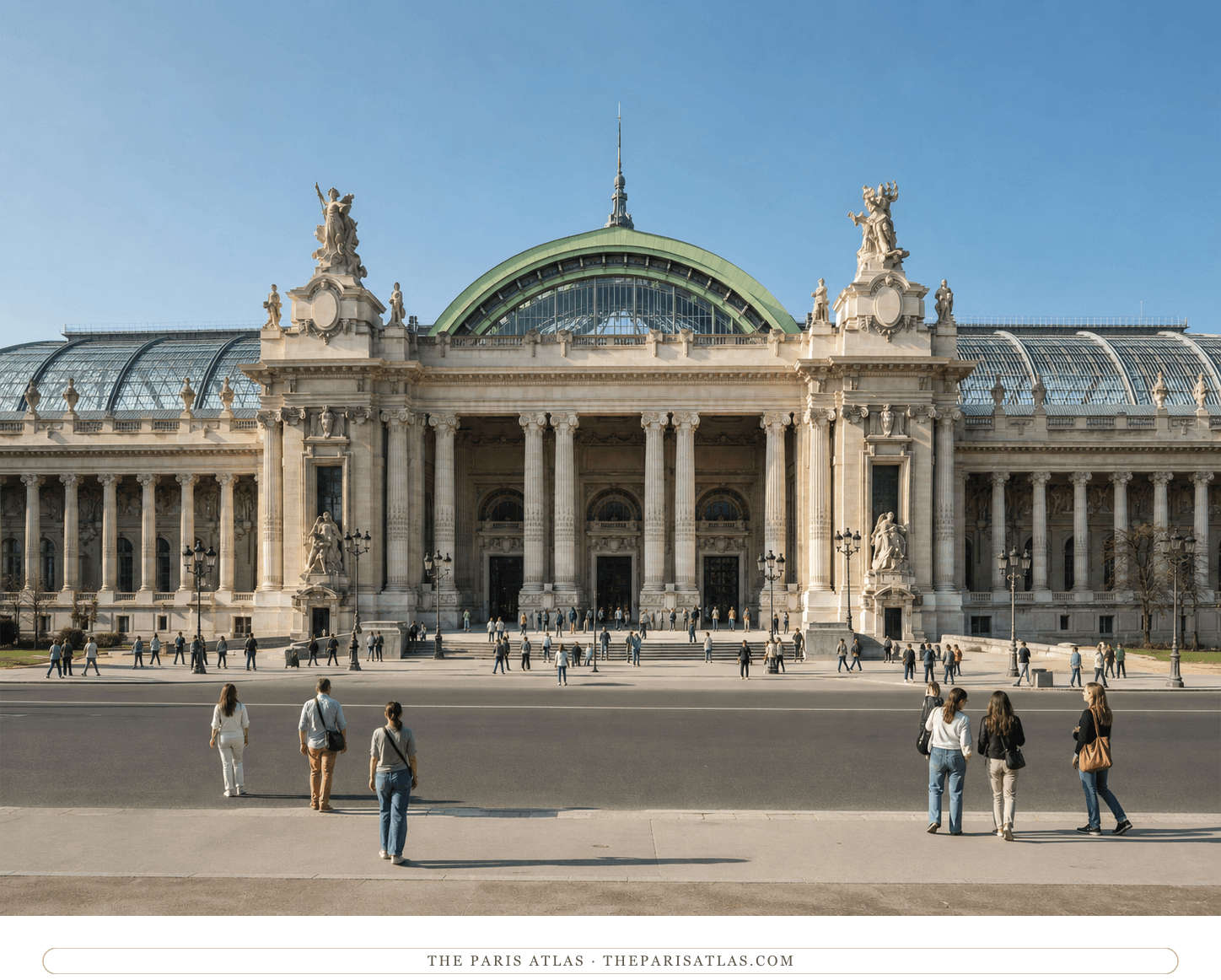
The building exists because of a date. In 1892 the president of the Republic, Sadi Carnot, decided that Paris would hold the World's Fair of 1900; construction of the Grand Palais began in 1897 with three years to finish it, and it opened to the public in May 1900, built of steel, stone and glass. From 1901 it took in the annual exhibitions and the equestrian competitions that the new hall was large enough to hold.
Both wars requisitioned it. In 1914 the Grand Palais became a military hospital and rehabilitation centre for the wounded; in 1940, as state property, it was requisitioned again under the German occupation of Paris. The art programme that made its later reputation began in 1966, when the Galeries nationales staged their first major exhibitions under André Malraux, then minister of culture.
What followed is a list of things that could only happen in a hall this size. In October 1971 Paris gave Francis Bacon a retrospective here, an honour his estate calls exceptional for a living painter; two nights before it opened, his lover George Dyer died of an overdose in their hotel room on the rue des Saints-Pères, and Bacon went to the opening anyway. Keith Haring showed in the Biennale de Paris here in 1985. From the 1990s Karl Lagerfeld staged the Chanel collections under the glass roof, filling the nave season after season with a supermarket, a rocket, a beach; when he died in February 2019, the industry's memorial to him, Karl For Ever, was held in the same hall on 20 June 2019. In 2011 Anish Kapoor filled the nave with Leviathan, an inflated red structure visitors walked into, for the commission called Monumenta.
The nave was listed as a historic monument in 1975 and the whole building followed in 2000. Restoration work began in 2021 and ran four years. During it the Grand Palais took part in the Paris Olympic and Paralympic Games of 2024, holding the fencing and taekwondo events — the second time in its history it has been used for the Olympics — and the complete building reopened in 2025. It now opens Tuesday to Sunday from 9.30 am to 8.00 pm, with late opening on Fridays, and several areas can be entered without a ticket.
President Sadi Carnot decides that Paris will hold the World's Fair of 1900.
Building starts, with three years to complete the hall.
The Grand Palais opens to the public in May for the World's Fair.
The hall begins taking annual exhibitions and equestrian competitions.
Requisitioned in the First World War as a military hospital and rehabilitation centre.
Requisitioned again under the German occupation of Paris.
The Galeries nationales stage their first major exhibitions, under the culture minister André Malraux.
Francis Bacon's retrospective opens in October, two nights after George Dyer's death at the Hôtel des Saints-Pères.
The nave is listed as a historic monument.
Keith Haring shows in the Biennale de Paris, held here.
The whole building is classified as a historic monument.
Anish Kapoor fills the nave with Leviathan for the Monumenta commission.
Karl For Ever, the fashion industry's memorial to Karl Lagerfeld, is held here on 20 June.
A four-year restoration of the building begins.
The Grand Palais holds the Olympic and Paralympic fencing and taekwondo events.
The restored building opens completely.
An exhibition hall on the Champs-Élysées in the 8th arrondissement of Paris, built of steel, stone and glass for the World's Fair of 1900 and used ever since for temporary exhibitions, fashion shows, fairs and sporting events. It holds no permanent collection of its own, which is what separates it from a museum.
Between 1897 and 1900. President Sadi Carnot decided in 1892 that Paris would hold the World's Fair of 1900, work began in 1897 with three years to finish, and the building opened to the public in May 1900.
The Galeries nationales held their first major exhibitions here in 1966 under the culture minister André Malraux. Francis Bacon was given a retrospective in October 1971, Keith Haring showed in the Biennale de Paris here in 1985, and Anish Kapoor filled the nave with Leviathan for the Monumenta commission in 2011. Karl Lagerfeld staged the Chanel collections under the glass roof from the 1990s, and the memorial held for him on 20 June 2019 was in the same hall.
Yes, both times. It was requisitioned in 1914 and used as a military hospital and rehabilitation centre for wounded soldiers, and requisitioned again from 1940, during the German occupation of Paris, as a state-owned building.
It was being restored. The work started in 2021 and ran four years. The building was used during it for the Paris Olympic and Paralympic Games of 2024, which held the fencing and taekwondo events under the glass roof, and the complete building reopened in 2025.
Partly. Exhibitions and events are ticketed, but several areas are free to walk into, including the Rotonde d'Antin, the bookshop-boutiques, the cafés and the surrounding gardens. The building opens Tuesday to Sunday from 9.30 am to 8.00 pm, with a late opening on Friday evenings, and the main entrance is at Square Jean Perrin on the avenue du Général Eisenhower.
On display here
Shown at the 14th Salon d'Automne in the Grand Palais, 1 November to 20 December 1921, catalogue number 1876.
On display here
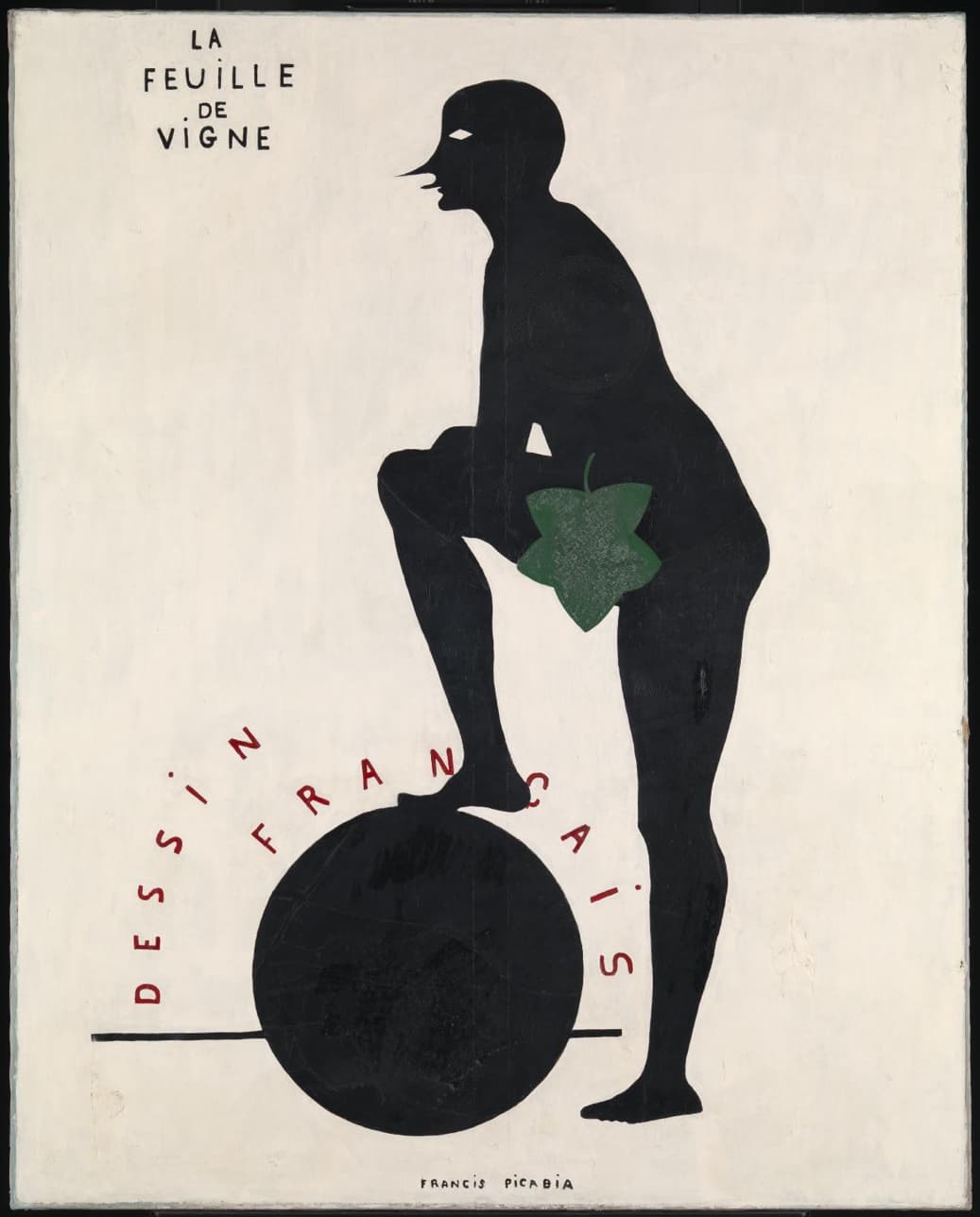
Shown at the Salon d'Automne of 1922 in the Grand Palais, catalogue number 1896, as La Feuille de vigne. The critic Maurice Raynal wrote that the Salon hung Francis Picabia's pictures in the highest, dirtiest, darkest vault of the hallway.
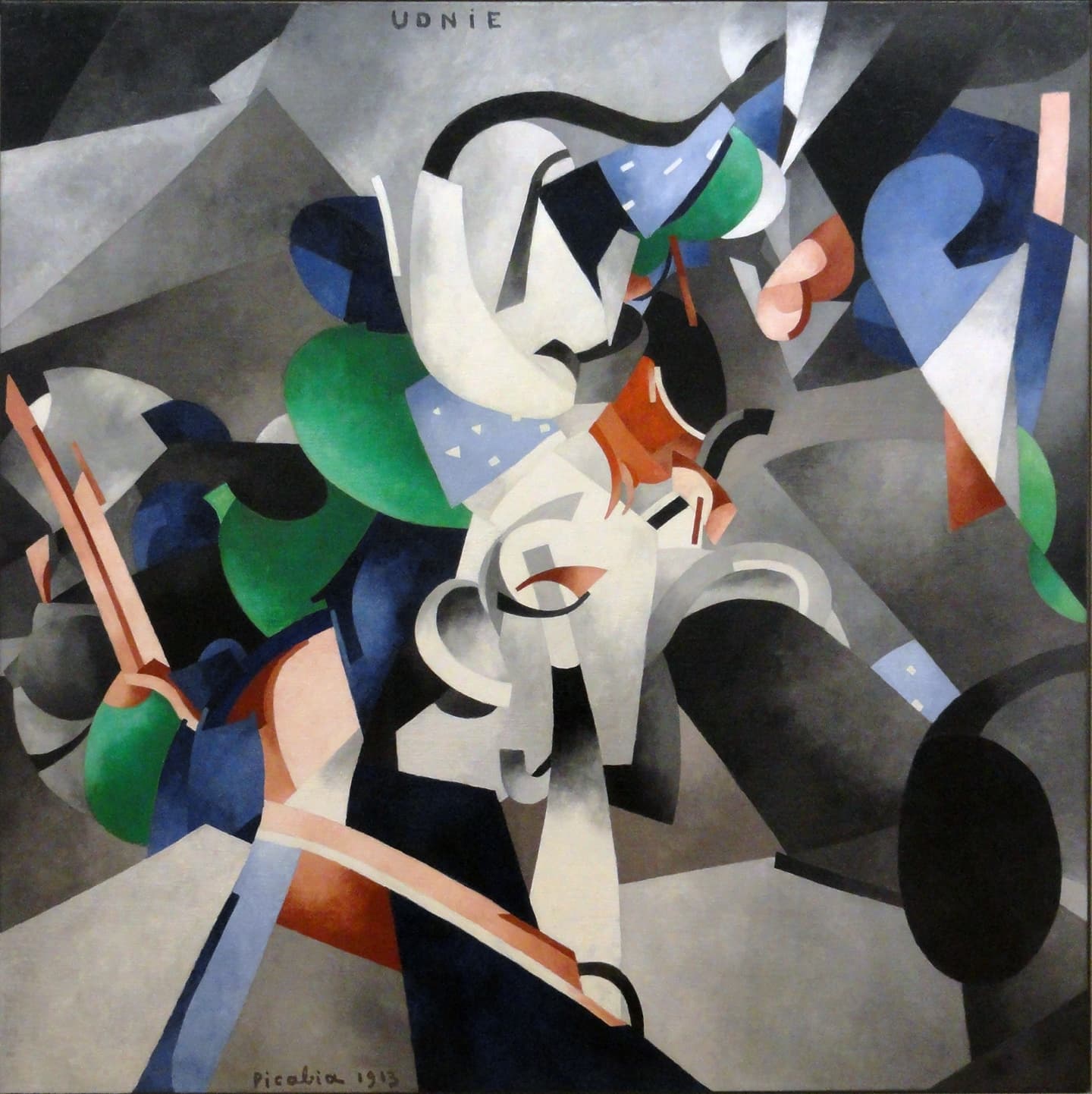
On display here
Shown at the 11th Salon d'Automne in the Grand Palais, 15 November 1913 to 5 January 1914, catalogue number 1676, as Udnie (jeune fille américaine) (danse). The Centre Pompidou says the painting caused a sensation there.
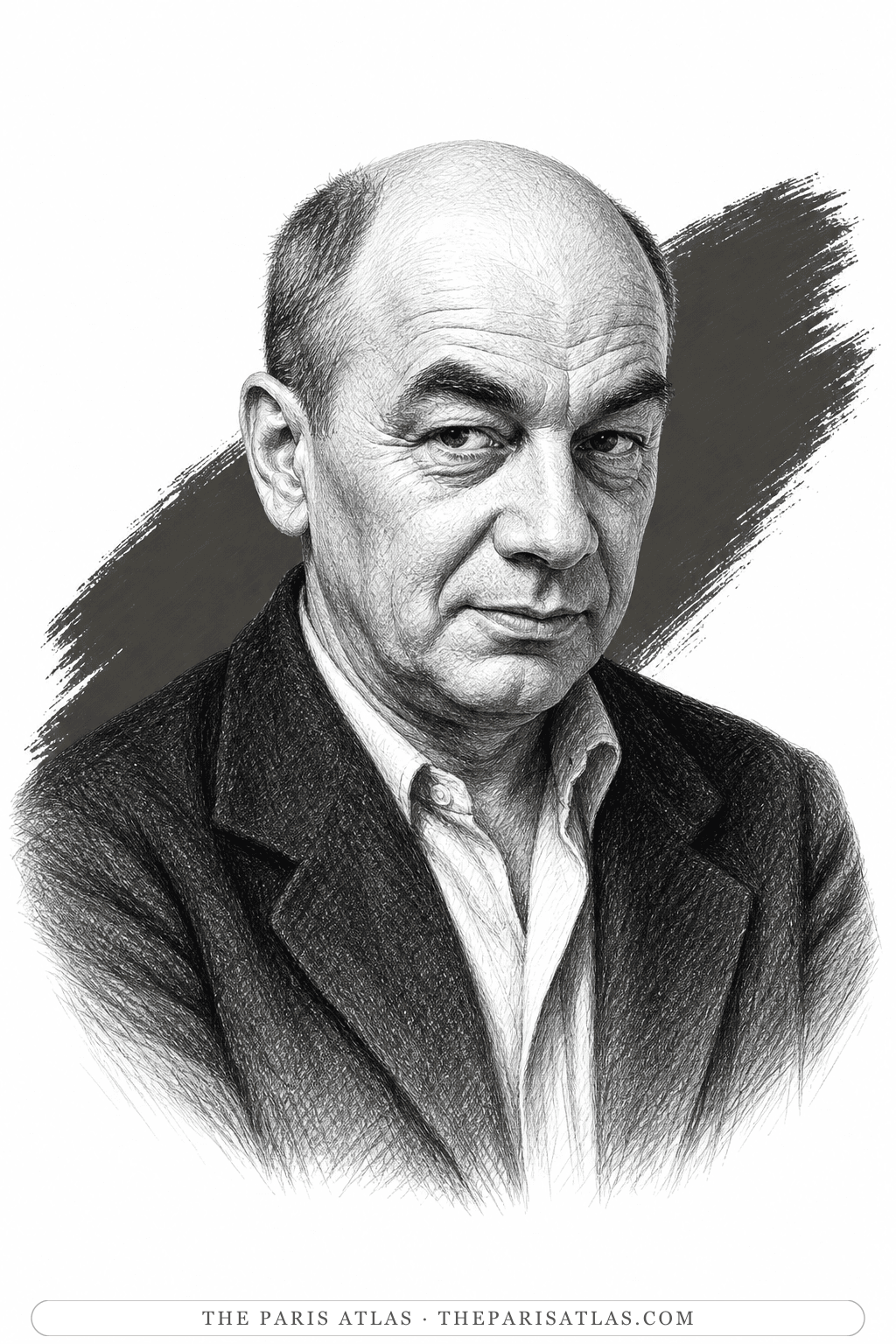
Exhibited here · 1973
Dubuffet presented the Paris version of Coucou Bazar at the Grand Palais during the 1973 Festival d’Automne.
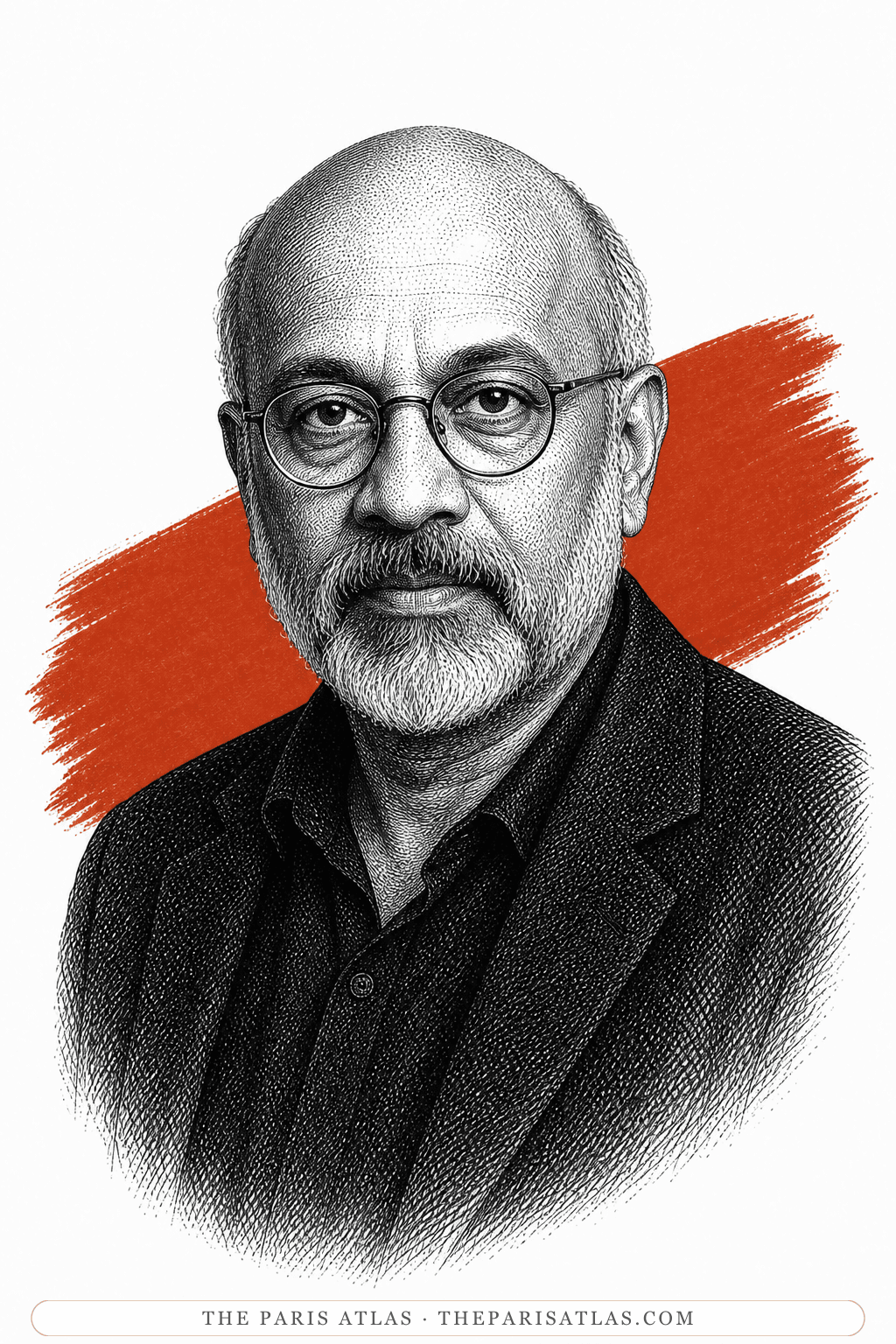
Monumenta hands the whole nave of the Grand Palais to one artist. Anish Kapoor took it in 2011 with Leviathan, an inflated red structure that visitors walked into, four years before the six works he installed in the gardens of Versailles.
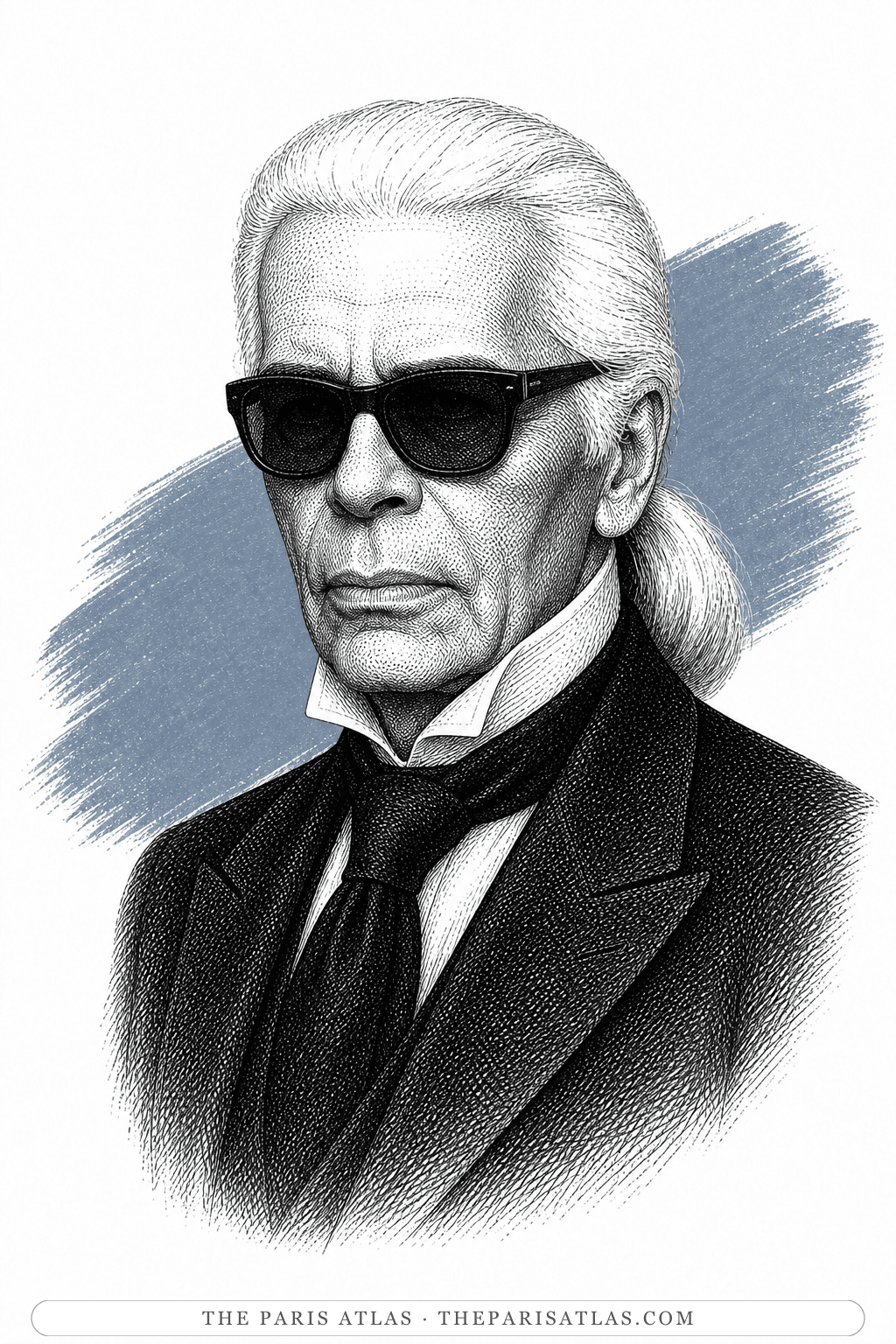
Karl Lagerfeld staged the Chanel collections in the nave of the Grand Palais from the 1990s until his death, building a supermarket, a rocket and a beach inside the hall for the shows. Vogue's report on the memorial held for him there on 20 June 2019 calls it the place where he treated so many to his spectacular transports of imagination with his Chanel shows. The end year is his death on 19 February 2019 and the memorial that followed; the start is approximate, since the collaboration was a run of seasons rather than a dated appointment.
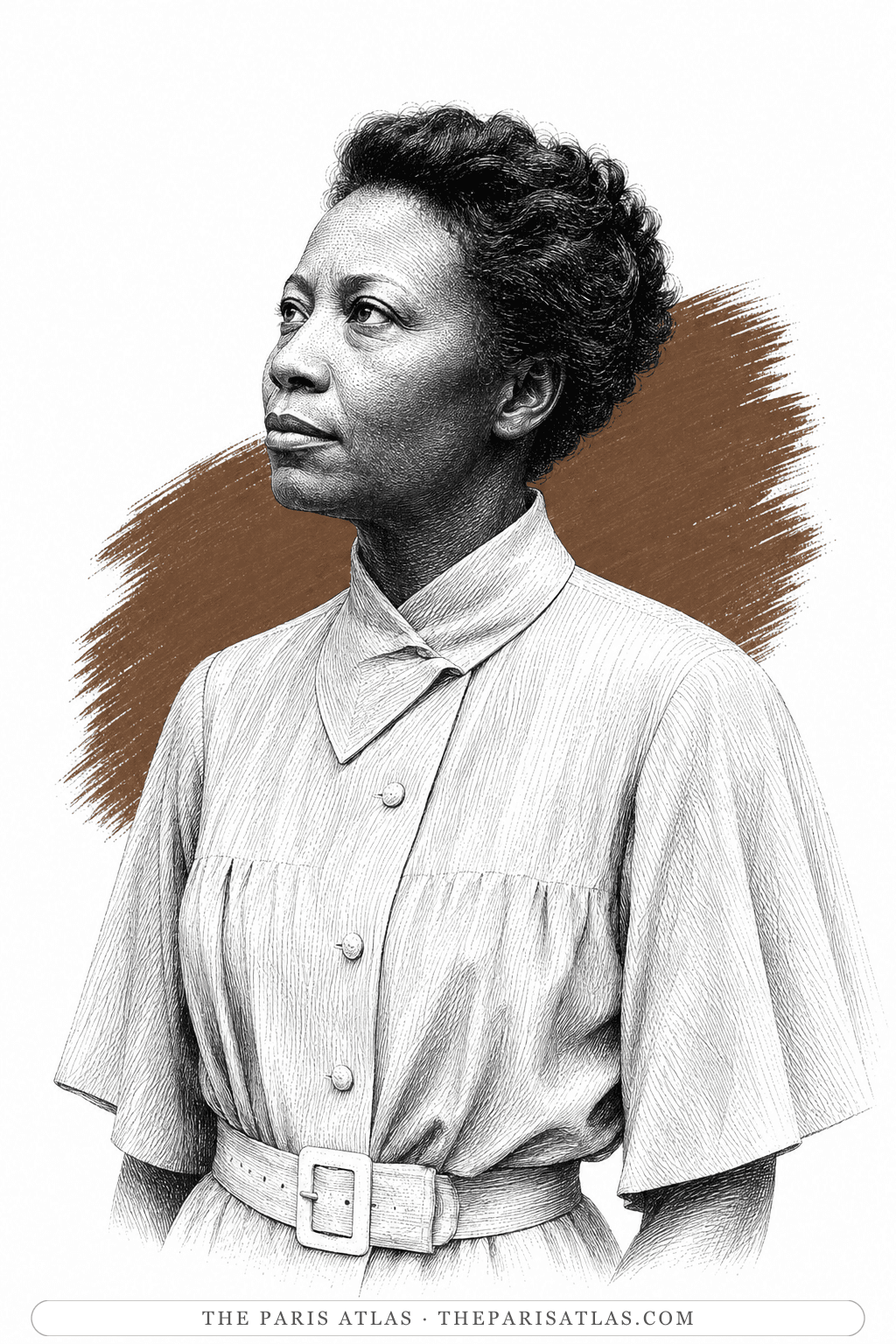
Two of Savage's sculptures were accepted by the Salon d'Automne and exhibited at the Grand Palais during her 1929–1931 Paris period.
Art movement · c. 1905–1908
The short, loud Paris movement that freed colour from description — Henri Matisse and André Derain's blazing canvases of 1905, named 'wild beasts' by a mocking critic at the Salon d'Automne.
Enter the movementArt & design movement · circa 1890–1914
Art Nouveau brought flowing natural forms to architecture and design around 1900. Its artists, buildings, posters, objects and surviving Paris interiors.
Enter the movement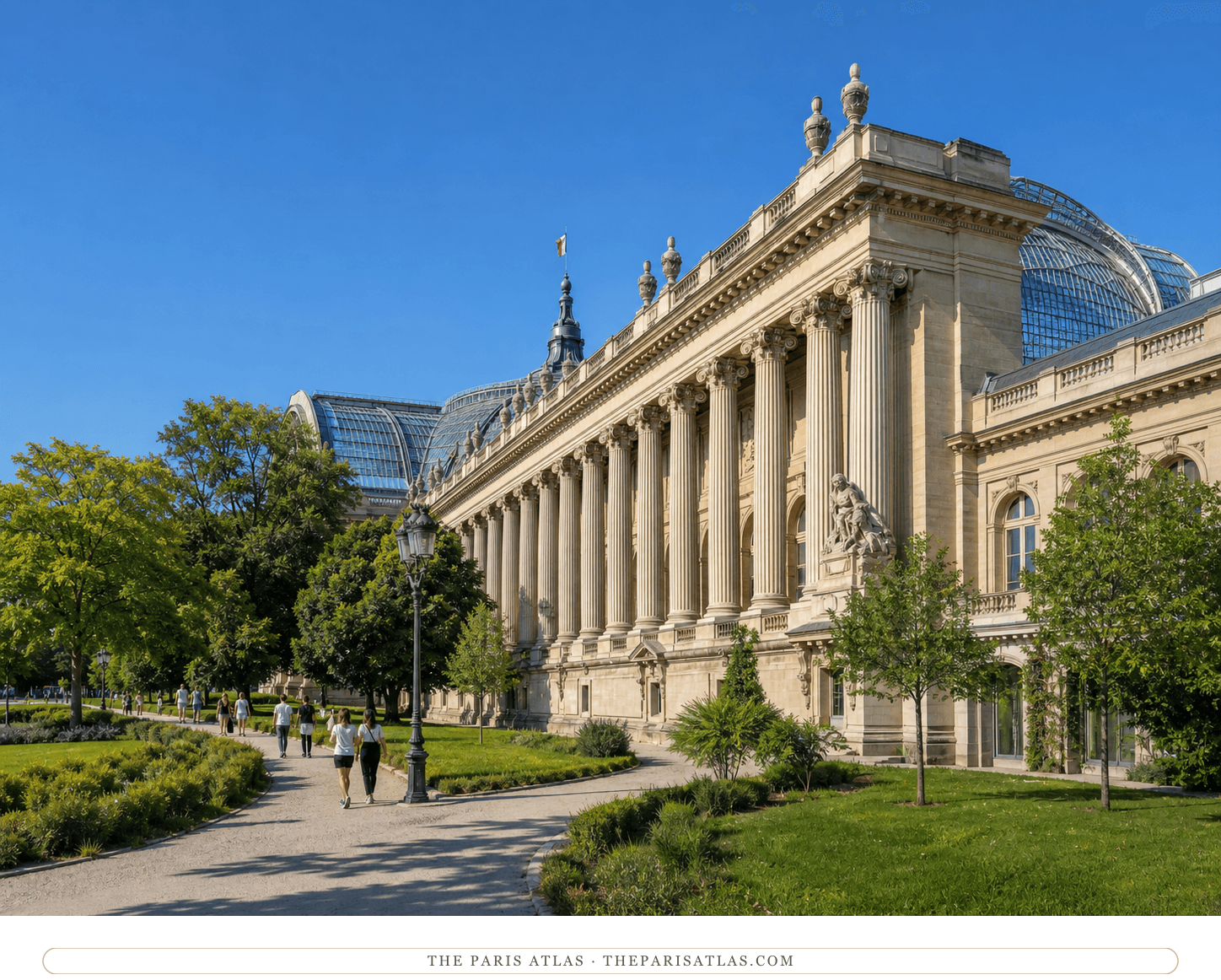
The vast iron-and-glass exhibition hall on the Champs-Élysées that housed the annual Salon — and, in 1863, the Salon des Refusés, where Manet's Déjeuner sur l'herbe was hung and mocked. It was demolished to make way for the Grand Palais.
Visit the place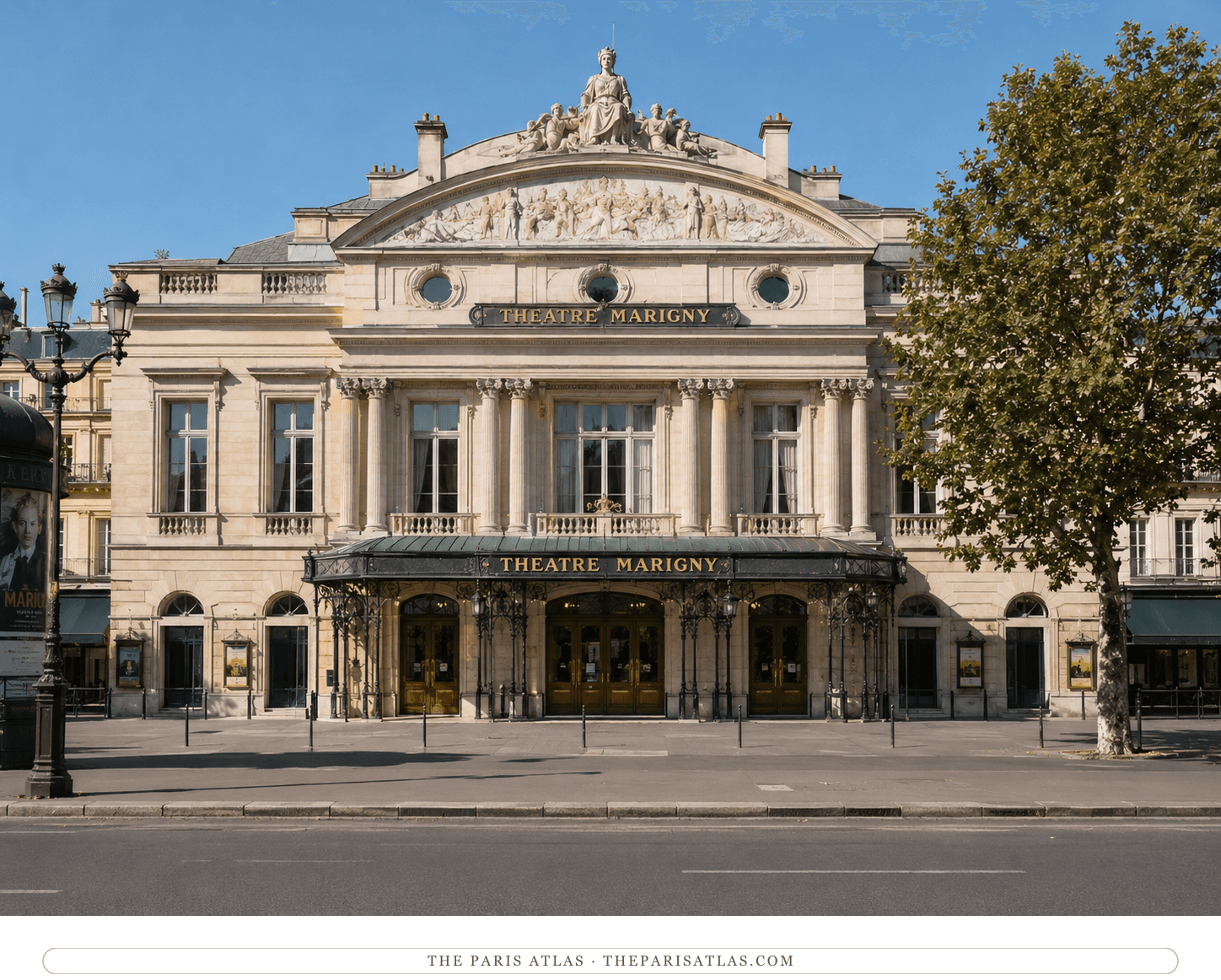
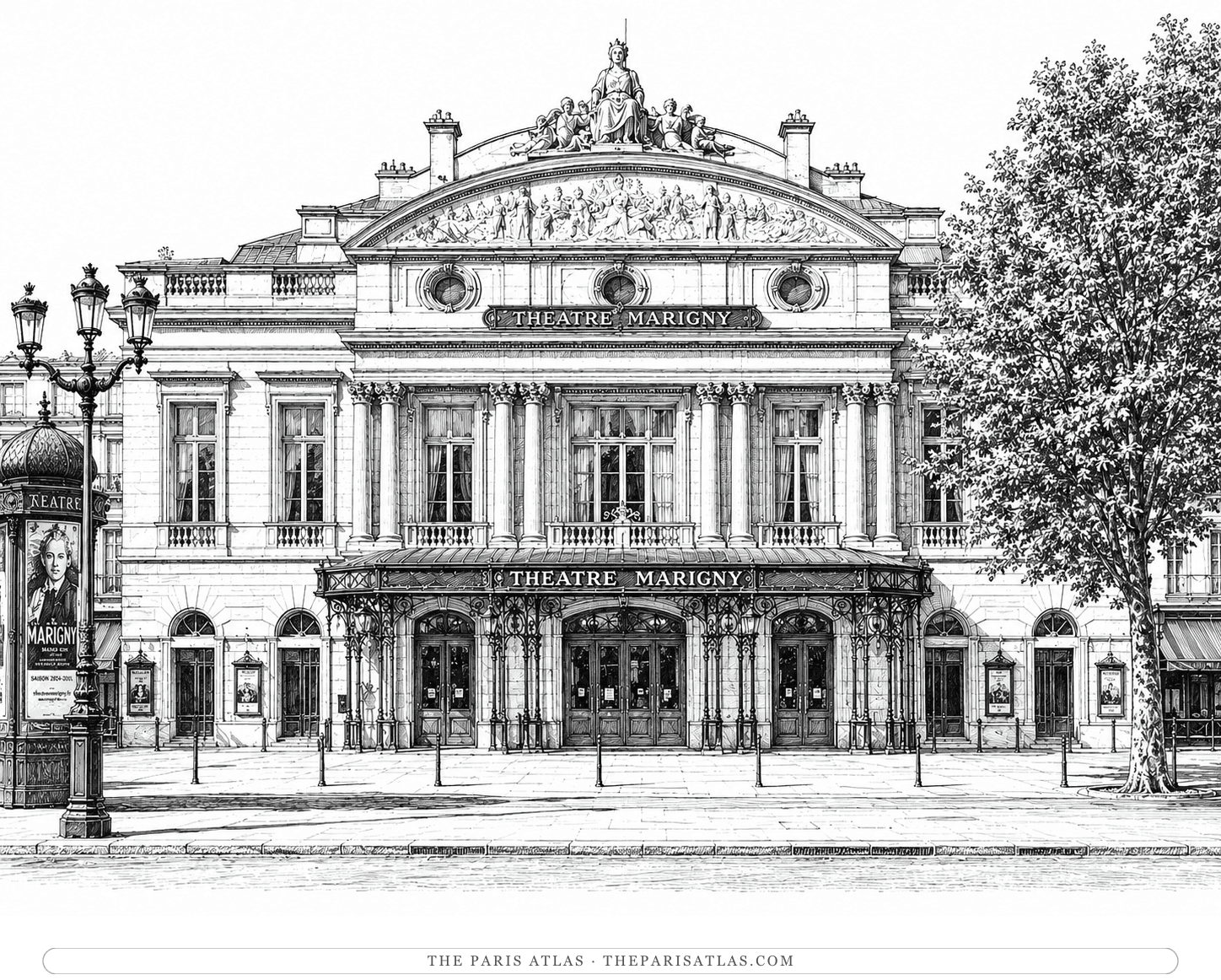
The theatre in the Champs-Élysées gardens where Colette played Paniska in Pan in 1906.
Visit the place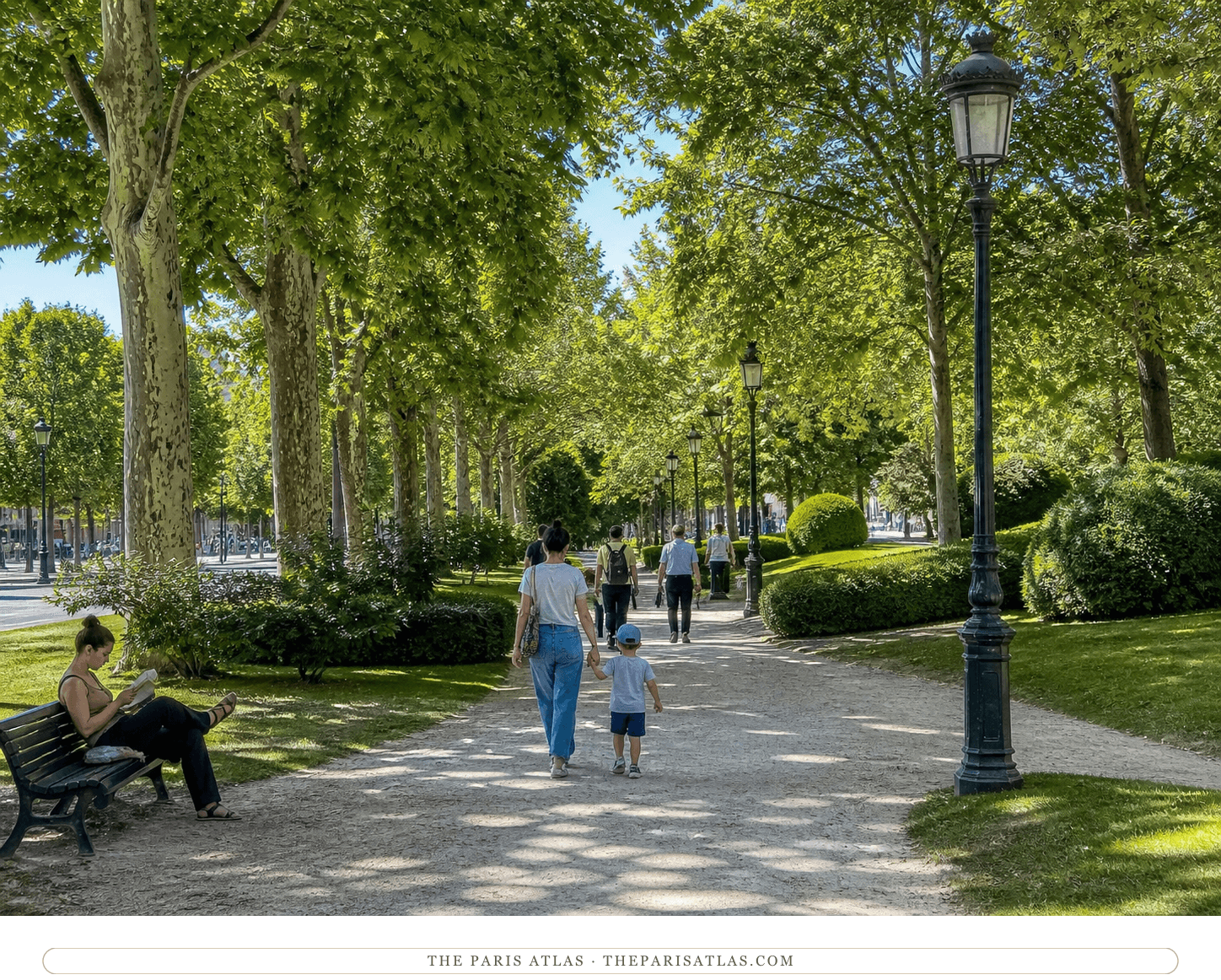
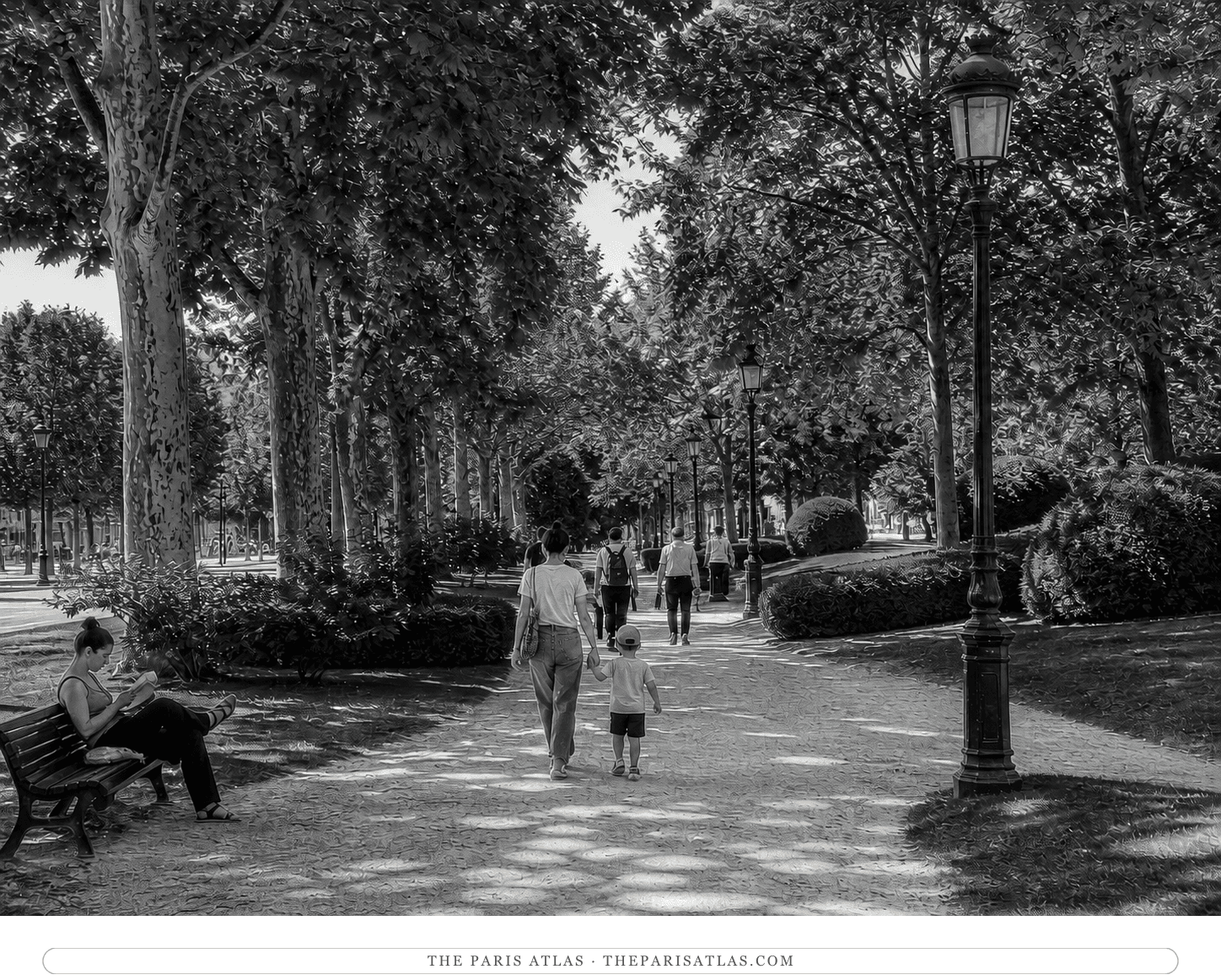
The gardens along the lower Champs-Élysées, between the Rond-Point and the Concorde — where the young Marcel Proust played, and where in July 1886 he met Marie de Bénardaky, his first love and a source for Gilberte in In Search of Lost Time. One of the paths is now officially the Allée Marcel-Proust.
Visit the place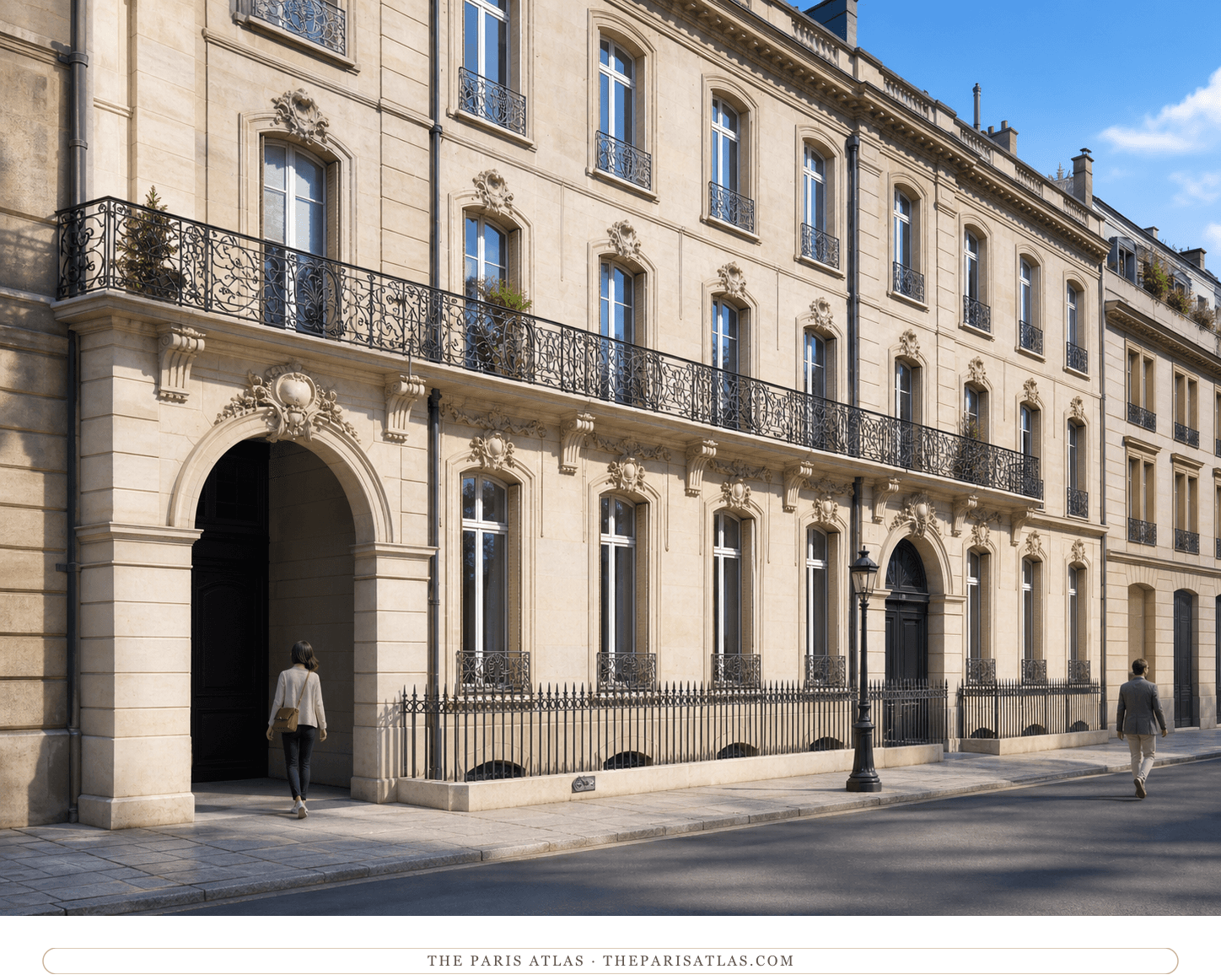
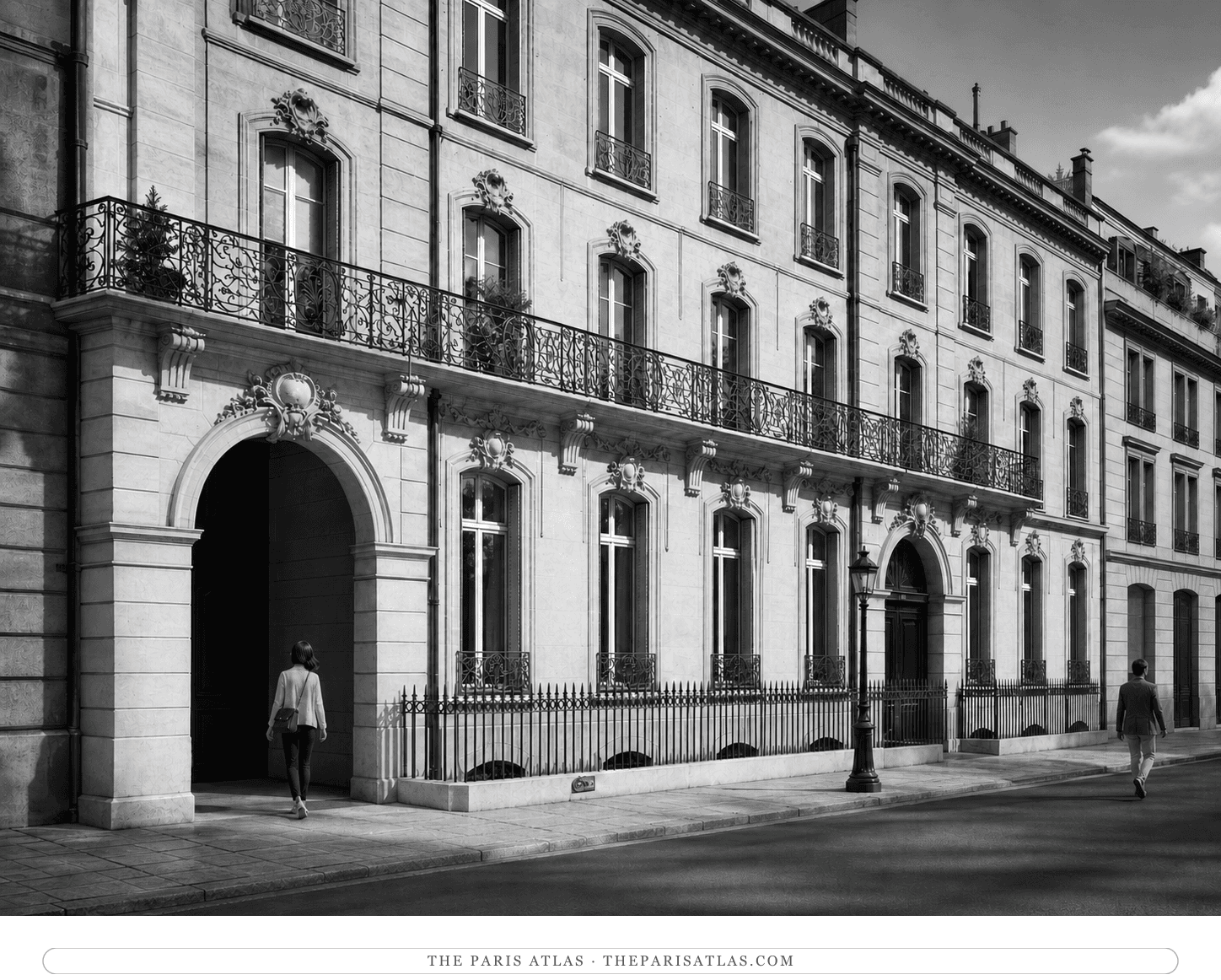
The surviving mansion that housed the American Library in Paris from 1920 to 1936—a center of transatlantic reading and literary life where Langston Hughes unsuccessfully asked for work.
Visit the placeThe sources below include histories, archival materials, scholarly research, and official records that informed this page. They document Grand Palais, the people connected to it, and its place in Paris.


The building's own history: Sadi Carnot's decision of 1892, the three-year build from 1897, the opening in May 1900, the requisitions of 1914 and 1940, the Galeries nationales under Malraux in 1966, the listings of 1975 and 2000, the restoration from 2021, the 2024 Games and the reopening in 2025.
Opening times, the free-access areas, and the main entrance at Square Jean Perrin, 17 avenue du Général Eisenhower.
The 1971 retrospective, which the estate calls an honour exceptional for a living painter, and George Dyer's death two nights before the opening.
The foundation's year-by-year record of group shows, which places Keith Haring in the Biennale de Paris at the Grand Palais in 1985.

The Karl For Ever memorial of 20 June 2019, held in the hall where Karl Lagerfeld had staged the Chanel shows.
The artist's exhibition record, for Leviathan and the Monumenta commission of 2011.
Map data used to verify addresses, geographic coordinates, and the placement associated with Grand Palais.
These references provide the documented foundation for this page's history and context. Claim-level citations remain attached to the specific claims they support.
 Explore more resources
Newsletter
The cafés, studios, and walk-up flats where the work was made — one story from the map in every letter.