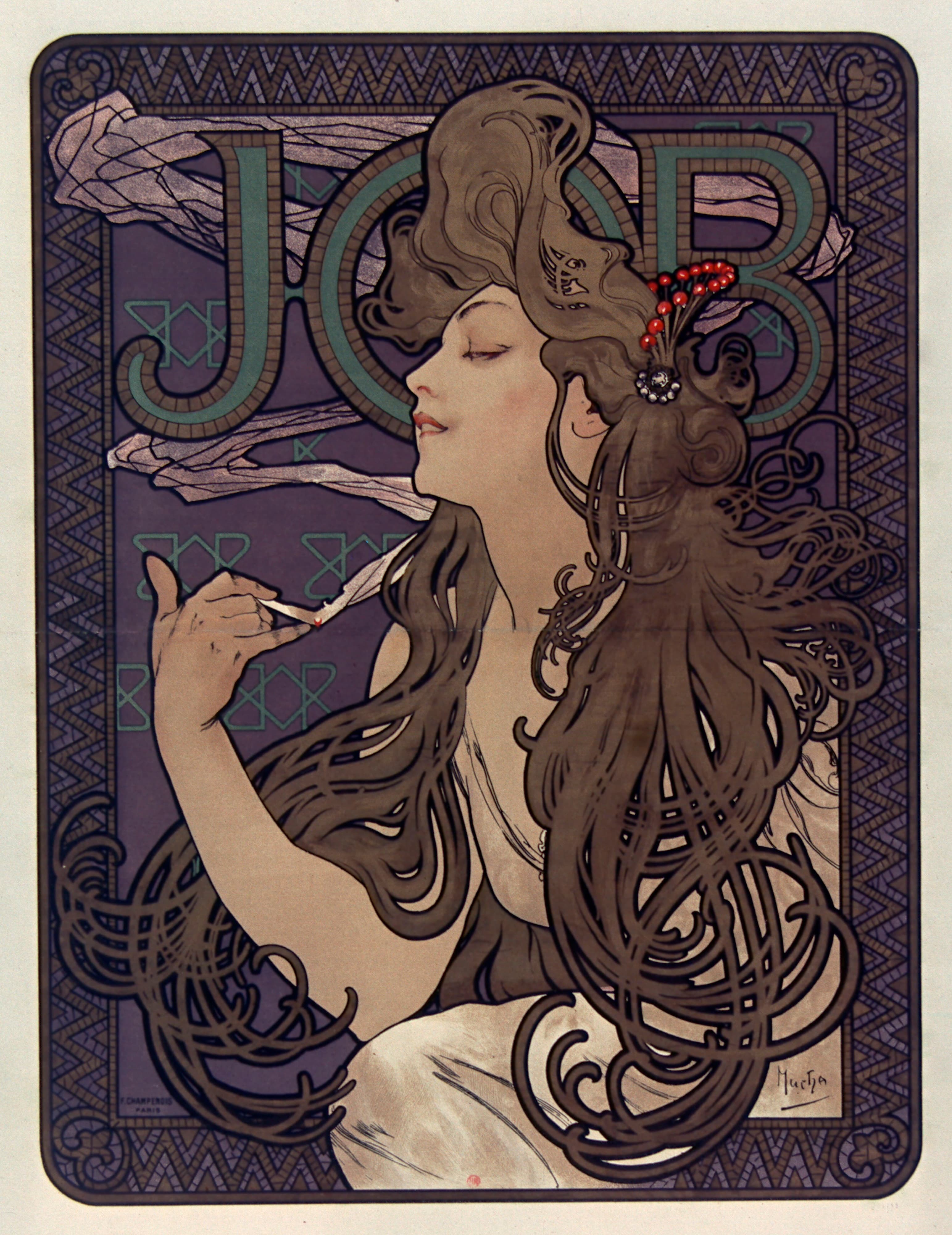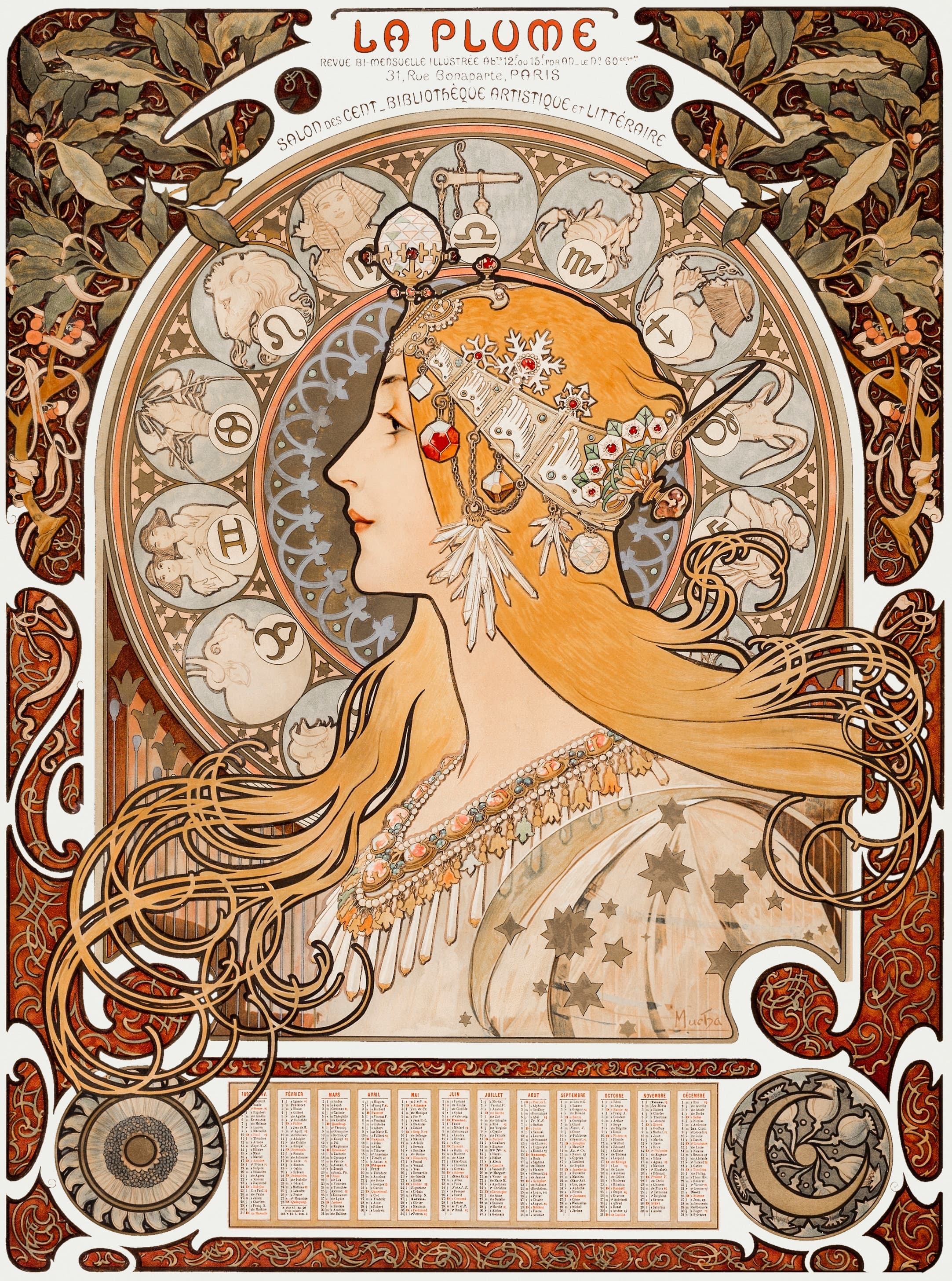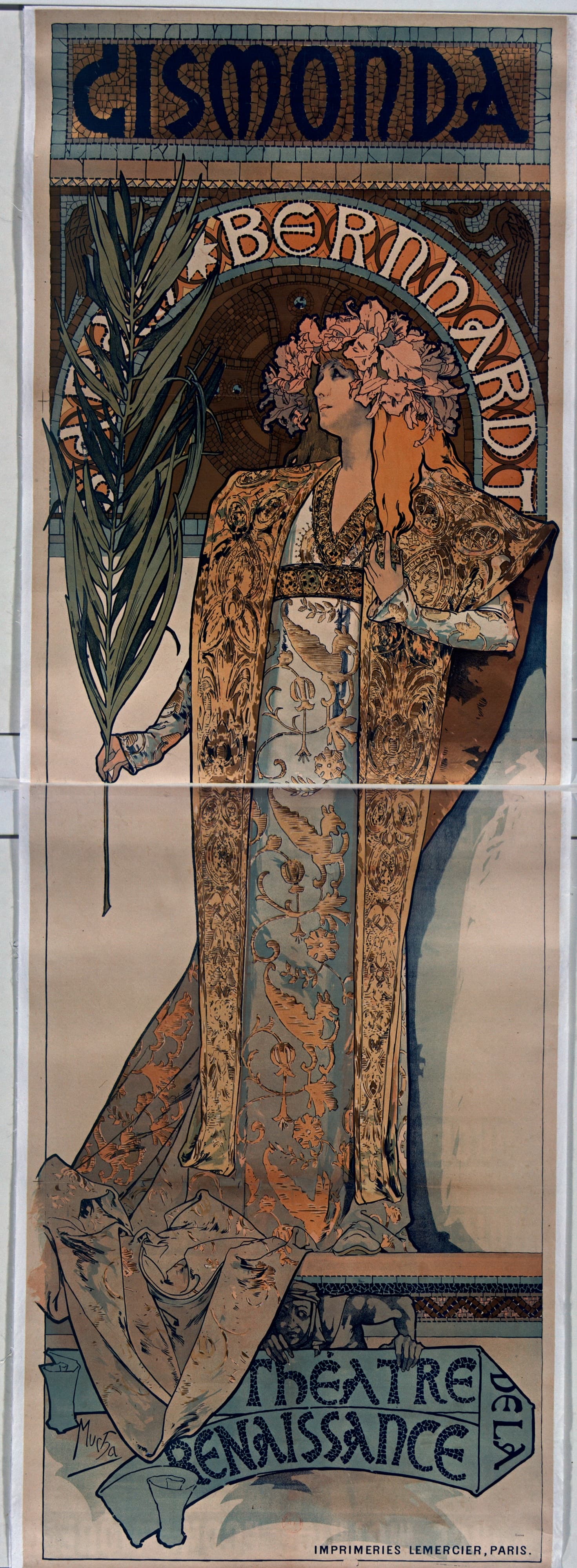
Alphonse Mucha became famous in a single week. On 26 December 1894 he happened to be the only artist on hand at the Lemercier printing house when Sarah Bernhardt telephoned demanding a new poster for her play Gismonda by New Year's Day. His answer — a life-size Bernhardt in Byzantine robes, in muted golds nobody used on posters — was on the walls of Paris on 1 January 1895, and collectors were bribing billstickers for copies within days.
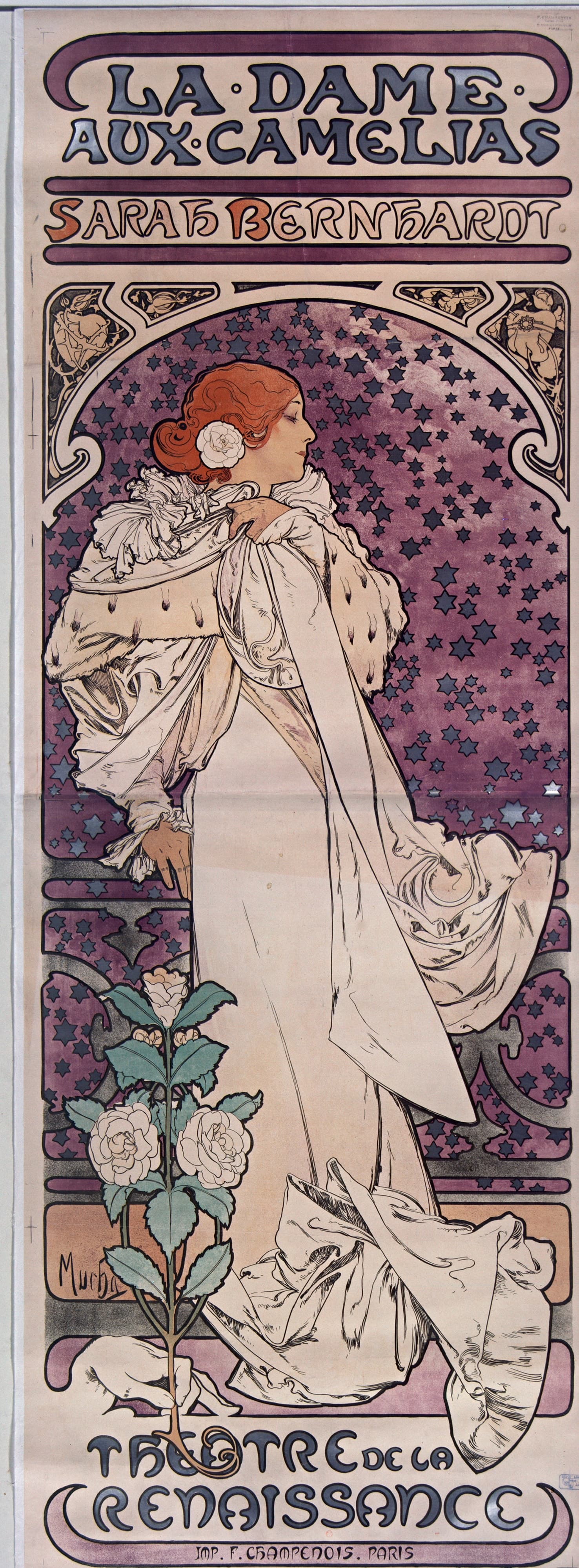
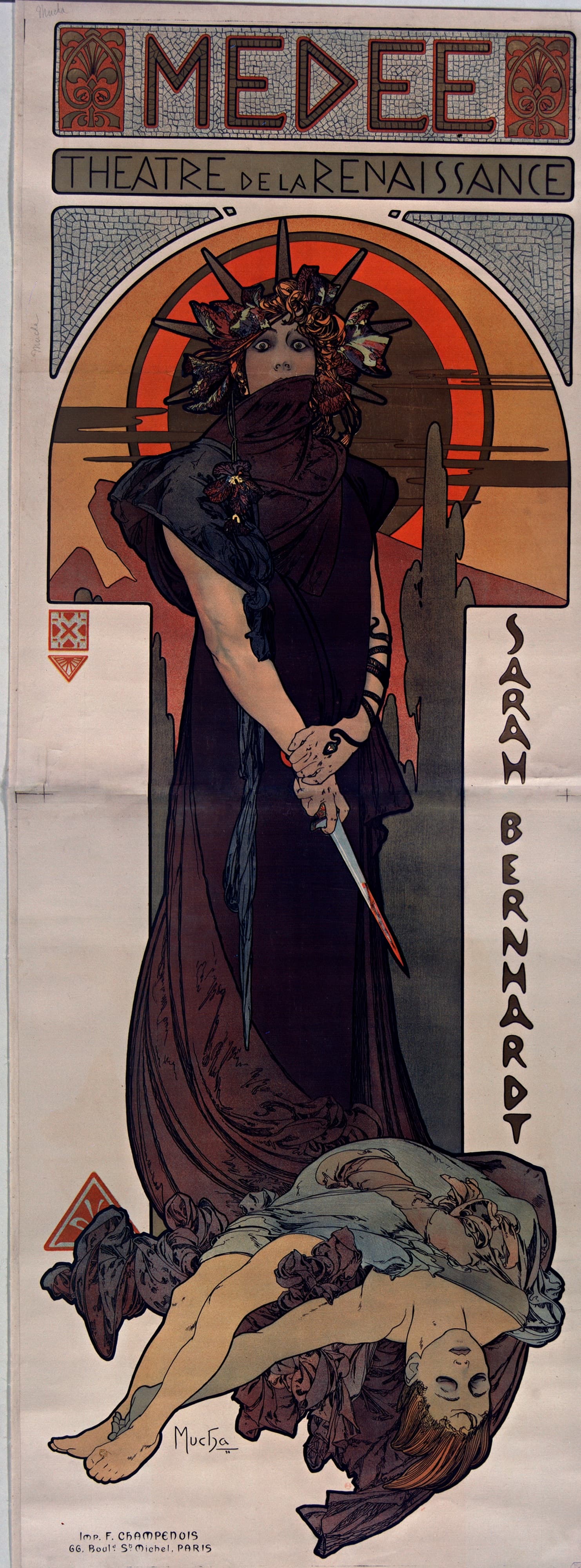
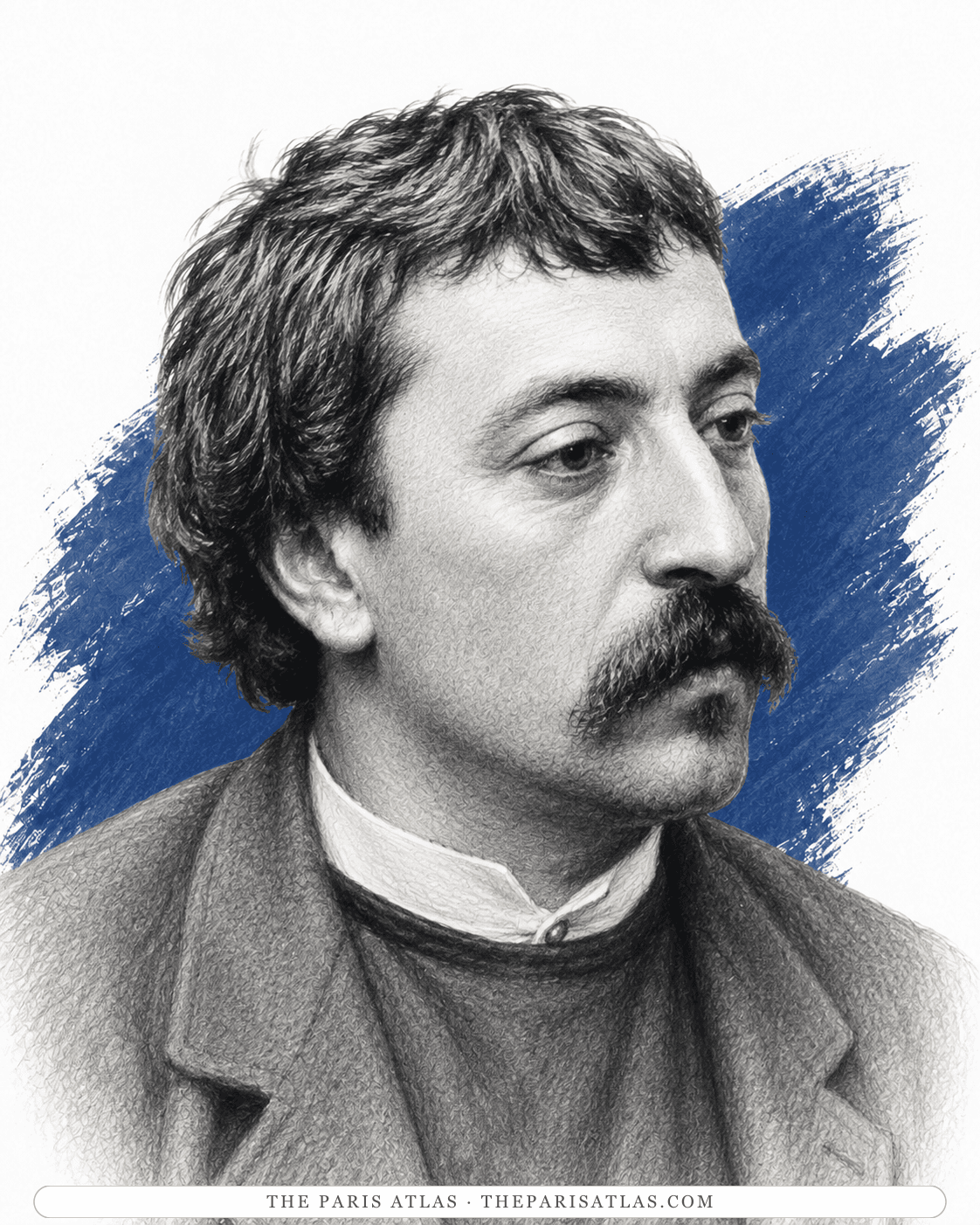
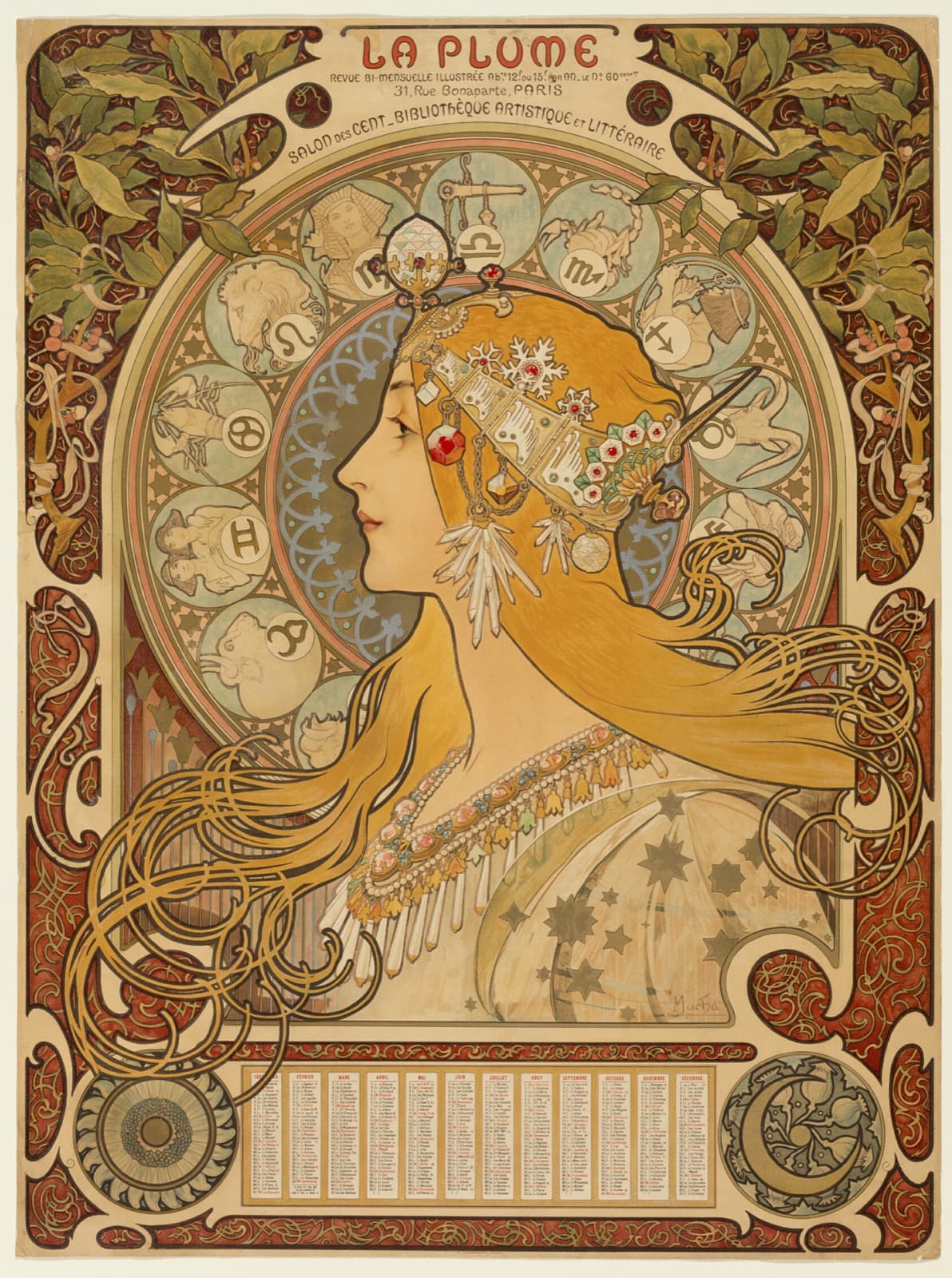
Bernhardt signed him to a six-year contract, and the posters that followed — La Dame aux Camélias, Lorenzaccio, Médée — put what Paris called le style Mucha on every kiosk in the city. He had arrived from Moravia in 1888 as a poor student, shared his Montparnasse studio with a broke Paul Gauguin in 1893, and spent his last decades on the Slav Epic, twenty vast canvases for his own nation. For a time the new decorative style was known in Paris simply by his name, before 'Art Nouveau' stuck; he always insisted he had never joined any movement at all.