The Paris AtlasCharting the artists, works, and places worth returning to.
  • Fashion designer
· French · 1879–1944

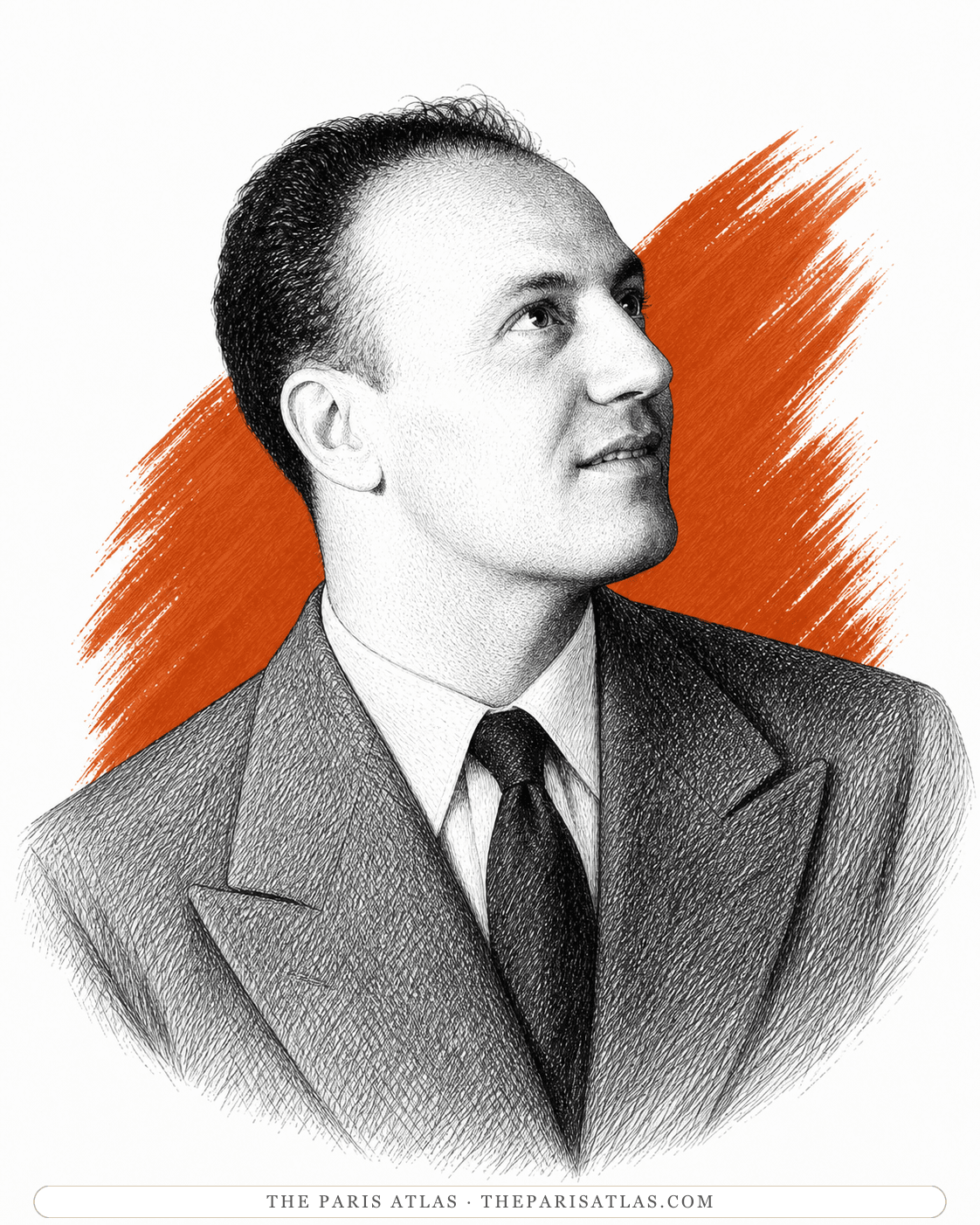
Paul Poiret

The couturier who freed women from the corset and made Paris fashion an art before the First World War, then died forgotten and poor in 1944.

Details

Lived
1879–1944
Born
20 April 1879
Birthplace
Paris
Birth name
Alexandre Paul Poiret
Died
30 April 1944 · aged 65
Place of death
Paris
Nationality
French
Profession
Couturier and designer
Major works
the corsetless silhouette, the kimono coat and hobble skirt, Parfums de Rosine, and the Martine decorative studio
Married
Denise Boulet · married 1905
Roles
Fashion designer

About Paul Poiret

French couturier who freed women from the corset and ruled Paris fashion before 1914

Paul Poiret was a French couturier, born in Paris on 20 April 1879, the most famous fashion designer in the world in the decade before the First World War. He is credited with freeing women from the corset, building the modern fashion house as a brand of clothes, perfume and interiors, and treating dress as an art on the level of the painting and music around him.

The son of a cloth merchant in Les Halles, he sold sketches to the great houses as a teenager, worked for Jacques Doucet and the House of Worth, and opened his own maison in 1903. He dismissed the petticoat, then the corset, and dressed a new uncorseted, straight-lined body in kimono coats, harem trousers and the narrow hobble skirt, of which he said he had freed the bust and shackled the legs. He was the first French couturier to launch a signature perfume and staged parties, like the 1911 Thousand and Second Night, that made fashion the talk of Paris.

The war ended his reign. He returned in 1919 to find Coco Chanel's plain, well-made clothes had made his elaborate style look dowdy; the house closed in 1929, its stock sold off as rags. Poiret died in Paris on 30 April 1944, aged 65, poor and largely forgotten, his burial paid for by Elsa Schiaparelli.

Les Halles, Doucet, and the House of Worth, 1879–1903

Alexandre Paul Poiret was born on 20 April 1879 to a cloth merchant in the working-class Les Halles district of Paris. His parents apprenticed him to an umbrella maker to curb his pride; he saved the silk scraps and dressed a small mannequin his sister had given him. As a teenager he sold sketches to the dressmaker Louise Chéruit and other houses, and in 1898 the couturier Jacques Doucet hired him. His first design, a red cloth cape, sold four hundred.

In 1901 he moved to the House of Worth, tasked with simple, practical dresses that Gaston Worth dismissed as fried potatoes beside the house's truffles. His modern cut alarmed Worth's conservative clients, one Russian princess recoiling from a kimono-like coat, and the reaction pushed Poiret to found his own house.

The corsetless revolution, 1903–1914

Poiret opened his maison in 1903 and rewrote the rules of dress. He dropped the petticoat in 1903 and the corset around 1906, designing loose kimono coats and columnar gowns for a slim, uncorseted figure. He also invented the narrow hobble skirt that bound the ankles, and summed up the trade-off himself: he had freed the bust and shackled the legs. His taste ran to straight-cut, draped fabric and Orientalist fantasy over the tailoring and patterns of the past.

He was as much a showman as a designer. He mounted lavish window displays and parties. The grandest was the 1911 costume ball he called the Thousand and Second Night, where he played the sultan and his wife Denise emerged from a golden cage. He handed out his new perfume to the guests. That year he became the first French couturier to launch a signature fragrance, Parfums de Rosine, named for one daughter, and opened the Martine decorative-arts studio, named for another, training working-class girls in design. In 1911 he had the photographer Edward Steichen shoot his gowns as art for the magazine Art et Décoration, in what is often called the first modern fashion photography.

Fashion and the avant-garde, 1911–1916

Poiret placed himself at the centre of the Paris art world, not just its dress. He collected modern art, and beside his mansion on the avenue d'Antin he backed the Galerie Barbazanges, keeping the right to stage his own exhibitions there. In July 1916 the Salon d'Antin, organised in his space by André Salmon, gave Pablo Picasso's Les Demoiselles d'Avignon its first public showing. The same events carried readings by Max Jacob and Guillaume Apollinaire, and new music by Erik Satie, Igor Stravinsky, Darius Milhaud and Georges Auric.

The war, the collapse, and death, 1914–1944

Poiret left the house to serve in the army in the First World War, and came back in 1919 to a business near bankruptcy. Fashion had moved on: Coco Chanel and others were making simple, superbly finished clothes, and Poiret's elaborate designs, built to read beautifully from a distance rather than to last, looked dowdy by comparison. A 1922 trip to design for Broadway did not save him.

Deep in debt and out of favour, Poiret left the house he had built, and in 1929 it closed, its remaining stock sold by the kilo as rags. His last years were spent in poverty, painting in the street and selling drawings to café customers; the couture trade body discussed a monthly allowance for him, and its president, a Worth, refused. Only his old designer France Martano fed him and his friend Elsa Schiaparelli kept his name alive. He died in Paris on 30 April 1944, aged 65, his genius forgotten, and Schiaparelli paid for the burial.

How Poiret worked

Poiret's method was draping, not tailoring. Where the great houses cut and fitted from patterns, he hung fabric along straight lines and let it fall, decorating with flat rectangular motifs drawn from antique and Eastern dress. The approach made his clothes look startlingly modern and, as he admitted, not always well built; he aimed for a dress to read beautifully from afar, and the construction beneath did not always match the effect.

His larger invention was the fashion house as a total brand. Poiret was among the first to wrap clothes in perfume, interiors, packaging by artists like Erté and Raoul Dufy, staged parties, art exhibitions and fashion photography, so that buying a Poiret meant buying into a whole imagined world. Nearly every element of modern luxury-brand marketing traces back to what he did before 1914.

Reputation

Poiret's standing recovered long after his death. Historians now credit him with the pivotal move into modern fashion, the shift from the corseted, tailored nineteenth-century body to the draped, straight-lined twentieth-century one, and with establishing the paradigm of designer as artist and brand. His clothes are held by fashion museums worldwide.

The market confirmed the revival. At a 2005 auction of his wife Denise's wardrobe, a single 1914 coat sold for 110,000 euros. The Metropolitan Museum of Art bought heavily there, building the core of its 2007 retrospective Poiret: King of Fashion. His perfume house, Parfums de Rosine, was relaunched in 1991.

Life events

  1. 1879

    Born Alexandre Paul Poiret in the Les Halles district of Paris on 20 April.

    Paul Poiret

  2. 1898

    Hired by the couturier Jacques Doucet after selling him sketches; his first cape sells four hundred.

    Paul Poiret

  3. 1901

    Moves to the House of Worth, where his modern cut unsettles the conservative clientele.

    Paul Poiret

  4. 1903

    Opens his own fashion house and dismisses the petticoat.

    Paul Poiret

  5. 1906

    Does away with the corset, dressing an uncorseted, straight-lined figure.

    Poiret: King of Fashion

  6. 1911

    Throws the Thousand and Second Night ball, launches Parfums de Rosine and the Martine studio, and has Steichen photograph his gowns as art.

    Paul Poiret

  7. 1916

    Hosts the Salon d'Antin at his Galerie Barbazanges, where Picasso's Les Demoiselles d'Avignon is first shown publicly.

    Paul Poiret

  8. 1919

    Returns from the war to find his house near bankruptcy and his style eclipsed by Chanel.

    Paul Poiret

  9. 1929

    The House of Poiret closes; its remaining stock is sold off by the kilogram as rags.

    Paul Poiret

  10. 1944

    Dies poor and forgotten in Paris on 30 April, aged 65; Elsa Schiaparelli pays for his burial.

    Paul Poiret

  11. 2007

    The Metropolitan Museum of Art mounts the retrospective Poiret: King of Fashion.

    Poiret: King of Fashion

People they knew

Documented connections — every one carries its source.

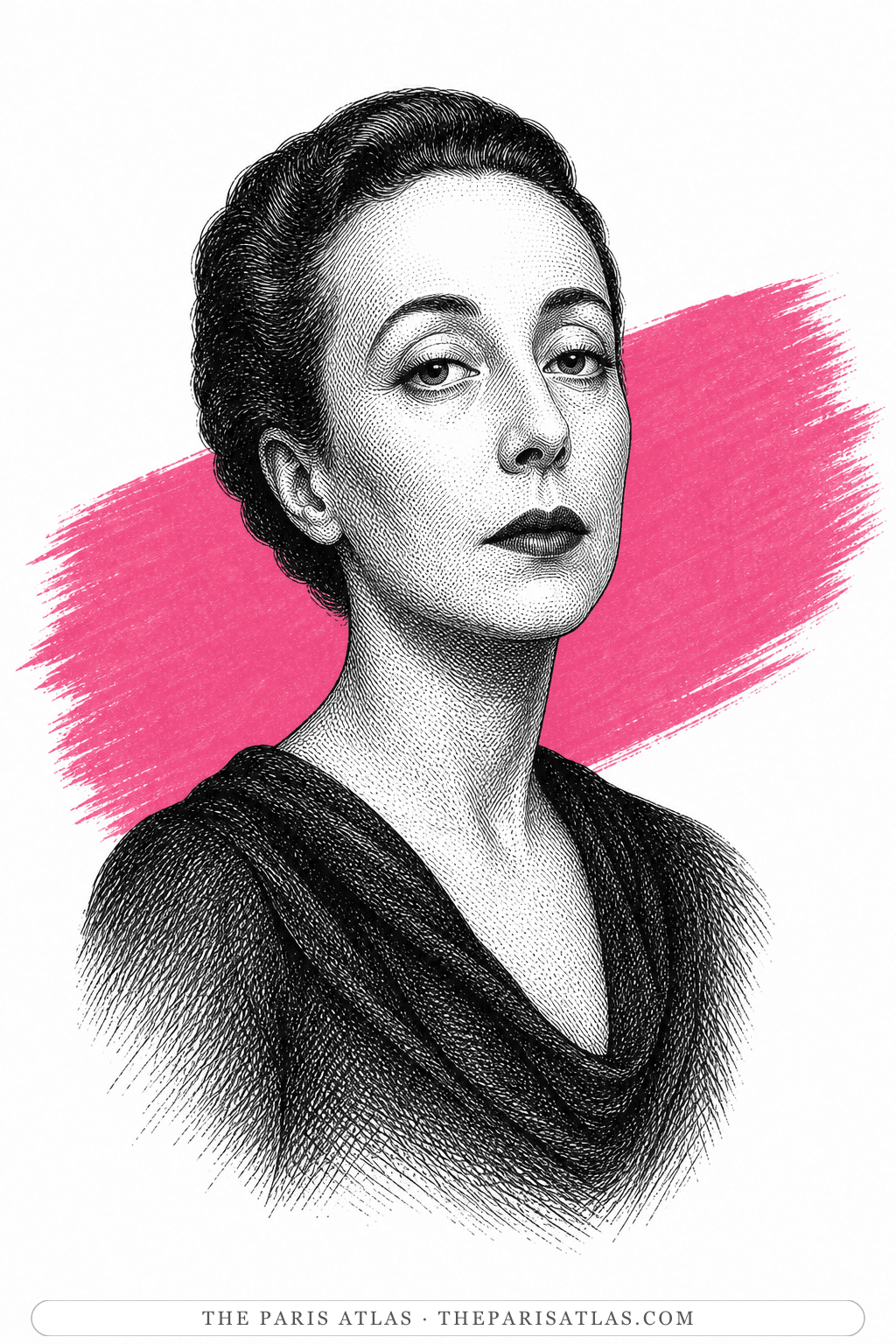
Illustrated portrait of Elsa Schiaparelli

Elsa Schiaparelli

  • Patron
  • Author

Met

The younger couturier Elsa Schiaparelli, whose own work owed much to Poiret's freeing of the body, kept his name from total oblivion in his ruined final years and paid for his burial when he died penniless in 1944.

Paul Poiret

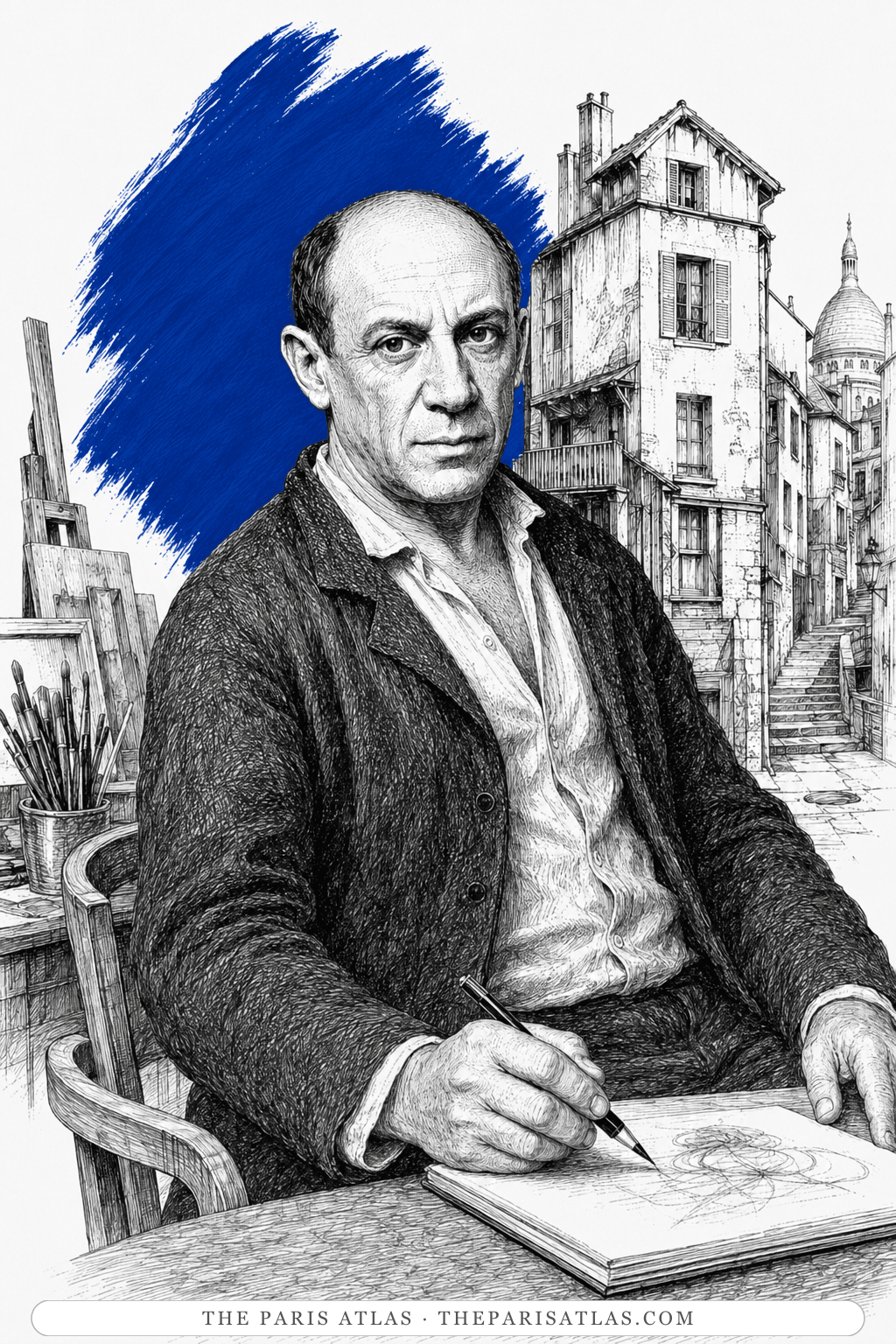
Illustrated portrait of Pablo Picasso

Pablo Picasso

  • Painter
  • Sculptor

Met · 1916

Poiret ran the Galerie Barbazanges beside his mansion and reserved the right to mount exhibitions there. At the July 1916 Salon d'Antin, organised by André Salmon in Poiret's space, Pablo Picasso showed Les Demoiselles d'Avignon in public for the first time, so the couturier gave one of modern art's decisive paintings its debut.

Paul Poiret

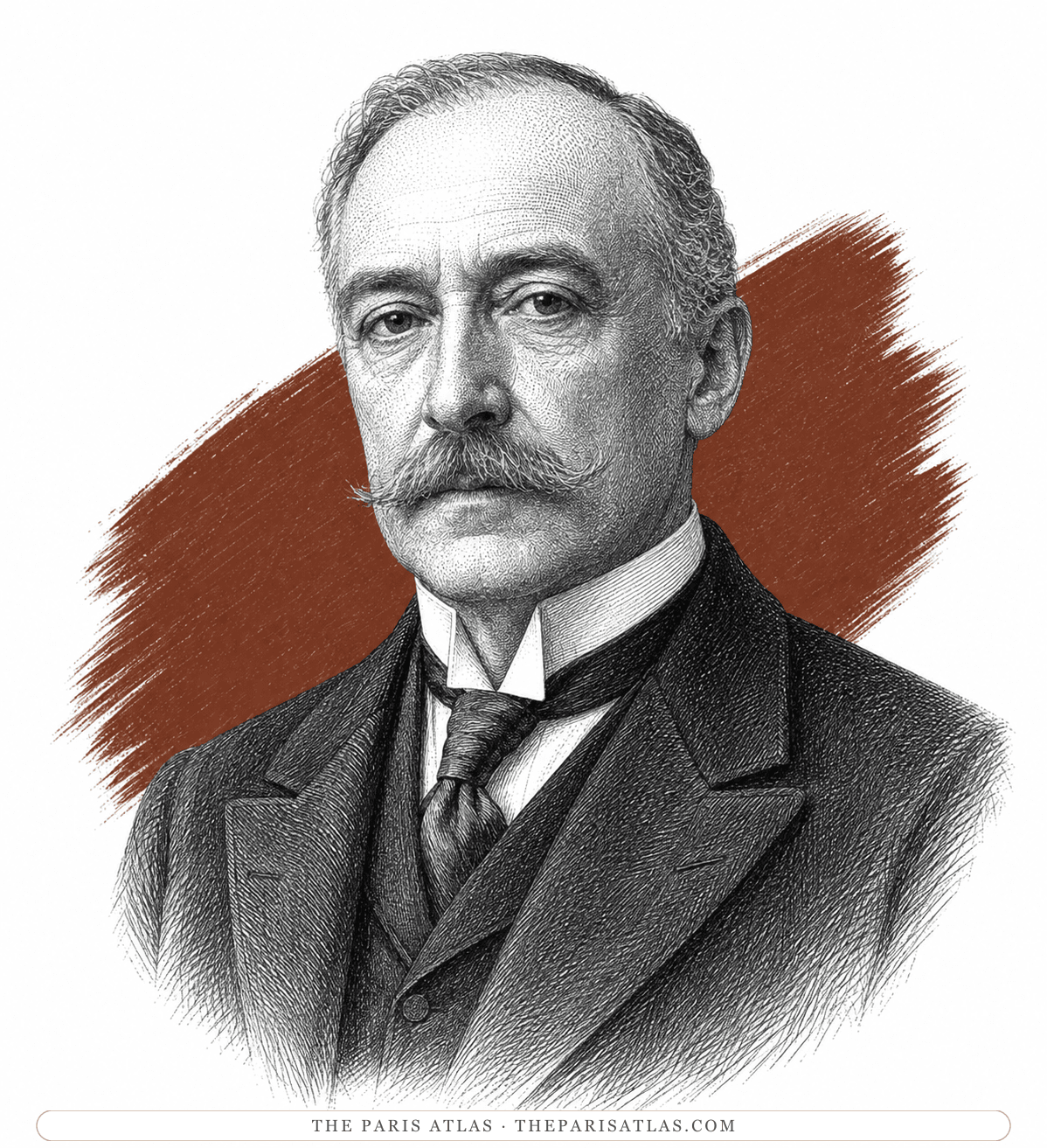
Jacques Doucet

  • Fashion designer
  • Collector
  • Patron

Mentored by · 1898–1901

Doucet had been buying sketches from the teenage Poiret and hired him in 1898. Poiret's first design for the house, a red cloth cape, sold four hundred. He left in 1901 for the House of Worth and opened his own house in 1903, where he made his name by removing the ornament and structure Doucet's style depended on.

Jacques Doucet (fashion designer); Paul Poiret

Raoul Dufy

  • Painter
  • Designer
  • Illustrator

Collaborated with · 1909

Paul Poiret commissioned Dufy to design the fashion house's stationery in 1909, and from 1912 Dufy's bold graphic textile patterns, woven by Bianchini-Férier, were made up into Poiret garments. The two returned to each other repeatedly, Dufy's flat, decorative line matching Poiret's taste.

Raoul Dufy

Who drew from them

Influence running outward — the writers and artists who built on their work.

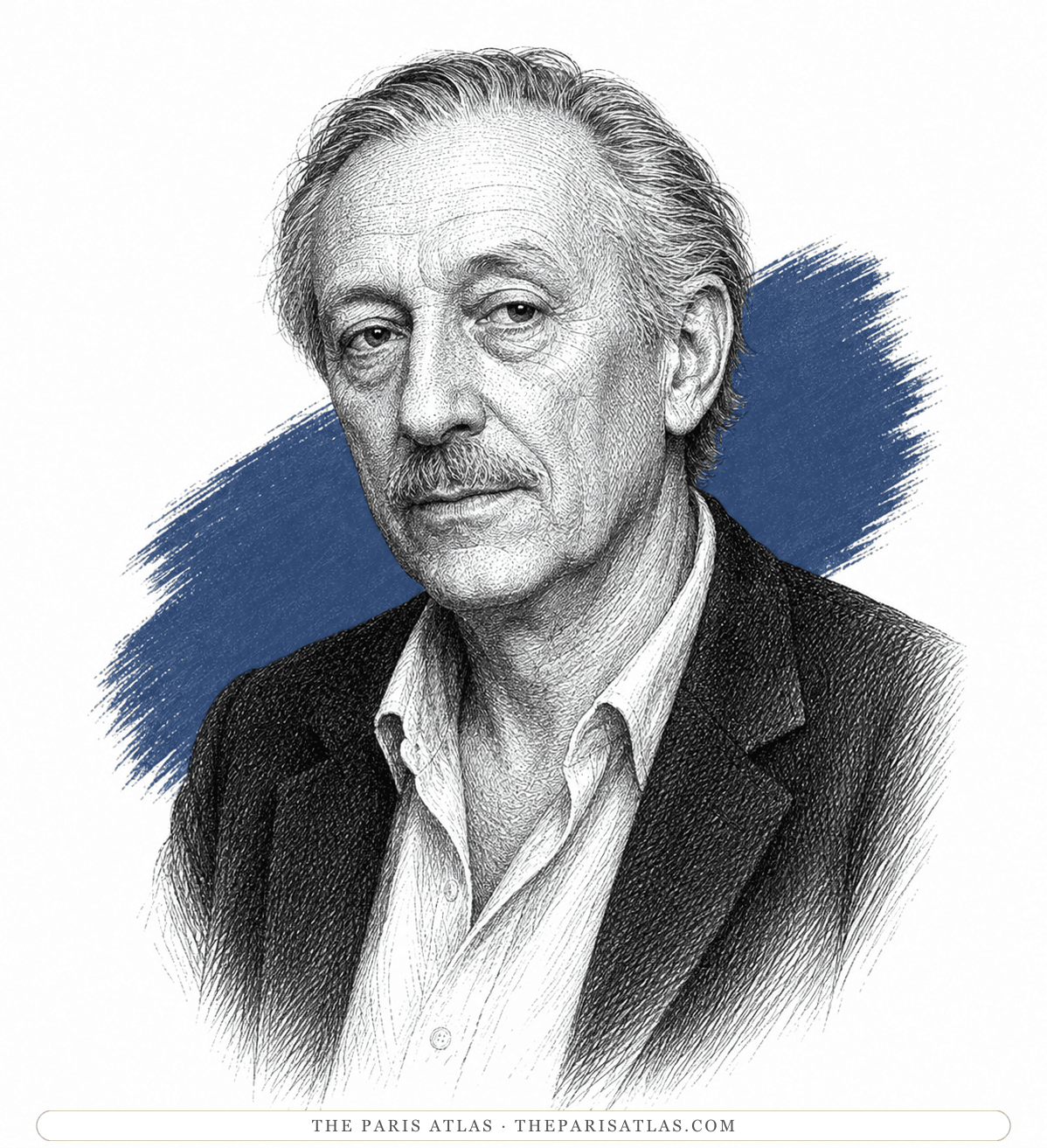
Illustrated portrait of Pierre Balmain

Pierre Balmain

Poiret is among the designers Balmain named as his early inspirations, from the fashions he saw on holidaymakers at Aix-les-Bains in the 1920s. Poiret's example survives in Balmain's treatment of a fashion house as a whole world of perfumes, licences and publicity rather than a dressmaking room.

Pierre Balmain

Questions about Paul Poiret

Who was Paul Poiret?

Paul Poiret (1879–1944) was a French couturier, the most famous fashion designer in the world in the decade before the First World War. He is credited with freeing women from the corset, and with building the modern fashion house as a brand spanning clothes, perfume, interiors and marketing. After the war his elaborate style was eclipsed by Coco Chanel's simplicity, and he died poor and largely forgotten in 1944.

Did Paul Poiret really abolish the corset?

He is the designer most associated with its decline, though he was not solely responsible. From around 1906 Poiret designed loose, columnar clothes for an uncorseted figure, and he claimed to have freed the female body. But he also invented the hobble skirt that bound the ankles, admitting he had freed the bust and shackled the legs, and the broader move away from corsetry came from many causes at once.

How did Poiret change the fashion business?

He turned a dressmaking house into a total brand. Poiret was the first French couturier to launch a signature perfume, Parfums de Rosine, in 1911, and he opened the Martine decorative-arts studio the same year. He commissioned artists like Erté and Raoul Dufy for his packaging, staged spectacular parties, and had Edward Steichen photograph his gowns as art. Nearly every element of modern luxury-brand marketing was anticipated in what he built before 1914.

What was Poiret's connection to modern art?

He was a collector and a patron at the centre of the Paris avant-garde. Beside his mansion he backed the Galerie Barbazanges and reserved the right to stage exhibitions there. At the July 1916 Salon d'Antin in his space, Pablo Picasso's Les Demoiselles d'Avignon was shown publicly for the first time. The events also featured poetry by Max Jacob and Guillaume Apollinaire, and music by Erik Satie, Igor Stravinsky and Darius Milhaud.

Why did Paul Poiret die poor?

His business never recovered from the First World War. Returning in 1919, he found Coco Chanel and others making simple, superbly made clothes that made his elaborate designs look dated, and his own construction was often weak. Debt forced him out of his house, which closed in 1929 with its stock sold as rags. He spent his last years painting in the street and selling drawings in cafés, and when he died in 1944 his friend Elsa Schiaparelli paid for the burial.

How did Poiret die?

He died in Paris on 30 April 1944, at the age of 65, in poverty and largely forgotten by the fashion world he had once ruled. In his final years he lived on odd jobs and the kindness of a few friends, chiefly his former designer France Martano and Elsa Schiaparelli, the latter of whom kept his name from oblivion and paid for his funeral.

Sourced claims

Every connection the graph holds for Paul, with the evidence behind it.

Met

Elsa Schiaparelli

The younger couturier Elsa Schiaparelli, whose own work owed much to Poiret's freeing of the body, kept his name from total oblivion in his ruined final years and paid for his burial when he died penniless in 1944.

Paul Poiret

Met · 1916

Pablo Picasso

Poiret ran the Galerie Barbazanges beside his mansion and reserved the right to mount exhibitions there. At the July 1916 Salon d'Antin, organised by André Salmon in Poiret's space, Pablo Picasso showed Les Demoiselles d'Avignon in public for the first time, so the couturier gave one of modern art's decisive paintings its debut.

Paul Poiret

Influenced

Pierre Balmain

Poiret is among the designers Balmain named as his early inspirations, from the fashions he saw on holidaymakers at Aix-les-Bains in the 1920s. Poiret's example survives in Balmain's treatment of a fashion house as a whole world of perfumes, licences and publicity rather than a dressmaking room.

Pierre Balmain

Mentored by · 1898–1901

Jacques Doucet

Doucet had been buying sketches from the teenage Poiret and hired him in 1898. Poiret's first design for the house, a red cloth cape, sold four hundred. He left in 1901 for the House of Worth and opened his own house in 1903, where he made his name by removing the ornament and structure Doucet's style depended on.

Jacques Doucet (fashion designer); Paul Poiret

Collaborated with · 1909

Raoul Dufy

Paul Poiret commissioned Dufy to design the fashion house's stationery in 1909, and from 1912 Dufy's bold graphic textile patterns, woven by Bianchini-Férier, were made up into Poiret garments. The two returned to each other repeatedly, Dufy's flat, decorative line matching Poiret's taste.

Raoul Dufy

References

References

The sources below include biographies, scholarly essays, interviews, and primary materials that informed this page. They reflect both the historical record and ongoing critical conversations about Paul Poiret and their work.

  1. 1Paul Poiret

    Website
    Wikipedia
    Used for

    Reference article cross-checked for the career, the corset and hobble skirt, the perfume and Martine ventures, the Salon d'Antin, and the death.

    View source
  2. 2Poiret: King of Fashion

    Website
    The Metropolitan Museum of Art
    Used for

    The Metropolitan Museum of Art's 2007 retrospective and its account of the Denise Poiret wardrobe.

    View source
  1. 3Paul Poiret

    Website
    Encyclopaedia Britannica
    Used for

    Encyclopaedia Britannica's biography, used to confirm dates and the career outline.

    View source
  2. 4En habillant l'époque

    Memoir
    Grasset, 1930
    Used for

    Poiret's own memoir, published in 1930 and translated into English as King of Fashion, the source of his account of the corset and the hobble skirt.

i
Why these sources are here

These references anchor the page in the documented record and in the scholarly conversations around Paul Poiret. Every claim on this page traces back to one or more of the works listed here.

Explore more resources