The Paris AtlasCharting the artists, works, and places worth returning to.
  • Fashion designer
  • Collector
  • Patron
· French · 1853–1929

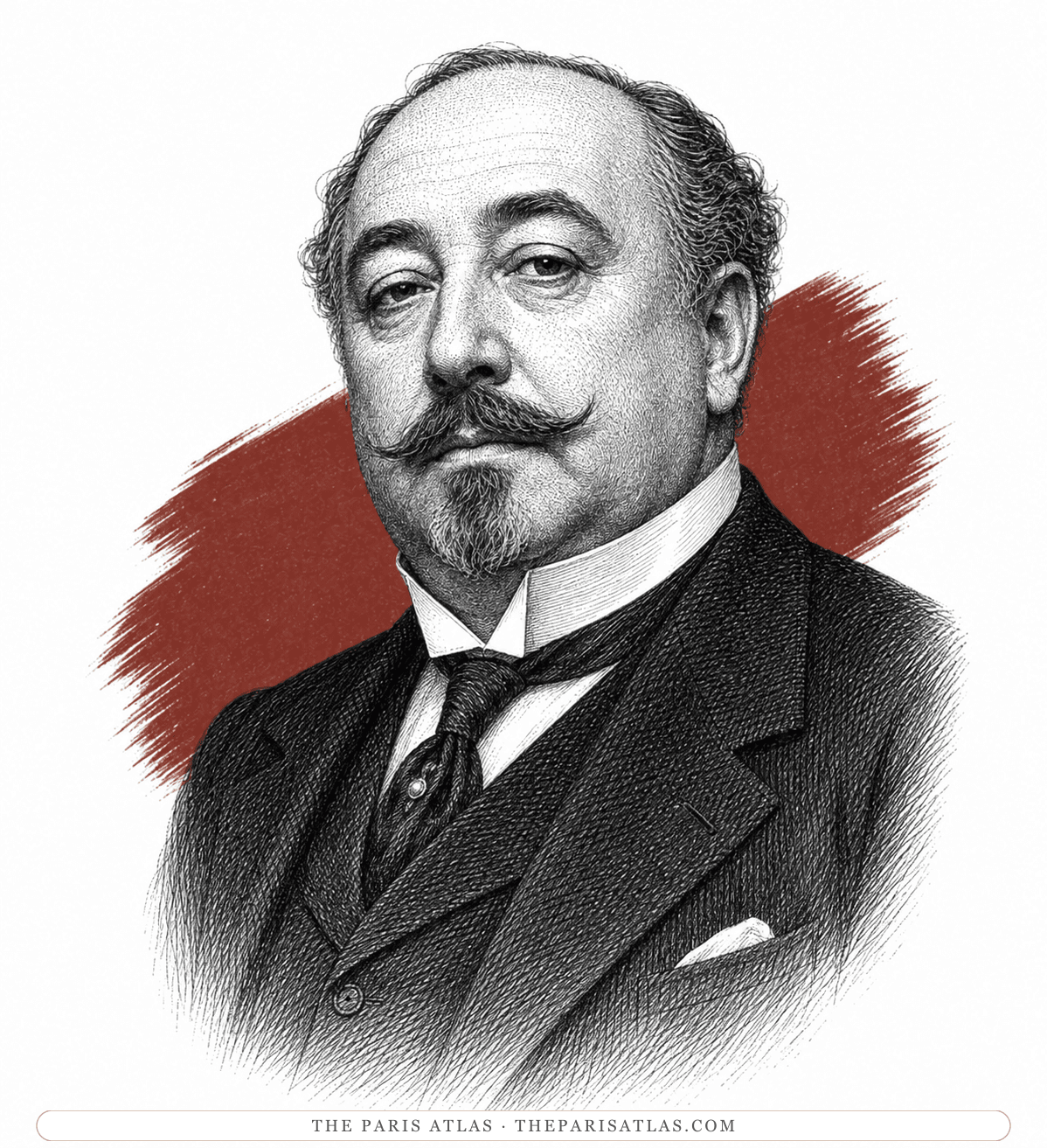
Jacques Doucet

The couturier who dressed Sarah Bernhardt, employed Paul Poiret and Madeleine Vionnet before they had their own houses, then sold his eighteenth-century collection in 1912 and spent the proceeds on modern art with André Breton as his adviser.

Details

Lived
1853–1929
Born
19 February 1853
Birthplace
Paris
Birth name
Antoine Jacques Doucet
Died
30 October 1929 · aged 76
Place of death
Paris
Nationality
French
Profession
Couturier and collector
Major works
the House of Doucet, the 1912 sale of his eighteenth-century collection, the modern collection including Les Demoiselles d'Avignon, and the Bibliothèque littéraire Jacques-Doucet
Roles
Fashion designerCollectorPatron

About Jacques Doucet

Paris couturier who dressed the great actresses, sold his eighteenth-century collection in 1912, and bought Les Demoiselles d'Avignon on André Breton's advice

Jacques Doucet was a French couturier and art collector, born in Paris on 19 February 1853. He ran one of the leading Paris fashion houses from 1871, dressing the stage actresses of the period, and trained two of the designers who went on to reshape twentieth-century dress.

He is at least as important as a collector, and unusual among collectors for having changed his mind completely. He spent about forty years assembling one of the great collections of French eighteenth-century art and furniture, sold all of it at auction in June 1912, and started again with modern work.

For the second collection he hired young writers as advisers, among them André Breton, Louis Aragon and Pierre Reverdy. On Breton's advice he bought Pablo Picasso's Les Demoiselles d'Avignon from the studio in 1924. He gave his art library to the University of Paris in 1917, and his literary manuscripts became the Bibliothèque littéraire Jacques-Doucet after his death in Paris on 30 October 1929.

The rue de la Paix and the House of Doucet, 1853–1900

Antoine Jacques Doucet was born in Paris on 19 February 1853 into a family already in the trade. Doucet Lingerie had sold linens and lingerie on the rue de la Paix since 1816. In 1871, at eighteen, he opened his own salon for women's clothes on the same premises.

His reputation rested on light, translucent fabrics layered in pastel colours, and on the theatre. Sarah Bernhardt was his most famous client, and he designed the white costume she wore in L'Aiglon; Cécile Sorel and Réjane also dressed with him. A Doucet gown was understood to be for a woman who would be looked at, and the stage was the best advertisement available before fashion photography existed.

The designers he trained

Two people who passed through his house went on to matter more than the house did. Paul Poiret was hired in 1898 after selling Doucet sketches, and his first design there, a red cloth cape, sold four hundred; he left in 1901 and opened his own house in 1903. Madeleine Vionnet designed for Doucet between 1907 and 1911, showing loose robes on barefoot models that the house struggled to place beside its established style, and opened her own house in 1912.

Both of them made their names by stripping away what Doucet's manner depended on, and both did it within a few years of leaving him.

The 1912 sale

From the 1870s Doucet had been assembling French eighteenth-century paintings, drawings, sculpture, furniture and decorative objects, and by the early twentieth century it was among the most extensive collections of its kind in private hands. In June 1912 he sold the whole thing at the Galerie Georges Petit in Paris, across four days from the fifth to the eighth. The prices set records.

He had already begun buying Impressionist and Post-Impressionist pictures before the sale, and afterwards his taste moved further. Through the First World War and the 1920s he collected the avant-garde, and he bought Henri Rousseau alongside the Cubists.

Breton, Aragon, and Les Demoiselles d'Avignon

Doucet did not trust his own eye for the new work, so he bought advice. Between about 1920 and 1924 he paid André Breton, Louis Aragon and Pierre Reverdy for library work, which in practice meant employing three young poets while they were writing the texts that became Surrealism. Breton was taken on in mid-1921 as librarian and artistic adviser.

The arrangement produced one purchase that outweighs the rest. On Breton's advice, Doucet bought Pablo Picasso's Les Demoiselles d'Avignon directly from the studio in 1924. The painting had been made in 1907 and had scarcely been seen; Doucet's purchase moved it out of Picasso's keeping and into a collection for the first time.

He treated the setting as part of the collection. For his house at Neuilly-sur-Seine in 1927 he commissioned furniture and decoration from the sculptors Joseph Csaky, Jacques Lipchitz and Henri Laurens, so that Cubist objects stood in rooms Cubists had designed.

The libraries

Doucet gave away as deliberately as he bought. In 1917 he handed his art-history books and photographs to the University of Paris, which built the Institut d'Art et d'Archéologie around them. His collection of literary manuscripts passed to the Sorbonne on his death and became the Bibliothèque littéraire Jacques-Doucet, which is still one of the principal archives of modern French literature.

Death and reputation

Jacques Doucet died in Paris on 30 October 1929, aged 76. His fashion house did not long survive him as an independent name.

He is remembered less for the dresses than for what he bought and who he paid. The 1912 sale is treated as a turning point in collecting, the moment a major collector abandoned the eighteenth century for his own. The money he paid Breton, Aragon and Reverdy supported Surrealism before it had a name or an audience.

Life events

  1. 1853

    Born Antoine Jacques Doucet in Paris on 19 February, into a family that had sold linens on the rue de la Paix since 1816.

    Jacques Doucet (fashion designer)

  2. 1871

    Opens his own salon for women's clothes at eighteen.

    Jacques Doucet (fashion designer)

  3. 1898

    Hires Paul Poiret, whose first design for the house, a red cloth cape, sells four hundred.

    Jacques Doucet (fashion designer)

  4. 1907

    Madeleine Vionnet joins the house, where she works until 1911.

    Jacques Doucet (fashion designer)

  5. 1912

    Sells his entire eighteenth-century collection at the Galerie Georges Petit in June, at record prices.

    Jacques Doucet (also Jacques-Antoine)

  6. 1917

    Gives his art library to the University of Paris, founding the Institut d'Art et d'Archéologie.

    Jacques Doucet (fashion designer)

  7. 1921

    Hires André Breton as librarian and artistic adviser.

    Chronologie

  8. 1924

    Buys Picasso's Les Demoiselles d'Avignon from the studio on Breton's advice.

    Jacques Doucet (also Jacques-Antoine)

  9. 1927

    Commissions Cubist furniture and decoration from Joseph Csaky, Jacques Lipchitz and Henri Laurens for his house at Neuilly-sur-Seine.

    Jacques Doucet (fashion designer)

  10. 1929

    Dies in Paris on 30 October; his manuscripts become the Bibliothèque littéraire Jacques-Doucet.

    Jacques Doucet (fashion designer)

People they knew

Documented connections — every one carries its source.

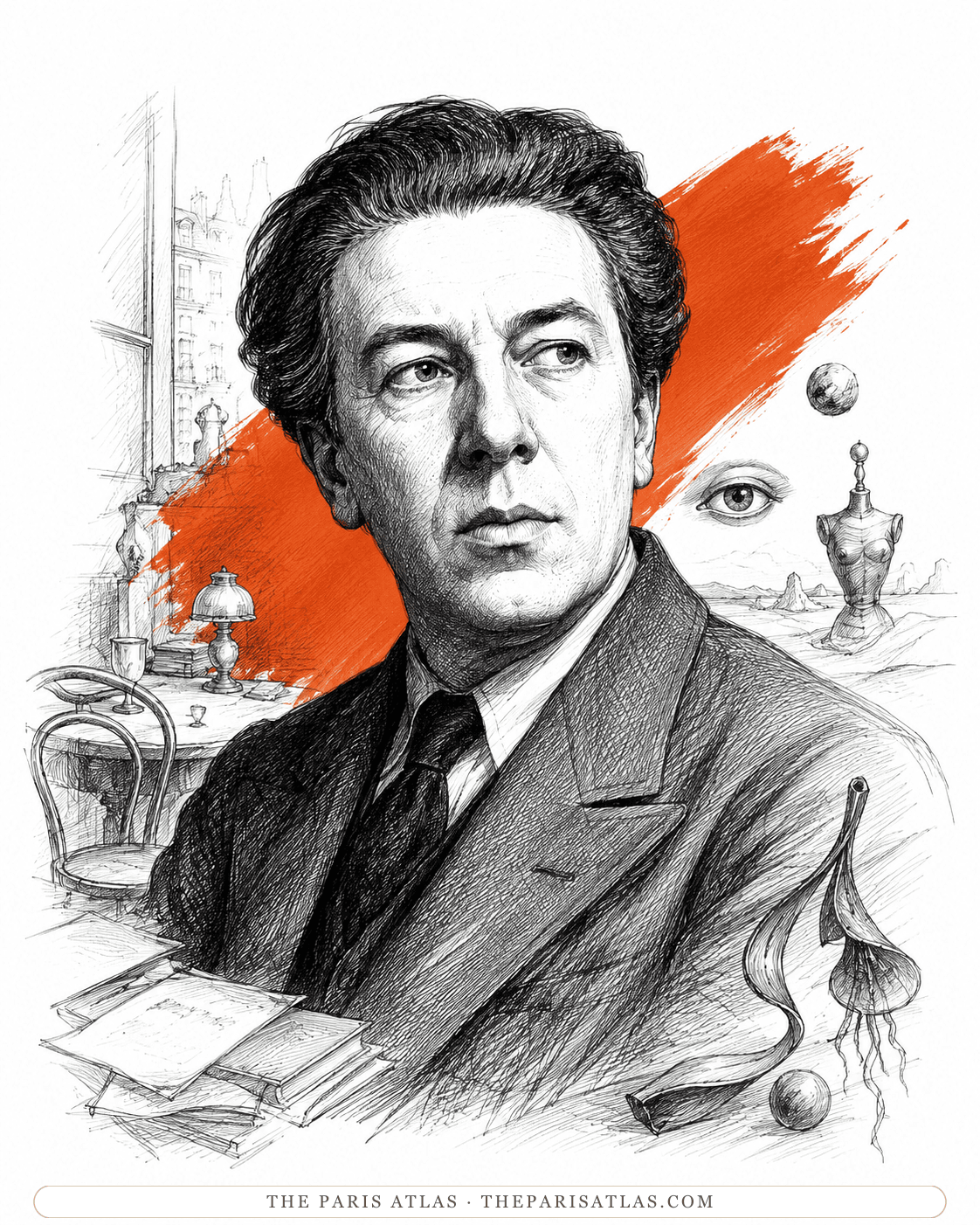
Illustrated portrait of André Breton

André Breton

  • Author
  • Poet
  • Critic
  • +1

Patron of · 1921–1924

Doucet hired André Breton in mid-1921 as librarian and artistic adviser, four years before the Surrealist movement Breton led was fully underway, and the salary supported him through that period. Breton in turn steered Doucet's buying toward the avant-garde, most consequentially to Pablo Picasso's Les Demoiselles d'Avignon in 1924.

Chronologie; Jacques Doucet (also Jacques-Antoine)

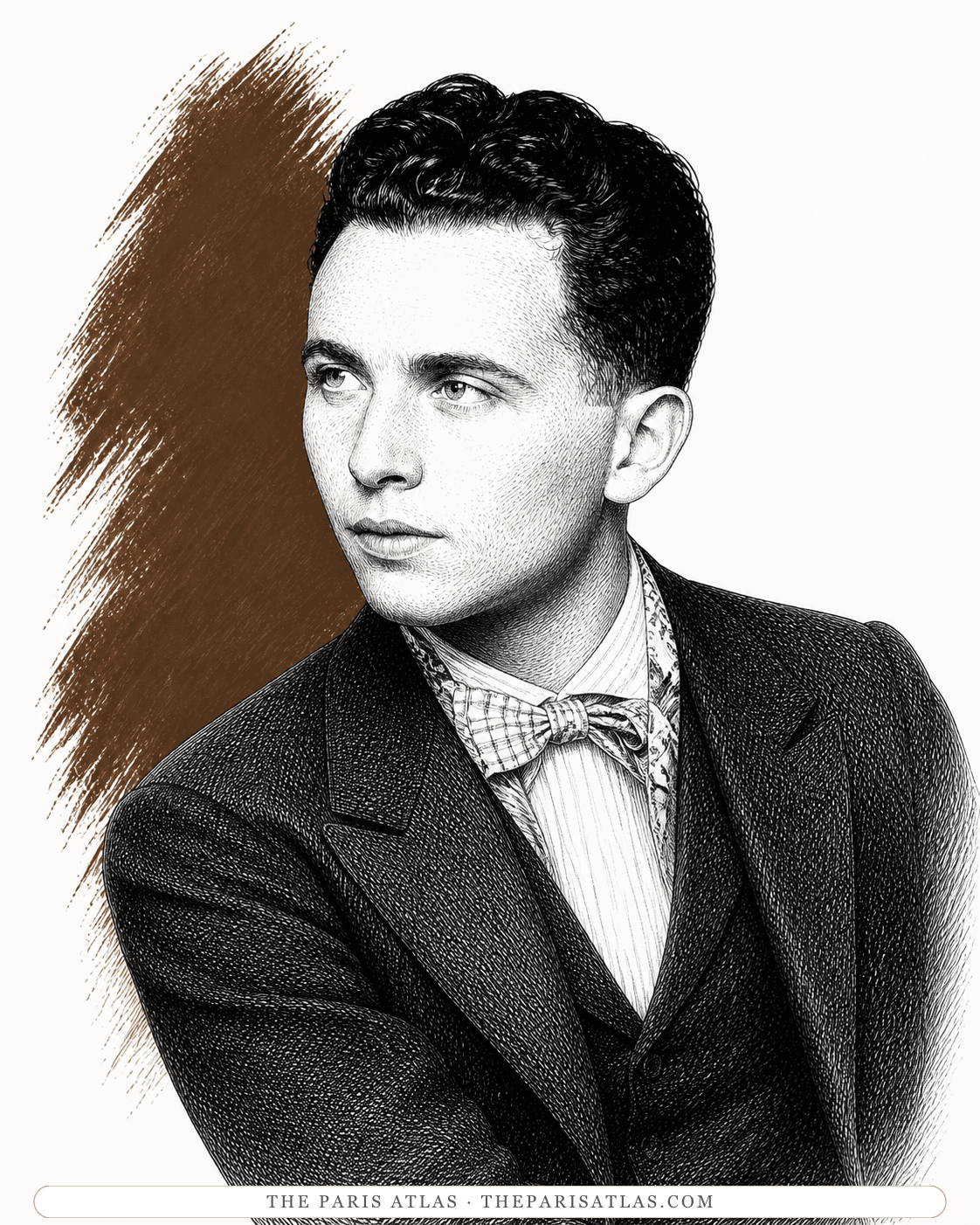
Illustrated portrait of Louis Aragon

Louis Aragon

  • Poet
  • Author

Patron of · 1920–1924

Between roughly 1920 and 1924 Doucet paid Louis Aragon, André Breton and Pierre Reverdy for library work, an arrangement that gave three young poets an income while they were writing the first Surrealist texts.

Jacques Doucet (also Jacques-Antoine)

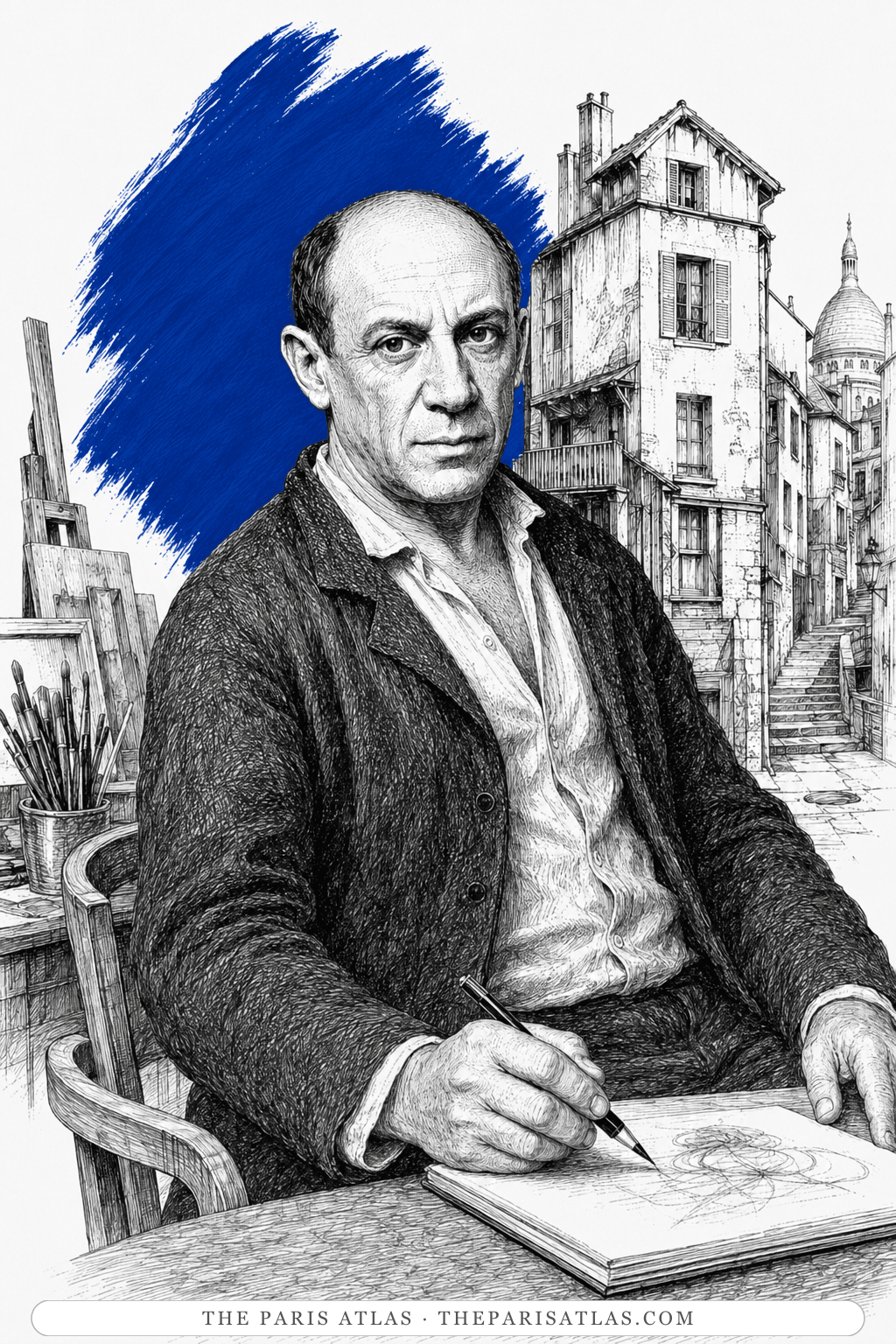
Illustrated portrait of Pablo Picasso

Pablo Picasso

  • Painter
  • Sculptor

Patron of · 1924

On André Breton's advice, Doucet bought Les Demoiselles d'Avignon straight from Picasso's studio in 1924. The painting had been made in 1907 and had barely been shown; Doucet's purchase took it out of the studio and into a collection for the first time.

Jacques Doucet (also Jacques-Antoine); Jacques Doucet (fashion designer)

Madeleine Vionnet

  • Fashion designer

Mentored · 1907–1911

Vionnet designed for Doucet from 1907 to 1911, six years after Paul Poiret left the same house. She showed loose robes on barefoot models, which sat awkwardly beside the house's established manner, and the friction did not resolve. She opened her own house in 1912.

Jacques Doucet (fashion designer); Madeleine Vionnet

Paul Poiret

  • Fashion designer

Mentored · 1898–1901

Doucet had been buying sketches from the teenage Poiret and hired him in 1898. Poiret's first design for the house, a red cloth cape, sold four hundred. He left in 1901 for the House of Worth and opened his own house in 1903, where he made his name by removing the ornament and structure Doucet's style depended on.

Jacques Doucet (fashion designer); Paul Poiret

Who drew from them

Influence running outward — the writers and artists who built on their work.

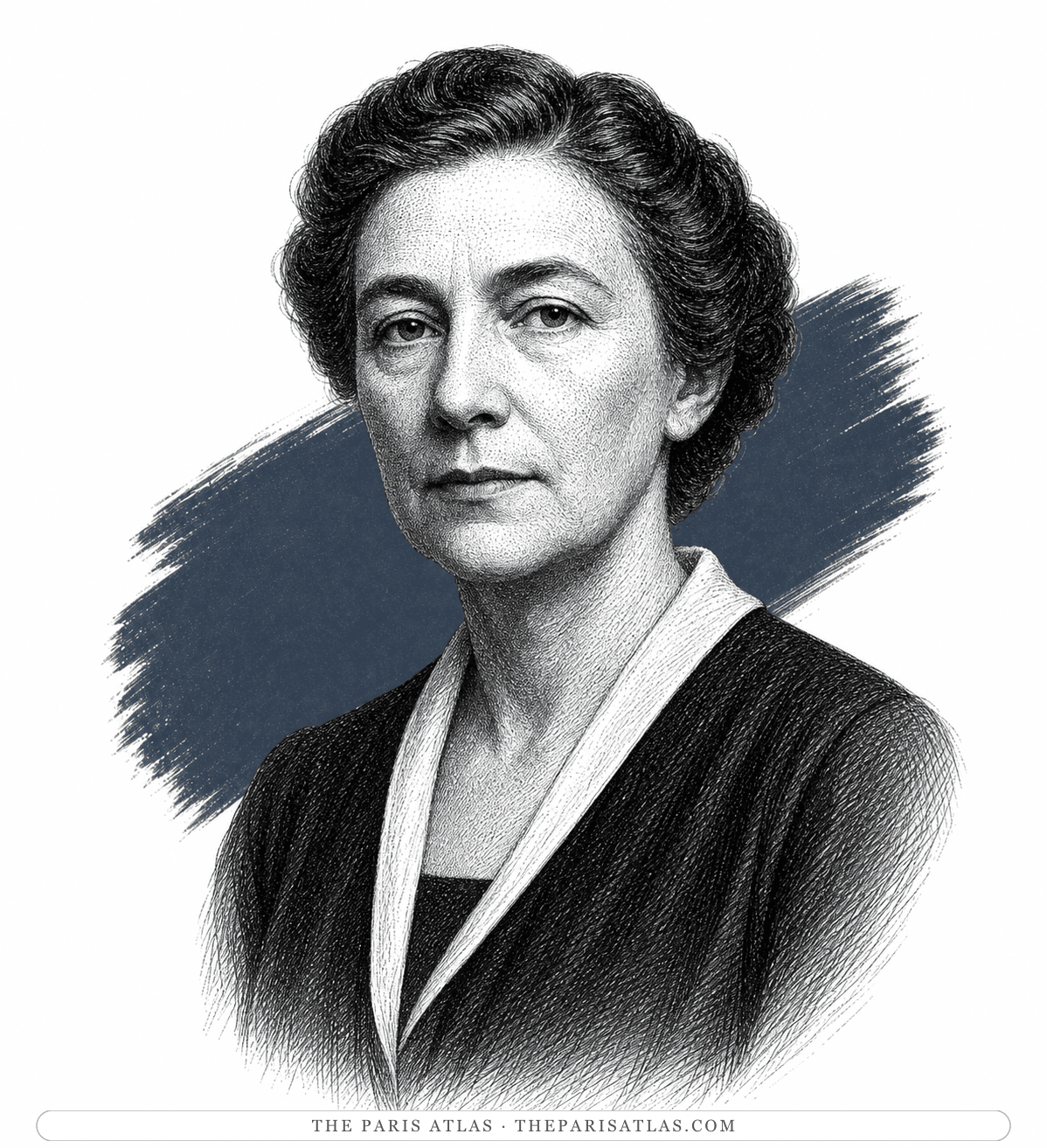
Illustrated portrait of Pierre Balmain

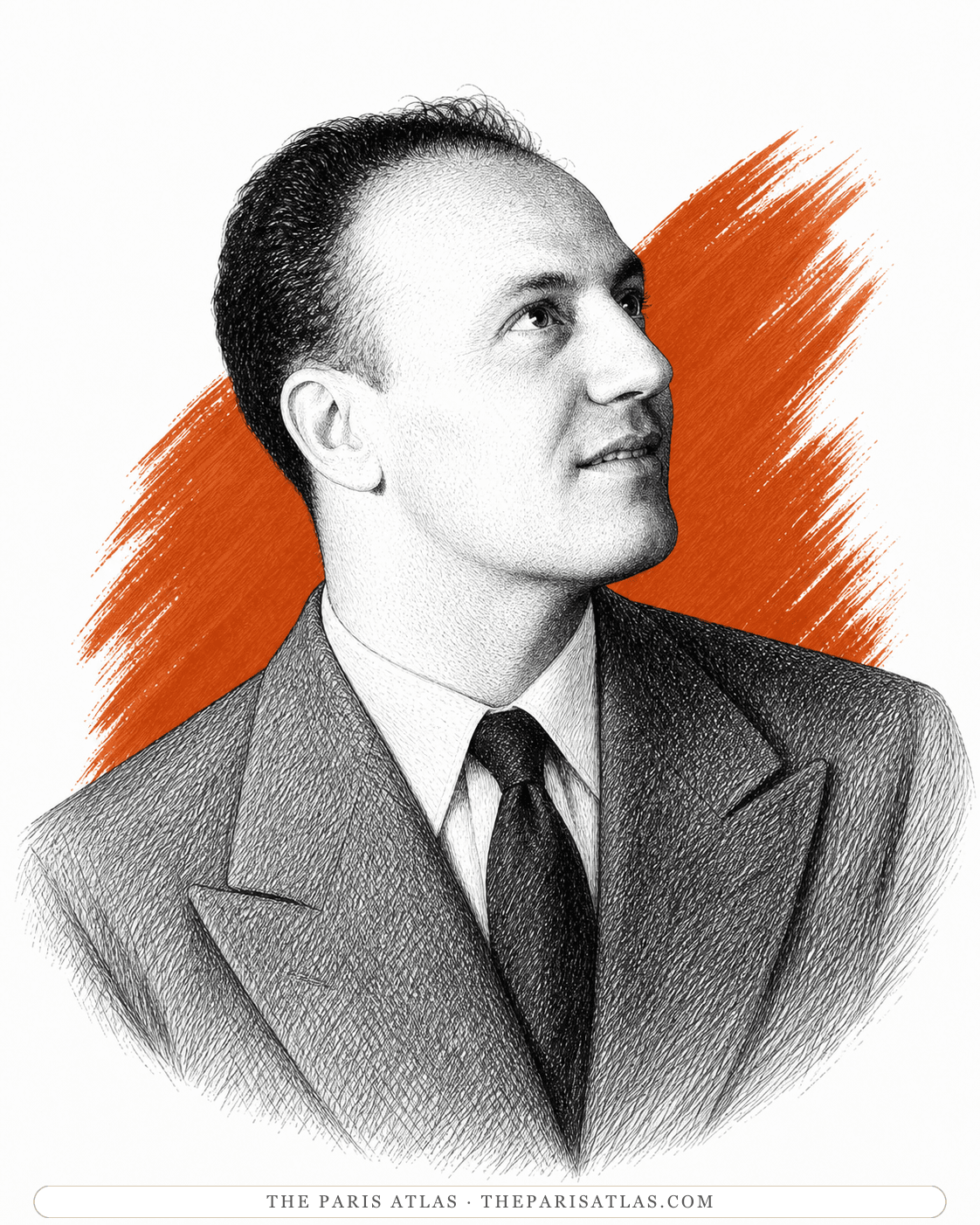
Pierre Balmain

Balmain named the couturiers he had formed his eye on as a boy watching society women at Aix-les-Bains in the 1920s: Madame Premet, Paul Poiret, Jean Patou, Coco Chanel and, above all, Jacques Doucet. What he took from Doucet is visible in the house he built after 1945, where the clothes are luxurious and elaborately made but cut to be worn rather than to shock.

Pierre Balmain

Questions about Jacques Doucet

Who was Jacques Doucet?

Jacques Doucet (1853–1929) was a Paris couturier and art collector. He ran a leading fashion house from 1871, dressing stage actresses including Sarah Bernhardt, and employed Paul Poiret and Madeleine Vionnet before either had a house of their own. As a collector he sold his entire eighteenth-century collection in 1912 and rebuilt around modern art, buying Picasso's Les Demoiselles d'Avignon in 1924.

Which designers worked for Jacques Doucet?

Paul Poiret, from 1898 to 1901, and Madeleine Vionnet, from 1907 to 1911. Both went on to open their own houses and to change how women dressed, Poiret by dropping the corset and Vionnet by cutting whole garments on the bias. Both made their reputations by removing the kind of ornament Doucet's own style depended on.

Why did Jacques Doucet sell his collection in 1912?

Because his taste had changed. He had spent about forty years assembling French eighteenth-century paintings, drawings, sculpture and furniture, and had already started buying Impressionist and Post-Impressionist work. In June 1912 he sold the eighteenth-century collection at the Galerie Georges Petit at record prices, and used what followed to collect modern and avant-garde art instead.

How did Jacques Doucet come to own Les Demoiselles d'Avignon?

André Breton told him to buy it. Doucet employed Breton as his librarian and artistic adviser from 1921, and on Breton's advice bought the painting directly from Picasso's studio in 1924. Picasso had painted it in 1907 and it had barely been exhibited, so Doucet's purchase put it into a collection for the first time.

What is the Bibliothèque littéraire Jacques-Doucet?

It is the library of modern French literary manuscripts formed from Doucet's own collection, which passed to the Sorbonne after his death in 1929. It remains one of the principal archives for modern French literature. Separately, in 1917 he gave his art-history books and photographs to the University of Paris, which founded the Institut d'Art et d'Archéologie around them.

What was Doucet's connection to Surrealism?

He paid for a good deal of it before it existed publicly. Between about 1920 and 1924 Doucet employed André Breton, Louis Aragon and Pierre Reverdy for library work, which gave three young poets a steady income during the years they were writing the first Surrealist texts. Breton also shaped Doucet's buying, and in 1927 Doucet commissioned Cubist furniture from Joseph Csaky, Jacques Lipchitz and Henri Laurens.

Sourced claims

Every connection the graph holds for Jacques, with the evidence behind it.

Patron of · 1921–1924

André Breton

Doucet hired André Breton in mid-1921 as librarian and artistic adviser, four years before the Surrealist movement Breton led was fully underway, and the salary supported him through that period. Breton in turn steered Doucet's buying toward the avant-garde, most consequentially to Pablo Picasso's Les Demoiselles d'Avignon in 1924.

Chronologie; Jacques Doucet (also Jacques-Antoine)

Patron of · 1920–1924

Louis Aragon

Between roughly 1920 and 1924 Doucet paid Louis Aragon, André Breton and Pierre Reverdy for library work, an arrangement that gave three young poets an income while they were writing the first Surrealist texts.

Jacques Doucet (also Jacques-Antoine)

Patron of · 1924

Pablo Picasso

On André Breton's advice, Doucet bought Les Demoiselles d'Avignon straight from Picasso's studio in 1924. The painting had been made in 1907 and had barely been shown; Doucet's purchase took it out of the studio and into a collection for the first time.

Jacques Doucet (also Jacques-Antoine); Jacques Doucet (fashion designer)

Mentored · 1907–1911

Madeleine Vionnet

Vionnet designed for Doucet from 1907 to 1911, six years after Paul Poiret left the same house. She showed loose robes on barefoot models, which sat awkwardly beside the house's established manner, and the friction did not resolve. She opened her own house in 1912.

Jacques Doucet (fashion designer); Madeleine Vionnet

Mentored · 1898–1901

Paul Poiret

Doucet had been buying sketches from the teenage Poiret and hired him in 1898. Poiret's first design for the house, a red cloth cape, sold four hundred. He left in 1901 for the House of Worth and opened his own house in 1903, where he made his name by removing the ornament and structure Doucet's style depended on.

Jacques Doucet (fashion designer); Paul Poiret

Influenced

Pierre Balmain

Balmain named the couturiers he had formed his eye on as a boy watching society women at Aix-les-Bains in the 1920s: Madame Premet, Paul Poiret, Jean Patou, Coco Chanel and, above all, Jacques Doucet. What he took from Doucet is visible in the house he built after 1945, where the clothes are luxurious and elaborately made but cut to be worn rather than to shock.

Pierre Balmain

References

References

The sources below include biographies, scholarly essays, interviews, and primary materials that informed this page. They reflect both the historical record and ongoing critical conversations about Jacques Doucet and their work.

  1. 1Jacques Doucet (fashion designer)

    Website
    Wikipedia
    Used for

    Reference article cross-checked for the family business, the couture house and clients, the collecting, the libraries and the dates.

    View source
  2. 2Jacques Doucet (also Jacques-Antoine)

    Website
    The Metropolitan Museum of Art, Modern Art Index Project
    Used for

    The Metropolitan Museum of Art's Modern Art Index entry, used for the 1912 sale, the advisers and the Demoiselles purchase.

    View source
  1. 3Chronologie

    Website
    Association Atelier André Breton
    Used for

    The Association Atelier André Breton chronology, which dates Breton's appointment as Doucet's librarian and adviser to mid-1921.

    View source
  2. 4Mystère et splendeurs de Jacques Doucet

    Biography
    Jean-Claude Lattès, 1984
    Used for

    François Chapon's biography, the standard full-length account of the collector.

i
Why these sources are here

These references anchor the page in the documented record and in the scholarly conversations around Jacques Doucet. Every claim on this page traces back to one or more of the works listed here.

Explore more resources