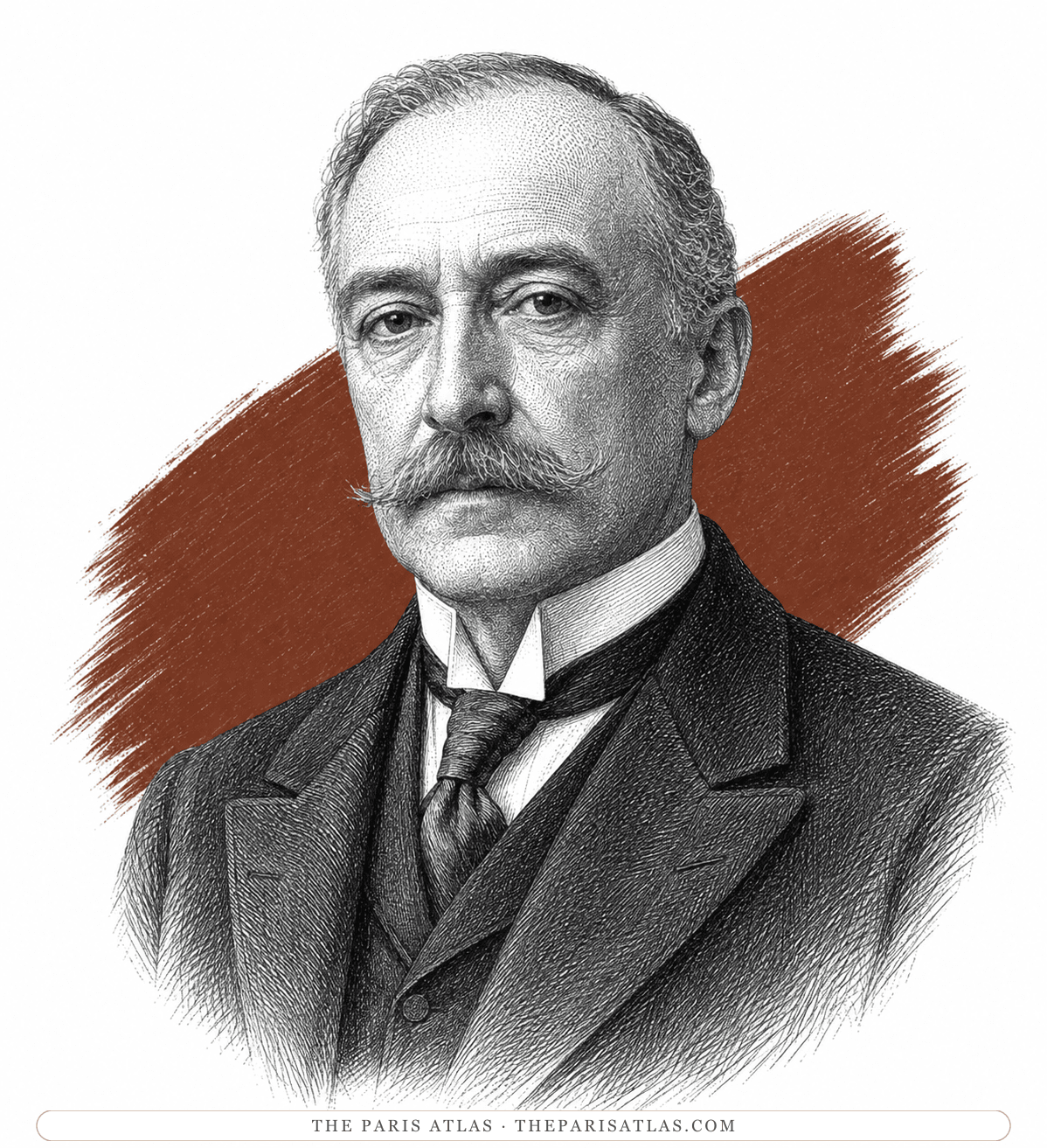
The Paris AtlasCharting the artists, works, and places worth returning to.
  • Fashion designer
· French · 1876–1975

Madeleine Vionnet

The couturier who cut cloth diagonally across the weave so that a dress would cling and move with the body, and who dressed Hollywood and European society through the 1930s without ever courting publicity.

Details

Lived
1876–1975
Born
22 June 1876
Birthplace
Chilleurs-aux-Bois
Birth name
Marie Madeleine Valentine Vionnet
Died
2 March 1975 · aged 98
Place of death
Paris
Nationality
French
Profession
Couturier
Major works
the full-garment bias cut, the handkerchief dress, the cowl neck and the halter top
Roles
Fashion designer

About Madeleine Vionnet

French couturier who built the bias cut into whole dresses and dressed the 1930s in cloth that moved with the body

Madeleine Vionnet was a French couturier, born in Chilleurs-aux-Bois on 22 June 1876, known above all for the bias cut. Cutting cloth at 45 degrees across the grain gives it stretch, and Vionnet was the first to build whole dresses that way rather than using the technique only for trims. The result clung to the body and moved with it, without corset, padding or stiffening.

She left school before she was twelve, apprenticed as a seamstress, and worked her way up through the Callot Soeurs and the house of Jacques Doucet before opening her own house in 1912. The First World War closed it. She reopened in 1923 on the avenue Montaigne, and through the 1930s her gowns were worn by Marlene Dietrich, Greta Garbo, Katharine Hepburn and Joan Crawford, and by much of European and American society.

She was also an unusual employer, providing her workers with paid holidays, maternity leave, day care, a canteen and a resident doctor and dentist, and she campaigned for copyright protection for fashion designs. She closed the house at the outbreak of the Second World War in 1939, retired in 1940, and lived another thirty-five years, dying in Paris on 2 March 1975 at the age of 98.

Apprenticeship, London, and the Callot Soeurs, 1876–1907

Madeleine Vionnet was born on 22 June 1876 into a poor family in Chilleurs-aux-Bois, a village in the Loiret. Her parents separated when she was small, and at five she moved with her father, a toll collector, to Aubervilliers on the northern edge of Paris. She had already left school when she began an apprenticeship as a seamstress at the age of twelve.

She married at eighteen, lost her infant child, and left her husband for London, where she worked as a hospital seamstress and then as a fitter for the dressmaker Kate Reily. Back in Paris she spent six years at the house of Callot Soeurs making toiles, the plain cloth mock-ups from which a garment is developed. When a disagreement with a manager made her threaten to leave, the eldest of the three sisters, Marie Callot Gerber, kept her by promoting her to drape designs directly on a live model at her side.

Vionnet credited that training for everything after it. Without the example of the Callot Soeurs, she said, she would have gone on making Fords; because of them she was able to make Rolls-Royces. What she could not accept was the lace and frills the house was known for, and her taste ran to simplicity from the start.

Doucet, the first house, and the war, 1907–1922

From 1907 to 1911 Vionnet designed for Jacques Doucet, the couturier who had trained Paul Poiret a few years earlier. She showed loose robes on barefoot models, which the house found hard to place beside its established style, and the friction did not resolve. In 1912 she opened her own house under her own name.

It lasted two years. The outbreak of the First World War in 1914 forced it to close, and Vionnet did not reopen until 1923, when she took premises on the avenue Montaigne that the trade came to call the Temple of Fashion. In 1925 she opened on Fifth Avenue in New York, selling designs off the peg and adapting them to the buyer.

The bias cut and the 1930s

The bias of a woven fabric is the diagonal, at 45 degrees to both sets of threads, and cloth cut along it stretches where cloth cut along the grain does not. Dressmakers had long used bias-cut strips for trims and collars. In the 1920s Vionnet began cutting entire garments that way, which caused a stir, and it is the thing she is remembered for. She was careful about the credit: she did not claim to have invented the technique, only to have applied to a whole dress what others had used on pieces of one.

The effect was a dress that skimmed the body and moved with the wearer, without corsetry, padding or stiffening of any kind. Her clothes dominated haute couture in the 1930s. Marlene Dietrich, Greta Garbo, Katharine Hepburn and Joan Crawford wore her gowns, and her regular clients included the Baroness Robert de Rothschild, Madame Citroën, Mona von Bismarck and Lady Davis. The handkerchief dress, the cowl neck and the halter top all belong to her.

How Vionnet worked

Vionnet did not draw. She worked in three dimensions from the beginning, cutting, draping and pinning cloth on a small wooden mannequin about eighty centimetres high. Only then did she rebuild the design at full size, in chiffon, silk or Moroccan crepe on a living model. The apparently simple results took a long time to reach.

She ordered her fabric two yards wider than the garment needed, because draping on the bias eats cloth, and she used crêpe de chine, gabardine and satin, which were not usual in women's clothes in the 1920s and 1930s. Her aim throughout was a garment that followed the body's own curves rather than reshaping them, an idea she took in part from the loose Greek dress that also inspired the dancer Isadora Duncan. One of her rules is often quoted: when a woman smiles, her dress must smile with her.

Vionnet ran her house on terms that were unusual for the trade at the time. Her workers had paid holidays and maternity leave, day care for their children, a dining hall, and a doctor and a dentist on the premises. She also fought for copyright law to cover fashion design, at a period when a Paris model could be copied openly and sold on within weeks.

Retirement, death, and reputation

The Second World War closed the house in 1939 and Vionnet retired in 1940, at 64. She had made some twelve thousand garments. She lived another thirty-five years in Paris, and died there on 2 March 1975 at the age of 98.

Her standing suffered from her own reticence. She disliked the fashion world and said so, calling herself an enemy of fashion and objecting to the seasonal whims of the trade as superficial. Where Coco Chanel promoted herself continuously, Vionnet avoided publicity and then retired early, and for decades the move away from stiff clothing was told largely as Chanel's story.

The correction came later. British Vogue had called her perhaps the greatest geometrician among French couturiers as early as 1925. Betty Kirke's 1998 study, which took apart surviving garments to work out how they were made, put the construction back at the centre of the account. Ossie Clark, Halston, John Galliano, Azzedine Alaïa, Issey Miyake and Comme des Garçons have all worked from her methods. Miyake said that seeing her work for the first time produced the wonder one feels at the sight of a woman emerging from bathing, draped in a single piece of beautiful cloth.

Life events

  1. 1876

    Born Marie Madeleine Valentine Vionnet at Chilleurs-aux-Bois in the Loiret on 22 June.

    Madeleine Vionnet

  2. 1888

    Begins an apprenticeship as a seamstress at the age of twelve, having already left school.

    Madeleine Vionnet

  3. 1901

    Returns from London to Paris and joins Callot Soeurs, making toiles under Marie Callot Gerber.

    Madeleine Vionnet: an introduction

  4. 1907

    Begins designing for the house of Jacques Doucet, showing loose robes on barefoot models.

    Madeleine Vionnet

  5. 1912

    Opens her own fashion house in Paris.

    Madeleine Vionnet

  6. 1914

    Closes the house at the outbreak of the First World War.

    Madeleine Vionnet

  7. 1923

    Reopens on the avenue Montaigne, in premises the trade nicknamed the Temple of Fashion.

    Madeleine Vionnet

  8. 1925

    Opens a New York branch on Fifth Avenue; British Vogue calls her perhaps the greatest geometrician among French couturiers.

    Madeleine Vionnet

  9. 1939

    Closes the house at the outbreak of the Second World War.

    Madeleine Vionnet

  10. 1940

    Retires from couture at 64, having made some twelve thousand garments.

    Madeleine Vionnet: an introduction

  11. 1975

    Dies in Paris on 2 March, aged 98.

    Madeleine Vionnet

  12. 1998

    Betty Kirke publishes a study reconstructing how Vionnet's garments were cut and assembled.

    Betty Kirke, Madeleine Vionnet (1998)

People they knew

Documented connections — every one carries its source.

Jacques Doucet

  • Fashion designer
  • Collector
  • Patron

Mentored by · 1907–1911

Vionnet designed for Doucet from 1907 to 1911, six years after Paul Poiret left the same house. She showed loose robes on barefoot models, which sat awkwardly beside the house's established manner, and the friction did not resolve. She opened her own house in 1912.
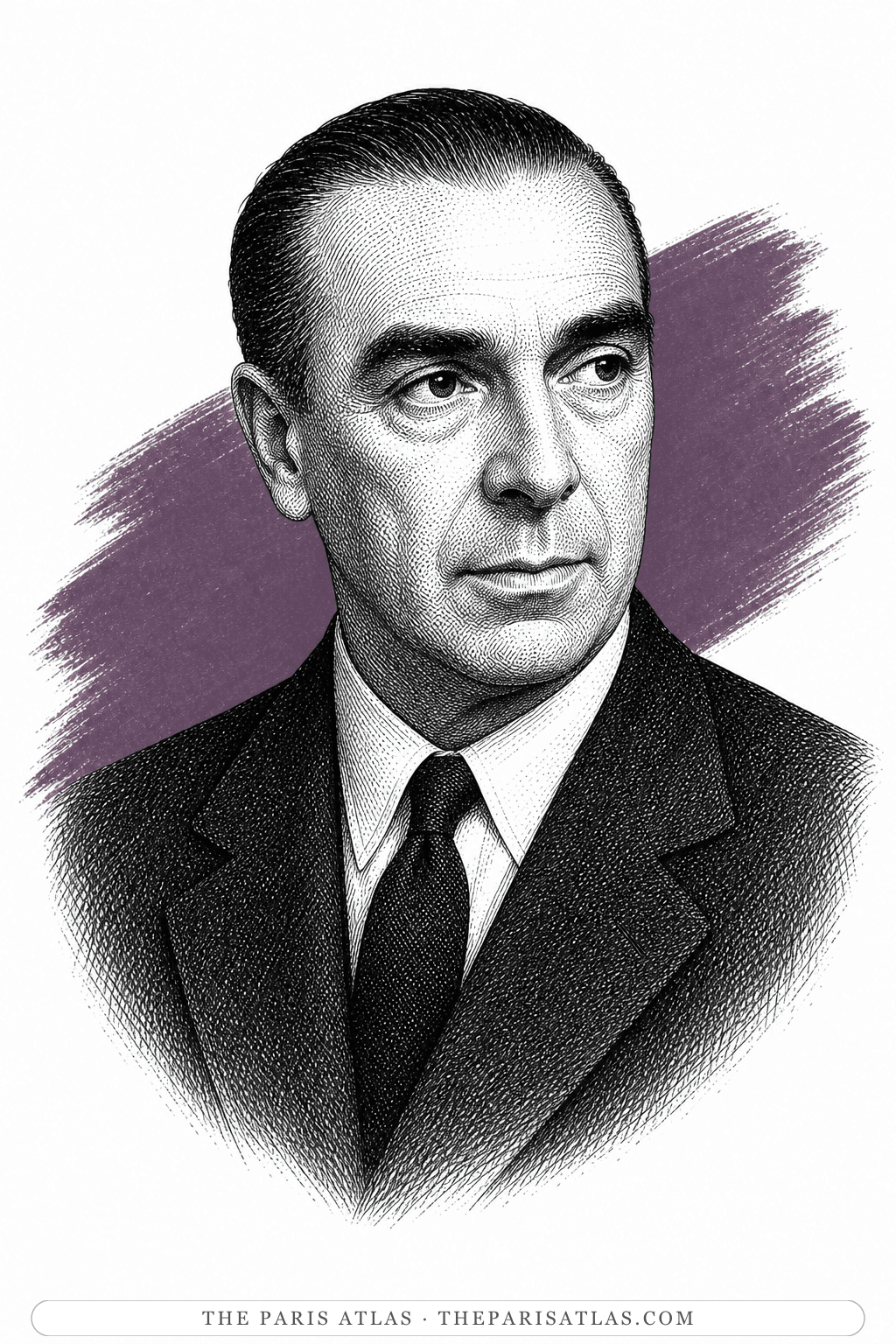

Jacques Doucet (fashion designer); Madeleine Vionnet

Who drew from them

Influence running outward — the writers and artists who built on their work.

Illustrated portrait of Cristóbal Balenciaga

Cristóbal Balenciaga

Vionnet's accounting books record Cristóbal Balenciaga buying her models from March 1924 and on through at least 1929, as an authorised purchaser for his San Sebastián business. Ana Balda's 2023 study of the ledgers shows he took the garments apart to learn from them, and traces her bias construction and puffed-sleeve patterns into his own work, among them a 1930 wedding dress and a 1935 evening coat.

Ana Balda, Balenciaga, licensee of Maison Vionnet (2023)

Questions about Madeleine Vionnet

Who was Madeleine Vionnet?

Madeleine Vionnet (1876–1975) was a French couturier, one of the leading designers in Paris in the 1920s and 1930s. She is known for the bias cut, in which cloth is cut diagonally across the weave so that it stretches and moves with the body. She opened her own house in 1912, reopened it on the avenue Montaigne in 1923, and closed it in 1939 at the start of the Second World War.

What is the bias cut?

It is cloth cut at 45 degrees to the threads of the weave rather than along them. Cut that way, a woven fabric stretches, so a garment made from it clings to the body and moves with the wearer instead of holding a fixed shape. Vionnet used it for entire dresses, which let her dispense with corsets, padding and stiffening altogether.

Did Madeleine Vionnet invent the bias cut?

No, and she did not claim to. Dressmakers had long cut strips on the bias for trims, collars and skirt panels. What Vionnet did in the 1920s was apply the technique to a whole garment for the first time, which is a different thing and is what changed how clothes were made.

Who wore Madeleine Vionnet's clothes?

Her gowns dominated haute couture in the 1930s and were worn by Marlene Dietrich, Greta Garbo, Katharine Hepburn and Joan Crawford. Her regular private clients were mostly European aristocrats and wealthy North Americans, among them the Baroness Robert de Rothschild, Madame Citroën, Mona von Bismarck and Lady Davis.

How did Madeleine Vionnet design without drawing?

She worked directly in cloth. Vionnet cut, draped and pinned her designs on a small wooden mannequin about eighty centimetres high, then rebuilt them at full size in chiffon, silk or Moroccan crepe on a living model. She ordered fabric two yards wider than the garment required, because draping on the bias uses a great deal of cloth.

Why is Vionnet less famous than Coco Chanel?

Largely because she avoided publicity and retired early. Vionnet disliked the fashion business, described herself as an enemy of fashion, and gave up couture in 1940, while Chanel promoted herself continuously across a much longer public career. The move away from stiff, formal clothing was consequently told for decades as Chanel's story alone. Vionnet's reputation recovered later, helped by Betty Kirke's 1998 study of how her garments were built.

Sourced claims

Every connection the graph holds for Madeleine, with the evidence behind it.

Influenced · 1924

Cristóbal Balenciaga

Vionnet's accounting books record Cristóbal Balenciaga buying her models from March 1924 and on through at least 1929, as an authorised purchaser for his San Sebastián business. Ana Balda's 2023 study of the ledgers shows he took the garments apart to learn from them, and traces her bias construction and puffed-sleeve patterns into his own work, among them a 1930 wedding dress and a 1935 evening coat.

Ana Balda, Balenciaga, licensee of Maison Vionnet (2023)

Mentored by · 1907–1911

Jacques Doucet

Vionnet designed for Doucet from 1907 to 1911, six years after Paul Poiret left the same house. She showed loose robes on barefoot models, which sat awkwardly beside the house's established manner, and the friction did not resolve. She opened her own house in 1912.

Jacques Doucet (fashion designer); Madeleine Vionnet

References

References

The sources below include biographies, scholarly essays, interviews, and primary materials that informed this page. They reflect both the historical record and ongoing critical conversations about Madeleine Vionnet and their work.

  1. 1Madeleine Vionnet

    Website
    Wikipedia
    Used for

    Reference article cross-checked for the apprenticeship, the Callot Soeurs and Doucet years, the two houses, the clients and the dates.

    View source
  2. 2Madeleine Vionnet: an introduction

    Website
    Victoria and Albert Museum
    Used for

    The Victoria and Albert Museum's introduction to Vionnet, used for the working method, the labour practices and the retirement.

    View source
  1. 3Madeleine Vionnet

    Biography
    Chronicle Books, 1998
    Used for

    Betty Kirke's study, which reconstructs the cutting and assembly of surviving garments.

  2. 4Madeleine Vionnet

    Exhibition catalogue
    Rizzoli, 2009
    Used for

    Pamela Golbin's catalogue for the Musée des Arts Décoratifs retrospective.

i
Why these sources are here

These references anchor the page in the documented record and in the scholarly conversations around Madeleine Vionnet. Every claim on this page traces back to one or more of the works listed here.

Explore more resources