The Paris AtlasCharting the artists, works, and places worth returning to.
  • Fashion designer
  • Patron
· French · 1883–1971

Coco Chanel

Couturière who built the most recognisable name in French fashion along two hundred metres of one Paris street: the hat shop at 21 rue Cambon, the couture house at number 31, and a suite at the Hôtel Ritz whose back door opens onto the same pavement. She closed the house in 1939, spent the German occupation at the Ritz with a German officer, and came back at seventy-one.

Details

Lived
1883–1971
Born
1883
Birthplace
Saumur, France
Birth name
Gabrielle Bonheur Chanel
Died
10 January 1971
Place of death
Paris
Nationality
French
Profession
Couturière
Major works
Chanel N°5 (1921), the little black dress, the Chanel suit, the 2.55 handbag
Roles
Fashion designerPatron
Also known as
Gabrielle Chanel · Mademoiselle Chanel

About Coco Chanel

French couturière — a designer who makes clothes to order, by hand, for individual clients — whose house on the rue Cambon changed how women dressed in the twentieth century

Gabrielle 'Coco' Chanel sold hats before she sold clothes. She opened a millinery salon — a shop selling women's hats — in a Paris apartment in 1909, moved it the following year to the rue Cambon, a narrow street running behind the Hôtel Ritz between the Louvre and the grand boulevards, and never really left. The couture house went in at 31 rue Cambon and is still there; from 1937 she slept a few doors away in a suite at the Hôtel Ritz, whose service entrance opens onto that same street. She died in the suite on 10 January 1971.

What she made in between was a wardrobe rather than a look: jersey, the soft knitted fabric that had been used for underwear, cut into day clothes; the plain black dress, in the colour Frenchwomen of the period kept for mourning; the perfume N°5, launched in 1921 and eventually the best-selling fragrance in the world; and, after the war, the braid-trimmed suit that the fashion magazine Vogue in 1964 called 'the world's prettiest uniform'. The career has a hole in the middle of it. She shut the couture house when war broke out in 1939, spent the four years of German occupation living at the Ritz with a German officer, left for Switzerland afterwards, and reopened on 5 February 1954 at the age of seventy-one, to a Paris press that did not want her back.

The orphanage, the racecourse, and 21 rue Cambon

She was born Gabrielle Chanel in 1883 at Saumur, a garrison town on the Loire, to a market trader and a laundrywoman who were not married. Her mother died when she was twelve and her father left her at the convent orphanage of Aubazine, in central France, where the nuns taught her to sew — the trade she left with. The nickname came next: a short spell singing in the café-concerts of Moulins, a town in central France — café-concerts being the cafés where customers drank while performers worked the small stage — gave her the songs the audience knew her by, and 'Coco' stuck for the rest of her life.

Two men financed the beginning. Étienne Balsan, a cavalry officer with a racing stable, kept her at his estate outside Paris, where she began making hats for the women in the house party; Arthur 'Boy' Capel, an English businessman, put up the money for shops of her own. In 1909 she was selling hats from an apartment on the boulevard Malesherbes; the following year she moved to the rue Cambon, and in October 1910 the magazine Comoedia Illustré photographed her wearing her own designs. Boutiques followed in the seaside resorts where her customers spent their summers — Deauville on the Normandy coast, Biarritz on the Atlantic — and the hat money paid for the move into clothes.

Jersey, black, and a bottle numbered five

Her first material advantage was a fabric nobody else wanted. Jersey is a knit that stretches and drapes; before Chanel it was what underwear and stockings were made of, and she was the first to show that it would work as outerwear. One of the earliest Chanel garments to survive is a silk jersey blouse of spring 1916, cut on the lines of a fisherman's collared pullover. Around it she assembled the rest of the vocabulary the century copied: low waists, uncluttered lines, cream and black, and clothes a woman could move in. The Palais Galliera, the City of Paris fashion museum that holds much of the surviving work, sums the programme up as comfort, functionality, sobriety and elegance — and credits her with imposing her own versions of two garments in particular, the suit and the little black dress.

In 1921 she launched a perfume and gave it the number of the sample she picked from the row on the table. N°5 was designed as an extension of the clothes and became the signature of the house and, in time, the best-selling fragrance in the world; a make-up range followed in 1924 and skincare in 1927. Other lines of business ran alongside: in 1932 the International Diamond Corporation of London commissioned Bijoux de Diamants, the only collection of real jewellery she ever made, and the same year she set up British Chanel Ltd with English textile manufacturers, showing 130 garments made from British cloth at 39 Grosvenor Square in London. Tweed — the rough Scottish and northern English wool that entered her clothes through those British partnerships — became a Chanel material for good.

The Ballets Russes, and the portrait she sent back

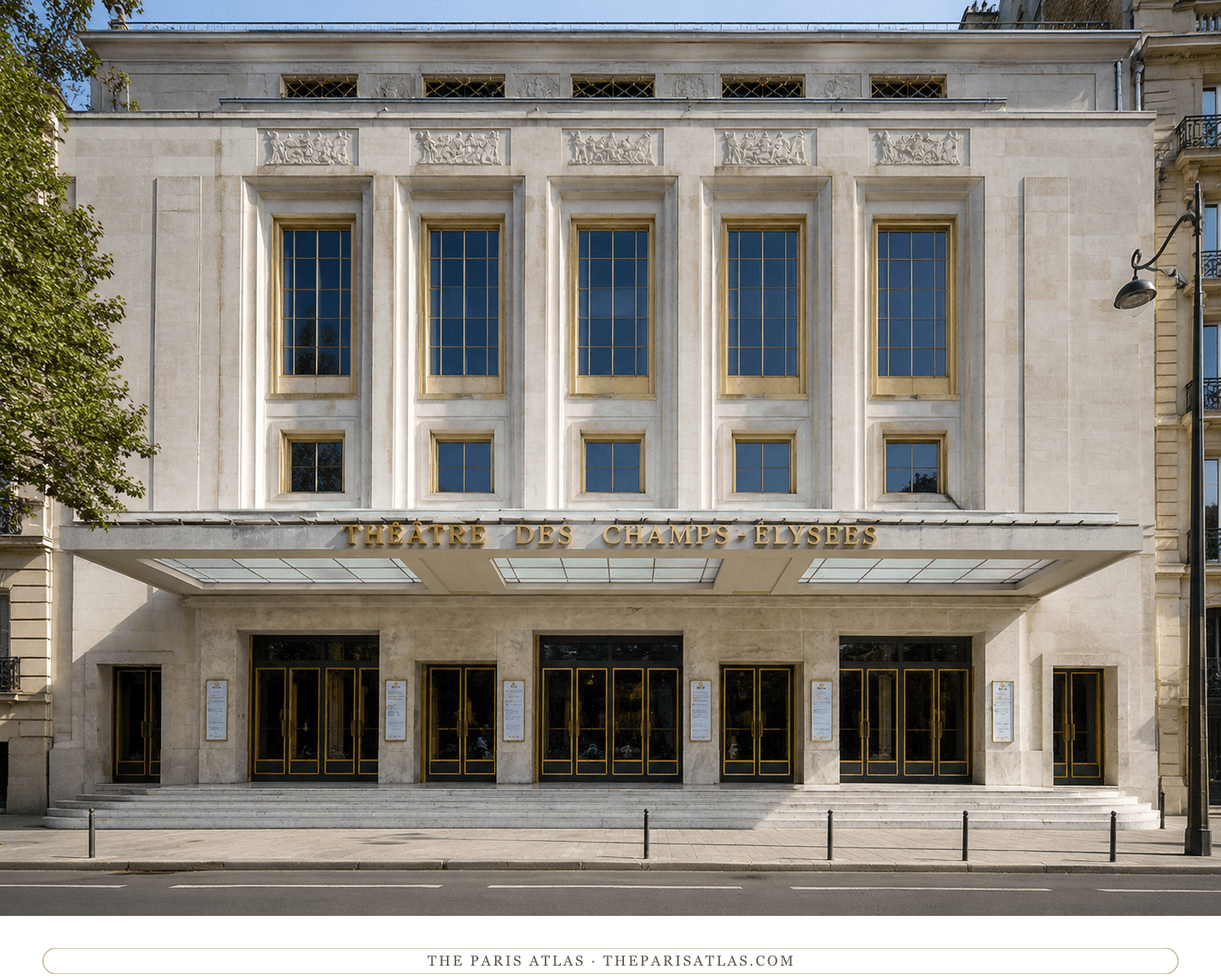
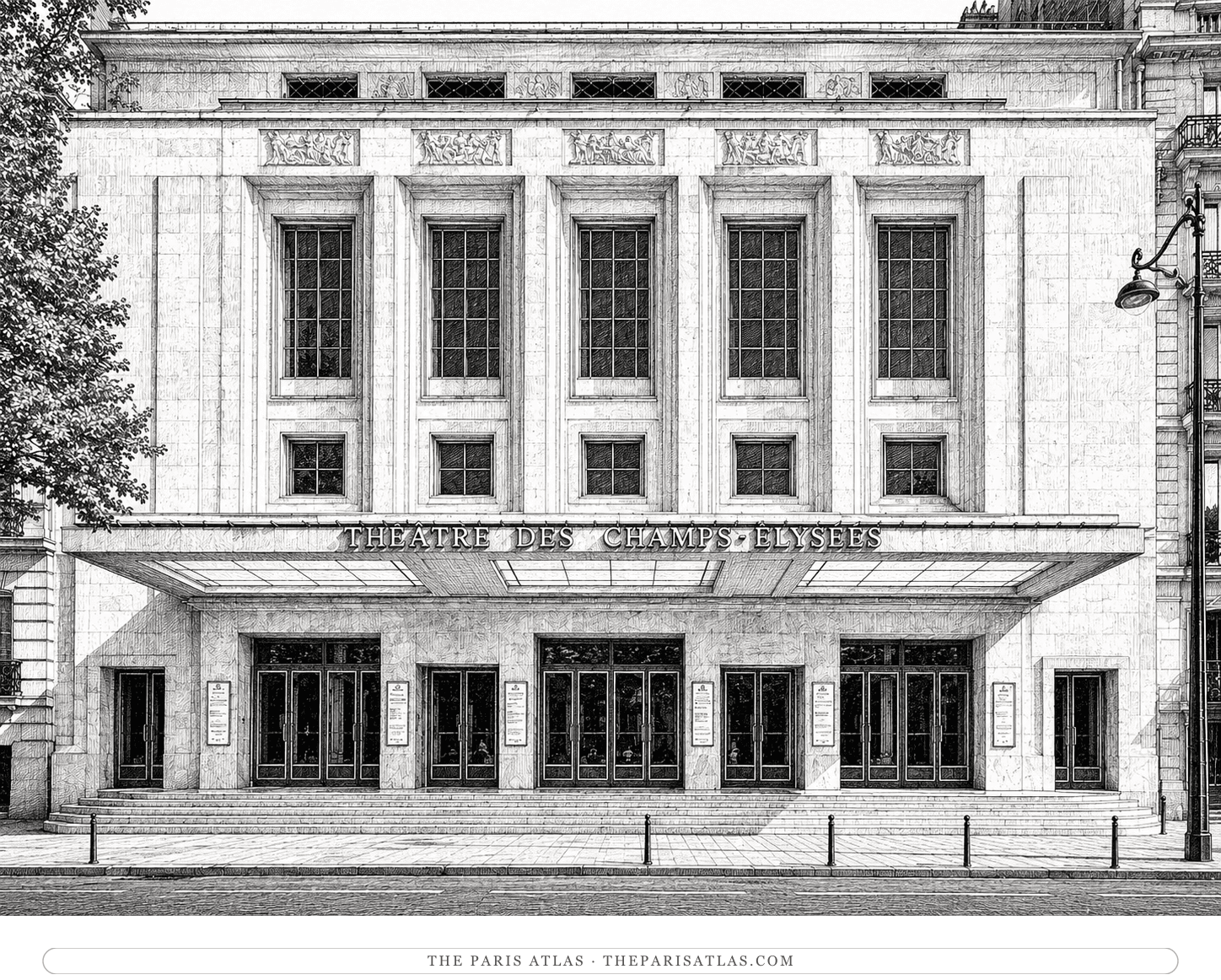
Chanel dressed the Paris avant-garde and paid some of its bills. On 20 June 1924 the Théâtre des Champs-Élysées staged Le Train Bleu — 'The Blue Train', named after the express that carried the rich to the Riviera — for Serge Diaghilev's Ballets Russes, the touring Russian company that commissioned much of the era's new music and design. Chanel made the costumes; Jean Cocteau wrote the story, Darius Milhaud the score, Bronislava Nijinska the choreography, the sculptor Henri Laurens the set, and Pablo Picasso the curtain and programme. Her knitted pink bathing suit for the character La Perlouse gave the dancer Lydia Sokolova trouble: the wool was so smooth that her partner could barely keep hold of her when he caught her in the air.

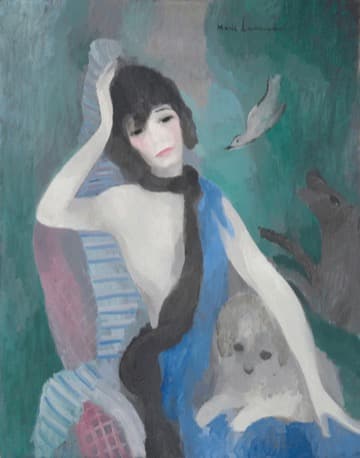
In the autumn before that premiere she commissioned her own portrait from Marie Laurencin, who was at the time designing the sets and costumes for another Ballets Russes production, Les Biches. Laurencin painted her in the pale, dark-eyed manner she used for every sitter; Chanel disliked it and refused to buy it, Laurencin refused to paint a second version and kept the canvas, and the Musée de l'Orangerie in the Tuileries gardens has hung it since 1977. It is the portrait of Chanel that Chanel never owned.

1939 to 1945: the closed house and the Ritz

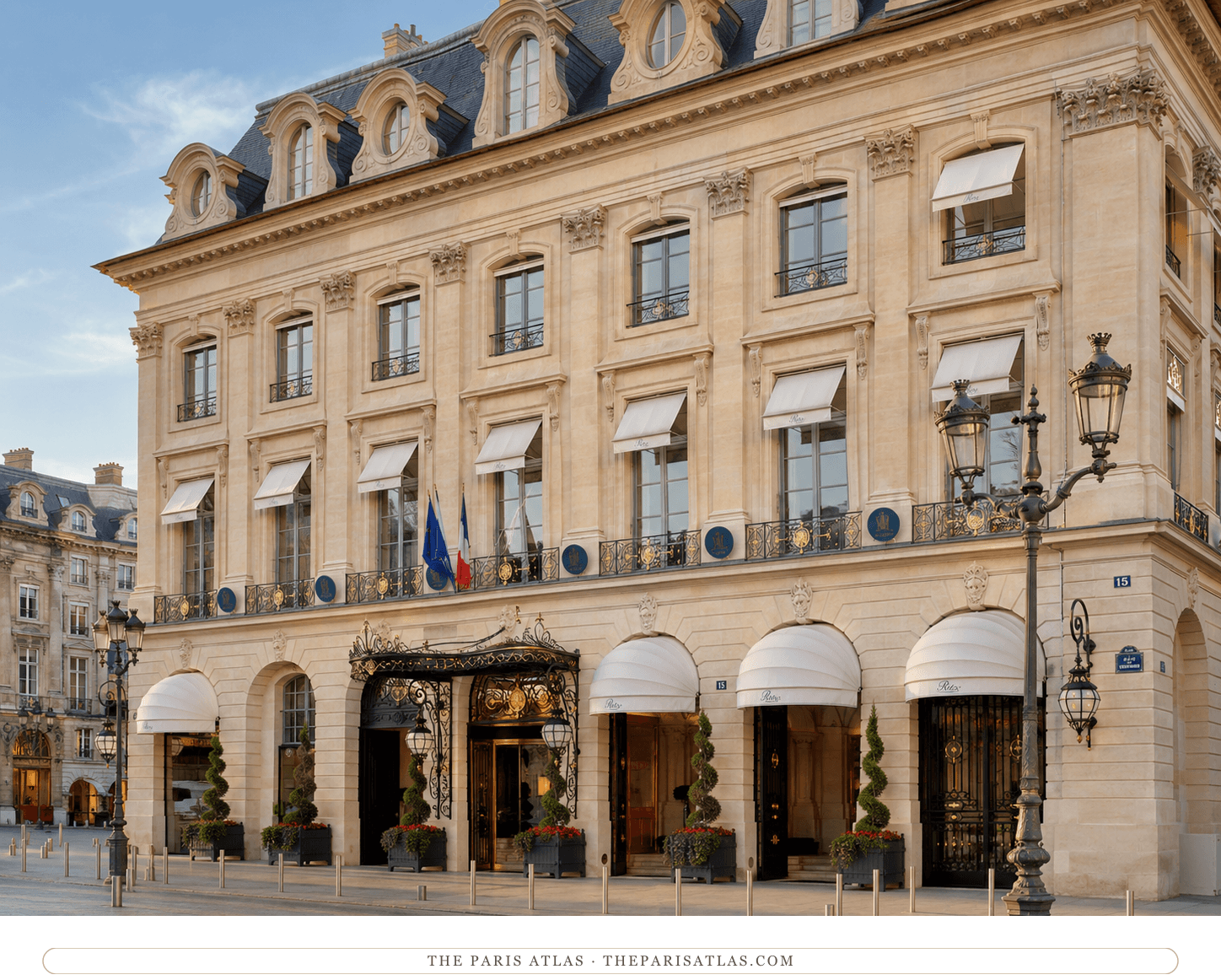
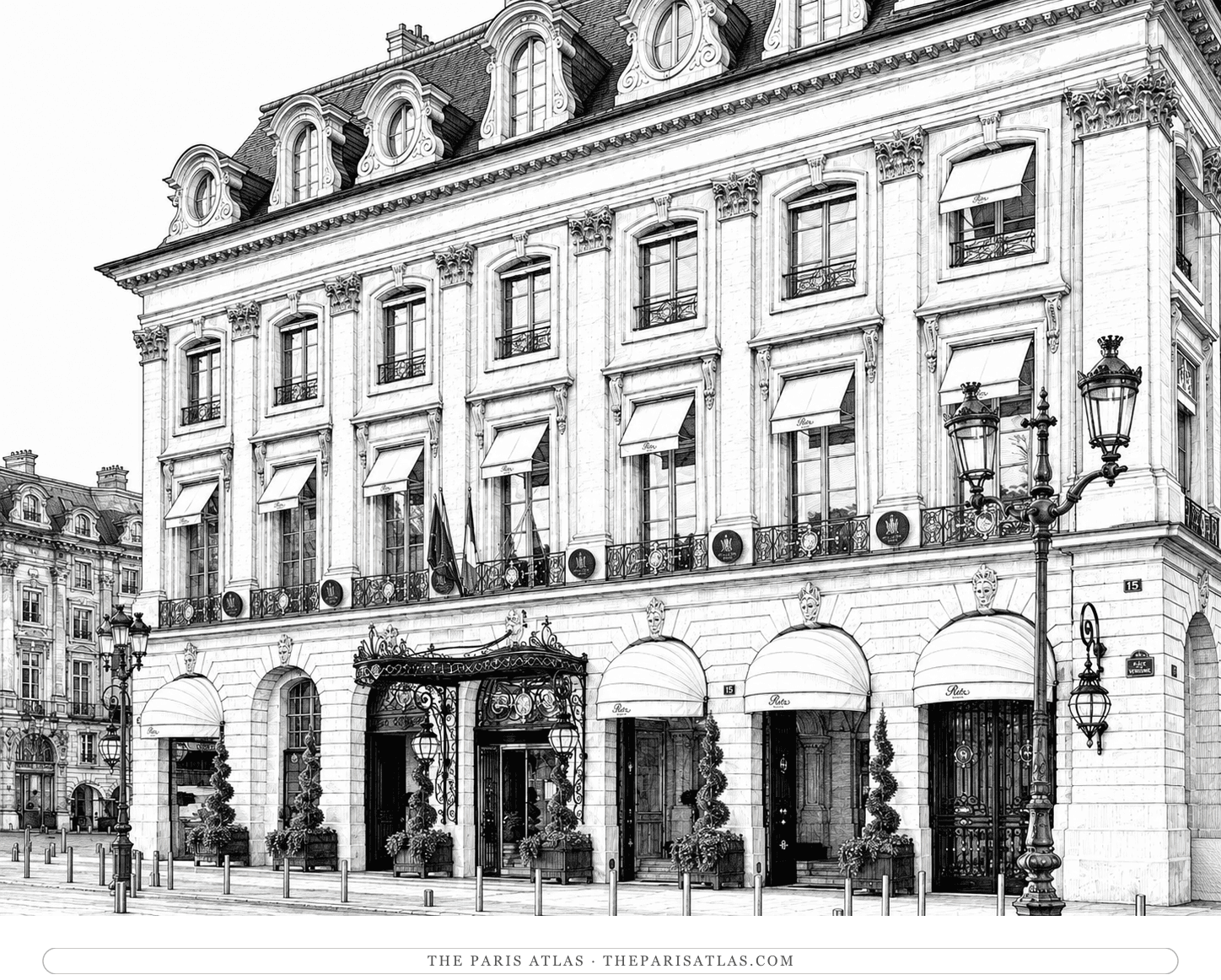
In 1937 she gave up her own apartment above the salon and moved into the Hôtel Ritz on the place Vendôme, whose back entrance let her out onto the rue Cambon a few doors from her workrooms. Two years later, when war broke out in September 1939, she closed the couture house and kept open only the shop that sold perfume and accessories. Germany occupied Paris from June 1940 to August 1944, and Chanel spent those four years at the Ritz — partly requisitioned by the German command — with Baron Hans Günther von Dincklage, a German officer, as her companion.

Two episodes are documented and neither is flattering. In 1941 she petitioned to have Parfums Chanel — the perfume company she had signed over in 1924 to the Wertheimer family, who were Jewish and had fled to the United States — transferred to her under the occupation's laws for seizing Jewish-owned businesses; the attempt failed, because the Wertheimers had already placed the firm in the hands of a non-Jewish associate. In 2011 the American journalist Hal Vaughan published French Defence Ministry files that record her as registered with the Abwehr, German military intelligence, and describe a 1944 scheme codenamed Modellhut — 'model hat' — under which she travelled to Madrid to carry a peace approach to Winston Churchill, the British prime minister, whom she had known socially for years. Nothing came of it. She was questioned in Paris after the liberation of the city, released within hours, never charged, and went to Switzerland, where she lived for most of the next decade. The standard accounts read the same papers differently: Vaughan's 2011 book treats them as evidence of collaboration, while Justine Picardie's 2010 biography stresses how much is unproven and how carefully Chanel buried it afterwards.

5 February 1954, and the suit

She reopened on 5 February 1954, aged seventy-one, with a collection built on the same principles she had set out in the 1920s and 1930s. Paris reviewed it coldly; American buyers and magazines ordered it, and within a few seasons the clothes were everywhere. The garment that carried the second career was the suit — a collarless braid-trimmed jacket over a straight skirt, cut to be worn all day and sat down in — which Vogue described in 1964 as 'the world's prettiest uniform'. Two accessories became as recognisable as the clothes: the quilted 2.55 handbag on its chain strap and the two-tone slingback shoe, both from the 1950s.

She worked to the end. She died on 10 January 1971 in her apartment at the Ritz, a few minutes' walk from the salon with the mirrored staircase where she had watched her own shows from the steps; the last collection she had prepared was shown for spring–summer 1971. She had already named the couturier she expected to follow her — Yves Saint Laurent, then in his thirties, of whom she said that someone would have to succeed her one day. His business partner Pierre Bergé later put the two careers in one line: Chanel gave women freedom, and Saint Laurent gave them power.

Life events

  1. 1883

    Born Gabrielle Chanel at Saumur on the Loire; raised after her mother's death in the convent orphanage of Aubazine, where she learns to sew.

    Justine Picardie, Coco Chanel: The Legend and the Life (2010)

  2. 1909–1910

    Sells hats from an apartment on the boulevard Malesherbes, then moves the business to the rue Cambon; Comoedia Illustré photographs her in her own designs in October 1910.

    V&A press release — 'Gabrielle Chanel. Fashion Manifesto' (exhibition, 16 September 2023 – 25 February 2024) (2023)

  3. 1910s

    Opens boutiques in the fashionable coastal resorts of Deauville and Biarritz; the hat business pays for the expansion into clothes.

    V&A press release — 'Gabrielle Chanel. Fashion Manifesto' (exhibition, 16 September 2023 – 25 February 2024) (2023)

  4. 1916

    A silk jersey blouse of this spring survives as one of the earliest Chanel garments — the fabric of underwear, cut as outerwear.

    V&A press release — 'Gabrielle Chanel. Fashion Manifesto' (exhibition, 16 September 2023 – 25 February 2024) (2023)

  5. 1921

    Launches the perfume N°5, conceived as an extension of the clothes and later the best-selling fragrance in the world.

    Gabrielle Chanel. Manifeste de mode — Palais Galliera; V&A press release — 'Gabrielle Chanel. Fashion Manifesto' (exhibition, 16 September 2023 – 25 February 2024) (2023)

  6. 1923

    Commissions her portrait from Marie Laurencin, dislikes it and refuses to buy it; the painting hangs today in the Musée de l'Orangerie.

    Portrait de Mademoiselle Chanel — Musée de l'Orangerie

  7. 1924

    Designs the costumes for the Ballets Russes production Le Train Bleu, premiered at the Théâtre des Champs-Élysées on 20 June, alongside Cocteau, Milhaud, Nijinska, Laurens and Picasso.

    V&A press release — 'Gabrielle Chanel. Fashion Manifesto' (exhibition, 16 September 2023 – 25 February 2024) (2023)

  8. 1932

    Shows Bijoux de Diamants, her only collection of real jewellery, commissioned by the International Diamond Corporation of London, and founds British Chanel Ltd with English textile firms.

    V&A press release — 'Gabrielle Chanel. Fashion Manifesto' (exhibition, 16 September 2023 – 25 February 2024) (2023)

  9. 1937

    Moves into a suite at the Hôtel Ritz, whose rue Cambon entrance puts her a few doors from her own salon. She lives there until her death.

    Justine Picardie, Coco Chanel: The Legend and the Life (2010)

  10. 1939

    Closes the couture house at the outbreak of the Second World War, keeping only the shop selling perfume and accessories.

    V&A press release — 'Gabrielle Chanel. Fashion Manifesto' (exhibition, 16 September 2023 – 25 February 2024) (2023)

  11. 1941

    Petitions to have Parfums Chanel transferred to her under the occupation's laws for seizing Jewish-owned businesses; the Wertheimer family had already put the company beyond reach.

    Hal Vaughan, Sleeping with the Enemy: Coco Chanel's Secret War (2011); Justine Picardie, Coco Chanel: The Legend and the Life (2010)

  12. 1944

    Travels to Madrid on the German scheme codenamed Modellhut, meant to reach Winston Churchill with a peace approach; questioned in Paris after the liberation, released within hours and never charged, she leaves for Switzerland.

    Hal Vaughan, Sleeping with the Enemy: Coco Chanel's Secret War (2011)

  13. 1954

    Reopens the couture house on 5 February at the age of seventy-one; Paris is cool, America buys, and the Chanel suit follows.

    V&A press release — 'Gabrielle Chanel. Fashion Manifesto' (exhibition, 16 September 2023 – 25 February 2024) (2023)

  14. 1971

    Dies on 10 January in her apartment at the Hôtel Ritz, aged eighty-seven; the final collection she prepared is shown for spring–summer.

    1971: Death of Gabrielle Chanel — Musée Yves Saint Laurent Paris; V&A press release — 'Gabrielle Chanel. Fashion Manifesto' (exhibition, 16 September 2023 – 25 February 2024) (2023)

People they knew

Documented connections — every one carries its source.

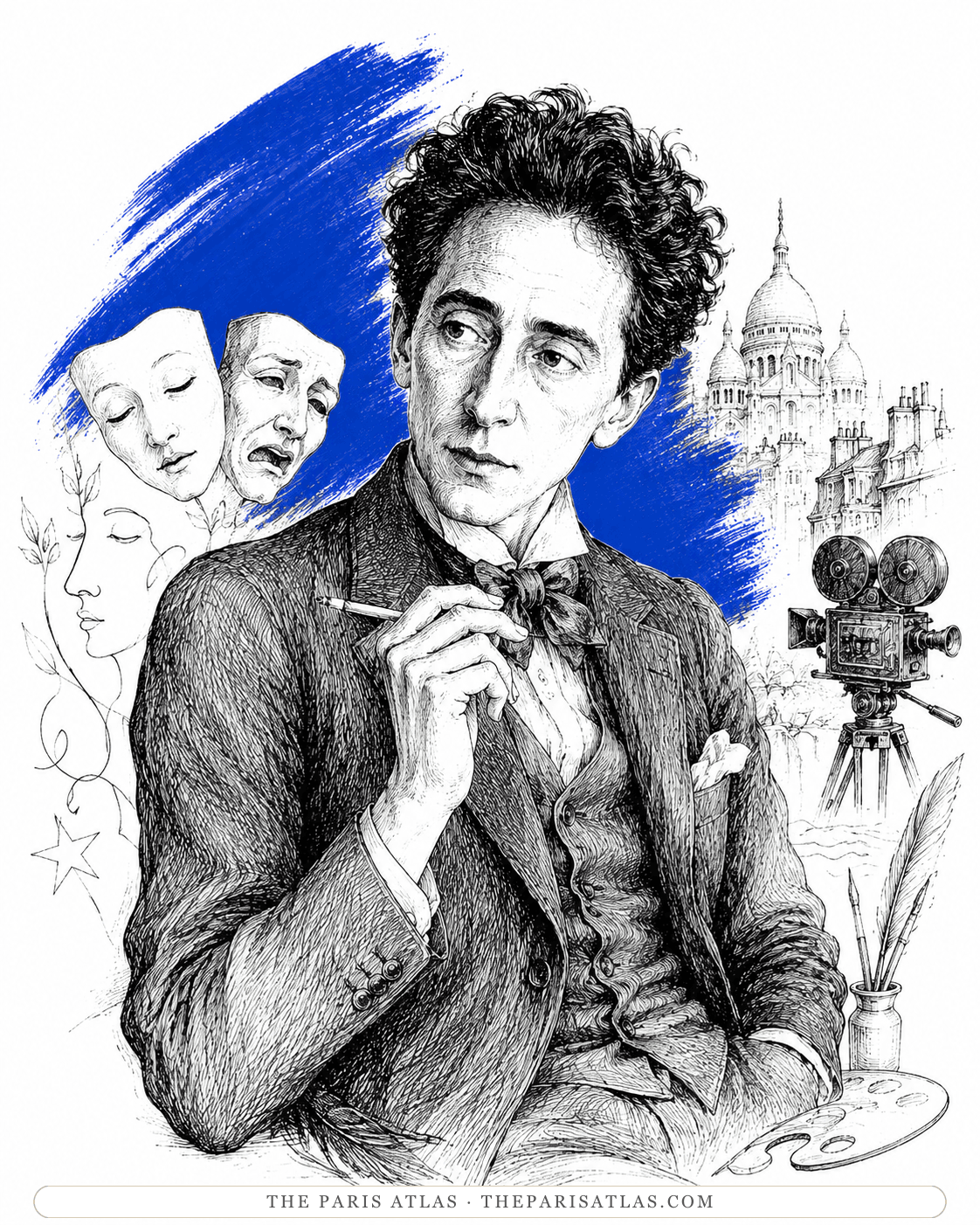
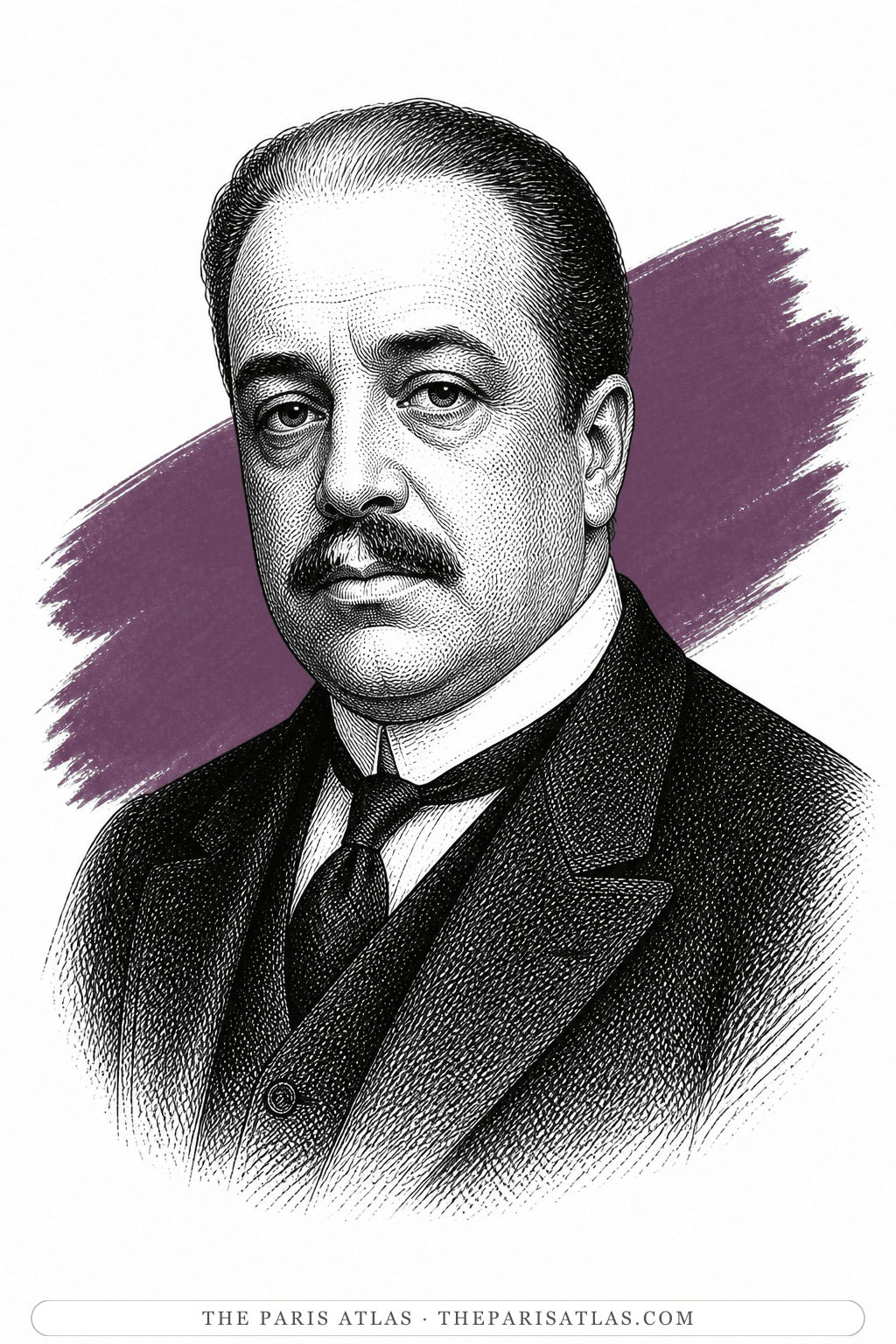
Illustrated portrait of Jean Cocteau

Jean Cocteau

  • Poet
  • Playwright
  • Illustrator
  • +1

Collaborated with · 1924

Chanel made the costumes and Cocteau wrote the libretto for the Ballets Russes production Le Train Bleu, premiered at the Théâtre des Champs-Élysées on 20 June 1924, with a score by Darius Milhaud, choreography by Bronislava Nijinska, a set by Henri Laurens and a curtain and programme by Picasso. The V&A, which holds Chanel's knitted bathing costume for the character La Perlouse, sets out the collaborators. It was not the only one: Chanel also dressed Cocteau's stage productions of the 1920s and 1930s.
V&A press release — 'Gabrielle Chanel. Fashion Manifesto' (exhibition, 16 September 2023 – 25 February 2024) (2023); Justine Picardie, Coco Chanel: The Legend and the Life (2010)

Who drew from them

Influence running outward — the writers and artists who built on their work.

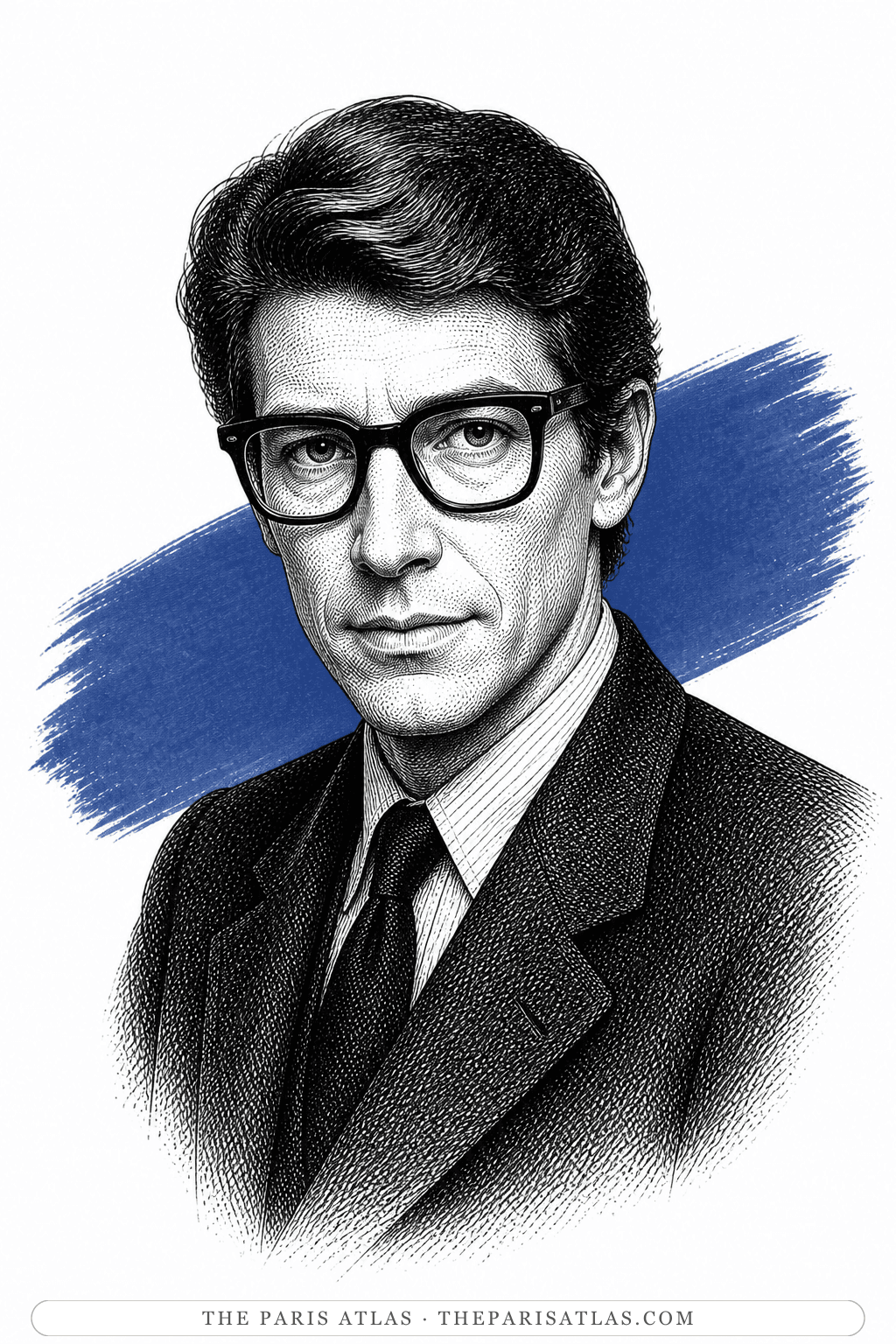
Yves Saint Laurent

The Musée Yves Saint Laurent Paris records that Chanel named Saint Laurent as the couturier she expected to succeed her — 'since someone will have to succeed me one day' — and sets the two careers on one line, both aimed at clothes a woman can move in. Pierre Bergé's summary is the museum's: 'Chanel gave women freedom. Yves Saint Laurent gave them power.'

1971: Death of Gabrielle Chanel — Musée Yves Saint Laurent Paris

Coco Chanel’s Places

The cataloged places connected to Coco Chanel — through the books, and through the documented record.

Places you can enter today appear first, followed by addresses to see from outside and sites that have vanished.

In works

Works in these pages connected to Coco through the claims of the graph.

Depicted in · Painting

Portrait de Mademoiselle Chanel

1923 · Oil on canvas

Chanel commissioned the portrait from Marie Laurencin in 1923, disliked the result and refused to buy it; Laurencin declined to paint a second version and kept the canvas. The Musée de l'Orangerie, which has held it since the state bought it from Domenica Walter, records the whole episode on the painting's own notice.

Portrait de Mademoiselle Chanel — Musée de l'Orangerie

Questions about Coco Chanel

Who was Coco Chanel?

A French couturière — a designer of made-to-order clothes — born Gabrielle Chanel in 1883, who opened a hat shop on the rue Cambon in Paris in 1910 and built it into a house whose clothes, perfume and accessories defined twentieth-century dress: jersey day clothes, the little black dress, the perfume N°5, the braided suit and the quilted handbag. She closed the house in 1939, lived through the German occupation of Paris at the Hôtel Ritz, reopened in 1954 at seventy-one, and died at the Ritz in 1971.

Why was she called Coco?

From a brief career as a singer. Before she made hats she performed in the café-concerts of Moulins in central France — cafés with a small stage — and the songs she was known for gave her the nickname, which she kept for the rest of her life. Her legal name was Gabrielle Chanel, and her staff called her Mademoiselle.

Where in Paris was Chanel's couture house?

At 31 rue Cambon, in the 1st arrondissement, where it still stands. Her first Paris shop was a few doors away at number 21, opened in 1910 to sell hats. From 1937 she also lived a short walk away at the Hôtel Ritz on the place Vendôme, whose secondary entrance opens onto the rue Cambon — the whole working life happened along a couple of hundred metres of one street.

What did Coco Chanel do during the Second World War?

She closed the couture house in 1939 and spent the German occupation of Paris, from 1940 to 1944, living at the Hôtel Ritz with Baron Hans Günther von Dincklage, a German officer. In 1941 she tried to have the perfume company Parfums Chanel transferred to her under the occupation's laws for seizing businesses owned by Jews — the Wertheimer family, who owned it, had fled to America and had already protected the firm. French Defence Ministry files published by the journalist Hal Vaughan in 2011 record her as registered with German military intelligence and describe a 1944 mission to Madrid, codenamed Modellhut, meant to open a peace channel to Winston Churchill, then Britain's prime minister. She was questioned after the liberation of Paris, released within hours and never charged, and spent much of the next decade in Switzerland.

What is Chanel N°5?

The perfume she launched in 1921, named for the numbered sample she chose. It was conceived as part of the same project as the clothes — modern, unfussy, instantly recognisable — and became the signature of her house and the best-selling fragrance in the world. A range of make-up followed in 1924 and skincare in 1927.

Did Coco Chanel invent the little black dress?

She made it fashionable rather than invented it. Black was the colour Frenchwomen of the period wore for mourning; Chanel put it into plain, well-cut day and evening dresses in the 1920s, and the Palais Galliera credits her with imposing her own version of the little black dress on the century. It became the most copied idea of her career, and it is one of the ten themed sections of the Chanel retrospective the museum organised with the V&A — the Victoria and Albert Museum in London.

What was Chanel's 1954 comeback?

On 5 February 1954, after fifteen years with the couture house closed and much of that time spent in Switzerland, she showed a collection again in Paris at the age of seventy-one. The French press was hostile; American buyers and editors bought it, and out of that return came the garment she is now most associated with — the collarless braid-trimmed suit that the fashion magazine Vogue in 1964 called 'the world's prettiest uniform'.

How and where did Coco Chanel die?

She died on 10 January 1971, aged eighty-seven, in her apartment at the Hôtel Ritz in Paris, where she had lived since 1937. Her final collection had been prepared for spring–summer 1971. She had already named Yves Saint Laurent as the designer she expected to succeed her.

Sourced claims

Every connection the graph holds for Coco, with the evidence behind it.

Collaborated with · 1924

Jean Cocteau

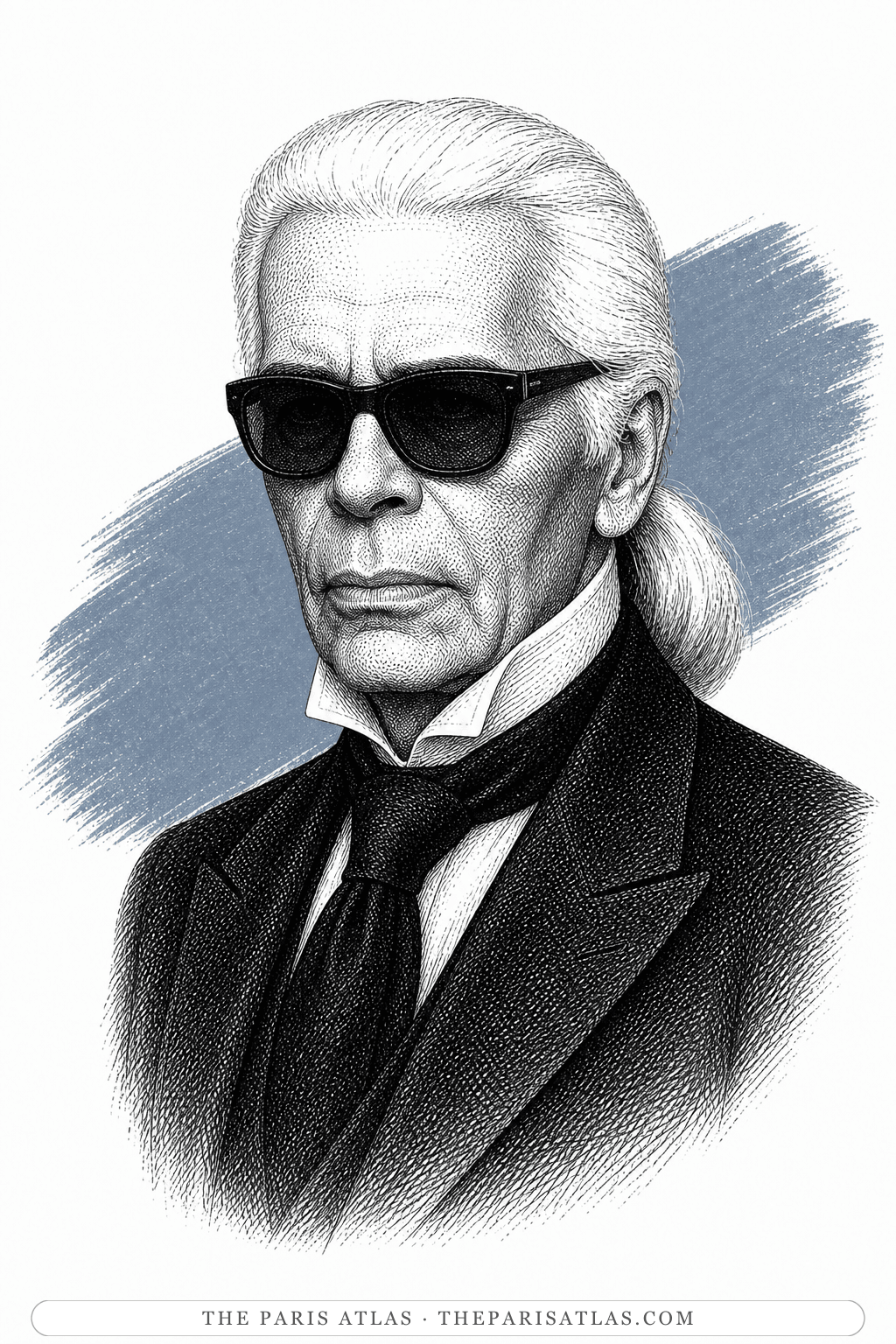
Chanel made the costumes and Cocteau wrote the libretto for the Ballets Russes production Le Train Bleu, premiered at the Théâtre des Champs-Élysées on 20 June 1924, with a score by Darius Milhaud, choreography by Bronislava Nijinska, a set by Henri Laurens and a curtain and programme by Picasso. The V&A, which holds Chanel's knitted bathing costume for the character La Perlouse, sets out the collaborators. It was not the only one: Chanel also dressed Cocteau's stage productions of the 1920s and 1930s.
V&A press release — 'Gabrielle Chanel. Fashion Manifesto' (exhibition, 16 September 2023 – 25 February 2024) (2023); Justine Picardie, Coco Chanel: The Legend and the Life (2010)

Influenced

Yves Saint Laurent

The Musée Yves Saint Laurent Paris records that Chanel named Saint Laurent as the couturier she expected to succeed her — 'since someone will have to succeed me one day' — and sets the two careers on one line, both aimed at clothes a woman can move in. Pierre Bergé's summary is the museum's: 'Chanel gave women freedom. Yves Saint Laurent gave them power.'

1971: Death of Gabrielle Chanel — Musée Yves Saint Laurent Paris

Lived at · 1937–1971

Hôtel Ritz

Chanel gave up her own apartment and moved into the hotel on the place Vendôme in 1937, keeping a suite there for the rest of her life — including the four years of the German occupation, when the hotel was partly requisitioned by the German command. The Ritz's secondary entrance opens onto the rue Cambon, a few doors from her couture house at number 31. She died in the suite on 10 January 1971.

1971: Death of Gabrielle Chanel — Musée Yves Saint Laurent Paris; Justine Picardie, Coco Chanel: The Legend and the Life (2010)

Depicted in · 1923

Portrait de Mademoiselle Chanel

Chanel commissioned the portrait from Marie Laurencin in 1923, disliked the result and refused to buy it; Laurencin declined to paint a second version and kept the canvas. The Musée de l'Orangerie, which has held it since the state bought it from Domenica Walter, records the whole episode on the painting's own notice.

Portrait de Mademoiselle Chanel — Musée de l'Orangerie

References

References

The sources below include biographies, scholarly essays, interviews, and primary materials that informed this page. They reflect both the historical record and ongoing critical conversations about Coco Chanel and their work.

  1. 1V&A press release — 'Gabrielle Chanel. Fashion Manifesto' (exhibition, 16 September 2023 – 25 February 2024)

    Victoria and Albert Museum, London, 2023
    View source
  2. 2Gabrielle Chanel. Manifeste de mode — Palais Galliera

    Palais Galliera, Musée de la Mode de la Ville de Paris
    View source
  3. 3Coco Chanel: The Legend and the Life

    HarperCollins, 2010
  1. 4Sleeping with the Enemy: Coco Chanel's Secret War

    Alfred A. Knopf, 2011
  2. 51971: Death of Gabrielle Chanel — Musée Yves Saint Laurent Paris

    Musée Yves Saint Laurent Paris
    View source
i
Why these sources are here

These references anchor the page in the documented record and in the scholarly conversations around Coco Chanel. Every claim on this page traces back to one or more of the works listed here.

Explore more resources