The Paris AtlasCharting the artists, works, and places worth returning to.
  • Tailor
· Spanish · 1895–1972

Cristóbal Balenciaga

Basque couturier — a designer of made-to-measure clothes, cut and sewn by hand for one client at a time — who was the son of a fisherman and a seamstress, learned tailoring at twelve, and ran the most exclusive house in Paris from 10 avenue George V. Christian Dior, the couturier of the New Look, called him the conductor of couture's orchestra; Coco Chanel, the founder of the house that bears her name, said he was the only real couturier alive. He closed the house in 1968 rather than switch to ready-to-wear clothes made in standard sizes.

Details

Lived
1895–1972
Born
21 January 1895
Birthplace
Getaria, Basque Country, Spain
Died
1972
Nationality
Spanish
Profession
Couturier
Major works
The tunic (1955), the sack dress (1957), the baby-doll dress (1958), the Infanta evening dresses
Roles
Tailor

About Cristóbal Balenciaga

Spanish couturier — a designer of made-to-order clothes — who was the only one of his generation able to cut, assemble and sew a garment entirely by hand, and whose Paris house was the most exclusive in the city

Cristóbal Balenciaga is the couturier other couturiers were frightened of. Christian Dior, whose New Look of 1947 set the shape of post-war fashion, said of him that haute couture — the trade of making clothes to measure, by hand, for one client at a time — is like an orchestra whose conductor is Balenciaga, and that the rest of them were the musicians who followed the direction he gave. Coco Chanel, who had freed women from the corset a generation earlier and praised almost nobody, said he alone was a couturier in the truest sense of the word — the only one capable of cutting the material, assembling a creation and sewing it by hand, and that the others were simply fashion designers.

He could do all of that because he had learned it as a trade before he learned it as an art. He was born in 1895 at Getaria, a fishing village on the Basque coast of Spain; his father was a fisherman who died when the boy was eleven, and his mother a seamstress. He was in a tailor's shop in San Sebastián at twelve and had his own house at twenty-two. The Spanish Civil War — the three-year conflict that began in 1936 and ended with General Franco's dictatorship — pushed him to Paris in 1937. There he opened salons — the showrooms in which a couture house presents each season's clothes to its clients — at 10 avenue George V in the 8th arrondissement, one of the twenty numbered districts of Paris, and within a few seasons held the most expensive and exclusive address in the city. He shut it in 1968 and died in 1972.

Getaria: a fisherman's son and a seamstress's apprentice

He was born on 21 January 1895 at Getaria, a small fishing village on the Basque coast of northern Spain. His father was a fisherman and died when Cristóbal was eleven; his mother was a seamstress, and the Cristóbal Balenciaga Museoa — the museum in his home town — calls her the figure of reference for his whole life. She sewed for the Marquises de Casa-Torres, the local aristocratic family, and it was through her clients that the boy first saw what Paris clothes looked like from the inside.

By 1907 he was registered in San Sebastián, the Basque resort city then rich enough to keep workshops that copied and adapted Paris fashion, and he learned tailoring there from the age of twelve. Tailoring is the harder half of the trade — the construction of coats, suits and jackets, where a shoulder either sits or does not — and it stayed the foundation of everything he made. At twenty-two, in 1917, he opened a couture house of his own at Calle Vergara No. 2. He later ran a house called Martina Robes et Manteaux — 'Martina, dresses and coats', named for his mother — and the EISA workrooms, the label he traded under in Spain, opening in Madrid in 1933 and Barcelona in 1935.

1937: the move to Paris and 10 avenue George V

The Spanish Civil War, which broke out in 1936 and made ordinary business impossible, drove him out. He moved to Paris in 1937 and opened salons at 10 avenue George V, a broad street off the Champs-Élysées in the 8th arrondissement, showing his first Paris collection that year. The Victoria and Albert Museum in London, which holds a large body of his work, puts the outcome plainly: the house on avenue George V quickly became the city's most expensive and exclusive couturier.

He was forty-two, foreign, and almost silent in public — he gave essentially no interviews and did not appear at his own shows — and his clients stayed with him for decades. They included Mona von Bismarck, one of the richest women in the world, who ordered everything from ball gowns to gardening shorts; the American philanthropist Rachel 'Bunny' Mellon; the Chilean socialite Patricia López Willshaw; the Woolworth department-store heiress Barbara Hutton; Grace Kelly, the Hollywood actress who became Princess of Monaco; and the actress Ava Gardner. What they were buying was construction. His own formula for the job was that a couturier must be an architect for plans, a sculptor for shapes, an artist for colour, a musician for harmony and a philosopher for the sense of proportion.

The shapes: tunic, sack, baby-doll

Where Christian Dior's New Look of 1947 pulled the waist in and pushed the hips out, Balenciaga spent twenty years taking the waist away. The museum in Getaria lists the sequence: the barrel-shaped tonneau line in 1947, the semi-fitted look in 1951, balloon skirts in 1953, the tunic in 1955, the sack dress in 1957 and the baby-doll in 1958. The sack was a waistless shift that hung clear of the body, and it was attacked, longed for and copied in roughly equal measure; the baby-doll was a short trapezoid that left an envelope of air between the outer silhouette and the woman inside it.

The earlier work looked backwards rather than forwards: the Infanta evening dresses of the late 1930s — infanta is the Spanish title for a king's daughter — took their stiff, wide skirts from the portraits of Spanish royal children painted by Diego Velázquez, court painter in Madrid in the seventeenth century. Late in his career came the envelope dress of the late 1960s, one more version of the same idea: a dress that encloses the body instead of following it. Through all of it he held to one rule about how a garment begins, which he stated as flatly as he stated everything: it is the fabric that decides.

The man across the street

In 1953 he was introduced, in New York, to a French couturier thirty-two years his junior who had opened his own house the year before: Hubert de Givenchy. The introduction was arranged by Patricia López Willshaw, the Chilean socialite who was a client of both. What followed was the closest professional friendship in Paris fashion. From 1956 they timed their collections so that each showed a month after the other, supplied the press with their own photographs and sketches rather than submitting to the fashion papers' terms, and showed their summer collections together at the Ambassador Hotel in New York.

From 1959 they worked on the same street: Givenchy took 3 avenue George V, directly opposite Balenciaga's own salons. A British journalist, Katharine Whitehorn, writing in the Observer, the London Sunday newspaper, in 1960, coined a name for what she saw coming out of the two houses — the Givenchiaga family, a splice of their two surnames — and wrote that she had seen in them the most beautiful dresses in the world. The Getaria museum's account of the relationship is exact about its nature: Givenchy's admiration for Balenciaga, and the attention he paid to the advice of his reserved but generous mentor, made him Balenciaga's closest protégé — his most favoured pupil — despite never having worked in his atelier, the workshop where a couture house's clothes are actually cut and sewn.

1968: closing the door

In 1968 he retired and shut the house. The reason, as the Getaria museum states it, was that haute couture — clothes cut and fitted to one client — was losing ground to prêt-à-porter, French for ready-to-wear: clothing made in standard sizes and sold off the rail, which is now how nearly all clothes are sold, and which was not the trade he had learned at twelve. Rather than convert, he stopped. He did it generously: he arranged for some of his most trusted staff and several of his best clients to go to Givenchy's house across the street, and personally introduced Givenchy to Bunny Mellon, who became one of Givenchy's own clients and a friend of his for decades.

He died in March 1972. Givenchy presented that August's collection as Hommage à Cristóbal Balenciaga — 'homage to Cristóbal Balenciaga' — spent the rest of his life assembling and protecting a personal collection of Balenciaga garments so the work would not be scattered, and helped establish the Cristóbal Balenciaga Foundation, which opened in 2011. The Cristóbal Balenciaga Museoa in Getaria was inaugurated in June that year and now holds over 5,100 pieces. In London the Victoria and Albert Museum devoted an exhibition to him, Balenciaga: Shaping Fashion, from 27 May 2017 to 18 February 2018, showing more than a hundred garments and hats alongside the patterns, sketches and fabric samples that explain how they were built, and work by the apprentices who carried his method forward — André Courrèges and Emanuel Ungaro among them.

Life events

  1. 1895

    Born on 21 January at Getaria, a Basque fishing village, to a fisherman and a seamstress.

    Cristóbal Balenciaga — the museum's biography of the couturier; Introducing Cristóbal Balenciaga

  2. 1906–1907

    His father dies when he is eleven; by 1907 he is in San Sebastián learning tailoring, aged twelve.

    Cristóbal Balenciaga — the museum's biography of the couturier; Introducing Cristóbal Balenciaga

  3. 1917

    Opens his first couture house at Calle Vergara No. 2 in San Sebastián, aged twenty-two.

    Cristóbal Balenciaga — the museum's biography of the couturier

  4. 1933–1935

    Expands the EISA workrooms, opening in Madrid in 1933 and Barcelona in 1935.

    Cristóbal Balenciaga — the museum's biography of the couturier

  5. 1937

    Driven out by the Spanish Civil War, he moves to Paris, opens salons at 10 avenue George V and shows his first Paris collection.

    Cristóbal Balenciaga — the museum's biography of the couturier; Introducing Cristóbal Balenciaga

  6. 1947–1953

    The tonneau line in 1947, the semi-fitted look in 1951, balloon skirts in 1953.

    Cristóbal Balenciaga — the museum's biography of the couturier

  7. 1953

    Meets Hubert de Givenchy in New York, introduced by their shared client Patricia López Willshaw.

    The Givenchiaga Family — exhibition press kit, with the museum's chronology of Cristóbal Balenciaga and Hubert de Givenchy and its account of their friendship

  8. 1955–1958

    The tunic in 1955, the waistless sack dress in 1957, the baby-doll in 1958 — twenty years of taking the waist out of women's clothes.

    Cristóbal Balenciaga — the museum's biography of the couturier; Introducing Cristóbal Balenciaga

  9. 1956

    He and Givenchy begin timing their shows a month apart, issuing their own photographs and sketches, and presenting summer collections together at New York's Ambassador Hotel.

    The Givenchiaga Family — exhibition press kit, with the museum's chronology of Cristóbal Balenciaga and Hubert de Givenchy and its account of their friendship

  10. 1959

    Givenchy moves to 3 avenue George V, directly opposite Balenciaga's salons; the press soon calls the two houses the Givenchiaga family.

    The Givenchiaga Family — exhibition press kit, with the museum's chronology of Cristóbal Balenciaga and Hubert de Givenchy and its account of their friendship

  11. 1968

    Retires and closes the house rather than move into ready-to-wear, sending trusted staff and clients — Bunny Mellon among them — across the street to Givenchy.

    Cristóbal Balenciaga — the museum's biography of the couturier; The Givenchiaga Family — exhibition press kit, with the museum's chronology of Cristóbal Balenciaga and Hubert de Givenchy and its account of their friendship

  12. 1972

    Dies in March. Givenchy presents that August's collection as Hommage à Cristóbal Balenciaga.

    The Givenchiaga Family — exhibition press kit, with the museum's chronology of Cristóbal Balenciaga and Hubert de Givenchy and its account of their friendship

  13. 2011

    The Cristóbal Balenciaga Foundation opens and the museum in Getaria is inaugurated in June; it now holds over 5,100 pieces.

    The Givenchiaga Family — exhibition press kit, with the museum's chronology of Cristóbal Balenciaga and Hubert de Givenchy and its account of their friendship

  14. 2017

    The V&A's exhibition Balenciaga: Shaping Fashion opens on 27 May, running to 18 February 2018 with more than a hundred garments and hats.

    About the Balenciaga: Shaping Fashion exhibition — 27 May 2017 to 18 February 2018 (2017)

People they knew

Documented connections — every one carries its source.

Hubert de Givenchy

  • Collector

Mentored · 1953–1972

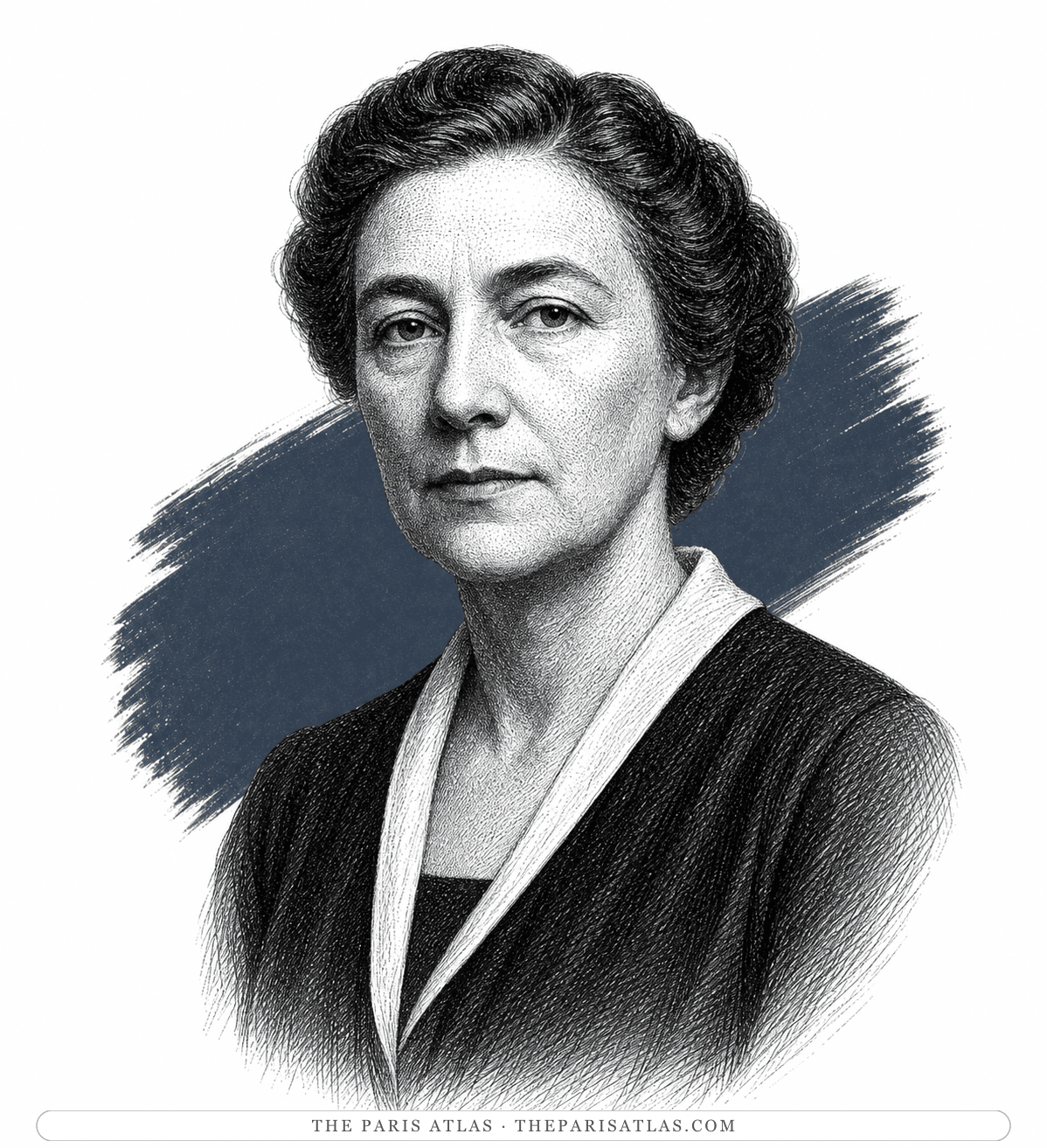
The Cristóbal Balenciaga Museoa states it directly, and states its limits: Givenchy's admiration for Balenciaga, 'combined with the keen attention he paid to the advice of his reserved yet generous mentor, made him Balenciaga's closest protégé despite never having worked in his atelier'. They were introduced in New York in 1953 by Patricia López Willshaw, a client of both. From 1956 the two houses staggered their show dates a month apart, issued their own photographs and sketches to the press, and presented summer collections together at New York's Ambassador Hotel; from 1959 Givenchy worked at 3 avenue George V, directly opposite Balenciaga's salons at number 10. When Balenciaga retired in 1968 he moved trusted staff and important clients to Maison Givenchy and introduced Givenchy to Rachel 'Bunny' Mellon. Givenchy's own summary, to Women's Wear Daily: 'Balenciaga was my religion. There was Balenciaga, and then there was God.'
The Givenchiaga Family — exhibition press kit, with the museum's chronology of Cristóbal Balenciaga and Hubert de Givenchy and its account of their friendship; About the Balenciaga: Shaping Fashion exhibition — 27 May 2017 to 18 February 2018 (2017)

Who drew from them

Influence running outward — the writers and artists who built on their work.

Christian Dior

The evidence is a public tribute rather than a documented working relationship, and Dior placed himself inside it: 'Haute couture is like an orchestra whose conductor is Balenciaga. We other couturiers are the musicians and we follow the direction he gives.' Their houses were rivals in the same city and the two silhouettes ran opposite ways — Dior's New Look of 1947 cinched the waist, Balenciaga spent twenty years removing it. The claim records Dior's own statement that he followed Balenciaga's direction, and nothing more than that.

Introducing Cristóbal Balenciaga

Questions about Cristóbal Balenciaga

Who was Cristóbal Balenciaga?

A Spanish couturier, born in the Basque fishing village of Getaria in 1895, who ran the most exclusive couture house in Paris from 10 avenue George V between 1937 and 1968. He had trained as a tailor from the age of twelve and was the only designer of his era who could cut, assemble and sew a garment entirely by hand. He is credited with the tunic, the sack dress and the baby-doll — a twenty-year campaign to free women's clothes from the fitted waist.

Why is Balenciaga called 'the master of couture'?

Because his competitors said so. Christian Dior said that haute couture was an orchestra whose conductor was Balenciaga, and that the other couturiers were the musicians who followed the direction he gave. Coco Chanel said Balenciaga alone was a couturier in the truest sense of the word — the only one able to cut material, assemble a creation and sew it by hand — and that the rest were simply fashion designers. Hubert de Givenchy called him the architect of haute couture.

Where was Balenciaga's Paris house?

At 10 avenue George V, in the 8th arrondissement just off the Champs-Élysées. He opened the salons there in 1937 after the Spanish Civil War drove him out of Spain, and the V&A records that the house quickly became the most expensive and exclusive in Paris. From 1959 Hubert de Givenchy's house stood directly opposite, at number 3.

What is the sack dress?

A waistless shift, introduced by Balenciaga in 1957, that hung clear of the body instead of following it. It was the most argued-over garment of the decade — attacked, admired and copied at once — and it belongs to a longer sequence: the tonneau line of 1947, the semi-fitted look of 1951, balloon skirts in 1953, the tunic in 1955 and the baby-doll in 1958.

Why did Balenciaga close his fashion house in 1968?

Because haute couture — clothes cut and sewn to order for individual clients — was giving way to prêt-à-porter, ready-to-wear made in standard sizes and sold off the rail. The museum in his home town puts it simply: in 1968, as couture lost ground to ready-to-wear, he decided to retire. Rather than convert his workrooms, he shut them, and arranged for trusted staff and important clients to move to Hubert de Givenchy's house across the avenue.

What was Balenciaga's relationship with Hubert de Givenchy?

They met in New York in 1953, introduced by a client they shared, and became close friends and business allies: from 1956 they staggered their shows, issued their own photographs and sketches, and showed together in New York, and from 1959 their houses faced each other across the avenue George V. The Cristóbal Balenciaga Museoa describes Balenciaga as Givenchy's reserved but generous mentor, and Givenchy as his closest protégé — while noting precisely that Givenchy never worked in Balenciaga's workroom. Givenchy's own line was blunter: Balenciaga was his religion.

Can you visit a Balenciaga museum?

Yes, in Getaria, the Basque village where he was born. The Cristóbal Balenciaga Museoa was inaugurated in June 2011, alongside the Cristóbal Balenciaga Foundation that Hubert de Givenchy helped set up, and holds over 5,100 pieces — including some of the earliest surviving models the designer made.

Who did Balenciaga train?

André Courrèges and Emanuel Ungaro both served as apprentices in his workrooms and carried his pared-back, architectural approach into their own houses; the V&A showed their work beside his in the 2017 exhibition Balenciaga: Shaping Fashion. Hubert de Givenchy is the different case — the museum in Getaria calls him Balenciaga's closest protégé, but he never worked in the atelier, the workroom where a house's clothes are cut and sewn; what passed between them was advice, example and friendship rather than employment.

Sourced claims

Every connection the graph holds for Cristóbal, with the evidence behind it.

Influenced

Christian Dior

The evidence is a public tribute rather than a documented working relationship, and Dior placed himself inside it: 'Haute couture is like an orchestra whose conductor is Balenciaga. We other couturiers are the musicians and we follow the direction he gives.' Their houses were rivals in the same city and the two silhouettes ran opposite ways — Dior's New Look of 1947 cinched the waist, Balenciaga spent twenty years removing it. The claim records Dior's own statement that he followed Balenciaga's direction, and nothing more than that.

Introducing Cristóbal Balenciaga

Mentored · 1953–1972

Hubert de Givenchy

The Cristóbal Balenciaga Museoa states it directly, and states its limits: Givenchy's admiration for Balenciaga, 'combined with the keen attention he paid to the advice of his reserved yet generous mentor, made him Balenciaga's closest protégé despite never having worked in his atelier'. They were introduced in New York in 1953 by Patricia López Willshaw, a client of both. From 1956 the two houses staggered their show dates a month apart, issued their own photographs and sketches to the press, and presented summer collections together at New York's Ambassador Hotel; from 1959 Givenchy worked at 3 avenue George V, directly opposite Balenciaga's salons at number 10. When Balenciaga retired in 1968 he moved trusted staff and important clients to Maison Givenchy and introduced Givenchy to Rachel 'Bunny' Mellon. Givenchy's own summary, to Women's Wear Daily: 'Balenciaga was my religion. There was Balenciaga, and then there was God.'
The Givenchiaga Family — exhibition press kit, with the museum's chronology of Cristóbal Balenciaga and Hubert de Givenchy and its account of their friendship; About the Balenciaga: Shaping Fashion exhibition — 27 May 2017 to 18 February 2018 (2017)

References

References

The sources below include biographies, scholarly essays, interviews, and primary materials that informed this page. They reflect both the historical record and ongoing critical conversations about Cristóbal Balenciaga and their work.

  1. 1Cristóbal Balenciaga — the museum's biography of the couturier

    Cristóbal Balenciaga Museoa, Getaria
    View source
  2. 2Introducing Cristóbal Balenciaga

    Victoria and Albert Museum, London
    View source
  1. 3The Givenchiaga Family — exhibition press kit, with the museum's chronology of Cristóbal Balenciaga and Hubert de Givenchy and its account of their friendship

    Cristóbal Balenciaga Museoa, Getaria
    View source
  2. 4About the Balenciaga: Shaping Fashion exhibition — 27 May 2017 to 18 February 2018

    Victoria and Albert Museum, London, 2017
    View source
i
Why these sources are here

These references anchor the page in the documented record and in the scholarly conversations around Cristóbal Balenciaga. Every claim on this page traces back to one or more of the works listed here.

Explore more resources