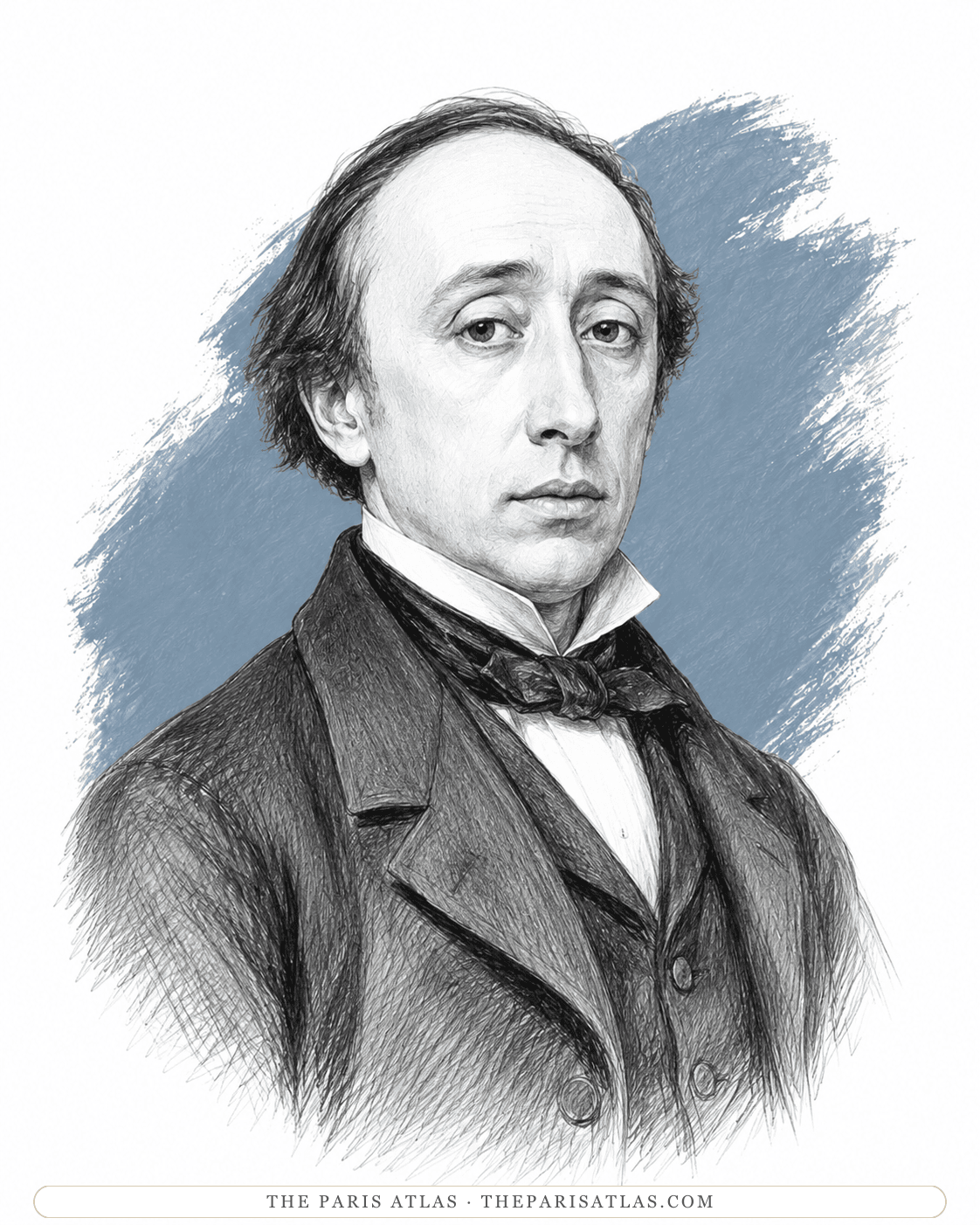
Jean-Auguste-Dominique Ingres stood for one side of the great argument in French painting. Colour and passion belonged to Eugène Delacroix; drawing and line belonged to Ingres. Born in Montauban in 1780 and trained in Jacques-Louis David's studio, he carried the classical tradition deep into the nineteenth century. He defended it with the stubbornness of a man who believed he was defending civilization.
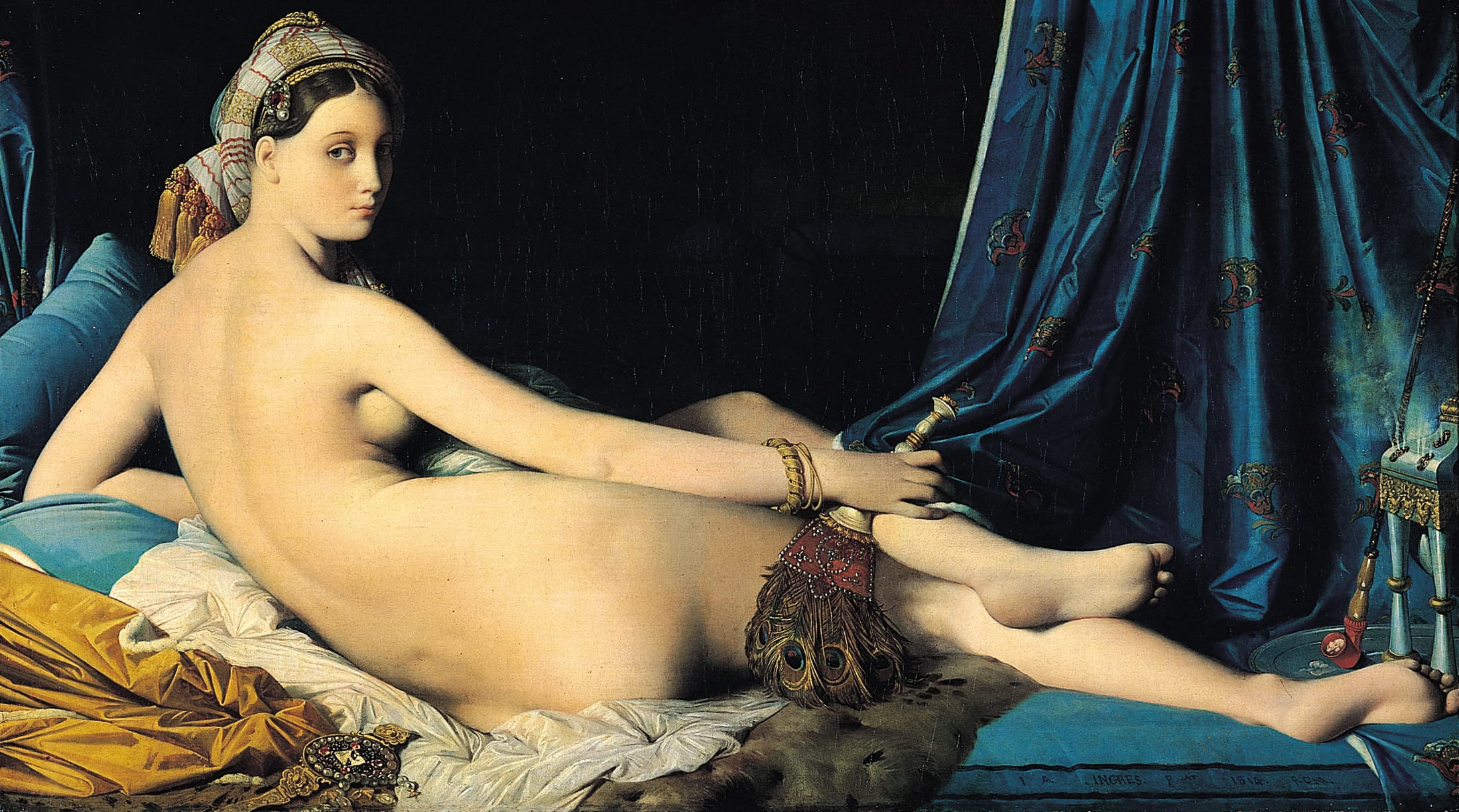
The paradox is that this arch-conservative painted some of the strangest bodies in French art. The Grande Odalisque's back is famously too long; the portraits bend arms and necks for the sake of a curve. What his era read as error, the moderns read as licence — Degas, Picasso and Matisse all drew on him — and the Turkish Bath, finished when he was eighty-two, remains one of painting's most audacious late works.


 View source