The Paris AtlasCharting the artists, works, and places worth returning to.
  • Painter
  • Author
· British · 1917–2011

Leonora Carrington

English painter and writer who fled a debutante's future for Surrealist Paris at twenty, survived the war's wreckage of that life — internment for her lover Max Ernst, an asylum in Spain for her — and rebuilt herself in Mexico into one of the century's great painters of the uncanny.

In images

Details

Lived
1917–2011
Born
1917
Birthplace
Clayton-le-Woods, Lancashire
Died
2011
Place of death
Mexico City
Nationality
British
Roles
PainterAuthor

About Leonora Carrington

Leonora Carrington was presented at the court of George V as a debutante, and ran. Born in 1917 into a Lancashire textile fortune, expelled from two convent schools, she was twenty and an art student in London when she met Max Ernst at a dinner party in 1937 — forty-six, famous, and married. She left with him for Paris within the year.

The Paris that followed — the flat she shared with Ernst on the rue Jacob, the Surrealist circle, the farmhouse at Saint-Martin-d'Ardèche they covered with cement beasts — made her a painter and then broke: Ernst was interned as an enemy alien in 1939, Carrington collapsed, fled to Spain, and was committed by her family to an asylum in Santander whose treatments she recorded in the memoir Down Below. She escaped through Lisbon into a protective marriage, reached Mexico, and stayed seventy years — painting, writing The Hearing Trumpet, and telling interviewers late in life: 'I didn't have time to be anyone's muse.'

Running from the presentation gown

Carrington was born on 6 April 1917 at Clayton-le-Woods, Lancashire, to a textile magnate and an Irish mother whose folk tales — and whose gift of a book on Surrealism — took early root. Expelled from two convent schools for unteachability, she was sent to a finishing school in Florence, presented at court as a debutante, and enrolled, over her father's objection, at art school in London: Chelsea, then the academy of the purist painter Amédée Ozenfant.

At a London dinner party in 1937 she met Max Ernst, the German Surrealist twenty-six years her senior, whose work she already knew from the 1936 London International Surrealist Exhibition. He left his wife; her father disowned her; the two settled in Paris, then at a farmhouse in Saint-Martin-d'Ardèche in the south, which they covered inside and out with cement and painted guardian creatures — a two-person mythology built into a building.

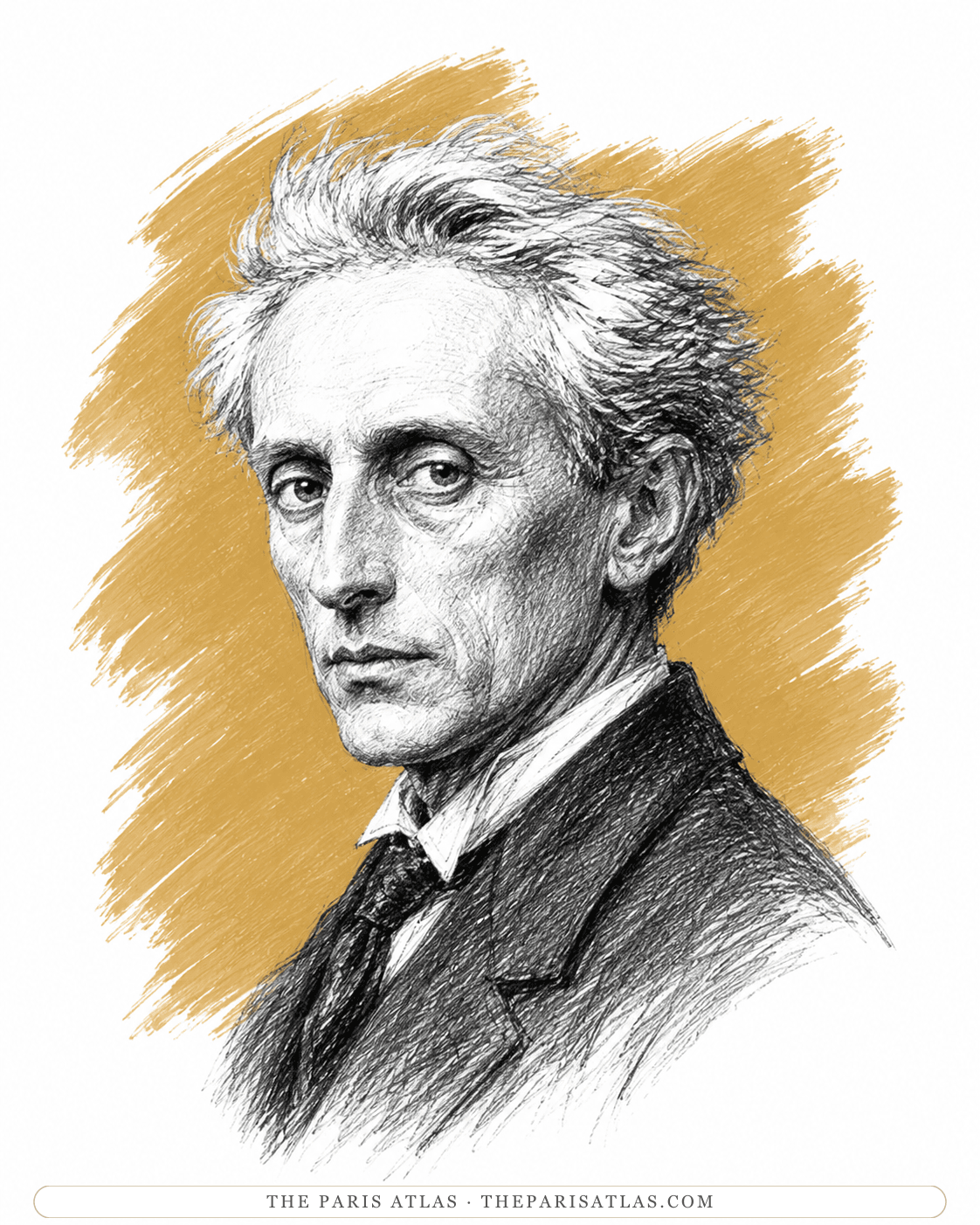
Carrington in Mexico City, 2010, at ninety-three — the last living painter of the first Surrealist generation. (Iliazd, via Wikimedia Commons · CC BY-SA 2.0)

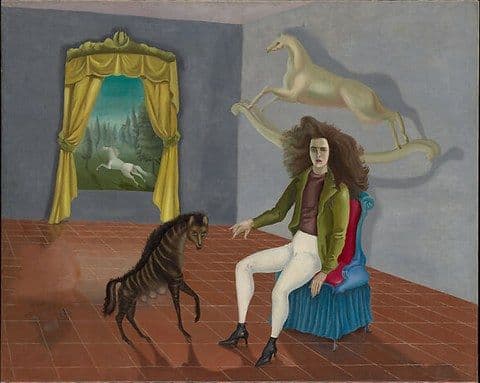
In the Paris years she painted her Self-Portrait (Inn of the Dawn Horse) — white jodhpurs, wild hair, a lactating hyena at her side — and showed with the Surrealists at their 1938 International Exposition. The group prized her as a femme-enfant — the 'woman-child', Surrealism's ideal of the instinctive young muse — a category she later shredded: she had not had time to be anyone's muse, she said; she was too busy rebelling against her family and learning to be an artist.

Down below

In 1939 France interned Ernst as an enemy alien, and the world Carrington had run away to dissolved. Alone at Saint-Martin-d'Ardèche as the Germans advanced in 1940, she broke down, gave the farmhouse away for a bottle of brandy, and fled to Spain, where her family had her committed to an asylum in Santander. The treatment included Cardiazol, a convulsant — chemical shock therapy. Down Below, the memoir she reconstructed in 1943, records the descent and the asylum with a clinical exactness that has made it a classic of the literature of madness.

Released into a chaperone's custody for transfer to another institution in South Africa, she slipped her keepers — through a Madrid café door, by her own account — and made her way to Lisbon and the Mexican embassy there, where the poet-diplomat Renato Leduc, an acquaintance from Paris, married her to give her papers. They sailed for New York in 1941 and reached Mexico in 1942; the marriage of convenience dissolved amicably in 1943. Ernst, escaping to America with the collector Peggy Guggenheim, whom he would soon marry, met Carrington once more in Lisbon; the two never lived together again.

Seventy years in Mexico

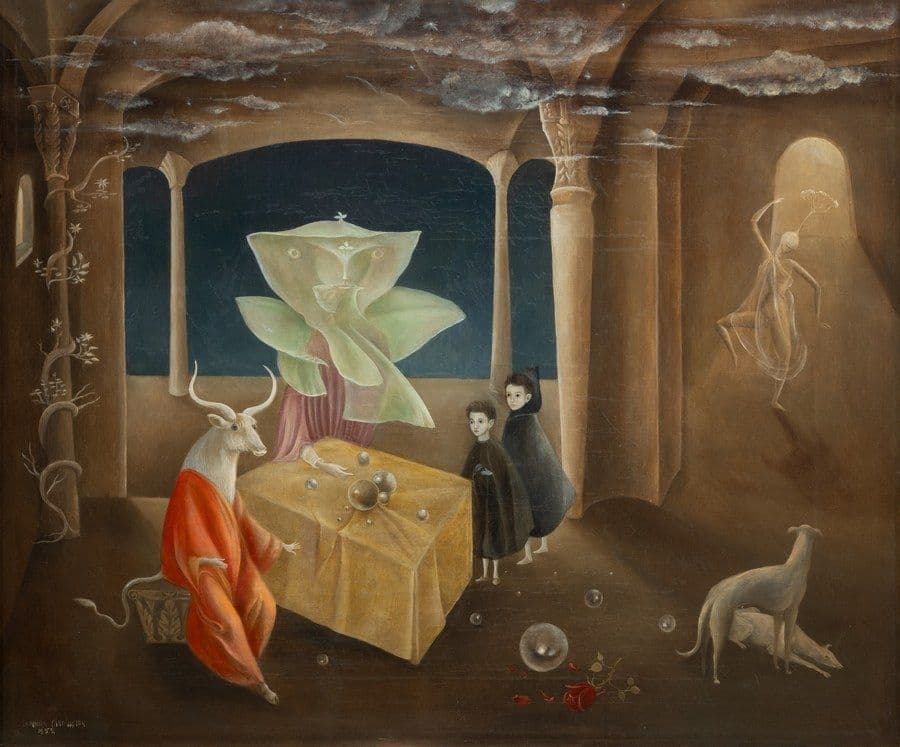
Mexico City gave her the rest of her life. She married the Hungarian photographer Emerico 'Chiki' Weisz in 1946 and raised two sons; painted the egg-tempera dreamworlds — kitchens, alchemical animals, white geese, the Celtic and the Mayan cross-bred — that made her reputation; wrote the novel The Hearing Trumpet, in which a ninety-two-year-old heroine with a hearing aid brings down an institution for old women; and formed with the Spanish painter Remedios Varo one of Surrealism's great working friendships, two women painting magic in adjacent kitchens.

In the 1970s she designed the poster Mujeres conciencia for Mexico's women's liberation movement, whose founding she supported. The revaluation of the Surrealist women late in the century found its centre in her: retrospectives, the 2022 Venice Biennale titled after her children's book The Milk of Dreams, and prices no living British woman painter had reached. She died in Mexico City on 25 May 2011, aged ninety-four — the last of the Surrealists.

Life events

  1. 1917

    Born on 6 April at Clayton-le-Woods, Lancashire, to a textile fortune.

    Leonora Carrington — Wikipedia

  2. 1935

    Presented at court as a debutante; enrolls at Chelsea School of Art over her father's objection, then under Amédée Ozenfant.

    Leonora Carrington — Wikipedia

  3. 1937

    Meets Max Ernst at a London dinner party, aged twenty, and leaves with him for Paris.

    Leonora Carrington — Wikipedia

  4. 1938

    Shows at the Exposition Internationale du Surréalisme in Paris; she and Ernst settle at Saint-Martin-d'Ardèche and cover the farmhouse with cement beasts. Paints Self-Portrait (Inn of the Dawn Horse) around this time.

    Leonora Carrington — Wikipedia

  5. 1940

    With Ernst interned as an enemy alien, she breaks down, flees to Spain, and is committed by her family to an asylum in Santander, where she is treated with the convulsant Cardiazol.

    Leonora Carrington — Wikipedia

  6. 1941

    Escapes her keepers in Madrid to the Mexican embassy in Lisbon; the diplomat Renato Leduc marries her for papers and they sail for the Americas.

    Leonora Carrington — Wikipedia

  7. 1943

    Reconstructs the asylum months in the memoir Down Below; the Leduc marriage dissolves amicably.

    Leonora Carrington — Wikipedia

  8. 1946

    Marries the photographer Emerico 'Chiki' Weisz in Mexico City; two sons follow, and the Mexican decades of painting and writing begin.

    Leonora Carrington — Wikipedia

  9. 1974

    Publishes The Hearing Trumpet; designs the poster Mujeres conciencia for Mexico's women's movement in the same decade.

    Leonora Carrington — Wikipedia

  10. 2011

    Dies in Mexico City on 25 May, aged ninety-four — the last painter of the first Surrealist generation.

    Leonora Carrington — Wikipedia

People they knew

Documented connections — every one carries its source.

Max Ernst

  • Painter
  • Sculptor

Partner of · 1937–1940

Met at a London dinner party in 1937 - she twenty, he forty-six and married - and lived together in Paris and at Saint-Martin-d'Ardeche, whose farmhouse they covered with cement beasts. The war ended it: his internment as an enemy alien, her breakdown and committal in Spain. They met again in Lisbon in 1941 and never lived together after.

Leonora Carrington — Wikipedia; Max Ernst — Wikipedia

Movements

The artistic and literary currents this life ran through.

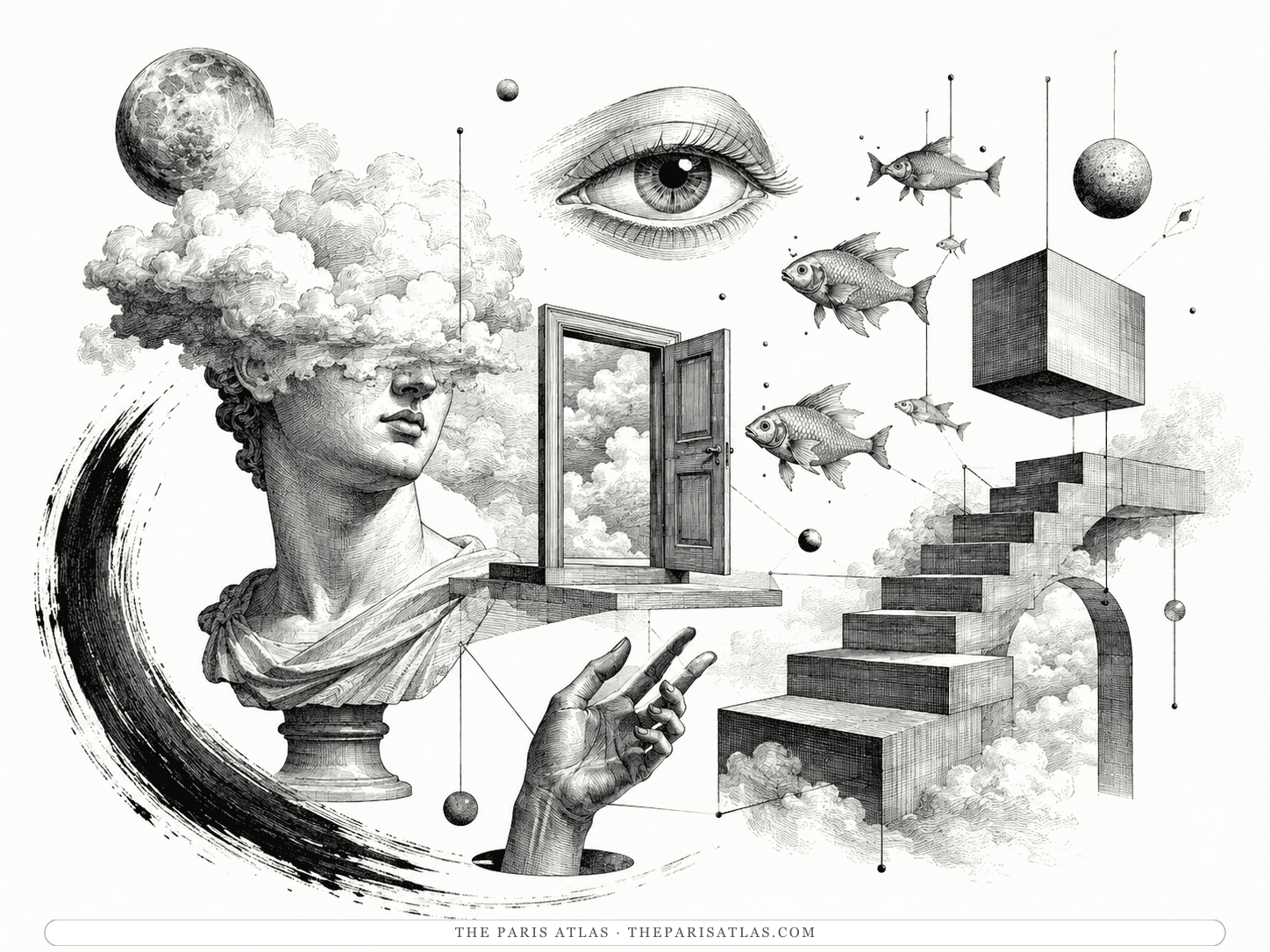
Pen-and-ink dream collage — a classical bust with clouds for eyes, a floating eye, a door opening onto sky, fish swimming through air, and an impossible staircase

Art & literary movement · 1924–1966

Surrealism

Joined the Paris group with Ernst in 1937 and showed at the 1938 Exposition Internationale du Surrealisme. She outlived every founder and kept the movement's methods alive in Mexico for seventy years; the 2022 Venice Biennale took its title from her book The Milk of Dreams.

Leonora Carrington — Wikipedia

Questions about Leonora Carrington

Who was Leonora Carrington?

An English-born painter and writer, born in Lancashire in 1917, who left a debutante's future at twenty for Surrealist Paris with Max Ernst, survived the war — his internment, her own committal to a Spanish asylum — and spent seventy years in Mexico City painting dreamworld canvases and writing books including Down Below and The Hearing Trumpet. She died in 2011 as the last of the first Surrealist generation.

What was Leonora Carrington's relationship with Max Ernst?

They met at a London dinner party in 1937 — she was a twenty-year-old art student, he a married, famous Surrealist of forty-six — and lived together in Paris and then at Saint-Martin-d'Ardèche until the war destroyed the household: France interned Ernst as an enemy alien in 1939, Carrington fled and was committed in Spain, and though both eventually reached the Americas, they never lived together again. She refused for the rest of her life to be footnoted as his muse: 'I didn't have time to be anyone's muse.'

What is Down Below about?

Carrington's 1940 breakdown and committal, told by the woman it happened to. After Ernst's internment she fled to Spain, collapsed, and was placed by her family in an asylum in Santander, where she was treated with Cardiazol, a seizure-inducing drug. The memoir, reconstructed in 1943, records the delusions from inside and the institution from very close up; it is one of the essential first-person accounts of madness and treatment.

Why did Leonora Carrington live in Mexico?

Escape landed her there and the city kept her. The Mexican diplomat Renato Leduc married her in Lisbon in 1941 to give her papers out of wartime Europe; the marriage dissolved amicably in 1943 and she stayed — married the photographer Emerico Weisz, raised two sons, painted beside her closest friend Remedios Varo, and became one of Mexico's most honoured artists. She lived in Mexico City almost seventy years, until her death in 2011.

What is Leonora Carrington's most famous painting?

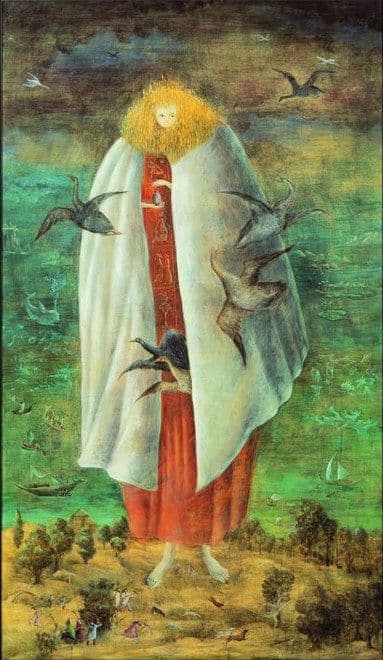
Self-Portrait (Inn of the Dawn Horse), painted around 1937–38 in her Paris years, now in the Metropolitan Museum of Art: Carrington in white jodhpurs with a mane of hair, a lactating hyena beside her, a white rocking-horse flying behind. Among the Mexican work, The Giantess and the egg-tempera kitchen scenes are the most reproduced, and her children's book The Milk of Dreams titled the 2022 Venice Biennale.

Sourced claims

Every connection the graph holds for Leonora, with the evidence behind it.

Associated with · 1937

Surrealism

Joined the Paris group with Ernst in 1937 and showed at the 1938 Exposition Internationale du Surrealisme. She outlived every founder and kept the movement's methods alive in Mexico for seventy years; the 2022 Venice Biennale took its title from her book The Milk of Dreams.

Leonora Carrington — Wikipedia

Partner of · 1937–1940

Max Ernst

Met at a London dinner party in 1937 - she twenty, he forty-six and married - and lived together in Paris and at Saint-Martin-d'Ardeche, whose farmhouse they covered with cement beasts. The war ended it: his internment as an enemy alien, her breakdown and committal in Spain. They met again in Lisbon in 1941 and never lived together after.

Leonora Carrington — Wikipedia; Max Ernst — Wikipedia

References

References

The sources below include biographies, scholarly essays, interviews, and primary materials that informed this page. They reflect both the historical record and ongoing critical conversations about Leonora Carrington and his work.

  1. 1Leonora Carrington — Wikipedia

    Wikipedia
    View source
    i
    Why these sources are here

    These references anchor the page in the documented record and in the scholarly conversations around Leonora Carrington. Every claim on this page traces back to one or more of the works listed here.

    Explore more resources
    Browse all authors