Jean Arp
- Sculptor
- Painter
- Poet
Met · 1930
Fellow founders of Abstraction-Creation in Paris in 1931, the association that gathered the city's abstract painters and sculptors after Cercle et Carre.
Dutch painter of the primary-colour grids, made mostly in a studio beside the Gare Montparnasse where he lived on and off from 1912 to 1938. He dropped an 'a' from Mondriaan on arriving in Paris, painted his studio walls in movable rectangles, and danced the Charleston.
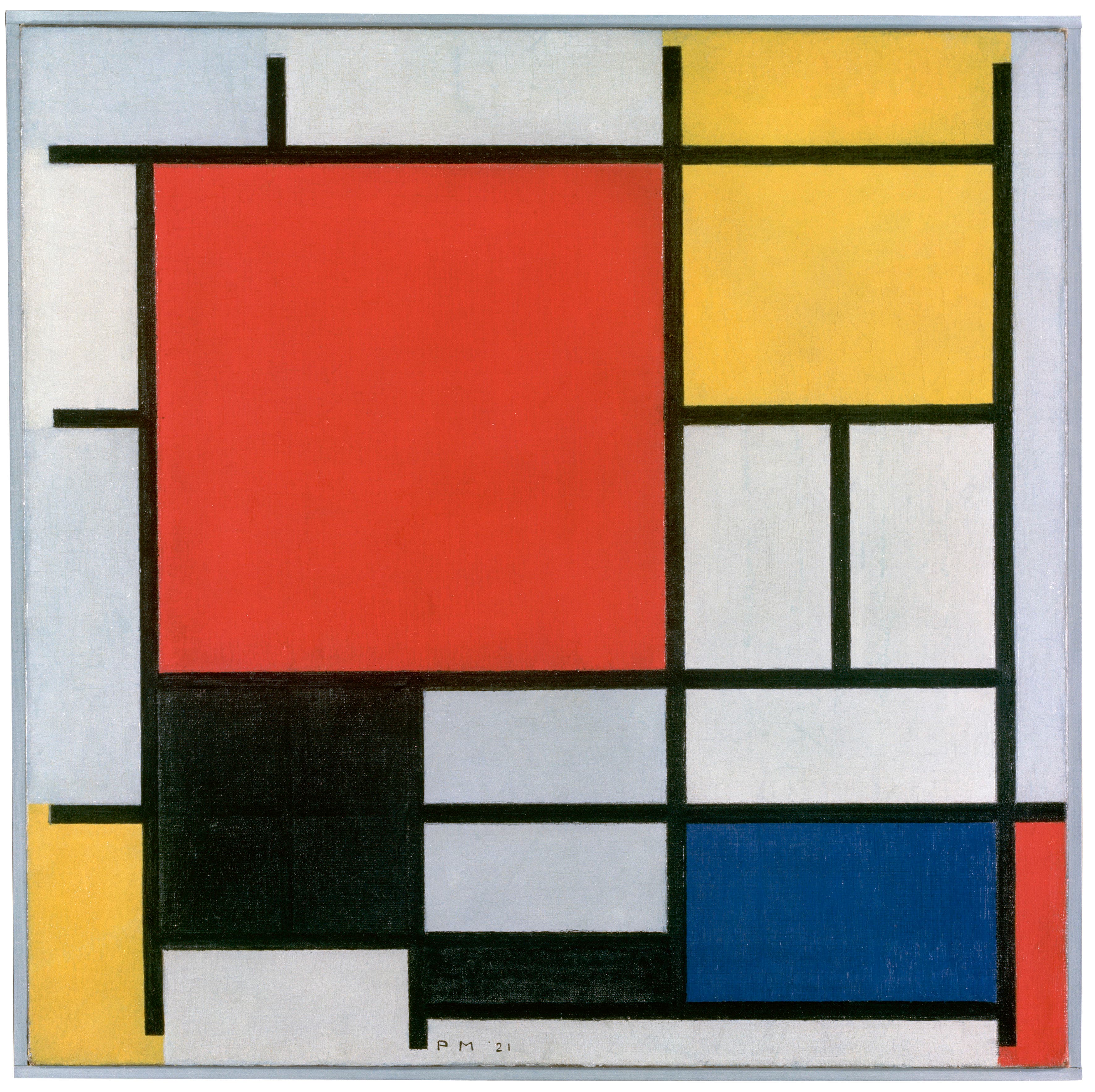
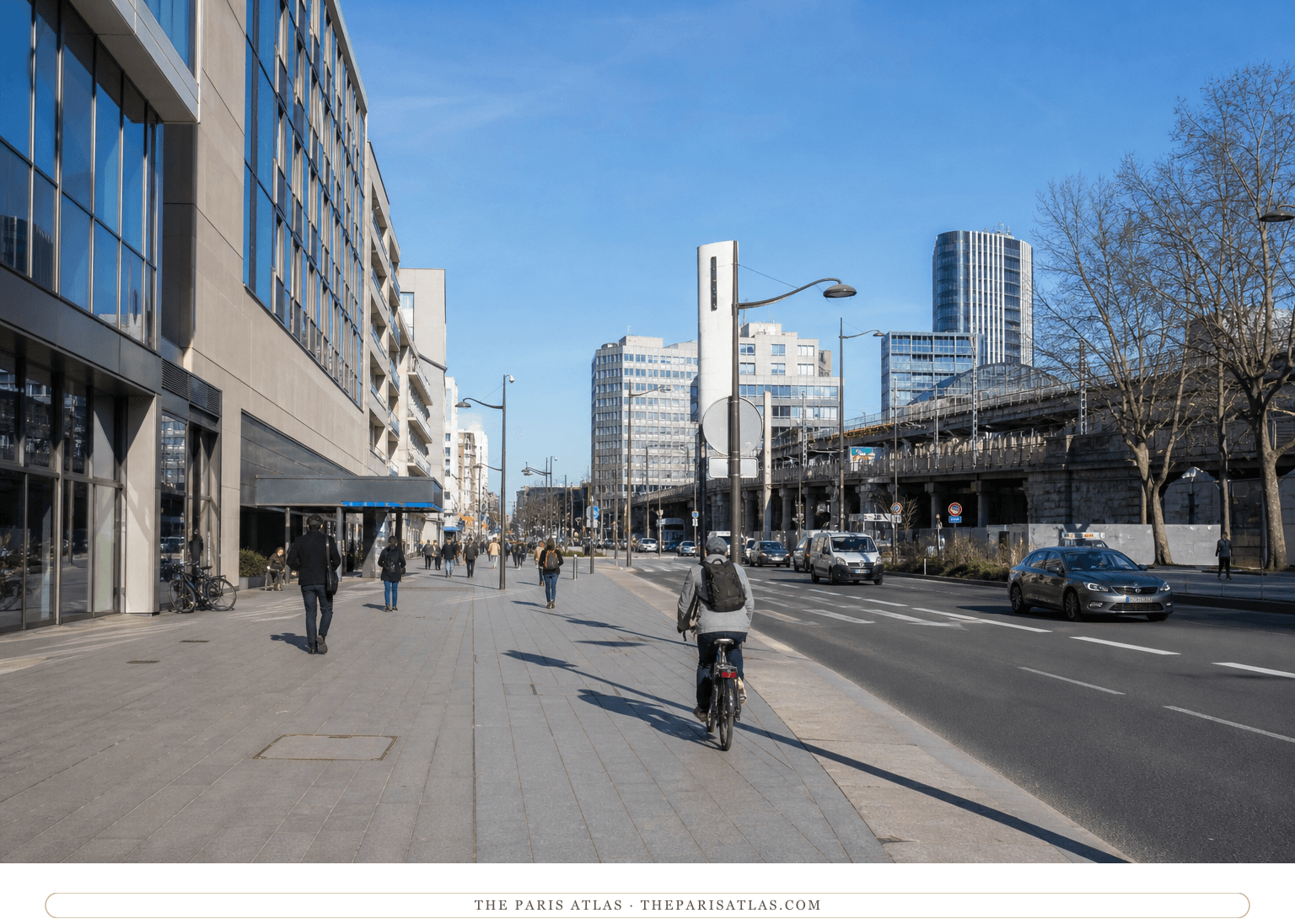
Everyone knows the grids: black lines, white ground, rectangles of red, yellow and blue. Almost nobody knows they were made in Paris. Piet Mondrian lived at 26 rue du Départ, in a studio backing onto the Gare Montparnasse, from 1912 to 1914 and again from 1919 to 1936, and the canonical grid paintings — what he called neoplasticism — were painted there.
He arrived a Dutch landscape painter named Mondriaan, dropped an 'a' to frenchify himself, and passed his trees and church façades through Cubism until nothing was left but verticals, horizontals and primaries. The studio itself, its walls hung with movable coloured rectangles, became famous as a work in its own right. He left for London in 1938 as war approached, reached New York in 1940, and died there in 1944 with Victory Boogie Woogie unfinished on the easel.
Mondrian was born on 7 March 1872 in Amersfoort, in the central Netherlands, to a strict Calvinist family; his father was a schoolmaster who taught drawing. For twenty years he painted the Dutch countryside — windmills, rivers, trees at dusk — in steadily flattening, steadily stranger colour. In 1909 he joined the Theosophical Society, a spiritual movement then popular among artists, and it gave him the conviction behind everything that followed: that painting could reach a spiritual order behind appearances.
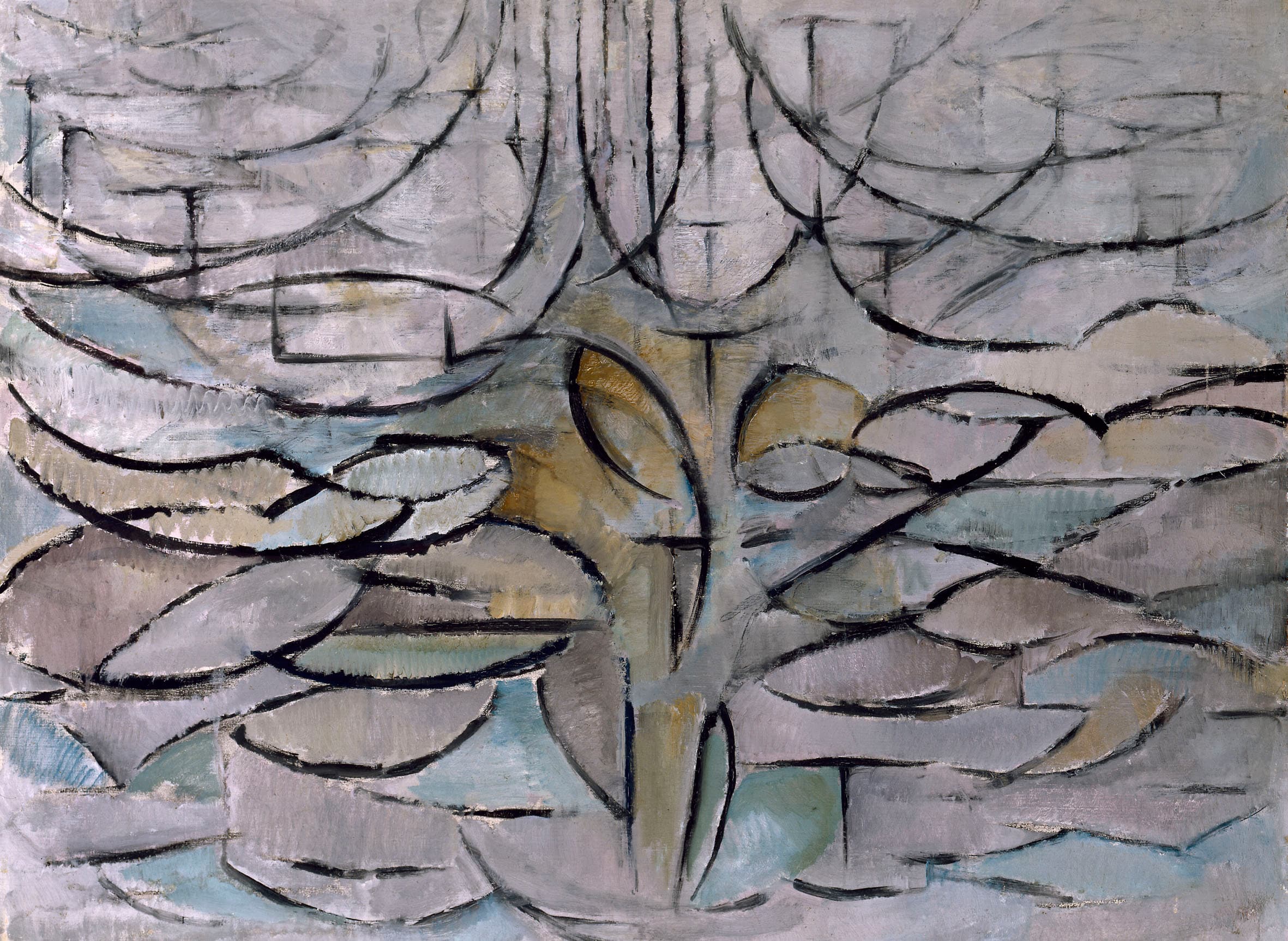
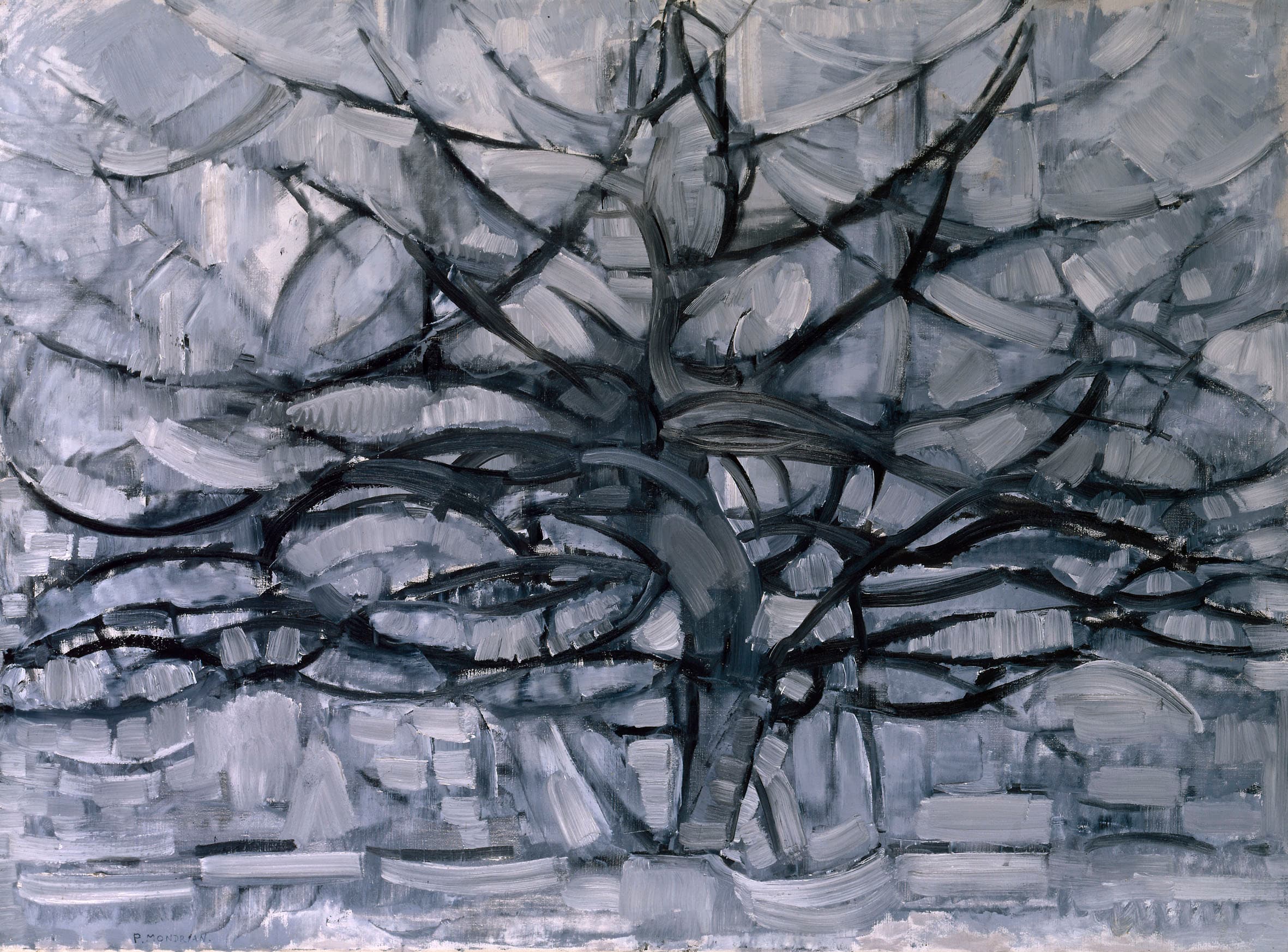
In 1912, at thirty-nine, he moved to Paris and took the studio at 26 rue du Départ, beside the Gare Montparnasse. He dropped the second 'a' from Mondriaan — a one-letter naturalization — and set about working through what Pablo Picasso and Georges Braque had started. His Cubism was nobody else's: the Gray Tree of 1911 and the scaffolding-like compositions that followed dissolve their subjects into a web of straight lines, where Picasso and Braque broke theirs into overlapping facets.
The First World War caught him visiting the Netherlands in 1914 and kept him there. In 1917, with the painter and polemicist Theo van Doesburg, he founded De Stijl — a journal and a movement arguing that art should be reduced to universal means: straight lines at right angles, the three primaries, black, white and grey. Mondrian named his version of the doctrine nieuwe beelding, neoplasticism, in essays serialized in the journal.
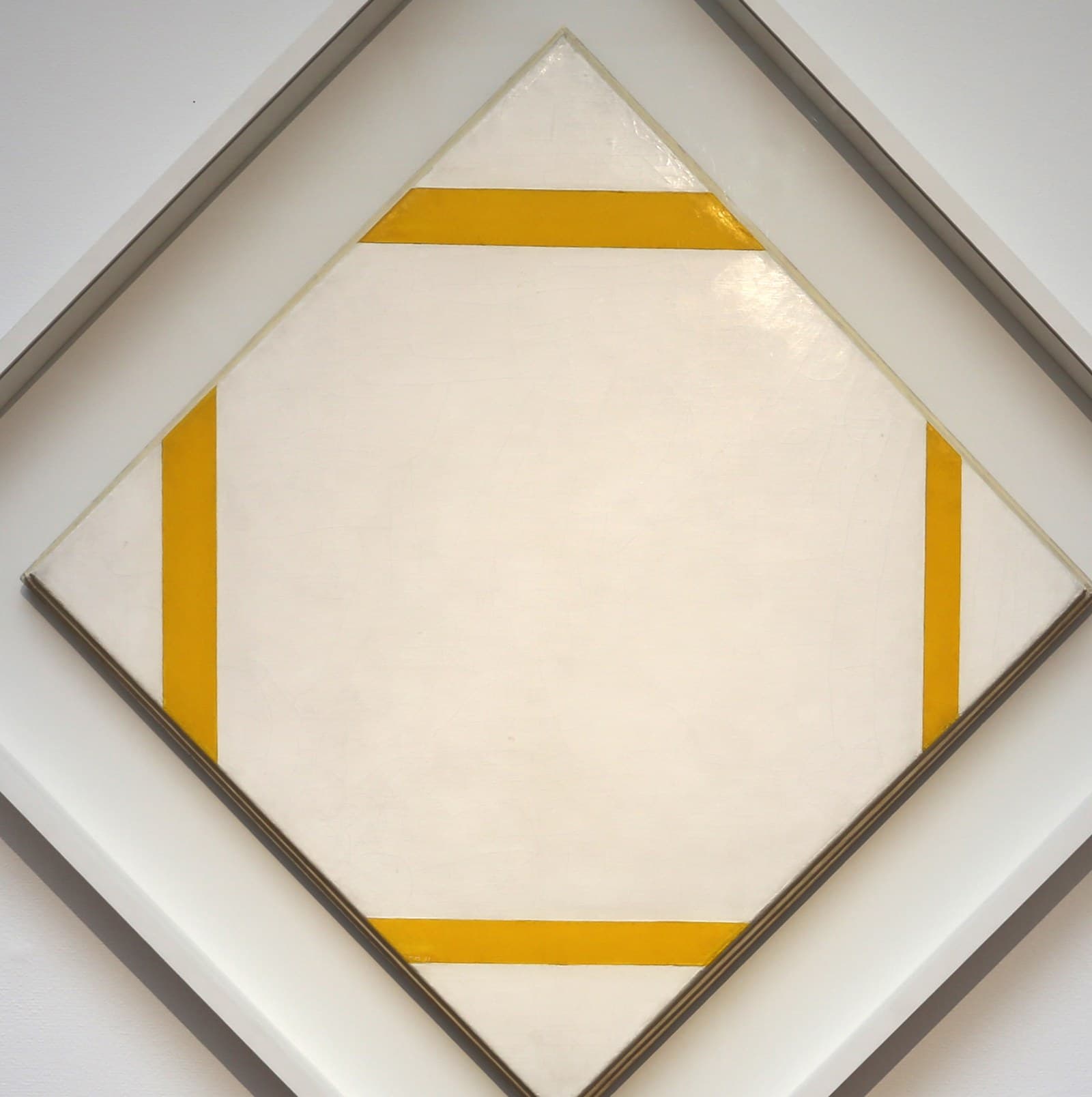
Back at the rue du Départ from 1919, he arrived at the format he would spend the rest of his life refining: black lines ruling a white field, rectangles of red, yellow and blue placed like held breaths. The doctrine had limits he policed seriously — when van Doesburg introduced the diagonal in 1924, Mondrian broke with him over it. A tilted line, he held, put dynamism above equilibrium, and equilibrium was the point.
In 1930s Paris he showed with Cercle et Carré and then Abstraction-Création, the associations that gathered the city's abstract painters, Jean Arp among them. The severity was doctrine, not temperament: Mondrian was an enthusiastic and slightly comic ballroom dancer with a passion for jazz records, and the Charleston-era dance halls of Montparnasse knew him.
The studio at 26 rue du Départ became as famous as the canvases. Mondrian painted its walls white and pinned movable rectangles of red, yellow, blue and grey card across them, rearranging the room the way he rearranged a composition; the easel, the stove and the gramophone sat inside the picture. Visitors — collectors, critics, young painters on pilgrimage — described stepping into a Mondrian. Photographs of the room circulated in the art press, and its logic ran forward into architecture and design for the rest of the century.
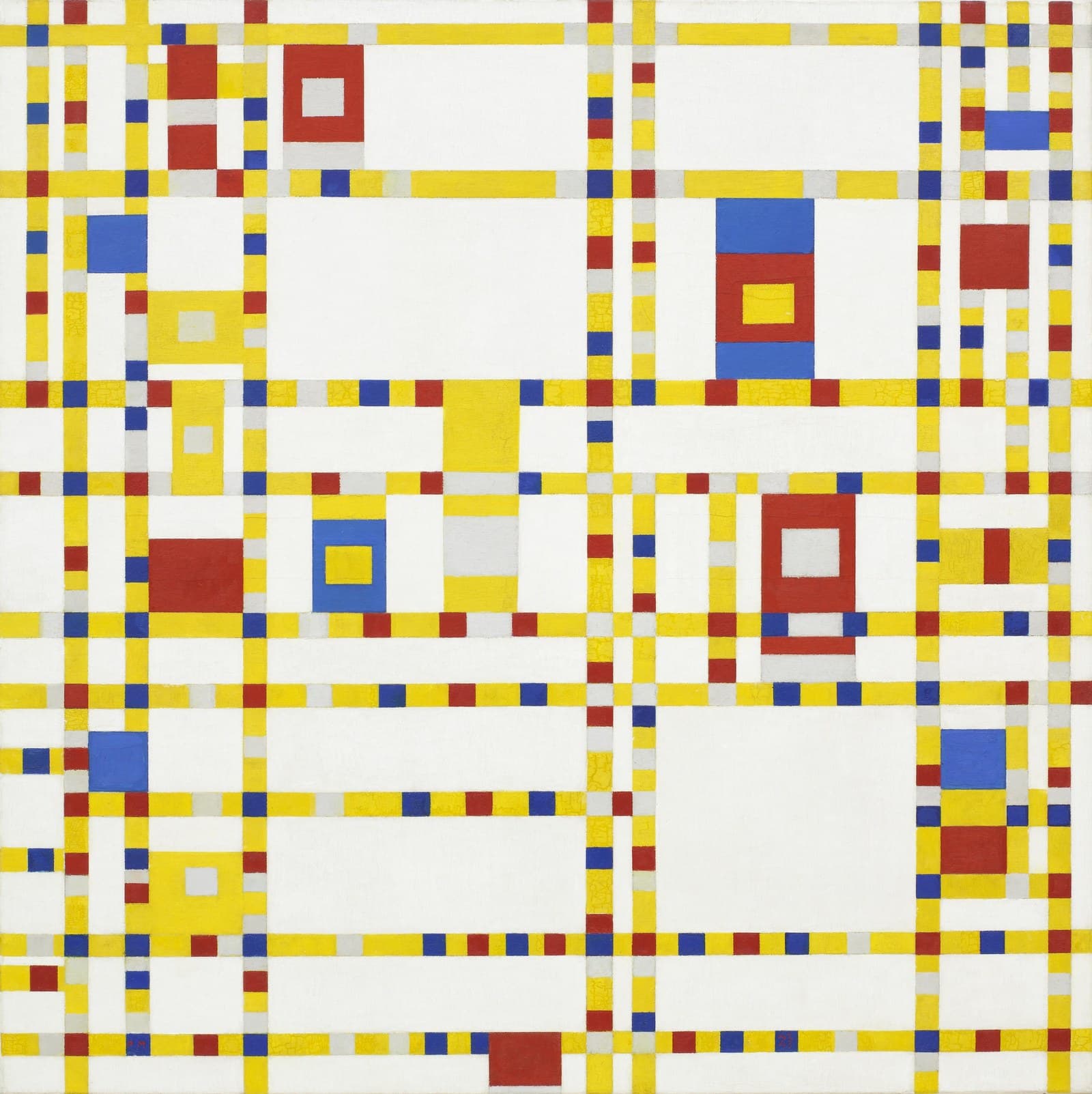
He left Paris for London in September 1938, as war approached, and crossed to New York in October 1940 after bombs fell near his Hampstead studio. New York delighted him — the grid city, the neon, above all boogie-woogie records, which he heard on his first night. The late paintings put the discovery on canvas: Broadway Boogie Woogie of 1942–43 breaks the black lines into stuttering runs of coloured squares, a Mondrian that moves.
He died of pneumonia in New York on 1 February 1944, aged seventy-one, with Victory Boogie Woogie — a diamond-format canvas still full of pinned paper trials — unfinished on the easel. His Paris studio building at 26 rue du Départ was demolished in the 1960s redevelopment of Montparnasse; the grids it produced hang in every major museum of modern art in the world.
Born on 7 March in Amersfoort, in the central Netherlands.
Paints Gray Tree as Cubism reaches him; the subject is already dissolving into lines.
Moves to Paris, takes the studio at 26 rue du Départ beside the Gare Montparnasse, and drops an 'a' from Mondriaan.
A visit to the Netherlands becomes an exile when war closes the borders.
Founds De Stijl with Theo van Doesburg and begins serializing the essays that define neoplasticism.
Returns to the rue du Départ; the classic grids — black lines, white ground, primary rectangles — begin.
Breaks with van Doesburg over the diagonal line.
Shows with Cercle et Carré, then joins Abstraction-Création, the Paris associations of abstract painters.
Leaves Paris for London in September as war approaches.
Crosses to New York in October, after bombing near his London studio.
Completes Broadway Boogie Woogie — the grid set dancing by New York and its records.
Dies of pneumonia in New York on 1 February, aged seventy-one, Victory Boogie Woogie unfinished on the easel.
Met · 1930
Fellow founders of Abstraction-Creation in Paris in 1931, the association that gathered the city's abstract painters and sculptors after Cercle et Carre.

Art movement · 1907–1914
Moved to Paris in 1912 to work through Picasso and Braque's Cubism; the tree and facade paintings of 1911-14 dissolve their subjects into lattices. He later said Cubism refused its own conclusions - abstraction - and neoplasticism was his answer.
Yes — longer than anywhere else in his adult life. He worked in a studio at 26 rue du Départ, backing onto the Gare Montparnasse, from 1912 to 1914 and again from 1919 to 1936, then nearby until 1938. The classic grid paintings were made there, not in the Netherlands or New York. The building was demolished in the 1960s Montparnasse redevelopment.
Doctrine, worked out over a decade. His neoplasticism — published in the journal De Stijl from 1917 — held that painting should use only universal means: vertical and horizontal lines, the three primaries, and black, white and grey, in asymmetrical equilibrium. He took it seriously enough to break with his co-founder Theo van Doesburg in 1924 when van Doesburg introduced diagonals.
It was a walk-in Mondrian. At 26 rue du Départ he painted the walls white and pinned movable rectangles of red, yellow, blue and grey card across them, recomposing the room like a canvas; visitors and art magazines treated the studio itself as one of his works. Its look ran forward into modern architecture and design.
Mondrian's 1942–43 painting of New York, now in the Museum of Modern Art — the black grid lines replaced by stuttering runs of small coloured squares, like traffic or a piano roll. He discovered boogie-woogie records on his first night in New York in 1940 and loved them; the painting sets the grid dancing. Victory Boogie Woogie, its diamond-format successor, was unfinished at his death in 1944.
For his first Paris years, yes — it is the door he walked through. He moved to Paris in 1912 to absorb what Pablo Picasso and Georges Braque had started, and paintings like Gray Tree dissolve their subjects into lattices of line. By about 1920 he had pushed past Cubism entirely into pure abstraction; he felt the Cubists had stopped short of the full abstraction their own discoveries pointed toward.
Associated with · 1912–1917
Moved to Paris in 1912 to work through Picasso and Braque's Cubism; the tree and facade paintings of 1911-14 dissolve their subjects into lattices. He later said Cubism refused its own conclusions - abstraction - and neoplasticism was his answer.
Met · 1930
Fellow founders of Abstraction-Creation in Paris in 1931, the association that gathered the city's abstract painters and sculptors after Cercle et Carre.
The sources below include biographies, scholarly essays, interviews, and primary materials that informed this page. They reflect both the historical record and ongoing critical conversations about Piet Mondrian and his work.

These references anchor the page in the documented record and in the scholarly conversations around Piet Mondrian. Every claim on this page traces back to one or more of the works listed here.