The Paris AtlasCharting the artists, works, and places worth returning to.
  • Sculptor
  • Painter
  • Artists' model
· Swiss · 1913–1985

Meret Oppenheim

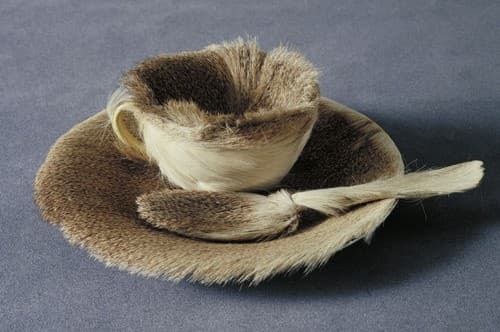
German-born Swiss artist who arrived in Paris in 1932 at eighteen and fell in with the Surrealists. In 1936 a lunch with Pablo Picasso and Dora Maar at the Café de Flore led directly to Object — a teacup, saucer and spoon covered in gazelle fur — which made her internationally famous at twenty-two and then followed her for the rest of her life, to her considerable irritation.

Details

Lived
1913–1985
Born
6 October 1913
Birthplace
Berlin, Germany
Died
15 November 1985 · aged 72
Place of death
Basel, Switzerland
Nationality
Swiss
Profession
Artist, sculptor, poet
Major works
Object (1936), the fur-covered cup, saucer and spoon in the Museum of Modern Art; Ma gouvernante (1936); the later sculpture, jewellery and poetry made after her return to work in the 1950s
Roles
SculptorPainterArtists' model

About Meret Oppenheim

Swiss artist of the Surrealist circle, maker of the fur-covered teacup

Meret Oppenheim was born in Berlin in 1913 and raised largely in Switzerland. She came to Paris in 1932, at eighteen, to be an artist, and was quickly absorbed into the Surrealist group around André Breton. She was younger than almost everyone in it, and the group's habit of casting women as muse rather than colleague shaped how she was seen for decades. Man Ray photographed her nude at a printing press in 1933, in the series Érotique voilée, and those images did as much to fix her public image as anything she made herself.

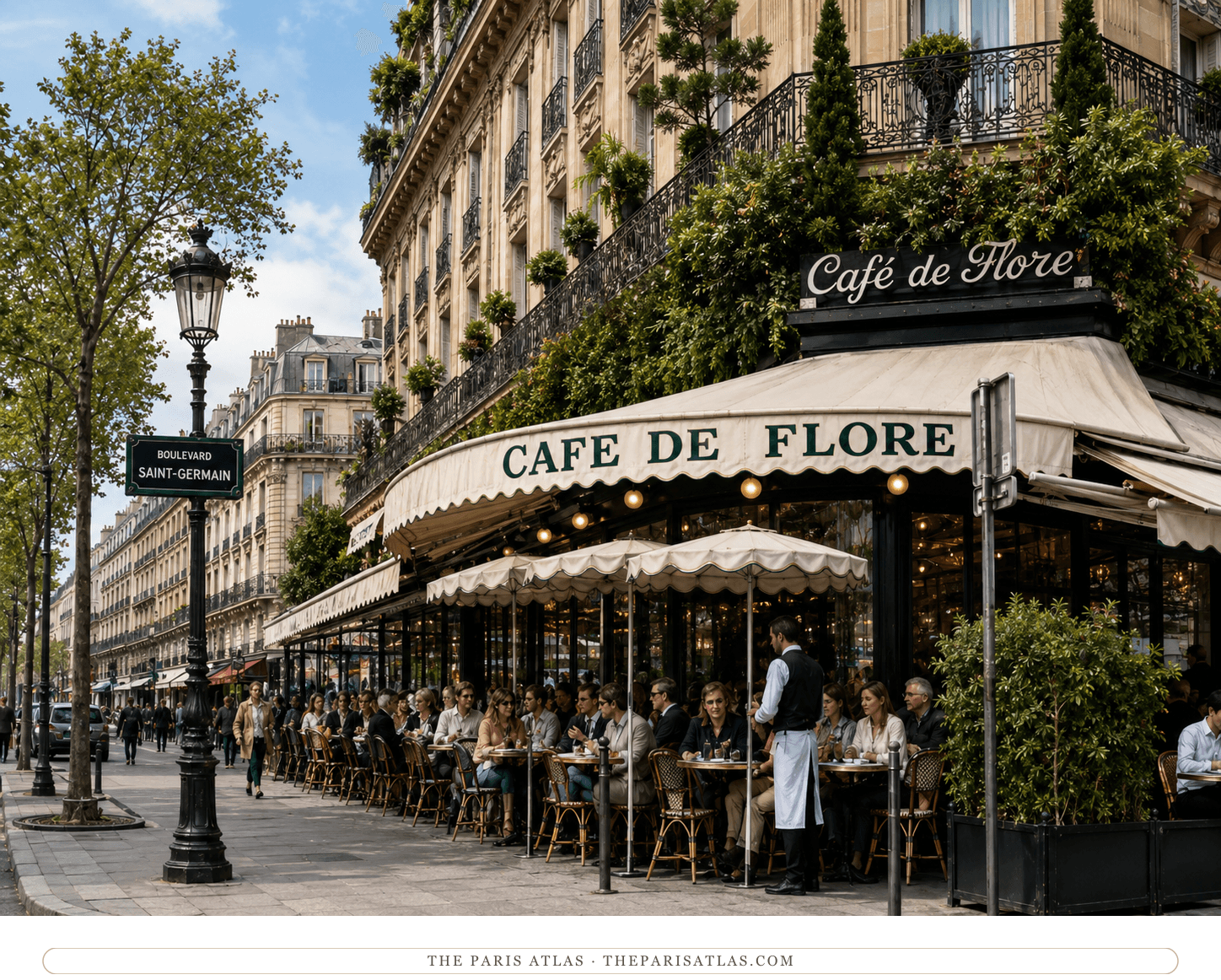
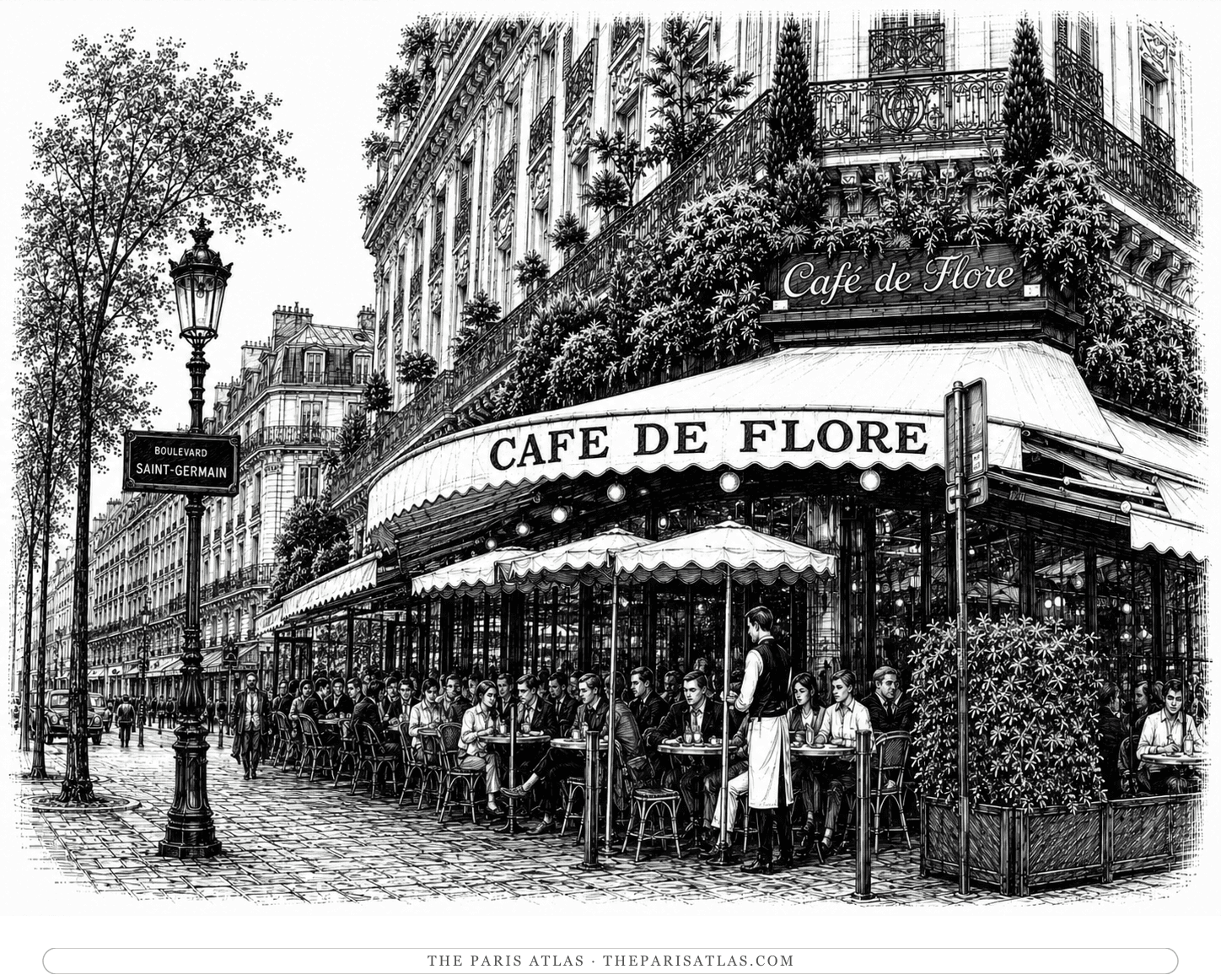
In 1936 she was having lunch with Pablo Picasso and Dora Maar at the Café de Flore. Oppenheim was wearing a bracelet she had designed, a metal tube wrapped in ocelot fur. Picasso remarked that you could cover anything in fur. Oppenheim replied that you could — even this cup and saucer.

She then went and did it. She bought a plain cup, saucer and spoon from a department store, covered them in the speckled fur of a Chinese gazelle, and produced the single most recognisable Surrealist object ever made. Breton put it in his exhibition of Surrealist objects at the Charles Ratton gallery in Paris in May 1936 and gave it the title Le Déjeuner en fourrure; it went to New York later that year for the Museum of Modern Art's Fantastic Art, Dada, Surrealism, and MoMA bought it. It was the first work by a woman artist to enter that collection, and it is catalogued there simply as Object.

The piece works because it is a small, precise assault on the senses. A teacup is the most domesticated object there is, and fur in the mouth is close to unbearable to think about. It is also, unavoidably, a joke about women, refinement and appetite made by a twenty-two-year-old woman, which is why it has stayed argued-over for ninety years.

Success at that age nearly finished her. Oppenheim spent much of the following two decades in a prolonged crisis, producing little and destroying some of what she did produce, and only returned to sustained work in the 1950s and 1960s — sculpture, jewellery, poetry, and objects that had nothing to do with fur. She lived until 1985 and spent much of that later career resisting the reduction of her whole output to a single teacup. The resistance did not entirely work, which is part of the story.

Life events

  1. 1913

    Born in Berlin on 6 October; raised largely in Switzerland.

  2. 1932

    Arrives in Paris at eighteen and joins the circle around André Breton.

  3. 1933

    Man Ray photographs her for the Érotique voilée series.

  4. 1936

    The Café de Flore lunch with Picasso and Dora Maar; she makes Object.

  5. 1936

    Object is shown at the Charles Ratton gallery in Paris, then in New York, where MoMA acquires it.

  6. 1950s–1960s

    Returns to sustained work after a long fallow period, in sculpture, jewellery and poetry.

  7. 1985

    Dies in Basel on 15 November.

Movements

The artistic and literary currents this life ran through.

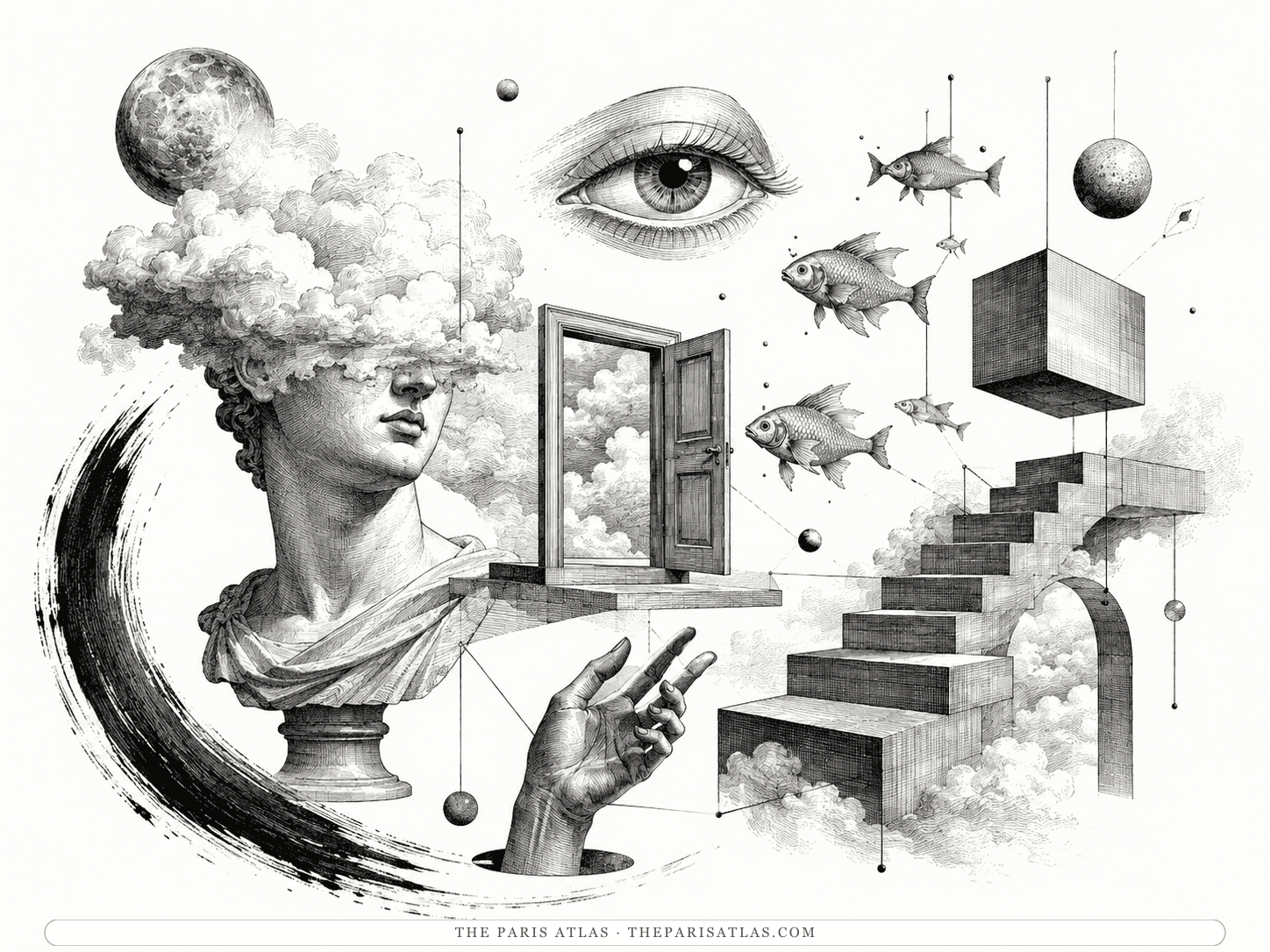
Pen-and-ink dream collage — a classical bust with clouds for eyes, a floating eye, a door opening onto sky, fish swimming through air, and an impossible staircase

Art & literary movement · 1924–1966

Surrealism

Oppenheim arrived in Paris in 1932 at eighteen and was absorbed into the Surrealist group around Andre Breton, who exhibited Object at the Charles Ratton gallery in 1936 under the title Le Dejeuner en fourrure.

Meret Oppenheim, Object (Paris, 1936)

Meret Oppenheim’s Places

The cataloged places connected to Meret Oppenheim — through the books, and through the documented record.

Places you can enter today appear first, followed by addresses to see from outside and sites that have vanished.

Questions about Meret Oppenheim

Where did the idea for the fur teacup come from?

A 1936 lunch at the Café de Flore with Pablo Picasso and Dora Maar. Oppenheim was wearing a fur-covered bracelet of her own design; Picasso remarked that anything could be covered in fur, and she answered that even a cup and saucer could be.

Where is Object now?

At the Museum of Modern Art in New York, which acquired it in 1936. It was the first work by a woman artist to enter MoMA's collection.

Why is it sometimes called Le Déjeuner en fourrure?

That title was André Breton's, given when he showed it in Paris in 1936. MoMA catalogues the work simply as Object.

What did Oppenheim do afterwards?

She had a long and difficult fallow period after the sudden fame, then returned to sustained work in the 1950s and 1960s in sculpture, jewellery and poetry — and spent much of her later life resisting the reduction of her career to the teacup.

Sourced claims

Every connection the graph holds for Meret, with the evidence behind it.

Associated with · 1932

Surrealism

Oppenheim arrived in Paris in 1932 at eighteen and was absorbed into the Surrealist group around Andre Breton, who exhibited Object at the Charles Ratton gallery in 1936 under the title Le Dejeuner en fourrure.

Meret Oppenheim, Object (Paris, 1936)

Frequented · 1936

Café de Flore

In 1936 Oppenheim was at lunch with Pablo Picasso and Dora Maar at the Cafe de Flore, wearing a fur-covered bracelet of her own design. Picasso's remark that anything could be covered in fur led directly to Object, the fur-covered cup, saucer and spoon now at the Museum of Modern Art.

Looking Beyond Surrealist Meret Oppenheim's Famous Furry Teacup; Why Meret Oppenheim's Furry Teacup 'Object' Still Provokes and Puzzles

References

References

The sources below include biographies, scholarly essays, interviews, and primary materials that informed this page. They reflect both the historical record and ongoing critical conversations about Meret Oppenheim and their work.

  1. 1Meret Oppenheim, Object (Paris, 1936)

    The Museum of Modern Art
    View source
  2. 2Looking Beyond Surrealist Meret Oppenheim's Famous Furry Teacup

    Smithsonian Magazine
    View source
  1. 3Why Meret Oppenheim's Furry Teacup 'Object' Still Provokes and Puzzles

    Artnet News
    View source
i
Why these sources are here

These references anchor the page in the documented record and in the scholarly conversations around Meret Oppenheim. Every claim on this page traces back to one or more of the works listed here.

Explore more resources