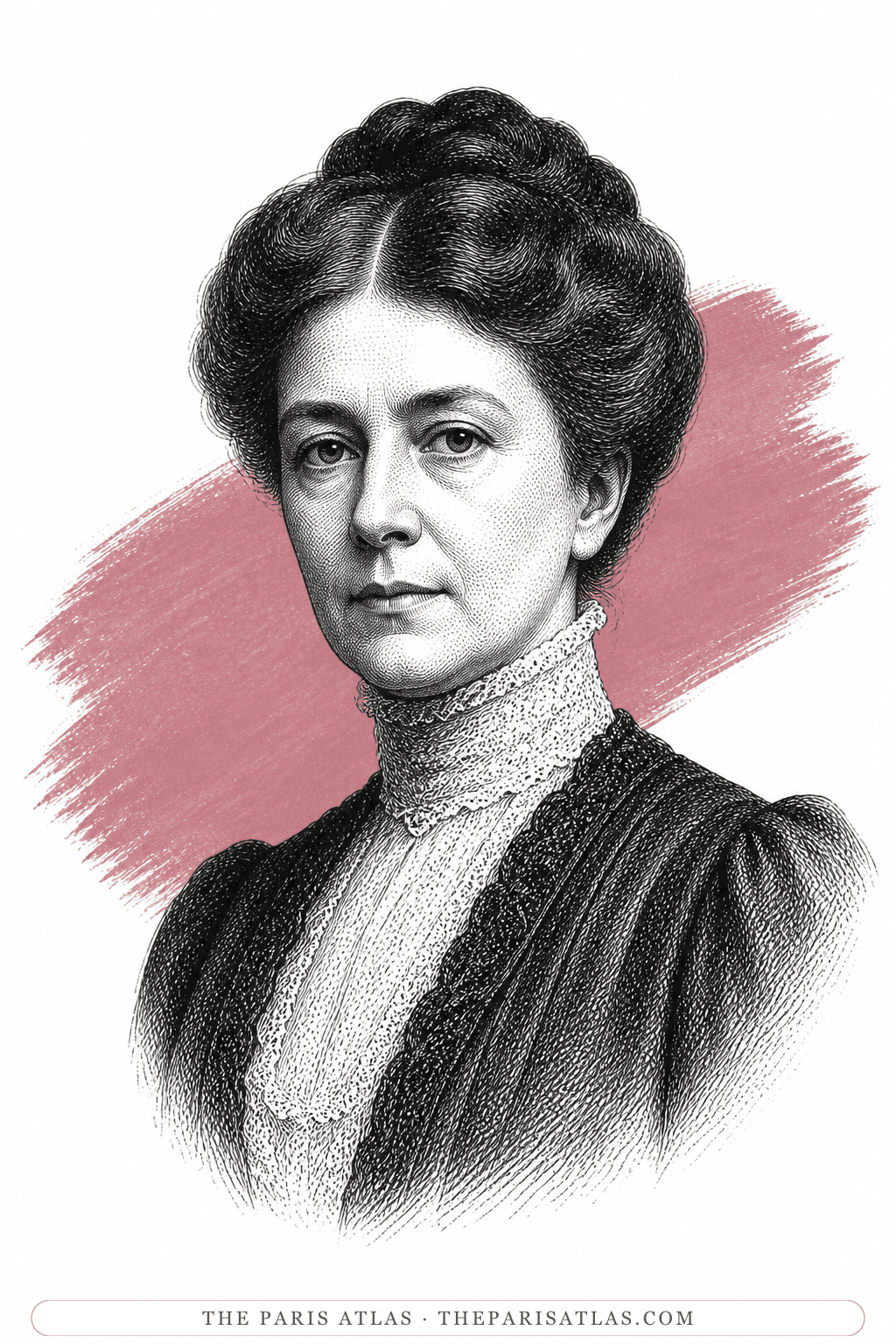
Edith Wharton
Worked here
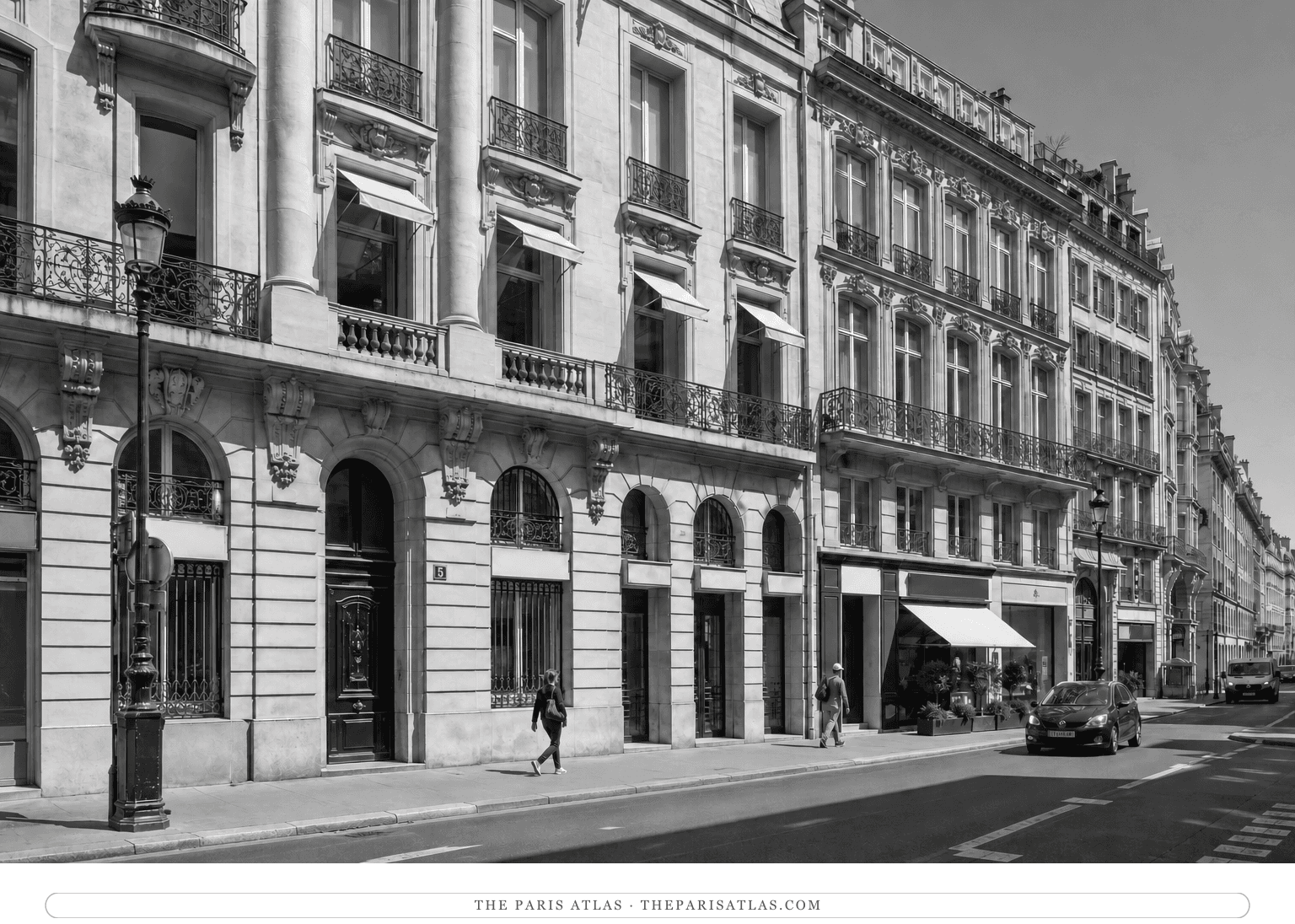
In her preface to The Book of the Homeless, Wharton instructed readers to send gifts in kind to the American War Relief Clearing House at 5 rue Francois-Ier.
The Paris address to which Edith Wharton told readers of The Book of the Homeless to send donations in kind — the clearing house through which American war relief reached the French charities.
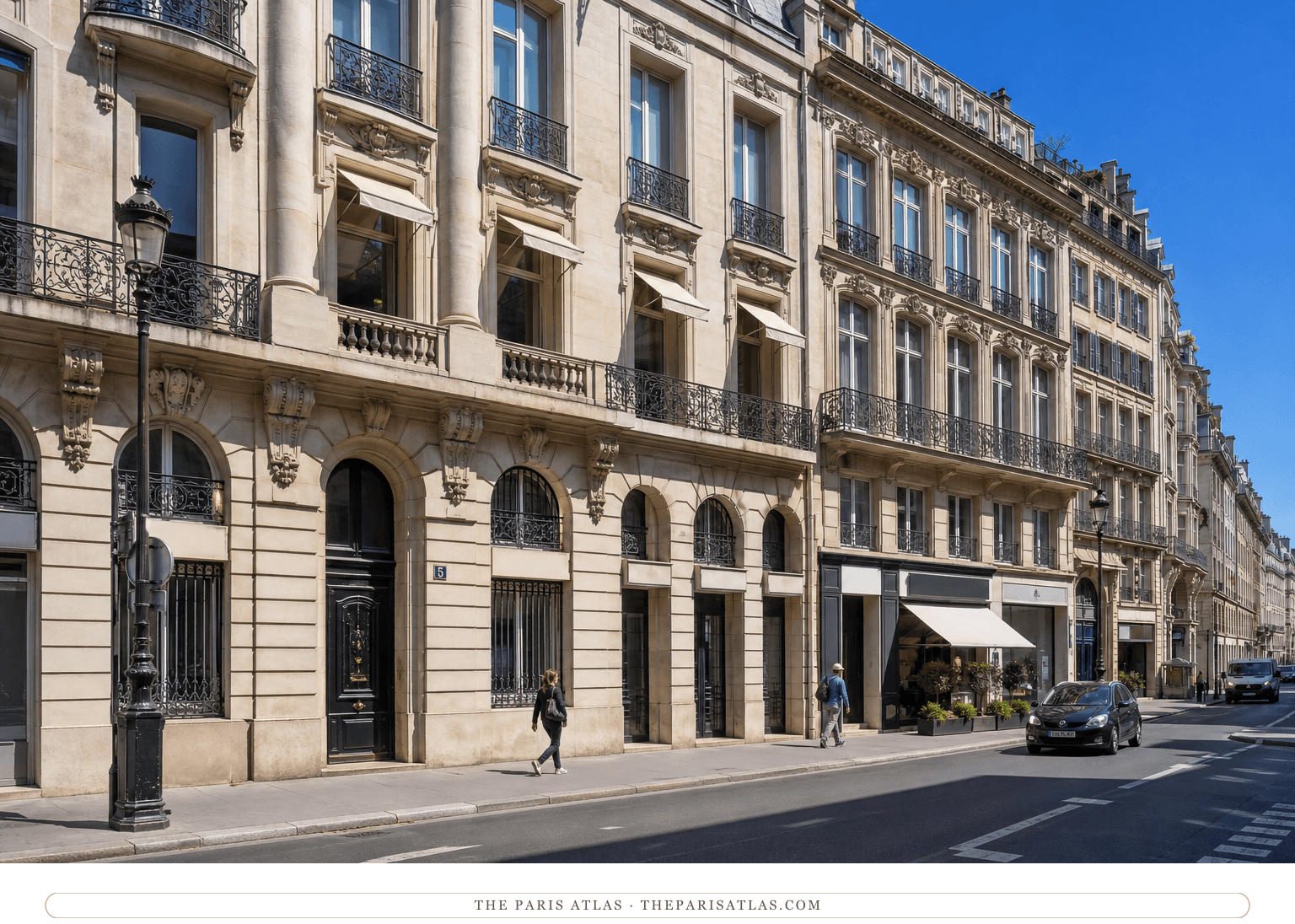
The American War Relief Clearing House existed to solve a logistical problem: a great deal of American money and material wanted to reach French war charities, and there was no orderly way to get it there. The Clearing House received, sorted and distributed.
Edith Wharton used it directly. In her preface to The Book of the Homeless, the fundraising anthology she edited in 1915, she instructed readers who wished to give goods rather than money to send them to the Clearing House at this address. The instruction is the reason the address is documented at all.
The anthology itself was an act of formidable persuasion — Wharton got contributions from a long list of the best-known writers, artists and composers of the period, and the proceeds went to her hostels and workrooms.
The organisation is long gone. The building is in ordinary commercial use and nothing marks it.
Wharton edits The Book of the Homeless and names the Clearing House as the address for donations in kind.
A wartime organisation in Paris that received American donations and distributed them to French relief charities. Wharton directed readers of The Book of the Homeless to send goods there.
Worked here
In her preface to The Book of the Homeless, Wharton instructed readers to send gifts in kind to the American War Relief Clearing House at 5 rue Francois-Ier.
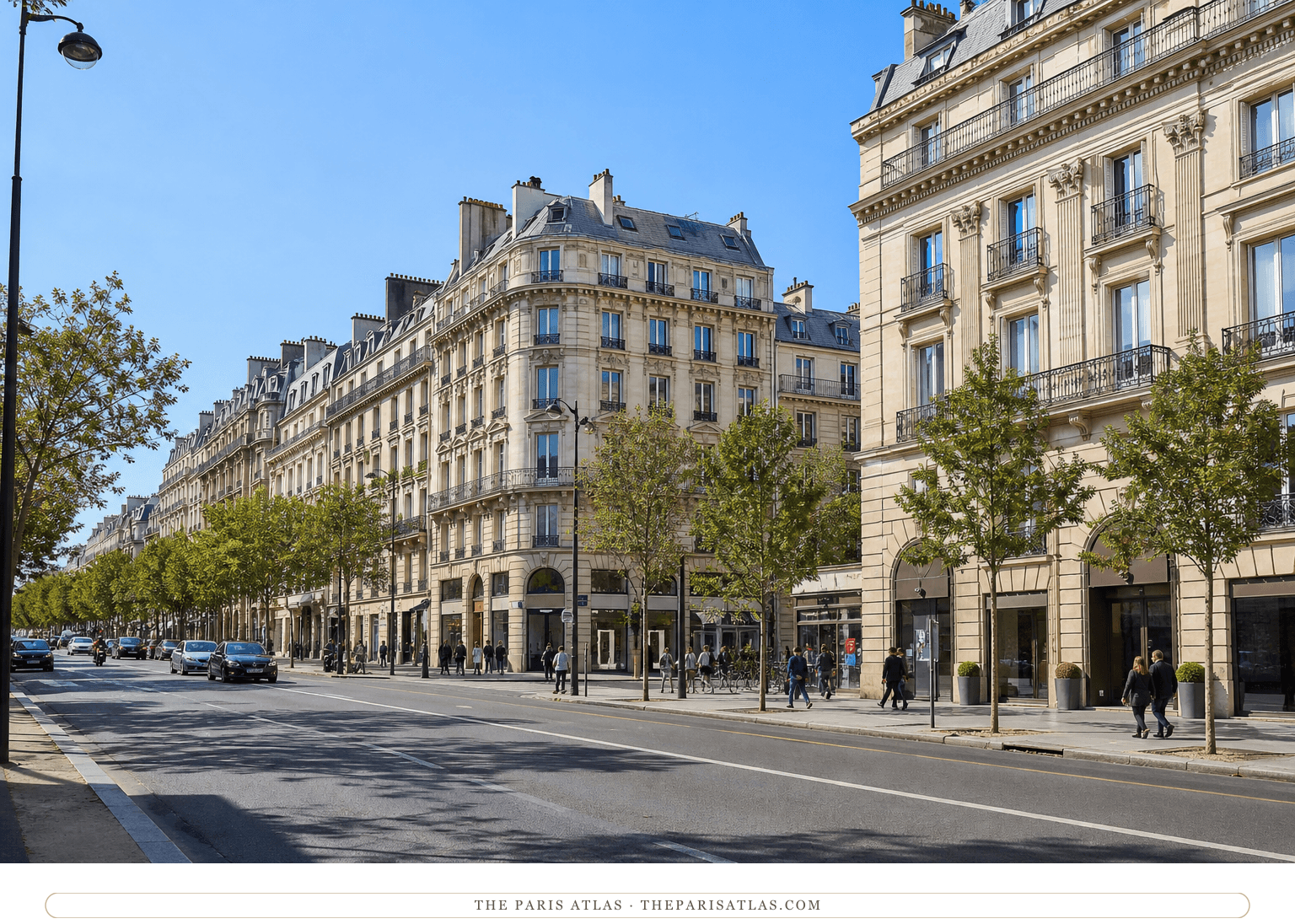
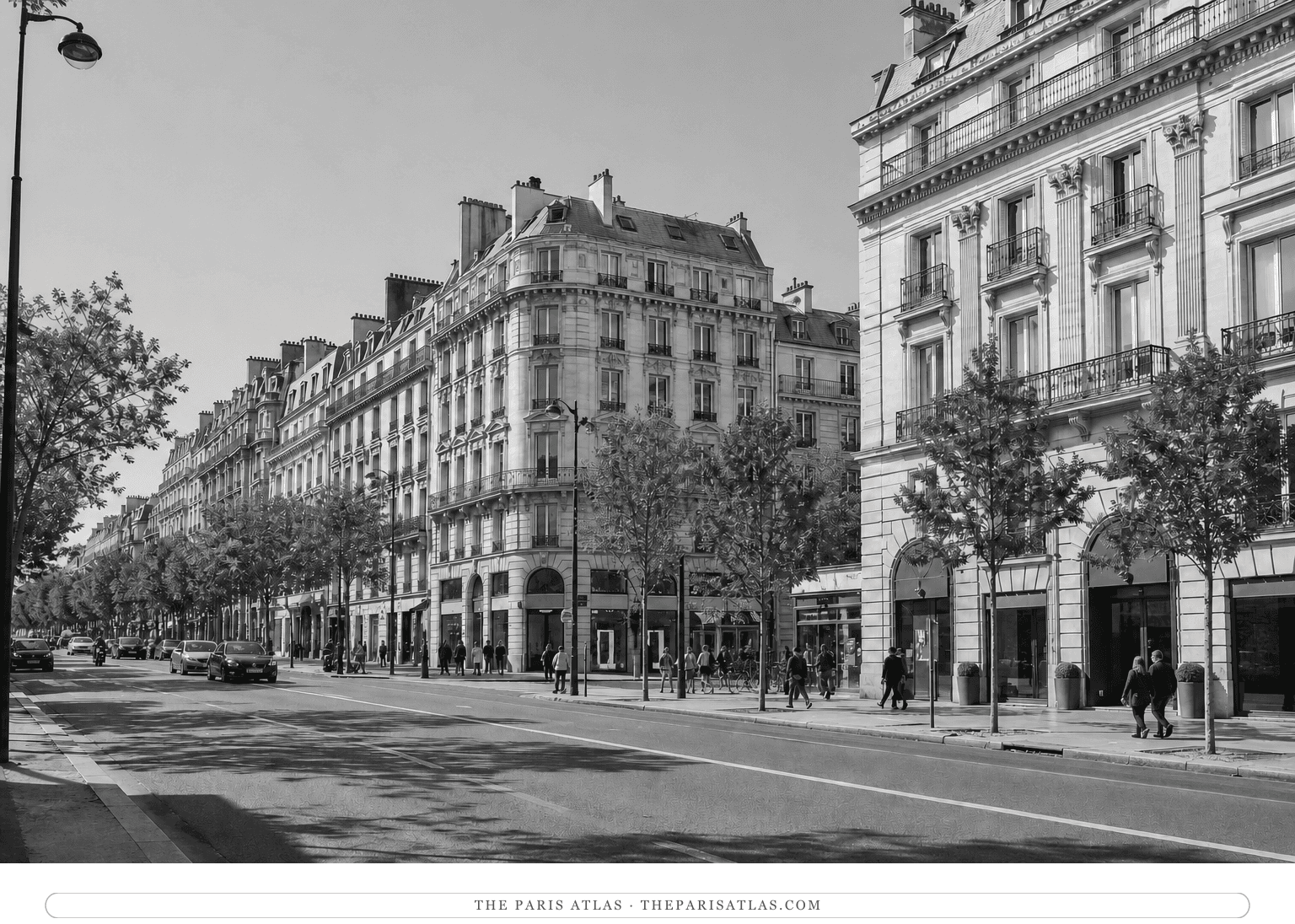
The street where Edith Wharton's refugee organisations ran a grocery depot during the First World War. No building number survives in the record, so this is a street-level entry rather than an address.
Visit the place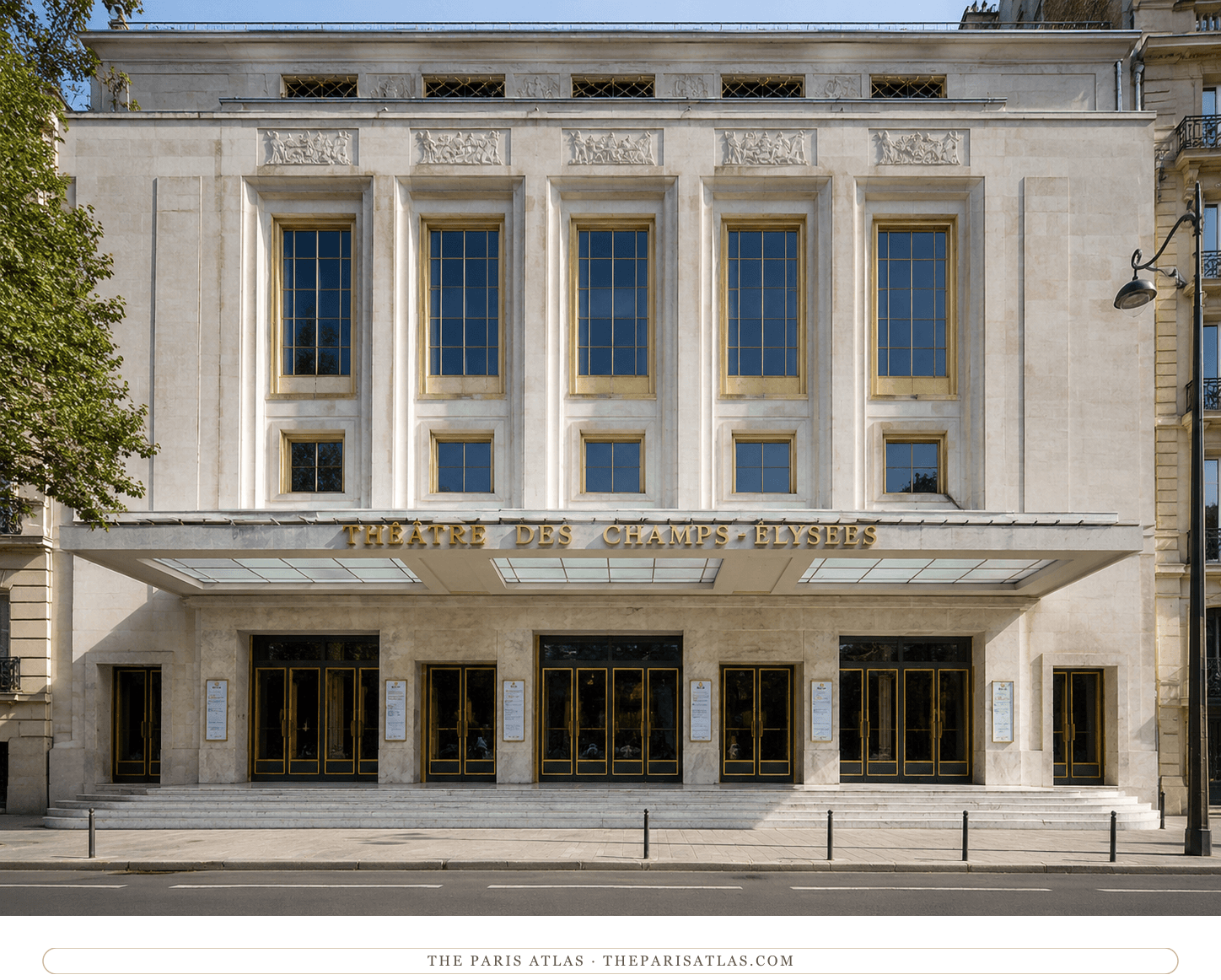
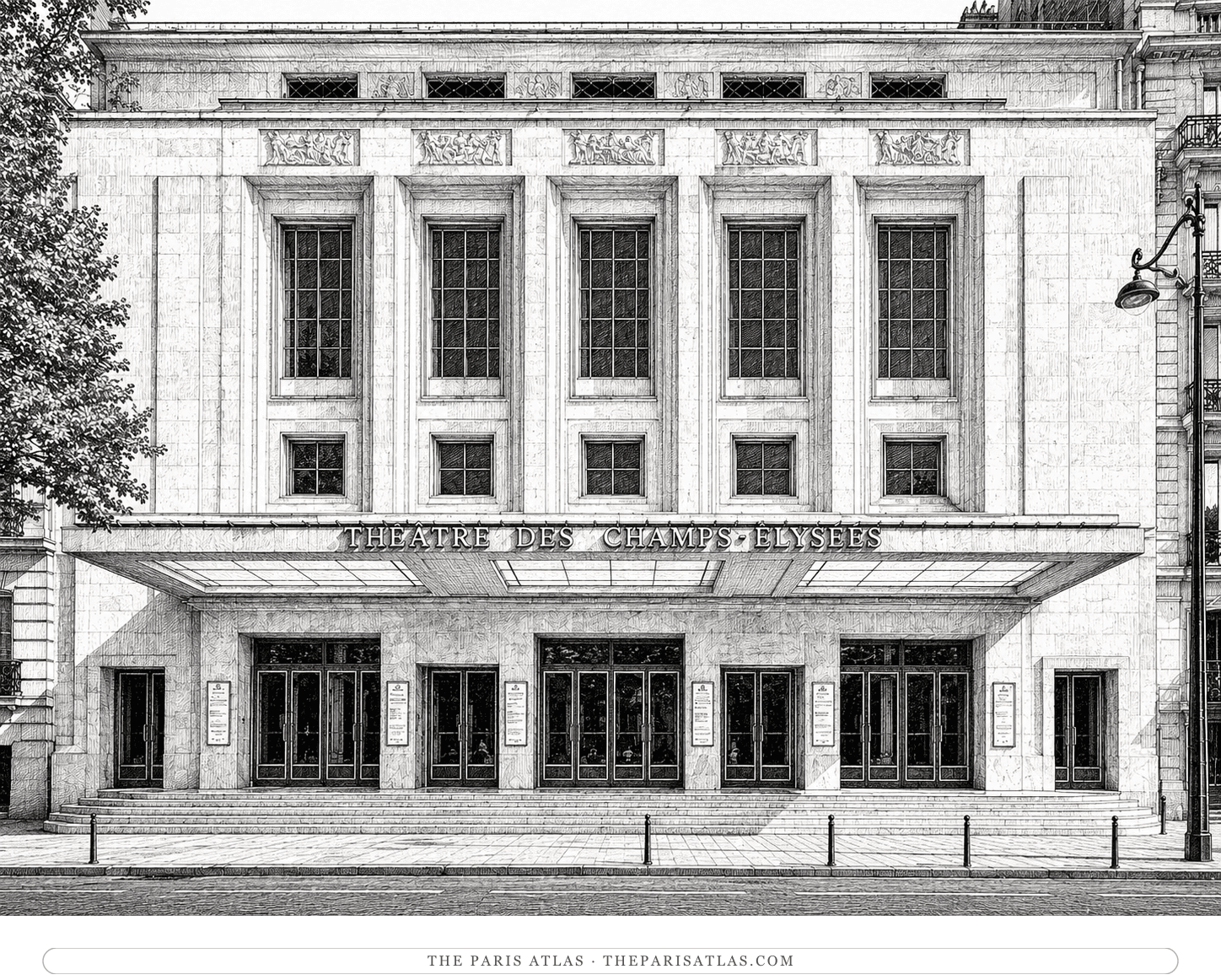
The concrete temple of the avant-garde — where The Rite of Spring caused a riot in 1913, and the Ballet Mécanique caused another in 1926, with Ezra Pound shouting over the pianolas.
Visit the place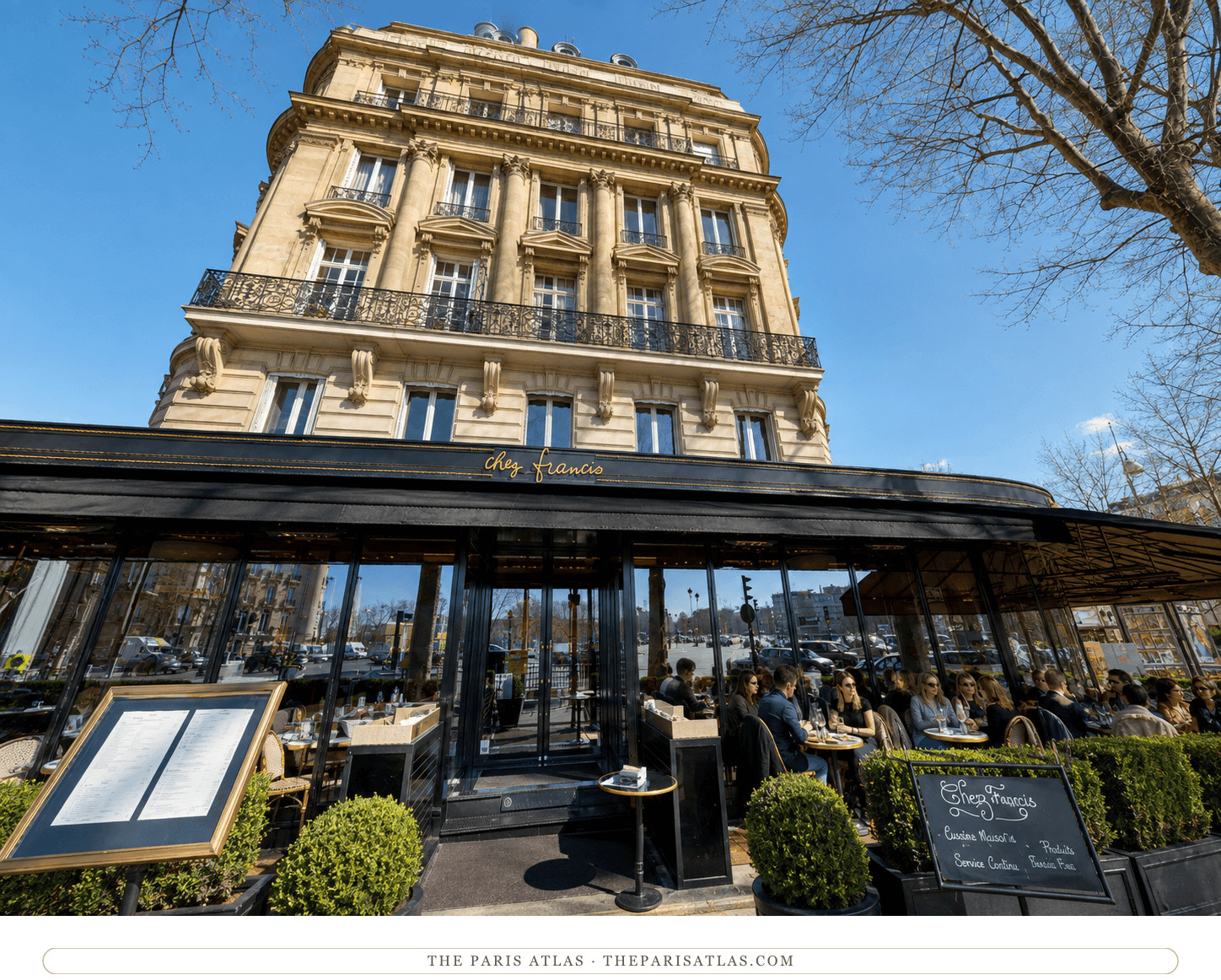
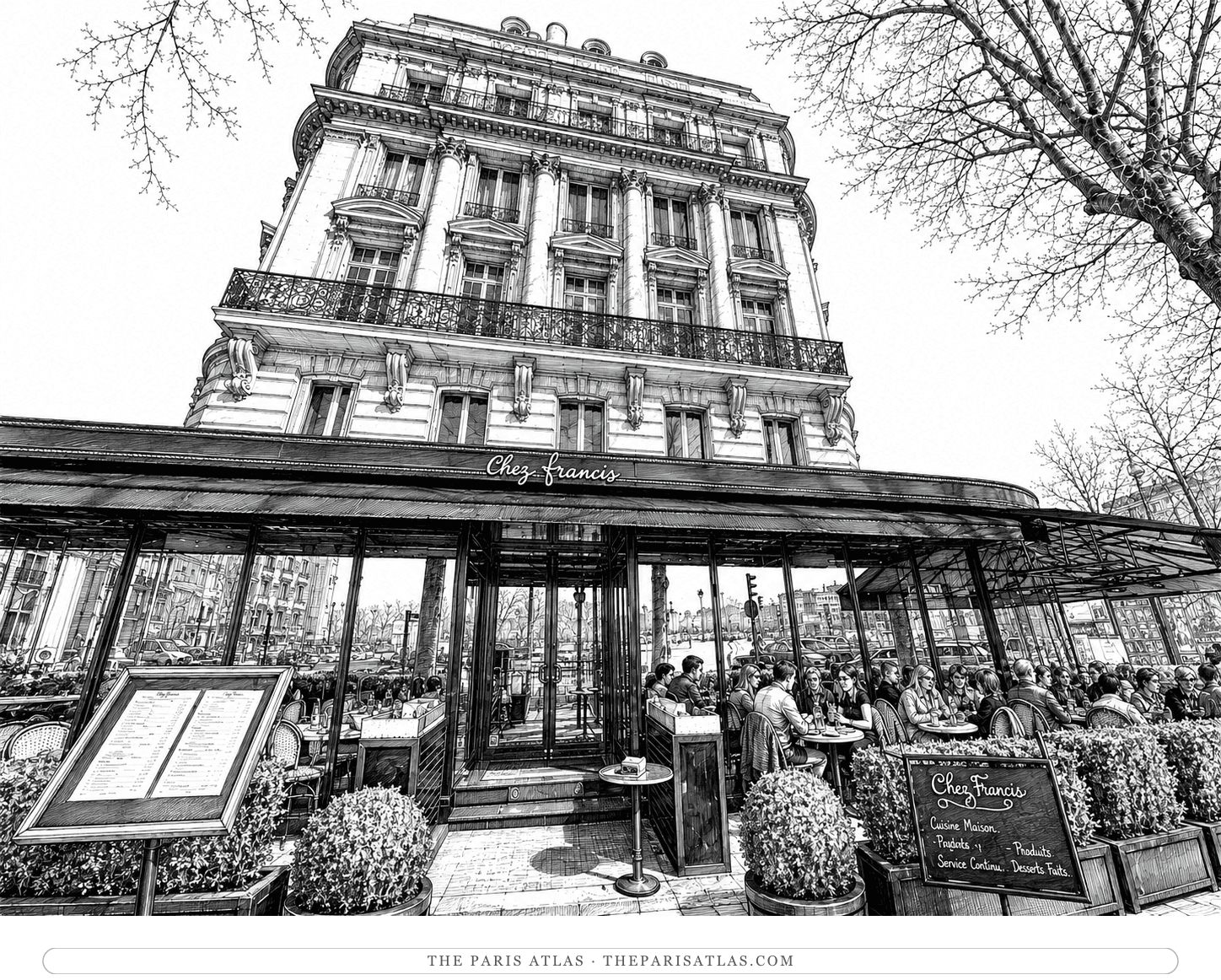
The brasserie on the Place de l'Alma that Cendrars scholarship names as one of the writer's regular stops — a Right Bank address in a café life mapped mostly through Montparnasse.
Visit the place
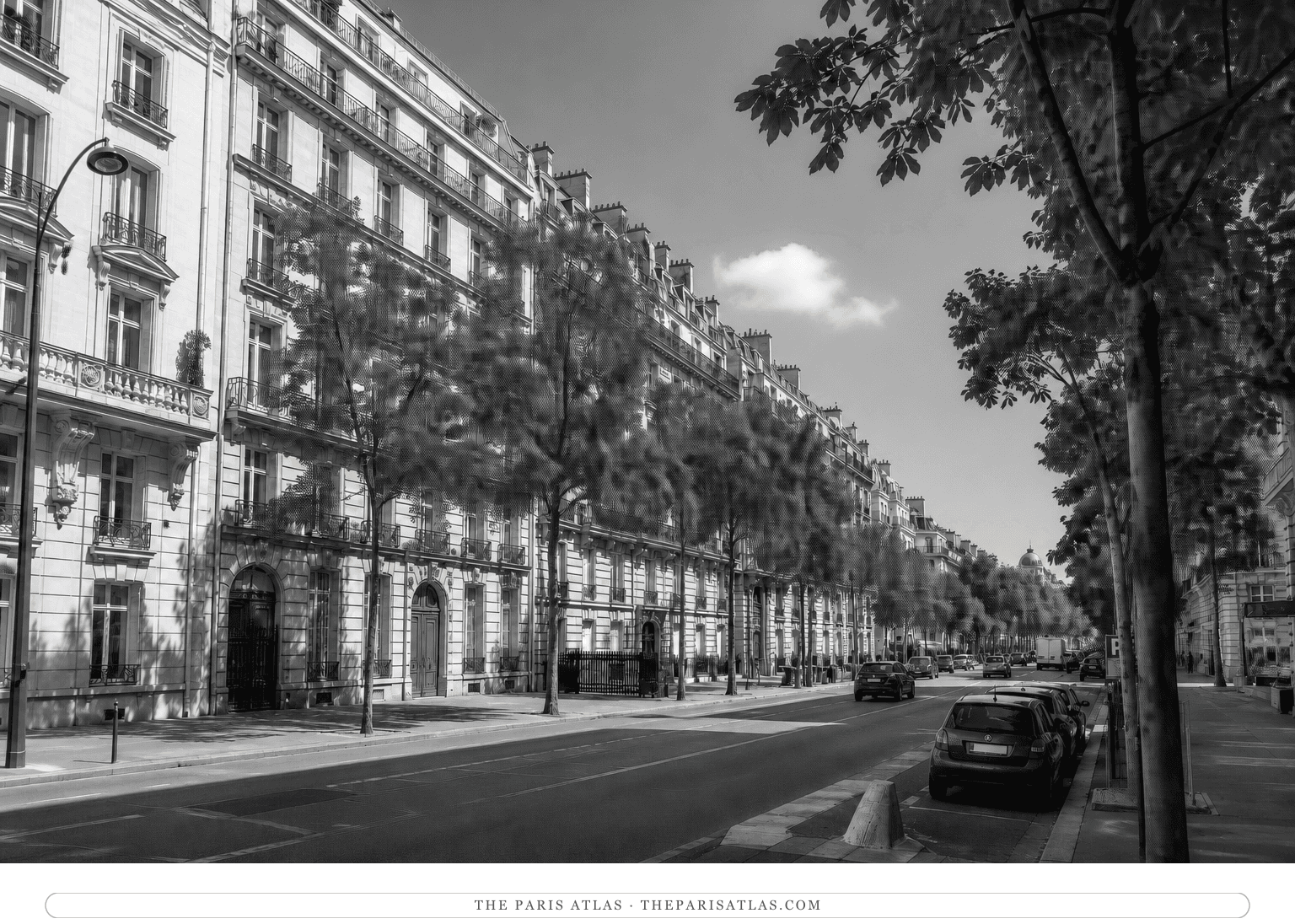
The address where the Jones family lived around 1868 to 1870, when the future Edith Wharton was a child of six or seven — the years that gave her fluent French and a lifelong sense that Europe was home.
Visit the placeThe sources below include histories, archival materials, scholarly research, and official records that informed this page. They document American War Relief Clearing House, 5 rue François-Ier, the people connected to it, and its place in Paris.


Published analysis and historical context used in preparing the American War Relief Clearing House, 5 rue François-Ier page.

Web source consulted for documented facts and historical context presented on the American War Relief Clearing House, 5 rue François-Ier page.

Published analysis and historical context used in preparing the American War Relief Clearing House, 5 rue François-Ier page.
Biographical evidence used to verify chronology, relationships, and historical context connected to American War Relief Clearing House, 5 rue François-Ier.
These references provide the documented foundation for this page's history and context. Claim-level citations remain attached to the specific claims they support.
 Explore more resources
Newsletter
The cafés, studios, and walk-up flats where the work was made — one story from the map in every letter.