
Hunger
A later manic urban narrator is likewise shaped by pride, poverty, and self-sabotage.
Read our take
A brilliant, spiteful narrator argues against reason while sabotaging every chance at connection.
An unnamed former civil servant living alone in St. Petersburg attacks rational ideas of progress and insists that people may choose suffering simply to prove they are free. He then recalls the humiliations and cruelty that reveal what his philosophy costs in ordinary life.
The Underground Man is a former civil servant living alone in St. Petersburg. He is intelligent enough to understand his worst impulses and spiteful enough to pursue them anyway. He begins by announcing that he is sick, angry, and unattractive, then argues with imaginary opponents about reason, freedom, progress, and human perversity.[1]
The first part is mostly philosophical monologue. The second moves backward into episodes from his twenties: humiliations, obsessive resentments, a disastrous dinner with former schoolmates, and his encounter with a young sex worker named Liza.[1]
Dostoevsky makes the narrator contradictory on purpose. He wants intimacy and despises anyone who might offer it. He wants superiority but cannot stop imagining other people’s judgments. His self-awareness does not produce improvement; it becomes another weapon he uses against himself.[1]
In the first section, the forty-year-old Underground Man explains his withdrawal from society and revisits his years as a minor civil servant. He attacks the belief that human behavior can be made rational through enlightened self-interest, scientific prediction, or better social planning.[1]
He argues that people may knowingly choose suffering, stupidity, or destruction simply to prove that they remain free. The imagined Crystal Palace of perfect rational organization horrifies him because a life calculated like a mathematical table would leave no room for caprice, refusal, or the pleasure of knocking the whole system down.[1]
The second section moves back sixteen years. An officer casually moves him aside in a tavern without even noticing him. The narrator then spends months studying the man, borrowing money for a respectable coat, and planning an absurd revenge: he will collide with the officer on Nevsky Prospect and refuse to yield like a social equal.[1]
He next forces himself into a farewell dinner for Zverkov organized by Simonov, Trudolyubov, and Ferfichkin, although the former schoolmates do not want him there. He arrives an hour early because no one tells him the time changed, feels insulted, drinks, delivers hostile speeches, paces before the table, and follows the group after they leave for a brothel.[1]
At the brothel he meets Liza, a young sex worker. He gives her a frightening account of the exploitation and lonely death he believes await her, then offers his address while imagining himself as a rescuer. When she later visits, she sees his poverty, his humiliating conflict with his servant Apollon, and his emotional collapse. Unable to tolerate her compassion, he insults her, forces money into her hand, and tries to turn their human encounter into a transaction.[1]
Liza leaves after quietly returning the money the Underground Man tried to force on her. Her refusal exposes the failure of his attempt to buy back power: she understands his shame and still will not let him define the encounter as a sale.
He immediately regrets what he has done and imagines chasing her, apologizing, or transforming the pain into a dramatic future story. Yet he remains trapped in the same cycle of shame, fantasy, and inaction that has shaped every earlier humiliation.
The narrator concludes that people like him have become too conscious to live naturally and accuses ordinary society of accepting its own dishonesty. An editorial voice then breaks off the notes, saying that he continued writing but that this is a suitable stopping point. The interruption emphasizes that his argument could repeat forever without becoming a life.
The Underground Man would rather choose badly than live inside a system that predicts every choice. His argument identifies a real danger in treating people like equations, but he turns freedom into little more than the ability to refuse, injure, and sabotage. The second half tests the philosophy against actual people.
Self-awareness becomes paralysis rather than wisdom. The narrator can see competing motives behind every impulse and anticipate every possible judgment. Instead of helping him choose, that intelligence lets him endlessly revise the meaning of actions he is afraid to take.
He repeatedly enters situations likely to wound his pride, then treats the injury as proof that he is more sensitive and intelligent than everyone else. The officer, dinner, and conflict with Apollon show how humiliation can become a private possession he cultivates because resentment feels safer than equality.
His cruelty toward Liza is most intense precisely because her compassion reaches him. Being genuinely seen would require him to stop performing superiority and accept dependence on another person’s freedom. He attacks her to escape that risk.
Rank, uniforms, manners, money, and invitations become obsessions because the narrator feels invisible within them. He denounces social hierarchy while measuring himself by it. Even the planned shoulder collision matters because he wants a stranger’s body to acknowledge his equal status.
Dostoevsky attacks rationalist social theories that underestimate irrational desire. The Crystal Palace represents a future organized so perfectly that no independent wish remains. The narrator’s counterexample is deliberately unpleasant: human unpredictability includes spite as well as creative freedom.
The prose is argumentative, comic, repetitive, self-interrupting, and intentionally contradictory. The Underground Man anticipates objections, insults imaginary readers, reverses his position, and sometimes admits that he has lied. The reader follows a mind staging arguments in real time rather than a settled philosophical lecture.
Translation matters because the voice must sound intellectually sharp and ridiculous at once. A version that smooths every repetition can make him too polished; one that preserves the jagged movement lets comedy, desperation, and aggressive intimacy remain audible together.
Important English translators include Constance Garnett, Mirra Ginsburg, Andrew MacAndrew, Ronald Wilks, and Richard Pevear with Larissa Volokhonsky. The best version depends partly on whether a reader prefers smooth English or a stronger sense of the narrator’s awkward repetitions and abrupt turns.
The novella has inspired direct stage versions as well as films and novels built around Underground Man–like narrators. A production should be called an adaptation only when it actually uses Dostoevsky’s text or story; influence alone is not the same thing.
The narrator explains, revises, and attacks his own ideas while refusing the comforting stories other people accept.
The second half shows what grand claims about freedom look like when applied to a dinner, a servant, and a vulnerable visitor.
Comedy and pain come from a speaker intelligent enough to catch himself lying but not brave enough to change.

The unnamed former civil servant whose intelligence, resentment, and fear of intimacy drive the confession.

A young sex worker whose compassion reaches the narrator more directly than his manipulative speech anticipates.

The confident former schoolmate whose farewell dinner becomes the narrator’s chosen scene of humiliation.
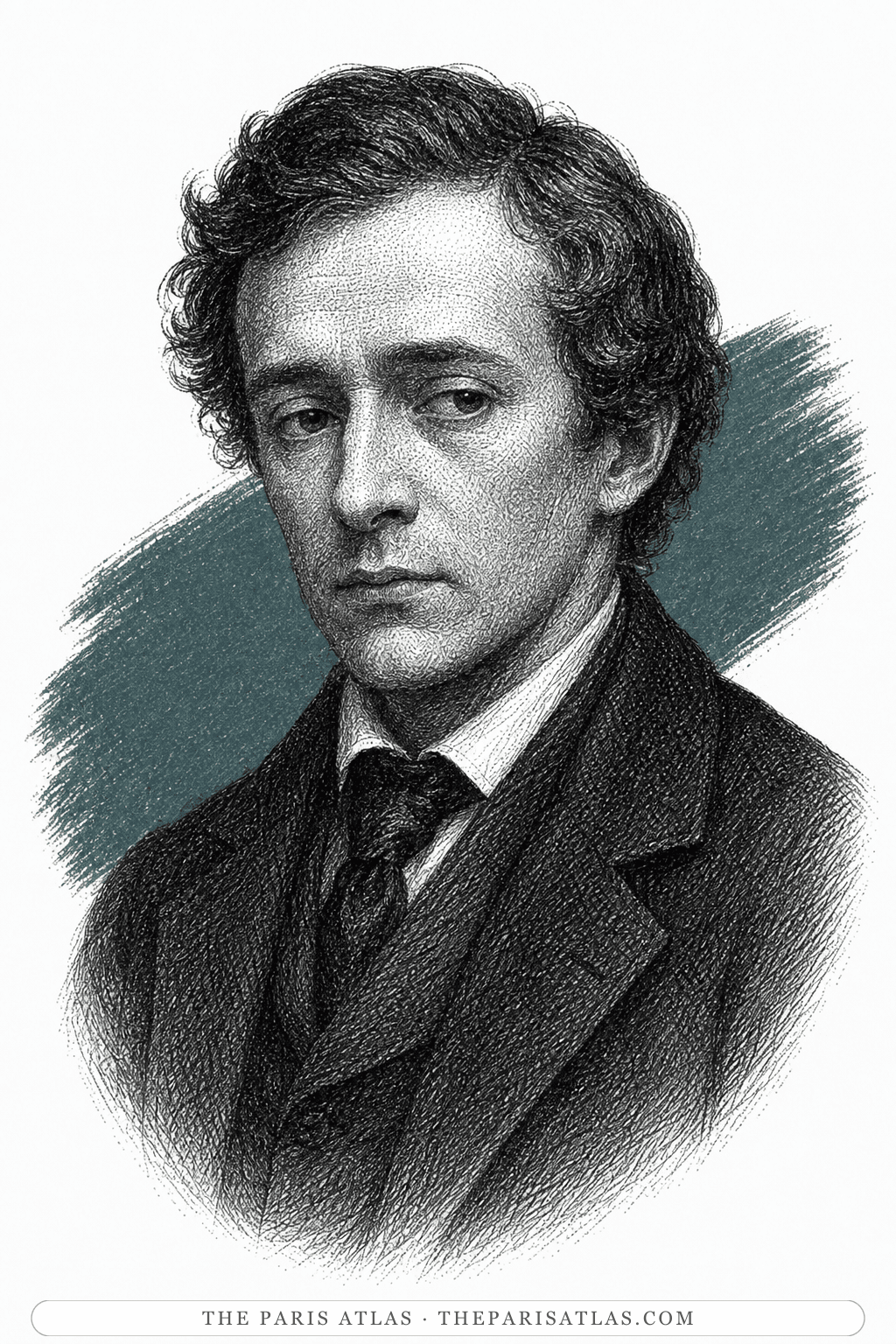
A reserved former acquaintance who reluctantly lets the narrator join Zverkov’s dinner.
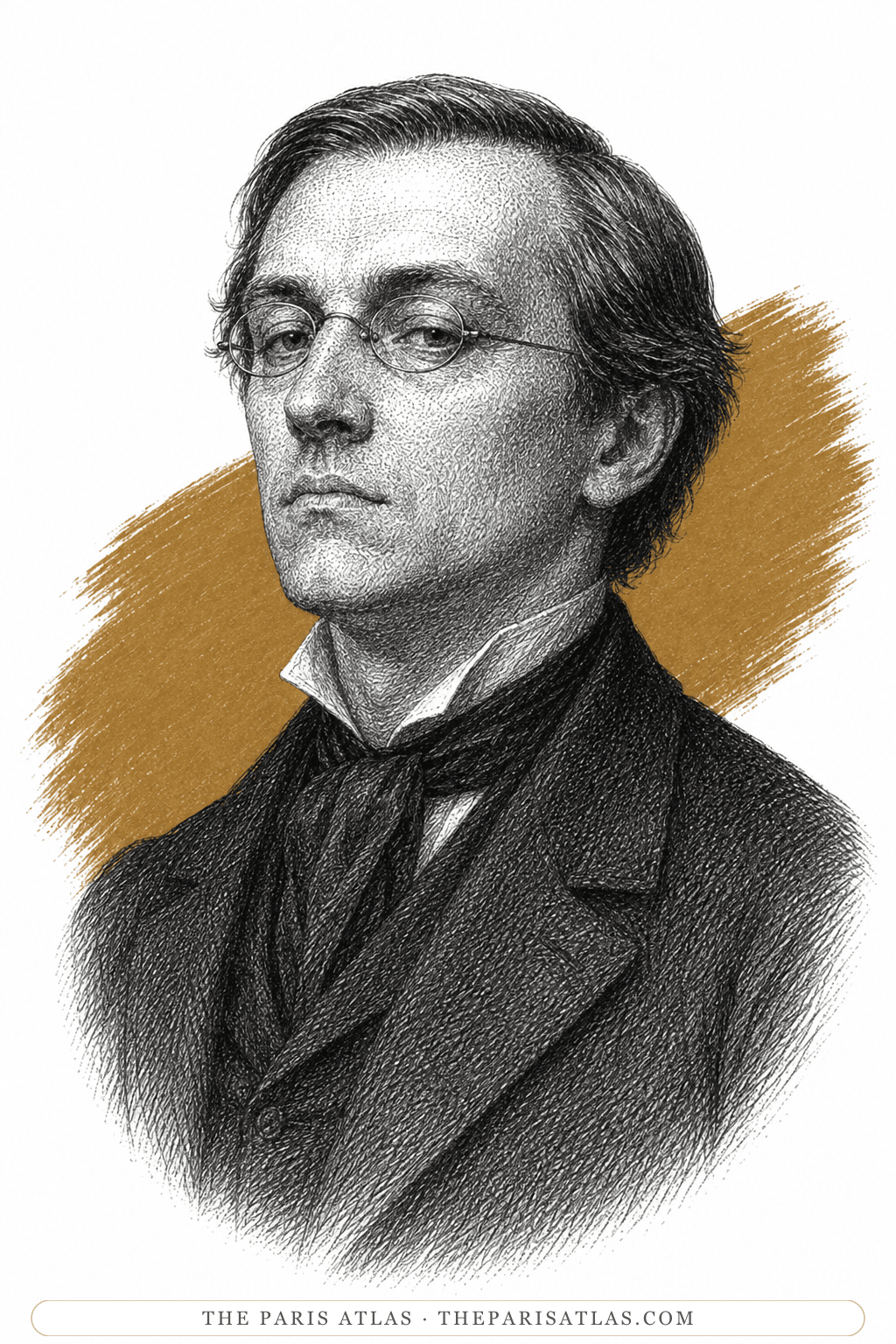
A conventional former schoolmate who openly dismisses the narrator’s behavior at dinner.
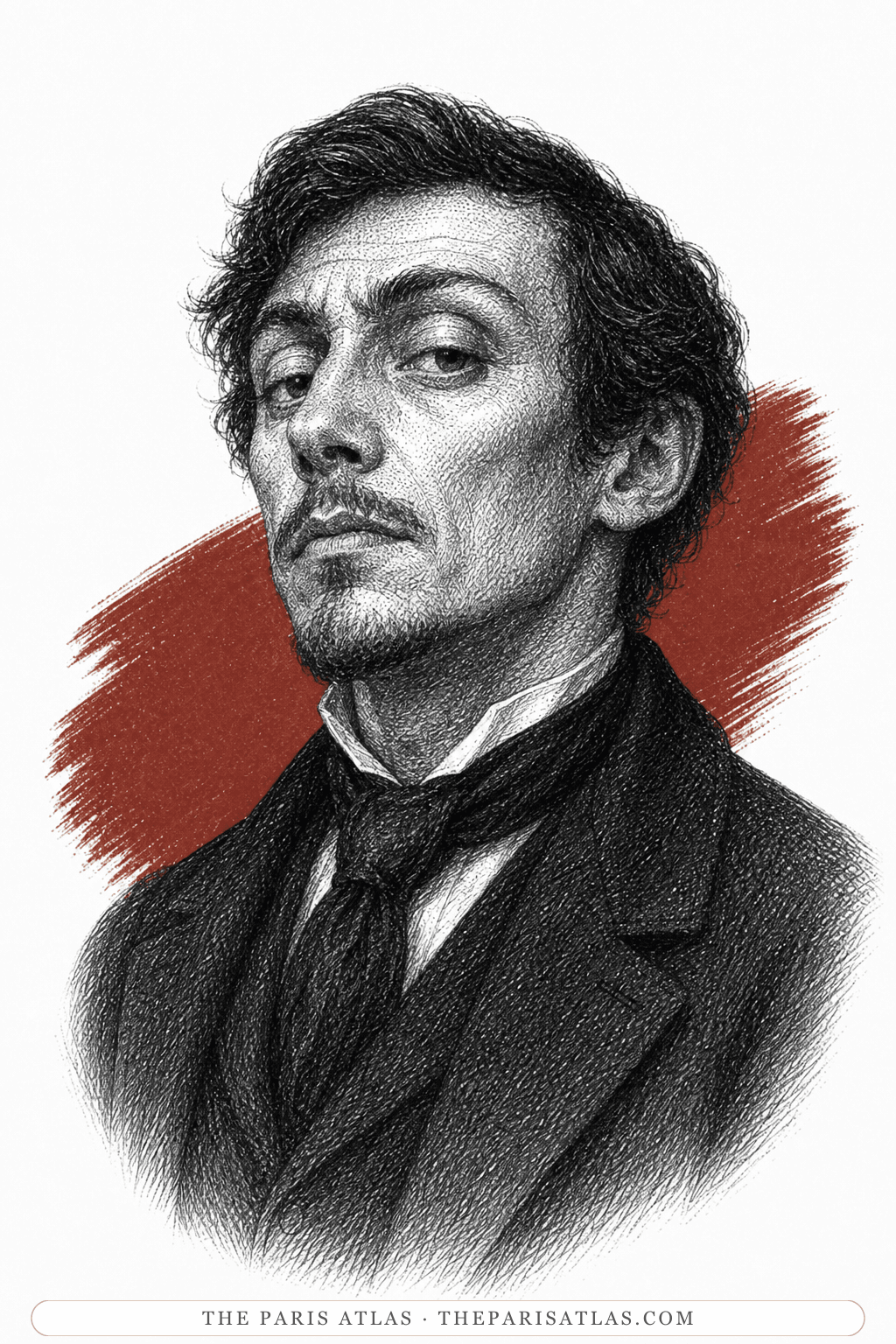
A sharp-tongued former schoolmate who most openly mocks and quarrels with the narrator.
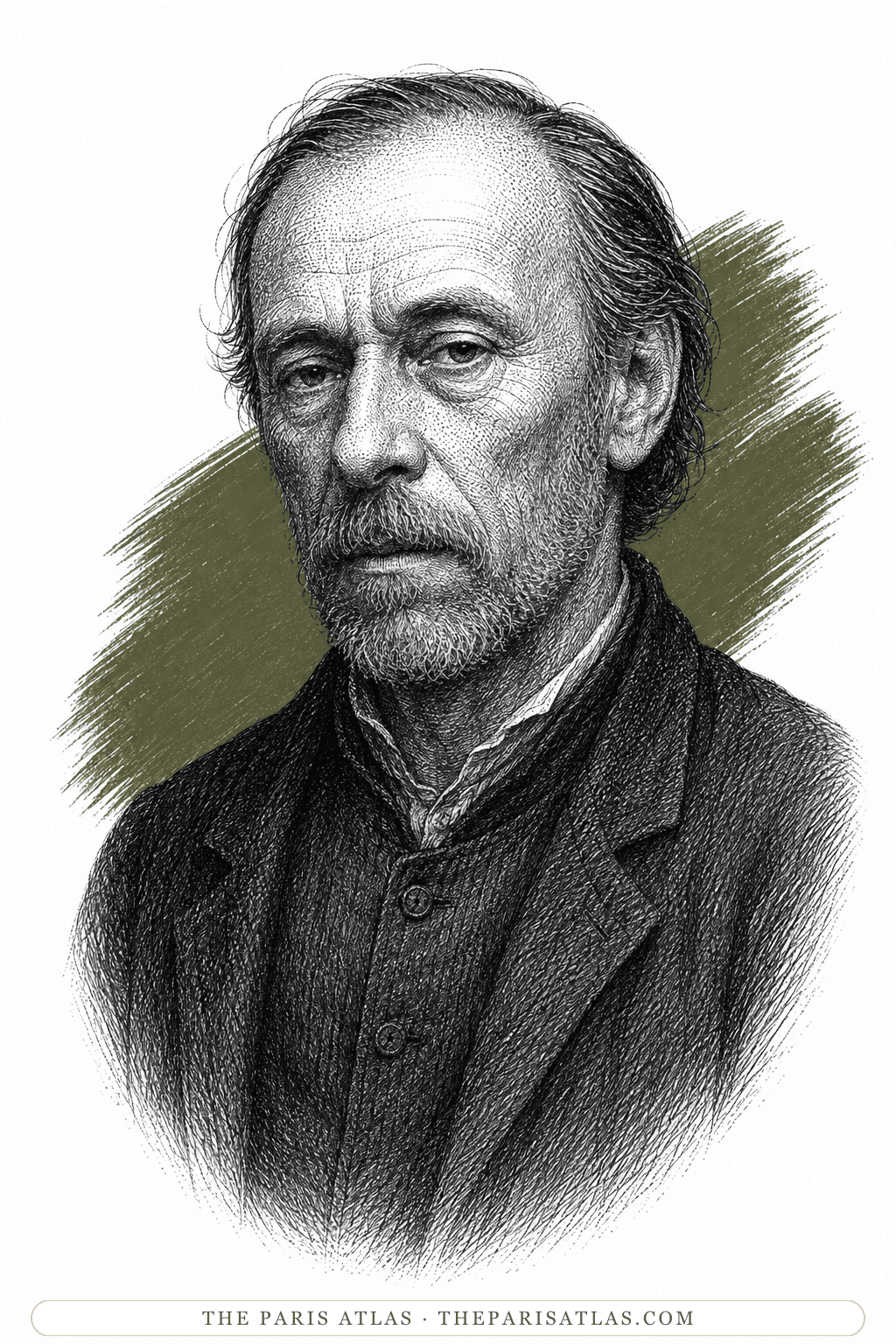
The narrator’s older servant, whose composed resistance defeats attempts at intimidation.
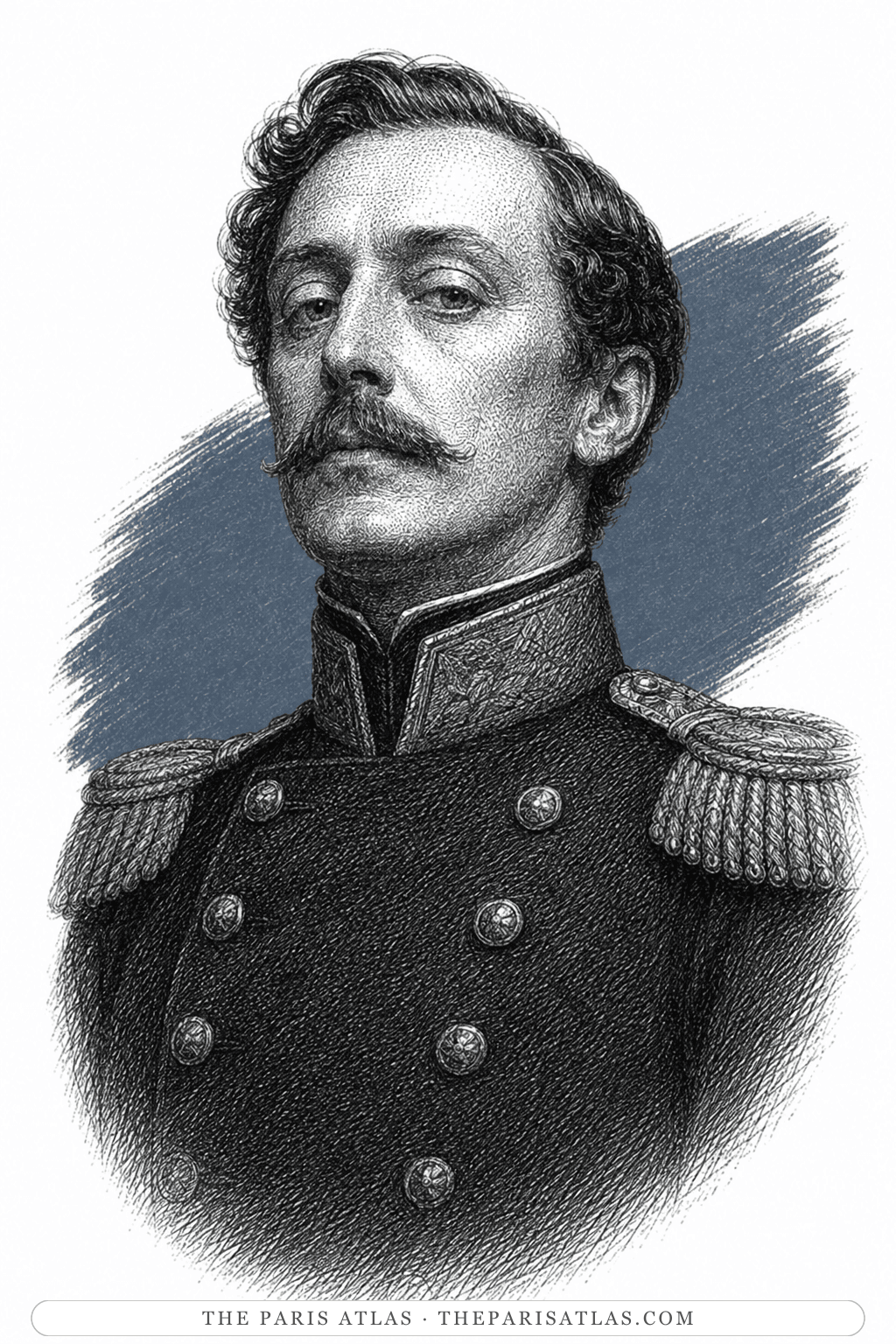
The tall military man whose casual failure to notice the narrator inspires months of revenge planning.
1864
Notes from Underground is first published in the journal Epoch.
20th century
Multiple English translations establish the novella as a foundational modern text.
1983
Bantam Classics publishes its mass-market edition.
1994
Vintage publishes the Pevear and Volokhonsky translation in paperback.
2004
Everyman’s Library issues its hardcover Pevear and Volokhonsky edition; Signet publishes the MacAndrew collection.


A later manic urban narrator is likewise shaped by pride, poverty, and self-sabotage.
Read our take


A much quieter outsider reveals the contrast between flat statement and torrential argument.
Read our take
He describes himself as withdrawn from ordinary social life into an ‘underground’ position of resentment, fantasy, and hyper-consciousness.
It is both a reference to the real exhibition building and a symbol of rational utopia: a society in which human behavior can supposedly be calculated and organized.
Mostly. It is a philosophical monologue that establishes the narrator’s arguments and voice before the second half tests them through remembered events.
He is drawn to her compassion and vulnerability, but he is too frightened of dependence and too invested in superiority to build a healthy relationship.
Her sympathy exposes his poverty, loneliness, and need. He tries to regain control by making her feel small and recasting their encounter as a financial transaction.
She leaves after returning his money. The book does not tell readers what happens to her later.
No. He contradicts himself, anticipates objections, revises motives, and admits that some statements may be lies.
Its self-conscious antihero, fractured confession, attack on rational certainty, and fusion of philosophy with psychological comedy strongly influenced modern fiction and existential thought.
Explore authors with a similar voice, perspective, and influence.
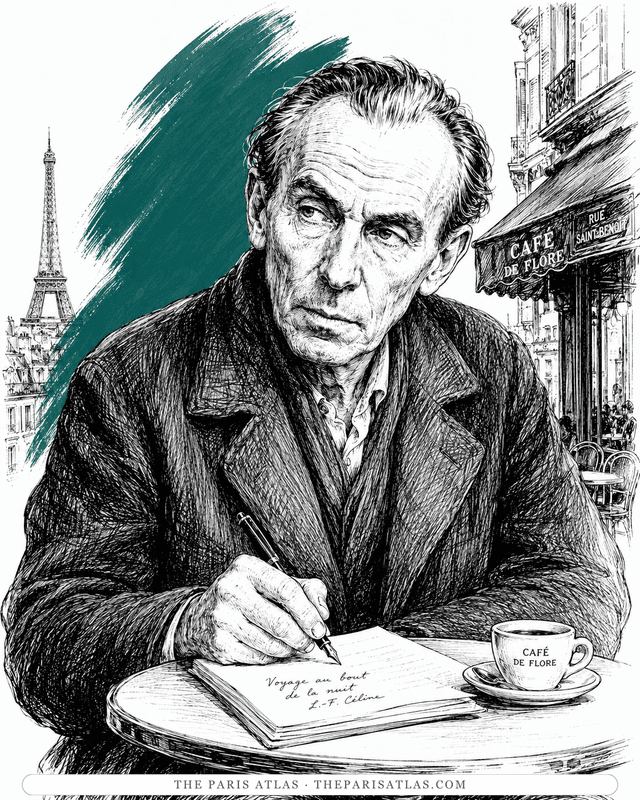
The doctor of the Paris slums who wrote the century's blackest, funniest novel — and changed the sound of French prose.
View author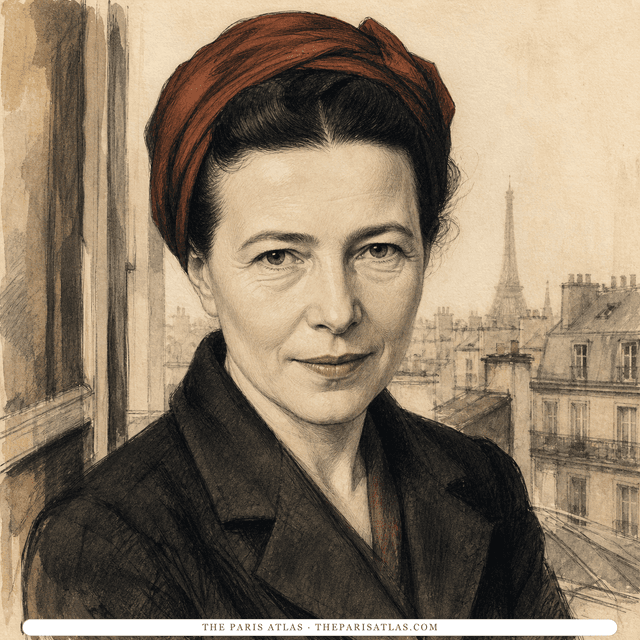
French writer and philosopher whose novels, memoirs, and social analysis examined freedom, gender, responsibility, aging, and the material conditions that shape a life.
View author
American novelist and composer whose expatriate fiction explores dislocation, unstable intimacy, fatalism, and North Africa.
View authorThe sources below include the primary text, editions, scholarship, archival materials, and other records that informed this page. They document Notes from Underground, its publication, and its place in literary history.


Google Books catalogue record used to cross-check the title and edition metadata.
Internet Archive catalogue used to cross-check the edition and library holdings.
Library of Congress catalogue used to cross-check the bibliographic record by ISBN.
Publisher record used to verify the 1994 Vintage and 2004 Everyman editions, translation, and ISBNs.
Publisher record used to verify the 1983 Bantam edition and 1864 publication context.
Publisher record used to verify the 2004 Signet collection and Andrew MacAndrew translation.

Encyclopaedia Britannica overview retained as the supplied work-level cross-check.
The primary text is the baseline reference for every book page. Additional references document publication history, interpretation, and historical context where that evidence is available.
 Explore more resources