The Underground Man
The unnamed former civil servant whose intelligence, resentment, and fear of intimacy drive the confession.
To prove that he is free, intellectually superior, and impossible to dismiss while somehow receiving the intimacy he repeatedly destroys.
The book

At a glance
- Forty in the opening monologue
- Minor civil servant
- St. Petersburg
Who they are in the book
Spoiler-freeAt forty, he lives alone on an inheritance after leaving government service. He attacks rational certainty but also attacks nearly every position he adopts, turning the reader into an imaginary opponent.
His younger-life episodes reveal the emotional source of the argument: he wants recognition and tenderness, yet treats dependence on another person as humiliation.
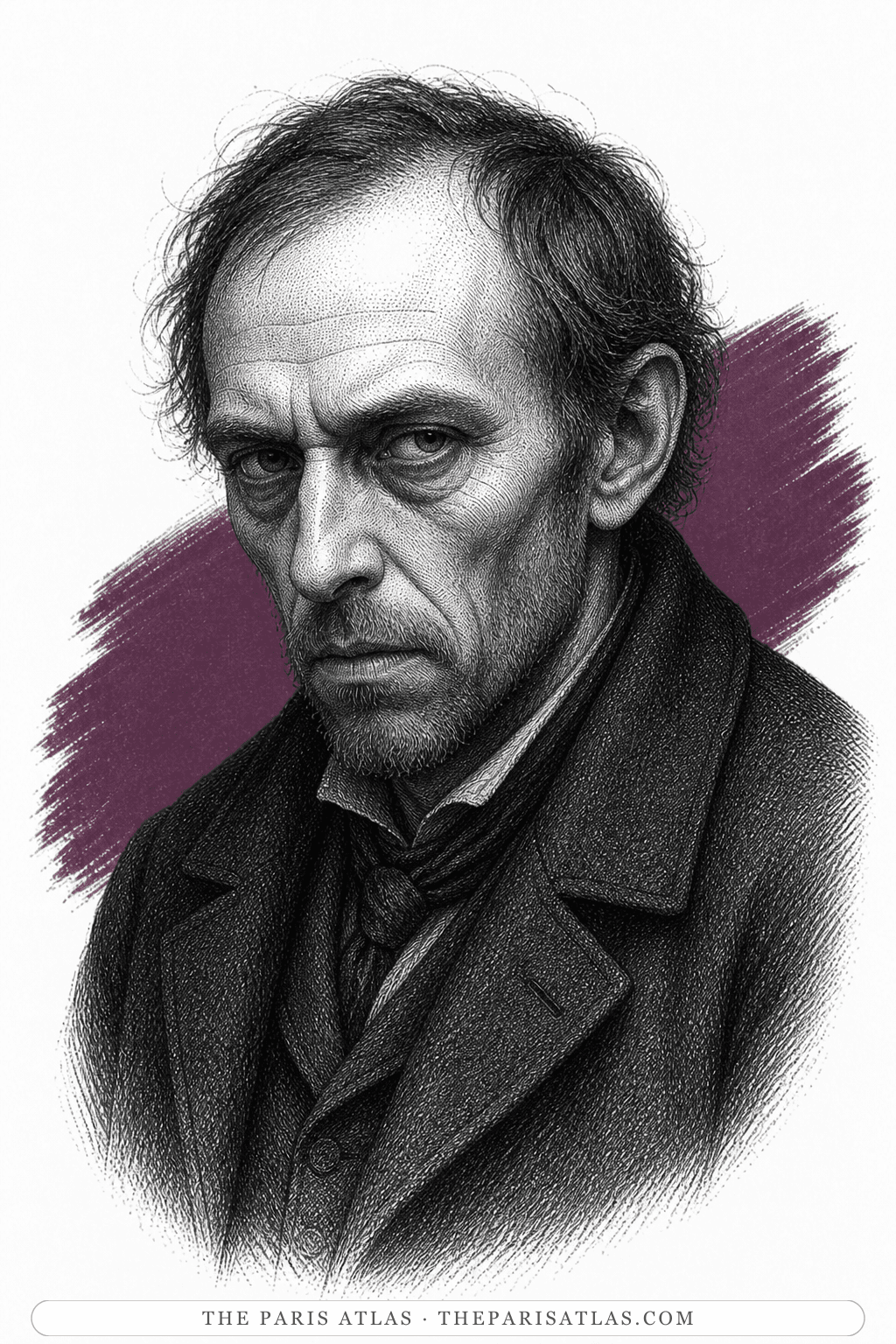
How The Underground Man Is Portrayed
- Thin middle-aged Russian manHis face shows a withdrawn, unhealthy life.
- Worn respectable coatHe clings to a former official’s appearance.
- Intense defensive eyesIntelligence and suspicion remain active together.
- Tightly held postureHe expects insult before it occurs.
- Close engraved bustNo room, pen, or papers appear.
- Muted plum accentThe bruised tone suits resentment.
He humiliates Liza when she offers compassion, immediately regrets it, and remains alone. The notes are interrupted rather than resolved, suggesting his cycle can continue indefinitely.
If you like Notes from Underground


If you like Fyodor Dostoevsky
Explore authors with a similar voice, perspective, and influence.
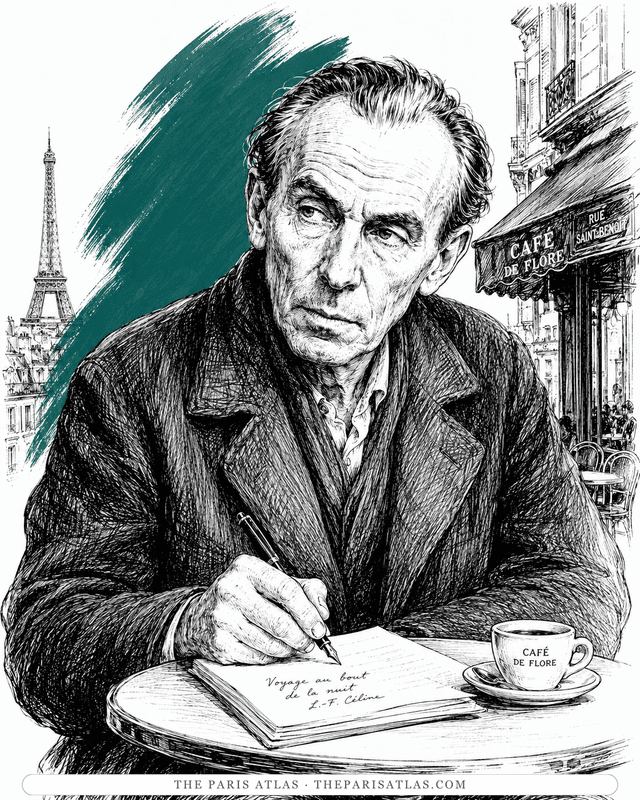
Louis-Ferdinand Céline
The doctor of the Paris slums who wrote the century's blackest, funniest novel — and changed the sound of French prose.
View author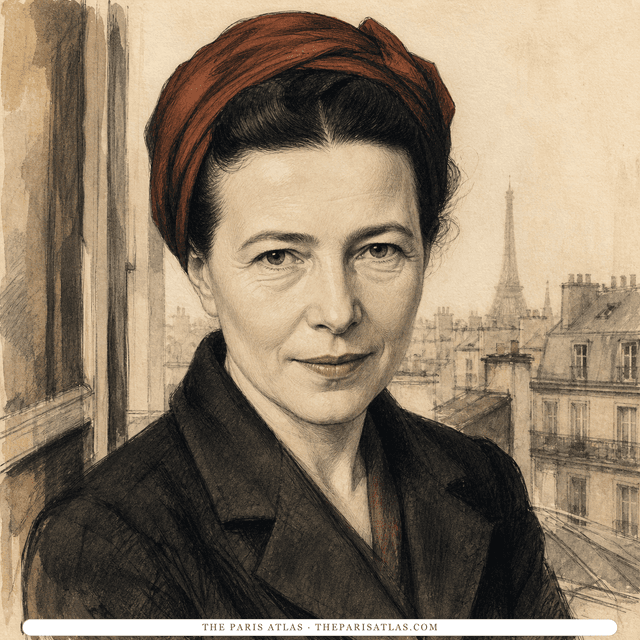
Simone de Beauvoir
French writer and philosopher whose novels, memoirs, and social analysis examined freedom, gender, responsibility, aging, and the material conditions that shape a life.
View author
Paul Bowles
American novelist and composer whose expatriate fiction explores dislocation, unstable intimacy, fatalism, and North Africa.
View author