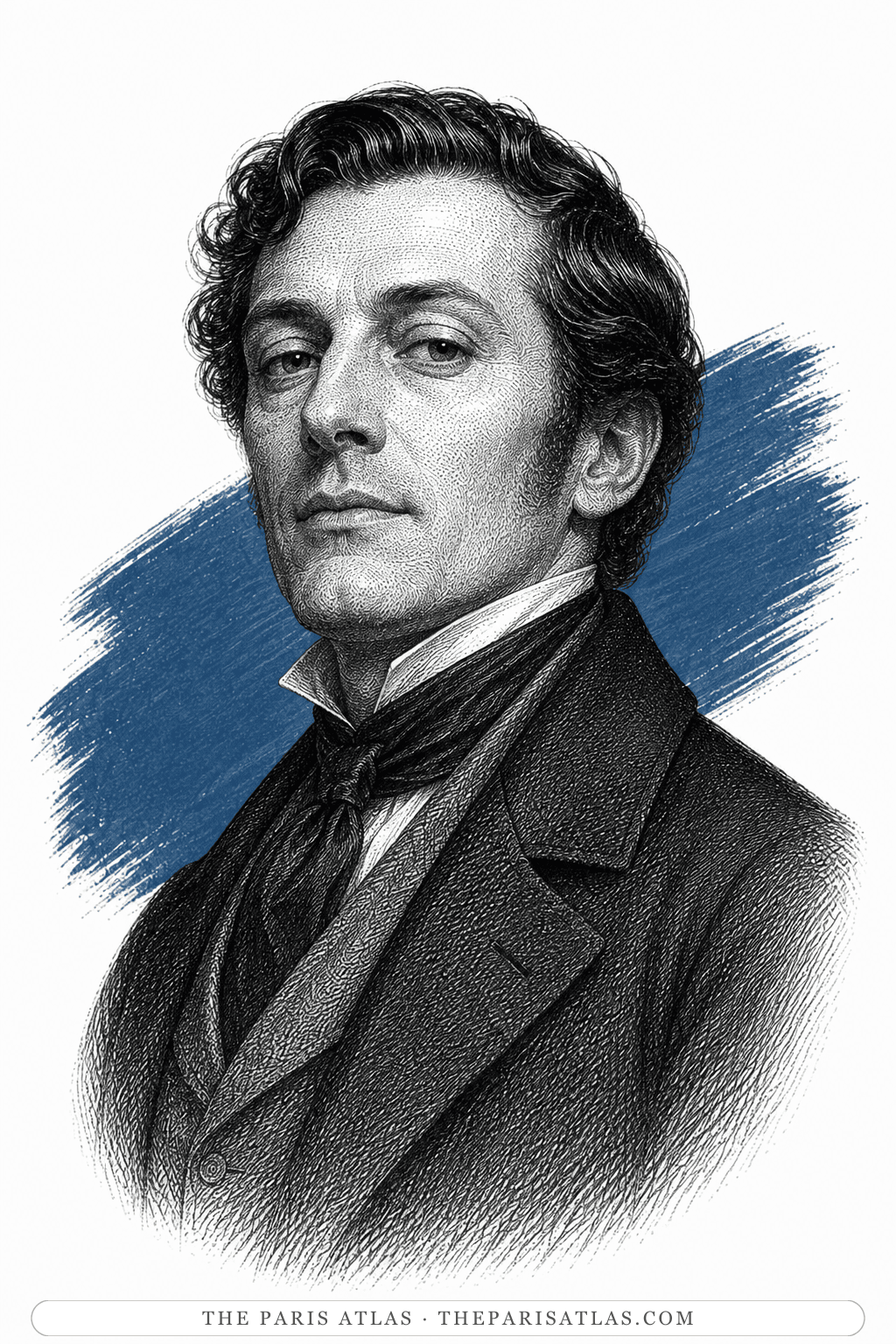
Zverkov
The confident former schoolmate whose farewell dinner becomes the narrator’s chosen scene of humiliation.
To enjoy his farewell celebration and preserve his easy status within the group without treating the unwanted guest as an equal rival.
The book

At a glance
- Former schoolmate
- Farewell dinner
- Focus of envy and resentment
Who they are in the book
Spoiler-freeZverkov is socially polished, successful, and admired by the other men. The narrator despises his vanity while desperately wanting recognition from him.
At dinner, Zverkov responds to the narrator’s insults with a mixture of mockery and dismissal. His ordinary confidence becomes unbearable to a man who has rehearsed the encounter as a moral trial.
How Zverkov Is Portrayed
- Confident young Russian officialHis status is visible in formal dress.
- Polished 1860s appearanceHe looks socially at ease.
- Self-assured gazeApproval feels natural to him.
- Relaxed postureHe contrasts the narrator’s tension.
- Close engraved bustNo dinner table or friends appear.
- Muted blue accentThe cool tone suits social confidence.
Zverkov leaves the dinner with the other men for a brothel. The narrator follows and tries unsuccessfully to force a final confrontation.
If you like Notes from Underground


If you like Fyodor Dostoevsky
Explore authors with a similar voice, perspective, and influence.
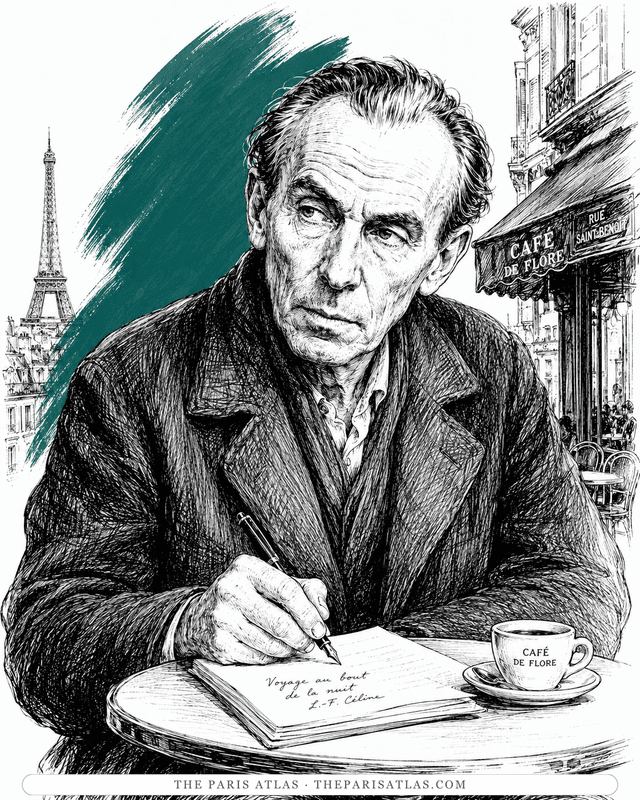
Louis-Ferdinand Céline
The doctor of the Paris slums who wrote the century's blackest, funniest novel — and changed the sound of French prose.
View author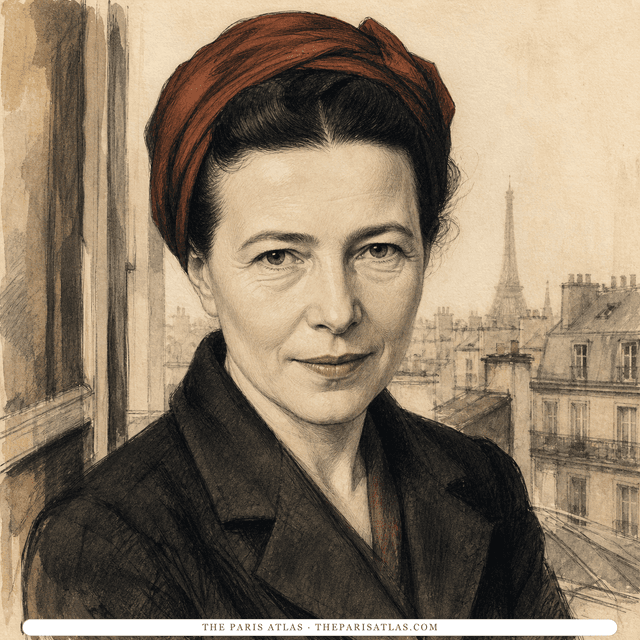
Simone de Beauvoir
French writer and philosopher whose novels, memoirs, and social analysis examined freedom, gender, responsibility, aging, and the material conditions that shape a life.
View author
Paul Bowles
American novelist and composer whose expatriate fiction explores dislocation, unstable intimacy, fatalism, and North Africa.
View author