The officer
The tall military man whose casual failure to notice the narrator inspires months of revenge planning.
To move through public space with the unexamined confidence his rank and physical presence permit.
The book

At a glance
- Unnamed military officer
- Moves the narrator aside
- Target of the planned collision
Who they are in the book
Spoiler-freeThe officer once lifts or moves the narrator out of his path in a tavern as if he were furniture. The absence of deliberate insult makes the memory worse because it confirms the narrator’s sense of social invisibility.
For months the narrator studies him and engineers a sidewalk collision. The officer may barely register even the successful encounter.
How The officer Is Portrayed
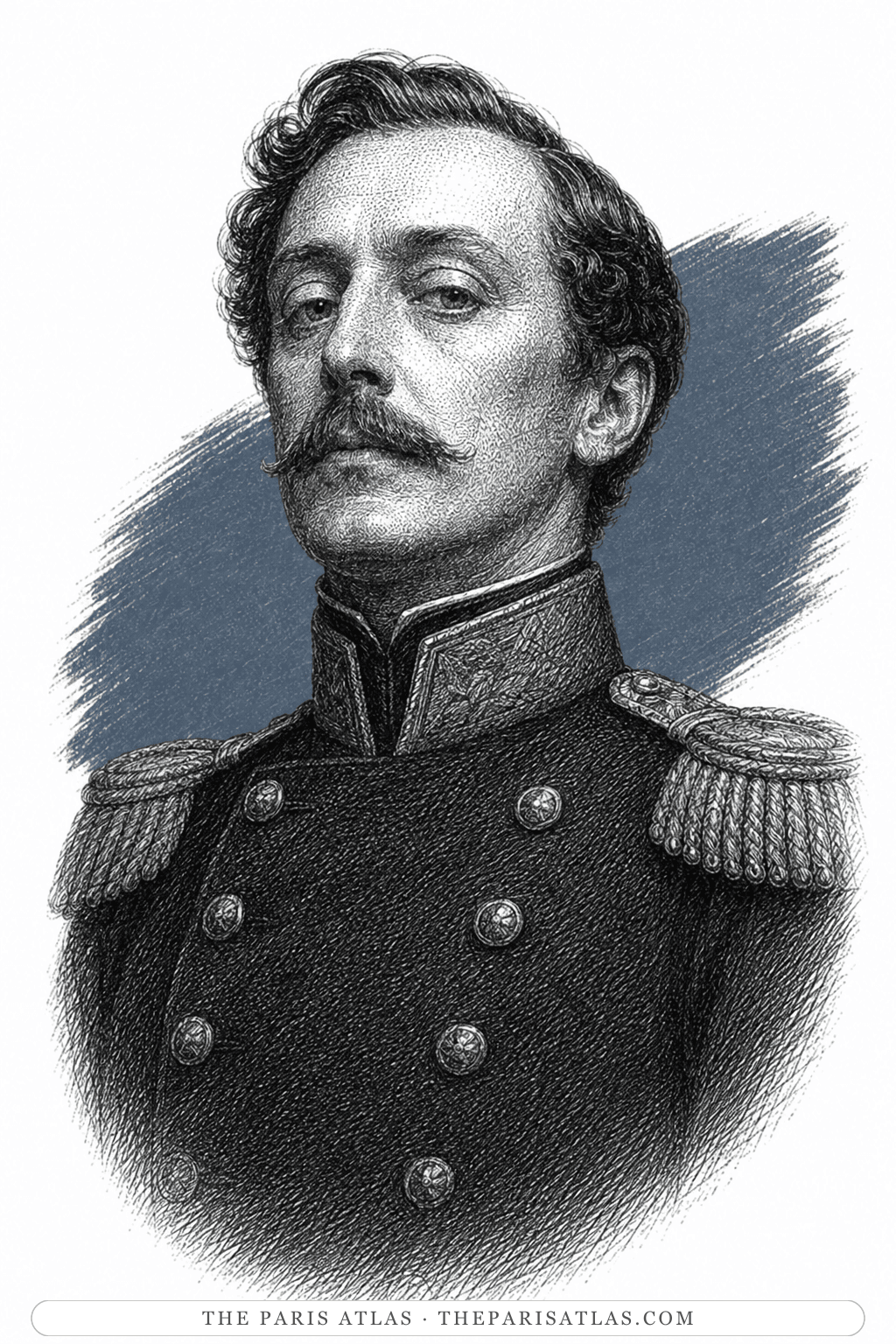
- Tall Russian military officerHeight and rank define the remembered encounter.
- 1860s uniformThe portrait is historically specific.
- Self-assured expressionHe is scarcely aware of the narrator.
- Commanding posturePublic space seems to yield naturally.
- Close engraved bustNo sword, street, or collision appears.
- Muted slate accentThe cool tone suits impersonal authority.
The narrator eventually bumps shoulders with the officer on Nevsky Prospect and considers it a victory. The officer gives no clear sign that the event mattered to him.
If you like Notes from Underground


If you like Fyodor Dostoevsky
Explore authors with a similar voice, perspective, and influence.
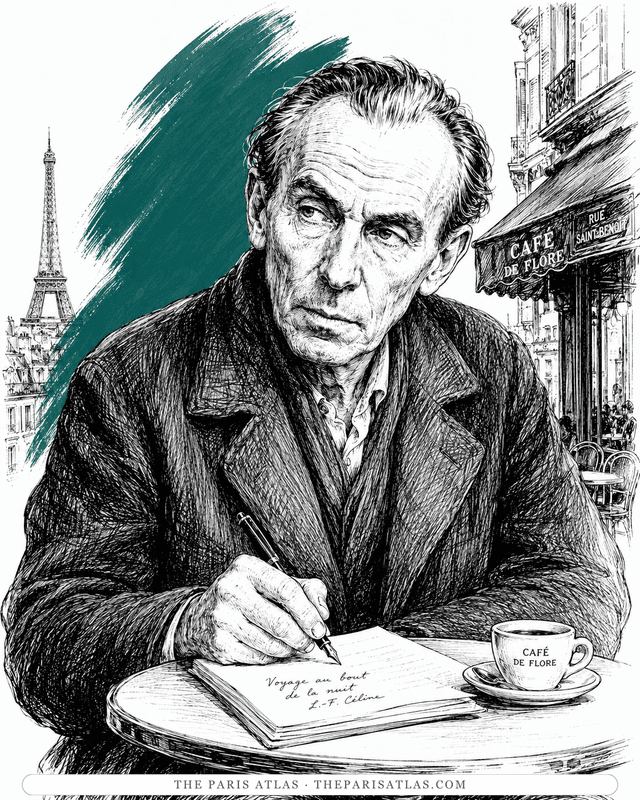
Louis-Ferdinand Céline
The doctor of the Paris slums who wrote the century's blackest, funniest novel — and changed the sound of French prose.
View author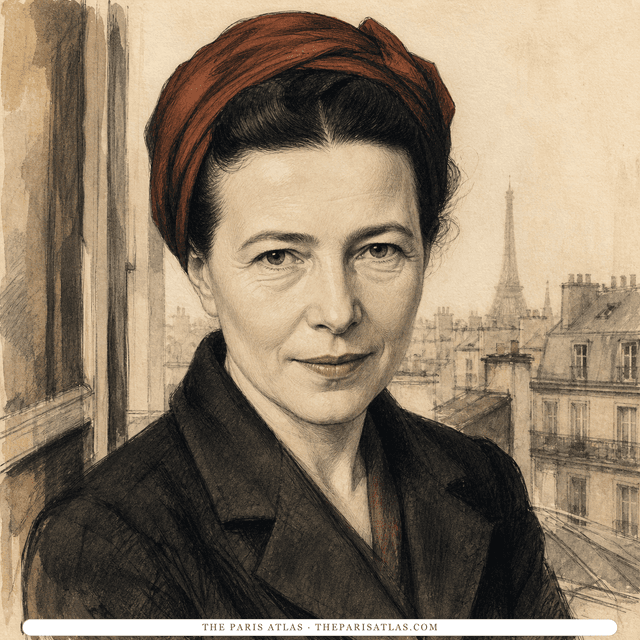
Simone de Beauvoir
French writer and philosopher whose novels, memoirs, and social analysis examined freedom, gender, responsibility, aging, and the material conditions that shape a life.
View author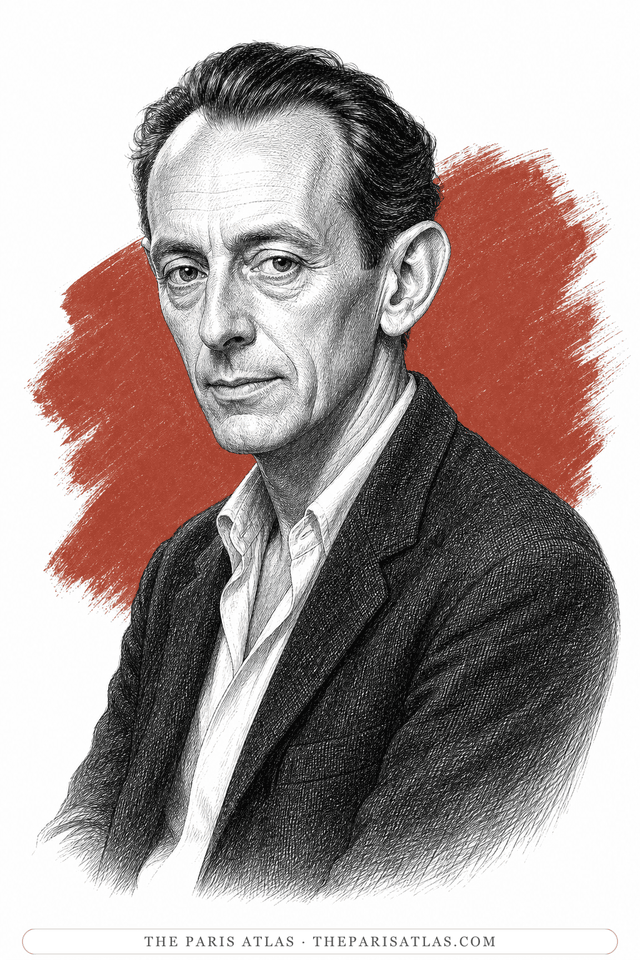
Paul Bowles
American novelist and composer whose expatriate fiction explores dislocation, unstable intimacy, fatalism, and North Africa.
View author