
Responds to
The Myth of Sisyphus
The Rebel begins where The Myth of Sisyphus leaves off, carrying Camus's argument from individual absurdity and the refusal of suicide into revolt, solidarity, political violence, and murder.

by Albert Camus
A history and critique of rebellion that asks when resistance turns into justified murder.
Camus’s 1951 philosophical and political essay moves from an individual saying no to the revolutions and ideologies of modern Europe. It argues that revolt creates dignity and solidarity but betrays itself when it treats present people as expendable for a perfected future. The sweeping history and its omissions remain subjects of serious debate.
Albert Camus begins with an ordinary act of refusal. A person who says that an order has gone too far is also saying that there is a limit other people should respect. Camus argues that this protest creates a bond: the rebel speaks for a value that may belong to everyone, not only for a private grievance.[1]
The book then moves through European literature, philosophy and revolution. Camus discusses figures including the Marquis de Sade, Fyodor Dostoevsky, Friedrich Nietzsche, Georg Wilhelm Friedrich Hegel and Karl Marx. He asks how a demand for freedom can become a theory that permits murder in the name of history.[1]
The final sections defend limits, proportion and solidarity. Camus does not argue for passivity. He argues that resistance loses its meaning when it copies the absolute power it opposes. Readers should also know that the book's broad account of revolution is selective and that its treatment of colonialism, including French rule in Algeria, is incomplete.[1]
The first part defines rebellion as a refusal that also asserts a shared human value. Camus distinguishes this from resentment or a simple wish to replace one ruler with another.[1]
The middle of the book surveys what Camus calls metaphysical rebellion: challenges to God, moral law and the structure of existence. He reads literary and philosophical rebels to show how a protest against suffering can turn into permission to control other people.[1]
The historical chapters examine revolutionary movements and modern states. Camus focuses on the point at which a promised future is used to excuse present violence. His central objection is practical: no theory of history can restore the lives sacrificed to it.[1]
The conclusion proposes rebellion with limits. People may resist injustice, but they must refuse methods that destroy the dignity and solidarity that made the resistance necessary in the first place.[1]
The opening refusal changes the meaning of earlier obedience. What the person once endured can now appear unacceptable, even if the latest command was not the harshest. Camus treats this change as the discovery of a value, not merely the release of accumulated anger. The demand also reaches beyond the person making it: if something human deserves respect here, its defense cannot remain a private privilege. The imagined workshop illustrates that widening claim, but it should not be mistaken for a particular labor dispute narrated in the essay.
For Camus, sculpture does more than copy a body. It selects a gesture from the endless movement of living people and gives that gesture a form that can endure. Resemblance still matters: art cannot reject the world so completely that it has nothing left to shape. This double movement makes artistic creation an example of rebellion that also affirms something. The sculptor refuses the disappearance of an expression while drawing its value from the life being represented, rather than inventing a wholly separate world.
What is a rebel? A man who says no.
Responds to
The Rebel begins where The Myth of Sisyphus leaves off, carrying Camus's argument from individual absurdity and the refusal of suicide into revolt, solidarity, political violence, and murder.
The book gives the fullest account of why Camus believed resistance was necessary and why a just cause could not make every method acceptable.
The questions dramatized in The Plague and The Just Assassins become an explicit argument here: what people owe one another when history offers no clean answer.
Camus's conclusions matter, but so do the omissions and historical shortcuts a reader may reject. The book is strongest when read as a position to test, not a final survey of revolution.
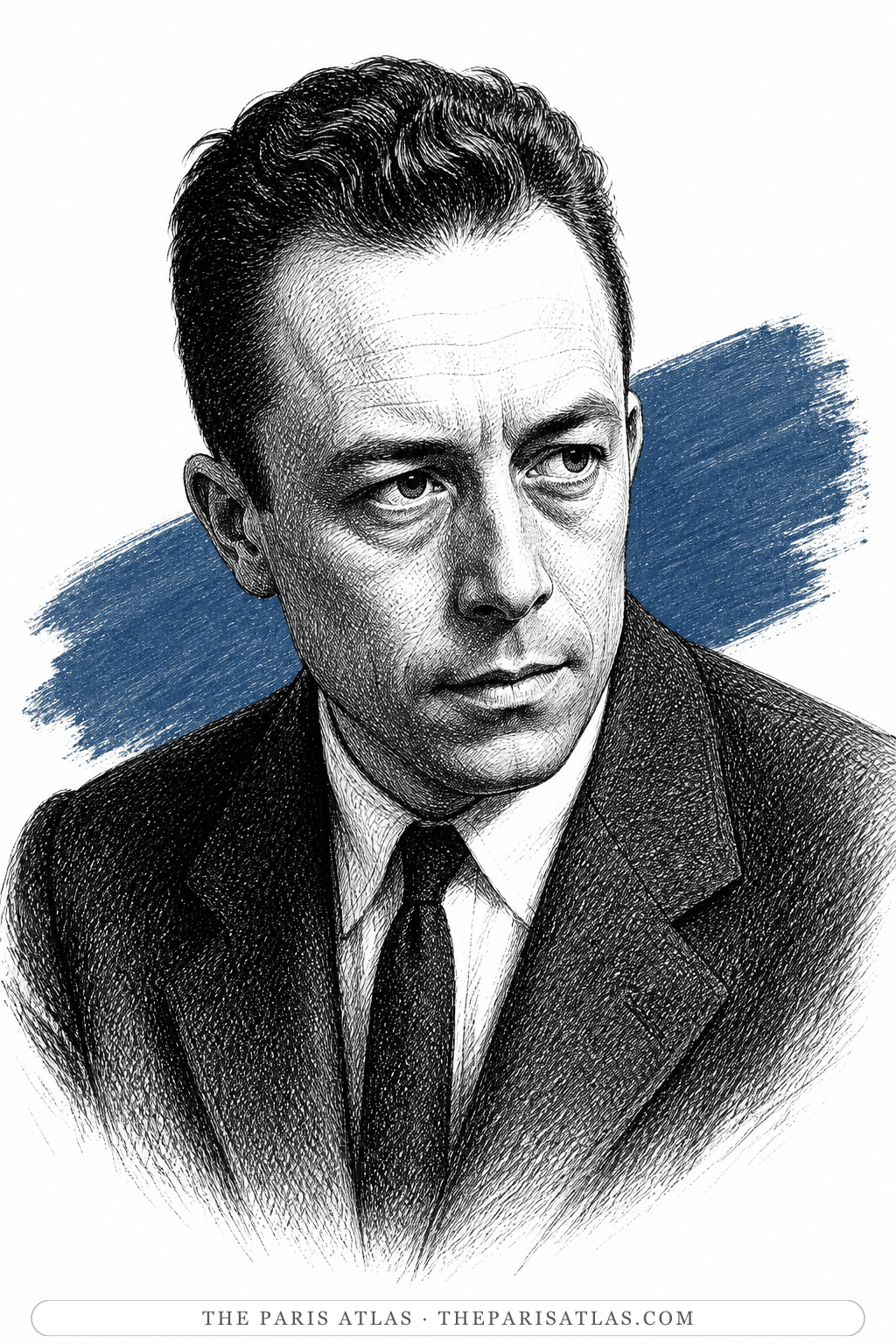
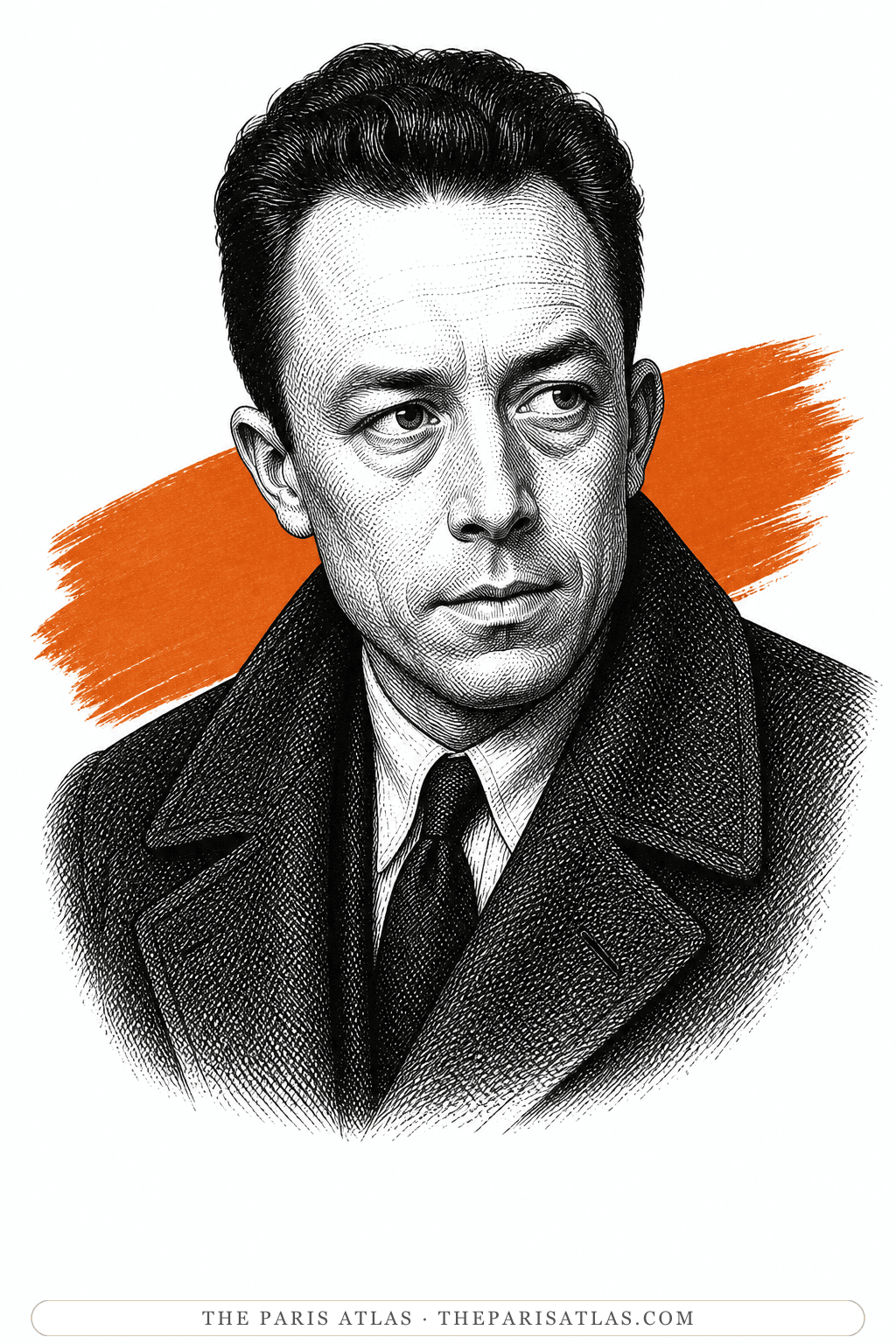
The essay's 'I' — Camus at thirty-eight, at the peak of his postwar reputation, working out the political argument that The Plague had dramatised four years earlier. The book would end his friendship with Jean-Paul Sartre in 1952 after a hostile review in Les Temps modernes.
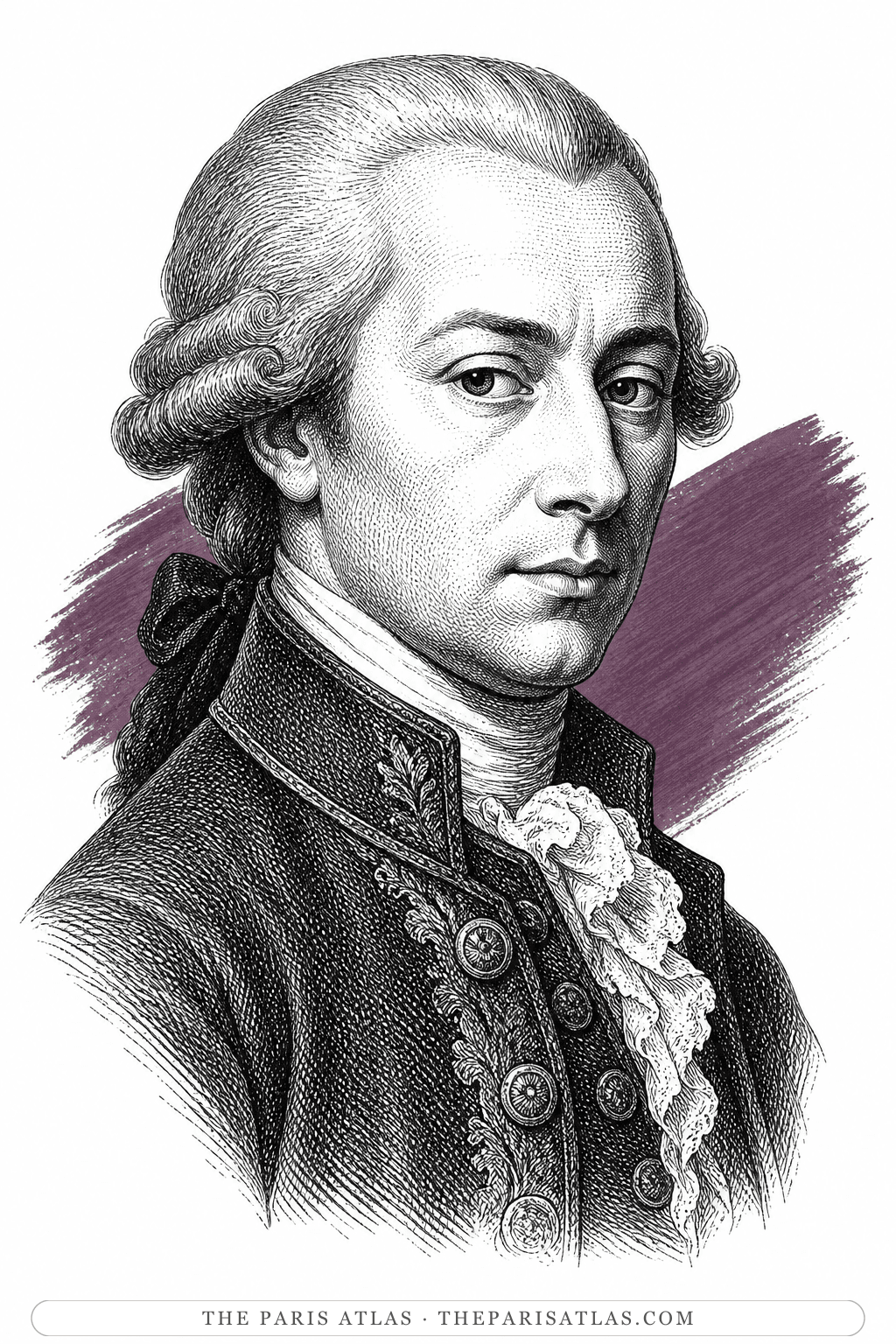
The eighteenth-century French writer (1740–1814), whom Camus reads in Part II of The Rebel as the earliest example of 'metaphysical rebellion' — a rebel against God who arrives at the position that all cruelty is permitted. Camus's Sade chapter appeared a year before Simone de Beauvoir's Must We Burn Sade? (1951–52) and takes a much less sympathetic view than Beauvoir's.
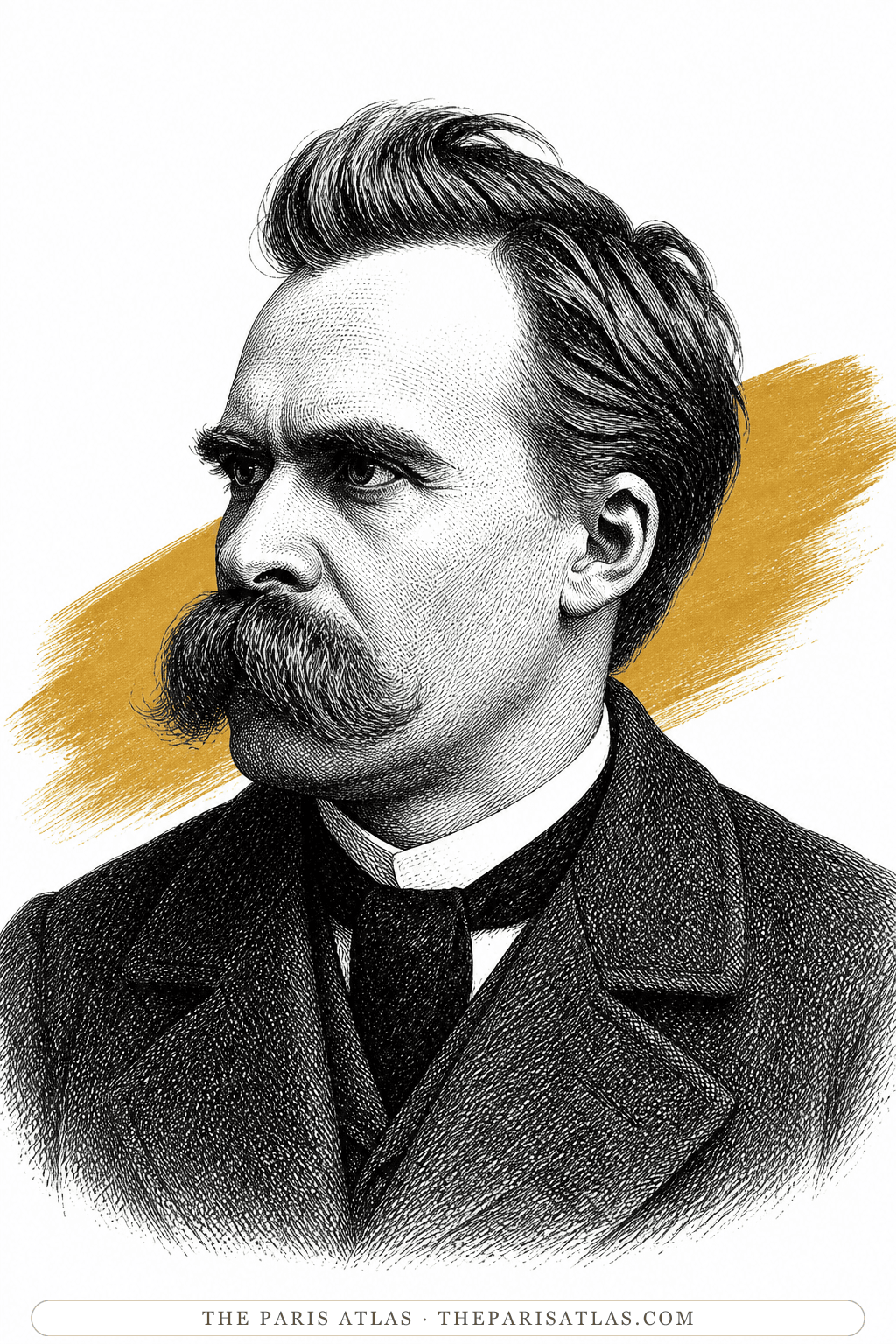
The nineteenth-century German philosopher (1844–1900), whom Camus reads as the essential precursor to the twentieth-century collapse of moral limits. Camus argues that Nietzsche's own thought was more careful than the political uses (fascist and nihilist) to which it was later put, but that Nietzsche's rejection of moral limits made those uses possible.
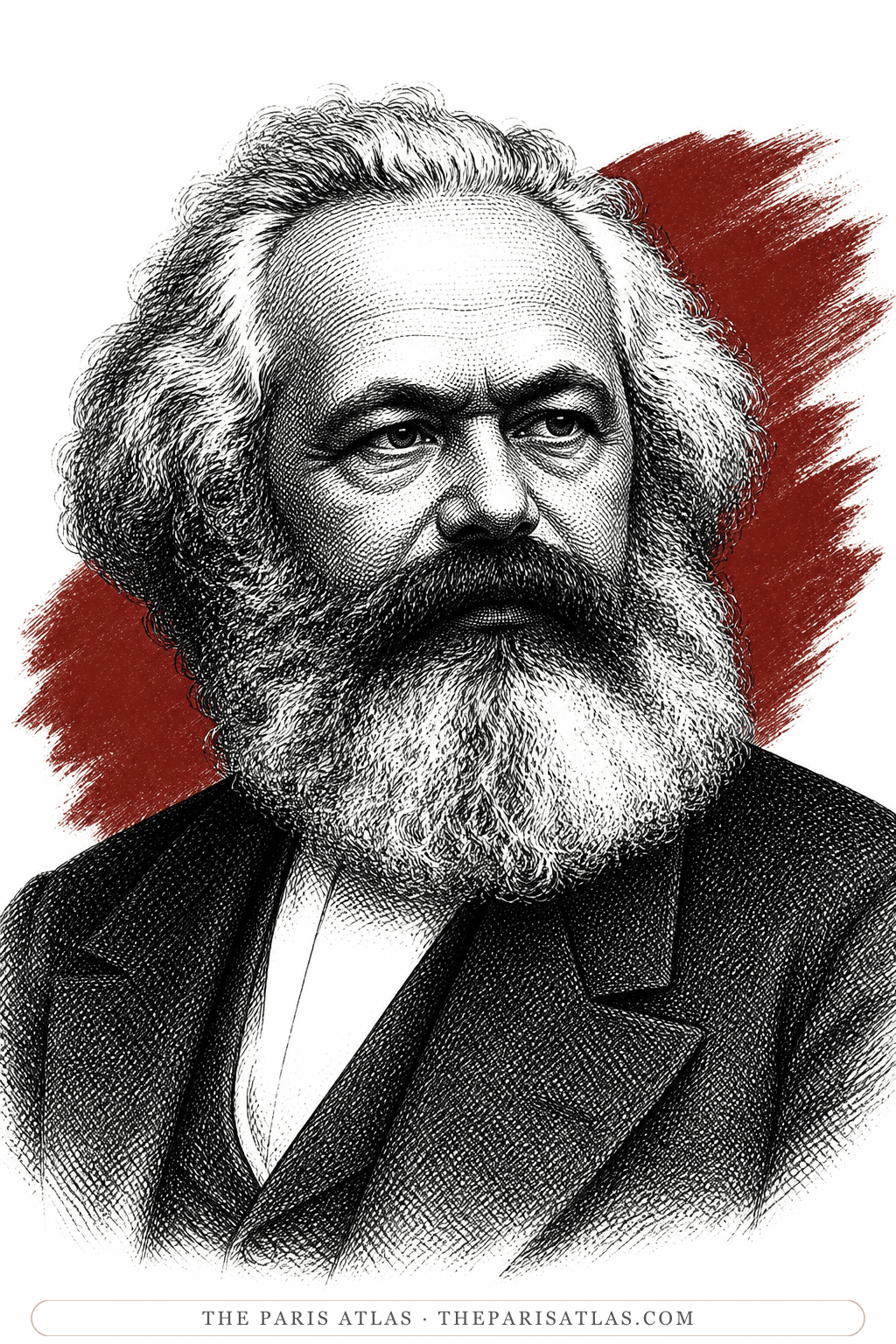
The nineteenth-century German philosopher and political economist (1818–1883). The Rebel's Part IV — the section that would provoke Sartre's break — reads Marx's promised future as the essential structure through which twentieth-century revolutionary states justified present violence.
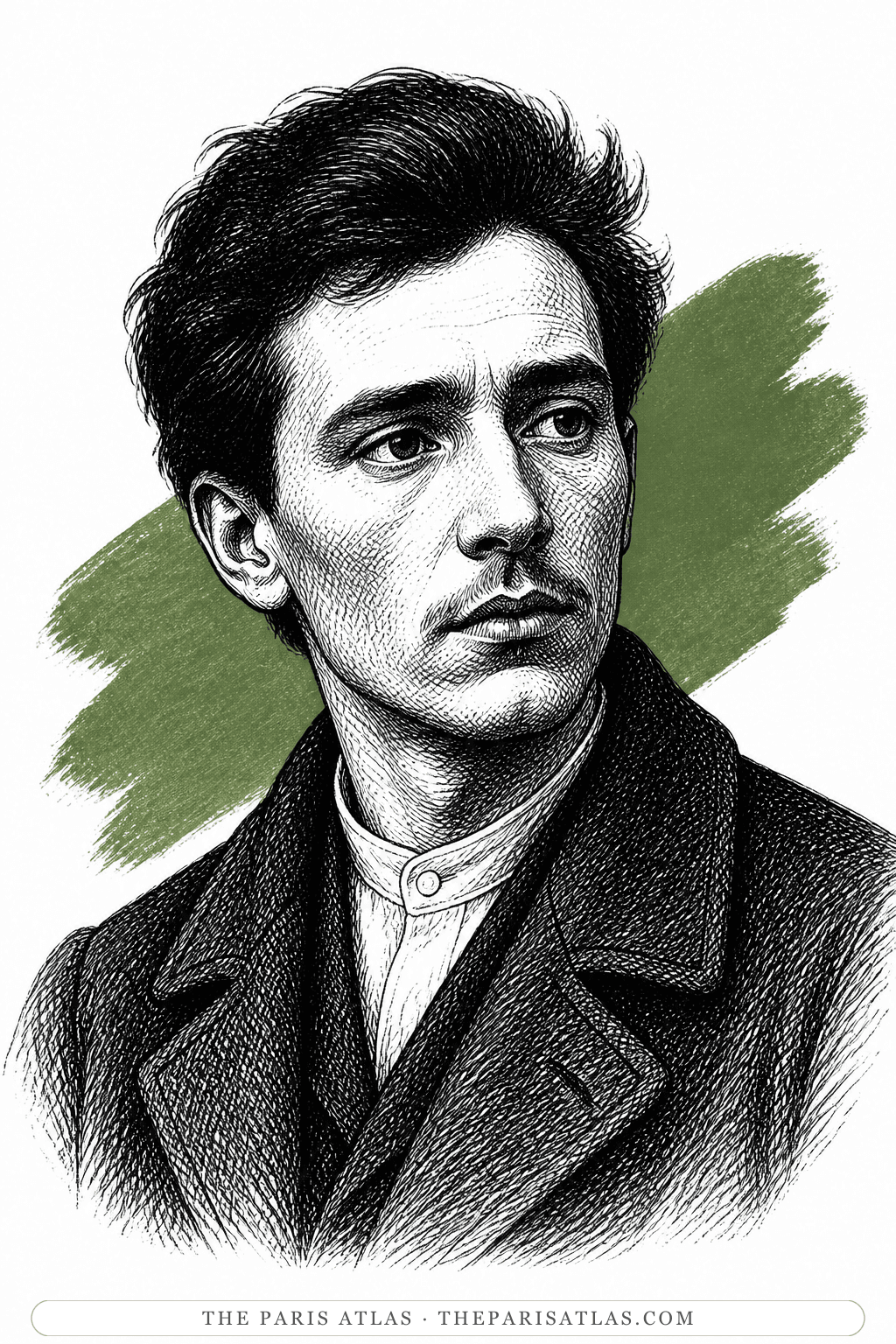
The Russian Socialist-Revolutionary (1877–1905) who assassinated the Grand Duke Sergei Alexandrovich in Moscow in 1905 and was executed for it. Camus makes Kaliayev central to the essay because he had waited to throw his first bomb when he saw the Grand Duke's young nephew and niece in the carriage; the refusal to kill children is Camus's model of the limits he defends. Kaliayev is the historical figure Camus also dramatised as the central character of his 1949 play The Just Assassins.
1940s
Albert Camus develops the argument while working in the French Resistance and editing the newspaper Combat.
1947
The Plague presents collective resistance and ordinary responsibility in fictional form.
1951
Gallimard publishes L’Homme révolté in France.
1952
The book prompts a public dispute between Camus and Jean-Paul Sartre's circle at Les Temps modernes.
1956
Anthony Bower's English translation appears as The Rebel.

The earlier essay defines the absurd for an individual; The Rebel asks how people who reject final answers can still act together.
Read our take
The play turns the essay's argument about revolutionary violence into a concrete choice about whether children may be killed for a political cause.
Read our take
The novel shows collective resistance in practice before The Rebel states the moral argument directly.
Read our takeThe Rebel asks how people can resist injustice without using that resistance to justify murder or absolute power. Camus moves from an individual's refusal to the history of European revolution and ends by defending limits and solidarity.
Gallimard first published L’Homme révolté in France in 1951.
No. It is a book-length philosophical and political essay. It discusses writers, thinkers and historical movements rather than telling one continuous story.
Yes, if you want the clearest path through Camus's ideas. The Myth of Sisyphus defines the absurd, while The Rebel asks how people can act politically after accepting that condition.
Camus criticized revolutionary theories that excuse present violence for a promised future. A hostile review in Jean-Paul Sartre's journal Les Temps modernes led to a public exchange in 1952 and helped end their friendship.
It is one of Camus's more difficult books because it moves quickly across philosophy, literature and political history. Reading The Stranger, The Myth of Sisyphus and The Just Assassins first makes its main questions easier to follow.
Explore authors with a similar voice, perspective, and influence.
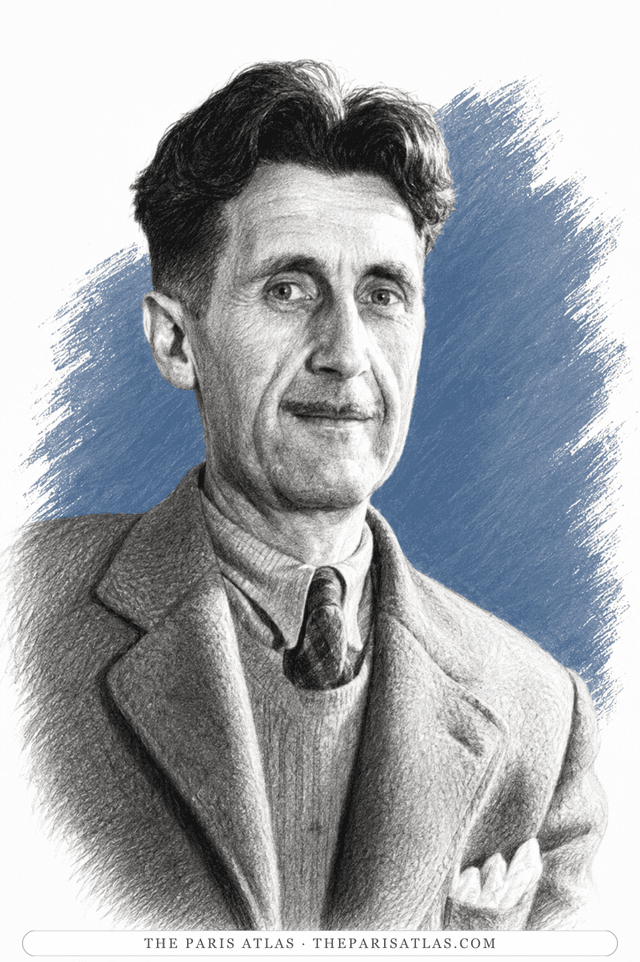
Both joined literary clarity to moral and political argument, and both distrusted systems that excuse present violence with a promised future.
View author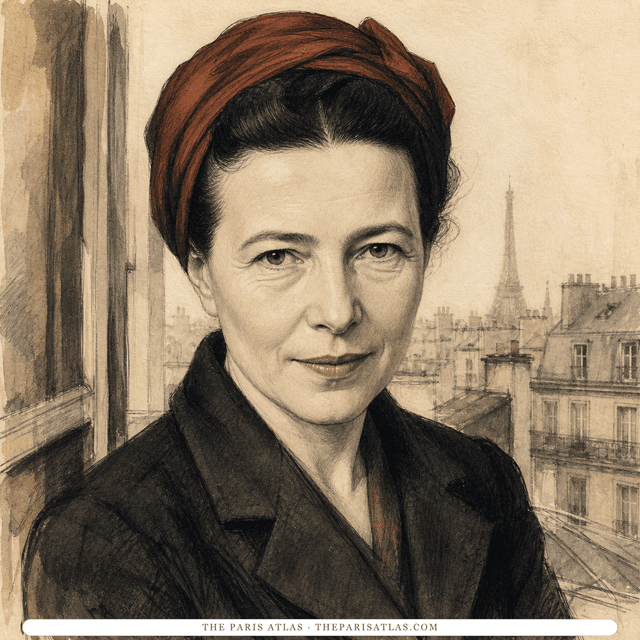
The third figure in the postwar Sartre-Beauvoir circle Camus argued with through the 1940s. Her later memoir Force of Circumstance gives one of the closest first-person accounts of Camus's Paris years and the 1952 break over The Rebel.
View author
The doctor of the Paris slums who wrote the century's blackest, funniest novel — and changed the sound of French prose.
View authorThe sources below include the primary text, editions, scholarship, archival materials, and other records that informed this page. They document The Rebel, its publication, and its place in literary history.


Primary English transcription for selected passages in Part One and Part Four; not a claim of whole-volume or print-edition collation.
Used to place The Rebel within Albert Camus's published work and verify its bibliographic context.

Used for independent biographical, archival, or historical context surrounding Albert Camus's career and the period in which The Rebel appeared.
Used to cross-check authorship, chronology, and the work's place in Albert Camus's wider catalogue.
Used to verify Albert Camus's bibliography and place The Rebel within the broader chronology of Albert Camus's career.
The primary text is the baseline reference for every book page. Additional references document publication history, interpretation, and historical context where that evidence is available.
 Explore more resources