

The Myth of Sisyphus
The essay and play belong to Camus's absurd cycle, but the essay chooses lucid life where Caligula chooses unlimited domination.
Read our take
by Albert Camus
An emperor turns the discovery that people die unhappy into a program of unlimited logical cruelty.
Camus’s play about the Roman emperor Caligula, developed through several versions and published with The Misunderstanding in 1944. After the death of Drusilla, Caligula demands the impossible and tests freedom by exercising power without limit. The absurd becomes political when one man can make everyone else pay for his conclusion.
After the death of his sister and lover Drusilla, the Roman emperor Caligula disappears. When he returns, he says he has understood that people die and are not happy. He decides that ordinary limits are lies and demands the impossible, symbolized by his wish to possess the moon.
Because Caligula is emperor, his private conclusion becomes public terror. He humiliates senators, confiscates property, forces families to disinherit their children and kills without a stable charge. The patrician Cherea begins organizing a conspiracy while the poet Scipio remains drawn to Caligula despite the murder of his father.
The palace waits for Caligula to return after Drusilla's death. When he appears, he tells Helicon that the world as it exists is intolerable because death makes happiness impossible. He chooses to use imperial power to expose that truth by making everyone insecure.
Caligula orders arbitrary executions and economic measures that turn murder into state policy. He stages humiliating performances, enters a poetry competition he controls and dares the patricians to oppose him. Cherea explains that he is not defending virtue so much as a livable world in which action has some stable meaning.
Caesonia and Helicon remain near Caligula, while Scipio's mixture of hatred and sympathy shows the attraction of Caligula's honesty. The conspiracy closes in, and Caligula refuses opportunities to stop it because he wants his experiment carried to its conclusion.
The conversation makes an impossible demand sound almost ordinary. Caligula describes his search for the moon in the tone of someone reporting an unsuccessful errand, while Helicon answers with practical questions. That restraint sharpens the change when the emperor claims the power to make other people confront his truth. The danger lies not simply in wanting what reality cannot supply, but in turning that desire into a lesson imposed on everyone else. Helicon’s easy agreement leaves this movement from private disappointment to public authority largely unchallenged.
The mirror makes Caligula both speaker and unwilling audience. After killing Caesonia, he can accuse his reflected self, but cannot find in it the impossible answer he has pursued. His admission that his freedom has gone wrong interrupts the confidence of the experiment without undoing its violence. In the cited stage directions, he breaks the mirror just as the conspirators enter. The action destroys the image, not the responsibility it confronts him with; his last assertion of life leaves the audience with a challenge rather than a settled reconciliation.
Caligula's conclusion about death would remain personal if he were not emperor. Power lets him force everyone else to suffer his logic.
Cherea does not claim that the world is meaningful. He opposes Caligula because people still need a stable world in which they can live and act.
Dialogue lets characters answer Caligula directly, so the emperor’s claims are tested rather than simply narrated.
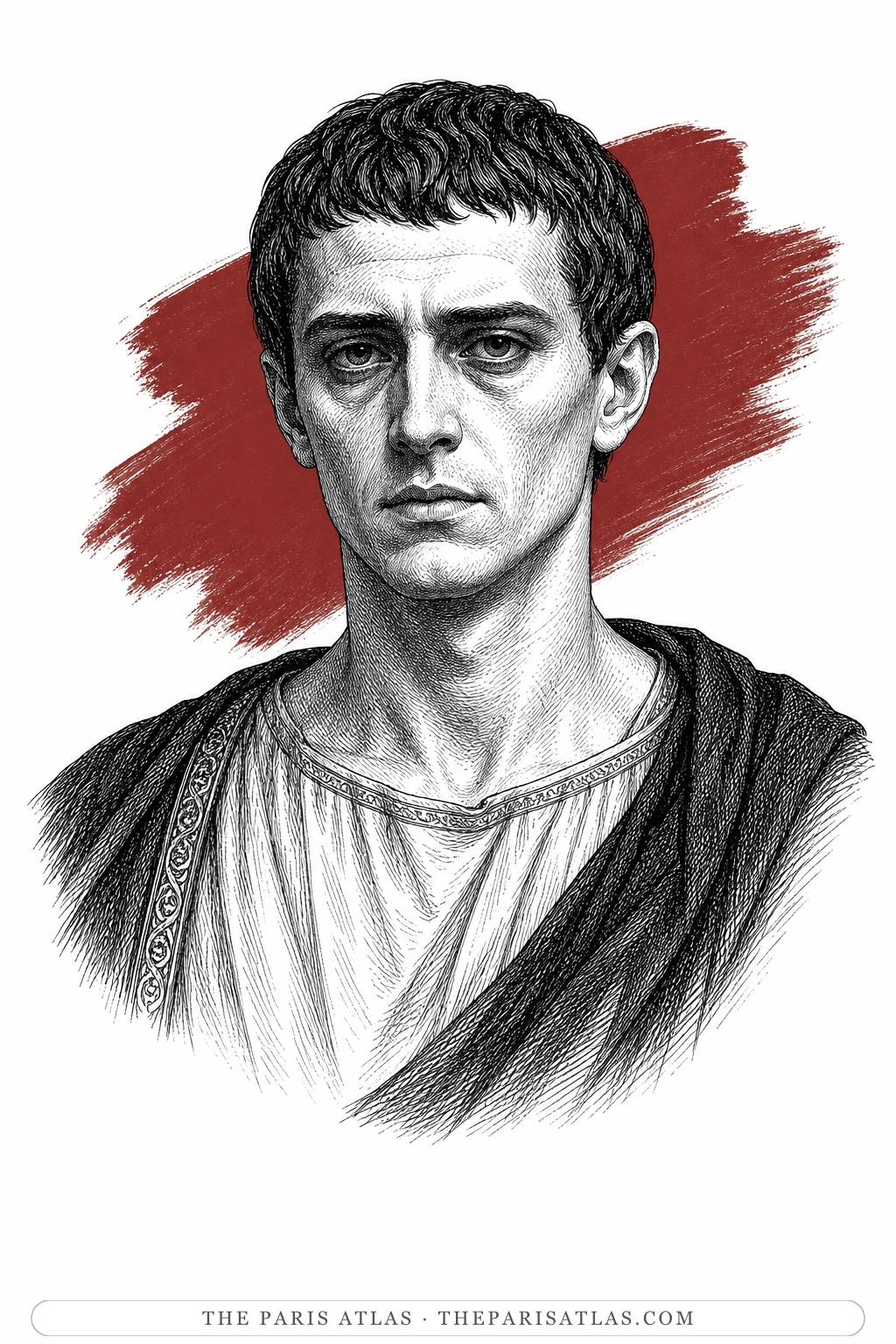
The Roman emperor who turns grief and the discovery of mortality into a program of unlimited rule.
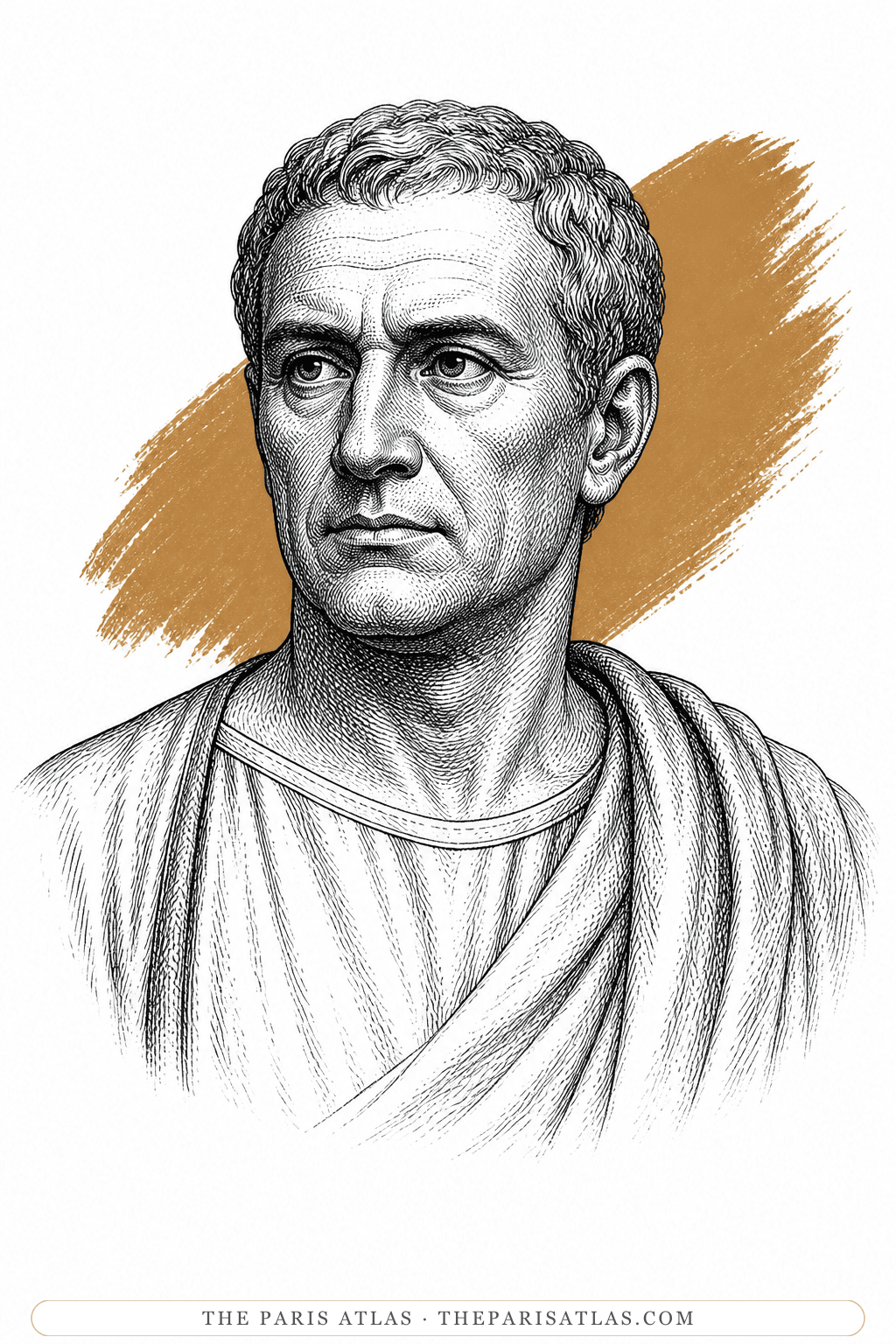
A patrician who organizes the conspiracy because Caligula has made ordinary human life impossible.
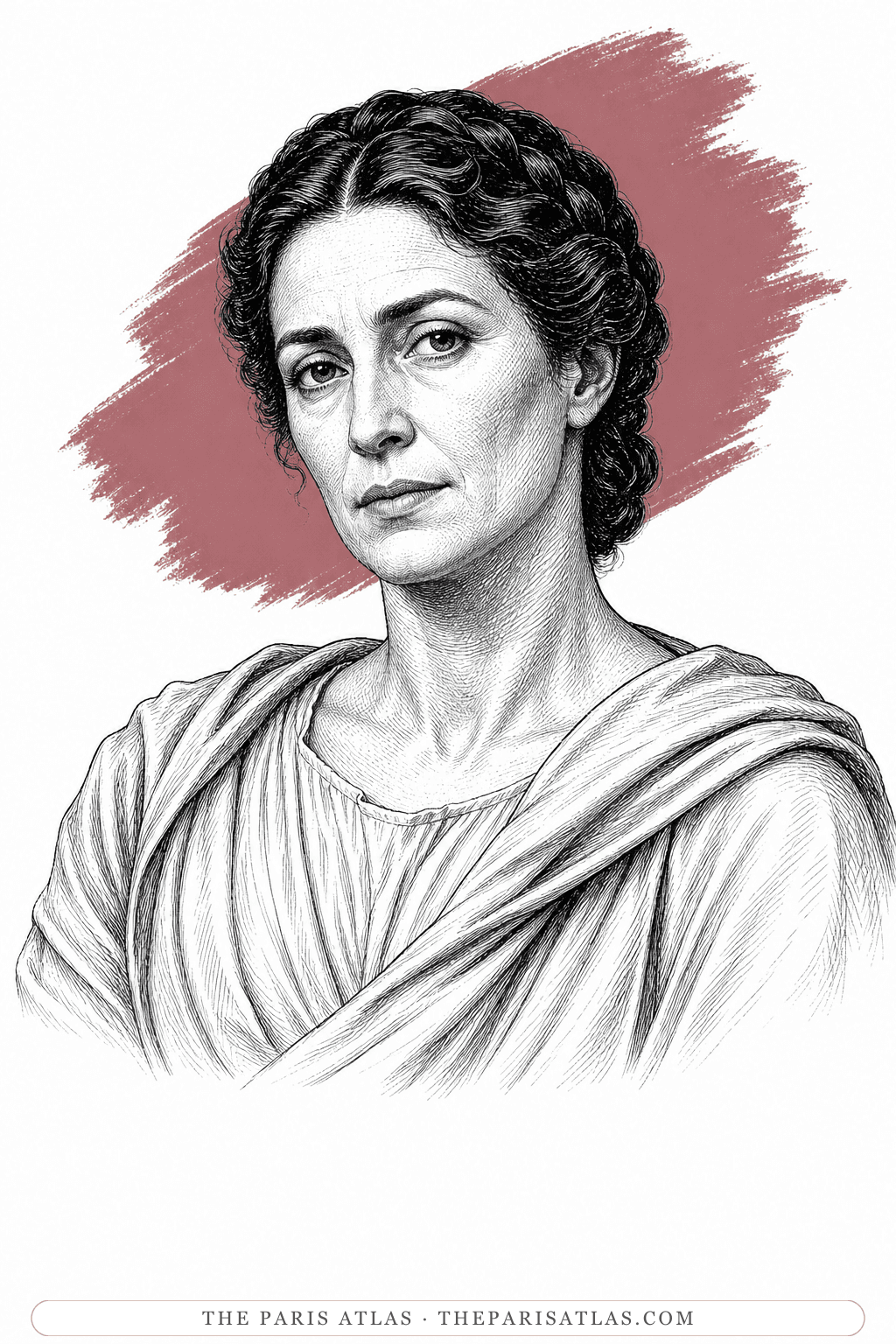
Caligula's older mistress and closest companion, who understands his cruelty without being able to stop it.
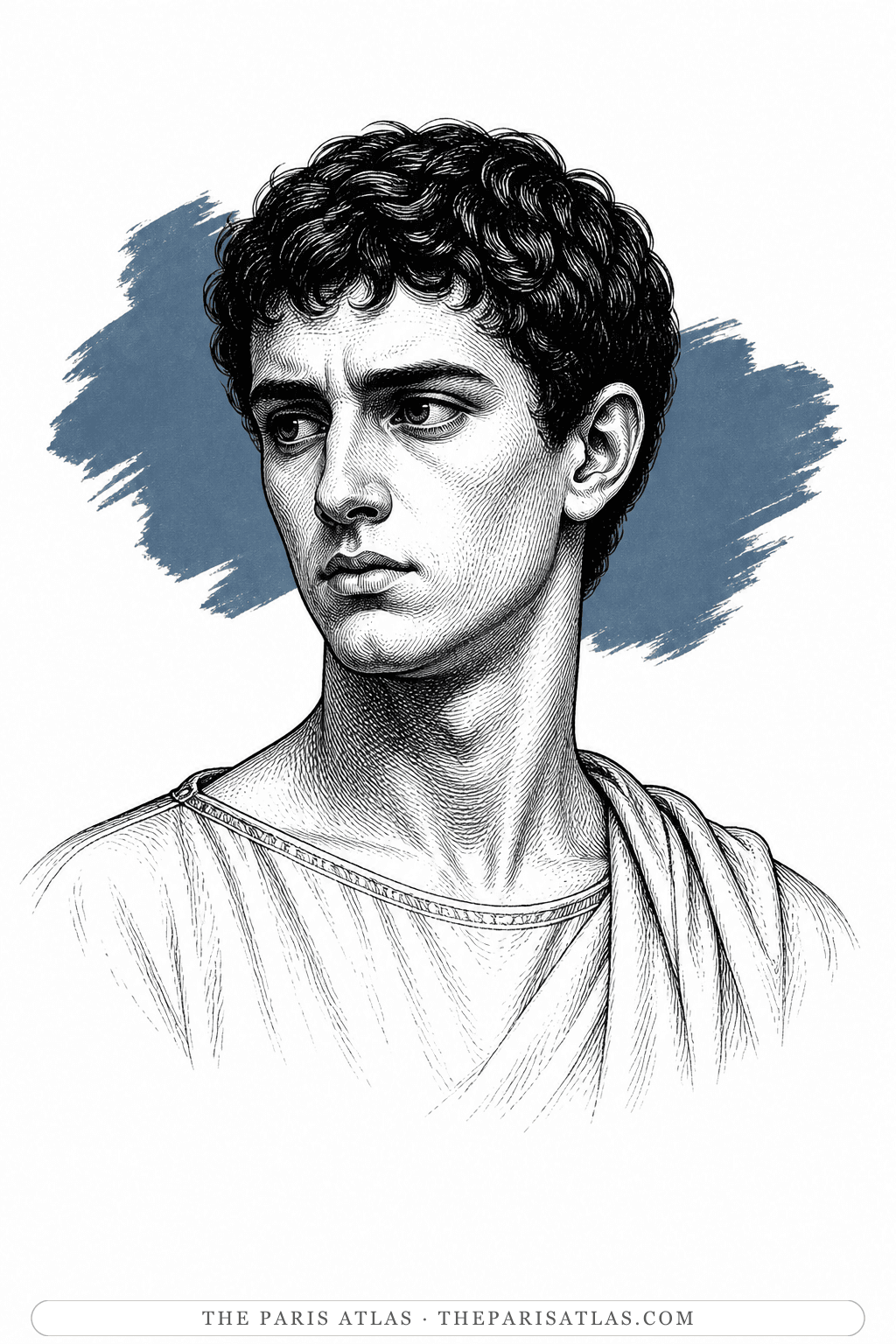
A young poet whose father Caligula killed, divided between hatred of the emperor and recognition of their shared loneliness.

A freed slave and loyal aide who helps Caligula pursue the impossible.
1938
Camus completes an early version of the play.
1944
Gallimard publishes Caligula with The Misunderstanding.
1945
The Paris production at the Théâtre Hébertot opens with Gérard Philipe as Caligula.
1958
A substantially revised version establishes the later text used by many productions and translations.

The essay and play belong to Camus's absurd cycle, but the essay chooses lucid life where Caligula chooses unlimited domination.
Read our take
Both plays test political killing; the later revolutionaries argue about limits that Caligula deliberately rejects.
Read our takeThe play follows the Roman emperor Caligula after Drusilla's death. He decides that life has no stable value and uses absolute political power to force everyone else to live by that conclusion.
Gallimard published the play in 1944. Its major Paris stage premiere followed in 1945.
Usually not. Start with The Stranger, then read Caligula when you want this part of Camus’s work.
No. Camus draws on the Roman emperor but changes and selects material to create a philosophical drama, not a documentary biography.
The moon represents the impossible. Caligula refuses to accept a world limited by death and ordinary reality, then uses power to punish other people for those limits.
Both begin with a world that offers no final meaning. The essay argues for living lucidly within limits; the play shows the disaster that follows when a ruler treats meaninglessness as permission for unlimited power.
Explore authors with a similar voice, perspective, and influence.
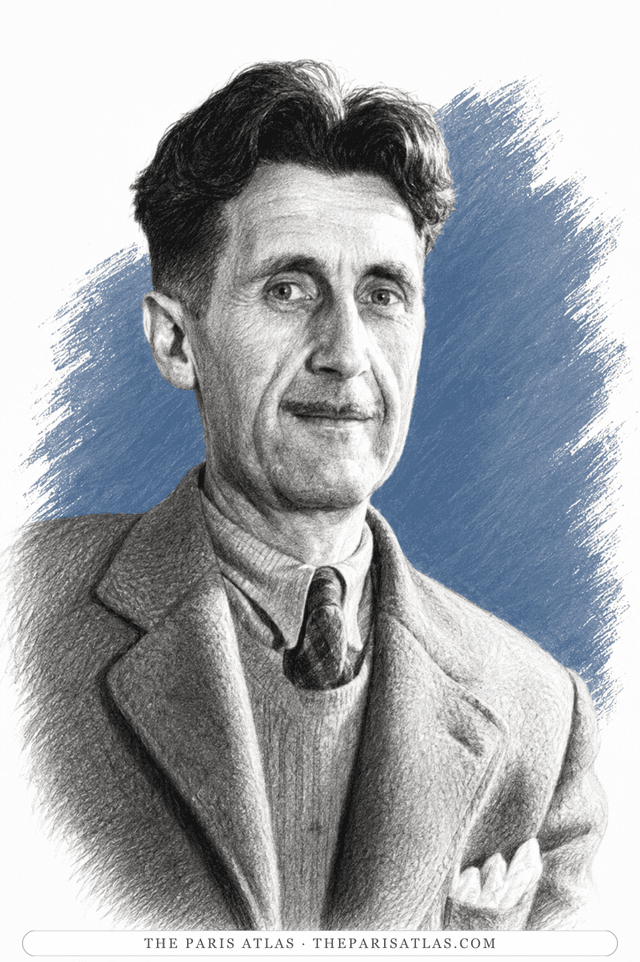
Both joined literary clarity to moral and political argument, and both distrusted systems that excuse present violence with a promised future.
View author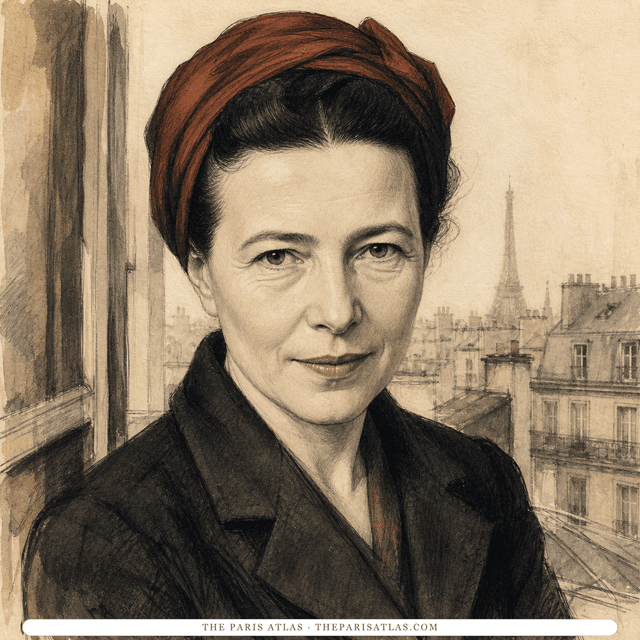
The third figure in the postwar Sartre-Beauvoir circle Camus argued with through the 1940s. Her later memoir Force of Circumstance gives one of the closest first-person accounts of Camus's Paris years and the 1952 break over The Rebel.
View author
The doctor of the Paris slums who wrote the century's blackest, funniest novel — and changed the sound of French prose.
View authorThe sources below include the primary text, editions, scholarship, archival materials, and other records that informed this page. They document Caligula, its publication, and its place in literary history.

The primary text represented by this page, used for descriptions of the work’s contents and for any quoted passages shown here.
Primary English transcription for the Act I moon dialogue and Act IV ending; not asserted to be the Ryan Bloom translation listed above.
Used to place Caligula within Albert Camus's published work and verify its bibliographic context.

Used for independent biographical, archival, or historical context surrounding Albert Camus's career and the period in which Caligula appeared.
Used to cross-check authorship, chronology, and the work's place in Albert Camus's wider catalogue.
Used to verify Albert Camus's bibliography and place Caligula within the broader chronology of Albert Camus's career.
Publisher record used to verify the 2023 Vintage collection containing Caligula, Ryan Bloom translation, ISBN, and pagination.
The primary text is the baseline reference for every book page. Additional references document publication history, interpretation, and historical context where that evidence is available.
 Explore more resources