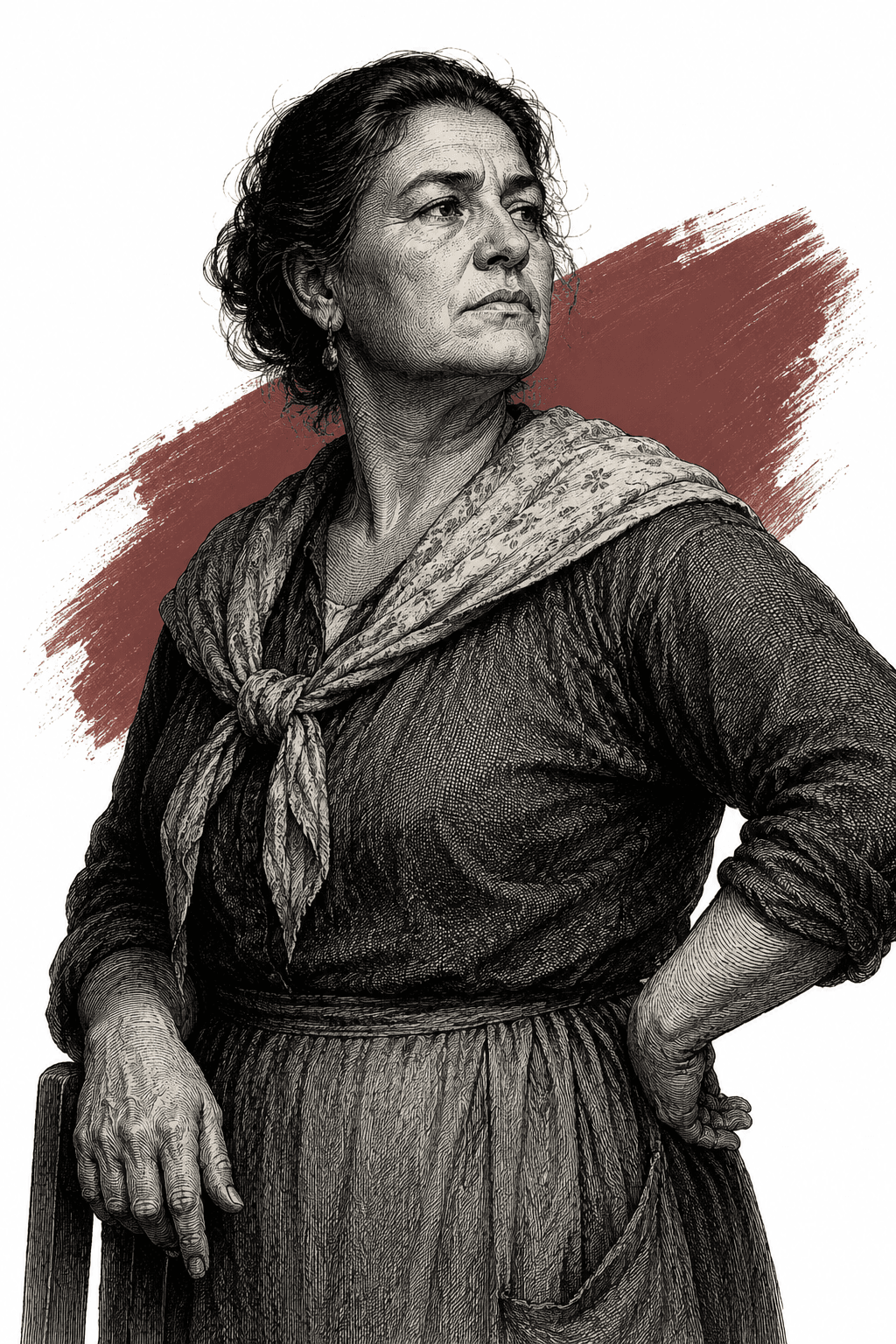
Pilar
Pablo's wife, and the person the guerrilla band actually obeys. She is forty-eight, she lived nine years with bullfighters, and she tells the longest and most terrible story in the book.
The Republic to win, and to be the one deciding what the band does about it. When the band has to choose between Pablo and the bridge, she puts it in one line: "I am for the Republic," and adds that the Republic is the bridge.
The book

At a glance
- Pilar — usually "the woman of Pablo", and in practice the leader of the band
- Forty-eight, which she says herself, along with what she thinks of her face
- Lived nine years with three badly paid matadors, one of them called Finito
- Where the war started for her, and the subject of the longest story in the novel
- Maria, whom the band took off a wrecked prison train and whom Pilar has kept away from the men ever since
- To be able to smell death on a man before he dies
Who they are in the book
Spoiler-freeFor Whom the Bell Tolls is set in the Spanish Civil War, in a cave in the mountains north of Madrid where a small band of guerrillas live behind the enemy line and fight for the Spanish Republic. Pilar is married to Pablo, who leads the band on paper. Within a day of the arrival of Robert Jordan — the American sent to blow a bridge with their help — it is obvious that she decides what the band does, and by the end of that first evening she has said so out loud in front of everyone, including her husband.
She is forty-eight and names the number herself. She calls herself ugly and says that too. Before the war she lived with three bullfighters, and she can still do both halves of a hospital conversation — the visitor booming, the gored man answering in a small voice. She reads palms, or says she does. She claims she can smell death on a man before it arrives.
The set-piece of the book is hers: a long afternoon by a stream in which she tells Jordan exactly how the war started in her own town, and what her own side did there. She tells it against herself, and she does not stop at the parts that are hard to hear.
How Pilar Is Portrayed
- "I am for the Republic"Pablo refuses to help with the bridge, and one by one the others in the cave declare against him. Pilar goes last and settles it: "I am for the Republic," the woman of Pablo said happily. "And the Republic is the bridge. Afterwards we will have time for other projects." From that evening on she is running the band, and everyone including Pablo knows it.
- Nine years with matadorsLectured about safety, she puts her qualifications on the table: "Did I live nine years with three of the worst paid matadors in the world not to learn about fear and about safety?" She then plays out a visit to a gored bullfighter in his clinic bed, booming her own part and squeaking his — one of them was called Finito, and his account of the goring is all about how well he had killed the bull first.
- "I would have made a good man"She tells Jordan what she thinks of her own face without being asked and without any self-pity in it: "I would have made a good man, but I am all woman and all ugly. Yet many men have loved me and I have loved many men." Then she makes him look closely at her while she talks.
- The handOn his first afternoon she takes Robert Jordan's hand, opens it, rubs her thumb across the palm, studies it, drops it and stands up without a word. He asks what she saw and she will not say. Days later she takes the whole thing back: "That is all gypsy nonsense that I make to give myself an importance. There is no such thing."
- The worst day of her lifeShe spends most of a hot afternoon telling Jordan how the war began in her town. Pablo formed the villagers into two lines from the town hall to the edge of the cliff, armed them with threshing flails and clubs and ox-goads, and sent the town's fascists out one at a time to walk between them. She names the men, describes how each of them died, and finishes: "Then I went back inside the room and I sat there and I did not wish to think for that was the worst day of my life until one other day."
- How to smell deathJordan refuses to believe she can smell death coming, so she gives him instructions, at length and in order, like a recipe. The last stage is the slaughterhouse by the Puente de Toledo in Madrid before daylight, in fog off the river, waiting for the old women who go there to drink the blood of the animals as they are killed. Jordan cannot argue with the details, only with the conclusion.
- Jealous, and says soShe has guarded Maria from every man in the band and then hands her to Jordan, and she does not pretend it costs nothing. "Yes, he can have thee," Pilar said and looked at neither of them. "I have never wanted thee. But I am jealous." She says it twice, in slightly different words, so that nobody can mistake it for a joke.
The other worst day comes three days after her story ends: She refuses to describe the second day to Maria and promises to tell Jordan sometime, which she never quite does.
The palm reading is never explained. Her retraction of it, coming when it does, is either honesty or kindness, and the book does not say which.
If you like For Whom the Bell Tolls


If you like Ernest Hemingway
Explore authors with a similar voice, perspective, and influence.
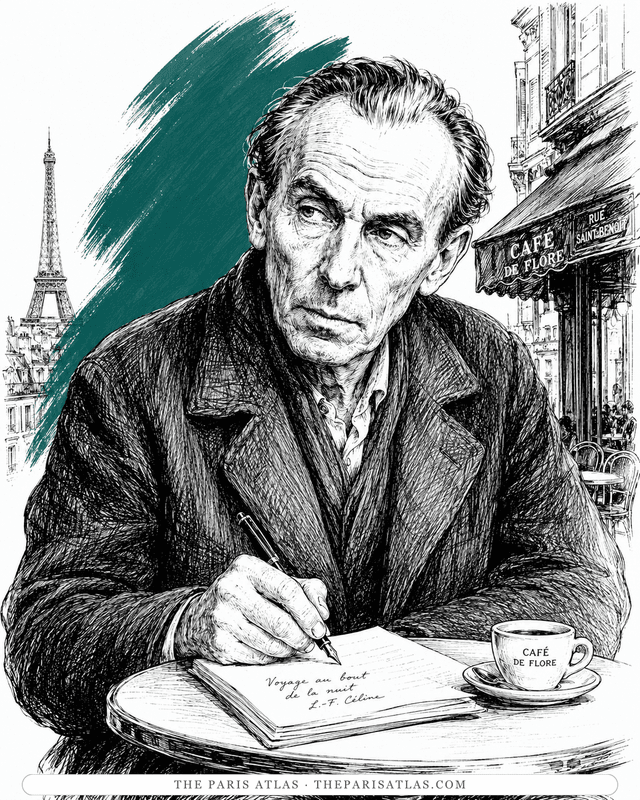
Louis-Ferdinand Céline
The other great stylist the Great War produced — where Hemingway cut the language down, Céline set it on fire. The same wound, opposite treatments.
View author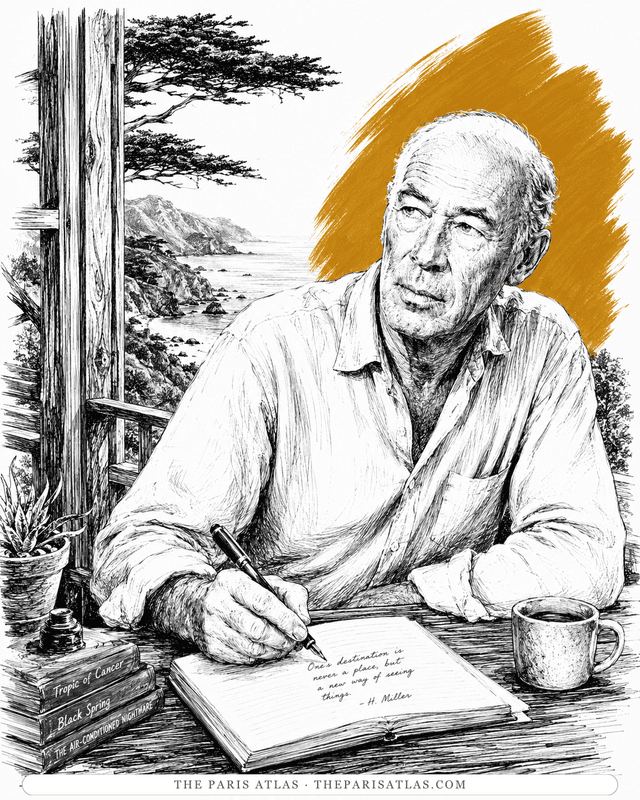
Henry Miller
Paris on no money a decade later, with the restraint removed. Miller called Hemingway's Paris a tourist's Paris; readers get to referee.
View author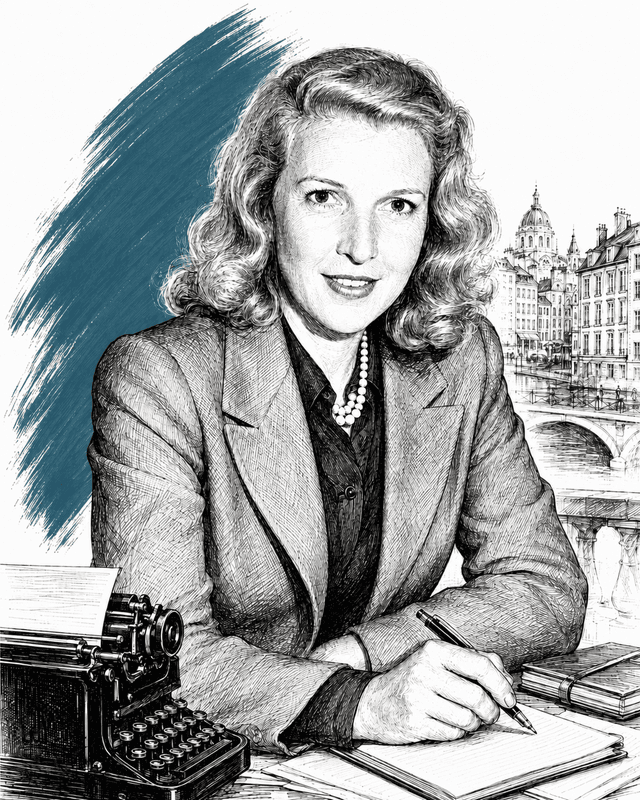
Martha Gellhorn
War correspondent who covered the Spanish Civil War, D-Day, and conflicts across five more decades; Hemingway's third wife, 1940–1945.
View author